Fanqie library
Browse
- Titles
- 31
Every Fanqie book we index, searchable by title, author or tag.
-
 Self-Defense Counterattack Against Vietnam
From 1979 to 1990, China and Vietnam engaged in a ten-year local war. The impact of this war on both sides was huge. Let us understand this not-so-distant history together and listen to this strange yet familiar story...
2.8kReads9.0Score226Shelves
Self-Defense Counterattack Against Vietnam
From 1979 to 1990, China and Vietnam engaged in a ten-year local war. The impact of this war on both sides was huge. Let us understand this not-so-distant history together and listen to this strange yet familiar story...
2.8kReads9.0Score226Shelves
-
 Records of the Sino-Indian War
China and India are both ancient civilizations with long histories and friendly neighbors. They share the same mountain and drink from the same river. In the two years of historical ups and downs, there are many friendship stories similar to Sakyamuni's Eastward Journey and Xuanzang's Westward Journey. Throughout history, the border between the two countries has never been demarcated. However, in the long-term relationship, there has never been a wave of disharmony. Both sides have always acted
609Reads8.6Score—Shelves
Records of the Sino-Indian War
China and India are both ancient civilizations with long histories and friendly neighbors. They share the same mountain and drink from the same river. In the two years of historical ups and downs, there are many friendship stories similar to Sakyamuni's Eastward Journey and Xuanzang's Westward Journey. Throughout history, the border between the two countries has never been demarcated. However, in the long-term relationship, there has never been a wave of disharmony. Both sides have always acted
609Reads8.6Score—Shelves
-
 The Beginning and End of the Self-Defense Counterattack Between China and India
Through the perspective of a third party, it tells the ins and outs of the 1962 Sino-Indian self-defense counterattack, allowing everyone to gain a deeper understanding of the historical causes of the Sino-Indian border conflict.
377Reads8.7Score—Shelves
The Beginning and End of the Self-Defense Counterattack Between China and India
Through the perspective of a third party, it tells the ins and outs of the 1962 Sino-Indian self-defense counterattack, allowing everyone to gain a deeper understanding of the historical causes of the Sino-Indian border conflict.
377Reads8.7Score—Shelves
-
 Secret Records of the Sino-Vietnamese War
The rare and peculiar "stalemate battle" lasted for ten years in the undulating and mysterious subtropical jungle. This documentary work uses bold writing and a large number of little-known facts to reveal the true background of the outbreak of the Sino-Vietnam War, the attention and discussion of countries around the world, the cruelty of the war, the tragedy of the battlefield, and the soldiers' tenacious fighting spirit that made people praise and cry. At the same time, through concrete and v
363Reads8.6Score—Shelves
Secret Records of the Sino-Vietnamese War
The rare and peculiar "stalemate battle" lasted for ten years in the undulating and mysterious subtropical jungle. This documentary work uses bold writing and a large number of little-known facts to reveal the true background of the outbreak of the Sino-Vietnam War, the attention and discussion of countries around the world, the cruelty of the war, the tragedy of the battlefield, and the soldiers' tenacious fighting spirit that made people praise and cry. At the same time, through concrete and v
363Reads8.6Score—Shelves
-
 National Memorial: a Record of the Kuomintang's Frontal Battlefield Resistance
The first volume of "National Memorial" records the patriotic officers and soldiers of the Kuomintang army from the "September 18th" Incident in 1931, the Japanese army's all-out war of aggression against China in July 1937, to the fall of Wuhan in October 1938. The detailed process of heroically killing the enemy on the frontal battlefield of the war against Japan focuses on describing the Great Wall Anti-Japanese War, Marco Polo Bridge Anti-Japanese War, Songhu Anti-Japanese War, Nanjing Defen
236Reads9.0Score—Shelves
National Memorial: a Record of the Kuomintang's Frontal Battlefield Resistance
The first volume of "National Memorial" records the patriotic officers and soldiers of the Kuomintang army from the "September 18th" Incident in 1931, the Japanese army's all-out war of aggression against China in July 1937, to the fall of Wuhan in October 1938. The detailed process of heroically killing the enemy on the frontal battlefield of the war against Japan focuses on describing the Great Wall Anti-Japanese War, Marco Polo Bridge Anti-Japanese War, Songhu Anti-Japanese War, Nanjing Defen
236Reads9.0Score—Shelves
-
 Battle of Shuimen Bridge at Changjin Lake
What is the real history of this period? How did the steel bombing of Watergate Bridge happen three times? What are the details of "Ice Sculpture Company"? The Battle of Changjin Lake showed the heroic spirit of the volunteers, completely reversed the situation on the Korean battlefield, and showed the spirit of the new republic. This is an arduous battle. In the case of extreme cold, insufficient supplies, and unequal strength of the two sides, the Battle of Changjin Lake was a test of the spir
78Reads8.2Score—Shelves
Battle of Shuimen Bridge at Changjin Lake
What is the real history of this period? How did the steel bombing of Watergate Bridge happen three times? What are the details of "Ice Sculpture Company"? The Battle of Changjin Lake showed the heroic spirit of the volunteers, completely reversed the situation on the Korean battlefield, and showed the spirit of the new republic. This is an arduous battle. In the case of extreme cold, insufficient supplies, and unequal strength of the two sides, the Battle of Changjin Lake was a test of the spir
78Reads8.2Score—Shelves
-
 Nanjing Massacre
"Nanjing Massacre" mainly reflects the process of the Japanese army's invasion of Nanjing and the fall of Nanjing. The Japanese army carried out bloody massacres, brutal rape, wanton robbery, arson, and cultural destruction in Nanjing, as well as the trials they received, as well as the unyielding resistance of the Chinese military and civilians.
8Reads8.2Score—Shelves
Nanjing Massacre
"Nanjing Massacre" mainly reflects the process of the Japanese army's invasion of Nanjing and the fall of Nanjing. The Japanese army carried out bloody massacres, brutal rape, wanton robbery, arson, and cultural destruction in Nanjing, as well as the trials they received, as well as the unyielding resistance of the Chinese military and civilians.
8Reads8.2Score—Shelves
-
 The Inside Story of the Korean War Is Fully Disclosed
The Korean War lasted for thirty-seven months, with more than ten countries directly participating in the war. All parties suffered millions of military and civilian casualties, and even more innumerable financial losses. Why did the war start? Why did the United States intervene? Why did the Chinese Volunteer Army cross the river to join the war? How can we compete with the US military under the banner of the United Army and defeat the United States, known as the world's most powerful country?
—Reads8.9Score—Shelves
The Inside Story of the Korean War Is Fully Disclosed
The Korean War lasted for thirty-seven months, with more than ten countries directly participating in the war. All parties suffered millions of military and civilian casualties, and even more innumerable financial losses. Why did the war start? Why did the United States intervene? Why did the Chinese Volunteer Army cross the river to join the war? How can we compete with the US military under the banner of the United Army and defeat the United States, known as the world's most powerful country?
—Reads8.9Score—Shelves
-
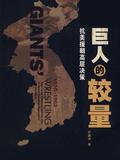 Contest of Giants
The Korean War broke out, and China was caught off guard; Zhou Enlai presided over a national defense conference to form the Northeast Frontier Defense Force; The combat goal of the Volunteer Army - to rule by drawing a line; Mao Zedong analyzed the issue of whether it could be fought; Truman and MacArthur believed that China "does not have enough to prepare for trouble"; Mao Zedong and Peng Dehuai considered a fundamental solution to the North Korean problem through full preparation; Zhou Enlai
—Reads—Score—Shelves
Contest of Giants
The Korean War broke out, and China was caught off guard; Zhou Enlai presided over a national defense conference to form the Northeast Frontier Defense Force; The combat goal of the Volunteer Army - to rule by drawing a line; Mao Zedong analyzed the issue of whether it could be fought; Truman and MacArthur believed that China "does not have enough to prepare for trouble"; Mao Zedong and Peng Dehuai considered a fundamental solution to the North Korean problem through full preparation; Zhou Enlai
—Reads—Score—Shelves
-
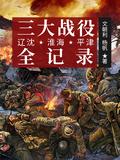 Complete Records of the Three Major Battles
In human history, war is a never-ending topic. In every era and every country, it appears with an unprecedented face. The short period from September 1948 to September 1949 was undoubtedly the most intense period of change in China in more than a century. The victories in the three major battles of Liaoshen, Huaihai, and Pingjin destroyed the main force that the Kuomintang relied on to maintain its rule and completely changed the direction of this country. In this war, the fates of great men, wi
—Reads—Score—Shelves
Complete Records of the Three Major Battles
In human history, war is a never-ending topic. In every era and every country, it appears with an unprecedented face. The short period from September 1948 to September 1949 was undoubtedly the most intense period of change in China in more than a century. The victories in the three major battles of Liaoshen, Huaihai, and Pingjin destroyed the main force that the Kuomintang relied on to maintain its rule and completely changed the direction of this country. In this war, the fates of great men, wi
—Reads—Score—Shelves
-
 A Brief History of Petroleum
Why do the numbers on gas station signs always fluctuate? Who is behind this? Why is the price of oil in the United States cheaper than in China? What is the conspiracy behind US sanctions on Russian oil? Why is oil produced in the Middle East? Did the United States attack Iraq because of oil? The topic of oil has never been short of hot topics. This book aims to let readers understand the geopolitical struggles surrounding oil among international financial groups, oil oligarchs and major Wester
—Reads—Score—Shelves
A Brief History of Petroleum
Why do the numbers on gas station signs always fluctuate? Who is behind this? Why is the price of oil in the United States cheaper than in China? What is the conspiracy behind US sanctions on Russian oil? Why is oil produced in the Middle East? Did the United States attack Iraq because of oil? The topic of oil has never been short of hot topics. This book aims to let readers understand the geopolitical struggles surrounding oil among international financial groups, oil oligarchs and major Wester
—Reads—Score—Shelves
-
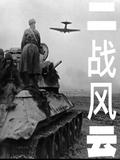 World War II
History, referred to as "history", refers to the systematic recording, research and interpretation of past events and activities of human society, as well as the behavior of these events. History exists objectively. No matter how writers write history, history exists in its own way and cannot be changed. It has three meanings: 1. A discipline that records and explains historical events as a series of human processes; 2. Evolution and origin; 3. Past facts. The problem of history is to constantly
—Reads—Score—Shelves
World War II
History, referred to as "history", refers to the systematic recording, research and interpretation of past events and activities of human society, as well as the behavior of these events. History exists objectively. No matter how writers write history, history exists in its own way and cannot be changed. It has three meanings: 1. A discipline that records and explains historical events as a series of human processes; 2. Evolution and origin; 3. Past facts. The problem of history is to constantly
—Reads—Score—Shelves
-
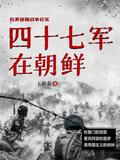 Forty-Seventh Army in Korea
The history of the 47th Army can be traced back to the First Independent Division of the Chinese Red Army. The army continued to grow and develop, and in November 1948, it was reorganized into the 47th Army of the Chinese People's Liberation Army. He participated in the Long March, the War of Resistance Against Japan, the Nanniwan Mass Production, the War of Liberation, the Suppression of Bandits in Western Hunan, the War to Resist U. S. Aggression and Aid Korea, and the Self-Defense Counteratta
—Reads8.5Score—Shelves
Forty-Seventh Army in Korea
The history of the 47th Army can be traced back to the First Independent Division of the Chinese Red Army. The army continued to grow and develop, and in November 1948, it was reorganized into the 47th Army of the Chinese People's Liberation Army. He participated in the Long March, the War of Resistance Against Japan, the Nanniwan Mass Production, the War of Liberation, the Suppression of Bandits in Western Hunan, the War to Resist U. S. Aggression and Aid Korea, and the Self-Defense Counteratta
—Reads8.5Score—Shelves
-
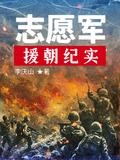 Records of Volunteers Aiding Korea
This is a decision made under the conditions of extremely complex international situation and severe domestic situation in our country, with a lot of waste waiting to be done and many difficulties. So why did Mao Zedong insist on sending troops? Does it seem correct today? Why did Stalin go back on his word? What was he hiding? Chiang Kai-shek, who had retreated to Taiwan, attempted to send troops into the DPRK. For what reason did he fail to send troops later? This is a confrontation with a hug
—Reads8.6Score—Shelves
Records of Volunteers Aiding Korea
This is a decision made under the conditions of extremely complex international situation and severe domestic situation in our country, with a lot of waste waiting to be done and many difficulties. So why did Mao Zedong insist on sending troops? Does it seem correct today? Why did Stalin go back on his word? What was he hiding? Chiang Kai-shek, who had retreated to Taiwan, attempted to send troops into the DPRK. For what reason did he fail to send troops later? This is a confrontation with a hug
—Reads8.6Score—Shelves
-
 Forty Army in Korea
The Forty Army had outstanding military exploits during the Civil War and was known as the "Tornado Force". This unit was the first to enter North Korea, and it was also the only team that directly transferred from the civil war to the War to Resist US Aggression and Aid Korea without peace training. Before receiving the order to enter North Korea, it had just concluded the operation to liberate Hainan. In the Korean battlefield, the Forty Army was the unit that had the longest continuous operat
—Reads—Score—Shelves
Forty Army in Korea
The Forty Army had outstanding military exploits during the Civil War and was known as the "Tornado Force". This unit was the first to enter North Korea, and it was also the only team that directly transferred from the civil war to the War to Resist US Aggression and Aid Korea without peace training. Before receiving the order to enter North Korea, it had just concluded the operation to liberate Hainan. In the Korean battlefield, the Forty Army was the unit that had the longest continuous operat
—Reads—Score—Shelves
-
 The 38Th Army in North Korea
"The Thirty-Eighth Army in North Korea" describes the battle history of the 38th Army of the Chinese People's Volunteers in resisting U. S. Aggression and aiding Korea. The 38th Army was the first batch of troops to enter North Korea and participate in the war. From crossing the Yalu River from Jilin Province (now Ji'an) on October 22, 1950, until being ordered to return home more than ten days before the armistice, it can be said that he experienced the entire process of the War to Resist US Ag
—Reads8.7Score—Shelves
The 38Th Army in North Korea
"The Thirty-Eighth Army in North Korea" describes the battle history of the 38th Army of the Chinese People's Volunteers in resisting U. S. Aggression and aiding Korea. The 38th Army was the first batch of troops to enter North Korea and participate in the war. From crossing the Yalu River from Jilin Province (now Ji'an) on October 22, 1950, until being ordered to return home more than ten days before the armistice, it can be said that he experienced the entire process of the War to Resist US Ag
—Reads8.7Score—Shelves
-
 Record of the Battle to Resist U. S. Aggression and Aid Korea
Reveal the real historical details in the movies "Changjin Lake", "Changjin Lake: Shuimen Bridge" and "Sniper"! This album is sought after by the majority of military fans and is a must-read for fully revealing the hidden history and classic battles of the Korean War. This book is a panoramic reproduction of the classic battles in the history of the Korean War. Why is the Battle of Changjin Lake called the turning point of the Korean War by military strategists? In fact, the prototype story of t
—Reads8.4Score—Shelves
Record of the Battle to Resist U. S. Aggression and Aid Korea
Reveal the real historical details in the movies "Changjin Lake", "Changjin Lake: Shuimen Bridge" and "Sniper"! This album is sought after by the majority of military fans and is a must-read for fully revealing the hidden history and classic battles of the Korean War. This book is a panoramic reproduction of the classic battles in the history of the Korean War. Why is the Battle of Changjin Lake called the turning point of the Korean War by military strategists? In fact, the prototype story of t
—Reads8.4Score—Shelves
-
 Battle of Changjin Lake
"Changjin Lake" is a film co-produced and directed by Chen Kaige, Tsui Hark, and Lam Chaoxian, starring Wu Jing, Yi Yang Qianxi, etc. It tells a touching story of a volunteer army company that stood firm and fought bravely to kill the enemy in extremely harsh conditions, and made an important contribution to the victory of the Battle of Changjin Lake. In this battle, the Ninth Corps of the Volunteer Army faced off against the ace troops of the US Army. Faced with the US troops who were well-equi
—Reads8.4Score—Shelves
Battle of Changjin Lake
"Changjin Lake" is a film co-produced and directed by Chen Kaige, Tsui Hark, and Lam Chaoxian, starring Wu Jing, Yi Yang Qianxi, etc. It tells a touching story of a volunteer army company that stood firm and fought bravely to kill the enemy in extremely harsh conditions, and made an important contribution to the victory of the Battle of Changjin Lake. In this battle, the Ninth Corps of the Volunteer Army faced off against the ace troops of the US Army. Faced with the US troops who were well-equi
—Reads8.4Score—Shelves
-
 The History of China Lost in the West: the Seventy Years of the Late Qing Dynasty
In the 70 years from the Opium War in 1841 to the founding of the Republic of China in 1912, the land of China was agitated by wind and thunder, the mountains and rivers were eroded, and the great powers were surrounded. Many major events that shocked the moment and affected the world pattern came one after another. The Opium War, Sanyuanli, etc. The Anti-British Movement, the Taiping Rebellion Movement, the Westernization Movement, the Nian Army Uprising, the Sino-French War, the Sino-Japanese
—Reads8.6Score—Shelves
The History of China Lost in the West: the Seventy Years of the Late Qing Dynasty
In the 70 years from the Opium War in 1841 to the founding of the Republic of China in 1912, the land of China was agitated by wind and thunder, the mountains and rivers were eroded, and the great powers were surrounded. Many major events that shocked the moment and affected the world pattern came one after another. The Opium War, Sanyuanli, etc. The Anti-British Movement, the Taiping Rebellion Movement, the Westernization Movement, the Nian Army Uprising, the Sino-French War, the Sino-Japanese
—Reads8.6Score—Shelves
-
 History of the Hunan Army's Campaign
This is a popular history book. It describes the Hunan Army's campaign in the history of the Qing Dynasty to restore the Qing Dynasty and mend the sky with all its strength. This is also the origin of the name of the book. This book is based on historical materials and takes Zeng Guofan as the main line. He manages the two lakes, trapped Jiangxi, plotted Anhui, and finally besieged Tianjing as the main chapter. After pacifying the Taiping Army, the Hunan Army also participated in several major b
—Reads—Score—Shelves
History of the Hunan Army's Campaign
This is a popular history book. It describes the Hunan Army's campaign in the history of the Qing Dynasty to restore the Qing Dynasty and mend the sky with all its strength. This is also the origin of the name of the book. This book is based on historical materials and takes Zeng Guofan as the main line. He manages the two lakes, trapped Jiangxi, plotted Anhui, and finally besieged Tianjing as the main chapter. After pacifying the Taiping Army, the Hunan Army also participated in several major b
—Reads—Score—Shelves
-
 The Decisive Battle of North Korea: Demystifying the Front and Behind the Scenes of Resisting U. S. Aggression and Aiding Korea
Through detailed historical materials, we comprehensively reveal many historical truths before and after the Korean War, including the competition between the top leadership of China, the United States, the Soviet Union, and North Korea, the truth about China's dispatch of troops to North Korea, the truth about the Korean People's Army's southern expedition, the true comparison of the combat power of China and the United States, the Soviet Union's military aid to China, the inside story of the A
—Reads8.9Score—Shelves
The Decisive Battle of North Korea: Demystifying the Front and Behind the Scenes of Resisting U. S. Aggression and Aiding Korea
Through detailed historical materials, we comprehensively reveal many historical truths before and after the Korean War, including the competition between the top leadership of China, the United States, the Soviet Union, and North Korea, the truth about China's dispatch of troops to North Korea, the truth about the Korean People's Army's southern expedition, the true comparison of the combat power of China and the United States, the Soviet Union's military aid to China, the inside story of the A
—Reads8.9Score—Shelves
-
 The Years of Patriotism: an Interview with the Soldiers of the National Revolutionary Army in the War of Resistance
The book is based on Zhou Yu, a volunteer who cared for the Anti-Japanese War veterans in Guizhou Province, who searched for a large number of surviving Anti-Japanese War veterans in Guizhou. It uses the oral memories of those who experienced the Anti-Japanese War as the main line, and combined with historical research, so that readers can also understand the historical background and battle processes experienced by those who experienced the Anti-Japanese War while reading the real Anti-Japanese
—Reads—Score—Shelves
The Years of Patriotism: an Interview with the Soldiers of the National Revolutionary Army in the War of Resistance
The book is based on Zhou Yu, a volunteer who cared for the Anti-Japanese War veterans in Guizhou Province, who searched for a large number of surviving Anti-Japanese War veterans in Guizhou. It uses the oral memories of those who experienced the Anti-Japanese War as the main line, and combined with historical research, so that readers can also understand the historical background and battle processes experienced by those who experienced the Anti-Japanese War while reading the real Anti-Japanese
—Reads—Score—Shelves
-
 World War I
The course of the war was mainly a battle between the Allies and the Entente. The German Empire, the Austro-Hungarian Empire, the Ottoman Empire, and the Kingdom of Bulgaria belonged to the Allied Powers camp; the British Empire, the French Third Republic, the Russian Empire, the Kingdom of Italy, the United States of America, the Kingdom of Serbia, the Kingdom of Belgium, the Kingdom of Romania, and the Kingdom of Greece belonged to the Allied Powers camp. [1] The battlefields are mainly in Eur
—Reads—Score—Shelves
World War I
The course of the war was mainly a battle between the Allies and the Entente. The German Empire, the Austro-Hungarian Empire, the Ottoman Empire, and the Kingdom of Bulgaria belonged to the Allied Powers camp; the British Empire, the French Third Republic, the Russian Empire, the Kingdom of Italy, the United States of America, the Kingdom of Serbia, the Kingdom of Belgium, the Kingdom of Romania, and the Kingdom of Greece belonged to the Allied Powers camp. [1] The battlefields are mainly in Eur
—Reads—Score—Shelves
-
 Daoguang and the Opium War
Tell you about Emperor Daoguang during the Opium War and the politics of the late Qing Dynasty.
—Reads8.1Score—Shelves
Daoguang and the Opium War
Tell you about Emperor Daoguang during the Opium War and the politics of the late Qing Dynasty.
—Reads8.1Score—Shelves
-
 July 7Th Marco Polo Bridge Anti-Japanese War
"The Seven-Seven Marco Polo Bridge Resistance" mainly reflects the background and process of the Marco Polo Bridge Incident caused by the Japanese army, as well as the heroic deeds of the Chinese military and civilians in the resistance, including the cooperation between the Kuomintang and the Communist Party, Song Zheyuan's preparations for the war, the fortification of Marco Polo Bridge, Japanese military exercises and attacks, Wang Lengzhai's negotiations into the city, etc. It focuses on des
—Reads8.9Score—Shelves
July 7Th Marco Polo Bridge Anti-Japanese War
"The Seven-Seven Marco Polo Bridge Resistance" mainly reflects the background and process of the Marco Polo Bridge Incident caused by the Japanese army, as well as the heroic deeds of the Chinese military and civilians in the resistance, including the cooperation between the Kuomintang and the Communist Party, Song Zheyuan's preparations for the war, the fortification of Marco Polo Bridge, Japanese military exercises and attacks, Wang Lengzhai's negotiations into the city, etc. It focuses on des
—Reads8.9Score—Shelves
-
 Complete Records of the Nanjing Massacre
On December 13, 1937, the Japanese invaders captured Nanjing and caused a tragic massacre. The Japanese troops who entered the city, using their occupiers' sense of superiority, brutally massacred more than 300,000 Chinese defenders and ordinary citizens who had laid down their arms in the following weeks, leaving a pain in the hearts of the Chinese people and the history of the Chinese nation that will never heal...
—Reads—Score—Shelves
Complete Records of the Nanjing Massacre
On December 13, 1937, the Japanese invaders captured Nanjing and caused a tragic massacre. The Japanese troops who entered the city, using their occupiers' sense of superiority, brutally massacred more than 300,000 Chinese defenders and ordinary citizens who had laid down their arms in the following weeks, leaving a pain in the hearts of the Chinese people and the history of the Chinese nation that will never heal...
—Reads—Score—Shelves
-
 Decisive Battle in the Northeast
The Northeastern battlefield from 1945 to 1948 was undergoing great changes. After Japan surrendered, the Chinese Communist Party quickly entered Shenyang. Immediately after the "turbulent changes", the Battle of Songhua River, the Tashan Blockade, the capture of Jinzhou, and the siege of Changchun, they survived every desperate situation and won many battles... The dawn of New China is rising slowly from the Northeast.
—Reads8.7Score—Shelves
Decisive Battle in the Northeast
The Northeastern battlefield from 1945 to 1948 was undergoing great changes. After Japan surrendered, the Chinese Communist Party quickly entered Shenyang. Immediately after the "turbulent changes", the Battle of Songhua River, the Tashan Blockade, the capture of Jinzhou, and the siege of Changchun, they survived every desperate situation and won many battles... The dawn of New China is rising slowly from the Northeast.
—Reads8.7Score—Shelves
-
 In-Depth Disclosure of Various Atrocities Committed by the Japanese Invaders of China
The inside story of the Sino-Japanese War is fully disclosed - an analysis of the current situation Zhou Enlai's grand discussion on Kuling, the voice of Chiang Kai-shek's Lushan Talk on the War of Resistance, the joint effort to resist the humiliation of the Red Army and the reorganization of the Eighth Route Army, the deployment of the great war, Chiang Kai-shek took office as the generalissimo, Ban Huan took the lead in marching into Sui Cha, Tang Enbo made his first military exploits by guar
—Reads—Score—Shelves
In-Depth Disclosure of Various Atrocities Committed by the Japanese Invaders of China
The inside story of the Sino-Japanese War is fully disclosed - an analysis of the current situation Zhou Enlai's grand discussion on Kuling, the voice of Chiang Kai-shek's Lushan Talk on the War of Resistance, the joint effort to resist the humiliation of the Red Army and the reorganization of the Eighth Route Army, the deployment of the great war, Chiang Kai-shek took office as the generalissimo, Ban Huan took the lead in marching into Sui Cha, Tang Enbo made his first military exploits by guar
—Reads—Score—Shelves
-
 The Great War to Resist U. S. Aggression and Aid Korea
The ceiling of military history broadcasting: Yinzheng Guanlan Broadcasting, the most authoritative history of the War to Resist U. S. Aggression and Aid Korea, is the best work about the War to Resist U. S. Aggression and Aid Korea that you will ever hear, bar none.
—Reads9.2Score—Shelves
The Great War to Resist U. S. Aggression and Aid Korea
The ceiling of military history broadcasting: Yinzheng Guanlan Broadcasting, the most authoritative history of the War to Resist U. S. Aggression and Aid Korea, is the best work about the War to Resist U. S. Aggression and Aid Korea that you will ever hear, bar none.
—Reads9.2Score—Shelves
-
 Northeastern Anti-Japanese War
The Northeastern Volunteer Army and the Northeastern Anti-Japanese Allied Forces are the anti-Japanese armed forces of the Northeastern people. From 1931 to 1945, the Northeastern people of all ethnic groups fought an arduous 14-year war of resistance against the Japanese invaders. Peel away the fog of history, find details that are rarely seen in history books, remember those indomitable and proud souls, and review that generous and tragic history together.
—Reads8.7Score—Shelves
Northeastern Anti-Japanese War
The Northeastern Volunteer Army and the Northeastern Anti-Japanese Allied Forces are the anti-Japanese armed forces of the Northeastern people. From 1931 to 1945, the Northeastern people of all ethnic groups fought an arduous 14-year war of resistance against the Japanese invaders. Peel away the fog of history, find details that are rarely seen in history books, remember those indomitable and proud souls, and review that generous and tragic history together.
—Reads8.7Score—Shelves
-
 Records of World War Ii·pacific Battlefield
Combining the latest research results and the latest declassified information on World War II at home and abroad, it gives a panoramic account of the Pacific War in the Pacific, Indian Ocean and East Asia, fought from 1941 to 1945 by the main members of the Axis Powers: Japan, the United States, the United Kingdom and other Allied Powers. It presents the entire process of the rise and fall of Japanese militarism, and displays the military, political, diplomatic and economic struggles between the
—Reads8.9Score—Shelves
Records of World War Ii·pacific Battlefield
Combining the latest research results and the latest declassified information on World War II at home and abroad, it gives a panoramic account of the Pacific War in the Pacific, Indian Ocean and East Asia, fought from 1941 to 1945 by the main members of the Axis Powers: Japan, the United States, the United Kingdom and other Allied Powers. It presents the entire process of the rise and fall of Japanese militarism, and displays the military, political, diplomatic and economic struggles between the
—Reads8.9Score—Shelves