Fanqie library
Browse
- Titles
- 1.7k
Every Fanqie book we index, searchable by title, author or tag.
-
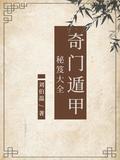 A Complete Collection of Qimen Dunjia Secrets
"The Complete Collection of Secrets of Qimen Dunjia" is published by Hualing Publishing House. "The Complete Collection of Secret Manuals of Qimen Dunjia", also known as "The Complete Collection of Secret Manuals of Qimen Dunjia" and "The Complete Collection of Qimen Dunjia", was written by Zhuge Wuhou of Shu [Han Dynasty] and compiled by Liu Bowen of [Ming Dynasty]. The earliest printed version of this book appeared in the Wanli period of the Ming Dynasty, and it was later reprinted and revised
—Reads9.3Score—Shelves
A Complete Collection of Qimen Dunjia Secrets
"The Complete Collection of Secrets of Qimen Dunjia" is published by Hualing Publishing House. "The Complete Collection of Secret Manuals of Qimen Dunjia", also known as "The Complete Collection of Secret Manuals of Qimen Dunjia" and "The Complete Collection of Qimen Dunjia", was written by Zhuge Wuhou of Shu [Han Dynasty] and compiled by Liu Bowen of [Ming Dynasty]. The earliest printed version of this book appeared in the Wanli period of the Ming Dynasty, and it was later reprinted and revised
—Reads9.3Score—Shelves
-
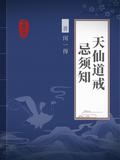 Instructions for Taboos in Tianxian Dao
This work "Notes on Precepts and Taboos of Celestial Immortal Way" was written by Min Yi.
—Reads8.3Score—Shelves
Instructions for Taboos in Tianxian Dao
This work "Notes on Precepts and Taboos of Celestial Immortal Way" was written by Min Yi.
—Reads8.3Score—Shelves
-
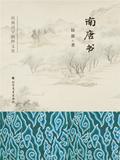 Book of the Southern Tang Dynasty
Chinese traditional cultural thoughts have a long history and are highly original, original and literary. The early ideological forms were very distinctive, with extensive and profound contents such as religious theology, Chinese medicine classics, ancient military art, Confucianism, Taoism, Buddhism and hundreds of schools of thought, Feng Shui metaphysics, Twenty-Four Histories, customs and geography, etc. This series of "Original Books on Classic Chinese Studies and Essence Culture" retains t
—Reads8.1Score—Shelves
Book of the Southern Tang Dynasty
Chinese traditional cultural thoughts have a long history and are highly original, original and literary. The early ideological forms were very distinctive, with extensive and profound contents such as religious theology, Chinese medicine classics, ancient military art, Confucianism, Taoism, Buddhism and hundreds of schools of thought, Feng Shui metaphysics, Twenty-Four Histories, customs and geography, etc. This series of "Original Books on Classic Chinese Studies and Essence Culture" retains t
—Reads8.1Score—Shelves
-
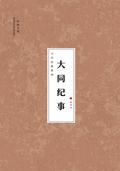 Chronicle of Datong
"Chronicles of Datong" is a Ming Dynasty notebook-style historical work written by Han Bangqi, a Ming Dynasty scholar. It is a one-volume book. It mainly describes a series of political turmoil and military coups in border towns that occurred in Datong, Shanxi and surrounding areas during the Jiajing Jiashen period (around 1534). It is an important original historical material for studying local political crises, military-civilian conflicts and officialdom governance in the Ming Dynasty. The aut
—Reads8.2Score—Shelves
Chronicle of Datong
"Chronicles of Datong" is a Ming Dynasty notebook-style historical work written by Han Bangqi, a Ming Dynasty scholar. It is a one-volume book. It mainly describes a series of political turmoil and military coups in border towns that occurred in Datong, Shanxi and surrounding areas during the Jiajing Jiashen period (around 1534). It is an important original historical material for studying local political crises, military-civilian conflicts and officialdom governance in the Ming Dynasty. The aut
—Reads8.2Score—Shelves
-
 Huang Ming Ma Zheng Ji
Written by Yang Shiqiao of the Ming Dynasty. Twelve volumes. Shi Qiao's courtesy name was Yiqian, his name was Zhi'an, and he was a native of Shangrao, Jiangxi. Jiajing Jinshi, official to the Ministry of Personnel. The secretary has the Ma Zheng of the Ming Dynasty, from Hongwu to the twenty-third year of Wanli (1595). He counts twelve categories of household horses, stallions, etc., And describes the profits and losses due to leather. The material is rich, the original story is clear, and it i
—Reads8.0Score—Shelves
Huang Ming Ma Zheng Ji
Written by Yang Shiqiao of the Ming Dynasty. Twelve volumes. Shi Qiao's courtesy name was Yiqian, his name was Zhi'an, and he was a native of Shangrao, Jiangxi. Jiajing Jinshi, official to the Ministry of Personnel. The secretary has the Ma Zheng of the Ming Dynasty, from Hongwu to the twenty-third year of Wanli (1595). He counts twelve categories of household horses, stallions, etc., And describes the profits and losses due to leather. The material is rich, the original story is clear, and it i
—Reads8.0Score—Shelves
-
 Da Liuren Secret Book
A divination secret book with profound cultural heritage. It not only contains rich knowledge of astronomy and geography, but also integrates philosophical thoughts such as Yin Yang, Five Elements, and the Eight Diagrams of the Book of Changes. "The Secret Book of Da Liuren" is a comprehensive work that integrates divination, prediction, and philosophy. It provides us with a window into ancient culture and thought. We can better understand the wisdom of the ancients and find its practical value
—Reads8.5Score—Shelves
Da Liuren Secret Book
A divination secret book with profound cultural heritage. It not only contains rich knowledge of astronomy and geography, but also integrates philosophical thoughts such as Yin Yang, Five Elements, and the Eight Diagrams of the Book of Changes. "The Secret Book of Da Liuren" is a comprehensive work that integrates divination, prediction, and philosophy. It provides us with a window into ancient culture and thought. We can better understand the wisdom of the ancients and find its practical value
—Reads8.5Score—Shelves
-
 Da Liu Ren Guide
"Guide to Da Liu Ren" is a masterpiece of metaphysics that collects the great achievements of Da Liu Ren studies. It was compiled by Chen Gongxian and others in the late Ming and early Qing dynasties. The book has lofty intentions, simple but profound theories, and exquisite lesson examples. It has been regarded as a secret book in the pillow of the Ren family of all generations. The book not only elaborates on the exquisite theory of Liuren Shushu, but also demonstrates its magical effects in p
—Reads9.2Score—Shelves
Da Liu Ren Guide
"Guide to Da Liu Ren" is a masterpiece of metaphysics that collects the great achievements of Da Liu Ren studies. It was compiled by Chen Gongxian and others in the late Ming and early Qing dynasties. The book has lofty intentions, simple but profound theories, and exquisite lesson examples. It has been regarded as a secret book in the pillow of the Ren family of all generations. The book not only elaborates on the exquisite theory of Liuren Shushu, but also demonstrates its magical effects in p
—Reads9.2Score—Shelves
-
 Liuren Jingwei (Free Public Edition Book)
"Liuren Jingwei" is a book on religious philosophy written by Tie Wengzi (Qing Dynasty). Da Liuren's introductory ancient book has a simple and compact structure and is suitable for entry-level research.
—Reads8.8Score—Shelves
Liuren Jingwei (Free Public Edition Book)
"Liuren Jingwei" is a book on religious philosophy written by Tie Wengzi (Qing Dynasty). Da Liuren's introductory ancient book has a simple and compact structure and is suitable for entry-level research.
—Reads8.8Score—Shelves
-
 Geographical Confusion
"Geographical Discrimination" is a Chinese history book written by Ma Taiqing (Qing Dynasty). The art of Kanyu has been researched and speculated on behalf of famous teachers since ancient times. It is both precise and detailed, and can be said to be extremely advanced. However, famous teachers come from this world and are never encountered. They have been taught by mouth and heart, but they have not been widely heard in this world. Those who pretend to rely on famous teachers and falsely claim
—Reads9.2Score—Shelves
Geographical Confusion
"Geographical Discrimination" is a Chinese history book written by Ma Taiqing (Qing Dynasty). The art of Kanyu has been researched and speculated on behalf of famous teachers since ancient times. It is both precise and detailed, and can be said to be extremely advanced. However, famous teachers come from this world and are never encountered. They have been taught by mouth and heart, but they have not been widely heard in this world. Those who pretend to rely on famous teachers and falsely claim
—Reads9.2Score—Shelves
-
 Plum Blossoms Are Easy to Count
It is said that the origin of plum blossom numbering can be traced back to the secret technique passed down by sages such as Taoist Mai and Chen Xiyi. Later, it was mastered by Mr. Shao Kangjie of the Northern Song Dynasty and became his specialty. After Mr. Shao spread this number widely, it not only enhanced the practical value of Yi Xue in the field of divination, but also made this technique famous. Since the Shao Kang Festival, this technique has been renamed Plum Blossom Yishu. This book i
—Reads9.1Score—Shelves
Plum Blossoms Are Easy to Count
It is said that the origin of plum blossom numbering can be traced back to the secret technique passed down by sages such as Taoist Mai and Chen Xiyi. Later, it was mastered by Mr. Shao Kangjie of the Northern Song Dynasty and became his specialty. After Mr. Shao spread this number widely, it not only enhanced the practical value of Yi Xue in the field of divination, but also made this technique famous. Since the Shao Kang Festival, this technique has been renamed Plum Blossom Yishu. This book i
—Reads9.1Score—Shelves
-
 A Thorough Explanation of the Compass
"Compass Insight" is an ancient book that deeply analyzes the mystery of the compass (Compass), written by Wang Daoheng, a famous Feng Shui master in the Qing Dynasty. The book not only elaborates on the structure and use of the compass, but also reveals the profound knowledge behind the compass such as yin and yang, the five elements, astronomy and geography. Through "Compass Interpretation", readers can understand how ancient Feng Shui masters used the mysterious tool of the compass to gain in
—Reads9.4Score—Shelves
A Thorough Explanation of the Compass
"Compass Insight" is an ancient book that deeply analyzes the mystery of the compass (Compass), written by Wang Daoheng, a famous Feng Shui master in the Qing Dynasty. The book not only elaborates on the structure and use of the compass, but also reveals the profound knowledge behind the compass such as yin and yang, the five elements, astronomy and geography. Through "Compass Interpretation", readers can understand how ancient Feng Shui masters used the mysterious tool of the compass to gain in
—Reads9.4Score—Shelves
-
 Lai Buyi's Seventy-Two Burial Methods
"Lai Buyi's Seventy-Two Burial Methods" is a classic work in Feng Shui, written by Lai Wenjun (No. Bu Yizi), a famous Feng Shui master in the Song Dynasty. The book elaborates on seventy-two unique burial methods, aiming to allow the deceased to rest in peace and bless future generations through precise site selection and burial methods. These burial methods are flexibly used according to natural conditions such as topography, terrain, size and depth of vitality, including large burial methods,
—Reads9.3Score—Shelves
Lai Buyi's Seventy-Two Burial Methods
"Lai Buyi's Seventy-Two Burial Methods" is a classic work in Feng Shui, written by Lai Wenjun (No. Bu Yizi), a famous Feng Shui master in the Song Dynasty. The book elaborates on seventy-two unique burial methods, aiming to allow the deceased to rest in peace and bless future generations through precise site selection and burial methods. These burial methods are flexibly used according to natural conditions such as topography, terrain, size and depth of vitality, including large burial methods,
—Reads9.3Score—Shelves
-
 Golden Lock and Jade Pass
—Reads9.4Score—Shelves
Golden Lock and Jade Pass
Golden Lock and Jade Pass
—Reads9.4Score—Shelves
-
 Xuexinfu
"Xue Xin Fu" was written by Bu Yingtian of the Tang Dynasty. It is a famous classic chapter in Chinese Feng Shui and a classic work of Situation Method (Lantou Method). The author claims to have a "clear mind and a thorough understanding of geography", so he named this book "Xue Xin Fu".
—Reads9.2Score—Shelves
Xuexinfu
"Xue Xin Fu" was written by Bu Yingtian of the Tang Dynasty. It is a famous classic chapter in Chinese Feng Shui and a classic work of Situation Method (Lantou Method). The author claims to have a "clear mind and a thorough understanding of geography", so he named this book "Xue Xin Fu".
—Reads9.2Score—Shelves
-
 Flat Sand Jade Ruler
Liu Bingzhong of the Yuan Dynasty, whose courtesy name was Zhonghui. In his "Pingsha Jade Ruler Classic", "Zaowei Fu" summarizes the principles and practical methods of Feng Shui in subtle, precise and incredible prose; "Zhuji Fu" discusses peak elimination and its assertions; "Tianji Fu" discusses the intake of water and its assertions. The relationship between the "three Fus" is: "Zhuji Fu" is the operational feng shui standard for "Zaowei Fu" to measure the quality of Fengsha Feng Shui, and "
—Reads9.2Score—Shelves
Flat Sand Jade Ruler
Liu Bingzhong of the Yuan Dynasty, whose courtesy name was Zhonghui. In his "Pingsha Jade Ruler Classic", "Zaowei Fu" summarizes the principles and practical methods of Feng Shui in subtle, precise and incredible prose; "Zhuji Fu" discusses peak elimination and its assertions; "Tianji Fu" discusses the intake of water and its assertions. The relationship between the "three Fus" is: "Zhuji Fu" is the operational feng shui standard for "Zaowei Fu" to measure the quality of Fengsha Feng Shui, and "
—Reads9.2Score—Shelves
-
 Eyes into the Earth Complete Book
—Reads9.2Score—Shelves
Eyes into the Earth Complete Book
Eyes into the Earth Complete Book
—Reads9.2Score—Shelves
-
 Liu Renshen Lesson Golden Formula
This work "The Golden Formula of Liu Ren Shen Lecture" is written by Shi Shizi
—Reads9.1Score—Shelves
Liu Renshen Lesson Golden Formula
This work "The Golden Formula of Liu Ren Shen Lecture" is written by Shi Shizi
—Reads9.1Score—Shelves
-
 Five Geography Tips
"Five Secrets of Geography" is a masterpiece among the classics of Kanyuology and was written by Zhao Jiufeng in the Qing Dynasty. The first seven volumes are mainly about mountain Feng Shui, and the eighth volume is about Pingyang Feng Shui. The book summarizes and sorts out the famous Feng Shui works since the Tang and Song Dynasties, divides them into categories, and analyzes dragons, caves, sand, and water in detail. Moreover, theoretical development and supplementation were carried out on t
—Reads9.4Score—Shelves
Five Geography Tips
"Five Secrets of Geography" is a masterpiece among the classics of Kanyuology and was written by Zhao Jiufeng in the Qing Dynasty. The first seven volumes are mainly about mountain Feng Shui, and the eighth volume is about Pingyang Feng Shui. The book summarizes and sorts out the famous Feng Shui works since the Tang and Song Dynasties, divides them into categories, and analyzes dragons, caves, sand, and water in detail. Moreover, theoretical development and supplementation were carried out on t
—Reads9.4Score—Shelves
-
 True Interpretation
Historical Taoist cultivation works mainly discuss the cultivation methods of the Nihilist and Jindan sects. The Great Way of Nihility emphasizes the extreme tranquility of emptiness, the natural transformation of essence into qi, the natural transformation of qi into spirit, and the natural return of spirit to emptiness; while the control of qi by spirit focuses on refining essence into qi, refining qi into spirit, and refining spirit into emptiness. "True Interpretation" also records Yang Daos
—Reads9.3Score—Shelves
True Interpretation
Historical Taoist cultivation works mainly discuss the cultivation methods of the Nihilist and Jindan sects. The Great Way of Nihility emphasizes the extreme tranquility of emptiness, the natural transformation of essence into qi, the natural transformation of qi into spirit, and the natural return of spirit to emptiness; while the control of qi by spirit focuses on refining essence into qi, refining qi into spirit, and refining spirit into emptiness. "True Interpretation" also records Yang Daos
—Reads9.3Score—Shelves
-
 Shaking the Dragon Sutra, Doubting the Dragon Sutra, Burial Techniques with the Inverted Staff (Free Public Edition Book)
When he met Huang Chao in Guangming, he stole the secret technique of the forbidden jade letter and escaped, and later traveled to Qianzhou. Nonsense talk is simply not true. However, his books are widely circulated in the world. "Shaking the Dragon Scripture" specifically talks about the situation of the mountain dragon context, which is divided into Greed Wolf, Jumen, Lucun, Wenqu, Lianzhen, Wuqu, Pojun, Zuofu, Youbi Jiuxing, each with its own explanation. The first chapter of "The Book of Sus
—Reads8.6Score—Shelves
Shaking the Dragon Sutra, Doubting the Dragon Sutra, Burial Techniques with the Inverted Staff (Free Public Edition Book)
When he met Huang Chao in Guangming, he stole the secret technique of the forbidden jade letter and escaped, and later traveled to Qianzhou. Nonsense talk is simply not true. However, his books are widely circulated in the world. "Shaking the Dragon Scripture" specifically talks about the situation of the mountain dragon context, which is divided into Greed Wolf, Jumen, Lucun, Wenqu, Lianzhen, Wuqu, Pojun, Zuofu, Youbi Jiuxing, each with its own explanation. The first chapter of "The Book of Sus
—Reads8.6Score—Shelves
-
 Huang Ting Nei Jing Sutra: the Basic Theories and Methods of Taoist Internal Cultivation, "The Wonderful Scripture of Longevity" (Original Annotation by Guoxue. Com, Reviewed by Wang Zijin)
The basic theories and methods of Taoist internal cultivation are known as "The Wonderful Code of Longevity".
—Reads9.3Score—Shelves
Huang Ting Nei Jing Sutra: the Basic Theories and Methods of Taoist Internal Cultivation, "The Wonderful Scripture of Longevity" (Original Annotation by Guoxue. Com, Reviewed by Wang Zijin)
The basic theories and methods of Taoist internal cultivation are known as "The Wonderful Code of Longevity".
—Reads9.3Score—Shelves
-
 Huang Ting Interior View with Internal Organs Tonifying and Purging Diagram
Interior view of Huangting, a diagram of the internal organs tonifying and purging. The title is about seeing Suzi Hu in Taibai Mountain and being fascinated. According to the preface, it was written in the second year of Dazhong reign of Emperor Xuanzong of the Tang Dynasty. One roll. Original source: "Orthodox Taoist Canon" Dongxuan Department Spiritual Picture Category.
—Reads8.5Score—Shelves
Huang Ting Interior View with Internal Organs Tonifying and Purging Diagram
Interior view of Huangting, a diagram of the internal organs tonifying and purging. The title is about seeing Suzi Hu in Taibai Mountain and being fascinated. According to the preface, it was written in the second year of Dazhong reign of Emperor Xuanzong of the Tang Dynasty. One roll. Original source: "Orthodox Taoist Canon" Dongxuan Department Spiritual Picture Category.
—Reads8.5Score—Shelves
-
 Romance of the Sixteenth Dynasties of the Ming Palace
"The Romance of the Sixteen Dynasties of the Ming Palace" goes deep into the palace to narrate the love and hatred between emperors and concubines; it covers a wide range of historical events and gives a detailed look at the twists and turns of the feudal dynasty. If you read this set of books thoroughly, you will understand the palace; if you read the palace thoroughly, you will understand the history; if you read the history thoroughly, the reality will be clear to your mind.
—Reads9.4Score—Shelves
Romance of the Sixteenth Dynasties of the Ming Palace
"The Romance of the Sixteen Dynasties of the Ming Palace" goes deep into the palace to narrate the love and hatred between emperors and concubines; it covers a wide range of historical events and gives a detailed look at the twists and turns of the feudal dynasty. If you read this set of books thoroughly, you will understand the palace; if you read the palace thoroughly, you will understand the history; if you read the history thoroughly, the reality will be clear to your mind.
—Reads9.4Score—Shelves
-
 Complete Collection of Palace Romances from Past Dynasties
Xu Xiaotian resurrects the secret history of the Tang Palace in the Ming and Qing dynasties with the writing of a novel: the bloody rain of nine sons' seizure of the legitimate sons, Wu Zetian's machinations, and the tragic end of Chongzhen... It not only has the historical skeleton of the textual criticism school, but also adds the wild flavor and flesh of the novelist. It is more vivid than official history and more rigorous than drama. It can be called the ancient version of "Game of Thrones"
—Reads9.5Score—Shelves
Complete Collection of Palace Romances from Past Dynasties
Xu Xiaotian resurrects the secret history of the Tang Palace in the Ming and Qing dynasties with the writing of a novel: the bloody rain of nine sons' seizure of the legitimate sons, Wu Zetian's machinations, and the tragic end of Chongzhen... It not only has the historical skeleton of the textual criticism school, but also adds the wild flavor and flesh of the novelist. It is more vivid than official history and more rigorous than drama. It can be called the ancient version of "Game of Thrones"
—Reads9.5Score—Shelves
-
 Sword Classic
Chinese traditional cultural thoughts have a long history and are highly original, original and literary. The early ideological forms were very distinctive, with extensive and profound contents such as religious theology, Chinese medicine classics, ancient military art, Confucianism, Taoism, Buddhism and hundreds of schools of thought, Feng Shui metaphysics, Twenty-Four Histories, customs and geography, etc. This series of "Original Books on Classic Chinese Studies and Essence Culture" retains t
—Reads8.6Score—Shelves
Sword Classic
Chinese traditional cultural thoughts have a long history and are highly original, original and literary. The early ideological forms were very distinctive, with extensive and profound contents such as religious theology, Chinese medicine classics, ancient military art, Confucianism, Taoism, Buddhism and hundreds of schools of thought, Feng Shui metaphysics, Twenty-Four Histories, customs and geography, etc. This series of "Original Books on Classic Chinese Studies and Essence Culture" retains t
—Reads8.6Score—Shelves
-
 Disaster Management
Chinese traditional cultural thoughts have a long history and are highly original, original and literary. The early ideological forms were very distinctive, with extensive and profound contents such as religious theology, Chinese medicine classics, ancient military art, Confucianism, Taoism, Buddhism and hundreds of schools of thought, Feng Shui metaphysics, Twenty-Four Histories, customs and geography, etc. This series of "Original Books on Classic Chinese Studies and Essence Culture" retains t
—Reads8.9Score—Shelves
Disaster Management
Chinese traditional cultural thoughts have a long history and are highly original, original and literary. The early ideological forms were very distinctive, with extensive and profound contents such as religious theology, Chinese medicine classics, ancient military art, Confucianism, Taoism, Buddhism and hundreds of schools of thought, Feng Shui metaphysics, Twenty-Four Histories, customs and geography, etc. This series of "Original Books on Classic Chinese Studies and Essence Culture" retains t
—Reads8.9Score—Shelves
-
 Xuan Yao Chapter
This work "Xuan Yao Chapter" is written by Zhang Sanfeng
—Reads8.6Score—Shelves
Xuan Yao Chapter
This work "Xuan Yao Chapter" is written by Zhang Sanfeng
—Reads8.6Score—Shelves
-
 Heavenly Immortal Golden Pill Heart Method
This work "Heavenly Immortal Golden Pill Heart Method" is written by Liu Shouyuan
—Reads9.3Score—Shelves
Heavenly Immortal Golden Pill Heart Method
This work "Heavenly Immortal Golden Pill Heart Method" is written by Liu Shouyuan
—Reads9.3Score—Shelves
-
 Let the Secrets Out
Chinese traditional cultural thoughts have a long history and are highly original, original and literary. The early ideological forms were very distinctive, with extensive and profound contents such as religious theology, Chinese medicine classics, ancient military art, Confucianism, Taoism, Buddhism and hundreds of schools of thought, Feng Shui metaphysics, Twenty-Four Histories, customs and geography, etc. This series of "Original Books on Classic Chinese Studies and Essence Culture" retains t
—Reads9.3Score—Shelves
Let the Secrets Out
Chinese traditional cultural thoughts have a long history and are highly original, original and literary. The early ideological forms were very distinctive, with extensive and profound contents such as religious theology, Chinese medicine classics, ancient military art, Confucianism, Taoism, Buddhism and hundreds of schools of thought, Feng Shui metaphysics, Twenty-Four Histories, customs and geography, etc. This series of "Original Books on Classic Chinese Studies and Essence Culture" retains t
—Reads9.3Score—Shelves
-
 Selected Works of the Late Qing Dynasty
"Selected Works of the Late Qing Dynasty" A collection of modern Chinese writings. Edited by Zheng Zhenduo. Published by Shanghai Life Bookstore in 1937. The book is divided into 3 volumes, containing 129 authors and 480 articles. The collected scholars, from Lin Zexu to Chen Tianhua, highlighted the ideas of seeking strength and revolution. The book contains the most articles by Gong Zizhen, Zheng Guanying, Xue Fucheng, Tan Sitong, Lin Shu, Yan Fu, Zhang Taiyan, etc. It also includes 10 article
—Reads9.5Score—Shelves
Selected Works of the Late Qing Dynasty
"Selected Works of the Late Qing Dynasty" A collection of modern Chinese writings. Edited by Zheng Zhenduo. Published by Shanghai Life Bookstore in 1937. The book is divided into 3 volumes, containing 129 authors and 480 articles. The collected scholars, from Lin Zexu to Chen Tianhua, highlighted the ideas of seeking strength and revolution. The book contains the most articles by Gong Zizhen, Zheng Guanying, Xue Fucheng, Tan Sitong, Lin Shu, Yan Fu, Zhang Taiyan, etc. It also includes 10 article
—Reads9.5Score—Shelves
-
 The Book of Duanyi Ghost Spirits
As the most important work of ancient six-yao divination, "Duanyi Guiling Jing" integrates Yin and Yang, the five elements, Feng Shui and numerology. It uses hexagrams to deduce the good and bad luck of the tomb and the evil caused by disasters. It is known as "the best folk magic book". The book is the first to create the "Twelve Palaces of Ghosts and Spirits" system, which combines the heavenly stems, earthly branches, and twenty-eight constellations to construct a complete theory of divine ev
—Reads9.1Score—Shelves
The Book of Duanyi Ghost Spirits
As the most important work of ancient six-yao divination, "Duanyi Guiling Jing" integrates Yin and Yang, the five elements, Feng Shui and numerology. It uses hexagrams to deduce the good and bad luck of the tomb and the evil caused by disasters. It is known as "the best folk magic book". The book is the first to create the "Twelve Palaces of Ghosts and Spirits" system, which combines the heavenly stems, earthly branches, and twenty-eight constellations to construct a complete theory of divine ev
—Reads9.1Score—Shelves
-
 Dunjia Talisman Ying Jing
Three volumes of "Dunjia Fuying Jing" were written by Yang Weide and others in the Song Dynasty. Yang Weide's life is unknown, but "Song History Fang Ji Biography" claims that he can teach the Armillary Sphere Technique. The three volumes of "Dunjia Fuying Jing" are not found in "Shushi Yiwenzhi", but are recorded in Zheng Qiao's "Tongzhi" and Qian Zunwang's "Shu Gutang Bibliography", and they are composed of three volumes. Ma Duanlin's "Tongkao of Documents" contains two volumes. This book uses
—Reads8.8Score—Shelves
Dunjia Talisman Ying Jing
Three volumes of "Dunjia Fuying Jing" were written by Yang Weide and others in the Song Dynasty. Yang Weide's life is unknown, but "Song History Fang Ji Biography" claims that he can teach the Armillary Sphere Technique. The three volumes of "Dunjia Fuying Jing" are not found in "Shushi Yiwenzhi", but are recorded in Zheng Qiao's "Tongzhi" and Qian Zunwang's "Shu Gutang Bibliography", and they are composed of three volumes. Ma Duanlin's "Tongkao of Documents" contains two volumes. This book uses
—Reads8.8Score—Shelves
-
 Thirteen Needles of Ghost Gate
"Thirteen Acupuncture of Ghost Gate" was first created by Bian Que in the Warring States Period. It is a special treatment method that is extensive and profound in acupuncture. The method was mentioned in the "Acupuncture Dacheng" written by Yang Jizhou in the Ming Dynasty. Except for what is mentioned above, there is no description in the public and private collections of the past dynasties, and it is almost lost. As of 1953, a manuscript with illustrations was discovered in the National Museum
—Reads8.5Score—Shelves
Thirteen Needles of Ghost Gate
"Thirteen Acupuncture of Ghost Gate" was first created by Bian Que in the Warring States Period. It is a special treatment method that is extensive and profound in acupuncture. The method was mentioned in the "Acupuncture Dacheng" written by Yang Jizhou in the Ming Dynasty. Except for what is mentioned above, there is no description in the public and private collections of the past dynasties, and it is almost lost. As of 1953, a manuscript with illustrations was discovered in the National Museum
—Reads8.5Score—Shelves
-
 Taoist Sayings
If you can't think of it, always hold the door, your heart should be in the cavity. Since ancient times, the saints of the three religions have only had this secret. Cultivating the Tao is quiet and inactive, and can be done anywhere and at any time. There is no need to practice meditation and observe the emptiness, it will naturally stop where it stops. It turns out that the Tao is natural and has no beginning or end. If a person wants to have nothing to do with his mind, he must first have no
—Reads9.4Score—Shelves
Taoist Sayings
If you can't think of it, always hold the door, your heart should be in the cavity. Since ancient times, the saints of the three religions have only had this secret. Cultivating the Tao is quiet and inactive, and can be done anywhere and at any time. There is no need to practice meditation and observe the emptiness, it will naturally stop where it stops. It turns out that the Tao is natural and has no beginning or end. If a person wants to have nothing to do with his mind, he must first have no
—Reads9.4Score—Shelves
-
 Yiyin Decoction Classic
This work "Yi Yin Decoction Classic" is written by Yi Yin
—Reads8.6Score—Shelves
Yiyin Decoction Classic
This work "Yi Yin Decoction Classic" is written by Yi Yin
—Reads8.6Score—Shelves
-
 Laozi Transforms Hu Jing
"Laozi Transformed the Hu Jing", during the reign of Emperor Hui of the Western Jin Dynasty (AD 290-306), Fumei, the king of the Celestial Master's Taoist priests and the monk Boyuan, fought for the right and wrong, so he wrote a volume of "The Transformation of the Hu Jing", describing Laozi's transformation into a Buddha when he entered Tianzhu, and taught and converted the Hu people, in order to slander the Buddha's teachings. Later generations successively expanded and adapted it into 10 vol
—Reads8.3Score—Shelves
Laozi Transforms Hu Jing
"Laozi Transformed the Hu Jing", during the reign of Emperor Hui of the Western Jin Dynasty (AD 290-306), Fumei, the king of the Celestial Master's Taoist priests and the monk Boyuan, fought for the right and wrong, so he wrote a volume of "The Transformation of the Hu Jing", describing Laozi's transformation into a Buddha when he entered Tianzhu, and taught and converted the Hu people, in order to slander the Buddha's teachings. Later generations successively expanded and adapted it into 10 vol
—Reads8.3Score—Shelves
-
 Yin Zhenren Donghua Zhengmai Huangji Hepizhengdao Immortal Sutra
This work "Yin Zhenren Donghua Zhengmai Huangji Hepizhengdao Immortal Sutra" is by an unknown author.
—Reads8.7Score—Shelves
Yin Zhenren Donghua Zhengmai Huangji Hepizhengdao Immortal Sutra
This work "Yin Zhenren Donghua Zhengmai Huangji Hepizhengdao Immortal Sutra" is by an unknown author.
—Reads8.7Score—Shelves
-
 Golden Han Jade Mirror Qimen Dunjia Secret Book
This work "Golden Han, Jade Mirror, Qimen Dunjia Secret Book" is written by Zhuge Liang
—Reads9.2Score—Shelves
Golden Han Jade Mirror Qimen Dunjia Secret Book
This work "Golden Han, Jade Mirror, Qimen Dunjia Secret Book" is written by Zhuge Liang
—Reads9.2Score—Shelves
-
 A Complete Collection of Qimen Dunjia Secrets-Ming Dynasty-Liu Bowen
—Reads9.3Score—Shelves
A Complete Collection of Qimen Dunjia Secrets-Ming Dynasty-Liu Bowen
A Complete Collection of Qimen Dunjia Secrets-Ming Dynasty-Liu Bowen
—Reads9.3Score—Shelves
-
 Notes on the Jade Emperor's Heart Seal
—Reads8.5Score—Shelves
Notes on the Jade Emperor's Heart Seal
Notes on the Jade Emperor's Heart Seal
—Reads8.5Score—Shelves
-
 Emperor Tian Shang Qing Jin Que Emperor Ling Shu Zi Wen Shang Jing
Emperor Tian Shang Qing Jin Que Emperor Ling Shu Zi Wen Shang Sutra. It is called "Lingshu Ziwen" for short. The author is unknown, probably from the Eastern Jin Dynasty. It is an important classic of the early Shangqing sect. One roll. Original source: "Orthodox Taoist Canon" Cave God Book.
—Reads8.4Score—Shelves
Emperor Tian Shang Qing Jin Que Emperor Ling Shu Zi Wen Shang Jing
Emperor Tian Shang Qing Jin Que Emperor Ling Shu Zi Wen Shang Sutra. It is called "Lingshu Ziwen" for short. The author is unknown, probably from the Eastern Jin Dynasty. It is an important classic of the early Shangqing sect. One roll. Original source: "Orthodox Taoist Canon" Cave God Book.
—Reads8.4Score—Shelves
-
 Thunder Jade Shu Forgiveness Dharma Repentance
The Thunder Jade Shun forgives sins and confesses his sins. Author unknown. The two confessions are in the same volume. Original source: "Orthodox Taoist Canon", Dong Zhen Department's Majesty and Ceremony Category.
—Reads8.2Score—Shelves
Thunder Jade Shu Forgiveness Dharma Repentance
The Thunder Jade Shun forgives sins and confesses his sins. Author unknown. The two confessions are in the same volume. Original source: "Orthodox Taoist Canon", Dong Zhen Department's Majesty and Ceremony Category.
—Reads8.2Score—Shelves
-
 Liu Ren's Case
The masterpiece "Liu Ren's Judgment", which shocked the past and the present, is the highest holy book and the first benchmark for Ren scholars in the past generations. There are all Ren scholars who do not take the understanding of "Judgment" as their lifelong goal. It was compiled by Cheng Quan of the Qing Dynasty who painstakingly collected Shaw's lesson examples.
—Reads8.6Score—Shelves
Liu Ren's Case
The masterpiece "Liu Ren's Judgment", which shocked the past and the present, is the highest holy book and the first benchmark for Ren scholars in the past generations. There are all Ren scholars who do not take the understanding of "Judgment" as their lifelong goal. It was compiled by Cheng Quan of the Qing Dynasty who painstakingly collected Shaw's lesson examples.
—Reads8.6Score—Shelves
-
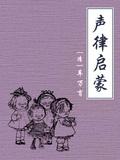 Rhythm Enlightenment
"Rhythm Enlightenment" is an enlightenment book that trains children to cope with and master the rhythm of sounds. It is organized according to rhyme, including virtual and real responses to astronomy, geography, flowers and trees, birds and beasts, people, utensils, etc. From single-character pairs to two-character pairs, three-character pairs, five-character pairs, seven-character pairs to eleven-character pairs, the sounds and rhymes are coordinated and catchy, and you can get training in pro
—Reads9.2Score—Shelves
Rhythm Enlightenment
"Rhythm Enlightenment" is an enlightenment book that trains children to cope with and master the rhythm of sounds. It is organized according to rhyme, including virtual and real responses to astronomy, geography, flowers and trees, birds and beasts, people, utensils, etc. From single-character pairs to two-character pairs, three-character pairs, five-character pairs, seven-character pairs to eleven-character pairs, the sounds and rhymes are coordinated and catchy, and you can get training in pro
—Reads9.2Score—Shelves
-
 Qimen Dunjia Tongzong
Chinese traditional cultural thoughts have a long history and are highly original, original and literary. The early ideological forms were very distinctive, with extensive and profound contents such as religious theology, Chinese medicine classics, ancient military art, Confucianism, Taoism, Buddhism and hundreds of schools of thought, Feng Shui metaphysics, Twenty-Four Histories, customs and geography, etc. This series of "Original Books on Classic Chinese Studies and Essence Culture" retains t
—Reads8.7Score—Shelves
Qimen Dunjia Tongzong
Chinese traditional cultural thoughts have a long history and are highly original, original and literary. The early ideological forms were very distinctive, with extensive and profound contents such as religious theology, Chinese medicine classics, ancient military art, Confucianism, Taoism, Buddhism and hundreds of schools of thought, Feng Shui metaphysics, Twenty-Four Histories, customs and geography, etc. This series of "Original Books on Classic Chinese Studies and Essence Culture" retains t
—Reads8.7Score—Shelves
-
 Green Sac Meridian
"Qingnang Jing" is the first feng shui scripture with written records in Chinese history. It is said to have been written by Huang Shigong in the late Qin and early Han dynasties. Although the whole book only contains more than 400 words, it is profound and profound, establishing the philosophical thought and theoretical system of Feng Shui. It expounds the basic principles of Yin-Yang and Five Elements, River Map and Luoshu, and the positioning of heaven and earth, laying the foundation for the
—Reads9.2Score—Shelves
Green Sac Meridian
"Qingnang Jing" is the first feng shui scripture with written records in Chinese history. It is said to have been written by Huang Shigong in the late Qin and early Han dynasties. Although the whole book only contains more than 400 words, it is profound and profound, establishing the philosophical thought and theoretical system of Feng Shui. It expounds the basic principles of Yin-Yang and Five Elements, River Map and Luoshu, and the positioning of heaven and earth, laying the foundation for the
—Reads9.2Score—Shelves
-
 Commentary on Ziping Zhenquan (Free Public Edition Book)
It is a classic work of traditional Ziping pattern numerology. The methods and theories of Bazi regulating Qi are discussed in detail.
—Reads9.4Score—Shelves
Commentary on Ziping Zhenquan (Free Public Edition Book)
It is a classic work of traditional Ziping pattern numerology. The methods and theories of Bazi regulating Qi are discussed in detail.
—Reads9.4Score—Shelves
-
 Duke Zhou Interprets Dreams
Zhou Gong's Interpretation of Dreams is a cultural heritage in ancient my country, and was written by future generations in the name of Zhou Gong Ji Dan. The book lists various dreams and predicts good or bad dreams.
—Reads9.4Score—Shelves
Duke Zhou Interprets Dreams
Zhou Gong's Interpretation of Dreams is a cultural heritage in ancient my country, and was written by future generations in the name of Zhou Gong Ji Dan. The book lists various dreams and predicts good or bad dreams.
—Reads9.4Score—Shelves
-
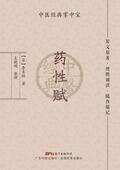 Medicinal Properties (Treasure in the Palm of the Hand of Traditional Chinese Medicine Classics)
"Herbs" played a huge role in the inheritance of ancient Chinese medicine. The content includes general Fu (including four Fus of cold, heat, warm and flat); invention of medicines (general discussion on how to use medicines); indications of main treatments (memorizing the functions and indications of 90 commonly used medicines); instructions for use of medicine: Materia Medica (the properties, taste, functions and indications of the main medicines in 9 parts, including jade, grass, wood, humans
—Reads9.3Score—Shelves
Medicinal Properties (Treasure in the Palm of the Hand of Traditional Chinese Medicine Classics)
"Herbs" played a huge role in the inheritance of ancient Chinese medicine. The content includes general Fu (including four Fus of cold, heat, warm and flat); invention of medicines (general discussion on how to use medicines); indications of main treatments (memorizing the functions and indications of 90 commonly used medicines); instructions for use of medicine: Materia Medica (the properties, taste, functions and indications of the main medicines in 9 parts, including jade, grass, wood, humans
—Reads9.3Score—Shelves
-
 Five Spiritual Articles
This work "Five Spiritual Essays" is written by Lu Dongbin
—Reads9.3Score—Shelves
Five Spiritual Articles
This work "Five Spiritual Essays" is written by Lu Dongbin
—Reads9.3Score—Shelves