Fanqie library
Browse
- Titles
- 1.3k
Every Fanqie book we index, searchable by title, author or tag.
-
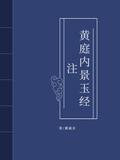 Notes on the Jade Sutra of the Huangting Interior Scene
Notes on the Jade Sutra of the Yellow Courtyard. The question is solved by the immortal Liu Changsheng. One roll. Original source: "Orthodox Taoist Canon" Dongxuan Department Jade Jue Class.
—Reads9.2Score—Shelves
Notes on the Jade Sutra of the Huangting Interior Scene
Notes on the Jade Sutra of the Yellow Courtyard. The question is solved by the immortal Liu Changsheng. One roll. Original source: "Orthodox Taoist Canon" Dongxuan Department Jade Jue Class.
—Reads9.2Score—Shelves
-
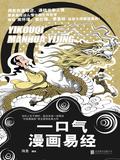 One Breath Comic I Ching
Worried about not being able to read the Book of Changes? With this book, you can easily read the "Book of Changes"! The Book of Changes is known as the first of the classics, the source of culture, and the beginning of hundreds of schools of thought. It is extremely rich in content. It talks about astronomy at the top, geography at the bottom, and human affairs in the middle. It covers everything from natural sciences to social sciences, from social production to daily life, from management to
—Reads9.4Score—Shelves
One Breath Comic I Ching
Worried about not being able to read the Book of Changes? With this book, you can easily read the "Book of Changes"! The Book of Changes is known as the first of the classics, the source of culture, and the beginning of hundreds of schools of thought. It is extremely rich in content. It talks about astronomy at the top, geography at the bottom, and human affairs in the middle. It covers everything from natural sciences to social sciences, from social production to daily life, from management to
—Reads9.4Score—Shelves
-
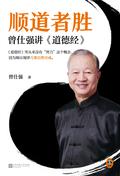 He Who Follows the Way Wins: Zeng Shiqiang Talks About Tao Te Ching
There is never the concept of "effort" in the Tao Te Ching, because everything can be accomplished naturally by following the rules. Zeng Shiqiang, a master of Chinese studies and the "Father of Chinese Management", has spent his life with Taoist wisdom! Use the wisdom of Laozi to resolve the spiritual dilemma of contemporary people. This book systematically explains the essence of Professor Zeng Shiqiang's study of the Tao Te Ching, focusing on the core concept of the Tao Te Ching - "Tao". By i
—Reads9.6Score—Shelves
He Who Follows the Way Wins: Zeng Shiqiang Talks About Tao Te Ching
There is never the concept of "effort" in the Tao Te Ching, because everything can be accomplished naturally by following the rules. Zeng Shiqiang, a master of Chinese studies and the "Father of Chinese Management", has spent his life with Taoist wisdom! Use the wisdom of Laozi to resolve the spiritual dilemma of contemporary people. This book systematically explains the essence of Professor Zeng Shiqiang's study of the Tao Te Ching, focusing on the core concept of the Tao Te Ching - "Tao". By i
—Reads9.6Score—Shelves
-
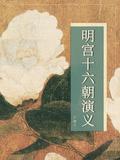 Romance of the Sixteenth Dynasties of the Ming Palace
"The Romance of the Sixteen Dynasties of the Ming Palace" goes deep into the palace to narrate the love and hatred between emperors and concubines; it covers a wide range of historical events and gives a detailed look at the twists and turns of the feudal dynasty. If you read this set of books thoroughly, you will understand the palace; if you read the palace thoroughly, you will understand the history; if you read the history thoroughly, the reality will be clear to your mind.
—Reads9.4Score—Shelves
Romance of the Sixteenth Dynasties of the Ming Palace
"The Romance of the Sixteen Dynasties of the Ming Palace" goes deep into the palace to narrate the love and hatred between emperors and concubines; it covers a wide range of historical events and gives a detailed look at the twists and turns of the feudal dynasty. If you read this set of books thoroughly, you will understand the palace; if you read the palace thoroughly, you will understand the history; if you read the history thoroughly, the reality will be clear to your mind.
—Reads9.4Score—Shelves
-
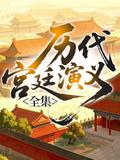 Complete Collection of Palace Romances from Past Dynasties
Xu Xiaotian resurrects the secret history of the Tang Palace in the Ming and Qing dynasties with the writing of a novel: the bloody rain of nine sons' seizure of the legitimate sons, Wu Zetian's machinations, and the tragic end of Chongzhen... It not only has the historical skeleton of the textual criticism school, but also adds the wild flavor and flesh of the novelist. It is more vivid than official history and more rigorous than drama. It can be called the ancient version of "Game of Thrones"
—Reads9.5Score—Shelves
Complete Collection of Palace Romances from Past Dynasties
Xu Xiaotian resurrects the secret history of the Tang Palace in the Ming and Qing dynasties with the writing of a novel: the bloody rain of nine sons' seizure of the legitimate sons, Wu Zetian's machinations, and the tragic end of Chongzhen... It not only has the historical skeleton of the textual criticism school, but also adds the wild flavor and flesh of the novelist. It is more vivid than official history and more rigorous than drama. It can be called the ancient version of "Game of Thrones"
—Reads9.5Score—Shelves
-
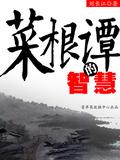 The Wisdom of Cai Gentan
"Cai Gen Tan" integrates the thoughts of Confucianism, Taoism and Buddhism. It is the crystallization of the traditional culture of the Chinese nation. It not only embodies the Confucian doctrine of the mean, the Taoist thought of inaction, but also embodies the Buddhist thought of transcendence. It has become a method system for getting involved in the world and dealing with people. Today, when modern life brings us increasing anxiety, irritability, restlessness and even confusion, "Cai Gen Tan
—Reads9.5Score—Shelves
The Wisdom of Cai Gentan
"Cai Gen Tan" integrates the thoughts of Confucianism, Taoism and Buddhism. It is the crystallization of the traditional culture of the Chinese nation. It not only embodies the Confucian doctrine of the mean, the Taoist thought of inaction, but also embodies the Buddhist thought of transcendence. It has become a method system for getting involved in the world and dealing with people. Today, when modern life brings us increasing anxiety, irritability, restlessness and even confusion, "Cai Gen Tan
—Reads9.5Score—Shelves
-
 Complete Works of Wang Yangming
""The Complete Works of Wang Yangming" is based on the thirty-eight volumes of the complete works of Wang Wencheng engraved by Xie Tingjie in the 6th year of Ming Longqing in the Zhejiang Library as the original mark. The Wenyuan Pavilion edition of Sikuquanshu, the four essential editions, the basic series of Chinese studies, the Chinese Library edition, and the complete works of Wang Yangming published in Taiwan and Japan are used as reference editions. If there are errors or differences in th
—Reads9.3Score—Shelves
Complete Works of Wang Yangming
""The Complete Works of Wang Yangming" is based on the thirty-eight volumes of the complete works of Wang Wencheng engraved by Xie Tingjie in the 6th year of Ming Longqing in the Zhejiang Library as the original mark. The Wenyuan Pavilion edition of Sikuquanshu, the four essential editions, the basic series of Chinese studies, the Chinese Library edition, and the complete works of Wang Yangming published in Taiwan and Japan are used as reference editions. If there are errors or differences in th
—Reads9.3Score—Shelves
-
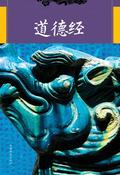 Tao Te Ching (Chunmei Collector's Edition)
Although it has just over 5,000 words, it does not prevent the "Tao Te Ching" from becoming one of the most important works in Chinese history. It is China's first complete philosophical work, an important source of Taoist thought, and created the ontology theory of ancient Chinese philosophy. In the "Tao Te Ching", Laozi uses "Tao" to explain all things in the universe and regards Tao as the origin of all things. Tao was born before heaven and earth, and it is empty and nothing, but it is the s
—Reads9.4Score—Shelves
Tao Te Ching (Chunmei Collector's Edition)
Although it has just over 5,000 words, it does not prevent the "Tao Te Ching" from becoming one of the most important works in Chinese history. It is China's first complete philosophical work, an important source of Taoist thought, and created the ontology theory of ancient Chinese philosophy. In the "Tao Te Ching", Laozi uses "Tao" to explain all things in the universe and regards Tao as the origin of all things. Tao was born before heaven and earth, and it is empty and nothing, but it is the s
—Reads9.4Score—Shelves
-
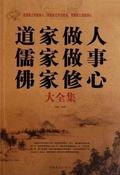 Taoist Life, Confucian Work, Buddhist Mind Cultivation Collection
China's traditional culture has a long history. Among them, Confucianism, Buddhism, and Taoism developed independently and each had its own inheritance. It spawned many branches and branches and became a prominent school in China, which runs through the lifeline of academic and cultural aspects. The benevolent gentlemen of later generations also cultivated themselves in this cultural atmosphere and pursued worldly careers. As the essence of traditional Chinese culture, the three schools of thoug
—Reads9.5Score—Shelves
Taoist Life, Confucian Work, Buddhist Mind Cultivation Collection
China's traditional culture has a long history. Among them, Confucianism, Buddhism, and Taoism developed independently and each had its own inheritance. It spawned many branches and branches and became a prominent school in China, which runs through the lifeline of academic and cultural aspects. The benevolent gentlemen of later generations also cultivated themselves in this cultural atmosphere and pursued worldly careers. As the essence of traditional Chinese culture, the three schools of thoug
—Reads9.5Score—Shelves
-
 The Most Wonderful Secret of Qi Method
The Qi method must be wonderful. No author. One spring. Original source: Method Class of Dongshen Department of "Orthodox Taoist Canon".
—Reads9.0Score—Shelves
The Most Wonderful Secret of Qi Method
The Qi method must be wonderful. No author. One spring. Original source: Method Class of Dongshen Department of "Orthodox Taoist Canon".
—Reads9.0Score—Shelves
-
 The Immortal Sutra of Tai Shang Hua Dao to Save the World
The Immortal Sutra of Taishang transforming the world and saving the world. One roll. Although the author is not identified, it is suspected to be from the Song Dynasty. Original source: Literary genre. "Orthodox Taoist Canon" Dongshenbu Text Category.
—Reads9.1Score—Shelves
The Immortal Sutra of Tai Shang Hua Dao to Save the World
The Immortal Sutra of Taishang transforming the world and saving the world. One roll. Although the author is not identified, it is suspected to be from the Song Dynasty. Original source: Literary genre. "Orthodox Taoist Canon" Dongshenbu Text Category.
—Reads9.1Score—Shelves
-
 Array Diagram
It comes from Volume 6 of the ancient Chinese military book "Taibai Yin Jing". "Taibai Yin Jing" is divided into chapters such as human strategy, miscellaneous rituals, combat tools, preparations, array diagrams, sacrificial texts, shortcut books, medicinal prescriptions, miscellaneous predictions, Dunjia, miscellaneous styles, etc., And has rich ideological content.
—Reads9.1Score—Shelves
Array Diagram
It comes from Volume 6 of the ancient Chinese military book "Taibai Yin Jing". "Taibai Yin Jing" is divided into chapters such as human strategy, miscellaneous rituals, combat tools, preparations, array diagrams, sacrificial texts, shortcut books, medicinal prescriptions, miscellaneous predictions, Dunjia, miscellaneous styles, etc., And has rich ideological content.
—Reads9.1Score—Shelves
-
 Taishang Arctic Subjugates Demons and Kills Ghosts with a Curse
Taishang North Pole subjugates demons and curses to kill ghosts. Author unknown. One roll. Original source: the first part of "Zhengtong Tao Zang". This book is a public book and is a work published by writers, artists and other individuals who are not restricted by copyright laws, and is available for readers to read and communicate. Aggregation of licensed electronic rights.
—Reads8.6Score—Shelves
Taishang Arctic Subjugates Demons and Kills Ghosts with a Curse
Taishang North Pole subjugates demons and curses to kill ghosts. Author unknown. One roll. Original source: the first part of "Zhengtong Tao Zang". This book is a public book and is a work published by writers, artists and other individuals who are not restricted by copyright laws, and is available for readers to read and communicate. Aggregation of licensed electronic rights.
—Reads8.6Score—Shelves
-
 Occultism
Sutra name: Tongxuan occult technique. Written by Tang Shen Zhiyan. One roll. Original source: "Orthodox Taoist Canon", Dongshen Department's Various Techniques Category.
—Reads8.6Score—Shelves
Occultism
Sutra name: Tongxuan occult technique. Written by Tang Shen Zhiyan. One roll. Original source: "Orthodox Taoist Canon", Dongshen Department's Various Techniques Category.
—Reads8.6Score—Shelves
-
 Selected Works of the Late Qing Dynasty
"Selected Works of the Late Qing Dynasty" A collection of modern Chinese writings. Edited by Zheng Zhenduo. Published by Shanghai Life Bookstore in 1937. The book is divided into 3 volumes, containing 129 authors and 480 articles. The collected scholars, from Lin Zexu to Chen Tianhua, highlighted the ideas of seeking strength and revolution. The book contains the most articles by Gong Zizhen, Zheng Guanying, Xue Fucheng, Tan Sitong, Lin Shu, Yan Fu, Zhang Taiyan, etc. It also includes 10 article
—Reads9.5Score—Shelves
Selected Works of the Late Qing Dynasty
"Selected Works of the Late Qing Dynasty" A collection of modern Chinese writings. Edited by Zheng Zhenduo. Published by Shanghai Life Bookstore in 1937. The book is divided into 3 volumes, containing 129 authors and 480 articles. The collected scholars, from Lin Zexu to Chen Tianhua, highlighted the ideas of seeking strength and revolution. The book contains the most articles by Gong Zizhen, Zheng Guanying, Xue Fucheng, Tan Sitong, Lin Shu, Yan Fu, Zhang Taiyan, etc. It also includes 10 article
—Reads9.5Score—Shelves
-
 Yellow Emperor's Yin Fu Jing
"Yellow Emperor's Yin Fu Jing" is one of the Taoist secrets, and it is regarded as a holy book by countless practitioners. This mysterious classic, with its concise and profound words, explains all the mysteries of the world, and is said to be the secret key to immortality and sainthood. However, this ancient book has been regarded as a fake book and forbidden magic by successive dynasties.
—Reads9.4Score—Shelves
Yellow Emperor's Yin Fu Jing
"Yellow Emperor's Yin Fu Jing" is one of the Taoist secrets, and it is regarded as a holy book by countless practitioners. This mysterious classic, with its concise and profound words, explains all the mysteries of the world, and is said to be the secret key to immortality and sainthood. However, this ancient book has been regarded as a fake book and forbidden magic by successive dynasties.
—Reads9.4Score—Shelves
-
 Lei Fa's Mysterious Chapter
Lei Fa Yi Xuan Chapter. Written by Master Wan of Song Dynasty and others. One roll. Original source: "Orthodox Taoist Canon" Part 1.
—Reads8.7Score—Shelves
Lei Fa's Mysterious Chapter
Lei Fa Yi Xuan Chapter. Written by Master Wan of Song Dynasty and others. One roll. Original source: "Orthodox Taoist Canon" Part 1.
—Reads8.7Score—Shelves
-
 The Classic of Mountains and Seas (Complete Original Text)
"The Classic of Mountains and Seas" is an important ancient book of extraordinary value in China's pre-Qin period and can be called a treasure of ancient Chinese culture. The specific year and author of the book cannot be determined in detail. It is traditionally attributed to Dayu and Boyi. However, modern scholars generally believe that it was not written by one person at one time, but was passed down through oral transmission and compiled by later generations. It was finally finalized no late
—Reads9.2Score—Shelves
The Classic of Mountains and Seas (Complete Original Text)
"The Classic of Mountains and Seas" is an important ancient book of extraordinary value in China's pre-Qin period and can be called a treasure of ancient Chinese culture. The specific year and author of the book cannot be determined in detail. It is traditionally attributed to Dayu and Boyi. However, modern scholars generally believe that it was not written by one person at one time, but was passed down through oral transmission and compiled by later generations. It was finally finalized no late
—Reads9.2Score—Shelves
-
 Qingxuan's Confession to Save Suffering
Qingxuan saves the suffering treasure and confesses. One roll. Original source: "Orthodox Taoist Canon" Dongxuan Department of Majesty and Ceremony.
—Reads8.4Score—Shelves
Qingxuan's Confession to Save Suffering
Qingxuan saves the suffering treasure and confesses. One roll. Original source: "Orthodox Taoist Canon" Dongxuan Department of Majesty and Ceremony.
—Reads8.4Score—Shelves
-
 The Golden Mother of the Supreme Purity Seeks Dharma from Immortals
Chinese classical religious classics are shining classics and outstanding works in the treasure house of Chinese traditional culture. They are expressed in various forms and reflect the glorious picture of Chinese classical literary works.
—Reads8.4Score—Shelves
The Golden Mother of the Supreme Purity Seeks Dharma from Immortals
Chinese classical religious classics are shining classics and outstanding works in the treasure house of Chinese traditional culture. They are expressed in various forms and reflect the glorious picture of Chinese classical literary works.
—Reads8.4Score—Shelves
-
 Annotations to the Jade-Shu Bao Sutra of the Nine Heavens Yingyuan Thunder Universal Transformation
—Reads9.3Score—Shelves
Annotations to the Jade-Shu Bao Sutra of the Nine Heavens Yingyuan Thunder Universal Transformation
Annotations to the Jade-Shu Bao Sutra of the Nine Heavens Yingyuan Thunder Universal Transformation
—Reads9.3Score—Shelves
-
 Taishang Laojun Said That Chang Qingjing Sutra Commentary·bai Yuchan
Taoist books. They are shining classics and excellent works in the treasure house of Chinese traditional culture. They are expressed in various forms and reflect the brilliant picture of Chinese classical literature.
—Reads8.5Score—Shelves
Taishang Laojun Said That Chang Qingjing Sutra Commentary·bai Yuchan
Taoist books. They are shining classics and excellent works in the treasure house of Chinese traditional culture. They are expressed in various forms and reflect the brilliant picture of Chinese classical literature.
—Reads8.5Score—Shelves
-
 The Nine Heavens Respond to the Sound of Thunder and Universalize the Heavenly Lord Jade Pivot's Treasure Repentance
The nine heavens respond to the sound of thunder, and the Heavenly Lord Yushu repentes. The author is ominous. The two confessions are in the same volume. Original source: "Orthodox Taoist Canon", Dong Zhen Department's Majesty and Ceremony Category.
—Reads8.3Score—Shelves
The Nine Heavens Respond to the Sound of Thunder and Universalize the Heavenly Lord Jade Pivot's Treasure Repentance
The nine heavens respond to the sound of thunder, and the Heavenly Lord Yushu repentes. The author is ominous. The two confessions are in the same volume. Original source: "Orthodox Taoist Canon", Dong Zhen Department's Majesty and Ceremony Category.
—Reads8.3Score—Shelves
-
 Sun Tzu's Art of War (Original Text)
"The Art of War", written by Sun Wu, a military strategist in the Spring and Autumn Period, is the earliest extant military theoretical work in China and even the world, and is known as the "Sacred Book of Military Science." Strictly based on classic handed down texts, this book presents thirteen complete original texts of "Sun Tzu's Art of War". The book follows the classic structure of "Initial Plan", "Operation", "Attack", "Military Shape", "Military Position", "Virtual Reality", "Military St
—Reads9.4Score—Shelves
Sun Tzu's Art of War (Original Text)
"The Art of War", written by Sun Wu, a military strategist in the Spring and Autumn Period, is the earliest extant military theoretical work in China and even the world, and is known as the "Sacred Book of Military Science." Strictly based on classic handed down texts, this book presents thirteen complete original texts of "Sun Tzu's Art of War". The book follows the classic structure of "Initial Plan", "Operation", "Attack", "Military Shape", "Military Position", "Virtual Reality", "Military St
—Reads9.4Score—Shelves
-
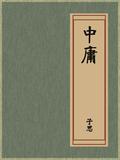 Moderate
"The Doctrine of the Mean" is a moral philosophy monograph in ancient China that discusses the realm of life cultivation. It is one of the Confucian classics. It originally belonged to Chapter 31 of the "Book of Rites" and is said to have been written by Zisi during the Warring States Period. Its content affirms that "moderate" is the highest standard of moral behavior, believes that "sincerity" reaches the highest realm of life, and proposes a learning process and understanding method of "study
—Reads9.5Score—Shelves
Moderate
"The Doctrine of the Mean" is a moral philosophy monograph in ancient China that discusses the realm of life cultivation. It is one of the Confucian classics. It originally belonged to Chapter 31 of the "Book of Rites" and is said to have been written by Zisi during the Warring States Period. Its content affirms that "moderate" is the highest standard of moral behavior, believes that "sincerity" reaches the highest realm of life, and proposes a learning process and understanding method of "study
—Reads9.5Score—Shelves
-
 Book of Songs
The Book of Songs is the earliest collection of poetry in my country, including folk songs and temple movements dating from the early Western Zhou Dynasty to the middle of the Spring and Autumn Period. It is divided into three parts: Feng, Ya, and Song. It is said that Confucius once compiled it, and there are 305 existing poems in total. The content of "The Book of Songs" involves politics, economy, ethics, astronomy, geography, customs, literature and art, etc. It extensively reflects the soci
—Reads9.2Score—Shelves
Book of Songs
The Book of Songs is the earliest collection of poetry in my country, including folk songs and temple movements dating from the early Western Zhou Dynasty to the middle of the Spring and Autumn Period. It is divided into three parts: Feng, Ya, and Song. It is said that Confucius once compiled it, and there are 305 existing poems in total. The content of "The Book of Songs" involves politics, economy, ethics, astronomy, geography, customs, literature and art, etc. It extensively reflects the soci
—Reads9.2Score—Shelves
-
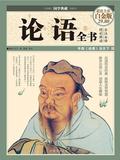 The Analects of Confucius (Chinese Studies Collection)
This book is divided into four parts, the first part is the original text of "The Analects", the second part is the life of Confucius, the third part is the introduction of the characters in "The Analects", and the fourth part is the basic concepts of Confucius' thought. It is equipped with a large number of exquisite pictures and illustrated text, which vividly reproduces the touching scene of Confucius' dialogue with his disciples. In addition to the original text of "The Analects of Confucius
—Reads9.5Score—Shelves
The Analects of Confucius (Chinese Studies Collection)
This book is divided into four parts, the first part is the original text of "The Analects", the second part is the life of Confucius, the third part is the introduction of the characters in "The Analects", and the fourth part is the basic concepts of Confucius' thought. It is equipped with a large number of exquisite pictures and illustrated text, which vividly reproduces the touching scene of Confucius' dialogue with his disciples. In addition to the original text of "The Analects of Confucius
—Reads9.5Score—Shelves
-
 Authentic Divination
"Zhengzong of Divination" is a masterpiece of Yi studies written by Wang Hongxu (alias Hongxu, also known as Linwushanren) of the Qing Dynasty. It is known as the masterpiece of six-yao prediction. This book systematically summarizes, develops and improves the six-line divination method, refutes the fallacies of the ancient method, and emphasizes the principles of yin and yang, movement and stillness, and the restraint of life to achieve vitality, making the divination theory more profound and c
—Reads9.5Score—Shelves
Authentic Divination
"Zhengzong of Divination" is a masterpiece of Yi studies written by Wang Hongxu (alias Hongxu, also known as Linwushanren) of the Qing Dynasty. It is known as the masterpiece of six-yao prediction. This book systematically summarizes, develops and improves the six-line divination method, refutes the fallacies of the ancient method, and emphasizes the principles of yin and yang, movement and stillness, and the restraint of life to achieve vitality, making the divination theory more profound and c
—Reads9.5Score—Shelves
-
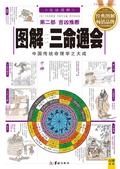 Part 2 of the Illustrated Three-Destiny General Meeting: Inference of Good and Bad Luck
The sub-part of "Sikuquanshu" contains many ancient Chinese numerology classics. "Sanming Tonghui" written by Wan Minying in the Ming Dynasty is an important one. This is a masterpiece of ancient numerology and has been widely circulated since the Ming Dynasty. "Sikuquanshu" included it and gave it a high evaluation: "Since the Ming Dynasty, those who have talked about stars for more than 200 years have used this book as a summary, and almost every family has its own book. "Illustrated Sanming T
—Reads8.8Score—Shelves
Part 2 of the Illustrated Three-Destiny General Meeting: Inference of Good and Bad Luck
The sub-part of "Sikuquanshu" contains many ancient Chinese numerology classics. "Sanming Tonghui" written by Wan Minying in the Ming Dynasty is an important one. This is a masterpiece of ancient numerology and has been widely circulated since the Ming Dynasty. "Sikuquanshu" included it and gave it a high evaluation: "Since the Ming Dynasty, those who have talked about stars for more than 200 years have used this book as a summary, and almost every family has its own book. "Illustrated Sanming T
—Reads8.8Score—Shelves
-
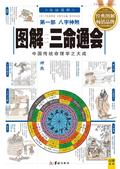 Illustrated Three Destiny Conference Part 1: the Eight-Character Divine Evil
The sub-part of "Sikuquanshu" contains many ancient Chinese numerology classics. "Sanming Tonghui" written by Wan Minying in the Ming Dynasty is an important one. This is a masterpiece of ancient numerology and has been widely circulated since the Ming Dynasty. "Sikuquanshu" included it and gave it a high evaluation: "Since the Ming Dynasty, those who have talked about stars for more than 200 years have used this book as a summary, and almost every family has its own book. "Illustrated Sanming T
—Reads9.4Score—Shelves
Illustrated Three Destiny Conference Part 1: the Eight-Character Divine Evil
The sub-part of "Sikuquanshu" contains many ancient Chinese numerology classics. "Sanming Tonghui" written by Wan Minying in the Ming Dynasty is an important one. This is a masterpiece of ancient numerology and has been widely circulated since the Ming Dynasty. "Sikuquanshu" included it and gave it a high evaluation: "Since the Ming Dynasty, those who have talked about stars for more than 200 years have used this book as a summary, and almost every family has its own book. "Illustrated Sanming T
—Reads9.4Score—Shelves
-
 Complete Explanation of Tao Te Ching
More than 2,000 years ago, the Zhou royal family declined, the princes rose up together, and the lower ones suppressed the upper ones. The sky was full of wars and wars were frequent. In this era when "the world is declining and people's hearts are not as old as they used to be", I was extremely disappointed when I saw the decline of social morality, so I took a green ox west out of Hangu Pass and lived in seclusion without knowing where I was going. When he came out of quarantine, he left behin
—Reads9.6Score—Shelves
Complete Explanation of Tao Te Ching
More than 2,000 years ago, the Zhou royal family declined, the princes rose up together, and the lower ones suppressed the upper ones. The sky was full of wars and wars were frequent. In this era when "the world is declining and people's hearts are not as old as they used to be", I was extremely disappointed when I saw the decline of social morality, so I took a green ox west out of Hangu Pass and lived in seclusion without knowing where I was going. When he came out of quarantine, he left behin
—Reads9.6Score—Shelves
-
 Cut Sleeve Chapter
Chinese traditional cultural thoughts have a long history and are highly original, original and literary. The early ideological forms were very distinctive, with extensive and profound contents such as religious theology, Chinese medicine classics, ancient military art, Confucianism, Taoism, Buddhism and hundreds of schools of thought, Feng Shui metaphysics, Twenty-Four Histories, customs and geography, etc. This series of "Original Books on Classic Chinese Studies and Essence Culture" retains t
—Reads9.2Score—Shelves
Cut Sleeve Chapter
Chinese traditional cultural thoughts have a long history and are highly original, original and literary. The early ideological forms were very distinctive, with extensive and profound contents such as religious theology, Chinese medicine classics, ancient military art, Confucianism, Taoism, Buddhism and hundreds of schools of thought, Feng Shui metaphysics, Twenty-Four Histories, customs and geography, etc. This series of "Original Books on Classic Chinese Studies and Essence Culture" retains t
—Reads9.2Score—Shelves
-
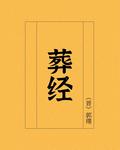 Burial Scripture
How to identify the Haunted House in Jixue? Let me tell you in one article! Guo Pu was the most famous Feng Shui master in the Jin Dynasty. Legend has it that he was good at divination and many strange magic arts. "The Burial Sutra" is the culmination of his lifelong efforts. The full text is less than 20,000 words, but it contains the core theory of Feng Shui and also introduces the specific methods of aligning the earth. Read it and benefit a lot!
—Reads9.4Score—Shelves
Burial Scripture
How to identify the Haunted House in Jixue? Let me tell you in one article! Guo Pu was the most famous Feng Shui master in the Jin Dynasty. Legend has it that he was good at divination and many strange magic arts. "The Burial Sutra" is the culmination of his lifelong efforts. The full text is less than 20,000 words, but it contains the core theory of Feng Shui and also introduces the specific methods of aligning the earth. Read it and benefit a lot!
—Reads9.4Score—Shelves
-
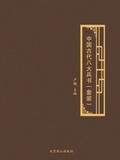 Eight Ancient Chinese Military Books (Set)
This set includes: Zeng Guofan's Art of War, Jiang Taigong's Art of War, Liu Bowen's Art of War, Sun Bin's Art of War, Sun Tzu's Art of War, Wei Liaozi's Art of War, Wu Qi's Art of War, and Zhuge Liang's Art of War. The Eight Great Military Books of Ancient China are the holy scriptures of Chinese military science, the supreme weapon for conquering the world, a guide to commercial warfare popular in the business world, and recognized as a great military work in the world.
—Reads9.2Score—Shelves
Eight Ancient Chinese Military Books (Set)
This set includes: Zeng Guofan's Art of War, Jiang Taigong's Art of War, Liu Bowen's Art of War, Sun Bin's Art of War, Sun Tzu's Art of War, Wei Liaozi's Art of War, Wu Qi's Art of War, and Zhuge Liang's Art of War. The Eight Great Military Books of Ancient China are the holy scriptures of Chinese military science, the supreme weapon for conquering the world, a guide to commercial warfare popular in the business world, and recognized as a great military work in the world.
—Reads9.2Score—Shelves
-
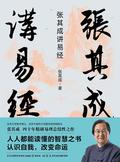 Zhang Qicheng Lectures on the Book of Changes
Why is the "Book of Changes" said to be the source of Chinese civilization and a classic shared by Confucianism, Buddhism and Taoism? What is the relationship between the three halls of the Forbidden City, the motto of Tsinghua University, the name of Shanghai Jiao Tong University and the Book of Changes? Commonly used idioms such as self-improvement, birds of a feather flock together, and fairness and justice all come from the "Book of Changes"? In the workplace, how do we use the wisdom of the
—Reads9.6Score—Shelves
Zhang Qicheng Lectures on the Book of Changes
Why is the "Book of Changes" said to be the source of Chinese civilization and a classic shared by Confucianism, Buddhism and Taoism? What is the relationship between the three halls of the Forbidden City, the motto of Tsinghua University, the name of Shanghai Jiao Tong University and the Book of Changes? Commonly used idioms such as self-improvement, birds of a feather flock together, and fairness and justice all come from the "Book of Changes"? In the workplace, how do we use the wisdom of the
—Reads9.6Score—Shelves
-
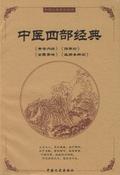 Four Classics of Traditional Chinese Medicine
Four classics of traditional Chinese medicine compiled by Zhang Xin
—Reads9.1Score—Shelves
Four Classics of Traditional Chinese Medicine
Four classics of traditional Chinese medicine compiled by Zhang Xin
—Reads9.1Score—Shelves
-
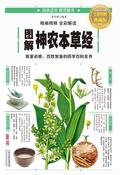 Illustrated "Shen Nong's Materia Medica"
"Shen Nong's Materia Medica" is China's well-deserved pioneering work of traditional Chinese medicine. Based on the ideas of learning, reference, introduction and dissemination, we compiled this "Illustrated "Shen Nong's Materia Medica"" to reinterpret the classic work in the form of illustrations and illustrations. This book is compiled based on Gu Guanguang's collection in the Qing Dynasty. The refined vernacular translation and convenient and practical quick-check format are close to the read
—Reads9.5Score—Shelves
Illustrated "Shen Nong's Materia Medica"
"Shen Nong's Materia Medica" is China's well-deserved pioneering work of traditional Chinese medicine. Based on the ideas of learning, reference, introduction and dissemination, we compiled this "Illustrated "Shen Nong's Materia Medica"" to reinterpret the classic work in the form of illustrations and illustrations. This book is compiled based on Gu Guanguang's collection in the Qing Dynasty. The refined vernacular translation and convenient and practical quick-check format are close to the read
—Reads9.5Score—Shelves
-
 Shaking the Dragon Scripture
[The only thing that separates you from becoming a multi-millionaire is the Book of Shaking the Dragon] "The Book of Shaking the Dragon" is one of the representative works of Tang Dynasty Feng Shui master Yang Junsong. It is the most authoritative holy book on Dragon Vein Feng Shui. It is known as "the best surveying and mapping science in ancient China". It is the best book for understanding and applying Dragon Vein Feng Shui and quickly revitalizing the family business.
—Reads9.2Score—Shelves
Shaking the Dragon Scripture
[The only thing that separates you from becoming a multi-millionaire is the Book of Shaking the Dragon] "The Book of Shaking the Dragon" is one of the representative works of Tang Dynasty Feng Shui master Yang Junsong. It is the most authoritative holy book on Dragon Vein Feng Shui. It is known as "the best surveying and mapping science in ancient China". It is the best book for understanding and applying Dragon Vein Feng Shui and quickly revitalizing the family business.
—Reads9.2Score—Shelves
-
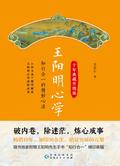 Wang Yangming's Psychology
A book about Wang Yangming's spiritual growth that conveys positive energy! A must-read for advanced studies on the unity of knowledge and action. If you want to achieve great things, you must read Wang Yangming! Let you strengthen your inner self, understand the world and people's hearts, get out of your spiritual confusion, and achieve a happy life. Open this book and it will take you on the road to spiritual freedom! Why did Wang Yangming, a Confucian scholar, become an immortal saint with th
—Reads9.6Score—Shelves
Wang Yangming's Psychology
A book about Wang Yangming's spiritual growth that conveys positive energy! A must-read for advanced studies on the unity of knowledge and action. If you want to achieve great things, you must read Wang Yangming! Let you strengthen your inner self, understand the world and people's hearts, get out of your spiritual confusion, and achieve a happy life. Open this book and it will take you on the road to spiritual freedom! Why did Wang Yangming, a Confucian scholar, become an immortal saint with th
—Reads9.6Score—Shelves
-
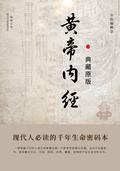 Huangdi Neijing (Original Version)
Heaven, earth and man are united, Yin and Yang are interdependent. The Yellow Emperor's Inner Canon (the original version in the collection) is the fundamental classic of ancient Chinese medicine. It was written more than 2,000 years ago, but it is still the core of traditional Chinese medicine theory. The whole book is composed of two parts: "Suwen" and "Lingshu". It not only contains profound thoughts on the origin of life, health maintenance in the four seasons, and the movement of qi and blo
—Reads9.5Score—Shelves
Huangdi Neijing (Original Version)
Heaven, earth and man are united, Yin and Yang are interdependent. The Yellow Emperor's Inner Canon (the original version in the collection) is the fundamental classic of ancient Chinese medicine. It was written more than 2,000 years ago, but it is still the core of traditional Chinese medicine theory. The whole book is composed of two parts: "Suwen" and "Lingshu". It not only contains profound thoughts on the origin of life, health maintenance in the four seasons, and the movement of qi and blo
—Reads9.5Score—Shelves
-
 Thirty-Six Strategies
As the pinnacle of ancient Chinese strategic science, this book takes the Yin and Yang principles of the Book of Changes as its philosophical foundation and condenses the wisdom of thousands of years of war into thirty-six rules for defeating the enemy. The book is divided into six sets of strategies according to the situation of the war: The victory strategy is based on "hiding the truth from the sky and crossing the sea" and "encircling Wei and rescuing Zhao" to establish an advantageous way t
—Reads8.7Score—Shelves
Thirty-Six Strategies
As the pinnacle of ancient Chinese strategic science, this book takes the Yin and Yang principles of the Book of Changes as its philosophical foundation and condenses the wisdom of thousands of years of war into thirty-six rules for defeating the enemy. The book is divided into six sets of strategies according to the situation of the war: The victory strategy is based on "hiding the truth from the sky and crossing the sea" and "encircling Wei and rescuing Zhao" to establish an advantageous way t
—Reads8.7Score—Shelves
-
 Tao Te Ching
The Tao Te Ching, also known as Lao Tzu, Tao Te Ching, Five Thousand Words, and Lao Tzu's Five Thousand Essays, is a work written by the pre-Qin scholars in ancient China before they split up. It was admired by all the scholars at that time. It is said to have been written by Lao Tzu Li Er (seemingly a collection of authors, annotators, and transcribers) during the Spring and Autumn Period. It is an important source of Taoist philosophical thought. The Tao Te Ching is divided into two parts. The
—Reads9.5Score—Shelves
Tao Te Ching
The Tao Te Ching, also known as Lao Tzu, Tao Te Ching, Five Thousand Words, and Lao Tzu's Five Thousand Essays, is a work written by the pre-Qin scholars in ancient China before they split up. It was admired by all the scholars at that time. It is said to have been written by Lao Tzu Li Er (seemingly a collection of authors, annotators, and transcribers) during the Spring and Autumn Period. It is an important source of Taoist philosophical thought. The Tao Te Ching is divided into two parts. The
—Reads9.5Score—Shelves
-
 Zhouyi
"The Book of Changes" is an ancient Chinese philosophical book. It is a book that demonstrates and describes the laws of the operation of things based on the dualism of yin and yang. It classifies the characteristics of all things in the world, including the theory of heavenly stems, earthly branches and five elements. It is even accurate enough to make more accurate predictions about the future development of things.
—Reads9.3Score—Shelves
Zhouyi
"The Book of Changes" is an ancient Chinese philosophical book. It is a book that demonstrates and describes the laws of the operation of things based on the dualism of yin and yang. It classifies the characteristics of all things in the world, including the theory of heavenly stems, earthly branches and five elements. It is even accurate enough to make more accurate predictions about the future development of things.
—Reads9.3Score—Shelves
-
 Chinese Classics: the Three Lives Society
[A masterpiece handed down from ancient Chinese books] The numerology book "Three Ming Tonghui" written by Wan Minying, a Jinshi of the Ming Dynasty, is based on the system and composition of the authentic ancient numerology and the wealth and official pattern numerology. It is an unprecedented collection of eight-character numerology. In his many years of practice, Wan discovered that all ten gods, patterns, gods, and sound-based fortune-telling theories have their own truths and fulfilments. T
—Reads9.4Score—Shelves
Chinese Classics: the Three Lives Society
[A masterpiece handed down from ancient Chinese books] The numerology book "Three Ming Tonghui" written by Wan Minying, a Jinshi of the Ming Dynasty, is based on the system and composition of the authentic ancient numerology and the wealth and official pattern numerology. It is an unprecedented collection of eight-character numerology. In his many years of practice, Wan discovered that all ten gods, patterns, gods, and sound-based fortune-telling theories have their own truths and fulfilments. T
—Reads9.4Score—Shelves
-
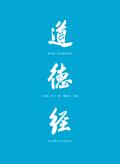 Tao Te Ching: a Complete Translation of the Silk Version
This book is newly revised and annotated by Qin Fuguan, a new generation scholar in the field of Lao-Zhuang philosophy who has spent more than 20 years in the field. Complete version: original and clear source. Newly edited and revised based on the silk version. Full translation: Literal translation of the vernacular text, phonetic notation of rare words, comparison with different versions of the text handed down from ancient times, and the different interpretations caused by this. Full explanat
—Reads9.5Score—Shelves
Tao Te Ching: a Complete Translation of the Silk Version
This book is newly revised and annotated by Qin Fuguan, a new generation scholar in the field of Lao-Zhuang philosophy who has spent more than 20 years in the field. Complete version: original and clear source. Newly edited and revised based on the silk version. Full translation: Literal translation of the vernacular text, phonetic notation of rare words, comparison with different versions of the text handed down from ancient times, and the different interpretations caused by this. Full explanat
—Reads9.5Score—Shelves
-
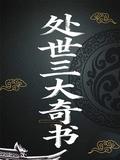 Three Wonderful Books on Life
"Three Wonderful Books on Life" is a classic collection that brings together the essence of classical Chinese wisdom on life. It includes the three great wonders of the Ming and Qing Dynasties - "Cai Gen Tan", "Night Talk around the Fire" and "Little Window". The whole book takes self-cultivation and conduct as a core, integrating the essence of Confucianism, Buddhism and Taoism. The language is refined and the meaning is far-reaching. It can be called a model work on the philosophy of life and
—Reads8.2Score—Shelves
Three Wonderful Books on Life
"Three Wonderful Books on Life" is a classic collection that brings together the essence of classical Chinese wisdom on life. It includes the three great wonders of the Ming and Qing Dynasties - "Cai Gen Tan", "Night Talk around the Fire" and "Little Window". The whole book takes self-cultivation and conduct as a core, integrating the essence of Confucianism, Buddhism and Taoism. The language is refined and the meaning is far-reaching. It can be called a model work on the philosophy of life and
—Reads8.2Score—Shelves
-
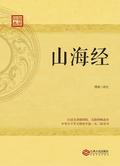 Classic of Mountains and Seas
In today's complex and materialistic society, it is desirable to read a good book that can not only acquire knowledge and enlighten the mind, but also enrich imagination and broaden horizons. "The Classic of Mountains and Seas" is such a good book that can benefit you a lot. Due to the age of this book, the text is difficult to understand. Many readers are unable to appreciate the full elegance of "The Classic of Mountains and Seas" due to text barriers. So we translated the whole book into vern
—Reads9.3Score—Shelves
Classic of Mountains and Seas
In today's complex and materialistic society, it is desirable to read a good book that can not only acquire knowledge and enlighten the mind, but also enrich imagination and broaden horizons. "The Classic of Mountains and Seas" is such a good book that can benefit you a lot. Due to the age of this book, the text is difficult to understand. Many readers are unable to appreciate the full elegance of "The Classic of Mountains and Seas" due to text barriers. So we translated the whole book into vern
—Reads9.3Score—Shelves
-
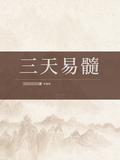 Easy Marrow in Three Days
It was written by Chanzi (Li Daochun) of Yuan Dynasty and corrected by Hun Ranzi (Wang Jie). One roll. Original source: Method Class of Dongzhen Department of "Orthodox Taoist Canon".
—Reads8.5Score—Shelves
Easy Marrow in Three Days
It was written by Chanzi (Li Daochun) of Yuan Dynasty and corrected by Hun Ranzi (Wang Jie). One roll. Original source: Method Class of Dongzhen Department of "Orthodox Taoist Canon".
—Reads8.5Score—Shelves
-
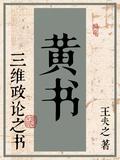 Yellow Book: a Book of Three-Dimensional Political Commentary
At the end of the Ming Dynasty and the beginning of the Qing Dynasty, the world collapsed. The great Confucian prince Fuzhi hid in the mountains of western Hunan and wrote the "Yellow Book" with blood and tears. This is not an ordinary classic, but a "rebellion manual" that has been banned by the Qing government for three hundred years. Every word is like a knife, piercing the Achilles' heel of all dynasties! There are eight chapters in the book, from "Original Stage" to "Post-Prologue". Wang Eu
—Reads8.6Score—Shelves
Yellow Book: a Book of Three-Dimensional Political Commentary
At the end of the Ming Dynasty and the beginning of the Qing Dynasty, the world collapsed. The great Confucian prince Fuzhi hid in the mountains of western Hunan and wrote the "Yellow Book" with blood and tears. This is not an ordinary classic, but a "rebellion manual" that has been banned by the Qing government for three hundred years. Every word is like a knife, piercing the Achilles' heel of all dynasties! There are eight chapters in the book, from "Original Stage" to "Post-Prologue". Wang Eu
—Reads8.6Score—Shelves
-
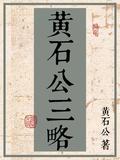 Huangshi Gong Sanlue
According to legend, it was passed down by Huang Shigong, a hermit in the late Qin Dynasty, that Zhang Liang assisted Liu Bang with his wisdom to establish the world, and was praised as "the essence of military strategy and the secret key of emperors' power". The whole book only has more than 4,800 words, but it contains infinite wisdom. It is divided into three volumes: "Upper Strategy", "Middle Strategy" and "Lower Strategy". It progresses layer by layer and points directly to the core princip
—Reads8.5Score—Shelves
Huangshi Gong Sanlue
According to legend, it was passed down by Huang Shigong, a hermit in the late Qin Dynasty, that Zhang Liang assisted Liu Bang with his wisdom to establish the world, and was praised as "the essence of military strategy and the secret key of emperors' power". The whole book only has more than 4,800 words, but it contains infinite wisdom. It is divided into three volumes: "Upper Strategy", "Middle Strategy" and "Lower Strategy". It progresses layer by layer and points directly to the core princip
—Reads8.5Score—Shelves