Fanqie library
Browse
- Titles
- 1.1k
Every Fanqie book we index, searchable by title, author or tag.
-
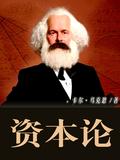 Capital
"Das Kapital" (Das Kapital), the full name of "Das Kapital: Critique of Political Economy", is a political economics work written by the German thinker Karl Marx. The first edition was published in Hamburg, Germany on September 14, 1867. This is a work that Marx spent 40 years and a lifetime of effort writing. It is not only a glorious masterpiece of political economics, but also an encyclopedia of Marxism. This masterpiece provides a profound analysis of the entire development process of capita
—Reads8.0Score—Shelves
Capital
"Das Kapital" (Das Kapital), the full name of "Das Kapital: Critique of Political Economy", is a political economics work written by the German thinker Karl Marx. The first edition was published in Hamburg, Germany on September 14, 1867. This is a work that Marx spent 40 years and a lifetime of effort writing. It is not only a glorious masterpiece of political economics, but also an encyclopedia of Marxism. This masterpiece provides a profound analysis of the entire development process of capita
—Reads8.0Score—Shelves
-
 The Supreme Court of the Shangqing Dynasty Returned to Yuanyin's Taoist Scriptures to Eliminate Crimes
Taishang of the Shangqing Dynasty returned to Yuanyin Dao to eliminate sins. The author is unknown, probably from the Eastern Jin and Southern Dynasties. The scripture is also found in the "Jiuzhenzhongjingjiangshengshendanjue". One roll. Original source: the first part of "Orthodox Taoist Canon".
—Reads8.5Score—Shelves
The Supreme Court of the Shangqing Dynasty Returned to Yuanyin's Taoist Scriptures to Eliminate Crimes
Taishang of the Shangqing Dynasty returned to Yuanyin Dao to eliminate sins. The author is unknown, probably from the Eastern Jin and Southern Dynasties. The scripture is also found in the "Jiuzhenzhongjingjiangshengshendanjue". One roll. Original source: the first part of "Orthodox Taoist Canon".
—Reads8.5Score—Shelves
-
 Notes on Taishang Xuanling Beidou's True Sutra of Prolonging Life and Prolonging Life
"Taishang Xuanling Beidou Benming Yansheng Zhenjing Annotation" is a social science book written by Xu Daoling (Yuan Dynasty). The chapter of the inscription was written by Emperor Zitong. His article describes the wonders and wonders of the Beidou Sutra. All comrades who want to recite the Beidou Sutra must read the inscription first so that they can know the beginning and end of the sutra. This should not be ignored.
—Reads8.3Score—Shelves
Notes on Taishang Xuanling Beidou's True Sutra of Prolonging Life and Prolonging Life
"Taishang Xuanling Beidou Benming Yansheng Zhenjing Annotation" is a social science book written by Xu Daoling (Yuan Dynasty). The chapter of the inscription was written by Emperor Zitong. His article describes the wonders and wonders of the Beidou Sutra. All comrades who want to recite the Beidou Sutra must read the inscription first so that they can know the beginning and end of the sutra. This should not be ignored.
—Reads8.3Score—Shelves
-
 Shangqing Pei Rune Jue
. The author is unknown, probably dating from the Tang and Song Dynasties. According to the "History of the Song Dynasty·Yiwenzhi", there were originally five volumes, which were divided into five volumes. That is, "Shangqing Pei Rune Qing Guan Jue", "White Quan Jue", "Jiang Chun Jue", "Black Quan Jue" and "Yellow Quan Jue". Now merged into one. Original source: "Orthodox Taoist Canon" Dongxuan Department Jade Jue Class.
—Reads8.1Score—Shelves
Shangqing Pei Rune Jue
Shangqing Pei Rune Jue. The author is unknown, probably dating from the Tang and Song Dynasties. According to the "History of the Song Dynasty·Yiwenzhi", there were originally five volumes, which were divided into five volumes. That is, "Shangqing Pei Rune Qing Guan Jue", "White Quan Jue", "Jiang Chun Jue", "Black Quan Jue" and "Yellow Quan Jue". Now merged into one. Original source: "Orthodox Taoist Canon" Dongxuan Department Jade Jue Class.
—Reads8.1Score—Shelves
-
 Shangqing Qiong Palace Lingfei Liujia Left and Right Upper Talisman
Qiong Palace Lingfei Liujia of the Shangqing Dynasty placed the talisman on the left and right. Also known as "Shangqing Suzou Danfu Lingfei Liujia". The author is unknown, probably from the Eastern Jin Dynasty. It is an important classic of the early Shangqing sect. One roll. Original source: "Orthodox Taoist Canon" Dong Zhen Department's magical runes.
—Reads8.1Score—Shelves
Shangqing Qiong Palace Lingfei Liujia Left and Right Upper Talisman
Qiong Palace Lingfei Liujia of the Shangqing Dynasty placed the talisman on the left and right. Also known as "Shangqing Suzou Danfu Lingfei Liujia". The author is unknown, probably from the Eastern Jin Dynasty. It is an important classic of the early Shangqing sect. One roll. Original source: "Orthodox Taoist Canon" Dong Zhen Department's magical runes.
—Reads8.1Score—Shelves
-
 Picture of the Ten Sons of Xuanyuan
Chinese traditional cultural thoughts have a long history and are highly original, original and literary. The early ideological forms were very distinctive, with extensive and profound contents such as religious theology, Chinese medicine classics, ancient military art, Confucianism, Taoism, Buddhism and hundreds of schools of thought, Feng Shui metaphysics, Twenty-Four Histories, customs and geography, etc. This series of "Original Books on Classic Chinese Studies and Essence Culture" retains t
—Reads8.1Score—Shelves
Picture of the Ten Sons of Xuanyuan
Chinese traditional cultural thoughts have a long history and are highly original, original and literary. The early ideological forms were very distinctive, with extensive and profound contents such as religious theology, Chinese medicine classics, ancient military art, Confucianism, Taoism, Buddhism and hundreds of schools of thought, Feng Shui metaphysics, Twenty-Four Histories, customs and geography, etc. This series of "Original Books on Classic Chinese Studies and Essence Culture" retains t
—Reads8.1Score—Shelves
-
 Immortal Health Secrets
It is said that in the second year of the restoration of Zhao Yongning (Zhi 7), Huangmen Shilang Liu Jing first taught it from Taibaishan people, and then corrected it from Baoyizi (Chen Xianwei), a Taoist priest in the Northern Song Dynasty. One roll. Original source: "Orthodox Taoist Canon", Dongshen Department's Various Techniques Category.
—Reads8.1Score—Shelves
Immortal Health Secrets
It is said that in the second year of the restoration of Zhao Yongning (Zhi 7), Huangmen Shilang Liu Jing first taught it from Taibaishan people, and then corrected it from Baoyizi (Chen Xianwei), a Taoist priest in the Northern Song Dynasty. One roll. Original source: "Orthodox Taoist Canon", Dongshen Department's Various Techniques Category.
—Reads8.1Score—Shelves
-
 Ode to Taishengxuan's Wonderful Sutra for Eliminating Disasters and Protecting Life
At the end of the Northern and Southern Dynasties or during the Sui and Tang Dynasties. One roll. Original source: "Orthodox Taoist Canon" Dongzhenbu text genre.
—Reads8.1Score—Shelves
Ode to Taishengxuan's Wonderful Sutra for Eliminating Disasters and Protecting Life
At the end of the Northern and Southern Dynasties or during the Sui and Tang Dynasties. One roll. Original source: "Orthodox Taoist Canon" Dongzhenbu text genre.
—Reads8.1Score—Shelves
-
 Shangqing Tai Chi Immortal Sutra
. The author is unknown, probably from the Northern and Southern Periods. It is a compilation of the early Shangqing sect's practice scriptures. There are chapters such as "Serving Si Ji Yun Ya Shang Shang", "Qing Ling Zhenren Speaks of the Divine Treasure Sutra", "Tai Shang Ming Tang Xuan Zhen Sutra", "Shang Qing Jin Que Emperor Ling Shu Zi Wen", "San Yuan Zhen Yi Jing Jue", etc. One roll. Original source: the first part of "Orthodox Taoist Canon".
—Reads8.3Score—Shelves
Shangqing Tai Chi Immortal Sutra
Shangqing Tai Chi Immortal Sutra. The author is unknown, probably from the Northern and Southern Periods. It is a compilation of the early Shangqing sect's practice scriptures. There are chapters such as "Serving Si Ji Yun Ya Shang Shang", "Qing Ling Zhenren Speaks of the Divine Treasure Sutra", "Tai Shang Ming Tang Xuan Zhen Sutra", "Shang Qing Jin Que Emperor Ling Shu Zi Wen", "San Yuan Zhen Yi Jing Jue", etc. One roll. Original source: the first part of "Orthodox Taoist Canon".
—Reads8.3Score—Shelves
-
 Yin Zhenjun's Five Phases of Metal and Stone
"Secret Book of Character Testing" is a special book that specifically describes the ancient calligraphy techniques and expounds the techniques of character testing based on ancient theories such as Yin and Yang, Five Elements, Six Gods, and Bagua. It is very representative.
—Reads8.0Score—Shelves
Yin Zhenjun's Five Phases of Metal and Stone
"Secret Book of Character Testing" is a special book that specifically describes the ancient calligraphy techniques and expounds the techniques of character testing based on ancient theories such as Yin and Yang, Five Elements, Six Gods, and Bagua. It is very representative.
—Reads8.0Score—Shelves
-
 Taishang Xuanci Aids in Transformation
Sutra name: Taishang Xuanzongzhuhuazhang. Compiled by Du Guangting, a Taoist priest in the late Tang Dynasty. Five volumes. Original source: "Orthodox Taoist Canon" Dongxuan Department's performance category.
—Reads7.9Score—Shelves
Taishang Xuanci Aids in Transformation
Sutra name: Taishang Xuanzongzhuhuazhang. Compiled by Du Guangting, a Taoist priest in the late Tang Dynasty. Five volumes. Original source: "Orthodox Taoist Canon" Dongxuan Department's performance category.
—Reads7.9Score—Shelves
-
 Taishang Cave Xuan Ling Bao Dharma Candle Sutra
. The author is unknown, but seems to have come from the Sui and Tang Dynasties. The essence of Lingbao Zhai is similar to Lu Xiujing's "Lingbao Zhai's "Ling Bao Zhai". One roll. Original source: "Orthodox Taoist Canon" Dongxuanbu text genre.
—Reads8.0Score—Shelves
Taishang Cave Xuan Ling Bao Dharma Candle Sutra
Taishang Cave Xuan Ling Bao Dharma Candle Sutra. The author is unknown, but seems to have come from the Sui and Tang Dynasties. The essence of Lingbao Zhai is similar to Lu Xiujing's "Lingbao Zhai's "Ling Bao Zhai". One roll. Original source: "Orthodox Taoist Canon" Dongxuanbu text genre.
—Reads8.0Score—Shelves
-
 Taishang Cave Xuanling Treasure Karma Sutra
This sutra is referred to as the Taishang Sutra of Karmic Retributions and Causes and Conditions or the Sutra of Karmic Retributions and Causes and Destinations. Shi Chong mentioned the Taishang Sutra of Karmic Retributions and Causes and Destinations many times in "The Origin of the Sound, Meaning and Wonderful Gate of All Taoist Sutras". This book was published in the Southern Dynasties Taoist scriptures before the Sui and Tang Dynasties. The main purpose of the sutra is to promote karma and r
—Reads8.5Score—Shelves
Taishang Cave Xuanling Treasure Karma Sutra
This sutra is referred to as the Taishang Sutra of Karmic Retributions and Causes and Conditions or the Sutra of Karmic Retributions and Causes and Destinations. Shi Chong mentioned the Taishang Sutra of Karmic Retributions and Causes and Destinations many times in "The Origin of the Sound, Meaning and Wonderful Gate of All Taoist Sutras". This book was published in the Southern Dynasties Taoist scriptures before the Sui and Tang Dynasties. The main purpose of the sutra is to promote karma and r
—Reads8.5Score—Shelves
-
 Taishang Beidou Chapter 28
 Sutra. The author is ominous and dates from the Song Dynasty. He asked the Seven-Yuan Star Lord of the Big Dipper to preach twenty-eight chapters for Emperor Ming of the Han Dynasty at Zhongnan Mountain, and he recited the Seven-Yuan Star Lord in order to save his life and eliminate disasters. One roll. Original source: "Orthodox Taoist Canon" Cave God Book.
—Reads8.1Score—Shelves
Taishang Beidou Chapter 28
Taishang Beidou Chapter 28 Sutra. The author is ominous and dates from the Song Dynasty. He asked the Seven-Yuan Star Lord of the Big Dipper to preach twenty-eight chapters for Emperor Ming of the Han Dynasty at Zhongnan Mountain, and he recited the Seven-Yuan Star Lord in order to save his life and eliminate disasters. One roll. Original source: "Orthodox Taoist Canon" Cave God Book.
—Reads8.1Score—Shelves
-
 Medical Conformity Record
Ancient Chinese medicine books are a shining pearl in the treasure house of Chinese medicine. They have high guiding significance and practical value, and have made significant contributions and far-reaching influences on the development of medicine in later generations.
—Reads8.5Score—Shelves
Medical Conformity Record
Ancient Chinese medicine books are a shining pearl in the treasure house of Chinese medicine. They have high guiding significance and practical value, and have made significant contributions and far-reaching influences on the development of medicine in later generations.
—Reads8.5Score—Shelves
-
 It's Also a Shanren Medical Case
Ancient Chinese medicine books are a shining pearl in the treasure house of Chinese medicine. They have high guiding significance and practical value, and have made significant contributions and far-reaching influences on the development of medicine in later generations.
—Reads8.3Score—Shelves
It's Also a Shanren Medical Case
Ancient Chinese medicine books are a shining pearl in the treasure house of Chinese medicine. They have high guiding significance and practical value, and have made significant contributions and far-reaching influences on the development of medicine in later generations.
—Reads8.3Score—Shelves
-
 Commentary on the Nam Hwa Sutra
Taoism is a religion native to China and has an extremely rich collection of classics, of which the "Nanhua Sutra" is an important one. "Nanhua Zhenjing" is "Zhuangzi". The annotated edition by Guo Xiang of the Jin Dynasty paid attention to the meaning and theory, and greatly developed Zhuangzi's thoughts. It was very popular. The sparse edition written by Cheng Xuanying of the Tang Dynasty focused on the historical facts and allusions, names of people and places, and the pronunciation and meani
—Reads8.4Score—Shelves
Commentary on the Nam Hwa Sutra
Taoism is a religion native to China and has an extremely rich collection of classics, of which the "Nanhua Sutra" is an important one. "Nanhua Zhenjing" is "Zhuangzi". The annotated edition by Guo Xiang of the Jin Dynasty paid attention to the meaning and theory, and greatly developed Zhuangzi's thoughts. It was very popular. The sparse edition written by Cheng Xuanying of the Tang Dynasty focused on the historical facts and allusions, names of people and places, and the pronunciation and meani
—Reads8.4Score—Shelves
-
 Taishang Xuhuang's Divine Mantra for Life-Saving Life
The author is unknown, but seems to have come from the Song and Yuan Dynasties. Recite the incantation of the four sense organs to ask the Supreme Emperor Xu Huang and the gods of the five directions to eliminate disasters and protect your life. One roll. Original source: "Orthodox Taoist Canon" Dongxuanbu text genre
—Reads8.1Score—Shelves
Taishang Xuhuang's Divine Mantra for Life-Saving Life
The author is unknown, but seems to have come from the Song and Yuan Dynasties. Recite the incantation of the four sense organs to ask the Supreme Emperor Xu Huang and the gods of the five directions to eliminate disasters and protect your life. One roll. Original source: "Orthodox Taoist Canon" Dongxuanbu text genre
—Reads8.1Score—Shelves
-
 Taishang Compassion Dojo's Nine Nether Repentances to Eliminate Disasters
Sutra Name: Taishang Compassion Dojo Nine Nether Repentances for Eliminating Disasters. Ten volumes. Original title: Ge Xuanmu Collection of Han Dynasty. Original source: "Orthodox Taoist Canon" Dongxuan Department of Majesty and Ceremony.
—Reads7.9Score—Shelves
Taishang Compassion Dojo's Nine Nether Repentances to Eliminate Disasters
Sutra Name: Taishang Compassion Dojo Nine Nether Repentances for Eliminating Disasters. Ten volumes. Original title: Ge Xuanmu Collection of Han Dynasty. Original source: "Orthodox Taoist Canon" Dongxuan Department of Majesty and Ceremony.
—Reads7.9Score—Shelves
-
 Taishang Cave Xuan Lingbao Zhenyi's Admonition Dharma Lun Miao Sutra
Taishang Cave Xuan Lingbao Zhenyi exhorts the Dharma Wheel. The author is unknown, probably from the Eastern Jin Dynasty. It is one of the ancient "Lingbao Sutra". Originally one volume. The "Orthodox Taoist Canon" is divided into four kinds of sutras, namely "Taishang Dongxuan Lingbao Zhenyi exhorts the Dharma Wheel" (Dongxuan version); "Taishang Xuanyi Zhenren says the Dharma Sutra of persuading sincerity" (Dongxuan version); "Taishang Xuanyi Zhenren talks about the three paths and five suffer
—Reads7.8Score—Shelves
Taishang Cave Xuan Lingbao Zhenyi's Admonition Dharma Lun Miao Sutra
Taishang Cave Xuan Lingbao Zhenyi exhorts the Dharma Wheel. The author is unknown, probably from the Eastern Jin Dynasty. It is one of the ancient "Lingbao Sutra". Originally one volume. The "Orthodox Taoist Canon" is divided into four kinds of sutras, namely "Taishang Dongxuan Lingbao Zhenyi exhorts the Dharma Wheel" (Dongxuan version); "Taishang Xuanyi Zhenren says the Dharma Sutra of persuading sincerity" (Dongxuan version); "Taishang Xuanyi Zhenren talks about the three paths and five suffer
—Reads7.8Score—Shelves
-
 Health Care Compilation
Health care record. No author. One roll. "Xin Tang Zhi" records "Wang Zhongzhi's "Yu Sheng Mu Lu" volume", which is suspected to be this book. Original source: Derivatives of Dongxuan Department in "Orthodox Taoist Canon".
—Reads8.2Score—Shelves
Health Care Compilation
Health care record. No author. One roll. "Xin Tang Zhi" records "Wang Zhongzhi's "Yu Sheng Mu Lu" volume", which is suspected to be this book. Original source: Derivatives of Dongxuan Department in "Orthodox Taoist Canon".
—Reads8.2Score—Shelves
-
 Shangqingdong Zhentianbao Cave Three Scenery Treasures
Sutra name: Shangqing Cave, Zhentianbao Big Cave, Three Scenery Treasures. The author is unknown, probably from the Northern and Southern Periods or the Sui and Tang Dynasties. It is a compilation of four early Shangqing talismans, including "Tai Shang Golden Tiger Talisman", "Tai Shang Fei Bu Kong Chang Ru", "Tai Shang Two Scenery Three Bend Urn", and "Tai Shang Guishan Xuan Ru". Volume Two. Original source: the first part of "Orthodox Taoist Canon".
—Reads8.1Score—Shelves
Shangqingdong Zhentianbao Cave Three Scenery Treasures
Sutra name: Shangqing Cave, Zhentianbao Big Cave, Three Scenery Treasures. The author is unknown, probably from the Northern and Southern Periods or the Sui and Tang Dynasties. It is a compilation of four early Shangqing talismans, including "Tai Shang Golden Tiger Talisman", "Tai Shang Fei Bu Kong Chang Ru", "Tai Shang Two Scenery Three Bend Urn", and "Tai Shang Guishan Xuan Ru". Volume Two. Original source: the first part of "Orthodox Taoist Canon".
—Reads8.1Score—Shelves
-
 Shangqing Dantian Sanqi Jade Emperor Liuchen Feigang Si Ming Dalu
The author is unknown, probably from the Tang and Song Dynasties. Yan Feibu's six-star spell in the South Dipper is accompanied by talisman diagrams. One roll. Original source: "Orthodox Taoist Canon" Talisman Category of Dongshen Department.
—Reads7.7Score—Shelves
Shangqing Dantian Sanqi Jade Emperor Liuchen Feigang Si Ming Dalu
The author is unknown, probably from the Tang and Song Dynasties. Yan Feibu's six-star spell in the South Dipper is accompanied by talisman diagrams. One roll. Original source: "Orthodox Taoist Canon" Talisman Category of Dongshen Department.
—Reads7.7Score—Shelves
-
 Shangqing Gaoshangguishan Xuanlu
The author is unknown, probably from the Northern and Southern Dynasties. One roll. Original source: the first part of "Zhengtong Tao Zang".
—Reads8.2Score—Shelves
Shangqing Gaoshangguishan Xuanlu
The author is unknown, probably from the Northern and Southern Dynasties. One roll. Original source: the first part of "Zhengtong Tao Zang".
—Reads8.2Score—Shelves
-
 The Genealogy of the Three Supreme Beings of the Qing Dynasty
Recorded by three deities of the Shangqing Dynasty. The author is unknown, probably at the end of the Northern and Southern Periods or during the Sui and Tang Dynasties. It contains the life experience and teachings of the gods such as Jin Ming Qizhen and others. One roll. Original source: "Orthodox Taoist Canon" Dong Zhen Bu Pu Lu Category.
—Reads8.1Score—Shelves
The Genealogy of the Three Supreme Beings of the Qing Dynasty
Recorded by three deities of the Shangqing Dynasty. The author is unknown, probably at the end of the Northern and Southern Periods or during the Sui and Tang Dynasties. It contains the life experience and teachings of the gods such as Jin Ming Qizhen and others. One roll. Original source: "Orthodox Taoist Canon" Dong Zhen Bu Pu Lu Category.
—Reads8.1Score—Shelves
-
 Taishang Laojun Hunyuan Three Talismans
Taishang Laojun Hunyuan three-part talisman. Author unknown. Three volumes. Source source: "Orthodox Taoist Canon" Talisman Category of the Dongshen Department.
—Reads8.1Score—Shelves
Taishang Laojun Hunyuan Three Talismans
Taishang Laojun Hunyuan three-part talisman. Author unknown. Three volumes. Source source: "Orthodox Taoist Canon" Talisman Category of the Dongshen Department.
—Reads8.1Score—Shelves
-
 The Three Sacred Vessels of Chiwen Cave in Taishang
Original source: "Orthodox Taoist Canon", Dongxuan Department of Public Techniques.
—Reads8.1Score—Shelves
The Three Sacred Vessels of Chiwen Cave in Taishang
Original source: "Orthodox Taoist Canon", Dongxuan Department of Public Techniques.
—Reads8.1Score—Shelves
-
 The Order of the Five Talismans of Taishang Lingbao
Sutra name: Preface to the Five Symbols of the Mysterious Spiritual Treasure of Taishang Cave. The author is unknown, probably from the Wei and Jin Dynasties. It is one of the ancient "Lingbao Sutra". Ge Hong's "Baopuzi Neipian" has cited this book. Originally one volume, it was later divided into three volumes. Original source: "Orthodox Taoist Canon" Dongxuan Department of Divine Runes
—Reads8.3Score—Shelves
The Order of the Five Talismans of Taishang Lingbao
Sutra name: Preface to the Five Symbols of the Mysterious Spiritual Treasure of Taishang Cave. The author is unknown, probably from the Wei and Jin Dynasties. It is one of the ancient "Lingbao Sutra". Ge Hong's "Baopuzi Neipian" has cited this book. Originally one volume, it was later divided into three volumes. Original source: "Orthodox Taoist Canon" Dongxuan Department of Divine Runes
—Reads8.3Score—Shelves
-
 The Purple Book Lu Biography of Dongzhen Taishang
. The author is unknown, probably from the Northern and Southern Periods. It contains six wonderful secret decrees given by the Heavenly Lord to the Queen Mother. One roll. Original source: the first part of "Orthodox Taoist Canon".
—Reads8.2Score—Shelves
The Purple Book Lu Biography of Dongzhen Taishang
The Purple Book Lu Biography of Dongzhen Taishang. The author is unknown, probably from the Northern and Southern Periods. It contains six wonderful secret decrees given by the Heavenly Lord to the Queen Mother. One roll. Original source: the first part of "Orthodox Taoist Canon".
—Reads8.2Score—Shelves
-
 Taishang Cave Xuanlingbao Five Sacred Talismans
The author is unknown, probably from the Northern and Southern Dynasties. Tang Falin's "Discrimination of Righteousness" has been cited. One roll. Original source: "Orthodox Taoist Canon" Dongxuan Department of Divine Runes.
—Reads7.9Score—Shelves
Taishang Cave Xuanlingbao Five Sacred Talismans
The author is unknown, probably from the Northern and Southern Dynasties. Tang Falin's "Discrimination of Righteousness" has been cited. One roll. Original source: "Orthodox Taoist Canon" Dongxuan Department of Divine Runes.
—Reads7.9Score—Shelves
-
 "Diamond Sutra": Narrated by Master Tifo
Master Tifo lectures on the classic "Diamond Sutra"
—Reads8.6Score—Shelves
"Diamond Sutra": Narrated by Master Tifo
Master Tifo lectures on the classic "Diamond Sutra"
—Reads8.6Score—Shelves
-
 Taishang Tongxuanling Seal
Taishang Tongxuanling seals the scriptures. Written by Mr. Zhuge. One roll. Original source: Method Class of Dongshen Department of "Orthodox Taoist Canon".
—Reads8.6Score—Shelves
Taishang Tongxuanling Seal
Taishang Tongxuanling seals the scriptures. Written by Mr. Zhuge. One roll. Original source: Method Class of Dongshen Department of "Orthodox Taoist Canon".
—Reads8.6Score—Shelves
-
 Secrets of Female Science
"Nv Ke Mi Yao" is an ancient Chinese medical book.
—Reads8.5Score—Shelves
Secrets of Female Science
"Nv Ke Mi Yao" is an ancient Chinese medical book.
—Reads8.5Score—Shelves
-
 Starscream: the Case of the Deadly Lady (Set of Three Volumes)
This is a case record that reveals the true face of female crime and explores the dark side of human nature, giving you a new understanding of female crime. These female criminals, whether for money, personal love, or revenge, step by step fell into the abyss of crime... In each tragic case, we will analyze the root causes of the tragedy and fully expose the shortcomings in society and gender relations. This book is a series of books, and the three volumes are not complete. Please stay tuned for
—Reads—Score—Shelves
Starscream: the Case of the Deadly Lady (Set of Three Volumes)
This is a case record that reveals the true face of female crime and explores the dark side of human nature, giving you a new understanding of female crime. These female criminals, whether for money, personal love, or revenge, step by step fell into the abyss of crime... In each tragic case, we will analyze the root causes of the tragedy and fully expose the shortcomings in society and gender relations. This book is a series of books, and the three volumes are not complete. Please stay tuned for
—Reads—Score—Shelves
-
 Dr. Toad Goes to See a Psychiatrist
Interpretation of "Doctor Toad Visits a Psychologist"
—Reads—Score—Shelves
Dr. Toad Goes to See a Psychiatrist
Interpretation of "Doctor Toad Visits a Psychologist"
—Reads—Score—Shelves
-
 The Amazing History of Mathematics: from Algebra to Calculus
Do you think math is boring? Think again. This book tells the story of algebra and calculus in a fun way, exploring the surprising development of mathematics over the centuries. Do you know Boolean algebra? It uses only two numbers: 1 and 0. In Boolean operations, 1+1 always equals 1. Although it may seem strange, this algebraic approach is used to create nanoscale circuits in each microchip. In addition, we will meet geniuses like Diophantus and Newton, who successfully transformed mathematical
—Reads9.0Score—Shelves
The Amazing History of Mathematics: from Algebra to Calculus
Do you think math is boring? Think again. This book tells the story of algebra and calculus in a fun way, exploring the surprising development of mathematics over the centuries. Do you know Boolean algebra? It uses only two numbers: 1 and 0. In Boolean operations, 1+1 always equals 1. Although it may seem strange, this algebraic approach is used to create nanoscale circuits in each microchip. In addition, we will meet geniuses like Diophantus and Newton, who successfully transformed mathematical
—Reads9.0Score—Shelves
-
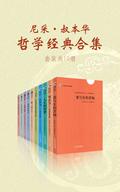 A Collection of Nietzsche and Schopenhauer's Philosophical Classics (Set of 10 Volumes in Total)
★Nietzsche was a 19th-century German philosopher, one of the main representatives of voluntarism and philosophy of life, and is considered one of the world's greatest thinkers. His works had a significant impact on the intellectual circles of the 20th century. 1. "Look! This Man" is Nietzsche's autobiographical work. Nietzsche wrote the crystallization process of the essence of his life's thoughts into the book, describing himself with bold, unrestrained and direct writing style, and expressing
—Reads8.6Score—Shelves
A Collection of Nietzsche and Schopenhauer's Philosophical Classics (Set of 10 Volumes in Total)
★Nietzsche was a 19th-century German philosopher, one of the main representatives of voluntarism and philosophy of life, and is considered one of the world's greatest thinkers. His works had a significant impact on the intellectual circles of the 20th century. 1. "Look! This Man" is Nietzsche's autobiographical work. Nietzsche wrote the crystallization process of the essence of his life's thoughts into the book, describing himself with bold, unrestrained and direct writing style, and expressing
—Reads8.6Score—Shelves
-
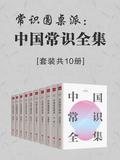 Common Sense Roundtable School: Complete Collection of Chinese Common Sense (Set of 10 Volumes in Total)
"Common Sense of Chinese History" ★It covers five thousand years, and is a more popular Chinese history than "General History of China". ★Best-selling for 50 years, this is a historical encyclopedia edited by the famous historian Wu Han. "Common Sense of Chinese Architecture" ★The painstaking work of Lin Huiyin, a pioneer in the field of Chinese architecture ★After 15 years, 15 provinces, and more than 190 counties, 2,738 ancient buildings were surveyed and mapped, and detailed records and analy
—Reads8.6Score—Shelves
Common Sense Roundtable School: Complete Collection of Chinese Common Sense (Set of 10 Volumes in Total)
"Common Sense of Chinese History" ★It covers five thousand years, and is a more popular Chinese history than "General History of China". ★Best-selling for 50 years, this is a historical encyclopedia edited by the famous historian Wu Han. "Common Sense of Chinese Architecture" ★The painstaking work of Lin Huiyin, a pioneer in the field of Chinese architecture ★After 15 years, 15 provinces, and more than 190 counties, 2,738 ancient buildings were surveyed and mapped, and detailed records and analy
—Reads8.6Score—Shelves
-
 Warmth Theory
"Lun on Warm Heat" is a general treatise on febrile diseases. It was dictated by Ye Gui (a heavenly scholar) in the Qing Dynasty and recorded by his disciple Gu Jingwen. The full text is very short, with only more than 4,000 words. It is the foundational work of the theory of febrile disease. In this book, Ye proposed a syndrome differentiation system of Wei Qi, Yin and Xue for febrile diseases, and discussed the corresponding treatment methods of Wei Qi and Yin and Xue. In addition, Ye also has
—Reads8.2Score—Shelves
Warmth Theory
"Lun on Warm Heat" is a general treatise on febrile diseases. It was dictated by Ye Gui (a heavenly scholar) in the Qing Dynasty and recorded by his disciple Gu Jingwen. The full text is very short, with only more than 4,000 words. It is the foundational work of the theory of febrile disease. In this book, Ye proposed a syndrome differentiation system of Wei Qi, Yin and Xue for febrile diseases, and discussed the corresponding treatment methods of Wei Qi and Yin and Xue. In addition, Ye also has
—Reads8.2Score—Shelves
-
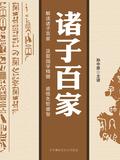 Hundreds of Schools of Thought
The various schools of thought are an important part of Chinese traditional culture. Many thoughts of various schools of thought have left profound inspirations to later generations, which still shine brightly today and are worth learning from. So, how many schools of thought are there? Which ones are the most widely spread? Who are the representatives of each family? What books, doctrines and legends did they leave behind? In this product, the famous philosopher Professor Sun Zhongyuan gave an
—Reads8.6Score—Shelves
Hundreds of Schools of Thought
The various schools of thought are an important part of Chinese traditional culture. Many thoughts of various schools of thought have left profound inspirations to later generations, which still shine brightly today and are worth learning from. So, how many schools of thought are there? Which ones are the most widely spread? Who are the representatives of each family? What books, doctrines and legends did they leave behind? In this product, the famous philosopher Professor Sun Zhongyuan gave an
—Reads8.6Score—Shelves
-
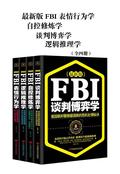 The Latest Version of FBI Expression Behavior + Self-Control Practice + Negotiation Game + Logical Reasoning (Four Volumes in Total)
"FBI Psychology Series" covers four major aspects of FBI psychological training: "FBI Self-Control Practice", "FBI Negotiation Game Science", "FBI Logical Reasoning" and "FBI Expression Behavior". Starting from four different perspectives, it explains to readers the psychological methods used by the FBI in solving crimes, so that readers can gain psychological knowledge suitable for themselves while reading.
—Reads8.5Score—Shelves
The Latest Version of FBI Expression Behavior + Self-Control Practice + Negotiation Game + Logical Reasoning (Four Volumes in Total)
"FBI Psychology Series" covers four major aspects of FBI psychological training: "FBI Self-Control Practice", "FBI Negotiation Game Science", "FBI Logical Reasoning" and "FBI Expression Behavior". Starting from four different perspectives, it explains to readers the psychological methods used by the FBI in solving crimes, so that readers can gain psychological knowledge suitable for themselves while reading.
—Reads8.5Score—Shelves
-
 Qin
The name of the vassal state of China in the Zhou Dynasty, in today's Shaanxi Province and Gansu Province
—Reads8.2Score—Shelves
Qin
The name of the vassal state of China in the Zhou Dynasty, in today's Shaanxi Province and Gansu Province
—Reads8.2Score—Shelves
-
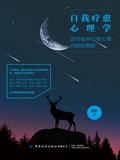 Self-Healing Psychology
What are you worried about? ? Everyone has negative emotions! A very useful piece of healing psychology suitable for everyone to share. Uncover the secrets that only psychiatrists know. It is better to see a psychiatrist than to be your own psychiatrist. Simple and easy self-healing psychology can comprehensively reverse the negative energy in the body and awaken the positive energy in the soul. Instant and practical psychological self-healing techniques, allowing you to gain permanent inner pea
—Reads8.1Score—Shelves
Self-Healing Psychology
What are you worried about? ? Everyone has negative emotions! A very useful piece of healing psychology suitable for everyone to share. Uncover the secrets that only psychiatrists know. It is better to see a psychiatrist than to be your own psychiatrist. Simple and easy self-healing psychology can comprehensively reverse the negative energy in the body and awaken the positive energy in the soul. Instant and practical psychological self-healing techniques, allowing you to gain permanent inner pea
—Reads8.1Score—Shelves
-
 Learn from the Weak
Chinese traditional cultural thoughts have a long history and are highly original, original and literary. The early ideological forms were very distinctive, with extensive and profound contents such as religious theology, Chinese medicine classics, ancient military art, Confucianism, Taoism, Buddhism and hundreds of schools of thought, Feng Shui metaphysics, Twenty-Four Histories, customs and geography, etc. This series of "Original Books on Classic Chinese Studies and Essence Culture" retains t
—Reads8.5Score—Shelves
Learn from the Weak
Chinese traditional cultural thoughts have a long history and are highly original, original and literary. The early ideological forms were very distinctive, with extensive and profound contents such as religious theology, Chinese medicine classics, ancient military art, Confucianism, Taoism, Buddhism and hundreds of schools of thought, Feng Shui metaphysics, Twenty-Four Histories, customs and geography, etc. This series of "Original Books on Classic Chinese Studies and Essence Culture" retains t
—Reads8.5Score—Shelves
-
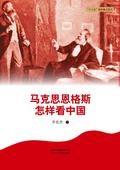 How Did Marx and Engels View China?
The author uses Marx and Engels's discussion of China to explain their attitudes towards China under the historical conditions at that time. At the same time, the author combines the world structure, strategic games, international exchanges, etc. At that time to analyze the reasons behind Ma and Engels' views on China. There is still no systematic discussion on how Marx and Engels viewed China. The book "How Marx and Engels Viewed China" makes up for this shortcoming. Based on full possession of
—Reads8.1Score—Shelves
How Did Marx and Engels View China?
The author uses Marx and Engels's discussion of China to explain their attitudes towards China under the historical conditions at that time. At the same time, the author combines the world structure, strategic games, international exchanges, etc. At that time to analyze the reasons behind Ma and Engels' views on China. There is still no systematic discussion on how Marx and Engels viewed China. The book "How Marx and Engels Viewed China" makes up for this shortcoming. Based on full possession of
—Reads8.1Score—Shelves
-
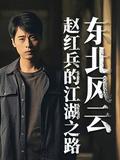 Northeast Stormzhao Hongbing's Journey to the World
We will tell you about the journey of a generation of gangster leader "Zhao Hongbing" and take you into a period of Northeastern history.
—Reads8.4Score—Shelves
Northeast Stormzhao Hongbing's Journey to the World
We will tell you about the journey of a generation of gangster leader "Zhao Hongbing" and take you into a period of Northeastern history.
—Reads8.4Score—Shelves
-
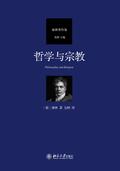 Philosophy and Religion
"The Collected Works of Schelling·Philosophy and Religion" contains works published by Schelling between 1804 and 1807, including "Immanuel Kant", "Philosophy and Religion", "Introduction to Philosophy", "Proverbs from the Introduction to Natural Philosophy", "Proverbs from Natural Philosophy" and "On the Nature of German Science". These works are several important representative works of Schelling's "Identity Philosophy" period.
—Reads8.9Score—Shelves
Philosophy and Religion
"The Collected Works of Schelling·Philosophy and Religion" contains works published by Schelling between 1804 and 1807, including "Immanuel Kant", "Philosophy and Religion", "Introduction to Philosophy", "Proverbs from the Introduction to Natural Philosophy", "Proverbs from Natural Philosophy" and "On the Nature of German Science". These works are several important representative works of Schelling's "Identity Philosophy" period.
—Reads8.9Score—Shelves
-
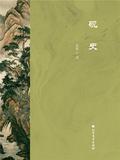 History of Inkstone
One volume of "History of Inkstone", written by Mi Fu of the Song Dynasty. The first chapter is titled "Supplies", which discusses the importance of making ink when discussing stones. It is followed by the "Properties" chapter, which discusses the hardness and softness of stones. The "Samples" chapter lists the differences in shapes between Jin inkstones and Tang inkstones up to the Song Dynasty. There are twenty-six kinds of inkstones in the Middle Ages, from jade inkstones to Caizhou white ink
—Reads8.1Score—Shelves
History of Inkstone
One volume of "History of Inkstone", written by Mi Fu of the Song Dynasty. The first chapter is titled "Supplies", which discusses the importance of making ink when discussing stones. It is followed by the "Properties" chapter, which discusses the hardness and softness of stones. The "Samples" chapter lists the differences in shapes between Jin inkstones and Tang inkstones up to the Song Dynasty. There are twenty-six kinds of inkstones in the Middle Ages, from jade inkstones to Caizhou white ink
—Reads8.1Score—Shelves
-
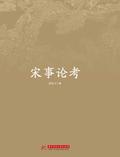 A Study on the Song Dynasty
The Song Dynasty was an era of highly prosperous commodity economy, culture, education, and scientific innovation in ancient Chinese history. In the more than 300 years since its founding, the Song Dynasty overthrew twice, both due to foreign aggression. It was the only dynasty that did not die from civil strife, so it has unique research value. Chinese and foreign historians have concentrated a large number of scholars on various aspects of the Song Dynasty, and many results with certain social
—Reads8.7Score—Shelves
A Study on the Song Dynasty
The Song Dynasty was an era of highly prosperous commodity economy, culture, education, and scientific innovation in ancient Chinese history. In the more than 300 years since its founding, the Song Dynasty overthrew twice, both due to foreign aggression. It was the only dynasty that did not die from civil strife, so it has unique research value. Chinese and foreign historians have concentrated a large number of scholars on various aspects of the Song Dynasty, and many results with certain social
—Reads8.7Score—Shelves
-
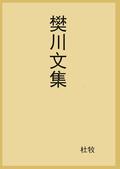 Collected Works of Fan Chuan
Collection of poetry. Written by Du Mu of Tang Dynasty. Twenty volumes, one volume for external collection and one volume for special collection. Mu, whose courtesy name was Mu Zhi, was born in Jingzhao Wannian (now Xi'an, Shaanxi Province). Grandson of Prime Minister Du You. Taihe Jinshi. He once served as a staff member in the Jiedu Envoy in Jiangxi, Xuanshe and other places, and later served as the governor of Huangzhou, Chizhou, Muzhou and Huzhou, and became an official in Zhongshu Sheren. L
—Reads9.1Score—Shelves
Collected Works of Fan Chuan
Collection of poetry. Written by Du Mu of Tang Dynasty. Twenty volumes, one volume for external collection and one volume for special collection. Mu, whose courtesy name was Mu Zhi, was born in Jingzhao Wannian (now Xi'an, Shaanxi Province). Grandson of Prime Minister Du You. Taihe Jinshi. He once served as a staff member in the Jiedu Envoy in Jiangxi, Xuanshe and other places, and later served as the governor of Huangzhou, Chizhou, Muzhou and Huzhou, and became an official in Zhongshu Sheren. L
—Reads9.1Score—Shelves