Fanqie catalogue
Books by Zhang Cheng
- Matches
- 23
From the Fanqie books we index, matched on the author's name.
-
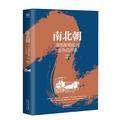 The Northern and Southern Dynasties: A Survival Guide Before the Empire's Dawn 南北朝:帝国黎明前的生存启示录
This book is divided into eight chapters, covering the rise of the Tuoba clan, the Liu Song dynasty, the mentally ill family of the Southern Qi, the tug-of-war between north and south, how upheaval reshaped the lives of ordinary people, the Northern Wei’s collapse and its impact on the Southern Liang, how a divided realm is eventually reunited, and the overlooked details of the Northern and Southern Dynasties. The book also includes a chronology of the Northern and Southern Dynasties and a diagr
1kReads9.6Score302Shelves
The Northern and Southern Dynasties: A Survival Guide Before the Empire's Dawn 南北朝:帝国黎明前的生存启示录
This book is divided into eight chapters, covering the rise of the Tuoba clan, the Liu Song dynasty, the mentally ill family of the Southern Qi, the tug-of-war between north and south, how upheaval reshaped the lives of ordinary people, the Northern Wei’s collapse and its impact on the Southern Liang, how a divided realm is eventually reunited, and the overlooked details of the Northern and Southern Dynasties. The book also includes a chronology of the Northern and Southern Dynasties and a diagr
1kReads9.6Score302Shelves
-
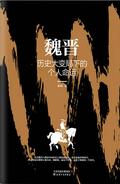 Wei and Jin: Personal Fates Amid a Tumultuous Era 魏晋:历史大变局下的个人命运
※ There are ways to read history. The chaos of troubled times need not be confusing. >> A fresh perspective on the “401 years of turmoil”: read the Wei and Jin, Northern and Southern Dynasties, and Sui periods together. >> Only by understanding “turbulent times” can we grasp the logic behind the evolution of Chinese history, and understand life’s choices, opportunities, and turns of fate. ※ A history of the Sui Dynasty you can read in one sitting >> See the Sui Dynasty anew: though it was brief,
485Reads9.3Score103Shelves
Wei and Jin: Personal Fates Amid a Tumultuous Era 魏晋:历史大变局下的个人命运
※ There are ways to read history. The chaos of troubled times need not be confusing. >> A fresh perspective on the “401 years of turmoil”: read the Wei and Jin, Northern and Southern Dynasties, and Sui periods together. >> Only by understanding “turbulent times” can we grasp the logic behind the evolution of Chinese history, and understand life’s choices, opportunities, and turns of fate. ※ A history of the Sui Dynasty you can read in one sitting >> See the Sui Dynasty anew: though it was brief,
485Reads9.3Score103Shelves
-
 Tales of the Forbidden City 故宫传
The Forbidden City in Beijing was the imperial palace of China’s Ming and Qing dynasties, formerly known as the Purple Forbidden City. Divided into fifteen chapters, this book combines narrative and discussion in an essay style, supplemented by numerous photographs and images of artifacts from the palace collections. It primarily covers the Forbidden City’s history, architectural layout, the functions of its main halls, how imperial power was reflected in its buildings and internal regulations,
463Reads9.4Score109Shelves
Tales of the Forbidden City 故宫传
The Forbidden City in Beijing was the imperial palace of China’s Ming and Qing dynasties, formerly known as the Purple Forbidden City. Divided into fifteen chapters, this book combines narrative and discussion in an essay style, supplemented by numerous photographs and images of artifacts from the palace collections. It primarily covers the Forbidden City’s history, architectural layout, the functions of its main halls, how imperial power was reflected in its buildings and internal regulations,
463Reads9.4Score109Shelves
-
 So That's How the Northern and Southern Dynasties Were 南北朝原来是这样
Heroes rise across the land, society falls into turmoil, remarkable talents emerge, oddballs abound, peoples merge, and cultures collide... The Northern and Southern Dynasties were a chaotic age of great destruction, but also a flourishing era of integration. They were a blood-soaked period of division that lasted two centuries, as well as a brilliant age in which heroes rose one after another, each taking their turn on history's stage. This book tells of the rise, decline, and extinction of the
299Reads9.4Score—Shelves
So That's How the Northern and Southern Dynasties Were 南北朝原来是这样
Heroes rise across the land, society falls into turmoil, remarkable talents emerge, oddballs abound, peoples merge, and cultures collide... The Northern and Southern Dynasties were a chaotic age of great destruction, but also a flourishing era of integration. They were a blood-soaked period of division that lasted two centuries, as well as a brilliant age in which heroes rose one after another, each taking their turn on history's stage. This book tells of the rise, decline, and extinction of the
299Reads9.4Score—Shelves
-
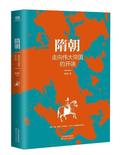 Sui Dynasty: the Beginning of a Great Empire 隋朝:走向伟大帝国的开端
In the long history of China, the Sui Dynasty made a high-profile appearance, but ended in a hurry, writing a period of brilliant glory that was as short-lived as an epiphyllum. This is a dynasty that was overwhelmed by its grand ambitions, a dynasty with constant controversy, and a dynasty that left a rich legacy. The political struggle of Emperor Wen of the Sui Dynasty Yang Jian, the short-lived joy of all nations coming to court; the ambition and absurdity of Emperor Yang Guang of the Sui Dyn
195Reads8.3Score—Shelves
Sui Dynasty: the Beginning of a Great Empire 隋朝:走向伟大帝国的开端
In the long history of China, the Sui Dynasty made a high-profile appearance, but ended in a hurry, writing a period of brilliant glory that was as short-lived as an epiphyllum. This is a dynasty that was overwhelmed by its grand ambitions, a dynasty with constant controversy, and a dynasty that left a rich legacy. The political struggle of Emperor Wen of the Sui Dynasty Yang Jian, the short-lived joy of all nations coming to court; the ambition and absurdity of Emperor Yang Guang of the Sui Dyn
195Reads8.3Score—Shelves
-
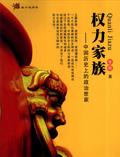 Families of Power: Political Dynasties in Chinese History 权力家族:中国历史上的政治世家
Powerful Families: Political Dynasties in Chinese History is a book about families whose members served in government for generations. It tells of political dynasties that arose in ancient China, with generations of descendants holding office and making their mark in the political arena. Among them were the great aristocratic clans of the Two Jin and Northern and Southern Dynasties. In those days, the highest ranks were closed to commoners, while the lowest ranks were closed to aristocrats. The
162Reads9.0Score—Shelves
Families of Power: Political Dynasties in Chinese History 权力家族:中国历史上的政治世家
Powerful Families: Political Dynasties in Chinese History is a book about families whose members served in government for generations. It tells of political dynasties that arose in ancient China, with generations of descendants holding office and making their mark in the political arena. Among them were the great aristocratic clans of the Two Jin and Northern and Southern Dynasties. In those days, the highest ranks were closed to commoners, while the lowest ranks were closed to aristocrats. The
162Reads9.0Score—Shelves
-
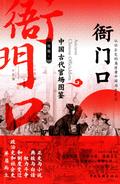 The Yamen: A Guide to China’s Ancient Officialdom 衙门口:中国古代官场图鉴
This book covers the entire lives of officials in ancient China. Through detailed accounts of how they entered office, traveled to take up their posts, proved their identities, carried out their duties, received their salaries and benefits, managed their daily expenses, retired, and spent their later years, readers will gain a clear understanding of how officials entered government through the imperial examinations, how they worked and lived once in office, how they retired, what benefits they r
62Reads9.2Score—Shelves
The Yamen: A Guide to China’s Ancient Officialdom 衙门口:中国古代官场图鉴
This book covers the entire lives of officials in ancient China. Through detailed accounts of how they entered office, traveled to take up their posts, proved their identities, carried out their duties, received their salaries and benefits, managed their daily expenses, retired, and spent their later years, readers will gain a clear understanding of how officials entered government through the imperial examinations, how they worked and lived once in office, how they retired, what benefits they r
62Reads9.2Score—Shelves
-
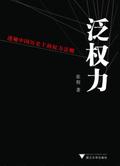 The Pervasiveness of Power: The Rules of Power in Chinese History 泛权力:透视中国历的权力法则
This book is divided into three parts. The first aims to provide a comprehensive account of the historical phenomenon of pervasive power, examine its meaning, and explore some of its underlying patterns. From Chapter One, “The Pervasive Power Formula,” to Chapter Six, “Why Does Power Become Pervasive?”, the discussion follows a relatively coherent line of reasoning, gradually moving from observable phenomena to their deeper meaning and examining the nature of pervasive power in increasing depth.
27Reads9.3Score—Shelves
The Pervasiveness of Power: The Rules of Power in Chinese History 泛权力:透视中国历的权力法则
This book is divided into three parts. The first aims to provide a comprehensive account of the historical phenomenon of pervasive power, examine its meaning, and explore some of its underlying patterns. From Chapter One, “The Pervasive Power Formula,” to Chapter Six, “Why Does Power Become Pervasive?”, the discussion follows a relatively coherent line of reasoning, gradually moving from observable phenomena to their deeper meaning and examining the nature of pervasive power in increasing depth.
27Reads9.3Score—Shelves
-
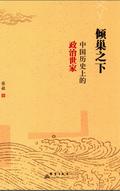 Beneath the Fallen Nest: Political Dynasties in Chinese History 倾巢之下:中国历史上的政治世家
This book recounts the triumphs and tribulations of many political families in Chinese history: the Western Han Wei Qing family, which rose from humble beginnings to become relatives of the imperial house; the Li family of Longxi, whose fortunes began in the Han and flourished in the Tang; the Zhuge family of the Three Kingdoms, whose uncles and nephews held real power in three states; the celebrated Zeng Guofan family of modern times; and the great aristocratic families of the Wei and Jin perio
26Reads9.1Score—Shelves
Beneath the Fallen Nest: Political Dynasties in Chinese History 倾巢之下:中国历史上的政治世家
This book recounts the triumphs and tribulations of many political families in Chinese history: the Western Han Wei Qing family, which rose from humble beginnings to become relatives of the imperial house; the Li family of Longxi, whose fortunes began in the Han and flourished in the Tang; the Zhuge family of the Three Kingdoms, whose uncles and nephews held real power in three states; the celebrated Zeng Guofan family of modern times; and the great aristocratic families of the Wei and Jin perio
26Reads9.1Score—Shelves
-
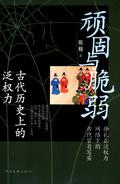 Stubbornness and Fragility: Pan-Power in Ancient History 顽固与脆弱:古代历史上的泛权力
In ancient China, the diffusion of power was like an invisible net, tightly enveloping entire dynasties. High-ranking officials in government offices, people of the martial world, and even ordinary citizens who kept to themselves could not escape the reach of this diffuse power. Whether knowingly or not, willingly or otherwise, everyone was affected by it. The miserable, fragile lives of those struggling within this web of power compel us to close the book and reflect. By learning from history,
12Reads9.2Score—Shelves
Stubbornness and Fragility: Pan-Power in Ancient History 顽固与脆弱:古代历史上的泛权力
In ancient China, the diffusion of power was like an invisible net, tightly enveloping entire dynasties. High-ranking officials in government offices, people of the martial world, and even ordinary citizens who kept to themselves could not escape the reach of this diffuse power. Whether knowingly or not, willingly or otherwise, everyone was affected by it. The miserable, fragile lives of those struggling within this web of power compel us to close the book and reflect. By learning from history,
12Reads9.2Score—Shelves
-
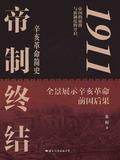 1911: The End of the Monarchy 1911:帝制终结
With the Xinhai Revolution as its central event, this book recounts China's history and social changes from 1908 to 1912, beginning with Emperor Xuantong's accession and ending with the northward relocation of the Nanjing Provisional Government. Before the Xinhai Revolution, China also had reformists, and they too had a progressive side. Why was the Wuxu Reform suppressed at the time? Precisely because it was progressive and earned the hatred of the conservatives. Sun Yat-sen went a step further
11Reads8.5Score—Shelves
1911: The End of the Monarchy 1911:帝制终结
With the Xinhai Revolution as its central event, this book recounts China's history and social changes from 1908 to 1912, beginning with Emperor Xuantong's accession and ending with the northward relocation of the Nanjing Provisional Government. Before the Xinhai Revolution, China also had reformists, and they too had a progressive side. Why was the Wuxu Reform suppressed at the time? Precisely because it was progressive and earned the hatred of the conservatives. Sun Yat-sen went a step further
11Reads8.5Score—Shelves
-
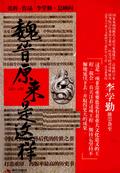 Wei and Jin Turned Out to Be Like This 魏晋原来是这样
Every Chinese should understand the history of their own country! Every Chinese should be proud of being Chinese! Whether a nation can be respected by other nations in the world depends to a certain extent on the overall cultural accomplishment level of the nation. ? Among them, it is particularly important to expand the knowledge of the whole people, especially the understanding and understanding of their own national history. "Historical China" is the most comprehensive chronological history o
9Reads8.1Score—Shelves
Wei and Jin Turned Out to Be Like This 魏晋原来是这样
Every Chinese should understand the history of their own country! Every Chinese should be proud of being Chinese! Whether a nation can be respected by other nations in the world depends to a certain extent on the overall cultural accomplishment level of the nation. ? Among them, it is particularly important to expand the knowledge of the whole people, especially the understanding and understanding of their own national history. "Historical China" is the most comprehensive chronological history o
9Reads8.1Score—Shelves
-
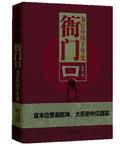 The Yamen: A Thousand-Year History of Chinese Officials 衙门口:为官中国千年史
The yamen system, or bureaucratic system, is a distinctive feature of Chinese history. The culmination of the many ills of officialdom is the culture of “officialdom above all,” which has permeated every corner of Chinese society for a thousand years. The Yamen Gates: A Thousand Years of Chinese Officialdom offers readers a perspective that is both concise and insightful.
9Reads8.9Score—Shelves
The Yamen: A Thousand-Year History of Chinese Officials 衙门口:为官中国千年史
The yamen system, or bureaucratic system, is a distinctive feature of Chinese history. The culmination of the many ills of officialdom is the culture of “officialdom above all,” which has permeated every corner of Chinese society for a thousand years. The Yamen Gates: A Thousand Years of Chinese Officialdom offers readers a perspective that is both concise and insightful.
9Reads8.9Score—Shelves
-
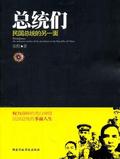 Presidents: the Other Side of the Presidents of the Republic of China 总统们:民国总统的另一面
This is a popular "Presidents" that reviews the early presidents of the Republic of China, including the five presidents of the Beiyang Government (Yuan Shikai, Li Yuanhong, Feng Guozhang, Xu Shichang, Cao Kun) and Mr. Sun Yat-sen, who founded the Republic of China and served as the interim president, a total of 6 presidents. The young writer Zhang Cheng used a delicate writing style to truly and simply comment on the six all-powerful presidents during the Republic of China. He changed the biase
8Reads8.5Score—Shelves
Presidents: the Other Side of the Presidents of the Republic of China 总统们:民国总统的另一面
This is a popular "Presidents" that reviews the early presidents of the Republic of China, including the five presidents of the Beiyang Government (Yuan Shikai, Li Yuanhong, Feng Guozhang, Xu Shichang, Cao Kun) and Mr. Sun Yat-sen, who founded the Republic of China and served as the interim president, a total of 6 presidents. The young writer Zhang Cheng used a delicate writing style to truly and simply comment on the six all-powerful presidents during the Republic of China. He changed the biase
8Reads8.5Score—Shelves
-
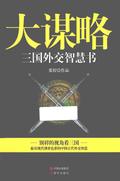 Grand Strategy: The Wisdom of Three Kingdoms Diplomacy 大谋略:三国外交智慧书
The Three Kingdoms was an age of achievement and heroic legend, an age of bloodshed in which new life was forged on the blade, and an age endlessly embellished with myths and mysteries. It pushed human cunning and calculation to unprecedented heights. This book is the first to reconstruct the conflicts and drama of the Three Kingdoms from the perspective of diplomatic struggles. The tripartite balance between Wei, Shu, and Wu emerged from the contest for supremacy among the warlords at the end o
8Reads8.1Score—Shelves
Grand Strategy: The Wisdom of Three Kingdoms Diplomacy 大谋略:三国外交智慧书
The Three Kingdoms was an age of achievement and heroic legend, an age of bloodshed in which new life was forged on the blade, and an age endlessly embellished with myths and mysteries. It pushed human cunning and calculation to unprecedented heights. This book is the first to reconstruct the conflicts and drama of the Three Kingdoms from the perspective of diplomatic struggles. The tripartite balance between Wei, Shu, and Wu emerged from the contest for supremacy among the warlords at the end o
8Reads8.1Score—Shelves
-
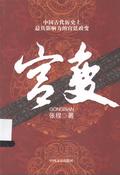 Palace Coup 宫变
The Palace Coup is divided into two parts. The first describes and analyzes specific cases, while the second surveys the history of palace coups in China. Institutions provide fertile ground for coups, and anyone, even the emperor, can become a victim. Imperial power sits atop the pyramid. It shines with golden light, yet conceals deadly danger, serving as the final gathering point for the currents of political struggle and the forces behind rival factions. When long-hoarded darkness tears away
8Reads8.4Score—Shelves
Palace Coup 宫变
The Palace Coup is divided into two parts. The first describes and analyzes specific cases, while the second surveys the history of palace coups in China. Institutions provide fertile ground for coups, and anyone, even the emperor, can become a victim. Imperial power sits atop the pyramid. It shines with golden light, yet conceals deadly danger, serving as the final gathering point for the currents of political struggle and the forces behind rival factions. When long-hoarded darkness tears away
8Reads8.4Score—Shelves
-
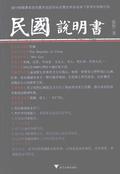 A Republic-Era Handbook 民国说明书
An Introduction to Republican-Era China offers a vivid and flowing account of ten major aspects of society in that period. These include the Beiyang warlords, the underworld, the foreign concessions, the opium trade, parliamentary elections, the survival of the fittest, universities, and revolutionary fighters. The book is written in clear, accessible language, with incisive analysis and detailed yet measured explanations of social phenomena. As an editor, the author is also scrupulous about mai
7Reads7.6Score—Shelves
A Republic-Era Handbook 民国说明书
An Introduction to Republican-Era China offers a vivid and flowing account of ten major aspects of society in that period. These include the Beiyang warlords, the underworld, the foreign concessions, the opium trade, parliamentary elections, the survival of the fittest, universities, and revolutionary fighters. The book is written in clear, accessible language, with incisive analysis and detailed yet measured explanations of social phenomena. As an editor, the author is also scrupulous about mai
7Reads7.6Score—Shelves
-
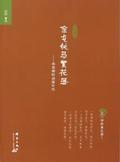 Clashing Swords and Falling Blossoms: The Tumultuous Years of the Northern and Southern Dynasties 金戈铁马繁花落:南北朝的动荡年代
A mysterious history of endless warfare, iron steeds, and a succession of heroes; a romantic age of Wu ballads, graceful nobles, and lingering elegance; a profound sensibility of northern laments, fierce northern customs, and poetic sorrow: the dusty world of the Northern and Southern Dynasties!
7Reads8.3Score—Shelves
Clashing Swords and Falling Blossoms: The Tumultuous Years of the Northern and Southern Dynasties 金戈铁马繁花落:南北朝的动荡年代
A mysterious history of endless warfare, iron steeds, and a succession of heroes; a romantic age of Wu ballads, graceful nobles, and lingering elegance; a profound sensibility of northern laments, fierce northern customs, and poetic sorrow: the dusty world of the Northern and Southern Dynasties!
7Reads8.3Score—Shelves
-
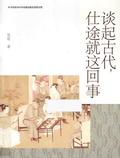 On Ancient Times, the Career Path Is What It Is 谈起古代,仕途就这回事
The yamen system, in other words the bureaucratic system, is one of the defining features of Chinese history. The culmination of the many ills of officialdom is the “official-centered” culture that has permeated every corner of Chinese society for thousands of years. In Talking About the Ancient Road to Officialdom, Zhang Cheng surveys every aspect of an official's life, from recruitment to retirement. Readers can wander among high-ranking officials, low-level functionaries, failed scholars, rec
5Reads8.4Score—Shelves
On Ancient Times, the Career Path Is What It Is 谈起古代,仕途就这回事
The yamen system, in other words the bureaucratic system, is one of the defining features of Chinese history. The culmination of the many ills of officialdom is the “official-centered” culture that has permeated every corner of Chinese society for thousands of years. In Talking About the Ancient Road to Officialdom, Zhang Cheng surveys every aspect of an official's life, from recruitment to retirement. Readers can wander among high-ranking officials, low-level functionaries, failed scholars, rec
5Reads8.4Score—Shelves
-
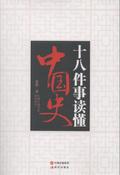 Understand Chinese History Through Eighteen Stories 十八件事读懂中国史
Are you deeply interested in history, but struggling to make sense of its complicated people, events, and institutions? Have you read plenty of history books, yet still feel as though you are watching flowers through a fog and the moon's reflection in water? Open Eighteen Topics to Understand Chinese History! These eighteen topics in Chinese history range from imperial succession, choosing worthy officials, and modern warlords to historical sites, ancient official systems, and the tribute system
1Reads8.2Score—Shelves
Understand Chinese History Through Eighteen Stories 十八件事读懂中国史
Are you deeply interested in history, but struggling to make sense of its complicated people, events, and institutions? Have you read plenty of history books, yet still feel as though you are watching flowers through a fog and the moon's reflection in water? Open Eighteen Topics to Understand Chinese History! These eighteen topics in Chinese history range from imperial succession, choosing worthy officials, and modern warlords to historical sites, ancient official systems, and the tribute system
1Reads8.2Score—Shelves
-
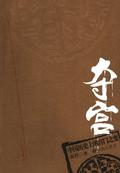 Seizing the Palace: Palace Gate Coups in Chinese History 夺宫:中国历史上的宫门之变
The imperial throne sits at the top of the pyramid of power, where the currents of political struggle and the forces of every faction converge. In ancient Chinese politics, the succession to the throne was an event of utmost gravity, for it involved the transfer of supreme political power and affected the stability of the entire state. At the very moment the throne changed hands, all the political maneuvering, court deals, and long-accumulated darkness tore through their hypocritical facade in a
1Reads8.0Score—Shelves
Seizing the Palace: Palace Gate Coups in Chinese History 夺宫:中国历史上的宫门之变
The imperial throne sits at the top of the pyramid of power, where the currents of political struggle and the forces of every faction converge. In ancient Chinese politics, the succession to the throne was an event of utmost gravity, for it involved the transfer of supreme political power and affected the stability of the entire state. At the very moment the throne changed hands, all the political maneuvering, court deals, and long-accumulated darkness tore through their hypocritical facade in a
1Reads8.0Score—Shelves
-
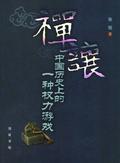 Abdication: a Power Game in Chinese History 禅让:中国历史上的一种权力游戏
In the long history of ancient China, much power was achieved through abdication. This method can complete the change of political power in a bloodless and bloodless way, maintain the stability of the Xiejia's political economy to the greatest extent, and maintain the continuity and stability of the political economy to the greatest extent. In the process of abdication, the most important thing is to put gold on the face of the recipient and increase the splendor of the successor in terms of blo
—Reads8.4Score—Shelves
Abdication: a Power Game in Chinese History 禅让:中国历史上的一种权力游戏
In the long history of ancient China, much power was achieved through abdication. This method can complete the change of political power in a bloodless and bloodless way, maintain the stability of the Xiejia's political economy to the greatest extent, and maintain the continuity and stability of the political economy to the greatest extent. In the process of abdication, the most important thing is to put gold on the face of the recipient and increase the splendor of the successor in terms of blo
—Reads8.4Score—Shelves
-
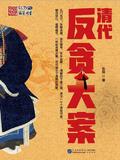 Major Anti-Corruption Cases of the Qing Dynasty 清代反贪大案
The Major Anti-Corruption Cases of the Qing Dynasty is an outstanding work that combines scholarship with entertainment. In vivid prose, the author recounts one major corruption case after another from the Qing dynasty. The Kong family’s mutual accusations sparked an examination of morality and the status of sages’ descendants; the Chen Huizu case gave rise to a debate over corrupt officials and thieves in government; abuses at postal stations led to investigations into corruption; the fraudulen
—Reads8.3Score—Shelves
Major Anti-Corruption Cases of the Qing Dynasty 清代反贪大案
The Major Anti-Corruption Cases of the Qing Dynasty is an outstanding work that combines scholarship with entertainment. In vivid prose, the author recounts one major corruption case after another from the Qing dynasty. The Kong family’s mutual accusations sparked an examination of morality and the status of sages’ descendants; the Chen Huizu case gave rise to a debate over corrupt officials and thieves in government; abuses at postal stations led to investigations into corruption; the fraudulen
—Reads8.3Score—Shelves