Fanqie library
Browse
- Titles
- 8
Every Fanqie book we index, searchable by title, author or tag.
-
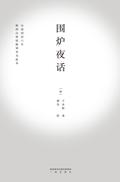 Evening Talk Around the Fireplace (Guomai Classic)
Wang Yongbin, also known as Mr. Yishan, lived through five periods in his life: Qianlong, Jiaqing, Daoguang, Xianfeng and Tongzhi. He didn't like the imperial examination, so he was awarded the title of Gongsheng Examination very late, and became a Xiuzhilang, and later he was a candidate for teaching. He studied extensively throughout his life and was diligent in writing. He mentioned the origin of this book at the beginning of "Night Talk around the Stove": Wailing around the stove on a cold n
—Reads8.3Score—Shelves
Evening Talk Around the Fireplace (Guomai Classic)
Wang Yongbin, also known as Mr. Yishan, lived through five periods in his life: Qianlong, Jiaqing, Daoguang, Xianfeng and Tongzhi. He didn't like the imperial examination, so he was awarded the title of Gongsheng Examination very late, and became a Xiuzhilang, and later he was a candidate for teaching. He studied extensively throughout his life and was diligent in writing. He mentioned the origin of this book at the beginning of "Night Talk around the Stove": Wailing around the stove on a cold n
—Reads8.3Score—Shelves
-
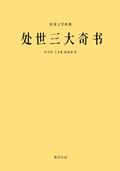 Three Wonderful Books on Life
"Cai Gen Tan", "Xiaochuang Youji" and "Wilson Night Talk" are collectively known as the "Three Wonderful Books on Life" and have been highly praised since their publication. Three extraordinary books, with eighteen lines of life wisdom selected, allowing you to experience Chinese culture and understand how to cultivate your character and conduct yourself in the world.
—Reads9.4Score—Shelves
Three Wonderful Books on Life
"Cai Gen Tan", "Xiaochuang Youji" and "Wilson Night Talk" are collectively known as the "Three Wonderful Books on Life" and have been highly praised since their publication. Three extraordinary books, with eighteen lines of life wisdom selected, allowing you to experience Chinese culture and understand how to cultivate your character and conduct yourself in the world.
—Reads9.4Score—Shelves
-
 Collection of Chinese Self-Cultivation Aphorisms (Set of Three Volumes)
"Collection of Chinese Self-cultivation Aphorisms" includes three books: "Cai Gen Tan", "Little Window Quiet Notes" and "Night Talk Around the Fireplace", which incisively explains the contents of self-cultivation, reading and determination, living in poverty and living happily, helping the world and helping others, running the family and educating children, being loyal, filial and righteous, and serving as an official and governing, etc., Covering all aspects of life. The diction is beautiful,
—Reads8.8Score—Shelves
Collection of Chinese Self-Cultivation Aphorisms (Set of Three Volumes)
"Collection of Chinese Self-cultivation Aphorisms" includes three books: "Cai Gen Tan", "Little Window Quiet Notes" and "Night Talk Around the Fireplace", which incisively explains the contents of self-cultivation, reading and determination, living in poverty and living happily, helping the world and helping others, running the family and educating children, being loyal, filial and righteous, and serving as an official and governing, etc., Covering all aspects of life. The diction is beautiful,
—Reads8.8Score—Shelves
-
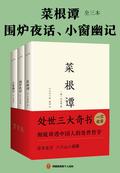 Cai Gen Tan + Evening Talks Around the Fireplace + Small Window Secrets
"Chinese People's Unique Knowledge of Life" is a collection of three books: "Cai Gen Tan", "Night Talk around the Stove" and "Little Window". It is known as the "Three Wonderful Books on Life". The predecessors planted trees, and the descendants enjoy the shade. The three books are all good words and "wonderful" words on life summarized by the predecessors with their lifetime wisdom. The principles of how to behave in the world will never go out of style. Reading the article carefully will be of
—Reads9.4Score—Shelves
Cai Gen Tan + Evening Talks Around the Fireplace + Small Window Secrets
"Chinese People's Unique Knowledge of Life" is a collection of three books: "Cai Gen Tan", "Night Talk around the Stove" and "Little Window". It is known as the "Three Wonderful Books on Life". The predecessors planted trees, and the descendants enjoy the shade. The three books are all good words and "wonderful" words on life summarized by the predecessors with their lifetime wisdom. The principles of how to behave in the world will never go out of style. Reading the article carefully will be of
—Reads9.4Score—Shelves
-
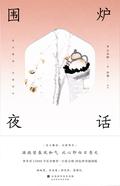 Night Talk Around the Fire
Wailu Night Talk is a popular Confucian book written by Wang Yongbin, a famous literary critic in the Qing Dynasty. Evaluate and discuss the anecdotes, people, events, articles, etc. In the literary world at that time and in the past. The meaning is profound.
—Reads9.2Score—Shelves
Night Talk Around the Fire
Wailu Night Talk is a popular Confucian book written by Wang Yongbin, a famous literary critic in the Qing Dynasty. Evaluate and discuss the anecdotes, people, events, articles, etc. In the literary world at that time and in the past. The meaning is profound.
—Reads9.2Score—Shelves
-
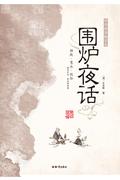 Night Talk Around the Fire
"Wailu Night Talk" is not only a very famous literary criticism book during the Qing Dynasty, but also a collection of popular aphorisms. It is divided into 221 chapters in total, with the general topic of "settling down and establishing a career" as the general topic, covering aspects such as morality, self-cultivation, reading, living in poverty, educating children, loyalty, filial piety, diligence and thrift, etc., Revealing the profound truth that "establishing morality, meritorious service,
—Reads9.4Score—Shelves
Night Talk Around the Fire
"Wailu Night Talk" is not only a very famous literary criticism book during the Qing Dynasty, but also a collection of popular aphorisms. It is divided into 221 chapters in total, with the general topic of "settling down and establishing a career" as the general topic, covering aspects such as morality, self-cultivation, reading, living in poverty, educating children, loyalty, filial piety, diligence and thrift, etc., Revealing the profound truth that "establishing morality, meritorious service,
—Reads9.4Score—Shelves
-
 Three Wonderful Books on Life
"Three Wonderful Books on Life" is a classic collection that brings together the essence of classical Chinese wisdom on life. It includes the three great wonders of the Ming and Qing Dynasties - "Cai Gen Tan", "Night Talk around the Fire" and "Little Window". The whole book takes self-cultivation and conduct as a core, integrating the essence of Confucianism, Buddhism and Taoism. The language is refined and the meaning is far-reaching. It can be called a model work on the philosophy of life and
—Reads8.2Score—Shelves
Three Wonderful Books on Life
"Three Wonderful Books on Life" is a classic collection that brings together the essence of classical Chinese wisdom on life. It includes the three great wonders of the Ming and Qing Dynasties - "Cai Gen Tan", "Night Talk around the Fire" and "Little Window". The whole book takes self-cultivation and conduct as a core, integrating the essence of Confucianism, Buddhism and Taoism. The language is refined and the meaning is far-reaching. It can be called a model work on the philosophy of life and
—Reads8.2Score—Shelves
-
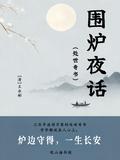 Evening Talk Around the Fireplace (A Wonderful Book on Life)
[Traditional Chinese Studies | Family Education | Life Wisdom | Sober Introspection | Confucian Self-cultivation] The Qing Dynasty classic "Night Talk around the Fireplace", "Cai Gen Tan" and "Xiaochuang Youji" are collectively known as the three great books on life. The book contains 221 household mottos, which are life mottos written by the scholar Wang Yongbin while chatting around the fire on a cold night. The writing style is simple and down-to-earth, with no obscure and mysterious principl
—Reads7.9Score—Shelves
Evening Talk Around the Fireplace (A Wonderful Book on Life)
[Traditional Chinese Studies | Family Education | Life Wisdom | Sober Introspection | Confucian Self-cultivation] The Qing Dynasty classic "Night Talk around the Fireplace", "Cai Gen Tan" and "Xiaochuang Youji" are collectively known as the three great books on life. The book contains 221 household mottos, which are life mottos written by the scholar Wang Yongbin while chatting around the fire on a cold night. The writing style is simple and down-to-earth, with no obscure and mysterious principl
—Reads7.9Score—Shelves