Fanqie library
Browse
- Titles
- 20
Every Fanqie book we index, searchable by title, author or tag.
-
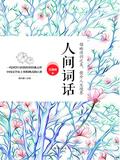 Human Words
"Renjian Cihua" is Wang Guowei's representative work and the most famous Cihua work in modern China. He used traditional word forms and traditional concepts, terminology and thinking logic, and naturally incorporated some new concepts and methods. The theoretical issues he summarized were of quite universal significance, which caused a major response among readers of the new and old generations at that time, and held a lofty status in the history of modern Chinese literary criticism. The theoret
66Reads8.8Score—Shelves
Human Words
"Renjian Cihua" is Wang Guowei's representative work and the most famous Cihua work in modern China. He used traditional word forms and traditional concepts, terminology and thinking logic, and naturally incorporated some new concepts and methods. The theoretical issues he summarized were of quite universal significance, which caused a major response among readers of the new and old generations at that time, and held a lofty status in the history of modern Chinese literary criticism. The theoret
66Reads8.8Score—Shelves
-
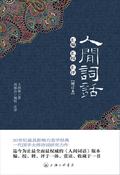 Words in the World: Compilation and Review (Updated Edition)
This book collects all versions of "Human Words": the manuscript, the final version, the unpublished version, the revised version, the selected version and the current version, as well as the appendices in the current version. This book has compiled the above books to make it easier for readers to read and think. The annotations include an introduction to the names of people and explanations of the original poems and their difficulties cited in the poems, providing readers with relatively compre
7Reads8.1Score—Shelves
Words in the World: Compilation and Review (Updated Edition)
This book collects all versions of "Human Words": the manuscript, the final version, the unpublished version, the revised version, the selected version and the current version, as well as the appendices in the current version. This book has compiled the above books to make it easier for readers to read and think. The annotations include an introduction to the names of people and explanations of the original poems and their difficulties cited in the poems, providing readers with relatively compre
7Reads8.1Score—Shelves
-
 Human Words
"Human Words" is one of the must-read books in life, and is the representative work of the master of Chinese studies Wang Guowei. From the perspective of Western philosophy, literature and aesthetics, Wang Guowei made wonderful and unique comments on the masterpieces of famous poets of the past dynasties, and put forward a unique literary theory with novel views, a self-contained system and repeated essences. It has a lofty status in the history of modern Chinese literary criticism. It is one of
—Reads8.7Score—Shelves
Human Words
"Human Words" is one of the must-read books in life, and is the representative work of the master of Chinese studies Wang Guowei. From the perspective of Western philosophy, literature and aesthetics, Wang Guowei made wonderful and unique comments on the masterpieces of famous poets of the past dynasties, and put forward a unique literary theory with novel views, a self-contained system and repeated essences. It has a lofty status in the history of modern Chinese literary criticism. It is one of
—Reads8.7Score—Shelves
-
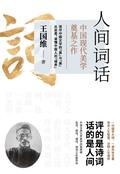 Human Words
"Renjian Cihua" is Wang Guowei's representative work. It is the most famous Cihua work in modern China. It is a foundation work of modern Chinese aesthetics that integrates Chinese and Western aesthetic thoughts. It is a famous work that enhances aesthetics and enlightens wisdom. This book uses traditional word forms and traditional concepts, terminology and thinking logic, and naturally incorporates some new concepts and methods. The theoretical issues it summarizes are of quite universal signi
—Reads8.8Score—Shelves
Human Words
"Renjian Cihua" is Wang Guowei's representative work. It is the most famous Cihua work in modern China. It is a foundation work of modern Chinese aesthetics that integrates Chinese and Western aesthetic thoughts. It is a famous work that enhances aesthetics and enlightens wisdom. This book uses traditional word forms and traditional concepts, terminology and thinking logic, and naturally incorporates some new concepts and methods. The theoretical issues it summarizes are of quite universal signi
—Reads8.8Score—Shelves
-
 A Compilation of Human Words
Mr. Wang Guowei's "Human Words" is a masterpiece of Chinese classical literary and artistic aesthetics and has landmark significance. This book selects 64 items from Wang Guowei's "Human Words" published in "Journal of Chinese Culture". Each original text is followed by an appreciation text, explaining the main theoretical viewpoints and further expanding the original text.
—Reads8.5Score—Shelves
A Compilation of Human Words
Mr. Wang Guowei's "Human Words" is a masterpiece of Chinese classical literary and artistic aesthetics and has landmark significance. This book selects 64 items from Wang Guowei's "Human Words" published in "Journal of Chinese Culture". Each original text is followed by an appreciation text, explaining the main theoretical viewpoints and further expanding the original text.
—Reads8.5Score—Shelves
-
 History of Song and Yuan Operas
"History of Song and Yuan Opera" discusses the formation process of Chinese opera. The book has 16 chapters in total. It focuses on the Song and Yuan dynasties and cites relevant materials from past dynasties to explain its origin and evolution. Shu Zhong introduced the ancient shamans' pretense and entertainment; the banter and satirical admonishment of excellence in the Spring and Autumn Period and the Warring States Period; the horn drama of the Han Dynasty; the song and dance dramas, comedy
—Reads8.9Score—Shelves
History of Song and Yuan Operas
"History of Song and Yuan Opera" discusses the formation process of Chinese opera. The book has 16 chapters in total. It focuses on the Song and Yuan dynasties and cites relevant materials from past dynasties to explain its origin and evolution. Shu Zhong introduced the ancient shamans' pretense and entertainment; the banter and satirical admonishment of excellence in the Spring and Autumn Period and the Warring States Period; the horn drama of the Han Dynasty; the song and dance dramas, comedy
—Reads8.9Score—Shelves
-
 Appreciation of the Complete Collection of Human Words
"Appreciation of the Complete Works of Human Words" is a work of literary criticism written by the famous Chinese classics master Wang Guowei. It was written in 1908-1909. It is Wang Guowei's review of old Chinese literature with a new perspective after receiving the baptism of Western aesthetic ideas. Published in "Journal of Chinese Culture", it is a famous work on poetry in modern China. "Appreciation of the Complete Works of Human Words" is a landmark work in Chinese classical literary criti
—Reads9.2Score—Shelves
Appreciation of the Complete Collection of Human Words
"Appreciation of the Complete Works of Human Words" is a work of literary criticism written by the famous Chinese classics master Wang Guowei. It was written in 1908-1909. It is Wang Guowei's review of old Chinese literature with a new perspective after receiving the baptism of Western aesthetic ideas. Published in "Journal of Chinese Culture", it is a famous work on poetry in modern China. "Appreciation of the Complete Works of Human Words" is a landmark work in Chinese classical literary criti
—Reads9.2Score—Shelves
-
 Wang Guowei: Miscellaneous Notes on Dongshan
[Chinese Studies Master Wang Guowei's Classical Works on Chinese Studies] "Dongshan Miscellaneous Notes" mainly tells about the etiquette, architecture and cultural heritage of ancient China. By describing the ancient etiquette system, architecture and cultural heritage, it shows the rich diversity of social life and cultural heritage in ancient China, as well as the historical significance and cultural value behind these cultures and etiquette.
—Reads8.3Score—Shelves
Wang Guowei: Miscellaneous Notes on Dongshan
[Chinese Studies Master Wang Guowei's Classical Works on Chinese Studies] "Dongshan Miscellaneous Notes" mainly tells about the etiquette, architecture and cultural heritage of ancient China. By describing the ancient etiquette system, architecture and cultural heritage, it shows the rich diversity of social life and cultural heritage in ancient China, as well as the historical significance and cultural value behind these cultures and etiquette.
—Reads8.3Score—Shelves
-
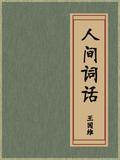 Human Words
"Ren Jian Ci Hua" is a work of literary criticism written by the famous Chinese studies master Wang Guowei. It is the most famous Ci Hua in modern China. The author uses traditional word forms, concepts and thinking logic, and naturally incorporates some new concepts and methods to establish his own literary and artistic theoretical system. As a treatise on poetry, "Human Words" enjoys a lofty status in the history of modern Chinese literature. In the field of poetry theory, many people regard i
—Reads9.3Score—Shelves
Human Words
"Ren Jian Ci Hua" is a work of literary criticism written by the famous Chinese studies master Wang Guowei. It is the most famous Ci Hua in modern China. The author uses traditional word forms, concepts and thinking logic, and naturally incorporates some new concepts and methods to establish his own literary and artistic theoretical system. As a treatise on poetry, "Human Words" enjoys a lofty status in the history of modern Chinese literature. In the field of poetry theory, many people regard i
—Reads9.3Score—Shelves
-
 Wang Guowei Wencun
—Reads8.0Score—Shelves
Wang Guowei Wencun
Wang Guowei Wencun
—Reads8.0Score—Shelves
-
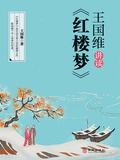 Wang Guowei Lectures on "Dream of Red Mansions"
"Commentary on a Dream of Red Mansions" is a literary essay published by the master of Chinese studies Wang Guowei in 1904. It is also the first essay in the history of Chinese literary research that uses Western literary theory to comment on the pearl of Chinese classical literature. It has always been highly praised. In addition to the full text of "Commentary on a Dream of Red Mansions" with detailed annotations, this book also selects several other articles written by Wang Guowei on Schopenh
—Reads9.3Score—Shelves
Wang Guowei Lectures on "Dream of Red Mansions"
"Commentary on a Dream of Red Mansions" is a literary essay published by the master of Chinese studies Wang Guowei in 1904. It is also the first essay in the history of Chinese literary research that uses Western literary theory to comment on the pearl of Chinese classical literature. It has always been highly praised. In addition to the full text of "Commentary on a Dream of Red Mansions" with detailed annotations, this book also selects several other articles written by Wang Guowei on Schopenh
—Reads9.3Score—Shelves
-
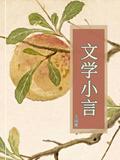 Literary Essays
"Literature Xiaoyan" is a classic Chinese classic book written by Wang Guowei. Wang Guowei is a famous scholar with international reputation during the intersection of modern and modern China. He has left a broad and profound academic legacy for the cultural treasure house of the Chinese nation. This book is a classic handed down from generation to generation by a great master of Chinese studies.
—Reads9.0Score—Shelves
Literary Essays
"Literature Xiaoyan" is a classic Chinese classic book written by Wang Guowei. Wang Guowei is a famous scholar with international reputation during the intersection of modern and modern China. He has left a broad and profound academic legacy for the cultural treasure house of the Chinese nation. This book is a classic handed down from generation to generation by a great master of Chinese studies.
—Reads9.0Score—Shelves
-
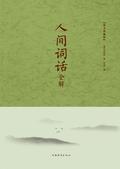 Complete Explanation of Human Words
This book uses the most complete manuscript of "Human Words" to reproduce its true content. "Comprehensive Interpretation of Human Words" is divided into three parts. The first part contains 64 items of "Human Words" published by Wang Guowei in "Journal of Chinese Culture", and the second part contains unpublished manuscripts and deleted manuscripts. Each original text is followed by an appreciation text to explain the main theoretical viewpoints and further expand the original text. In the appe
—Reads9.4Score—Shelves
Complete Explanation of Human Words
This book uses the most complete manuscript of "Human Words" to reproduce its true content. "Comprehensive Interpretation of Human Words" is divided into three parts. The first part contains 64 items of "Human Words" published by Wang Guowei in "Journal of Chinese Culture", and the second part contains unpublished manuscripts and deleted manuscripts. Each original text is followed by an appreciation text to explain the main theoretical viewpoints and further expand the original text. In the appe
—Reads9.4Score—Shelves
-
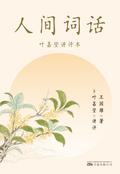 Human Words: Commentary by Ye Jiaying (Guomai Classics)
"Human Words" is the representative work of Wang Guowei, a master of modern Chinese studies. In the form of traditional Chinese words, it brings together Western philosophy, literature and aesthetic ideas, and provides a wonderful and unique commentary on traditional Chinese literature. The whole book takes the theory of "realm" as the core, with incisive arguments and a self-contained system. It is a classic work in Chinese classical literary criticism. This book contains 64 final manuscripts a
—Reads9.3Score—Shelves
Human Words: Commentary by Ye Jiaying (Guomai Classics)
"Human Words" is the representative work of Wang Guowei, a master of modern Chinese studies. In the form of traditional Chinese words, it brings together Western philosophy, literature and aesthetic ideas, and provides a wonderful and unique commentary on traditional Chinese literature. The whole book takes the theory of "realm" as the core, with incisive arguments and a self-contained system. It is a classic work in Chinese classical literary criticism. This book contains 64 final manuscripts a
—Reads9.3Score—Shelves
-
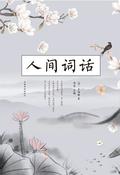 Human Words
"Renjian Cihua" is Wang Guowei's masterpiece and the most famous Cihua work in modern China. This book naturally incorporates some new concepts and methods based on the application of traditional word forms, concepts, terminology and thinking logic. The theory summarized in it has universal significance, has a great response among modern and contemporary readers, and has a lofty status in the history of modern Chinese literary criticism.
—Reads8.9Score—Shelves
Human Words
"Renjian Cihua" is Wang Guowei's masterpiece and the most famous Cihua work in modern China. This book naturally incorporates some new concepts and methods based on the application of traditional word forms, concepts, terminology and thinking logic. The theory summarized in it has universal significance, has a great response among modern and contemporary readers, and has a lofty status in the history of modern Chinese literary criticism.
—Reads8.9Score—Shelves
-
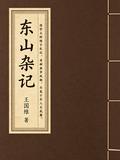 Dongshan Miscellaneous Notes (Interpretation of Ancient Customs and Classics, Condensing the Knowledge of Chinese Studies)
"Dongshan Miscellaneous Notes" are academic notes written by the master of Chinese studies Wang Guowei when he lived in Kyoto, Japan from 1913 to 1914. It was originally titled "Customs Miscellanies" and was serialized in "Shengjing Times". The book consists of two volumes, with concise length and comprehensive content, covering classics and historical research, poetry commentaries, regulations and systems, epigraphy, calligraphy and painting, folklore anecdotes, etc., Especially the historical
—Reads—Score—Shelves
Dongshan Miscellaneous Notes (Interpretation of Ancient Customs and Classics, Condensing the Knowledge of Chinese Studies)
"Dongshan Miscellaneous Notes" are academic notes written by the master of Chinese studies Wang Guowei when he lived in Kyoto, Japan from 1913 to 1914. It was originally titled "Customs Miscellanies" and was serialized in "Shengjing Times". The book consists of two volumes, with concise length and comprehensive content, covering classics and historical research, poetry commentaries, regulations and systems, epigraphy, calligraphy and painting, folklore anecdotes, etc., Especially the historical
—Reads—Score—Shelves
-
 Human Words
"Human Words" is a literary criticism work written by the famous Chinese studies master Wang Guowei. It was written in 1908-1909. It is Wang Guowei's review of old Chinese literature with a new perspective after receiving the baptism of Western aesthetic ideas. Published in "Journal of Chinese Culture", it is a famous work on poetry in modern China. "Human Words" is a landmark work of Chinese classical literary criticism. As an epoch-making work in the history of China's development, the book ha
—Reads8.8Score—Shelves
Human Words
"Human Words" is a literary criticism work written by the famous Chinese studies master Wang Guowei. It was written in 1908-1909. It is Wang Guowei's review of old Chinese literature with a new perspective after receiving the baptism of Western aesthetic ideas. Published in "Journal of Chinese Culture", it is a famous work on poetry in modern China. "Human Words" is a landmark work of Chinese classical literary criticism. As an epoch-making work in the history of China's development, the book ha
—Reads8.8Score—Shelves
-
 Human Words
One sentence explains the beauty of poetry! Human Words made me understand what good poetry is! Complete collection of Wang Guowei's manuscripts! Appreciation of comments by famous Wuhan University teachers! "Human Words" is the representative work of Wang Guowei, a master of modern Chinese studies. It uses the form of traditional Chinese words to comment on traditional Chinese literature using Western literary and artistic theories, and puts forward a novel and unique "realm theory." "Realm The
—Reads8.9Score—Shelves
Human Words
One sentence explains the beauty of poetry! Human Words made me understand what good poetry is! Complete collection of Wang Guowei's manuscripts! Appreciation of comments by famous Wuhan University teachers! "Human Words" is the representative work of Wang Guowei, a master of modern Chinese studies. It uses the form of traditional Chinese words to comment on traditional Chinese literature using Western literary and artistic theories, and puts forward a novel and unique "realm theory." "Realm The
—Reads8.9Score—Shelves
-
 Human Words
"Renjian Ci Hua" is a masterpiece of Ci theory written by Wang Guowei, a master of modern Chinese studies. It is known as the model of Ci theory and is a profoundly influential work on literary and artistic aesthetics. The author puts forward the theory of realm, which is not only the principle of his creation, but also the standard for evaluating the quality of his lyrics. This book carefully collects the sixty-four original pieces of "Human Words" that Wang Guowei personally deleted, and inclu
—Reads8.8Score—Shelves
Human Words
"Renjian Ci Hua" is a masterpiece of Ci theory written by Wang Guowei, a master of modern Chinese studies. It is known as the model of Ci theory and is a profoundly influential work on literary and artistic aesthetics. The author puts forward the theory of realm, which is not only the principle of his creation, but also the standard for evaluating the quality of his lyrics. This book carefully collects the sixty-four original pieces of "Human Words" that Wang Guowei personally deleted, and inclu
—Reads8.8Score—Shelves
-
 Human Words
The book is divided into two parts. The first part is composed of 64 items of "Human Words" published in "Journal of Chinese Culture" by Wang Guowei. The second part is unpublished and deleted manuscripts. Each original text is followed by an appreciation text, which provides appropriate analysis of the original text, explains the main theoretical viewpoints and further expands the original text. In addition, we have selected more than 100 exquisite illustrations to illustrate the text and help
—Reads9.4Score—Shelves
Human Words
The book is divided into two parts. The first part is composed of 64 items of "Human Words" published in "Journal of Chinese Culture" by Wang Guowei. The second part is unpublished and deleted manuscripts. Each original text is followed by an appreciation text, which provides appropriate analysis of the original text, explains the main theoretical viewpoints and further expands the original text. In addition, we have selected more than 100 exquisite illustrations to illustrate the text and help
—Reads9.4Score—Shelves