Fanqie library
Browse
- Titles
- 27
Every Fanqie book we index, searchable by title, author or tag.
-
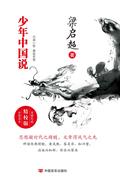 Young China Says
"Young China" is a stunning article written by Mr. Liang Qichao in 1900. It has inspired generations of Chinese people. When reading it, one can still feel the vigorous enthusiasm, outstanding artistic beauty and profound cultural heritage contained in the lines. This book starts with "Young China" and selects Mr. Liang Qichao's works, articles, academic speeches, etc. From different periods. The selected articles mainly focus on the author's academic thoughts, cultural concepts, academic method
177Reads9.3Score—Shelves
Young China Says
"Young China" is a stunning article written by Mr. Liang Qichao in 1900. It has inspired generations of Chinese people. When reading it, one can still feel the vigorous enthusiasm, outstanding artistic beauty and profound cultural heritage contained in the lines. This book starts with "Young China" and selects Mr. Liang Qichao's works, articles, academic speeches, etc. From different periods. The selected articles mainly focus on the author's academic thoughts, cultural concepts, academic method
177Reads9.3Score—Shelves
-
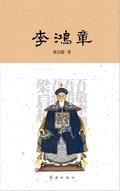 Li Hongzhang
"Li Hongzhang" starts from Li Hongzhang's early years and writes about his participation in the suppression of the Taiping Army, the Sino-Japanese War of Sino-Japanese War, the founding of Westernization, and his involvement in the world diplomatic arena until his death. , Zeng Guofan, Zhang Zhidong, Bismarck, Ito Hirobumi, etc., Combined with the entire record of Li Hongzhang's appointments in Europe and the United States, as well as his memorial articles, let readers see a Li Hongzhang who int
42Reads9.1Score—Shelves
Li Hongzhang
"Li Hongzhang" starts from Li Hongzhang's early years and writes about his participation in the suppression of the Taiping Army, the Sino-Japanese War of Sino-Japanese War, the founding of Westernization, and his involvement in the world diplomatic arena until his death. , Zeng Guofan, Zhang Zhidong, Bismarck, Ito Hirobumi, etc., Combined with the entire record of Li Hongzhang's appointments in Europe and the United States, as well as his memorial articles, let readers see a Li Hongzhang who int
42Reads9.1Score—Shelves
-
 Murder and Heartbreaking by Fan Lei
A top criminal psychologist's faith is shattered after the unjust death of a loved one. He transformed into a judge and used a psychological scalpel to accurately cut open the hypocrites who escaped the law: philanthropists were judged by their own accounts at dinner parties, and literary giants were backlashed by evidence of plagiarism at award ceremonies. After each social execution, he left behind a black jade chess piece. The keen female police officer was ordered to hunt, but during the in
1Reads—Score—Shelves
Murder and Heartbreaking by Fan Lei
A top criminal psychologist's faith is shattered after the unjust death of a loved one. He transformed into a judge and used a psychological scalpel to accurately cut open the hypocrites who escaped the law: philanthropists were judged by their own accounts at dinner parties, and literary giants were backlashed by evidence of plagiarism at award ceremonies. After each social execution, he left behind a black jade chess piece. The keen female police officer was ordered to hunt, but during the in
1Reads—Score—Shelves
-
 Holding Flowers and Laughing at Buddha
Why does Buddhism oppose the soul of the old Indian teachings? The old teachings talk about reincarnation and liberation, and Buddhism also talks about reincarnation and liberation, and only reincarnation is the main body of liberation. The old teachings only belong to the manayas, while the Buddha talks about manayas and tudu at the same time, and the emphasis is entirely on tudu. This is the most different point. Therefore, Buddhism does not call this subject the soul, but calls it Karma. The
—Reads8.3Score—Shelves
Holding Flowers and Laughing at Buddha
Why does Buddhism oppose the soul of the old Indian teachings? The old teachings talk about reincarnation and liberation, and Buddhism also talks about reincarnation and liberation, and only reincarnation is the main body of liberation. The old teachings only belong to the manayas, while the Buddha talks about manayas and tudu at the same time, and the emphasis is entirely on tudu. This is the most different point. Therefore, Buddhism does not call this subject the soul, but calls it Karma. The
—Reads8.3Score—Shelves
-
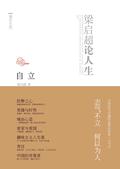 **
"Self-Reliance: Liang Qichao on Life" collects various writings from Mr. Liang Qichao's life, newly arranged in the form of fragments and quotations. The content is detailed and substantial, covering all aspects of reading, scholarship, current affairs, life, etc. His important works and excellent works are included. "Self-Reliance: Liang Qichao on Life" respects the original work, tries to maintain the style of the original work, and authentically reproduces the style of a generation of masters
—Reads5.8Score—Shelves
**
"Self-Reliance: Liang Qichao on Life" collects various writings from Mr. Liang Qichao's life, newly arranged in the form of fragments and quotations. The content is detailed and substantial, covering all aspects of reading, scholarship, current affairs, life, etc. His important works and excellent works are included. "Self-Reliance: Liang Qichao on Life" respects the original work, tries to maintain the style of the original work, and authentically reproduces the style of a generation of masters
—Reads5.8Score—Shelves
-
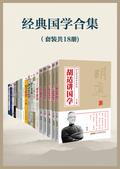 Collection of Classic Chinese Studies (Set of 18 Volumes in Total)
Chinese studies have experienced thousands of years of development, inheritance, and changes. Its content has become as vast as the ocean, as broad and profound as the ocean, and has been internalized into the spiritual foundation of the Chinese people. A hundred years ago, Western learning spread eastward. In the conflict and integration with the cultures of other countries around the world, Chinese traditional culture not only reflects its profound heritage, but also shows its strong vitality
—Reads9.4Score—Shelves
Collection of Classic Chinese Studies (Set of 18 Volumes in Total)
Chinese studies have experienced thousands of years of development, inheritance, and changes. Its content has become as vast as the ocean, as broad and profound as the ocean, and has been internalized into the spiritual foundation of the Chinese people. A hundred years ago, Western learning spread eastward. In the conflict and integration with the cultures of other countries around the world, Chinese traditional culture not only reflects its profound heritage, but also shows its strong vitality
—Reads9.4Score—Shelves
-
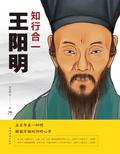 Unity of Knowledge and Action——wang Yangming
This book is a summary of Wang Yangming's thoughts by Liang Qichao and others. Through this book, we can see how this legendary figure continued to hone himself, explored and improved in life and thoughts, and achieved illustrious achievements that are admired by future generations. We can also follow the development process of Xinxue, understand the true meaning of the theory of the unity of knowledge and action, and absorb the essence of his thoughts to guide ourselves.
—Reads9.4Score—Shelves
Unity of Knowledge and Action——wang Yangming
This book is a summary of Wang Yangming's thoughts by Liang Qichao and others. Through this book, we can see how this legendary figure continued to hone himself, explored and improved in life and thoughts, and achieved illustrious achievements that are admired by future generations. We can also follow the development process of Xinxue, understand the true meaning of the theory of the unity of knowledge and action, and absorb the essence of his thoughts to guide ourselves.
—Reads9.4Score—Shelves
-
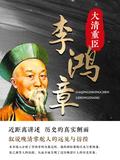 Li Hongzhang, an Important Official of the Qing Dynasty
To understand Li Hongzhang is to understand half of the history of the Qing Dynasty Liang Qichao used his solid historical materials and emotional words to describe Li Hongzhang's ups and downs in detail. The book starts from his early years and tells how he rose to prominence in the Taiping Rebellion, formed and led the Huai Army, successfully suppressed the Taiping Army, and quickly rose to become an important military leader in the late Qing Dynasty. On this basis, Li Hongzhang participated i
—Reads8.3Score—Shelves
Li Hongzhang, an Important Official of the Qing Dynasty
To understand Li Hongzhang is to understand half of the history of the Qing Dynasty Liang Qichao used his solid historical materials and emotional words to describe Li Hongzhang's ups and downs in detail. The book starts from his early years and tells how he rose to prominence in the Taiping Rebellion, formed and led the Huai Army, successfully suppressed the Taiping Army, and quickly rose to become an important military leader in the late Qing Dynasty. On this basis, Li Hongzhang participated i
—Reads8.3Score—Shelves
-
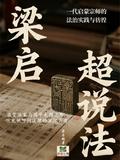 Liang Qichao's Statement
[Renovation hexagonal warriors + time-traveling legal education + top-notch legal studies + traditional classics] The legal practice and hesitation of a generation of enlightened masters! Apart from the reformers and masters of traditional Chinese culture, one could hear his deep voice inquiring about the law. This book includes all Liang Qichao's works on law (not legalism), a total of fourteen articles, all from "The Collected Works of Drinking Ice Room". The earliest article, "On the Advocacy
—Reads8.0Score—Shelves
Liang Qichao's Statement
[Renovation hexagonal warriors + time-traveling legal education + top-notch legal studies + traditional classics] The legal practice and hesitation of a generation of enlightened masters! Apart from the reformers and masters of traditional Chinese culture, one could hear his deep voice inquiring about the law. This book includes all Liang Qichao's works on law (not legalism), a total of fourteen articles, all from "The Collected Works of Drinking Ice Room". The earliest article, "On the Advocacy
—Reads8.0Score—Shelves
-
 Liang Qichao's Commentary on Historical Figures Collection: Ming and Qing Dynasties Volume
This volume contains "The Biography of Li Hongzhang", "The Biography of Kang Youwei" and "The Biography of Yuan Chonghuan". The Ming and Qing volumes include 19 biographies, totaling 140,000 words, arranged according to creation time. The main subjects of the biography are political (including diplomatic and military) figures. Since they are all figures from the Ming and Qing Dynasties to the early Republic of China, it is called the "Ming and Qing Volume". The first "Biographies of Three Gentle
—Reads8.0Score—Shelves
Liang Qichao's Commentary on Historical Figures Collection: Ming and Qing Dynasties Volume
This volume contains "The Biography of Li Hongzhang", "The Biography of Kang Youwei" and "The Biography of Yuan Chonghuan". The Ming and Qing volumes include 19 biographies, totaling 140,000 words, arranged according to creation time. The main subjects of the biography are political (including diplomatic and military) figures. Since they are all figures from the Ming and Qing Dynasties to the early Republic of China, it is called the "Ming and Qing Volume". The first "Biographies of Three Gentle
—Reads8.0Score—Shelves
-
 Liang Qichao's Commentary on Historical Figures Collection: Han and Song Dynasties Volume
This volume includes "The Biography of Wang Anshi", "The Biography of Tao Yuanming" and "The Biography of Zhang Qian Banchao". The Han and Song volumes include 3 biographies, totaling 200,000 words, arranged according to creation time. The authors are Zhang Qian and Ban Chao from the Han Dynasty (both diplomats), Tao Yuanming (a writer) from the Eastern Jin Dynasty, and Wang Anshi (a reformer and writer) from the Song Dynasty, so they are collectively called the "Han-Song Volume".
—Reads7.9Score—Shelves
Liang Qichao's Commentary on Historical Figures Collection: Han and Song Dynasties Volume
This volume includes "The Biography of Wang Anshi", "The Biography of Tao Yuanming" and "The Biography of Zhang Qian Banchao". The Han and Song volumes include 3 biographies, totaling 200,000 words, arranged according to creation time. The authors are Zhang Qian and Ban Chao from the Han Dynasty (both diplomats), Tao Yuanming (a writer) from the Eastern Jin Dynasty, and Wang Anshi (a reformer and writer) from the Song Dynasty, so they are collectively called the "Han-Song Volume".
—Reads7.9Score—Shelves
-
 Liang Qichao's Commentary on the Collection of Historical Figures: Western Volume
This volume includes "The Biography of Darwin", "The Biography of Rousseau" and "The Biography of Aristotle". The Western volume contains 16 biographies with more than 170,000 words, roughly arranged according to the time of creation. Because the authors are all foreigners, it is called the "Western Volume". The countries of the biography include ancient Greece, Japan, Britain, France, Italy, Germany, Portugal, Hungary and other countries, and they are all thinkers and politicians.
—Reads8.0Score—Shelves
Liang Qichao's Commentary on the Collection of Historical Figures: Western Volume
This volume includes "The Biography of Darwin", "The Biography of Rousseau" and "The Biography of Aristotle". The Western volume contains 16 biographies with more than 170,000 words, roughly arranged according to the time of creation. Because the authors are all foreigners, it is called the "Western Volume". The countries of the biography include ancient Greece, Japan, Britain, France, Italy, Germany, Portugal, Hungary and other countries, and they are all thinkers and politicians.
—Reads8.0Score—Shelves
-
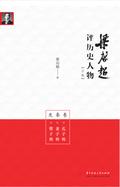 Liang Qichao Comments on the Collection of Historical Figures: Pre-Qin Volume
This volume contains "The Biography of Confucius", "The Biography of Laozi" and "The Biography of Guanzi". The Pre-Qin volume contains 6 biographies, totaling 230,000 words, arranged according to creation time. Most of the authors are outstanding thinkers and politicians in the Spring and Autumn and Warring States periods, hence the name "Pre-Qin Volume". Among them, some of the authors of "The Way of the Warriors in China" were from the Han Dynasty, which is hereby explained.
—Reads8.0Score—Shelves
Liang Qichao Comments on the Collection of Historical Figures: Pre-Qin Volume
This volume contains "The Biography of Confucius", "The Biography of Laozi" and "The Biography of Guanzi". The Pre-Qin volume contains 6 biographies, totaling 230,000 words, arranged according to creation time. Most of the authors are outstanding thinkers and politicians in the Spring and Autumn and Warring States periods, hence the name "Pre-Qin Volume". Among them, some of the authors of "The Way of the Warriors in China" were from the Han Dynasty, which is hereby explained.
—Reads8.0Score—Shelves
-
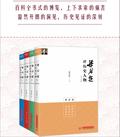 A Collection of Liang Qichao's Comments on Historical Figures (Four Volumes)
[History Party + Evidence Control + Historical Script Killing Detective + Historical Fan Circle Disciplinary Committee] This book is a collection of all the biographies of historical figures written by Liang Qichao. It includes 44 biographies of historical figures in his life, both ancient and modern, both at home and abroad, including the most famous "The Biography of Li Hongzhang" and "The Biography of Wang Anshi".
—Reads8.2Score—Shelves
A Collection of Liang Qichao's Comments on Historical Figures (Four Volumes)
[History Party + Evidence Control + Historical Script Killing Detective + Historical Fan Circle Disciplinary Committee] This book is a collection of all the biographies of historical figures written by Liang Qichao. It includes 44 biographies of historical figures in his life, both ancient and modern, both at home and abroad, including the most famous "The Biography of Li Hongzhang" and "The Biography of Wang Anshi".
—Reads8.2Score—Shelves
-
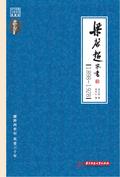 Liang Qichao's Family Letters: 1898-1928
[Anti-Involution Pioneer + Daddy Ceiling + Circle-breaking Advocate + Cultural Persona + Long-term Planner + Pattern Explosion] This book contains 392 letters written by Liang Qichao to his wife and children in the past thirty years from 1898 when he was exiled to Japan to the end of 1928 when he was critically ill (some of the letters with the same dates and recipients have been merged).
—Reads8.2Score—Shelves
Liang Qichao's Family Letters: 1898-1928
[Anti-Involution Pioneer + Daddy Ceiling + Circle-breaking Advocate + Cultural Persona + Long-term Planner + Pattern Explosion] This book contains 392 letters written by Liang Qichao to his wife and children in the past thirty years from 1898 when he was exiled to Japan to the end of 1928 when he was critically ill (some of the letters with the same dates and recipients have been merged).
—Reads8.2Score—Shelves
-
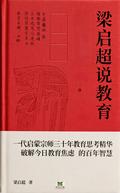 Liang Qichao Talks About Education
[The most powerful cultural blogger in history + anti-education involution + Liang Qichao + educational reflection + traditional classics] The essence of thirty years of educational thinking by a generation of enlightenment masters, a century-old wisdom that solves today's educational anxiety! This book includes all Liang Qichao's works on education, a total of forty-three articles, of which forty-two are from "The Collection of Drinking Ice Room" and one is from "The Collection of Drinking Ice
—Reads8.5Score—Shelves
Liang Qichao Talks About Education
[The most powerful cultural blogger in history + anti-education involution + Liang Qichao + educational reflection + traditional classics] The essence of thirty years of educational thinking by a generation of enlightenment masters, a century-old wisdom that solves today's educational anxiety! This book includes all Liang Qichao's works on education, a total of forty-three articles, of which forty-two are from "The Collection of Drinking Ice Room" and one is from "The Collection of Drinking Ice
—Reads8.5Score—Shelves
-
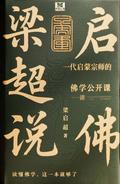 Liang Qichao Talks About Buddhism
[The most powerful cultural blogger in history + advanced emotional management + cultural cross-border king + humanoid translator] An open class on Buddhism from a generation of enlightenment masters! To understand Buddhism, this book is enough. This book includes all Liang Qichao's works on Buddhism, a total of nineteen volumes. The first volume, "On the Relationship between Buddhism and Group Governance," is excerpted from the "Collected Works of the Drinking Ice Room", and the remaining eight
—Reads8.1Score—Shelves
Liang Qichao Talks About Buddhism
[The most powerful cultural blogger in history + advanced emotional management + cultural cross-border king + humanoid translator] An open class on Buddhism from a generation of enlightenment masters! To understand Buddhism, this book is enough. This book includes all Liang Qichao's works on Buddhism, a total of nineteen volumes. The first volume, "On the Relationship between Buddhism and Group Governance," is excerpted from the "Collected Works of the Drinking Ice Room", and the remaining eight
—Reads8.1Score—Shelves
-
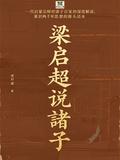 Liang Qichao Talks About Various Scholars
[The most powerful cultural blogger in history + Liang Qichao + hundreds of schools of thought + traditional classics] A generation of enlightenment masters' in-depth interpretation of hundreds of schools of thought, re-understanding the source of Chinese thought This book includes all the works written by Liang Qichao on the various schools of thought, a total of thirteen works, all from "The Ice Drinking Room Special Collection". Including "The Philosophy of Laozi", "The Doctrine of Zimozi", "
—Reads8.6Score—Shelves
Liang Qichao Talks About Various Scholars
[The most powerful cultural blogger in history + Liang Qichao + hundreds of schools of thought + traditional classics] A generation of enlightenment masters' in-depth interpretation of hundreds of schools of thought, re-understanding the source of Chinese thought This book includes all the works written by Liang Qichao on the various schools of thought, a total of thirteen works, all from "The Ice Drinking Room Special Collection". Including "The Philosophy of Laozi", "The Doctrine of Zimozi", "
—Reads8.6Score—Shelves
-
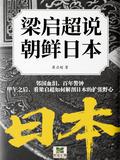 Liang Qichao Talks About Korea and Japan
[Liang Qichao + North Korea + Japan + Pain of National Subjugation + Traditional Classics] The blood and tears of neighboring countries, a century-old wake-up call - after the Sino-Japanese War, let's see how Liang Qichao dissects Japan's expansion ambitions. This book includes all Liang Qichao's works about Korea and Japan, including four articles in total, namely "Japan's Korea" (from "The Ice Drinking Room Collection"), "A Brief History of the Destruction of Korea", "The Reasons for the Destr
—Reads9.2Score—Shelves
Liang Qichao Talks About Korea and Japan
[Liang Qichao + North Korea + Japan + Pain of National Subjugation + Traditional Classics] The blood and tears of neighboring countries, a century-old wake-up call - after the Sino-Japanese War, let's see how Liang Qichao dissects Japan's expansion ambitions. This book includes all Liang Qichao's works about Korea and Japan, including four articles in total, namely "Japan's Korea" (from "The Ice Drinking Room Collection"), "A Brief History of the Destruction of Korea", "The Reasons for the Destr
—Reads9.2Score—Shelves
-
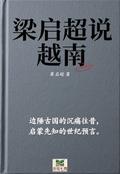 Liang Qichao Talks About Vietnam
[Liang Qichao + Vietnam + France + Sino-French competition + the pain of national subjugation + traditional classics] The sad past of an ancient border country and the prophecy of the century from the prophet of enlightenment. This book includes all Liang Qichao's works about Vietnam, including two articles in total, namely "Vietnam Chronicles" and "Vietnam's History of the Subjugation" (both from "The Ice Drinking Room Special Collection"). "Vietnam Xiaozhi" was written in 1905 (the 31st year o
—Reads8.1Score—Shelves
Liang Qichao Talks About Vietnam
[Liang Qichao + Vietnam + France + Sino-French competition + the pain of national subjugation + traditional classics] The sad past of an ancient border country and the prophecy of the century from the prophet of enlightenment. This book includes all Liang Qichao's works about Vietnam, including two articles in total, namely "Vietnam Chronicles" and "Vietnam's History of the Subjugation" (both from "The Ice Drinking Room Special Collection"). "Vietnam Xiaozhi" was written in 1905 (the 31st year o
—Reads8.1Score—Shelves
-
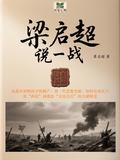 Liang Qichao Talks About a War
[Liang Qichao + Europe + Diplomacy + World War I + Cowardice + Thorough Rethinking + Traditional Classics] From the beginning of war to the bankruptcy of civilization - look at how a generation of ideological pioneers completed the key transformation from advocating "Westernization" to regaining "cultural confidence". This book includes all the works written by Liang Qichao about the First World War, including three articles in total, namely "European War Test" (from "The Ice Drinking Room Colle
—Reads9.2Score—Shelves
Liang Qichao Talks About a War
[Liang Qichao + Europe + Diplomacy + World War I + Cowardice + Thorough Rethinking + Traditional Classics] From the beginning of war to the bankruptcy of civilization - look at how a generation of ideological pioneers completed the key transformation from advocating "Westernization" to regaining "cultural confidence". This book includes all the works written by Liang Qichao about the First World War, including three articles in total, namely "European War Test" (from "The Ice Drinking Room Colle
—Reads9.2Score—Shelves
-
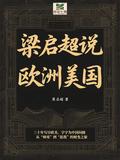 Liang Qichao Talks About Europe and the United States
[Liang Qichao + Europe + United States + Diplomacy + Macroscopic Perspective + Traditional Classics] He wrote about Europe and the United States in thirty years, and every word asked for China's path - a journey of evolution from "learning from foreigners" to "thinking about myself". This book contains Liang Qichao's works about Europe and the United States, a total of eighteen articles, fourteen of which are from "The Ice Drinking Room Collection" and four are from the "Ice Drinking Room Specia
—Reads9.3Score—Shelves
Liang Qichao Talks About Europe and the United States
[Liang Qichao + Europe + United States + Diplomacy + Macroscopic Perspective + Traditional Classics] He wrote about Europe and the United States in thirty years, and every word asked for China's path - a journey of evolution from "learning from foreigners" to "thinking about myself". This book contains Liang Qichao's works about Europe and the United States, a total of eighteen articles, fourteen of which are from "The Ice Drinking Room Collection" and four are from the "Ice Drinking Room Specia
—Reads9.3Score—Shelves
-
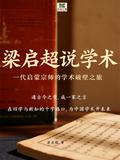 Liang Qichao Talks About Academics
[All-round UP master in the academic area + cultural wall-breaking + interdisciplinary research + cross-border ceiling + traditional classics] The academic wall-breaking journey of a generation of enlightenment masters! Through the changes of ancient and modern times, it becomes a family story. At the crossroads of old learning and new knowledge, we will open up a future for Chinese academics. This book contains all of Liang Qichao's academic works, a total of twenty articles, of which thirteen
—Reads7.8Score—Shelves
Liang Qichao Talks About Academics
[All-round UP master in the academic area + cultural wall-breaking + interdisciplinary research + cross-border ceiling + traditional classics] The academic wall-breaking journey of a generation of enlightenment masters! Through the changes of ancient and modern times, it becomes a family story. At the crossroads of old learning and new knowledge, we will open up a future for Chinese academics. This book contains all of Liang Qichao's academic works, a total of twenty articles, of which thirteen
—Reads7.8Score—Shelves
-
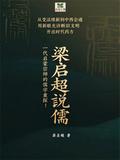 Liang Qichao Talks About Confucianism
[Confucian cultivation system + recombinant Confucian genes + traditional classics] Re-exploration of Confucianism by a generation of enlightenment masters! From the reform and innovation to the integration of China and the West, we use new eyes to diagnose the old civilization and prescribe the prescriptions of the times. This book includes all Liang Qichao's works on Confucianism, a total of nine articles, five of which are from "The Collected Works of the Drinking Ice Room" and four from the
—Reads8.0Score—Shelves
Liang Qichao Talks About Confucianism
[Confucian cultivation system + recombinant Confucian genes + traditional classics] Re-exploration of Confucianism by a generation of enlightenment masters! From the reform and innovation to the integration of China and the West, we use new eyes to diagnose the old civilization and prescribe the prescriptions of the times. This book includes all Liang Qichao's works on Confucianism, a total of nine articles, five of which are from "The Collected Works of the Drinking Ice Room" and four from the
—Reads8.0Score—Shelves
-
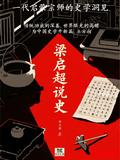 Liang Qichao's History
[Historical ceiling + time-travel scholarship + cross-border players + historical predictions + traditional classics] Historical insights from a generation of enlightenment masters! The deep foundation of traditional skills and the high vision of the world have opened a new chapter and set the direction for Chinese history. This book contains all Liang Qichao's works on history, a total of fifteen articles, three of which are from "The Collection of Drinking Ice Room" and twelve articles are fro
—Reads8.5Score—Shelves
Liang Qichao's History
[Historical ceiling + time-travel scholarship + cross-border players + historical predictions + traditional classics] Historical insights from a generation of enlightenment masters! The deep foundation of traditional skills and the high vision of the world have opened a new chapter and set the direction for Chinese history. This book contains all Liang Qichao's works on history, a total of fifteen articles, three of which are from "The Collection of Drinking Ice Room" and twelve articles are fro
—Reads8.5Score—Shelves
-
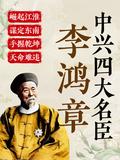 Li Hongzhang, One of the Four Famous Ministers of ZTE
Li Hongzhang (1823-1901), an important official in the late Qing Dynasty, the founder and commander of the Huai Army and the Beiyang Navy, one of the main leaders of the Westernization Movement, and one of the "Four Famous Officials of the ZTE" together with Zeng Guofan, Zuo Zongtang, and Zhang Zhidong. His life almost ran through the most turbulent, humiliating and arduous years in the entire modern history of China. His merits and demerits are still an important topic of in-depth discussion in
—Reads8.2Score—Shelves
Li Hongzhang, One of the Four Famous Ministers of ZTE
Li Hongzhang (1823-1901), an important official in the late Qing Dynasty, the founder and commander of the Huai Army and the Beiyang Navy, one of the main leaders of the Westernization Movement, and one of the "Four Famous Officials of the ZTE" together with Zeng Guofan, Zuo Zongtang, and Zhang Zhidong. His life almost ran through the most turbulent, humiliating and arduous years in the entire modern history of China. His merits and demerits are still an important topic of in-depth discussion in
—Reads8.2Score—Shelves
-
 Mo Dharma Wukong
After several reincarnations, masters and apprentices have retraced their steps to learn from each other; love, hate, and resentment have been reborn and revealed to the true heart. The road of heart is bumpy, but the sea of love also saves the true Bodhisattva; slaying demons and demons, Lingshan turns out to be false compassion. Joking about the journey to the west, the true energy finally returns to the soul; Taiyi has no self, only for the everlasting spring breeze of heaven and earth.
—Reads—Score—Shelves
Mo Dharma Wukong
After several reincarnations, masters and apprentices have retraced their steps to learn from each other; love, hate, and resentment have been reborn and revealed to the true heart. The road of heart is bumpy, but the sea of love also saves the true Bodhisattva; slaying demons and demons, Lingshan turns out to be false compassion. Joking about the journey to the west, the true energy finally returns to the soul; Taiyi has no self, only for the everlasting spring breeze of heaven and earth.
—Reads—Score—Shelves