Stats
Tags
Synopsis
Reader comments
In booklists 13
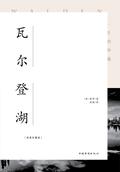
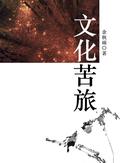
Worth Reading Literary Works
Keep it for the record and look at it again when you have time.
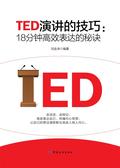
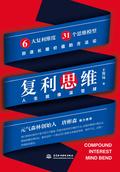

Learning Books
It's the kind that has depth and can be seen through.
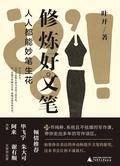
A Must-Read for Chinese Language and Literature Majors
Are there any books that can actually help improve your writing and expression skills?
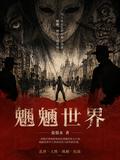
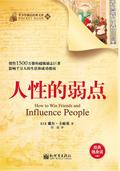
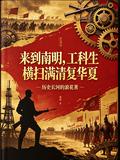
A Mind-Blowing Book
I want to read something similar to "Record of a Change of Destiny". This is a very practical and detailed metaphysics book. Many knowledge points in it are explained through the author's humorous writing style, which is like enlightenment and enlightenment.
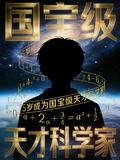

Learn to Master Literature Without Losing Your Intelligence
I want to see content similar to "I am a high school student, so it makes sense to be a college entrance examination question maker, right?"
Literature Books, I Want Literature Books! ! !
Family members, I want to read literature books, books that can improve my writing skills or increase my knowledge. Beg on your knees!
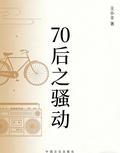
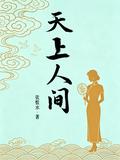
Classic Literature, Masterpieces, Put Them on the Bookshelf and Read Them Slowly
I want to read books similar to "The Dust Has Settled (Mao Dun Literature Award Winner)". Recommended to each other, classic literary novels. A masterpiece with depth and aftertaste. A book that makes people want to read it again and again. When you encounter difficulties in life, remembering the teachings in the book can help you
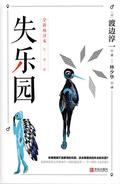
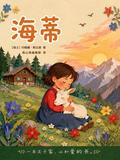
Literature, Philosophy, History, 📖
Books to Increase Knowledge Reserves
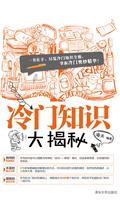
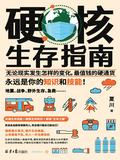
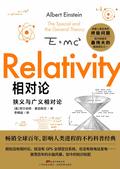
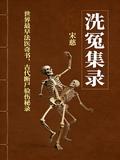
Books About All Kinds of Miscellaneous Knowledge, Enough to Be Confusing and Incomprehensible
Must-Read Classics in High School Books
I want to read a book similar to "Russian China". I'm looking for high school classics. Children really need them. Thank you.
Do You Have Any Experience as a Big Boss? This Book Is Full of Useful Information.
Are There Any Good Literature Books?
Can learn knowledge
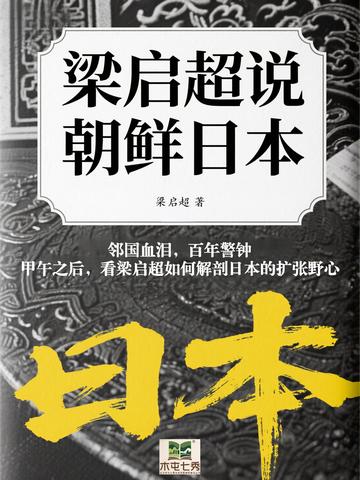
Liang Qichao reflected on the fate of the country with the fall of Korea and the rise of Japan: in his early years, he admired the Meiji Restoration as a model for change, and after witnessing Japan's annexation of Korea, he saw through its expansion ambitions; he bluntly said that internal corruption in Korea led to destruction, and used the fate of the two countries to denounce conservatism and warn China to strive for strength to save itself.
This work embodies the foresight and sagacity of the sages of the late Qing Dynasty. Liang Qichao relied on first-hand observation and historical materials to dismantle the situation in modern East Asia and carefully sort out the complete context of Japan's occupation of Korea. The writing style is unique to modern literary theory. It not only reviews the painful lessons of other countries' subjugation, but also reflects the domestic situation at that time. It is thought-provoking and a good read for understanding the history of modern East Asia.
Based on the situation in modern East Asia, the author interprets the reasons for the collapse of Korea and analyzes Japan's development and aggression logic. It reviews the changes in neighboring countries based on the historical background before and after the Sino-Japanese War of 1894-1899, combining history and theory, and there are deep thoughts on national security hidden between the lines.
With a burning gaze, Mr. Ren Gong sharply dismantled Japan's ambitions and methods to encroach on North Korea step by step. After reading this, I couldn't help but feel chills down my spine: the blood and tears of our neighboring countries are our century-old wake-up call. This book not only allows people to see the cruel truth of history clearly, but also tells a profound truth - if you fall behind, you will be beaten. Only by staying awake and constantly striving for self-improvement can you control your own destiny and avoid being swallowed up by the torrent of the times.
This book is Liang Qichao's historical analysis of North Korea and Japan, sorting out the process of North Korea's subjugation and digging into Japan's ambitions for external expansion. Taking the rise and fall of neighboring countries as a lesson, the text is full of awareness of the worries of the family and the country, using history to reason, leaving a profound historical warning to future generations.
Three articles, with more than 30,000 words, clearly explain the history of North Korea, the process of national subjugation and genocide, and the conspiracy and calculation of the Japanese.
This book collects Liang Qichao's observations and comments on Korea and Japan, comparing the gains and losses of the two countries. He analyzed the current situation by drawing on the lessons learned from neighboring countries. His writings are full of concern for the country and alert the Chinese people to self-examination and self-reliance. They have both historical reference value and profound reflections on the times.
The blood and tears of neighboring countries have sounded the alarm for a century. After the smoke of Sino-Japanese War has cleared, let's analyze Japan's expansion ambitions from Liang Qichao's perspective. Looking back at the modern situation between North Korea and Japan, we can see through the tragedy of the fate of small countries under the game of big powers. Take history as a mirror and understand the enlightenment of our times and our country from the lessons of the past.
"Liang Qichao Talks about Korea and Japan" is a modern history masterpiece with great reference value. The book collects four relevant essays by Liang Qichao, based on the historical background after the First Sino-Japanese War, to sharply analyze Japan's ambitions for external expansion and review the reasons for Korea's collapse. The text is full of the author's deep concerns about his family and country. The historical materials are solid and the views are profound. Looking back at the ups and downs of neighboring countries in the past can allow readers to gain a lot of historical enlightenment.
Liang Qichao contrasted the decline of the dynasty with the rise of the dynasty. The former dynasty sought reforms, but later denounced its aggression, using the tragedy of neighboring countries as a warning to the people to save the country.