Fanqie library
Browse
- Titles
- 24
Every Fanqie book we index, searchable by title, author or tag.
-
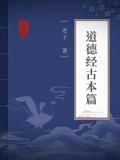 Ancient Version of Tao Te Ching
Title: The ancient version of the Tao Te Ching. Edited by Fu Yi of Tang Dynasty. Volume Two. Original source: "Orthodox Taoist Canon" Cave God Book.
506Reads9.2Score146Shelves
Ancient Version of Tao Te Ching
Title: The ancient version of the Tao Te Ching. Edited by Fu Yi of Tang Dynasty. Volume Two. Original source: "Orthodox Taoist Canon" Cave God Book.
506Reads9.2Score146Shelves
-
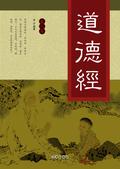 Tao Te Ching (Volume 2)
"Tao Te Ching" is the most authoritative classic work of the Taoist school. It is rich in text and meaning, covering many disciplines such as philosophy, ethics, politics, military science, etc. Its content is profound, profound, profound, encompasses hundreds of schools of thought, and embraces all things. It is respected by future generations as a secret book for governing the country, governing the family, studying, and cultivating oneself. Also known as "The Tao Te Ching", "Laozi", "Five Tho
143Reads9.4Score—Shelves
Tao Te Ching (Volume 2)
"Tao Te Ching" is the most authoritative classic work of the Taoist school. It is rich in text and meaning, covering many disciplines such as philosophy, ethics, politics, military science, etc. Its content is profound, profound, profound, encompasses hundreds of schools of thought, and embraces all things. It is respected by future generations as a secret book for governing the country, governing the family, studying, and cultivating oneself. Also known as "The Tao Te Ching", "Laozi", "Five Tho
143Reads9.4Score—Shelves
-
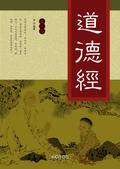 Tao Te Ching (Volume 1)
The Tao Te Ching, also known as the "Tao Te Ching", "Laozi", "Five Thousand Words" and "Laozi's Five Thousand Essays", is a work written by the pre-Qin scholars in ancient China before they split up. It was admired by all the scholars at that time. It is said to have been written by Laozi (Li Er) in the Spring and Autumn Period. It is an important source of Taoist philosophical thought. The Tao Te Ching is divided into two parts. The original text is the first part "De Jing" and the second part
60Reads9.0Score—Shelves
Tao Te Ching (Volume 1)
The Tao Te Ching, also known as the "Tao Te Ching", "Laozi", "Five Thousand Words" and "Laozi's Five Thousand Essays", is a work written by the pre-Qin scholars in ancient China before they split up. It was admired by all the scholars at that time. It is said to have been written by Laozi (Li Er) in the Spring and Autumn Period. It is an important source of Taoist philosophical thought. The Tao Te Ching is divided into two parts. The original text is the first part "De Jing" and the second part
60Reads9.0Score—Shelves
-
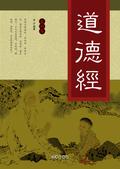 Tao Te Ching (Volume 4)
"Tao Te Ching" is the most authoritative classic work of the Taoist school. It is rich in text and meaning, covering many disciplines such as philosophy, ethics, politics, military science, etc. Its content is profound, profound, profound, encompasses hundreds of schools of thought, and embraces all things. It is respected by future generations as a secret book for governing the country, governing the family, studying, and cultivating oneself. Content Introduction "Tao Te Ching", also known as "
59Reads9.2Score—Shelves
Tao Te Ching (Volume 4)
"Tao Te Ching" is the most authoritative classic work of the Taoist school. It is rich in text and meaning, covering many disciplines such as philosophy, ethics, politics, military science, etc. Its content is profound, profound, profound, encompasses hundreds of schools of thought, and embraces all things. It is respected by future generations as a secret book for governing the country, governing the family, studying, and cultivating oneself. Content Introduction "Tao Te Ching", also known as "
59Reads9.2Score—Shelves
-
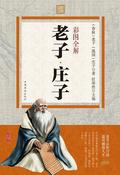 Complete Explanation of Laozi and Zhuangzi with Color Pictures
"Laozi" is also called "Tao Te Ching", and its author is Laozi. Lao Tzu, also known as Lao Dan and named Li Er, was a native of the Chu state during the Spring and Autumn Period. He served as the post-historian of the Eastern Zhou royal family. According to legend, during the Lunar New Year of the Eastern Zhou Dynasty, I returned to seclusion. When passing through Hangu Pass, I met Yin Xi, the officer guarding the pass. Yin Xi asked Laozi. Laozi then left behind this "Laozi" of more than 5,000 w
43Reads9.2Score—Shelves
Complete Explanation of Laozi and Zhuangzi with Color Pictures
"Laozi" is also called "Tao Te Ching", and its author is Laozi. Lao Tzu, also known as Lao Dan and named Li Er, was a native of the Chu state during the Spring and Autumn Period. He served as the post-historian of the Eastern Zhou royal family. According to legend, during the Lunar New Year of the Eastern Zhou Dynasty, I returned to seclusion. When passing through Hangu Pass, I met Yin Xi, the officer guarding the pass. Yin Xi asked Laozi. Laozi then left behind this "Laozi" of more than 5,000 w
43Reads9.2Score—Shelves
-
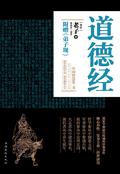 Tao Te Ching (Comes with a New Translation of Dizigui)
The Tao Te Ching, also known as the Five Thousand Words, is said to have been written by Lao Tzu during the Spring and Autumn Period. It is the pioneering work of Taoism and the source of wisdom for Chinese civilization. The whole book is divided into two parts: upper and lower. The first part is called "Tao Jing" and the second part is called "De Jing". "The Tao Jing" talks about the foundation of the universe and reveals the mystery of the changes in heaven and earth. "De Jing" tells the story
27Reads8.6Score—Shelves
Tao Te Ching (Comes with a New Translation of Dizigui)
The Tao Te Ching, also known as the Five Thousand Words, is said to have been written by Lao Tzu during the Spring and Autumn Period. It is the pioneering work of Taoism and the source of wisdom for Chinese civilization. The whole book is divided into two parts: upper and lower. The first part is called "Tao Jing" and the second part is called "De Jing". "The Tao Jing" talks about the foundation of the universe and reveals the mystery of the changes in heaven and earth. "De Jing" tells the story
27Reads8.6Score—Shelves
-
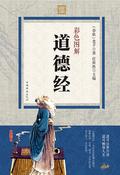 Color Illustrated Tao Te Ching
The author of "Tao Te Ching" is Laozi. Lao Tzu, also known as Lao Dan and named Li Er, was a native of the Chu state during the Spring and Autumn Period. He served as the post-historian of the Eastern Zhou royal family. According to legend, during the Lunar New Year of the Eastern Zhou Dynasty, I returned to seclusion. When passing through Hangu Pass, I met Yin Xi, the officer guarding the pass. Yin Xi asked Laozi. Laozi then left behind this more than 5,000-word "Tao Te Ching". The book was ori
20Reads8.6Score—Shelves
Color Illustrated Tao Te Ching
The author of "Tao Te Ching" is Laozi. Lao Tzu, also known as Lao Dan and named Li Er, was a native of the Chu state during the Spring and Autumn Period. He served as the post-historian of the Eastern Zhou royal family. According to legend, during the Lunar New Year of the Eastern Zhou Dynasty, I returned to seclusion. When passing through Hangu Pass, I met Yin Xi, the officer guarding the pass. Yin Xi asked Laozi. Laozi then left behind this more than 5,000-word "Tao Te Ching". The book was ori
20Reads8.6Score—Shelves
-
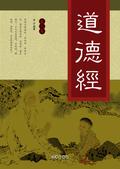 Tao Te Ching (Volume 3)
"The Tao Te Ching" is an authoritative classic work of the Taoist school. It is rich in text and meaning, covering many disciplines such as philosophy, ethics, politics, military science, etc. Its content is profound, profound, profound, encompassing hundreds of schools of thought, and inclusive of all things. It is respected by future generations as a secret book for governing the country, governing the family, studying, and cultivating oneself. Content Introduction "Tao Te Ching", also known a
7Reads8.8Score—Shelves
Tao Te Ching (Volume 3)
"The Tao Te Ching" is an authoritative classic work of the Taoist school. It is rich in text and meaning, covering many disciplines such as philosophy, ethics, politics, military science, etc. Its content is profound, profound, profound, encompassing hundreds of schools of thought, and inclusive of all things. It is respected by future generations as a secret book for governing the country, governing the family, studying, and cultivating oneself. Content Introduction "Tao Te Ching", also known a
7Reads8.8Score—Shelves
-
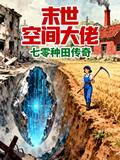 Apocalyptic Space Boss: the Legend of Seventy Farming
Ling Wei, a space boss in the post-apocalyptic decade, accidentally transformed into Lin Weiwei, a sickly orphan girl from the Red Star Commune in the 1970s. Not only did she not have any wealth, she also faced the crisis of hunger, illness and the loss of her birth by relatives. She carried a space full of supplies that could promote the growth of plants. She first relied on compressed grain and nutrient solution to save herself, and then used space well water to quietly improve the land and gr
1Reads—Score—Shelves
Apocalyptic Space Boss: the Legend of Seventy Farming
Ling Wei, a space boss in the post-apocalyptic decade, accidentally transformed into Lin Weiwei, a sickly orphan girl from the Red Star Commune in the 1970s. Not only did she not have any wealth, she also faced the crisis of hunger, illness and the loss of her birth by relatives. She carried a space full of supplies that could promote the growth of plants. She first relied on compressed grain and nutrient solution to save herself, and then used space well water to quietly improve the land and gr
1Reads—Score—Shelves
-
 The Four Classics of the Yellow Emperor
This work "The Four Classics of the Yellow Emperor" was written by Laozi
—Reads8.1Score—Shelves
The Four Classics of the Yellow Emperor
This work "The Four Classics of the Yellow Emperor" was written by Laozi
—Reads8.1Score—Shelves
-
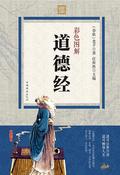 Color Illustrated Tao Te Ching
The author of "Tao Te Ching" is Laozi. Lao Tzu, also known as Lao Dan and named Li Er, was a native of the Chu state during the Spring and Autumn Period. He served as the post-historian of the Eastern Zhou royal family. According to legend, during the Lunar New Year of the Eastern Zhou Dynasty, I returned to seclusion. When passing through Hangu Pass, I met Yin Xi, the officer guarding the pass. Yin Xi asked Laozi. Laozi then left behind this more than 5,000-word "Tao Te Ching". The book was ori
—Reads8.6Score—Shelves
Color Illustrated Tao Te Ching
The author of "Tao Te Ching" is Laozi. Lao Tzu, also known as Lao Dan and named Li Er, was a native of the Chu state during the Spring and Autumn Period. He served as the post-historian of the Eastern Zhou royal family. According to legend, during the Lunar New Year of the Eastern Zhou Dynasty, I returned to seclusion. When passing through Hangu Pass, I met Yin Xi, the officer guarding the pass. Yin Xi asked Laozi. Laozi then left behind this more than 5,000-word "Tao Te Ching". The book was ori
—Reads8.6Score—Shelves
-
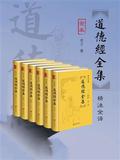 Complete Works of Tao Te Ching
"Tao Te Ching", also known as "Laozi", is a summary of Laozi's thoughts and speeches. The book contains a large number of views on simple dialectics. Its doctrine has a profound impact on the development of Chinese philosophy and has had a profound impact on the development of my country's ideological and cultural development for more than two thousand years. It is a book of thoughts, a book that can never be read in a lifetime. The book's annotations are accurate, the translation is concise and
—Reads8.5Score—Shelves
Complete Works of Tao Te Ching
"Tao Te Ching", also known as "Laozi", is a summary of Laozi's thoughts and speeches. The book contains a large number of views on simple dialectics. Its doctrine has a profound impact on the development of Chinese philosophy and has had a profound impact on the development of my country's ideological and cultural development for more than two thousand years. It is a book of thoughts, a book that can never be read in a lifetime. The book's annotations are accurate, the translation is concise and
—Reads8.5Score—Shelves
-
 Tao Te Ching
"Tao Te Ching", also known as "Laozi", has a total of more than 5,000 words and is divided into two parts. In the popular version, the first thirty-seven chapters are the first part, starting with "Tao", which is called "The Tao Jing", and the last forty-four chapters are the second part, starting with "De", which is called "The De Jing". It is one of the most important classics in ancient China and the first classic of Taoist philosophy. Together with The Analects of Confucius, it laid the foun
—Reads8.6Score—Shelves
Tao Te Ching
"Tao Te Ching", also known as "Laozi", has a total of more than 5,000 words and is divided into two parts. In the popular version, the first thirty-seven chapters are the first part, starting with "Tao", which is called "The Tao Jing", and the last forty-four chapters are the second part, starting with "De", which is called "The De Jing". It is one of the most important classics in ancient China and the first classic of Taoist philosophy. Together with The Analects of Confucius, it laid the foun
—Reads8.6Score—Shelves
-
 Complete Explanation of Tao Te Ching with Color Pictures
The author of "Tao Te Ching" is Laozi. Lao Tzu, also known as Lao Dan and named Li Er, was a native of the Chu state during the Spring and Autumn Period. He served as the post-historian of the Eastern Zhou royal family. According to legend, during the Lunar New Year of the Eastern Zhou Dynasty, I returned to seclusion. When passing through Hangu Pass, I met Yin Xi, the officer guarding the pass. Yin Xi asked Laozi. Laozi then left behind this more than 5,000-word "Tao Te Ching". The book was ori
—Reads8.5Score—Shelves
Complete Explanation of Tao Te Ching with Color Pictures
The author of "Tao Te Ching" is Laozi. Lao Tzu, also known as Lao Dan and named Li Er, was a native of the Chu state during the Spring and Autumn Period. He served as the post-historian of the Eastern Zhou royal family. According to legend, during the Lunar New Year of the Eastern Zhou Dynasty, I returned to seclusion. When passing through Hangu Pass, I met Yin Xi, the officer guarding the pass. Yin Xi asked Laozi. Laozi then left behind this more than 5,000-word "Tao Te Ching". The book was ori
—Reads8.5Score—Shelves
-
 De Jing
This book is a classic work of ancient Taoism.
—Reads8.4Score—Shelves
De Jing
This book is a classic work of ancient Taoism.
—Reads8.4Score—Shelves
-
 Tao Te Ching (Vernacular Version)
"Tao Te Ching" is one of the greatest masterpieces in Chinese history. It was written by Laozi, a thinker in the Spring and Autumn Period. It is one of the classic works of the Taoist school. The book has about 5,000 words and is divided into two parts: "Tao Jing" and "De Jing", hence the name "Tao Te Ching". Its content is profound and mysterious, taking "Tao" as the origin and law of all things in the universe, advocating ideas such as "governing by doing nothing", "the best is like water", "c
—Reads9.5Score—Shelves
Tao Te Ching (Vernacular Version)
"Tao Te Ching" is one of the greatest masterpieces in Chinese history. It was written by Laozi, a thinker in the Spring and Autumn Period. It is one of the classic works of the Taoist school. The book has about 5,000 words and is divided into two parts: "Tao Jing" and "De Jing", hence the name "Tao Te Ching". Its content is profound and mysterious, taking "Tao" as the origin and law of all things in the universe, advocating ideas such as "governing by doing nothing", "the best is like water", "c
—Reads9.5Score—Shelves
-
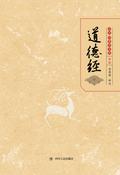 Tao Te Ching—collection of Traditional Chinese Classics Handed Down from Ancient Times (Full Text)
Tao can be elaborated and expressed, but it is not completely equivalent to the eternal existence and ceaseless movement of the Great Avenue; the name of Tao can be named, but it is not completely equivalent to the name of the eternal existence and ceaseless movement of the Great Avenue. Nothingness is called the beginning of heaven and earth; existence is called the origin of all things. Therefore, from the constant "nothing", we will observe the subtleties of the Tao; from the constant "being"
—Reads9.4Score—Shelves
Tao Te Ching—collection of Traditional Chinese Classics Handed Down from Ancient Times (Full Text)
Tao can be elaborated and expressed, but it is not completely equivalent to the eternal existence and ceaseless movement of the Great Avenue; the name of Tao can be named, but it is not completely equivalent to the name of the eternal existence and ceaseless movement of the Great Avenue. Nothingness is called the beginning of heaven and earth; existence is called the origin of all things. Therefore, from the constant "nothing", we will observe the subtleties of the Tao; from the constant "being"
—Reads9.4Score—Shelves
-
 Taoist Scriptures
Taoist books. They are shining classics and excellent works in the treasure house of Chinese traditional culture. They are expressed in various forms and reflect the brilliant picture of Chinese classical literature.
—Reads8.8Score—Shelves
Taoist Scriptures
Taoist books. They are shining classics and excellent works in the treasure house of Chinese traditional culture. They are expressed in various forms and reflect the brilliant picture of Chinese classical literature.
—Reads8.8Score—Shelves
-
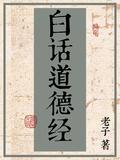 Tao Te Ching in Vernacular
Do you feel that an ancient book from more than 2,000 years ago has long been out of touch with today's fast-paced life? "Tao Te Ching in Vernacular" will completely subvert your imagination! This is no longer the out-of-reach "heavenly book" that is out of reach, but a "wise old man" who can enter your daily life. We peel off the obscure classical Chinese and use the most understandable vernacular to get to the essence of Laozi's thoughts for you: Involution anxiety? It teaches you to "do nothi
—Reads8.1Score—Shelves
Tao Te Ching in Vernacular
Do you feel that an ancient book from more than 2,000 years ago has long been out of touch with today's fast-paced life? "Tao Te Ching in Vernacular" will completely subvert your imagination! This is no longer the out-of-reach "heavenly book" that is out of reach, but a "wise old man" who can enter your daily life. We peel off the obscure classical Chinese and use the most understandable vernacular to get to the essence of Laozi's thoughts for you: Involution anxiety? It teaches you to "do nothi
—Reads8.1Score—Shelves
-
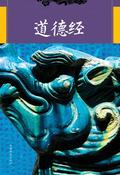 Tao Te Ching (Chunmei Collector's Edition)
Although it has just over 5,000 words, it does not prevent the "Tao Te Ching" from becoming one of the most important works in Chinese history. It is China's first complete philosophical work, an important source of Taoist thought, and created the ontology theory of ancient Chinese philosophy. In the "Tao Te Ching", Laozi uses "Tao" to explain all things in the universe and regards Tao as the origin of all things. Tao was born before heaven and earth, and it is empty and nothing, but it is the s
—Reads9.4Score—Shelves
Tao Te Ching (Chunmei Collector's Edition)
Although it has just over 5,000 words, it does not prevent the "Tao Te Ching" from becoming one of the most important works in Chinese history. It is China's first complete philosophical work, an important source of Taoist thought, and created the ontology theory of ancient Chinese philosophy. In the "Tao Te Ching", Laozi uses "Tao" to explain all things in the universe and regards Tao as the origin of all things. Tao was born before heaven and earth, and it is empty and nothing, but it is the s
—Reads9.4Score—Shelves
-
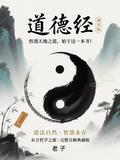 Tao Te Ching: Understanding the Way of Heaven and Earth Begins with This Book
Use five thousand words to understand the world and settle down your body and mind with the word "Tao". This Eastern philosophy classic that has been passed down for thousands of years is not only a good way to govern the country for emperors and generals, but also a beacon for ordinary people to cultivate themselves. The wisdom in the book, such as "Tao follows nature", "The best is as good as water" and "Governing by doing nothing", have long transcended time and space and become treasures in
—Reads9.4Score—Shelves
Tao Te Ching: Understanding the Way of Heaven and Earth Begins with This Book
Use five thousand words to understand the world and settle down your body and mind with the word "Tao". This Eastern philosophy classic that has been passed down for thousands of years is not only a good way to govern the country for emperors and generals, but also a beacon for ordinary people to cultivate themselves. The wisdom in the book, such as "Tao follows nature", "The best is as good as water" and "Governing by doing nothing", have long transcended time and space and become treasures in
—Reads9.4Score—Shelves
-
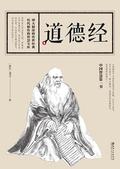 Tao Te Ching
The wisdom in the Tao Te Ching stems from Lao Tzu's profound insight and deep thinking about the world and human relationships. Social turmoil, personnel disputes, and the impermanence of life have accumulated bit by bit into Laozi's wisdom on human cultivation, philosophy of life, governance, military philosophy, and health preservation. On the basis of being loyal to the original work, this book has detailed annotations and translations of the original text, with comprehensive and detailed ana
—Reads9.4Score—Shelves
Tao Te Ching
The wisdom in the Tao Te Ching stems from Lao Tzu's profound insight and deep thinking about the world and human relationships. Social turmoil, personnel disputes, and the impermanence of life have accumulated bit by bit into Laozi's wisdom on human cultivation, philosophy of life, governance, military philosophy, and health preservation. On the basis of being loyal to the original work, this book has detailed annotations and translations of the original text, with comprehensive and detailed ana
—Reads9.4Score—Shelves
-
 Silk Book Laozi
"Laozi", also known as "The Tao Te Ching", is said to have been written by Laozi during the Spring and Autumn Period. It proposed the Taoist philosophy of "quietness and inaction" and had a profound influence. It is said to be the most widely translated Chinese masterpiece besides the Bible and has been translated into foreign languages. However, in December 1973, two sets of "Laozi" silk books were suddenly unearthed from the Mawangdui Han Tomb in Hunan. Not only were the contents different fro
—Reads9.4Score—Shelves
Silk Book Laozi
"Laozi", also known as "The Tao Te Ching", is said to have been written by Laozi during the Spring and Autumn Period. It proposed the Taoist philosophy of "quietness and inaction" and had a profound influence. It is said to be the most widely translated Chinese masterpiece besides the Bible and has been translated into foreign languages. However, in December 1973, two sets of "Laozi" silk books were suddenly unearthed from the Mawangdui Han Tomb in Hunan. Not only were the contents different fro
—Reads9.4Score—Shelves
-
 Crime and Punishment in the Mist of Youth
A popular actress went live to take the blame for her "dead" best friend, but when the "dead" was resurrected, the two were forced to join forces in a desperate scam to uncover a series of crimes that spanned fifteen years and were deeply buried under the trauma of youth.
—Reads—Score—Shelves
Crime and Punishment in the Mist of Youth
A popular actress went live to take the blame for her "dead" best friend, but when the "dead" was resurrected, the two were forced to join forces in a desperate scam to uncover a series of crimes that spanned fifteen years and were deeply buried under the trauma of youth.
—Reads—Score—Shelves