Fanqie library
Browse
- Titles
- 4
Every Fanqie book we index, searchable by title, author or tag.
-
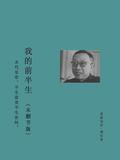 The First Half of My Life (Unabridged Version)
"The First Half of My Life" is an autobiographical memoir written by Aisin Gioro Puyi, the last emperor of the Qing Dynasty in China. The book records in detail Puyi's complete and detailed life history from the time when he entered the palace and became emperor at the age of three, to when he was forced to abdicate due to the Revolution of 1911, and to the various experiences after the founding of the Republic of China, including the war between the Beiyang warlords, leaving the palace to live
—Reads9.4Score—Shelves
The First Half of My Life (Unabridged Version)
"The First Half of My Life" is an autobiographical memoir written by Aisin Gioro Puyi, the last emperor of the Qing Dynasty in China. The book records in detail Puyi's complete and detailed life history from the time when he entered the palace and became emperor at the age of three, to when he was forced to abdicate due to the Revolution of 1911, and to the various experiences after the founding of the Republic of China, including the war between the Beiyang warlords, leaving the palace to live
—Reads9.4Score—Shelves
-
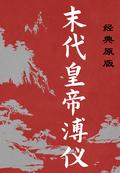 The Last Emperor Puyi: the First Half of My Life (Classic Original Version)
The autobiography of Puyi, the last emperor of the Qing Dynasty, tells a complete story of his legendary life from a great emperor to an ordinary citizen. The book reviews his court life in the Forbidden City, the turbulent experiences after his abdication, and the transformation process after the founding of New China. It restores the historical changes from the late Qing Dynasty to the early New China from the perspective of an eyewitness, and also shows the ups and downs of personal destiny i
—Reads8.7Score—Shelves
The Last Emperor Puyi: the First Half of My Life (Classic Original Version)
The autobiography of Puyi, the last emperor of the Qing Dynasty, tells a complete story of his legendary life from a great emperor to an ordinary citizen. The book reviews his court life in the Forbidden City, the turbulent experiences after his abdication, and the transformation process after the founding of New China. It restores the historical changes from the late Qing Dynasty to the early New China from the perspective of an eyewitness, and also shows the ups and downs of personal destiny i
—Reads8.7Score—Shelves
-
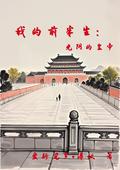 The First Half of My Life: the Emperor of Time
"The First Half of My Life" (full version) is Puyi's autobiography. Puyi starts from his own family background and reviews his entire experience when he entered the palace and became emperor, encountered the Revolution of 1911, abdicated the Manchu emperor, the founding of the Republic of China, the Beiyang warlords' melee, left the palace, lived in Tianjin, became the puppet emperor of Manchukuo, fled, and accepted reform after liberation and became an ordinary citizen.
—Reads8.0Score—Shelves
The First Half of My Life: the Emperor of Time
"The First Half of My Life" (full version) is Puyi's autobiography. Puyi starts from his own family background and reviews his entire experience when he entered the palace and became emperor, encountered the Revolution of 1911, abdicated the Manchu emperor, the founding of the Republic of China, the Beiyang warlords' melee, left the palace, lived in Tianjin, became the puppet emperor of Manchukuo, fled, and accepted reform after liberation and became an ordinary citizen.
—Reads8.0Score—Shelves
-
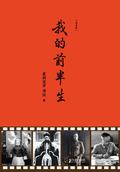 My First Half Life
This book is a "reflective" autobiography written by Aisin Giorro Puyi, the last emperor of the Qing Dynasty in China, while he was in the Fushun War Prisoners Detention Center. The book unfolds in chronological order, starting with his family background, and reviews his entire history when he entered the palace and became emperor at the age of three, and later encountered the Revolution of 1911, abdicated, the founding of the Republic of China, the Beiyang warlords' melee, leaving the palace, s
—Reads9.4Score—Shelves
My First Half Life
This book is a "reflective" autobiography written by Aisin Giorro Puyi, the last emperor of the Qing Dynasty in China, while he was in the Fushun War Prisoners Detention Center. The book unfolds in chronological order, starting with his family background, and reviews his entire history when he entered the palace and became emperor at the age of three, and later encountered the Revolution of 1911, abdicated, the founding of the Republic of China, the Beiyang warlords' melee, leaving the palace, s
—Reads9.4Score—Shelves