Fanqie library
Browse
- Titles
- 18
Every Fanqie book we index, searchable by title, author or tag.
-
 The Wealth of Nations-Adam Smith
"The Wealth of Nations" is divided into five chapters, summarizing the experience of capitalist development in various countries in the early modern period, critically absorbing the important economic theories of the time, and for the first time proposing the theory that the market economy will be self-regulated by the "invisible hand." Its first publication marked the birth of economics as an independent discipline and was the starting point of modern political economics research. Therefore, th
72Reads9.3Score—Shelves
The Wealth of Nations-Adam Smith
"The Wealth of Nations" is divided into five chapters, summarizing the experience of capitalist development in various countries in the early modern period, critically absorbing the important economic theories of the time, and for the first time proposing the theory that the market economy will be self-regulated by the "invisible hand." Its first publication marked the birth of economics as an independent discipline and was the starting point of modern political economics research. Therefore, th
72Reads9.3Score—Shelves
-
 Theory of Moral Sentiments
"The Theory of Moral Sentiments" is Adam Smith's ethical work. It was first published in 1759 and published six times before Smith's death. It mainly clarifies the nature of moral emotions, the nature of moral evaluation and his ethical thoughts aiming at "the happy life of citizens". Adam Smith took the emotion of sympathy in human nature as the basis for explaining morality. He used the principle of sympathy to explain the origin of human justice and all other moral emotions, to explain the na
47Reads9.3Score—Shelves
Theory of Moral Sentiments
"The Theory of Moral Sentiments" is Adam Smith's ethical work. It was first published in 1759 and published six times before Smith's death. It mainly clarifies the nature of moral emotions, the nature of moral evaluation and his ethical thoughts aiming at "the happy life of citizens". Adam Smith took the emotion of sympathy in human nature as the basis for explaining morality. He used the principle of sympathy to explain the origin of human justice and all other moral emotions, to explain the na
47Reads9.3Score—Shelves
-
 The Wealth of Nations (Two Volumes)
Where does a country's wealth come from? And on what basis are they spontaneously distributed among the crowd? What is the meaning of labor? Why is it said to be "the true measure of the exchange value of all commodities"? How to understand "labor is the real price" and "money is the nominal price"? What is the relationship between the division of labor and the improvement of social productivity? What is the "invisible hand"? Etc., All these questions are raised and solved from one of the founde
23Reads8.6Score—Shelves
The Wealth of Nations (Two Volumes)
Where does a country's wealth come from? And on what basis are they spontaneously distributed among the crowd? What is the meaning of labor? Why is it said to be "the true measure of the exchange value of all commodities"? How to understand "labor is the real price" and "money is the nominal price"? What is the relationship between the division of labor and the improvement of social productivity? What is the "invisible hand"? Etc., All these questions are raised and solved from one of the founde
23Reads8.6Score—Shelves
-
 The Wealth of Nations
In 1776, two major events occurred in the capitalist world: first, the United States adopted the Declaration of Independence; second, the United Kingdom published The Wealth of Nations. "The Wealth of Nations" developed the modern discipline of economics and provided the theoretical basis for modern free trade, capitalism and libertarianism. Even 240 years later, "The Wealth of Nations" is still a classic that economists need to keep re-reading. Many factors in our modern lifestyle are deeply in
17Reads8.9Score—Shelves
The Wealth of Nations
In 1776, two major events occurred in the capitalist world: first, the United States adopted the Declaration of Independence; second, the United Kingdom published The Wealth of Nations. "The Wealth of Nations" developed the modern discipline of economics and provided the theoretical basis for modern free trade, capitalism and libertarianism. Even 240 years later, "The Wealth of Nations" is still a classic that economists need to keep re-reading. Many factors in our modern lifestyle are deeply in
17Reads8.9Score—Shelves
-
 The Wealth of Nations (FLTRP Bilingual Reading Library)
Editor's recommendation: The founding theory of modern economics! The classic written by Adam Smith, the "father of modern economics" in ten years, is known as "one of the top ten books that promoted the process of world history" and reveals the secret of the growth of national wealth. In its final effect, The Wealth of Nations is perhaps the most important book ever written, contributing more to human happiness than all the politicians and legislators who have ever lived through history combine
10Reads8.2Score—Shelves
The Wealth of Nations (FLTRP Bilingual Reading Library)
Editor's recommendation: The founding theory of modern economics! The classic written by Adam Smith, the "father of modern economics" in ten years, is known as "one of the top ten books that promoted the process of world history" and reveals the secret of the growth of national wealth. In its final effect, The Wealth of Nations is perhaps the most important book ever written, contributing more to human happiness than all the politicians and legislators who have ever lived through history combine
10Reads8.2Score—Shelves
-
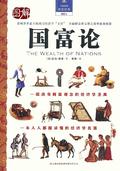 The Wealth of Nations Illustrated
"The Wealth of Nations" is a masterpiece that changed human history and was published in 1776 by Adam Smith, the father of economics. "The Wealth of Nations" summarizes the experience of capitalist development in modern countries, critically absorbs the important economic theories before and at that time, and systematically explains the entire operation process of the national economy. It is known as "the first great systematic economics work" and is a masterpiece of modern economics. "The Wealt
8Reads8.6Score—Shelves
The Wealth of Nations Illustrated
"The Wealth of Nations" is a masterpiece that changed human history and was published in 1776 by Adam Smith, the father of economics. "The Wealth of Nations" summarizes the experience of capitalist development in modern countries, critically absorbs the important economic theories before and at that time, and systematically explains the entire operation process of the national economy. It is known as "the first great systematic economics work" and is a masterpiece of modern economics. "The Wealt
8Reads8.6Score—Shelves
-
 The Wealth of Nations (Value Platinum Edition)
In 1776, the publication of "The Wealth of Nations" marked the birth of economics as an independent discipline. Later, it was hailed as "the founding work of modern economics", "the bible of Western economics", "encyclopedia of economics", "one of the top ten books that influenced world history", etc. * Also said: "The Wealth of Nations and The Theory of Moral Sentiments have the same important status in my heart." Modern economic research is carried out on the basis of it, and all mainstream ec
8Reads8.7Score—Shelves
The Wealth of Nations (Value Platinum Edition)
In 1776, the publication of "The Wealth of Nations" marked the birth of economics as an independent discipline. Later, it was hailed as "the founding work of modern economics", "the bible of Western economics", "encyclopedia of economics", "one of the top ten books that influenced world history", etc. * Also said: "The Wealth of Nations and The Theory of Moral Sentiments have the same important status in my heart." Modern economic research is carried out on the basis of it, and all mainstream ec
8Reads8.7Score—Shelves
-
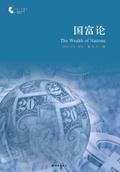 The Wealth of Nations·essential Edition (Translated by Lin Humanities Selection)
"The Wealth of Nations" is not only an encyclopedia of economics, but also the foundation of modern economics. Smith comprehensively summarized the experience of capitalist development in major developed countries in the early stages of capitalist development, critically absorbed many important economic theories, including Physiocrats, and for the first time in human history gave a relatively systematic and clear explanation of the operation of the national economy, and put forward the idea of
7Reads8.7Score—Shelves
The Wealth of Nations·essential Edition (Translated by Lin Humanities Selection)
"The Wealth of Nations" is not only an encyclopedia of economics, but also the foundation of modern economics. Smith comprehensively summarized the experience of capitalist development in major developed countries in the early stages of capitalist development, critically absorbed many important economic theories, including Physiocrats, and for the first time in human history gave a relatively systematic and clear explanation of the operation of the national economy, and put forward the idea of
7Reads8.7Score—Shelves
-
 Rereading "The Wealth of Nations" in the 21St Century (Illustrated Edition)
Where does the national wealth come from? Where does the driving force for economic growth come from? Adam Smith, the "father of modern economics", summarized for us some essential laws of modern economic society in his masterpiece "The Wealth of Nations". Reading it now, it is still worth thinking about. This book selects important content from the original work "The Wealth of Nations" that discusses labor and labor distribution, capital and currency, wealth creation, economic policy and state
4Reads8.1Score—Shelves
Rereading "The Wealth of Nations" in the 21St Century (Illustrated Edition)
Where does the national wealth come from? Where does the driving force for economic growth come from? Adam Smith, the "father of modern economics", summarized for us some essential laws of modern economic society in his masterpiece "The Wealth of Nations". Reading it now, it is still worth thinking about. This book selects important content from the original work "The Wealth of Nations" that discusses labor and labor distribution, capital and currency, wealth creation, economic policy and state
4Reads8.1Score—Shelves
-
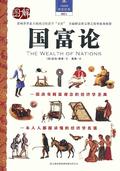 The Wealth of Nations Illustrated
"The Wealth of Nations" is a masterpiece that changed human history and was published in 1776 by Adam Smith, the father of economics. "The Wealth of Nations" summarizes the experience of capitalist development in modern countries, critically absorbs the important economic theories before and at that time, and systematically explains the entire operation process of the national economy. It is known as "the first great systematic economics work" and is a masterpiece of modern economics. "The Wealt
—Reads8.5Score—Shelves
The Wealth of Nations Illustrated
"The Wealth of Nations" is a masterpiece that changed human history and was published in 1776 by Adam Smith, the father of economics. "The Wealth of Nations" summarizes the experience of capitalist development in modern countries, critically absorbs the important economic theories before and at that time, and systematically explains the entire operation process of the national economy. It is known as "the first great systematic economics work" and is a masterpiece of modern economics. "The Wealt
—Reads8.5Score—Shelves
-
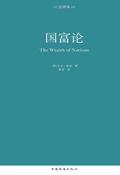 The Wealth of Nations: Complete Translation
This book proposed a comprehensive and systematic economic theory for the first time in history, laying a solid foundation for the development of the field and the starting point of modern political economics research. It summarizes the theoretical achievements of classical political economics in the formative stage, and is the first to systematically expound the major doctrines of political economics, marking the arrival of the era of liberal capitalism; it advocates free markets and opposes go
—Reads8.5Score—Shelves
The Wealth of Nations: Complete Translation
This book proposed a comprehensive and systematic economic theory for the first time in history, laying a solid foundation for the development of the field and the starting point of modern political economics research. It summarizes the theoretical achievements of classical political economics in the formative stage, and is the first to systematically expound the major doctrines of political economics, marking the arrival of the era of liberal capitalism; it advocates free markets and opposes go
—Reads8.5Score—Shelves
-
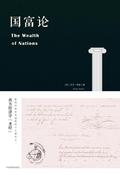 The Wealth of Nations
"The Wealth of Nations" is divided into five chapters, summarizing the experience of capitalist development in various countries in the early modern period, critically absorbing the important economic theories of the time, and for the first time proposing the theory that the market economy will be self-regulated by the "invisible hand." Its first publication marked the birth of economics as an independent discipline and was the starting point of modern political economics research. Therefore, th
—Reads9.2Score—Shelves
The Wealth of Nations
"The Wealth of Nations" is divided into five chapters, summarizing the experience of capitalist development in various countries in the early modern period, critically absorbing the important economic theories of the time, and for the first time proposing the theory that the market economy will be self-regulated by the "invisible hand." Its first publication marked the birth of economics as an independent discipline and was the starting point of modern political economics research. Therefore, th
—Reads9.2Score—Shelves
-
 6 Books to Thoroughly Understand International Political Economy (Set of 6 Books)
This is a set of classic books on international political economy, including "Das Kapital", "The Wealth of Nations", "Economic Interpretation of the United States Constitution", "Common Sense: A Book That Influenced the Milestones of World History", "Social Contract: Bilingual Edition", and "The Old Regime and the Great Revolution", a total of 6 volumes. For readers who are interested in Western political and economic history, this set of books is worth reading carefully. "Das Kapital" is a grea
—Reads8.7Score—Shelves
6 Books to Thoroughly Understand International Political Economy (Set of 6 Books)
This is a set of classic books on international political economy, including "Das Kapital", "The Wealth of Nations", "Economic Interpretation of the United States Constitution", "Common Sense: A Book That Influenced the Milestones of World History", "Social Contract: Bilingual Edition", and "The Old Regime and the Great Revolution", a total of 6 volumes. For readers who are interested in Western political and economic history, this set of books is worth reading carefully. "Das Kapital" is a grea
—Reads8.7Score—Shelves
-
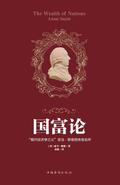 The Wealth of Nations
In this book, Adam Smith explains an important question: What makes countries rich? The author starts from the labor value theory, division of labor theory, explanation of currency and price, and analysis of profit wages, land rent, capital, taxation, trade, etc. It combines economics, philosophy, history, political theory and practical plans, based on a large amount of historical knowledge, and skillfully uses rich life examples to explain the phenomena and principles of economics. It summarize
—Reads9.4Score—Shelves
The Wealth of Nations
In this book, Adam Smith explains an important question: What makes countries rich? The author starts from the labor value theory, division of labor theory, explanation of currency and price, and analysis of profit wages, land rent, capital, taxation, trade, etc. It combines economics, philosophy, history, political theory and practical plans, based on a large amount of historical knowledge, and skillfully uses rich life examples to explain the phenomena and principles of economics. It summarize
—Reads9.4Score—Shelves
-
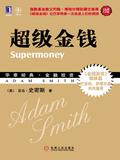 Super Money (Collector's Edition)
This book puts forward a new point of view: the situation in the 1960s and 1970s is equally applicable to today's market. The book tells a history of the speculative craze in the U. S. Stock market, focusing on the study of "super money" - income from stock market appreciation and stock options, as well as the crazy behavior of investors in the economic bubble and the subsequent market punishment. It also cites recent examples. Things change with the changing times, but sometimes the more they c
—Reads8.3Score—Shelves
Super Money (Collector's Edition)
This book puts forward a new point of view: the situation in the 1960s and 1970s is equally applicable to today's market. The book tells a history of the speculative craze in the U. S. Stock market, focusing on the study of "super money" - income from stock market appreciation and stock options, as well as the crazy behavior of investors in the economic bubble and the subsequent market punishment. It also cites recent examples. Things change with the changing times, but sometimes the more they c
—Reads8.3Score—Shelves
-
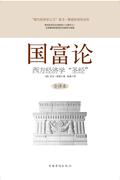 The Wealth of Nations
"The Wealth of Nations (Complete Translation of the Bible of Western Economics)" is the most influential representative work of Adam Smith, the "father of modern economics". The book was published in 1776. "The Wealth of Nations (Complete Translation of the Bible of Western Economics)" summarizes the experience of capitalist development in various countries in the early modern period. The criticism absorbed the important economic theories of the time, systematically described the movement proces
—Reads9.3Score—Shelves
The Wealth of Nations
"The Wealth of Nations (Complete Translation of the Bible of Western Economics)" is the most influential representative work of Adam Smith, the "father of modern economics". The book was published in 1776. "The Wealth of Nations (Complete Translation of the Bible of Western Economics)" summarizes the experience of capitalist development in various countries in the early modern period. The criticism absorbed the important economic theories of the time, systematically described the movement proces
—Reads9.3Score—Shelves
-
 Classic Series of Economic Classics (Das Kapital + the Wealth of Nations + Principles of Economics + General Theory of Employment, Information and Money) (Set of Four Volumes in Total)
This volume includes Capital, The Wealth of Nations, Principles of Economics, and The General Theory of Employment, Information and Money.
—Reads9.3Score—Shelves
Classic Series of Economic Classics (Das Kapital + the Wealth of Nations + Principles of Economics + General Theory of Employment, Information and Money) (Set of Four Volumes in Total)
This volume includes Capital, The Wealth of Nations, Principles of Economics, and The General Theory of Employment, Information and Money.
—Reads9.3Score—Shelves
-
 The Wealth of Nations: Volumes I-V (Full Translation)
"The Wealth of Nations: Volumes I-V (Full Translation)", whose full name is "An Inquiry into the Nature and Causes of the Wealth of Nations", is a masterpiece that changed human history and was published in 1776 by Adam Smith, the father of economics, after he personally visited various places in Europe for inspections. This is the first time that mankind has conducted a logically rigorous scientific demonstration on political and economic principles. Adam Smith summarized the development experi
—Reads9.5Score—Shelves
The Wealth of Nations: Volumes I-V (Full Translation)
"The Wealth of Nations: Volumes I-V (Full Translation)", whose full name is "An Inquiry into the Nature and Causes of the Wealth of Nations", is a masterpiece that changed human history and was published in 1776 by Adam Smith, the father of economics, after he personally visited various places in Europe for inspections. This is the first time that mankind has conducted a logically rigorous scientific demonstration on political and economic principles. Adam Smith summarized the development experi
—Reads9.5Score—Shelves