A majestic sect built on the mountain - Wu Dao Sect, stands confidently on the mountainside, as if to say, "Yes, I am right here. If you don't agree, fly over." The smoke and morning mist sit side by side, as quiet as a calendar painting. I strongly recommend everyone to change their taste. It's so funny.
In the 1980s, the second son of the Lin family turned over the table. He lived a life without being a coward or a wretched man. He earned a career on his own.
It depends on the age, I am good at it, strong women, crazy father-in-law, the best versus the best, the heroine pursuing a career, cool writing, melon-eating, fetal-wearing, indigenous cubs, melon-eating, for you to choose
"The Play Next Door": Five lonely lamps in the darkness of history, illuminating the immortal conscience of you and me. Turning over the yellowed pages of "The Play Next Door", there are echoes of the war and the iron horse hidden in the fragrance of ink. But listen - the sound is not in the general's horn, not in the roar of the war drums, but in the glimmer of light lit up by the lives of five "little people" in five corners forgotten by history books. This is not a book about princes and generals, but a soul epic written for every ordinary person. The first light: the flag of the wind witch - adhering to "trust between heaven and earth" in the age of lies. When everyone was staring at the numbers on the military merit book, only the old witch squatting on the edge of the camp looked up at the sky. His wind prayer flag is only the size of a palm, but you can hear the "footsteps of the wind". The general wanted a good report, and his colleagues wanted false achievements, but he only told the truth - it would be windy in three days and it would be inappropriate to cross the river. Why is it moving? In this era where "data can be beautified" and "reports need to be packaged", each of us is a "wind witch" in a sense. When your boss asks you to revise a report, and when the environment forces you to remain silent, do you dare to be the person who says "it's windy"? The old witch spent thirty-seven years telling us: Honesty may suffer in the short term, but it is the only cornerstone of long-term credibility. The second light: the record-keeper's knife and pen - "Truth never dies" at a time when false reports are common. In front of Li's accountant were piles of bloody heads, and behind him stood his colleagues who were eager for success. Every move made may be the cause of offending someone. But he opened the can of private bamboo slips - it was the truth that had been filtered out by the positive account. When the imperial envoy arrived, all false reports collapsed in front of the truth. Why warn the world? We live in the carnival of "digital achievements" and "traffic vanity". After reading this chapter, you will break into a cold sweat: Have you also written an extra zero in a report? Are you turning a blind eye to a mistake? The jar of bamboo slips in Li's accounting room is a mirror that reflects one's conscience - the truth may be buried, but it will never truly die. The third light: the translator's wine - awakening "dignity breaks the defense" in the depths of hatred. In the prisoner of war camp, the mouth that could not be pried open by whips and irons was melted by a bowl of wine and the sentence "You are also someone else's son and father." Qin Yan did not regard the prisoners as "enemies", but as "people". Dignity is more powerful than punishment - this is not only an interrogation technique, but also the code of civilization. Why resonate? We are used to labeling others in terms of "confrontation" in the workplace, "wars of abuse" on the Internet, and international "hostility". This chapter allows you to see: underneath the hard stance, there is soft humanity. Dignity is the most fragile and strongest bridge to any soul. The fourth lamp: the chisel of the monument engraver - remembering "the importance of names" in the torrent of numbers. There were 3,742 fallen in battle. Shangguan said that "engraving together would save money." Zhang Shitou took out his life savings: "One person must have one monument - a name and a surname, so that the soul can have a home." After three years of hard work, he made each name stand independently between heaven and earth. Why the tears? In this era where "collective", "traffic" and "big data" submerge individuals, we are more like those nameless tombs. This chapter is a silent cry: the bottom line of civilization is individual respect for every life. Your name deserves to be remembered alone. The fifth light: Testing the pawn's tongue - sticking to the "strong defense line" when efficiency is paramount. "If I don't die first, the army will die." Liu Sanwei tried eating for 23 years and rejected moldy rice, rotten meat, and sugar-added pickles. His colleagues scolded him for "delaying things", but he guarded an invisible line of defense - the stomach and intestines of the entire army, and even their lives. Why be alarmed? Food safety, construction quality, financial risks... How many "Liu Sanwei" in modern society are being forced to compromise by "efficiency"? This chapter is a deafening warning: "excessive caution" in risk prevention and control is precisely the "minimum cost" for the continuation of civilization. Why You Must Read The Play Next Door? Because the stories of these five little people contain ancient wisdom to solve contemporary dilemmas: · When you are forced to lie in the workplace, think of the flag of the Wind Witch - there is faith in heaven and earth, how can people be insincere? · When you mess with data, think of the recordkeeper's bamboo slips—truth is history's only judge. · When you confront someone with hatred, think of the translator's bowl of wine—dignity can break the strongest defense. · When you are ignored as a number, think of the stone carver's chisel - each name should have a separate stone. · When you want to sacrifice safety for efficiency, think about trying the pawn's tongue - once the defense line is broken, everything will be lost. "The Play Next Door" has no heroic triumphs, no dynasty changes, only five little people clinging to something in the gaps of history. What they keep is what makes civilization a civilization: truth, kindness, dignity, memory, and responsibility. Close the page and you will find that those five lonely figures have been standing in your heart for some time. They hold up the lights and illuminate not only the darkness of history, but also the unquenchable glimmer of light deep in our souls. These are not just five stories, but five questions that travel through time and space: On your "battlefield" - are you willing to be the one who tells the truth? Are you willing to be the one who keeps true accounts? Are you willing to be the person who gives dignity? Are you willing to be the one who carves your name? Would you like to be the one on the defensive line? "The Play Next Door" is waiting for everyone who still believes that "little people can uphold the righteousness" in the noisy era. Open it and meet the five silent confidants and the uncompromising self. --- The five chapters of "The Play Next Door" have been completed. The military wizard, the recorder of military achievements, the prisoner of war translator, the military tombstone maker, and the military ration tester. Five solitary lamps illuminate the five bottom lines - only above these bottom lines can it be called "civilization".
I'm impressed that a newcomer can write with such depth. A niche treasure with a cold and gorgeous world view, for those who like sadistic writing and speculation with their eyes closed.
This book has a strong sense of age. I have been following it for more than a month. I have been waiting for an update in the middle of the night. It is so good.
 Guardian of the Messenger of Heaven
1Reads5.8Score—Shelves
Guardian of the Messenger of Heaven
1Reads5.8Score—Shelves
 The Two Were Born in Ruins, and the Chief Regretted Marrying Bai Yueguang
24.9kReads7.4Score2.5kShelves
The Two Were Born in Ruins, and the Chief Regretted Marrying Bai Yueguang
24.9kReads7.4Score2.5kShelves
 Yu Jingzhi Border County Magistrate
17Reads—Score—Shelves
Yu Jingzhi Border County Magistrate
17Reads—Score—Shelves
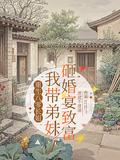 The Eldest Sister from the 1980S Started Like a Tiger and Crashed the Wedding Banquet of Her Scumbag Father
25.9kReads8.9Score2.9kShelves
The Eldest Sister from the 1980S Started Like a Tiger and Crashed the Wedding Banquet of Her Scumbag Father
25.9kReads8.9Score2.9kShelves
 After Joining the Army, Her Mouth Became a Coquettish Figure in the Family Courtyard.
18.1kReads8.9Score1.7kShelves
After Joining the Army, Her Mouth Became a Coquettish Figure in the Family Courtyard.
18.1kReads8.9Score1.7kShelves
 The Tao Can Be Said to Be Very Taoist
3Reads5.8Score—Shelves
The Tao Can Be Said to Be Very Taoist
3Reads5.8Score—Shelves
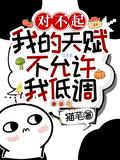 Sorry, My Talent Does Not Allow Me to Keep a Low Profile
150.7kReads9.0Score11.7kShelves
Sorry, My Talent Does Not Allow Me to Keep a Low Profile
150.7kReads9.0Score11.7kShelves
 Double Studies with the Fox Girl Started in College
7Reads5.8Score—Shelves
Double Studies with the Fox Girl Started in College
7Reads5.8Score—Shelves
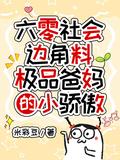 The Little Pride of Parents Who Are the Best Leftovers from the 60 Society
34kReads9.1Score3.9kShelves
The Little Pride of Parents Who Are the Best Leftovers from the 60 Society
34kReads9.1Score3.9kShelves
 Return to 82: Cast a Net to Save the Village and Bring the Whole Village to Wealth
27kReads8.1Score2.6kShelves
Return to 82: Cast a Net to Save the Village and Bring the Whole Village to Wealth
27kReads8.1Score2.6kShelves
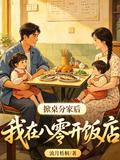 Reborn at 80, After Separation, He Took His Wife and Daughter to Eat and Drink
151.9kReads6.8Score10.8kShelves
Reborn at 80, After Separation, He Took His Wife and Daughter to Eat and Drink
151.9kReads6.8Score10.8kShelves
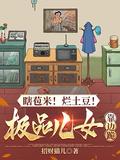 Blind Corn! Rotten Potatoes! the Best Children Kneel Aside
200.1kReads9.2Score9kShelves
Blind Corn! Rotten Potatoes! the Best Children Kneel Aside
200.1kReads9.2Score9kShelves
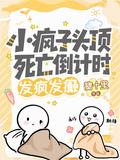 The Little Madman Is Going Crazy with a Countdown to Death Above His Head
12.8kReads9.1Score2.2kShelves
The Little Madman Is Going Crazy with a Countdown to Death Above His Head
12.8kReads9.1Score2.2kShelves
 The Good-Looking Female Soldier Queen Just Dotes on That Pretty Boy
7.8kReads7.9Score851Shelves
The Good-Looking Female Soldier Queen Just Dotes on That Pretty Boy
7.8kReads7.9Score851Shelves
 60: at the Beginning, the Human Trafficker Daddy Was Struck by Lightning.
9.1kReads9.3Score1kShelves
60: at the Beginning, the Human Trafficker Daddy Was Struck by Lightning.
9.1kReads9.3Score1kShelves
 Little Happy Life
44kReads8.9Score4.7kShelves
Little Happy Life
44kReads8.9Score4.7kShelves
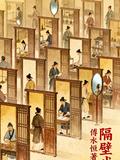 Next Door Drama
5Reads—Score—Shelves
Next Door Drama
5Reads—Score—Shelves
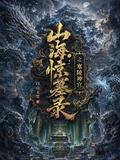 Mountains and Seas Shocking Tombs
13.6kReads6.9Score1.4kShelves
Mountains and Seas Shocking Tombs
13.6kReads6.9Score1.4kShelves
 You Are Reborn and I Wear Books, the Cannon Fodder Couple Makes a Comeback Against the Wind
20.5kReads8.7Score2.5kShelves
You Are Reborn and I Wear Books, the Cannon Fodder Couple Makes a Comeback Against the Wind
20.5kReads8.7Score2.5kShelves
 In the 1990S, a Young Daughter-In-Law from the Countryside Came to the City to Work as a Worker
13.2kReads9.0Score1kShelves
In the 1990S, a Young Daughter-In-Law from the Countryside Came to the City to Work as a Worker
13.2kReads9.0Score1kShelves
 Military Marriage in the 1970S: Both Couples Are a Little Crazy
57.6kReads9.2Score8kShelves
Military Marriage in the 1970S: Both Couples Are a Little Crazy
57.6kReads9.2Score8kShelves
 Mountain and Sea Tomb Shock 3
582Reads5.8Score307Shelves
Mountain and Sea Tomb Shock 3
582Reads5.8Score307Shelves
 Era: the Supporting Roles That Complement the Protagonist Are Getting Better and Better
26.2kReads7.8Score2.5kShelves
Era: the Supporting Roles That Complement the Protagonist Are Getting Better and Better
26.2kReads7.8Score2.5kShelves
 Mountain and Sea Tomb Shock 4
485Reads5.8Score286Shelves
Mountain and Sea Tomb Shock 4
485Reads5.8Score286Shelves
 Dressed as an Old Lady, Accompanied by the Pregnant Capitalist Daughter-In-Law
4.2kReads8.6Score627Shelves
Dressed as an Old Lady, Accompanied by the Pregnant Capitalist Daughter-In-Law
4.2kReads8.6Score627Shelves
 Hong Kong City Has a Happy Little God of Wealth.
14.5kReads8.7Score1.1kShelves
Hong Kong City Has a Happy Little God of Wealth.
14.5kReads8.7Score1.1kShelves
 The Daily Life of a Plastic Couple in the 70S
11.7kReads8.8Score1.1kShelves
The Daily Life of a Plastic Couple in the 70S
11.7kReads8.8Score1.1kShelves
 The Best Artist Bai Fumei Brought Her Farm to Ruins in the 1970S
27.2kReads9.2Score3.3kShelves
The Best Artist Bai Fumei Brought Her Farm to Ruins in the 1970S
27.2kReads9.2Score3.3kShelves
 My In-Laws Forced Me to Remarry, and My Husband Who Had Been Dead for Three Years Came Back.
13kReads8.2Score2.1kShelves
My In-Laws Forced Me to Remarry, and My Husband Who Had Been Dead for Three Years Came Back.
13kReads8.2Score2.1kShelves
 After Being Forced to Marry a Sick and Weak Educated Youth, I Cheated
2.3kReads9.0Score309Shelves
After Being Forced to Marry a Sick and Weak Educated Youth, I Cheated
2.3kReads9.0Score309Shelves
 In the 1980S, Educated Youths Went to the Countryside, and Cold-Faced Military Officers Were Willing to Work as Mistresses.
—Reads5.8Score—Shelves
In the 1980S, Educated Youths Went to the Countryside, and Cold-Faced Military Officers Were Willing to Work as Mistresses.
—Reads5.8Score—Shelves
 Light Meets All Living Beings
84Reads5.8Score—Shelves
Light Meets All Living Beings
84Reads5.8Score—Shelves
 The Female Educated Youth Who Went to the Countryside Was Pampered by the Future Leader
4.2kReads8.5Score385Shelves
The Female Educated Youth Who Went to the Countryside Was Pampered by the Future Leader
4.2kReads8.5Score385Shelves
 Double Wear: Gold Rush in the Republic of China
11.2kReads7.7Score921Shelves
Double Wear: Gold Rush in the Republic of China
11.2kReads7.7Score921Shelves
 My Husband Died in the War and Returned Five Years Ago: I Took My Husband's Family to Leave the Clan.
142.7kReads8.1Score16.1kShelves
My Husband Died in the War and Returned Five Years Ago: I Took My Husband's Family to Leave the Clan.
142.7kReads8.1Score16.1kShelves
 Remarried with My Mother: I Became the Favorite of the Military Compound
34.2kReads9.2Score5.4kShelves
Remarried with My Mother: I Became the Favorite of the Military Compound
34.2kReads9.2Score5.4kShelves
 The Red Era of Traveling Between Two Worlds
341Reads5.8Score101Shelves
The Red Era of Traveling Between Two Worlds
341Reads5.8Score101Shelves
 In the 1980S, He Disguised Himself as a Wealthy Countryman and Returned to China.
8kReads5.8Score422Shelves
In the 1980S, He Disguised Himself as a Wealthy Countryman and Returned to China.
8kReads5.8Score422Shelves
 Siheyuan, Rescue Qin Huairu at the Beginning
22.9kReads5.8Score2kShelves
Siheyuan, Rescue Qin Huairu at the Beginning
22.9kReads5.8Score2kShelves
 The Bloody Battle in Shanghai During the Shuangchuan Republic of China
6.6kReads7.2Score495Shelves
The Bloody Battle in Shanghai During the Shuangchuan Republic of China
6.6kReads7.2Score495Shelves
 The Great Country Is Ruined, I Saved Many Soviet Girls
7.8kReads5.7Score1kShelves
The Great Country Is Ruined, I Saved Many Soviet Girls
7.8kReads5.7Score1kShelves
 With the Army Carrying Animal Language, the Big Fish and Meat Are Greedy and Weeping in the Family Home
10.3kReads8.0Score1.9kShelves
With the Army Carrying Animal Language, the Big Fish and Meat Are Greedy and Weeping in the Family Home
10.3kReads8.0Score1.9kShelves
 Traveling Between Two Worlds: the 1970S
210Reads5.8Score—Shelves
Traveling Between Two Worlds: the 1970S
210Reads5.8Score—Shelves
 Recalling the Days of Raising a Family and Hunting Japanese Soldiers in 1931
17.9kReads8.3Score1.3kShelves
Recalling the Days of Raising a Family and Hunting Japanese Soldiers in 1931
17.9kReads8.3Score1.3kShelves
 Take the Silly Girl to 60
400Reads5.8Score—Shelves
Take the Silly Girl to 60
400Reads5.8Score—Shelves
 Do You Have a Heroine Aura? Then I Will Take the College Entrance Examination
6.5kReads6.3Score448Shelves
Do You Have a Heroine Aura? Then I Will Take the College Entrance Examination
6.5kReads6.3Score448Shelves
 At the Age of Forty, He Took His Daughter and Remarried a Criminal Investigation Captain.
40.1kReads8.7Score5.1kShelves
At the Age of Forty, He Took His Daughter and Remarried a Criminal Investigation Captain.
40.1kReads8.7Score5.1kShelves
 I Went to the City with My Lame Father to Eat Soft Food. I Felt so Good.
36.2kReads8.2Score5.7kShelves
I Went to the City with My Lame Father to Eat Soft Food. I Felt so Good.
36.2kReads8.2Score5.7kShelves
 My 16-Year-Old Bai Yueguang
851Reads5.8Score—Shelves
My 16-Year-Old Bai Yueguang
851Reads5.8Score—Shelves
 Chongqing Laowang
11.7kReads8.2Score735Shelves
Chongqing Laowang
11.7kReads8.2Score735Shelves