Tongjun protects his land. During the Spring and Autumn Period and the Warring States Period, there was a small country called Tongguo on the banks of Surabaya. It was no more than a hundred miles in diameter. Most of the people made a living by planting tung trees and weaving brocades. The prince Zitong was a young monarch, only twenty years old when he succeeded to the throne. The courtiers advised him to quickly attach himself to King Chuzhuang in the south - after all, many surrounding small countries had surrendered to Chu, but Tong State had not sent envoys to pay tribute. Zitong, however, did not nod in a hurry and walked around the border with only a few attendants for three days. He saw old farmers in the south of the city humming songs while plowing in the fields, saw weavers in the west of the city embroidering tung flowers into brocade, and saw children chasing butterflies by the stream. After returning, he said to the courtiers: "Chu is a big country and should be respected. But we, the people of Tong State, are used to growing our own fields and weaving our own brocades. We cannot change our way of life to cater to Chu State." Not long after, the King of Chuzhuang sent an envoy. The envoy was wearing a gold-embroidered court uniform. He stood in the court hall and said condescendingly: "The King of Chu cares about the weakness of the Tong State and is willing to accept you as a vassal. As long as you follow the rules of the Chu State, raise the land rent to 30%, and select 300 young men to serve as soldiers in the Chu capital, the King of Chu will grant you the title of 'Marquis of Anyuan'." The courtiers were so frightened that they dared not speak out. They privately pulled Zitong's sleeves and persuaded him to agree quickly - the Chu army had strong soldiers and horses, and if the envoys were offended, the Chu army might attack the country tomorrow. However, Zitong stood up and saluted the envoy. His tone was calm but neither condescending nor overbearing: "Thank you very much, King Chu, for your kindness. However, the people of Tong country have always lived on thin fields, and renting 30% of the fields will make them hungry. As for the young and strong, they are mostly the backbone of the family. If they go to Chudu, there will be no one to take care of the elderly and children in the family." The envoy's face darkened: "Are you unwilling to submit to the King of Chu?" "It's not that you don't want to, but you can't break the rules of the Tong Kingdom." Zitong pointed outside the palace, "Look at the tung forest. If you force them to be transplanted to the Chu land, they won't survive. If the people of the Tong Kingdom are forced to learn the Chu country's way of living, they won't live well either. But don't worry, if the Chu Kingdom needs it in the future, such as for some paulownia wood or brocade, as long as it doesn't violate the principles of our Tong Kingdom, the Tong Kingdom will definitely cooperate." The envoy was so angry that he walked away, and the courtiers were all panicked, saying that Zitong was pushing Tongguo into a pit of fire. Zitong did not panic, but continued to visit the fields every day and listen to the weavers talk. Some people asked him: "My lord, what will we do if Chu comes to attack us?" Zitong smiled and said: "Let us plant the fields well and weave the brocade so that every household has food and clothing. Even if the Chu army comes, we will guard our homes and not be afraid." Half a year later, King Zhuang of Chu sent someone again. This time the person who came was not an envoy, but a famous doctor from the Chu state. It turned out that several small neighboring countries that had surrendered to Chu paid rent for their fields and gave away young people according to the rules of Chu. As a result, the people complained. Some families sold their children, and some fled to other countries. The weeds in the fields grew taller than the crops, and even the tributes required by Chu could not be collected. King Chuzhuang heard that not only was there no chaos in Tong State, but the people were happier, he sent a doctor to see what was going on. The doctor stayed in Tong Country for ten days, watching old farmers growing plump wheat using their own methods, watching weavers using tung flowers to dye unique brocades, and seeing Zitong working with the people to build canals by the stream. When he was tired, he would sit on a stone and eat thick rice cakes. Before leaving, the doctor said to Zitong: "I originally thought you were stubborn, but now I understand that you know how to defend your own territory. What Chu wants is for the vassal states to pay tribute stably, not for them to become a mess. You don't cater to Chu's rules, but you keep Tong's roots. In fact, you can help Chu more than those small countries that cater to." Later, King Zhuang of Chu issued an order saying that Tongguo did not have to follow the rules of Chu, but only needed to send some paulownia wood and brocade as agreed every year. Later, people from some neighboring small countries quietly moved here after hearing that Tong State was stable. Tong State's territory did not become larger, but its population increased a lot. Even businessmen from Chu State often came to Tong State to buy brocades, saying, "Tong State's brocades, with the fragrance of tung flowers, cannot be found anywhere else." Zitong has been the king for forty years. Tongguo has always been a small country, but it has never been in chaos. Someone asked him the secret of governing the country, and he still said the same thing: "Our territory in Tong State must be managed according to Tong State's methods. It is our duty to respect others, but we cannot lose our roots in order to cater to others. We will not push back those who should cooperate, and we will not cooperate with those who should not cater. In this way, both the big country and the people can feel at ease." Later, the story of Tong Kingdom reached the ears of Confucius. Confucius sighed: "Although Zitong is the king of a small country, he has great wisdom. The so-called 'gentleman is harmonious but different' refers to a person like him - respecting others without losing oneself, cooperating with needs without violating one's own heart. This is the right way to govern the country by guarding the land."
 Here in Chang'an
26Reads—Score—Shelves
Here in Chang'an
26Reads—Score—Shelves
 The Silly Roots of Guoshantun: After the Clairvoyant Pupil Awakens
6.1kReads5.8Score627Shelves
The Silly Roots of Guoshantun: After the Clairvoyant Pupil Awakens
6.1kReads5.8Score627Shelves
 The Border Soldiers Cut Through the Sky with Their Swords
283Reads5.8Score—Shelves
The Border Soldiers Cut Through the Sky with Their Swords
283Reads5.8Score—Shelves
 Infinity Men
18Reads5.8Score—Shelves
Infinity Men
18Reads5.8Score—Shelves
 Idiot Master in the City
276Reads5.8Score—Shelves
Idiot Master in the City
276Reads5.8Score—Shelves
 Must Leave, Cannot
40Reads5.8Score—Shelves
Must Leave, Cannot
40Reads5.8Score—Shelves
 Farewell Dreams in Red Mansions: Fifty Notes on a Floating Life
11Reads—Score—Shelves
Farewell Dreams in Red Mansions: Fifty Notes on a Floating Life
11Reads—Score—Shelves
 Qin Dynasty
3.4kReads9.2Score407Shelves
Qin Dynasty
3.4kReads9.2Score407Shelves
 2125 Galaxy
9Reads5.8Score—Shelves
2125 Galaxy
9Reads5.8Score—Shelves
 The Evil Devil's Electronic Fraud Empire Was Overthrown by His Best Friend
—Reads5.8Score—Shelves
The Evil Devil's Electronic Fraud Empire Was Overthrown by His Best Friend
—Reads5.8Score—Shelves
 Xie Jin, a Talented Man of the Ming Dynasty
5Reads5.8Score—Shelves
Xie Jin, a Talented Man of the Ming Dynasty
5Reads5.8Score—Shelves
 Song Jiaoren, the Father of Constitutional Government
29Reads—Score—Shelves
Song Jiaoren, the Father of Constitutional Government
29Reads—Score—Shelves
 Talk About the Complete Biography of Tang Dynasty
21Reads9.4Score—Shelves
Talk About the Complete Biography of Tang Dynasty
21Reads9.4Score—Shelves
 Hengji Fengjie
12Reads5.8Score—Shelves
Hengji Fengjie
12Reads5.8Score—Shelves
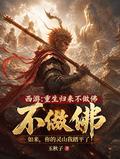 Journey to the West: Rebirth and Return Without Becoming a Buddha
716Reads—Score101Shelves
Journey to the West: Rebirth and Return Without Becoming a Buddha
716Reads—Score101Shelves
 I Cheated My Life and Became the Best in the World.
—Reads5.8Score—Shelves
I Cheated My Life and Became the Best in the World.
—Reads5.8Score—Shelves
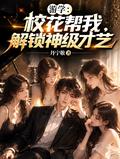 Study Tour: the School Beauty Helped Me Unlock My God-Level Talents
—Reads5.8Score—Shelves
Study Tour: the School Beauty Helped Me Unlock My God-Level Talents
—Reads5.8Score—Shelves
 Format Lover
1Reads8.5Score—Shelves
Format Lover
1Reads8.5Score—Shelves
 Attack of the Hot-Blooded Hunter God
5.7kReads9.0Score569Shelves
Attack of the Hot-Blooded Hunter God
5.7kReads9.0Score569Shelves
 God of Death in the Night
730Reads8.8Score—Shelves
God of Death in the Night
730Reads8.8Score—Shelves
 Love Hurts the City
254Reads5.8Score—Shelves
Love Hurts the City
254Reads5.8Score—Shelves
 Romance of the Later Han Dynasty
6Reads8.4Score—Shelves
Romance of the Later Han Dynasty
6Reads8.4Score—Shelves
 Romance of the Former Han Dynasty
2Reads8.4Score—Shelves
Romance of the Former Han Dynasty
2Reads8.4Score—Shelves
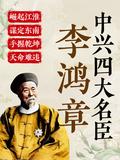 Li Hongzhang, One of the Four Famous Ministers of ZTE
2Reads8.1Score—Shelves
Li Hongzhang, One of the Four Famous Ministers of ZTE
2Reads8.1Score—Shelves
 The History of Song Taizu That I Can't Bear to Read Carefully
2Reads7.8Score—Shelves
The History of Song Taizu That I Can't Bear to Read Carefully
2Reads7.8Score—Shelves
 Unofficial History May Not Be Fake
47Reads8.7Score—Shelves
Unofficial History May Not Be Fake
47Reads8.7Score—Shelves
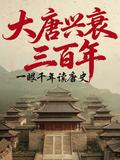 The Rise and Fall of the Tang Dynasty over Three Hundred Years: Reading the History of the Tang Dynasty over a Thousand Years at a Glance
11Reads8.1Score—Shelves
The Rise and Fall of the Tang Dynasty over Three Hundred Years: Reading the History of the Tang Dynasty over a Thousand Years at a Glance
11Reads8.1Score—Shelves
 Records of Emperor Wu of the Qing Dynasty
1Reads7.8Score—Shelves
Records of Emperor Wu of the Qing Dynasty
1Reads7.8Score—Shelves
 Romance of the Thirteen Dynasties of the Qing Dynasty
2Reads8.1Score—Shelves
Romance of the Thirteen Dynasties of the Qing Dynasty
2Reads8.1Score—Shelves
 The Romance of Zeng Guofan
1Reads7.9Score—Shelves
The Romance of Zeng Guofan
1Reads7.9Score—Shelves
 Listen to Fenglouge
226Reads5.8Score—Shelves
Listen to Fenglouge
226Reads5.8Score—Shelves
 I Am a Scout - Zhan De
236Reads8.6Score—Shelves
I Am a Scout - Zhan De
236Reads8.6Score—Shelves
 Classic of Mountains and Seas·kunlun Ruins
1Reads8.5Score—Shelves
Classic of Mountains and Seas·kunlun Ruins
1Reads8.5Score—Shelves
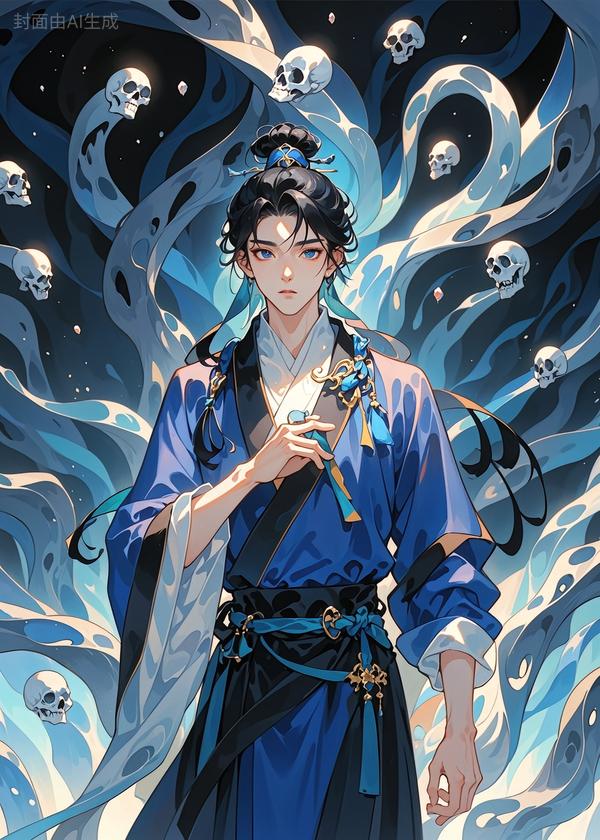 Guigu Lingzun
1Reads8.6Score—Shelves
Guigu Lingzun
1Reads8.6Score—Shelves
 Xuanxing Town in Troubled Times
4Reads—Score—Shelves
Xuanxing Town in Troubled Times
4Reads—Score—Shelves
 Tang Dynasty Tianwei's Heavenly Strategy Changfeng
4Reads5.8Score—Shelves
Tang Dynasty Tianwei's Heavenly Strategy Changfeng
4Reads5.8Score—Shelves
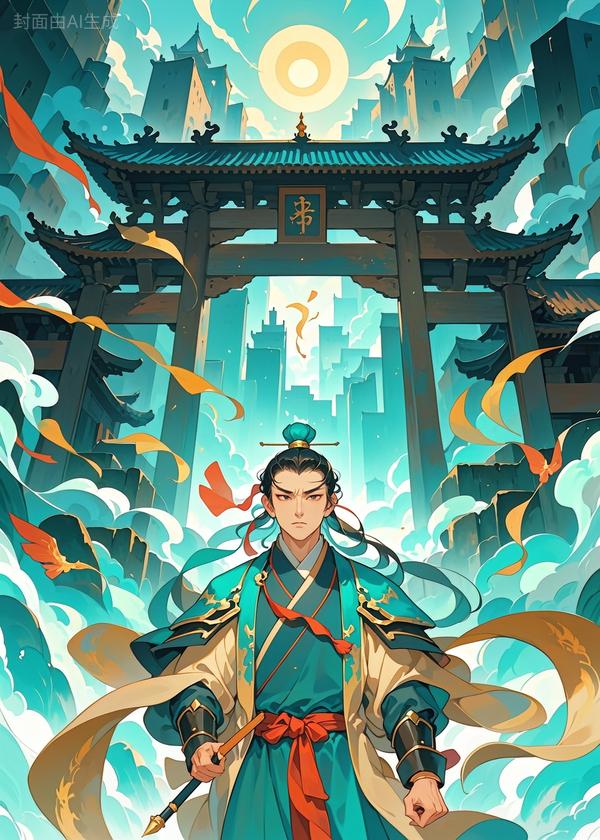 The Spiritual Path: Zhang Yi Xuance
—Reads8.5Score—Shelves
The Spiritual Path: Zhang Yi Xuance
—Reads8.5Score—Shelves
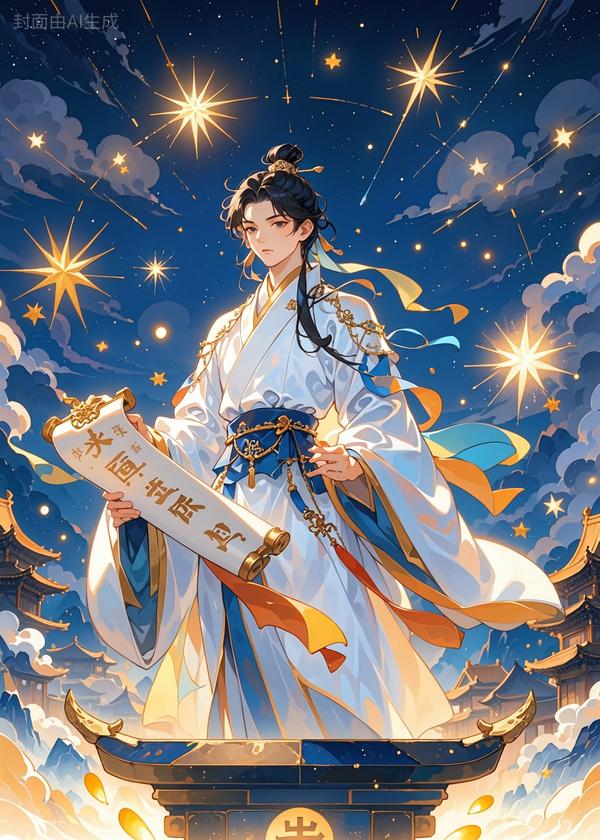 Mysterious Prime Minister Li Mi: Yi Shu Determines the World, and the Fairy Traces Assist the Four Dynasties.
1Reads8.6Score—Shelves
Mysterious Prime Minister Li Mi: Yi Shu Determines the World, and the Fairy Traces Assist the Four Dynasties.
1Reads8.6Score—Shelves
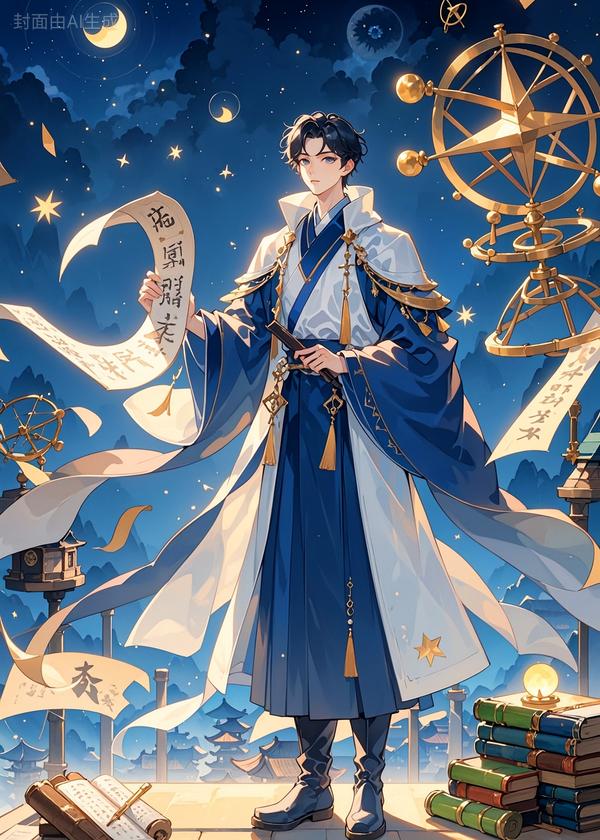 Xuanshu: Zhang Heng Tianji Lu
3Reads8.4Score—Shelves
Xuanshu: Zhang Heng Tianji Lu
3Reads8.4Score—Shelves
 Lingshu Tianzang
3Reads8.4Score—Shelves
Lingshu Tianzang
3Reads8.4Score—Shelves
 Rain Falls in the Old Dusk
—Reads8.5Score—Shelves
Rain Falls in the Old Dusk
—Reads8.5Score—Shelves
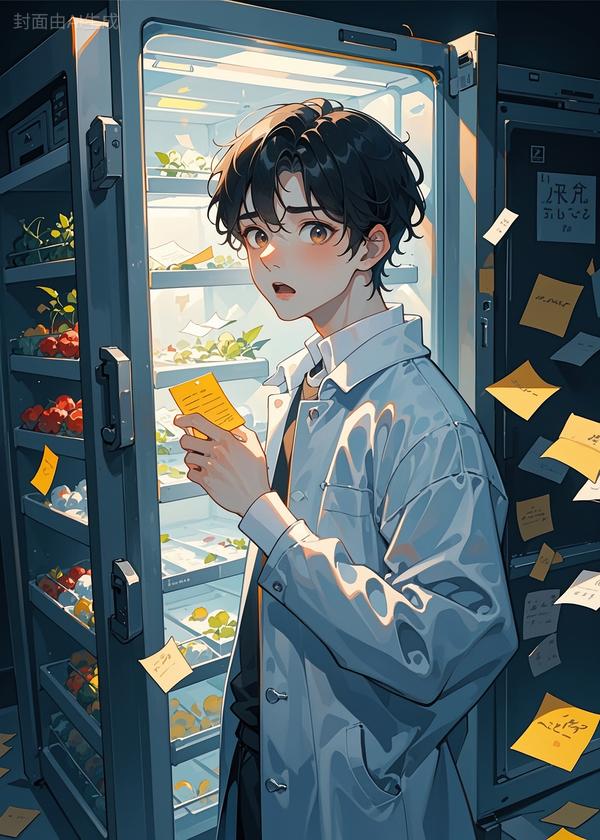 Corpse Whisperer's Note
1Reads8.6Score—Shelves
Corpse Whisperer's Note
1Reads8.6Score—Shelves
 Qi Hai Asked
42Reads5.8Score—Shelves
Qi Hai Asked
42Reads5.8Score—Shelves
 Rebellious Mortal Immortal 1
1Reads5.8Score—Shelves
Rebellious Mortal Immortal 1
1Reads5.8Score—Shelves
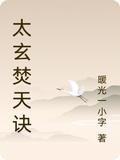 Taixuan Burning Heaven Technique
85Reads5.8Score—Shelves
Taixuan Burning Heaven Technique
85Reads5.8Score—Shelves
 The Return of All Laws to the Ruins 3
99Reads5.8Score—Shelves
The Return of All Laws to the Ruins 3
99Reads5.8Score—Shelves
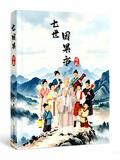 Book of Cause and Effect in Seven Generations
—Reads5.8Score—Shelves
Book of Cause and Effect in Seven Generations
—Reads5.8Score—Shelves
 God Downgrade Game
—Reads—Score—Shelves
God Downgrade Game
—Reads—Score—Shelves
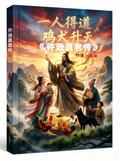 One Man Attained Taoism, Chickens and Dogs Ascended to Heaven, the Biography of Zhenjun Xu Xun
8Reads—Score—Shelves
One Man Attained Taoism, Chickens and Dogs Ascended to Heaven, the Biography of Zhenjun Xu Xun
8Reads—Score—Shelves
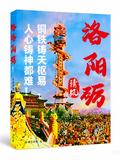 Luoyang Li
—Reads—Score—Shelves
Luoyang Li
—Reads—Score—Shelves