You can read the reviews of the book! Tomato's original philosophical first book - "The Principle of Three-Yuan Consciousness and Memory Mapping", ideology, human nature, the secret of human lifespan, the truth of ancient history, the origin of the moon, the secret of the great flood, the reasoning of past life memory, the analysis of homosexuality, depression, the multi-dimensional world, the difference in attraction between men and women in love, the essential difference between traditional Chinese medicine and Western medicine, the essential difference between Taoism and Confucianism, and the reasoning of various supernatural phenomena. . . . . .
Although you can't understand astronomy and geography just by reading these books, if you can chew them down, you will be much better than ordinary people.
High-dimensional philosophy of doing things: use human nature as the ruler and value as the boat. Low-dimensional things are trapped in "techniques" and entangled with words, routines, pros and cons; high-dimensional things are based on "Tao", anchoring human nature, value and balance. The so-called core of high emotional intelligence flexibility has never been acquired "tact skills", but a thorough understanding of the nature of "people and relationships" after cognitive upgrading - neither compromising one's own core needs nor ignoring the underlying desires of others, using precise value links to find balance in complexity, and maintaining fundamentals in flexibility. 1. Cognitive Leap: From "Focusing on Events" to "Reading People's Hearts" The first step in dealing with high-dimensional matters is to jump out of the low-dimensional trap of "judgment of right and wrong", penetrate the appearance of events, and get to the core needs of human nature. The underlying demands of human nature have never been complicated: they are nothing more than "a sense of security" (not being hurt or denied), a "sense of worth" (being seen and needed), and a "sense of control" (not losing control, being decent). All seemingly difficult scenarios are essentially a misalignment of these needs. - In an intimate relationship, when the other party hits the bottom line and "leave without explanation", it is not to avoid the dispute, but to understand that "after trust has collapsed, no matter how much you argue about right or wrong, you cannot rebuild a sense of security" - it is more important to protect your core need for "relationship security" than to dwell on the facts. - In the workplace, when a leader mispronounces a name, he takes the initiative to smooth things over. This is not to "flatter", but to understand "under an authoritative role, the need for a sense of control in order to keep the situation from getting out of control" - using the sentence "XX you just mentioned, is this the direction I understand?" It not only takes over the embarrassment, but also maintains the dignity of the other party. The essence is accurate empathy for the "role needs". This kind of understanding changes things from "passive response" to "active decoding": what you see is no longer "why he did this", but "what he desires for doing this". 2. Value Anchoring: From "Catering and Ingratiating" to "Creating Win-Win" The core of high-dimensional dealings is to reject the low-dimensional socialization of "unilateral dependence" and build a relationship of mutual achievement with "value provision" as the anchor. Many people mistake "flexibility" for "catering" and think that swallowing their anger and deliberately trying to please can bring smoothness. In fact, this is not the case - low-value catering will only make the relationship unbalanced, while high-value "supply and demand matching" is the cornerstone of a long-term relationship. - When a partner praises "a formidable young man", instead of saying "No, you are great" (denying the other party's recognition and weakening its sense of value), but saying "You have always been the object of my study, and getting your recognition this time is more satisfying than receiving a prize" - it not only responds to the other party's need to "be respected", but also conveys the signal of "I recognize your value", which is essentially a "two-way giving of a sense of value". - In human relationships, do not follow the trend and give gifts. Instead, take the initiative to help the other person clean up when they move, and share experiences when the other person's children go to school. Using "doing things" instead of "giving things" means understanding that "compared to formal gifts, the value of 'being really helped' is more real" - providing "practical value" is more powerful than empty "intentions". The real high-dimensional flexibility is never "what do I want from you", but "what can I provide you": emotional value (helping others to smooth things over, empathy and comfort), practical value (solving problems, providing resources), social value (helping others connect, maintaining relationships). When you become a "value provider", the smoothness of the relationship will naturally come naturally. 3. Dynamic balance: from "black and white" to "survival by sticking to the bottom line" The ultimate in high-dimensional work is to find a dynamic balance between "keeping the bottom line" and "understanding flexibility" - neither being a stubborn person who "faces the tough" nor being an "unprincipled" compromiser. The bottom line is "unshakable core needs", such as trust in intimate relationships, professional ethics in the workplace, and dignity in dealing with others; flexibility is "the choice of path to achieve goals," such as not entangled in right or wrong, not obsessed with forms, and not adhering to methods. - In the face of project problems caused by colleagues' mistakes, taking the initiative to "take part of the responsibility" is not "taking the blame", but understanding that "the core goal at the moment is to solve the problem, not to hold people accountable" - to use the minimum "emotional cost" to stabilize the situation is flexibility; but after the fact it is clear that "next time you need to communicate in advance" and to stick to the bottom line of "not taking responsibility for others' core mistakes" is the principle. - When facing unreasonable requests from others, do not say "I am not available" (direct refusal can easily lead to confrontation), but say "I have XX urgent matters at hand right now. When I finish this part, let's see what we can do together?" - It not only expresses the bottom line of "unable to help immediately", but also conveys the goodwill of "willing to help", and uses flexible expression to guard the boundary. This balance is the transparency of "circle on the outside and square on the inside": there is an unshakable ruler on the inside, and the flexibility to adapt to the scene on the outside. Don't lose your original intention because of flexibility, and don't get stuck in a situation because of stubbornness. Final Chapter: High-dimensional handling is "being oneself" after "understanding human nature". Some people equate high emotional intelligence and adaptability with "sophistication", but in fact they are totally wrong - sophistication means giving up one's true heart for the sake of profit, while high-dimensional handling means "being oneself better on the basis of understanding human nature". It does not make you a "well-rounded actor", but a "transparent observer": understand the needs of others, not to please, but to communicate more efficiently; respond flexibly to situations, not to compromise, but to achieve goals more smoothly. In the end, you will find that the essence of high-dimensional dealing with things is to "be honest with yourself and empathize with others" - knowing what you want and what others need, linking each other with value, and resolving conflicts with balance. This is not the accumulation of skills, but the accumulation of cognition, the transparency that has been retained after all the world has gone through: using human nature as the ruler to measure the boundaries of relationships; using value as the boat, carrying the original intention through complexity.
There is no so-called boss, and there is no windfall from the sky. It is all about ordinary people's struggles and glimmers of light, which makes people feel itchy [naughty]
The books recommended below are not... Time travel... Rebirth... Sudden wealth... Soft sweetness... Rich family... CEO... Cultivation of immortals and other cool novels. If you are not interested, stop here~. "Standing at the Crossroads of Destiny" mainly explores the destiny choices of individuals in the torrent of the times through the life experience of the protagonist Sun Shigui (escape background, family changes, emotional entanglements, persistence in the workplace, etc.). The story is divided into five parts, covering multiple life tests from the old society to the modern era, and finally ends with the protagonist returning to his writing career, reflecting the questioning of the nature of destiny. "Jingmengjue" is a psychological growth novel that explores the interweaving of reality and dreams. It mainly revolves around the protagonist Gao Yangming's awakening process in the workplace and emotional dilemmas.
This is a novel that teaches people how to become enlightened in real life and how to break through problems in real life. These are things that cannot be learned from books. If you want to change your life, improve your self-worth, and make more money, this book is more suitable for you to read several times.
Cultivate oneself, manage one's family, govern the country and bring peace to the world! [Working on a manuscript][Working on a manuscript][Working on a manuscript][Working on a manuscript]
If you want to make pocket money, you can take a look at [Love], which the author has personally experienced. The author was born in 2008. It really teaches you step-by-step how to make money [Bookshelf plus one][Bookshelf plus one][Bookshelf plus one], "Writing novels, dubbing, self-media, drawings, selling goods, making profit margins, online customer service, novel tweets, data annotation, copying and typing, and shooting videos" all have step-by-step methods of making money, and even the platform and price are explained in detail [Sparrow Food Masterwork], don't read the labels, the labels are written in blind, it is really useful [Like][Like][Like]
Full of positive energy, scores can no longer reflect its value. The secrets of the Chinese universe from ancient times to the present are all in this book.
 Real Life Record
605.3kReads9.6Score115.3kShelves
Real Life Record
605.3kReads9.6Score115.3kShelves
 Ancient Chinese Magic Skills
18.3kReads9.5Score3kShelves
Ancient Chinese Magic Skills
18.3kReads9.5Score3kShelves
 Ternary Consciousness and Memory Mapping Principle
1.4kReads9.2Score510Shelves
Ternary Consciousness and Memory Mapping Principle
1.4kReads9.2Score510Shelves
 History of Prostitutes in China (Collection of Famous Historians in the Republic of China)
1.5kReads8.7Score243Shelves
History of Prostitutes in China (Collection of Famous Historians in the Republic of China)
1.5kReads8.7Score243Shelves
 Siwo
12Reads—Score—Shelves
Siwo
12Reads—Score—Shelves
 I'm Not a Scumbag, I Just Want to Give a Handsome Guy a Home
6.6kReads9.3Score1.4kShelves
I'm Not a Scumbag, I Just Want to Give a Handsome Guy a Home
6.6kReads9.3Score1.4kShelves
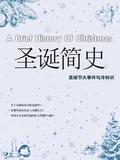 A Brief History of Christmas
5Reads9.1Score—Shelves
A Brief History of Christmas
5Reads9.1Score—Shelves
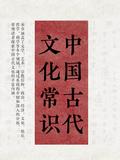 Common Knowledge of Ancient Chinese Culture
130Reads8.6Score—Shelves
Common Knowledge of Ancient Chinese Culture
130Reads8.6Score—Shelves
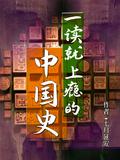 A History of China That Is Addictive Once You Read It
38.2kReads9.5Score6.2kShelves
A History of China That Is Addictive Once You Read It
38.2kReads9.5Score6.2kShelves
 Zeng Guofan's Academic Methods
343Reads9.0Score207Shelves
Zeng Guofan's Academic Methods
343Reads9.0Score207Shelves
 Secret Decoding
4Reads5.8Score—Shelves
Secret Decoding
4Reads5.8Score—Shelves
 A Pair of Red Hands
18.5kReads9.0Score1.8kShelves
A Pair of Red Hands
18.5kReads9.0Score1.8kShelves
 City Young Master Red Dust Sword
200Reads8.5Score—Shelves
City Young Master Red Dust Sword
200Reads8.5Score—Shelves
 A Big Man from Northeast China Lives in 403 of the Female Worker Dormitory
890Reads8.3Score—Shelves
A Big Man from Northeast China Lives in 403 of the Female Worker Dormitory
890Reads8.3Score—Shelves
 A Trace of Red Thread Leads to Immortality
70Reads5.8Score—Shelves
A Trace of Red Thread Leads to Immortality
70Reads5.8Score—Shelves
 I Am Cultivating the Avenue in the Human Classroom
66Reads5.8Score—Shelves
I Am Cultivating the Avenue in the Human Classroom
66Reads5.8Score—Shelves
 Western Trade Route
333Reads5.8Score—Shelves
Western Trade Route
333Reads5.8Score—Shelves
 Restart Your Life with a Few White Moonlights
393Reads5.8Score—Shelves
Restart Your Life with a Few White Moonlights
393Reads5.8Score—Shelves
 I Don't Want This Kind of Rebirth.
224Reads5.8Score—Shelves
I Don't Want This Kind of Rebirth.
224Reads5.8Score—Shelves
 Spring Dream Travels Through Ancient Times I Am the King of Scrolls in Dayin
41Reads5.8Score—Shelves
Spring Dream Travels Through Ancient Times I Am the King of Scrolls in Dayin
41Reads5.8Score—Shelves
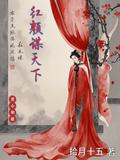 Beauty Seeks the World
37Reads5.8Score—Shelves
Beauty Seeks the World
37Reads5.8Score—Shelves
 The Story of a Beautiful CEO Under the Ginkgo Tree
64Reads8.5Score—Shelves
The Story of a Beautiful CEO Under the Ginkgo Tree
64Reads8.5Score—Shelves
 Original Sin of Kindness
52Reads8.6Score—Shelves
Original Sin of Kindness
52Reads8.6Score—Shelves
 How Did a Girl from a Mountain Village Become a Bad Woman?
67Reads8.5Score—Shelves
How Did a Girl from a Mountain Village Become a Bad Woman?
67Reads8.5Score—Shelves
 Standing at the Crossroads of Destiny
33Reads5.8Score—Shelves
Standing at the Crossroads of Destiny
33Reads5.8Score—Shelves
 Mirror Dream
16Reads—Score—Shelves
Mirror Dream
16Reads—Score—Shelves
 Online Games Reshape Life
10.5kReads9.5Score746Shelves
Online Games Reshape Life
10.5kReads9.5Score746Shelves
 Social Arts of the Ten Gods
53Reads5.8Score—Shelves
Social Arts of the Ten Gods
53Reads5.8Score—Shelves
 White Tiger Tongyi
18Reads8.6Score—Shelves
White Tiger Tongyi
18Reads8.6Score—Shelves
 Feng's Hearing and Seeing Notes
10Reads7.9Score—Shelves
Feng's Hearing and Seeing Notes
10Reads7.9Score—Shelves
 Is That Right? I Am an Assassin from the Tang Dynasty Taking the College Entrance Examination.
207Reads8.1Score—Shelves
Is That Right? I Am an Assassin from the Tang Dynasty Taking the College Entrance Examination.
207Reads8.1Score—Shelves
 The Secret of Earning over 10,000 Yuan in 17 Years
4.9kReads—Score2.1kShelves
The Secret of Earning over 10,000 Yuan in 17 Years
4.9kReads—Score2.1kShelves
 The 99 Women I Love Most in My Life
1Reads5.8Score—Shelves
The 99 Women I Love Most in My Life
1Reads5.8Score—Shelves
 Ma Is a Good Civilization
1Reads—Score—Shelves
Ma Is a Good Civilization
1Reads—Score—Shelves
 Great Wisdom Qu Yuan Tianwen 172 Answers
4Reads5.8Score—Shelves
Great Wisdom Qu Yuan Tianwen 172 Answers
4Reads5.8Score—Shelves
 Unparalleled Secrets: Inspirational Revelations
172Reads5.8Score—Shelves
Unparalleled Secrets: Inspirational Revelations
172Reads5.8Score—Shelves
 Life Lessons from the Sixty-Four Hexagrams of the Book of Changes
4.1kReads—Score826Shelves
Life Lessons from the Sixty-Four Hexagrams of the Book of Changes
4.1kReads—Score826Shelves
 Void Diary! Fragments
4Reads5.8Score—Shelves
Void Diary! Fragments
4Reads5.8Score—Shelves
 In the Void Dharma Realm, It Is Drizzling
121Reads5.8Score—Shelves
In the Void Dharma Realm, It Is Drizzling
121Reads5.8Score—Shelves
 How to Control Dreams
10.3kReads8.9Score2.7kShelves
How to Control Dreams
10.3kReads8.9Score2.7kShelves
 I Debuted When Others Took Action, Focusing on Something Different
125Reads6.7Score—Shelves
I Debuted When Others Took Action, Focusing on Something Different
125Reads6.7Score—Shelves
 Transform Your Life in 30 Days
—Reads5.8Score—Shelves
Transform Your Life in 30 Days
—Reads5.8Score—Shelves
 Wisdom of the I Ching: Open up a New Realm of Life
4Reads5.8Score—Shelves
Wisdom of the I Ching: Open up a New Realm of Life
4Reads5.8Score—Shelves
 All Mankind Awakens
24Reads5.8Score—Shelves
All Mankind Awakens
24Reads5.8Score—Shelves
 Thousands of Forms in the World, Thousands of Human Natures
8Reads5.8Score—Shelves
Thousands of Forms in the World, Thousands of Human Natures
8Reads5.8Score—Shelves
 A Guide to Human Enlightenment and Becoming an Immortal
1.1kReads5.8Score138Shelves
A Guide to Human Enlightenment and Becoming an Immortal
1.1kReads5.8Score138Shelves
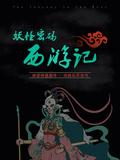 Monster Code: Journey to the West
209Reads9.3Score—Shelves
Monster Code: Journey to the West
209Reads9.3Score—Shelves
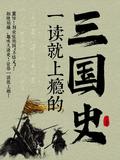 A History of the Three Kingdoms That Will Make You Addicted as Soon as You Read It
1.3kReads9.4Score133Shelves
A History of the Three Kingdoms That Will Make You Addicted as Soon as You Read It
1.3kReads9.4Score133Shelves
 Fortune-Telling by Looking at Incense: the Incense of Life and Death at the Beginning
71Reads5.8Score—Shelves
Fortune-Telling by Looking at Incense: the Incense of Life and Death at the Beginning
71Reads5.8Score—Shelves
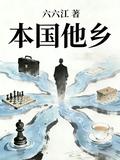 A Foreign Country
66Reads—Score—Shelves
A Foreign Country
66Reads—Score—Shelves