"The Hilarious Detailed Explanation of Linen Physiology" is a book that interprets the ancient physiognomy "Ma Yi Xiangfa" in a humorous way. This book uses light-hearted writing to make the originally mysterious knowledge of physiognomy vivid and interesting, allowing readers to appreciate the mysteries of physiognomy with laughter. The book not only provides a detailed analysis of traditional physiognomy such as face and palm reading, but also incorporates practical skills for recognizing people in modern life and the workplace, allowing readers to learn the wisdom of recognizing people and judging events while being entertained. Whether you are a novice or a fan of physiognomy, you can have fun and gain from this book.
I recommend that it is written by myself. Based on my own experience, it is very authentic. It contains a lot of useful information, including palmistry, facial reading, numerology, plum blossom counting, Qi Men Dun Jia, Six Yao Yao, nameology, talismans, and many other metaphysics. Fans of metaphysics and the I Ching will definitely gain something from reading it.
The 1/6/7 is a work by an author. The plot has ups and downs, and it has a good beginning. I should be hooked after reading it [laughs] The 2/3/4 is written by a good author and is worth recommending.
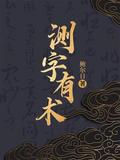
Reason for recommendation: The plot breaks away from common routines such as "system" and "rebirth", and stands out with its solid Feng Shui knowledge and compact suspense narrative. It is worth a try! Prefer hard-core Feng Shui: choose "The King of Feng Shui" and "Qimen Feng Shui Master", which are highly professional and have profound foreshadowing. Pursue novel forms: Choose "Feng Shui Anchor", live interactive + urban suspense, full of fun. If you like the horror atmosphere: choose "Ghost Gate", the ghost game is intertwined with the family curse, and the horror value is full. If you want to read classics for free: choose "The Art of Testing Chinese Characters", which is completely uncensored and has both knowledge and storytelling.
You should read this book. The protagonist Lin Xiaofan was quite unlucky, but he met a yellow-skinned man asking for a title. He refused to speak human words, and opened his mouth to call him his father. He also insisted that the other party was the Supreme Laojun who came down to earth, directly making him hate him.
Lin Feng, a young man who graduated from a major in traditional Chinese medicine, took over the "Feng Shui Medical Clinic" left by his grandfather. He had a solid theory of traditional Chinese medicine and a good knowledge of Feng Shui techniques. He thought he would just stick to the dilapidated shop and drink from the northwest wind, but unexpectedly, he made a name for himself by relying on the "Feng Shui acupuncture technique" passed down from his ancestors. He distinguishes Feng Shui and unblocks meridians, which not only treats the body but also changes fortune; he uses traditional Chinese medicine to consolidate the foundation and Feng Shui to regulate qi, which can forcefully bring out a glimmer of vitality. The human body is regarded as a small world, and Feng Shui is used to adjust the universe. Traditional Chinese medicine diagnoses pulses and diagnoses diseases, and Feng Shui eliminates disasters. In a shabby medical clinic, a young doctor uses "side theories" that are disdainful of Chinese and Western medicine to treat difficult and complicated diseases in the world and solve the world's Feng Shui dilemma.
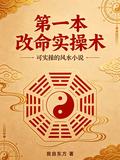
Recommend a super realistic urban feng shui novel! There are no fantasy cheating routines, and the whole process is a real Feng Shui and numerology practice. In line with real urban life, it teaches you step by step how to identify feng shui flaws in your home, and use simple layout adjustments to resolve various fortune problems such as internal strife in the workplace and emotional entanglements. This book covers Feng Shui in all scenarios of residences, shops, and companies, and includes hundreds of practical methods for resolving Feng Shui patterns. The plot is delicate and real, with plenty of interesting information, and the emotional lines are natural and smooth. It not only talks about Feng Shui and changes in luck, but also writes about the ups and downs of urban life, life and destiny. Readers who prefer realistic Feng Shui and real fortune-changing articles on numerology, don't miss it!
Each chapter has a story, close to life and full of rewards. It is a treasure novel worthy of recommendation [already planted][already planted][already planted]
1⃣️Feng shui can also kill people, killing people invisible, causing people to lose their children and grandchildren, and die unexpectedly. Feng shui can also nourish people, making them prosperous, wealthy and prosperous. Feng shui can also nourish corpses. The corpses can be hidden in caves, heavens and blessed places. They can be transformed into immortals and become immortals, ranking among the immortals. You don't have to believe in fate or Feng Shui.
Traditional cultural wisdom: a guide to self-cultivation and morality. In our long history of culture, Confucianism, Taoism, Buddhism, Wang Yangming's philosophy of mind, and Zhang Defen's works, as well as the concept of pursuing the path to immortality, all contain endless wisdom and point us in the direction of self-cultivation and morality and how to behave in the world. 1. Confucianism: advocates "benevolence, righteousness, etiquette, wisdom, and faith." "Filial piety is the first of all virtues", filial piety is the respect and support for parents and elders; friendship and mutual help between brothers and sisters; loyalty to the emperor, patriotism, respect for one's job and love for one's career reflect loyalty; "A person cannot stand without trust", trust is the criterion for living in life; etiquette regulates our behavior and respects teachers and ethics; righteousness allows us to adhere to justice and maintain chastity; integrity requires us to be spotless and upright; shame enables us to distinguish right from wrong and keep the bottom line of being a human being. Everything starts from oneself, guided by Confucianism, and constantly improves oneself. 2. Taoism: It advocates conforming to nature, following the fundamental law "Tao" of all things in the universe, governing by doing nothing, and not imposing interference. It is virtue to uphold a simple and pure nature, have noble moral character, and not fight for benefits. A pure heart, not disturbed by worldly complexities and desires, is pure; keep quiet and peaceful, gain insight into all things in tranquility, and practice physical and mental tranquility; let go of yourself, not be bound by prejudices and inherent concepts, accept the so-called emptiness of the world with an open and tolerant heart; understand the state of "nothing" In the world, let go of the attachment to tangible materials and fame and wealth, and return to the true nature of nothingness; to deal with the world with a gentle and humble attitude, like water, which seems to be weak but contains powerful power, that is, softness; to pursue harmony, to live in harmony with nature and others, and to live in peace without creating conflicts and disputes. 3. Buddhism: To be compassionate, to feel the suffering of all living beings, to give care and help is compassion; to pity the suffering of all living beings, and to help them escape from the sea of suffering is compassion; to rejoice in the happiness and happiness of all living beings, and to be free from jealousy, hatred, and hatred; to give up greed, anger, ignorance, pride, and suspicion, and to let go of the pursuit of worldly desires and obsessions is renunciation; to observe the precepts, Regulate your own behavior and refrain from doing things that harm sentient beings and violate morality; practice meditation, focus on your heart, and not be disturbed by the outside world, so as to gain wisdom and concentration, that is, concentration; open up wisdom, gain insight into the essence of things, and get rid of troubles and confusion as wisdom; understand the true meaning of "emptiness" and understand that everything in the world is illusion, and not being attached to appearances is emptiness. We should not be attached to form on the outside, and we should not be attached to emptiness on the inside. We should have nothing to live in, and our mind should be born. The past cannot be grasped, the present cannot be grasped, and the future cannot be grasped. 4. Wang Yangming's Theory of Mind: Emphasizes that "the heart is reason", the heart is the ontology of all things in the universe, and all moral norms and truths originate from the heart. Conscience is our innate moral judgment and intuitive ability. It can distinguish right from wrong, good and evil, and is the fundamental criterion for being a human being. Through constant self-reflection and practice, we can remove the cover of selfish desires and extend our inner conscience to all things, that is, conscience. Knowledge and action are integrated. Once you have correct cognition, you must put it into action, deepen your cognition in action, and avoid empty talk. This is the unity of knowledge and action. Make your thoughts sincere, do not deceive yourself, be pure in heart, and be sincere; care for the people, actively participate in society, and benefit the people with practical actions; explore the principles of nature in specific things, and improve yourself through understanding and practice of things; establish lofty aspirations, clarify life goals, and make unremitting efforts to realize your ideals. 5. Zhang Defen's works: In "Meeting the Unknown Self", he advocates inner tranquility and far-reaching, abandoning impetuous and troubled silence; constant self-reflection, insight into inner thoughts; understanding the true meaning of life, and understanding the wisdom of life; letting go of unnecessary burdens and liberating the shackles of the soul; loving kindness and kindness in the heart, the love that warms all things in the world; harmonizing the body and mind, accepting the harmony of the complete self; awakening inner awareness, insight into the truth of life, and exploring everything from the heart. "Meet Your Dreams Come True" encourages us to have beautiful dreams and illuminate the way forward; to set firm aspirations and anchor the goals we strive for; to work diligently and accumulate the capital for success; to be brave enough to innovate and break through the limitations of thinking; to persevere and persevere without fear of hardships and obstacles; to be good at seizing opportunities and keenly discerning the goodness of opportunities; to plan actions rationally, promote the integration of dreams in an orderly manner, and realize dreams starting from the present. "Live a New Self" inspires us to bravely challenge ourselves and break through the boundaries of comfort; actively embrace change and welcome new possible changes; continue to learn and grow to improve our own quality; decisively let go of the past and say goodbye to old patterns; maintain an optimistic attitude and laugh at the ups and downs of life; pay attention to physical and mental health and consolidate the foundation of life; stick to your true self and show your unique style. Everything starts with change. 6. Pursuing the path to immortality: pay attention to quietness to cultivate one's self, stay away from the hustle and bustle of the world, and clarify the heart; be kind-hearted, have compassion and love in the heart, and build good relationships; understand the principles of heaven, have insight into all phenomena in the world, and have a clear mind and nature; be humble in life, neither arrogant nor impetuous nor discouraged, and be open-minded; and Live in harmony, be one with all things, and conform to nature; be patient and restrained, tolerate things that are difficult to tolerate, and cultivate an open-minded mind; be willing to let go, put aside fame and wealth, and get rid of the fetters; practice diligently, improve your own skills, and practice the path of seeking the Tao from the moment. These precious cultural treasures guide us on the road of life to continuously improve ourselves, cultivate moral character, face various challenges in life with a positive and healthy attitude and behavior, realize the value of life, and gain inner peace and happiness. I hope everyone can draw strength from it and let the wisdom of traditional culture shine in our lives. We also welcome sharing this wisdom with more people in need.
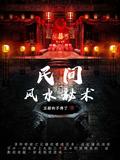
A young boy lost his mother when he was young, and his father mysteriously disappeared leaving only an ancient book on Feng Shui. Five years later, his sister suddenly encountered a strange illness and vomited hair, which turned out to be evil. In order to save his sister, he could only listen to his father's last words and find a mysterious blind man. However, he was asked to go to a haunted house late at night to steal an ink fountain, and stepped into a shocking Feng Shui bureau.
 Skilled in Measuring Characters
206.7kReads9.6Score68.2kShelves
Skilled in Measuring Characters
206.7kReads9.6Score68.2kShelves
 Real Life Record
620.7kReads9.6Score121.3kShelves
Real Life Record
620.7kReads9.6Score121.3kShelves
 The First Practical Book on Life-Changing Techniques
214.4kReads5.8Score38.2kShelves
The First Practical Book on Life-Changing Techniques
214.4kReads5.8Score38.2kShelves
 Folk Feng Shui Secrets
14.3kReads9.4Score2.1kShelves
Folk Feng Shui Secrets
14.3kReads9.4Score2.1kShelves
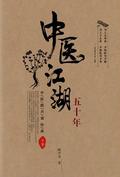 Fifty Years of Chinese Medicine
7.9kReads9.5Score1.7kShelves
Fifty Years of Chinese Medicine
7.9kReads9.5Score1.7kShelves
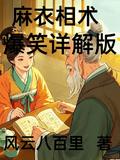 Hilarious Detailed Explanation of the Art of Physiognomy in Mai
37Reads5.8Score—Shelves
Hilarious Detailed Explanation of the Art of Physiognomy in Mai
37Reads5.8Score—Shelves
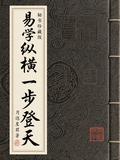 Yi Xue Ascends to the Sky in One Step
9.2kReads8.8Score2.1kShelves
Yi Xue Ascends to the Sky in One Step
9.2kReads8.8Score2.1kShelves
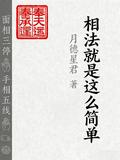 Phraseography Is That Simple
242Reads5.8Score—Shelves
Phraseography Is That Simple
242Reads5.8Score—Shelves
 Destiny
217.4kReads9.2Score24.8kShelves
Destiny
217.4kReads9.2Score24.8kShelves
 Learn the Secrets of Feng Shui from Scratch
3.7kReads6.9Score791Shelves
Learn the Secrets of Feng Shui from Scratch
3.7kReads6.9Score791Shelves
 Taoist Medical Clinic Notes
195.4kReads9.5Score56.8kShelves
Taoist Medical Clinic Notes
195.4kReads9.5Score56.8kShelves
 Destiny Opens the Door to Wisdom
9.1kReads9.0Score1.3kShelves
Destiny Opens the Door to Wisdom
9.1kReads9.0Score1.3kShelves
 I Am the Strongest in Chinese Metaphysics
40.2kReads8.4Score1.9kShelves
I Am the Strongest in Chinese Metaphysics
40.2kReads8.4Score1.9kShelves
 Fake Taoist Priest Goes Down the Mountain
57Reads5.8Score—Shelves
Fake Taoist Priest Goes Down the Mountain
57Reads5.8Score—Shelves
 Lifelike
189.9kReads9.5Score30.8kShelves
Lifelike
189.9kReads9.5Score30.8kShelves
 I Was Forcefully Kissed by the Female CEO at the Beginning, Please Let Me Go
11.9kReads9.1Score1.2kShelves
I Was Forcefully Kissed by the Female CEO at the Beginning, Please Let Me Go
11.9kReads9.1Score1.2kShelves
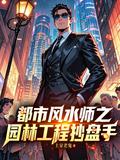 Urban Garden Feng Shui Master
596Reads6.7Score—Shelves
Urban Garden Feng Shui Master
596Reads6.7Score—Shelves
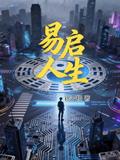 Yi Qisheng
59Reads—Score—Shelves
Yi Qisheng
59Reads—Score—Shelves
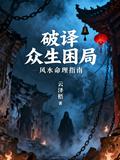 Deciphering the Dilemma of All Beings: a Feng Shui Numerology Guide
238Reads—Score129Shelves
Deciphering the Dilemma of All Beings: a Feng Shui Numerology Guide
238Reads—Score129Shelves
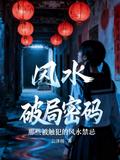 The Password to Break the Situation: Those Feng Shui Taboos That Have Been Violated
15Reads—Score—Shelves
The Password to Break the Situation: Those Feng Shui Taboos That Have Been Violated
15Reads—Score—Shelves
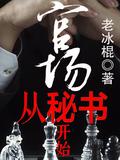 Officialdom Starts with the Secretary
383.8kReads9.2Score25.4kShelves
Officialdom Starts with the Secretary
383.8kReads9.2Score25.4kShelves
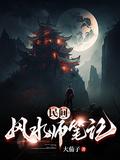 Notes of Folk Feng Shui Masters
256kReads9.1Score40.7kShelves
Notes of Folk Feng Shui Masters
256kReads9.1Score40.7kShelves
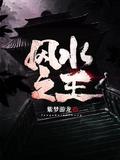 King of Feng Shui
784.4kReads9.4Score58.1kShelves
King of Feng Shui
784.4kReads9.4Score58.1kShelves
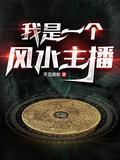 I Am a Feng Shui Anchor
2Reads—Score—Shelves
I Am a Feng Shui Anchor
2Reads—Score—Shelves
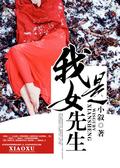 I Am a Female Gentleman
18kReads9.4Score2.7kShelves
I Am a Female Gentleman
18kReads9.4Score2.7kShelves
 Fate-Changing Book: Counterattack Code
6Reads5.8Score—Shelves
Fate-Changing Book: Counterattack Code
6Reads5.8Score—Shelves
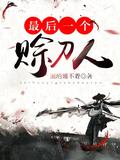 The Last Credit Card Holder
66.8kReads9.2Score8.1kShelves
The Last Credit Card Holder
66.8kReads9.2Score8.1kShelves
 Lucky Feng Shui
199Reads—Score—Shelves
Lucky Feng Shui
199Reads—Score—Shelves
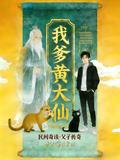 My Father Wong Tai Sin
54Reads—Score—Shelves
My Father Wong Tai Sin
54Reads—Score—Shelves
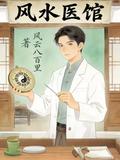 Feng Shui Medical Clinic
429Reads5.8Score102Shelves
Feng Shui Medical Clinic
429Reads5.8Score102Shelves
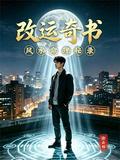 Stealing Secrets: My Feng Shui Fortune-Telling Skills Are Worth Trillions
29.7kReads8.6Score4.4kShelves
Stealing Secrets: My Feng Shui Fortune-Telling Skills Are Worth Trillions
29.7kReads8.6Score4.4kShelves
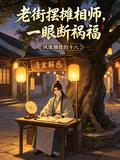 The Fortune Teller Who Sets up a Stall in the Old Street Can Tell the Difference Between Misfortune and Fortune at a Glance
397Reads—Score105Shelves
The Fortune Teller Who Sets up a Stall in the Old Street Can Tell the Difference Between Misfortune and Fortune at a Glance
397Reads—Score105Shelves
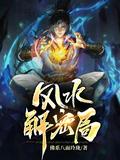 Feng Shui Decryption Bureau
20Reads6.3Score—Shelves
Feng Shui Decryption Bureau
20Reads6.3Score—Shelves
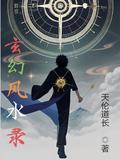 Metaphysics and Feng Shui
114Reads—Score—Shelves
Metaphysics and Feng Shui
114Reads—Score—Shelves
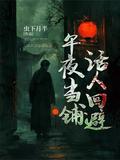 Midnight Pawn Shop, the Living People Avoid It
243.7kReads9.4Score19.2kShelves
Midnight Pawn Shop, the Living People Avoid It
243.7kReads9.4Score19.2kShelves
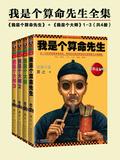 I Am a Fortune Teller (All Four Volumes)
10.1kReads9.6Score2.1kShelves
I Am a Fortune Teller (All Four Volumes)
10.1kReads9.6Score2.1kShelves
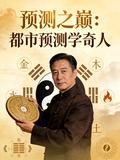 The Peak of Forecasting: a Strange Man in Urban Forecasting
5Reads5.8Score—Shelves
The Peak of Forecasting: a Strange Man in Urban Forecasting
5Reads5.8Score—Shelves
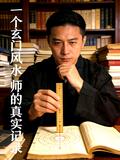 The True Record of a Taoist Feng Shui Master
3Reads5.8Score—Shelves
The True Record of a Taoist Feng Shui Master
3Reads5.8Score—Shelves
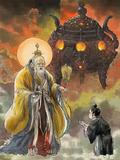 Taishang Laojun's Taoist Heart Is True
1.8kReads6.7Score427Shelves
Taishang Laojun's Taoist Heart Is True
1.8kReads6.7Score427Shelves
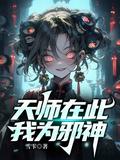 The Heavenly Master Is Here, I Am the Evil God
—Reads5.8Score—Shelves
The Heavenly Master Is Here, I Am the Evil God
—Reads5.8Score—Shelves
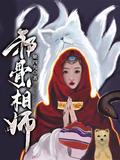 Evil Bone Physiognomist
6.4kReads9.3Score762Shelves
Evil Bone Physiognomist
6.4kReads9.3Score762Shelves
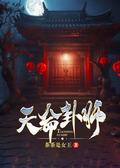 Tianming Divination Master
16kReads8.5Score1.5kShelves
Tianming Divination Master
16kReads8.5Score1.5kShelves
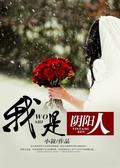 I'm Intersex
46.5kReads9.3Score4.9kShelves
I'm Intersex
46.5kReads9.3Score4.9kShelves
 A Guide to Human Enlightenment and Becoming an Immortal
1.2kReads5.8Score129Shelves
A Guide to Human Enlightenment and Becoming an Immortal
1.2kReads5.8Score129Shelves
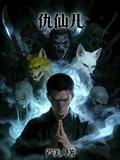 Qiu Xian'er
99Reads—Score—Shelves
Qiu Xian'er
99Reads—Score—Shelves
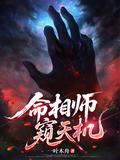 Fortune Teller Peeks into the Sky
17.7kReads9.0Score1.7kShelves
Fortune Teller Peeks into the Sky
17.7kReads9.0Score1.7kShelves
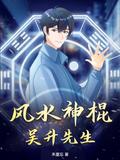 Feng Shui Master Mr. Wu Sheng
1Reads—Score—Shelves
Feng Shui Master Mr. Wu Sheng
1Reads—Score—Shelves
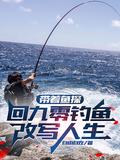 Take the Fish to Explore and Go Fishing in Jiu0 to Rewrite Your Life
2.4kReads8.2Score173Shelves
Take the Fish to Explore and Go Fishing in Jiu0 to Rewrite Your Life
2.4kReads8.2Score173Shelves
 City: Divination Master
378Reads8.0Score103Shelves
City: Divination Master
378Reads8.0Score103Shelves
 Destiny
3.5kReads7.5Score591Shelves
Destiny
3.5kReads7.5Score591Shelves