The Siheyuan Divine Book Will Not Accept Any Refutation.
- Views
- 9.5M
- Books
- 344
- Recommendations
- 352
- Updated
- 1d ago
I want to read books like "The Awakening System: Enjoying Life in the Siheyuan". Only recommend one book
In this list
353 books · page 2 of 8
-
48
四
 Siheyuan: Many Children and Many Blessings Have Been Invincible Since I Married Chen Xueru!
Ruthless Code Word Kun744k Wordscompleted
4.1kReads5.8Score220Shelves
Siheyuan: Many Children and Many Blessings Have Been Invincible Since I Married Chen Xueru!
Ruthless Code Word Kun744k Wordscompleted
4.1kReads5.8Score220Shelves
Reader note
Look at each other
-
49
四
 Siheyuan: Shazhu Is Finally Happy
Brother Jing1.1M Wordscompleted
25.7kReads8.1Score1.1kShelves
Siheyuan: Shazhu Is Finally Happy
Brother Jing1.1M Wordscompleted
25.7kReads8.1Score1.1kShelves
Reader note
The Siheyuan Crossing the Silly Pillar written by me has rigorous logic, warmth, and the pleasure of revenge. Each chapter is 3,000 words. You can add it to your bookshelf to gain weight and read it again. The original title of the book (Siheyuan: I became a Silly Pillar but I am not stupid)
-
50
四
Siheyuan: Yi Zhonghai Was Torn Apart and Forced to Pay 6,000 Yuan Qingshan Woodcutter720k Wordsongoing 89.6kReads5.1Score5.6kShelves
Reader note
Very good, Siheyuan
-
51
四
 Siheyuan: a Good Life Earned
One Meter of Light4.1M Wordsongoing
34.5kReads7.3Score1.9kShelves
Siheyuan: a Good Life Earned
One Meter of Light4.1M Wordsongoing
34.5kReads7.3Score1.9kShelves
Reader note
All of them are Siheyuan cool articles! ! !
-
52
我
 I Live in a Courtyard, and Animals Are Just Vegetables!
The Fat Man Who Can't Fly 07082.6M Wordscompleted
28.7kReads7.7Score1.3kShelves
I Live in a Courtyard, and Animals Are Just Vegetables!
The Fat Man Who Can't Fly 07082.6M Wordscompleted
28.7kReads7.7Score1.3kShelves
Reader note
All of them are Siheyuan cool articles! ! !
-
53
四
 Siheyuan: My Years in the Security Office
All Living Beings Are Written Under the Pen1.9M Wordscompleted
39.8kReads8.3Score2kShelves
Siheyuan: My Years in the Security Office
All Living Beings Are Written Under the Pen1.9M Wordscompleted
39.8kReads8.3Score2kShelves
Reader note
All of them are Siheyuan cool articles! ! !
-
54
四
 My System in Siheyuan Is Very Powerful
Nancheng Xiaomo1.7M Wordscompleted
59.8kReads8.6Score3.3kShelves
My System in Siheyuan Is Very Powerful
Nancheng Xiaomo1.7M Wordscompleted
59.8kReads8.6Score3.3kShelves
Reader note
All of them are Siheyuan cool articles! ! !
-
55
四
 Siheyuan: This Time I, Damao, Am the Protagonist
Fly a Big Plane1.0M Wordscompleted
22.7kReads7.1Score1.3kShelves
Siheyuan: This Time I, Damao, Am the Protagonist
Fly a Big Plane1.0M Wordscompleted
22.7kReads7.1Score1.3kShelves
Reader note
This is not a divine book, but I can still read it.
-
56
四
 Siheyuan: I Loved Fighting Injustices in 1960
Fly a Big Plane1.2M Wordscompleted
27.7kReads8.2Score1.2kShelves
Siheyuan: I Loved Fighting Injustices in 1960
Fly a Big Plane1.2M Wordscompleted
27.7kReads8.2Score1.2kShelves
Reader note
This is not a divine book, but I can still read it.
-
57
四
 Siheyuan: the Soul of a Junk Guy Travels Through 60 Years
Fly a Big Plane622k Wordscompleted
11.6kReads8.9Score489Shelves
Siheyuan: the Soul of a Junk Guy Travels Through 60 Years
Fly a Big Plane622k Wordscompleted
11.6kReads8.9Score489Shelves
Reader note
This is not a divine book, but I can still read it.
-
58
四
 Siheyuan: I Have a Universe
Fly a Big Plane552k Wordscompleted
3.7kReads8.7Score155Shelves
Siheyuan: I Have a Universe
Fly a Big Plane552k Wordscompleted
3.7kReads8.7Score155Shelves
Reader note
This is not a divine book, but I can still read it.
-
59
四
 Siheyuan: the God of Death Arrives
Fly a Big Plane1.1M Wordscompleted
10.6kReads8.5Score547Shelves
Siheyuan: the God of Death Arrives
Fly a Big Plane1.1M Wordscompleted
10.6kReads8.5Score547Shelves
Reader note
This is not a divine book, but I can still read it.
-
60
四
 Siheyuan: I Don't Want People, I Just Want Lives
Fly a Big Plane1.1M Wordscompleted
39.2kReads8.0Score2.1kShelves
Siheyuan: I Don't Want People, I Just Want Lives
Fly a Big Plane1.1M Wordscompleted
39.2kReads8.0Score2.1kShelves
Reader note
This is not a divine book, but I can still read it.
-
61
四
 Siheyuan Baibaoshan Enjoys the Hard Times
Fly a Big Plane1.2M Wordscompleted
13.3kReads8.6Score538Shelves
Siheyuan Baibaoshan Enjoys the Hard Times
Fly a Big Plane1.2M Wordscompleted
13.3kReads8.6Score538Shelves
Reader note
This is not a divine book, but I can still read it.
-
62
四
 The Dashing Family Heir to the Siheyuan
Fly a Big Plane1.1M Wordscompleted
16.8kReads6.9Score656Shelves
The Dashing Family Heir to the Siheyuan
Fly a Big Plane1.1M Wordscompleted
16.8kReads6.9Score656Shelves
Reader note
This is not a divine book, but I can still read it.
-
63
年
 Era: Fight Through the Courtyard at the Beginning and Travel to the Great Northern Wilderness
Fly a Big Plane1.1M Wordscompleted
20.6kReads8.8Score1.2kShelves
Era: Fight Through the Courtyard at the Beginning and Travel to the Great Northern Wilderness
Fly a Big Plane1.1M Wordscompleted
20.6kReads8.8Score1.2kShelves
Reader note
This is not a divine book, but I can still read it.
-
64
四
 Siheyuan: Don't Do It! We Are Serious Doctors!
Kumquat Lemon Tea Tea Tea2.5M Wordsongoing
37kReads7.6Score2.4kShelves
Siheyuan: Don't Do It! We Are Serious Doctors!
Kumquat Lemon Tea Tea Tea2.5M Wordsongoing
37kReads7.6Score2.4kShelves
Reader note
Very good, I can see my skills in traditional Chinese medicine
-
65
四
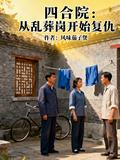 Siheyuan: Revenge Begins from the Mass Graves
Flavored Eggplant Stew1.2M Wordscompleted
28.7kReads8.9Score1.5kShelves
Siheyuan: Revenge Begins from the Mass Graves
Flavored Eggplant Stew1.2M Wordscompleted
28.7kReads8.9Score1.5kShelves
Reader note
Readers are welcome to visit, guide and comment [what]
-
66
四
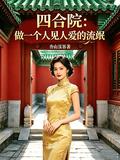 Siheyuan: Be a Gangster That Everyone Loves
Xiangshan Xike1.3M Wordsongoing
32.9kReads8.7Score1.7kShelves
Siheyuan: Be a Gangster That Everyone Loves
Xiangshan Xike1.3M Wordsongoing
32.9kReads8.7Score1.7kShelves
Reader note
Readers are welcome to visit, guide and comment [what]
-
67
四
Siheyuan: He Yuzhu's Sober Life Author Kung Pao Chicken1.1M Wordsongoing 32.9kReads8.6Score1.7kShelves
Reader note
Readers are welcome to visit, guide and comment [what]
-
68
四
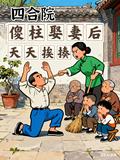 Siheyuan, Silly Zhu Gets Beaten Every Day After Getting Married
The Last Jujube on the Branch in Cold Winter321k Wordscompleted
35.2kReads8.2Score1.6kShelves
Siheyuan, Silly Zhu Gets Beaten Every Day After Getting Married
The Last Jujube on the Branch in Cold Winter321k Wordscompleted
35.2kReads8.2Score1.6kShelves
Reader note
The clear flow of the courtyard has no limits, no beatings, no letters of understanding,
-
69
四
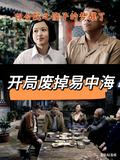 The Fool's Dream in the Siheyuan Has Awakened
The Last Jujube on the Branch in Cold Winter305k Wordscompleted
19.2kReads8.0Score707Shelves
The Fool's Dream in the Siheyuan Has Awakened
The Last Jujube on the Branch in Cold Winter305k Wordscompleted
19.2kReads8.0Score707Shelves
Reader note
The clear flow of the courtyard has no limits, no beatings, no letters of understanding,
-
70
四
 Siheyuan: Everyone Stands up and Salutes Godfather
Ten Years of Lingering Dreams496k Wordscompleted
26.1kReads9.2Score1.2kShelves
Siheyuan: Everyone Stands up and Salutes Godfather
Ten Years of Lingering Dreams496k Wordscompleted
26.1kReads9.2Score1.2kShelves
Reader note
The male protagonist without any shortcomings, are you kidnapping me morally? Sorry, I am a descendant of martyrs, the most outstanding young man in Tongluoguxiang (later an outstanding middle-aged man [laughing evilly]), and his backing is beyond your imagination.
-
71
四
 Old Han Jia Cannon in the Siheyuan
Laugh, Laugh, Don't Say Anything1.5M Wordscompleted
42.8kReads7.7Score3.6kShelves
Old Han Jia Cannon in the Siheyuan
Laugh, Laugh, Don't Say Anything1.5M Wordscompleted
42.8kReads7.7Score3.6kShelves
-
72
四
 Qin Huairu of the Siheyuan, Please Respect Yourself
Laugh, Laugh, Don't Say Anything545k Wordscompleted
2.2kReads5.9Score143Shelves
Qin Huairu of the Siheyuan, Please Respect Yourself
Laugh, Laugh, Don't Say Anything545k Wordscompleted
2.2kReads5.9Score143Shelves
-
73
四
 Qin Huairu and Yu Li Are Both My Tenants in the Courtyard House
Laugh, Laugh, Don't Say Anything345k Wordscompleted
1.8kReads6.0Score129Shelves
Qin Huairu and Yu Li Are Both My Tenants in the Courtyard House
Laugh, Laugh, Don't Say Anything345k Wordscompleted
1.8kReads6.0Score129Shelves
-
74
四
 Sister-In-Law Qin Huairu of Siheyuan
Laugh, Laugh, Don't Say Anything714k Wordscompleted
3.6kReads5.8Score165Shelves
Sister-In-Law Qin Huairu of Siheyuan
Laugh, Laugh, Don't Say Anything714k Wordscompleted
3.6kReads5.8Score165Shelves
-
75
四
In the Beginning of Siheyuan, We Won Director Wang and Director Zhang. Uncle from Hunan School608k Wordsongoing 72.4kReads6.2Score3.9kShelves
Reader note
The most ruthless blockbuster Siheyuan is coming, with more than 100,000 words going straight to more than 300,000 students. Unwilling to fight, he leads 300 tribesmen into Nanluogu Alley at the beginning, overthrows Director Wang and Director Zhang, attacks the Yang faction with all his strength, and gets 200,000 kilograms of food for the whole village in the year of disaster. He attacks violently and ends up dying.
-
76
四
 The Widow and I Are Inseparable from Each Other in the Siheyuan
Anxious House Sparrow72k Wordsongoing
839Reads5.8Score—Shelves
The Widow and I Are Inseparable from Each Other in the Siheyuan
Anxious House Sparrow72k Wordsongoing
839Reads5.8Score—Shelves
Reader note
The protagonist is Silly Zhu, cutting off the pension group at the beginning, not poking fun at people, killing birds and abusing them, no letter of understanding, new, new, new routines
-
77
四
Siheyuan: Why Bother with Him? He Really Dares to Kill People Spy Fisherman1.3M Wordscompleted 12.7kReads7.8Score725Shelves
Reader note
Two very nice books! In order to find his daughter, he fought all the way from Siheyuan to Xiangjiang. The protagonist is Lao Mo, the number one killer in Jinghai. He is extremely arrogant and cold-hearted. He is ruthless and doesn't say much, but he kills without blinking an eye. The beasts were killed until they heard the news, and their expressions changed in silence. People who have read it say it is so satisfying. If you don't believe it, you can read the book reviews first before jumping in.
-
78
四
 Siheyuan: Kill, Kill, Kill Until All the Birds Are Extinct!
Sun Moon Star Rabbit1.2M Wordsongoing
32.3kReads7.6Score2.1kShelves
Siheyuan: Kill, Kill, Kill Until All the Birds Are Extinct!
Sun Moon Star Rabbit1.2M Wordsongoing
32.3kReads7.6Score2.1kShelves
Reader note
After trying this top article, I have already broken out of the courtyard and reached the steel rolling mill.
-
79
四
 Siheyuan: After Being Struck by Lightning, I Can Travel Between the Two Worlds
Swim Forward2.4M Wordscompleted
17.9kReads8.2Score1kShelves
Siheyuan: After Being Struck by Lightning, I Can Travel Between the Two Worlds
Swim Forward2.4M Wordscompleted
17.9kReads8.2Score1kShelves
Reader note
"Siheyuan: After Being Struck by Lightning, I Can Travel Between Two Worlds" breaks out of the "house fighting" framework of traditional Siheyuan novels, and takes "travel between two worlds + resource plunder" as the core excitement, allowing the protagonist Wang Yu to freely switch between the 1959 Siheyuan and the mysterious other world, using modern thinking and resources from the other world to play with the special era, and staged a hard-core counterattack of "freedom to eat meat + crushing with force". The beginning of time travel: lightning strikes awakens the two gates, and the food desert turns into paradise. The protagonist Wang Yu encounters "survival hell" when he travels through time: In 1959, the courtyard house was experiencing a food shortage, and the seven members of the family relied on wild vegetables to satisfy their hunger. The Jia Zhang family next door was still thinking about eating meat. But a lightning strike accidentally activates the "Light Gate" in his mind, connecting him to a different world in the virgin forest, instantly reversing the situation. During his first time travel, he hunted the one-horned rabbit and brought back 30 kilograms of barbecued meat, giving his family a long-lost taste of meat. The author uses details such as "the smell of barbecue makes the neighbors jealous" and "Jia Zhang's family scolding the street and begging for food" to strongly contrast the hunger of the era with the protagonist's sense of satisfaction, especially the panic of the mother Chen Chunhua who mistakenly believes that the meat is "stolen", which further highlights the reality of human nature under the scarcity of resources. Different world setting: The primeval forest hides mysteries, and the time difference allows for "resource plug-ins". The different world is shaped into a "treasury of primitive creatures": a one-horned rabbit the size of a wolf dog, a spur bird with a wingspan of more than ten meters, a three-meter-long pig-headed griffin, and even a giant snake entrenched in a big tree. Danger and opportunity coexist. The "time difference" setting of the Light Gate (4 hours in another world = 20 minutes in reality) is a stroke of genius, allowing Wang Yu to "work during the day and hunt beasts at night" and accumulate resources efficiently. He used the powerful power of Bajiquan to hunt exotic beasts, wrapped meat in leaves to avoid censorship, and even planned to "get guns" in the black market to increase his combat power, and used the "resources from another world - realizing reality" routine to become a success. Group Portraits of the Siheyuan: Warmth and Calculation in the Fireworks. The novel's depiction of the Siheyuan is full of the texture of the times: the eldest brother Yi Zhonghai is fair in dealing with things but hides moral kidnapping; the third eldest brother Yan Bu Guai loves to take advantage of others; Jia and Zhang's "shrew-style survival" is astonishing; while the Wang family's "low-key martial arts training + unity to protect food" has become a breath of fresh air. The author uses plots such as "the entire hospital meets to buy food" and "black market trading secret codes" to show the delicate balance between neighbors in a special era - they both hold together for warmth, but also make their own calculations. Wang Yu's family has a good relationship with Uncle Zhou's traditional Chinese medicine family, and their "tacit understanding of martial arts" with Sha Zhu adds a touch of warmth to the cold competition for survival. Plot rhythm: Seamless switching between combat, development, and daily life. The author is good at switching between "intense hunting" and "daily survival": in the first chapter, Wang Yu climbed a tree to roast rabbits and avoid giant snakes in a different world. In the next chapter, he returned to the courtyard to deal with Jia Zhang's unreasonable troubles; he had just used force to scare Xiaoxiao in the black market, and he had to learn welding technology from his father in the factory. This kind of "combining dynamic and static" narrative not only satisfies readers' expectations for "adventure in another world", but also retains the pyrotechnics of life in the courtyard theme. In particular, Wang Yu uses meat from another world to "reverse poverty alleviation" in his hometown in the countryside, which not only echoes the historical background, but also lays the groundwork for the "expansion of family power" for the subsequent plot. The core of the theme: using "plug-ins" to deconstruct dilemmas, hiding a gentle deconstruction of the times. On the surface, this is a cool article about "relying on system cheats to counterattack", but in fact it hides a profound insight into a special era. The essence of Wang Yu's shuttle between the two worlds is to use "surreal means" to solve "realistic dilemmas" - when food rationing and the ticket system restrict survival, the other world becomes a "green channel" to break the rules; when neighbor calculations and moral kidnapping are everywhere, Bajiquan and the resources of the other world become the strongest voice. This setting not only makes readers feel happy, but also implicitly pays tribute to "survival in desperate situations" - as Wang Yu's father Wang Bao said: "In these days, what you can get to eat is your ability." "Siheyuan: After I was struck by lightning, I can travel between two worlds" redefines the Siheyuan novel with "imaginative setting + hard-core survival", allowing readers to feel the thrill of traveling between two worlds while also getting a glimpse of the tenacity and wisdom of ordinary people in special times. If you are tired of the "intrigue" of traditional courtyard houses and want to see how the protagonist uses "other world resources" to overcome the predicament of the times, this work will definitely refresh your mind - after all, when others are still worrying about half a catty of food, Wang Yu's barbecue grill is already standing up. This is the real "dimensionality reduction strike"!
-
80
重
 Rebirth of the Siheyuan: Starting from the Escape from Famine in 1942
Dashan Doesn't Drink Alcohol618k Wordscompleted
30.2kReads8.2Score1kShelves
Rebirth of the Siheyuan: Starting from the Escape from Famine in 1942
Dashan Doesn't Drink Alcohol618k Wordscompleted
30.2kReads8.2Score1kShelves
Reader note
"Siheyuan: After Being Struck by Lightning, I Can Travel Between Two Worlds" breaks out of the "house fighting" framework of traditional Siheyuan novels, and takes "travel between two worlds + resource plunder" as the core excitement, allowing the protagonist Wang Yu to freely switch between the 1959 Siheyuan and the mysterious other world, using modern thinking and resources from the other world to play with the special era, and staged a hard-core counterattack of "freedom to eat meat + crushing with force". The beginning of time travel: lightning strikes awakens the two gates, and the food desert turns into paradise. The protagonist Wang Yu encounters "survival hell" when he travels through time: In 1959, the courtyard house was experiencing a food shortage, and the seven members of the family relied on wild vegetables to satisfy their hunger. The Jia Zhang family next door was still thinking about eating meat. But a lightning strike accidentally activates the "Light Gate" in his mind, connecting him to a different world in the virgin forest, instantly reversing the situation. During his first time travel, he hunted the one-horned rabbit and brought back 30 kilograms of barbecued meat, giving his family a long-lost taste of meat. The author uses details such as "the smell of barbecue makes the neighbors jealous" and "Jia Zhang's family scolding the street and begging for food" to strongly contrast the hunger of the era with the protagonist's sense of satisfaction, especially the panic of the mother Chen Chunhua who mistakenly believes that the meat is "stolen", which further highlights the reality of human nature under the scarcity of resources. Different world setting: The primeval forest hides mysteries, and the time difference allows for "resource plug-ins". The different world is shaped into a "treasury of primitive creatures": a one-horned rabbit the size of a wolf dog, a spur bird with a wingspan of more than ten meters, a three-meter-long pig-headed griffin, and even a giant snake entrenched in a big tree. Danger and opportunity coexist. The "time difference" setting of the Light Gate (4 hours in another world = 20 minutes in reality) is a stroke of genius, allowing Wang Yu to "work during the day and hunt beasts at night" and accumulate resources efficiently. He used the powerful power of Bajiquan to hunt exotic beasts, wrapped meat in leaves to avoid censorship, and even planned to "get guns" in the black market to increase his combat power, and used the "resources from another world - realizing reality" routine to become a success. Group Portraits of the Siheyuan: Warmth and Calculation in the Fireworks. The novel's depiction of the Siheyuan is full of the texture of the times: the eldest brother Yi Zhonghai is fair in dealing with things but hides moral kidnapping; the third eldest brother Yan Bu Guai loves to take advantage of others; Jia and Zhang's "shrew-style survival" is astonishing; while the Wang family's "low-key martial arts training + unity to protect food" has become a breath of fresh air. The author uses plots such as "the entire hospital meets to buy food" and "black market trading secret codes" to show the delicate balance between neighbors in a special era - they both hold together for warmth, but also make their own calculations. Wang Yu's family has a good relationship with Uncle Zhou's traditional Chinese medicine family, and their "tacit understanding of martial arts" with Sha Zhu adds a touch of warmth to the cold competition for survival. Plot rhythm: Seamless switching between combat, development, and daily life. The author is good at switching between "intense hunting" and "daily survival": in the first chapter, Wang Yu climbed a tree to roast rabbits and avoid giant snakes in a different world. In the next chapter, he returned to the courtyard to deal with Jia Zhang's unreasonable troubles; he had just used force to scare Xiaoxiao in the black market, and he had to learn welding technology from his father in the factory. This kind of "combining dynamic and static" narrative not only satisfies readers' expectations for "adventure in another world", but also retains the pyrotechnics of life in the courtyard theme. In particular, Wang Yu uses meat from another world to "reverse poverty alleviation" in his hometown in the countryside, which not only echoes the historical background, but also lays the groundwork for the "expansion of family power" for the subsequent plot. The core of the theme: using "plug-ins" to deconstruct dilemmas, hiding a gentle deconstruction of the times. On the surface, this is a cool article about "relying on system cheats to counterattack", but in fact it hides a profound insight into a special era. The essence of Wang Yu's shuttle between the two worlds is to use "surreal means" to solve "realistic dilemmas" - when food rationing and the ticket system restrict survival, the other world becomes a "green channel" to break the rules; when neighbor calculations and moral kidnapping are everywhere, Bajiquan and the resources of the other world become the strongest voice. This setting not only makes readers feel happy, but also implicitly pays tribute to "survival in desperate situations" - as Wang Yu's father Wang Bao said: "In these days, what you can get to eat is your ability." "Siheyuan: After I was struck by lightning, I can travel between two worlds" redefines the Siheyuan novel with "imaginative setting + hard-core survival", allowing readers to feel the thrill of traveling between two worlds while also getting a glimpse of the tenacity and wisdom of ordinary people in special times. If you are tired of the "intrigue" of traditional courtyard houses and want to see how the protagonist uses "other world resources" to overcome the predicament of the times, this work will definitely refresh your mind - after all, when others are still worrying about half a catty of food, Wang Yu's barbecue grill is already standing up. This is the real "dimensionality reduction strike"!
-
81
徒
 The Disciple Was Too Ambitious and Rebelled Against the Teaching, and He Became the Emperor.
Drunken by Wind and SmokeEastern Fantasy1.5M Wordscompleted
27kReads8.9Score2.8kShelves
The Disciple Was Too Ambitious and Rebelled Against the Teaching, and He Became the Emperor.
Drunken by Wind and SmokeEastern Fantasy1.5M Wordscompleted
27kReads8.9Score2.8kShelves
Reader note
"Siheyuan: After Being Struck by Lightning, I Can Travel Between Two Worlds" breaks out of the "house fighting" framework of traditional Siheyuan novels, and takes "travel between two worlds + resource plunder" as the core excitement, allowing the protagonist Wang Yu to freely switch between the 1959 Siheyuan and the mysterious other world, using modern thinking and resources from the other world to play with the special era, and staged a hard-core counterattack of "freedom to eat meat + crushing with force". The beginning of time travel: lightning strikes awakens the two gates, and the food desert turns into paradise. The protagonist Wang Yu encounters "survival hell" when he travels through time: In 1959, the courtyard house was experiencing a food shortage, and the seven members of the family relied on wild vegetables to satisfy their hunger. The Jia Zhang family next door was still thinking about eating meat. But a lightning strike accidentally activates the "Light Gate" in his mind, connecting him to a different world in the virgin forest, instantly reversing the situation. During his first time travel, he hunted the one-horned rabbit and brought back 30 kilograms of barbecued meat, giving his family a long-lost taste of meat. The author uses details such as "the smell of barbecue makes the neighbors jealous" and "Jia Zhang's family scolding the street and begging for food" to strongly contrast the hunger of the era with the protagonist's sense of satisfaction, especially the panic of the mother Chen Chunhua who mistakenly believes that the meat is "stolen", which further highlights the reality of human nature under the scarcity of resources. Different world setting: The primeval forest hides mysteries, and the time difference allows for "resource plug-ins". The different world is shaped into a "treasury of primitive creatures": a one-horned rabbit the size of a wolf dog, a spur bird with a wingspan of more than ten meters, a three-meter-long pig-headed griffin, and even a giant snake entrenched in a big tree. Danger and opportunity coexist. The "time difference" setting of the Light Gate (4 hours in another world = 20 minutes in reality) is a stroke of genius, allowing Wang Yu to "work during the day and hunt beasts at night" and accumulate resources efficiently. He used the powerful power of Bajiquan to hunt exotic beasts, wrapped meat in leaves to avoid censorship, and even planned to "get guns" in the black market to increase his combat power, and used the "resources from another world - realizing reality" routine to become a success. Group Portraits of the Siheyuan: Warmth and Calculation in the Fireworks. The novel's depiction of the Siheyuan is full of the texture of the times: the eldest brother Yi Zhonghai is fair in dealing with things but hides moral kidnapping; the third eldest brother Yan Bu Guai loves to take advantage of others; Jia and Zhang's "shrew-style survival" is astonishing; while the Wang family's "low-key martial arts training + unity to protect food" has become a breath of fresh air. The author uses plots such as "the entire hospital meets to buy food" and "black market trading secret codes" to show the delicate balance between neighbors in a special era - they both hold together for warmth, but also make their own calculations. Wang Yu's family has a good relationship with Uncle Zhou's traditional Chinese medicine family, and their "tacit understanding of martial arts" with Sha Zhu adds a touch of warmth to the cold competition for survival. Plot rhythm: Seamless switching between combat, development, and daily life. The author is good at switching between "intense hunting" and "daily survival": in the first chapter, Wang Yu climbed a tree to roast rabbits and avoid giant snakes in a different world. In the next chapter, he returned to the courtyard to deal with Jia Zhang's unreasonable troubles; he had just used force to scare Xiaoxiao in the black market, and he had to learn welding technology from his father in the factory. This kind of "combining dynamic and static" narrative not only satisfies readers' expectations for "adventure in another world", but also retains the pyrotechnics of life in the courtyard theme. In particular, Wang Yu uses meat from another world to "reverse poverty alleviation" in his hometown in the countryside, which not only echoes the historical background, but also lays the groundwork for the "expansion of family power" for the subsequent plot. The core of the theme: using "plug-ins" to deconstruct dilemmas, hiding a gentle deconstruction of the times. On the surface, this is a cool article about "relying on system cheats to counterattack", but in fact it hides a profound insight into a special era. The essence of Wang Yu's shuttle between the two worlds is to use "surreal means" to solve "realistic dilemmas" - when food rationing and the ticket system restrict survival, the other world becomes a "green channel" to break the rules; when neighbor calculations and moral kidnapping are everywhere, Bajiquan and the resources of the other world become the strongest voice. This setting not only makes readers feel happy, but also implicitly pays tribute to "survival in desperate situations" - as Wang Yu's father Wang Bao said: "In these days, what you can get to eat is your ability." "Siheyuan: After I was struck by lightning, I can travel between two worlds" redefines the Siheyuan novel with "imaginative setting + hard-core survival", allowing readers to feel the thrill of traveling between two worlds while also getting a glimpse of the tenacity and wisdom of ordinary people in special times. If you are tired of the "intrigue" of traditional courtyard houses and want to see how the protagonist uses "other world resources" to overcome the predicament of the times, this work will definitely refresh your mind - after all, when others are still worrying about half a catty of food, Wang Yu's barbecue grill is already standing up. This is the real "dimensionality reduction strike"!
-
82
六
 60: After Studying Abroad and Returning to China, He Alarmed the Top Management When He Took Action.
Inch Awn1.8M Wordscompleted
31.7kReads7.9Score1.8kShelves
60: After Studying Abroad and Returning to China, He Alarmed the Top Management When He Took Action.
Inch Awn1.8M Wordscompleted
31.7kReads7.9Score1.8kShelves
Reader note
"Siheyuan: After Being Struck by Lightning, I Can Travel Between Two Worlds" breaks out of the "house fighting" framework of traditional Siheyuan novels, and takes "travel between two worlds + resource plunder" as the core excitement, allowing the protagonist Wang Yu to freely switch between the 1959 Siheyuan and the mysterious other world, using modern thinking and resources from the other world to play with the special era, and staged a hard-core counterattack of "freedom to eat meat + crushing with force". The beginning of time travel: lightning strikes awakens the two gates, and the food desert turns into paradise. The protagonist Wang Yu encounters "survival hell" when he travels through time: In 1959, the courtyard house was experiencing a food shortage, and the seven members of the family relied on wild vegetables to satisfy their hunger. The Jia Zhang family next door was still thinking about eating meat. But a lightning strike accidentally activates the "Light Gate" in his mind, connecting him to a different world in the virgin forest, instantly reversing the situation. During his first time travel, he hunted the one-horned rabbit and brought back 30 kilograms of barbecued meat, giving his family a long-lost taste of meat. The author uses details such as "the smell of barbecue makes the neighbors jealous" and "Jia Zhang's family scolding the street and begging for food" to strongly contrast the hunger of the era with the protagonist's sense of satisfaction, especially the panic of the mother Chen Chunhua who mistakenly believes that the meat is "stolen", which further highlights the reality of human nature under the scarcity of resources. Different world setting: The primeval forest hides mysteries, and the time difference allows for "resource plug-ins". The different world is shaped into a "treasury of primitive creatures": a one-horned rabbit the size of a wolf dog, a spur bird with a wingspan of more than ten meters, a three-meter-long pig-headed griffin, and even a giant snake entrenched in a big tree. Danger and opportunity coexist. The "time difference" setting of the Light Gate (4 hours in another world = 20 minutes in reality) is a stroke of genius, allowing Wang Yu to "work during the day and hunt beasts at night" and accumulate resources efficiently. He used the powerful power of Bajiquan to hunt exotic beasts, wrapped meat in leaves to avoid censorship, and even planned to "get guns" in the black market to increase his combat power, and used the "resources from another world - realizing reality" routine to become a success. Group Portraits of the Siheyuan: Warmth and Calculation in the Fireworks. The novel's depiction of the Siheyuan is full of the texture of the times: the eldest brother Yi Zhonghai is fair in dealing with things but hides moral kidnapping; the third eldest brother Yan Bu Guai loves to take advantage of others; Jia and Zhang's "shrew-style survival" is astonishing; while the Wang family's "low-key martial arts training + unity to protect food" has become a breath of fresh air. The author uses plots such as "the entire hospital meets to buy food" and "black market trading secret codes" to show the delicate balance between neighbors in a special era - they both hold together for warmth, but also make their own calculations. Wang Yu's family has a good relationship with Uncle Zhou's traditional Chinese medicine family, and their "tacit understanding of martial arts" with Sha Zhu adds a touch of warmth to the cold competition for survival. Plot rhythm: Seamless switching between combat, development, and daily life. The author is good at switching between "intense hunting" and "daily survival": in the first chapter, Wang Yu climbed a tree to roast rabbits and avoid giant snakes in a different world. In the next chapter, he returned to the courtyard to deal with Jia Zhang's unreasonable troubles; he had just used force to scare Xiaoxiao in the black market, and he had to learn welding technology from his father in the factory. This kind of "combining dynamic and static" narrative not only satisfies readers' expectations for "adventure in another world", but also retains the pyrotechnics of life in the courtyard theme. In particular, Wang Yu uses meat from another world to "reverse poverty alleviation" in his hometown in the countryside, which not only echoes the historical background, but also lays the groundwork for the "expansion of family power" for the subsequent plot. The core of the theme: using "plug-ins" to deconstruct dilemmas, hiding a gentle deconstruction of the times. On the surface, this is a cool article about "relying on system cheats to counterattack", but in fact it hides a profound insight into a special era. The essence of Wang Yu's shuttle between the two worlds is to use "surreal means" to solve "realistic dilemmas" - when food rationing and the ticket system restrict survival, the other world becomes a "green channel" to break the rules; when neighbor calculations and moral kidnapping are everywhere, Bajiquan and the resources of the other world become the strongest voice. This setting not only makes readers feel happy, but also implicitly pays tribute to "survival in desperate situations" - as Wang Yu's father Wang Bao said: "In these days, what you can get to eat is your ability." "Siheyuan: After I was struck by lightning, I can travel between two worlds" redefines the Siheyuan novel with "imaginative setting + hard-core survival", allowing readers to feel the thrill of traveling between two worlds while also getting a glimpse of the tenacity and wisdom of ordinary people in special times. If you are tired of the "intrigue" of traditional courtyard houses and want to see how the protagonist uses "other world resources" to overcome the predicament of the times, this work will definitely refresh your mind - after all, when others are still worrying about half a catty of food, Wang Yu's barbecue grill is already standing up. This is the real "dimensionality reduction strike"!
-
83
我
 I, Xu Damao, Come from the 21St Century
Toad715k Wordscompleted
6.5kReads8.1Score199Shelves
I, Xu Damao, Come from the 21St Century
Toad715k Wordscompleted
6.5kReads8.1Score199Shelves
Reader note
"Siheyuan: After Being Struck by Lightning, I Can Travel Between Two Worlds" breaks out of the "house fighting" framework of traditional Siheyuan novels, and takes "travel between two worlds + resource plunder" as the core excitement, allowing the protagonist Wang Yu to freely switch between the 1959 Siheyuan and the mysterious other world, using modern thinking and resources from the other world to play with the special era, and staged a hard-core counterattack of "freedom to eat meat + crushing with force". The beginning of time travel: lightning strikes awakens the two gates, and the food desert turns into paradise. The protagonist Wang Yu encounters "survival hell" when he travels through time: In 1959, the courtyard house was experiencing a food shortage, and the seven members of the family relied on wild vegetables to satisfy their hunger. The Jia Zhang family next door was still thinking about eating meat. But a lightning strike accidentally activates the "Light Gate" in his mind, connecting him to a different world in the virgin forest, instantly reversing the situation. During his first time travel, he hunted the one-horned rabbit and brought back 30 kilograms of barbecued meat, giving his family a long-lost taste of meat. The author uses details such as "the smell of barbecue makes the neighbors jealous" and "Jia Zhang's family scolding the street and begging for food" to strongly contrast the hunger of the era with the protagonist's sense of satisfaction, especially the panic of the mother Chen Chunhua who mistakenly believes that the meat is "stolen", which further highlights the reality of human nature under the scarcity of resources. Different world setting: The primeval forest hides mysteries, and the time difference allows for "resource plug-ins". The different world is shaped into a "treasury of primitive creatures": a one-horned rabbit the size of a wolf dog, a spur bird with a wingspan of more than ten meters, a three-meter-long pig-headed griffin, and even a giant snake entrenched in a big tree. Danger and opportunity coexist. The "time difference" setting of the Light Gate (4 hours in another world = 20 minutes in reality) is a stroke of genius, allowing Wang Yu to "work during the day and hunt beasts at night" and accumulate resources efficiently. He used the powerful power of Bajiquan to hunt exotic beasts, wrapped meat in leaves to avoid censorship, and even planned to "get guns" in the black market to increase his combat power, and used the "resources from another world - realizing reality" routine to become a success. Group Portraits of the Siheyuan: Warmth and Calculation in the Fireworks. The novel's depiction of the Siheyuan is full of the texture of the times: the eldest brother Yi Zhonghai is fair in dealing with things but hides moral kidnapping; the third eldest brother Yan Bu Guai loves to take advantage of others; Jia and Zhang's "shrew-style survival" is astonishing; while the Wang family's "low-key martial arts training + unity to protect food" has become a breath of fresh air. The author uses plots such as "the entire hospital meets to buy food" and "black market trading secret codes" to show the delicate balance between neighbors in a special era - they both hold together for warmth, but also make their own calculations. Wang Yu's family has a good relationship with Uncle Zhou's traditional Chinese medicine family, and their "tacit understanding of martial arts" with Sha Zhu adds a touch of warmth to the cold competition for survival. Plot rhythm: Seamless switching between combat, development, and daily life. The author is good at switching between "intense hunting" and "daily survival": in the first chapter, Wang Yu climbed a tree to roast rabbits and avoid giant snakes in a different world. In the next chapter, he returned to the courtyard to deal with Jia Zhang's unreasonable troubles; he had just used force to scare Xiaoxiao in the black market, and he had to learn welding technology from his father in the factory. This kind of "combining dynamic and static" narrative not only satisfies readers' expectations for "adventure in another world", but also retains the pyrotechnics of life in the courtyard theme. In particular, Wang Yu uses meat from another world to "reverse poverty alleviation" in his hometown in the countryside, which not only echoes the historical background, but also lays the groundwork for the "expansion of family power" for the subsequent plot. The core of the theme: using "plug-ins" to deconstruct dilemmas, hiding a gentle deconstruction of the times. On the surface, this is a cool article about "relying on system cheats to counterattack", but in fact it hides a profound insight into a special era. The essence of Wang Yu's shuttle between the two worlds is to use "surreal means" to solve "realistic dilemmas" - when food rationing and the ticket system restrict survival, the other world becomes a "green channel" to break the rules; when neighbor calculations and moral kidnapping are everywhere, Bajiquan and the resources of the other world become the strongest voice. This setting not only makes readers feel happy, but also implicitly pays tribute to "survival in desperate situations" - as Wang Yu's father Wang Bao said: "In these days, what you can get to eat is your ability." "Siheyuan: After I was struck by lightning, I can travel between two worlds" redefines the Siheyuan novel with "imaginative setting + hard-core survival", allowing readers to feel the thrill of traveling between two worlds while also getting a glimpse of the tenacity and wisdom of ordinary people in special times. If you are tired of the "intrigue" of traditional courtyard houses and want to see how the protagonist uses "other world resources" to overcome the predicament of the times, this work will definitely refresh your mind - after all, when others are still worrying about half a catty of food, Wang Yu's barbecue grill is already standing up. This is the real "dimensionality reduction strike"!
-
84
四
 Siheyuan: the Happy Life of a Little Chef
Xiao Qingqing662k Wordscompleted
14.6kReads8.1Score601Shelves
Siheyuan: the Happy Life of a Little Chef
Xiao Qingqing662k Wordscompleted
14.6kReads8.1Score601Shelves
Reader note
"Siheyuan: After Being Struck by Lightning, I Can Travel Between Two Worlds" breaks out of the "house fighting" framework of traditional Siheyuan novels, and takes "travel between two worlds + resource plunder" as the core excitement, allowing the protagonist Wang Yu to freely switch between the 1959 Siheyuan and the mysterious other world, using modern thinking and resources from the other world to play with the special era, and staged a hard-core counterattack of "freedom to eat meat + crushing with force". The beginning of time travel: lightning strikes awakens the two gates, and the food desert turns into paradise. The protagonist Wang Yu encounters "survival hell" when he travels through time: In 1959, the courtyard house was experiencing a food shortage, and the seven members of the family relied on wild vegetables to satisfy their hunger. The Jia Zhang family next door was still thinking about eating meat. But a lightning strike accidentally activates the "Light Gate" in his mind, connecting him to a different world in the virgin forest, instantly reversing the situation. During his first time travel, he hunted the one-horned rabbit and brought back 30 kilograms of barbecued meat, giving his family a long-lost taste of meat. The author uses details such as "the smell of barbecue makes the neighbors jealous" and "Jia Zhang's family scolding the street and begging for food" to strongly contrast the hunger of the era with the protagonist's sense of satisfaction, especially the panic of the mother Chen Chunhua who mistakenly believes that the meat is "stolen", which further highlights the reality of human nature under the scarcity of resources. Different world setting: The primeval forest hides mysteries, and the time difference allows for "resource plug-ins". The different world is shaped into a "treasury of primitive creatures": a one-horned rabbit the size of a wolf dog, a spur bird with a wingspan of more than ten meters, a three-meter-long pig-headed griffin, and even a giant snake entrenched in a big tree. Danger and opportunity coexist. The "time difference" setting of the Light Gate (4 hours in another world = 20 minutes in reality) is a stroke of genius, allowing Wang Yu to "work during the day and hunt beasts at night" and accumulate resources efficiently. He used the powerful power of Bajiquan to hunt exotic beasts, wrapped meat in leaves to avoid censorship, and even planned to "get guns" in the black market to increase his combat power, and used the "resources from another world - realizing reality" routine to become a success. Group Portraits of the Siheyuan: Warmth and Calculation in the Fireworks. The novel's depiction of the Siheyuan is full of the texture of the times: the eldest brother Yi Zhonghai is fair in dealing with things but hides moral kidnapping; the third eldest brother Yan Bu Guai loves to take advantage of others; Jia and Zhang's "shrew-style survival" is astonishing; while the Wang family's "low-key martial arts training + unity to protect food" has become a breath of fresh air. The author uses plots such as "the entire hospital meets to buy food" and "black market trading secret codes" to show the delicate balance between neighbors in a special era - they both hold together for warmth, but also make their own calculations. Wang Yu's family has a good relationship with Uncle Zhou's traditional Chinese medicine family, and their "tacit understanding of martial arts" with Sha Zhu adds a touch of warmth to the cold competition for survival. Plot rhythm: Seamless switching between combat, development, and daily life. The author is good at switching between "intense hunting" and "daily survival": in the first chapter, Wang Yu climbed a tree to roast rabbits and avoid giant snakes in a different world. In the next chapter, he returned to the courtyard to deal with Jia Zhang's unreasonable troubles; he had just used force to scare Xiaoxiao in the black market, and he had to learn welding technology from his father in the factory. This kind of "combining dynamic and static" narrative not only satisfies readers' expectations for "adventure in another world", but also retains the pyrotechnics of life in the courtyard theme. In particular, Wang Yu uses meat from another world to "reverse poverty alleviation" in his hometown in the countryside, which not only echoes the historical background, but also lays the groundwork for the "expansion of family power" for the subsequent plot. The core of the theme: using "plug-ins" to deconstruct dilemmas, hiding a gentle deconstruction of the times. On the surface, this is a cool article about "relying on system cheats to counterattack", but in fact it hides a profound insight into a special era. The essence of Wang Yu's shuttle between the two worlds is to use "surreal means" to solve "realistic dilemmas" - when food rationing and the ticket system restrict survival, the other world becomes a "green channel" to break the rules; when neighbor calculations and moral kidnapping are everywhere, Bajiquan and the resources of the other world become the strongest voice. This setting not only makes readers feel happy, but also implicitly pays tribute to "survival in desperate situations" - as Wang Yu's father Wang Bao said: "In these days, what you can get to eat is your ability." "Siheyuan: After I was struck by lightning, I can travel between two worlds" redefines the Siheyuan novel with "imaginative setting + hard-core survival", allowing readers to feel the thrill of traveling between two worlds while also getting a glimpse of the tenacity and wisdom of ordinary people in special times. If you are tired of the "intrigue" of traditional courtyard houses and want to see how the protagonist uses "other world resources" to overcome the predicament of the times, this work will definitely refresh your mind - after all, when others are still worrying about half a catty of food, Wang Yu's barbecue grill is already standing up. This is the real "dimensionality reduction strike"!
-
85
四
 Siheyuan: I Was Forced to Become the Pillar
The Tiger Does Not Meow1.1M Wordscompleted
14.3kReads8.1Score626Shelves
Siheyuan: I Was Forced to Become the Pillar
The Tiger Does Not Meow1.1M Wordscompleted
14.3kReads8.1Score626Shelves
Reader note
"Siheyuan: After Being Struck by Lightning, I Can Travel Between Two Worlds" breaks out of the "house fighting" framework of traditional Siheyuan novels, and takes "travel between two worlds + resource plunder" as the core excitement, allowing the protagonist Wang Yu to freely switch between the 1959 Siheyuan and the mysterious other world, using modern thinking and resources from the other world to play with the special era, and staged a hard-core counterattack of "freedom to eat meat + crushing with force". The beginning of time travel: lightning strikes awakens the two gates, and the food desert turns into paradise. The protagonist Wang Yu encounters "survival hell" when he travels through time: In 1959, the courtyard house was experiencing a food shortage, and the seven members of the family relied on wild vegetables to satisfy their hunger. The Jia Zhang family next door was still thinking about eating meat. But a lightning strike accidentally activates the "Light Gate" in his mind, connecting him to a different world in the virgin forest, instantly reversing the situation. During his first time travel, he hunted the one-horned rabbit and brought back 30 kilograms of barbecued meat, giving his family a long-lost taste of meat. The author uses details such as "the smell of barbecue makes the neighbors jealous" and "Jia Zhang's family scolding the street and begging for food" to strongly contrast the hunger of the era with the protagonist's sense of satisfaction, especially the panic of the mother Chen Chunhua who mistakenly believes that the meat is "stolen", which further highlights the reality of human nature under the scarcity of resources. Different world setting: The primeval forest hides mysteries, and the time difference allows for "resource plug-ins". The different world is shaped into a "treasury of primitive creatures": a one-horned rabbit the size of a wolf dog, a spur bird with a wingspan of more than ten meters, a three-meter-long pig-headed griffin, and even a giant snake entrenched in a big tree. Danger and opportunity coexist. The "time difference" setting of the Light Gate (4 hours in another world = 20 minutes in reality) is a stroke of genius, allowing Wang Yu to "work during the day and hunt beasts at night" and accumulate resources efficiently. He used the powerful power of Bajiquan to hunt exotic beasts, wrapped meat in leaves to avoid censorship, and even planned to "get guns" in the black market to increase his combat power, and used the "resources from another world - realizing reality" routine to become a success. Group Portraits of the Siheyuan: Warmth and Calculation in the Fireworks. The novel's depiction of the Siheyuan is full of the texture of the times: the eldest brother Yi Zhonghai is fair in dealing with things but hides moral kidnapping; the third eldest brother Yan Bu Guai loves to take advantage of others; Jia and Zhang's "shrew-style survival" is astonishing; while the Wang family's "low-key martial arts training + unity to protect food" has become a breath of fresh air. The author uses plots such as "the entire hospital meets to buy food" and "black market trading secret codes" to show the delicate balance between neighbors in a special era - they both hold together for warmth, but also make their own calculations. Wang Yu's family has a good relationship with Uncle Zhou's traditional Chinese medicine family, and their "tacit understanding of martial arts" with Sha Zhu adds a touch of warmth to the cold competition for survival. Plot rhythm: Seamless switching between combat, development, and daily life. The author is good at switching between "intense hunting" and "daily survival": in the first chapter, Wang Yu climbed a tree to roast rabbits and avoid giant snakes in a different world. In the next chapter, he returned to the courtyard to deal with Jia Zhang's unreasonable troubles; he had just used force to scare Xiaoxiao in the black market, and he had to learn welding technology from his father in the factory. This kind of "combining dynamic and static" narrative not only satisfies readers' expectations for "adventure in another world", but also retains the pyrotechnics of life in the courtyard theme. In particular, Wang Yu uses meat from another world to "reverse poverty alleviation" in his hometown in the countryside, which not only echoes the historical background, but also lays the groundwork for the "expansion of family power" for the subsequent plot. The core of the theme: using "plug-ins" to deconstruct dilemmas, hiding a gentle deconstruction of the times. On the surface, this is a cool article about "relying on system cheats to counterattack", but in fact it hides a profound insight into a special era. The essence of Wang Yu's shuttle between the two worlds is to use "surreal means" to solve "realistic dilemmas" - when food rationing and the ticket system restrict survival, the other world becomes a "green channel" to break the rules; when neighbor calculations and moral kidnapping are everywhere, Bajiquan and the resources of the other world become the strongest voice. This setting not only makes readers feel happy, but also implicitly pays tribute to "survival in desperate situations" - as Wang Yu's father Wang Bao said: "In these days, what you can get to eat is your ability." "Siheyuan: After I was struck by lightning, I can travel between two worlds" redefines the Siheyuan novel with "imaginative setting + hard-core survival", allowing readers to feel the thrill of traveling between two worlds while also getting a glimpse of the tenacity and wisdom of ordinary people in special times. If you are tired of the "intrigue" of traditional courtyard houses and want to see how the protagonist uses "other world resources" to overcome the predicament of the times, this work will definitely refresh your mind - after all, when others are still worrying about half a catty of food, Wang Yu's barbecue grill is already standing up. This is the real "dimensionality reduction strike"!
-
86
四
 Siheyuan: Yan Jiecheng from the Security Department
Don't Eat Even a Morsel of Fat407k Wordscompleted
3.1kReads8.2Score112Shelves
Siheyuan: Yan Jiecheng from the Security Department
Don't Eat Even a Morsel of Fat407k Wordscompleted
3.1kReads8.2Score112Shelves
Reader note
"Siheyuan: After Being Struck by Lightning, I Can Travel Between Two Worlds" breaks out of the "house fighting" framework of traditional Siheyuan novels, and takes "travel between two worlds + resource plunder" as the core excitement, allowing the protagonist Wang Yu to freely switch between the 1959 Siheyuan and the mysterious other world, using modern thinking and resources from the other world to play with the special era, and staged a hard-core counterattack of "freedom to eat meat + crushing with force". The beginning of time travel: lightning strikes awakens the two gates, and the food desert turns into paradise. The protagonist Wang Yu encounters "survival hell" when he travels through time: In 1959, the courtyard house was experiencing a food shortage, and the seven members of the family relied on wild vegetables to satisfy their hunger. The Jia Zhang family next door was still thinking about eating meat. But a lightning strike accidentally activates the "Light Gate" in his mind, connecting him to a different world in the virgin forest, instantly reversing the situation. During his first time travel, he hunted the one-horned rabbit and brought back 30 kilograms of barbecued meat, giving his family a long-lost taste of meat. The author uses details such as "the smell of barbecue makes the neighbors jealous" and "Jia Zhang's family scolding the street and begging for food" to strongly contrast the hunger of the era with the protagonist's sense of satisfaction, especially the panic of the mother Chen Chunhua who mistakenly believes that the meat is "stolen", which further highlights the reality of human nature under the scarcity of resources. Different world setting: The primeval forest hides mysteries, and the time difference allows for "resource plug-ins". The different world is shaped into a "treasury of primitive creatures": a one-horned rabbit the size of a wolf dog, a spur bird with a wingspan of more than ten meters, a three-meter-long pig-headed griffin, and even a giant snake entrenched in a big tree. Danger and opportunity coexist. The "time difference" setting of the Light Gate (4 hours in another world = 20 minutes in reality) is a stroke of genius, allowing Wang Yu to "work during the day and hunt beasts at night" and accumulate resources efficiently. He used the powerful power of Bajiquan to hunt exotic beasts, wrapped meat in leaves to avoid censorship, and even planned to "get guns" in the black market to increase his combat power, and used the "resources from another world - realizing reality" routine to become a success. Group Portraits of the Siheyuan: Warmth and Calculation in the Fireworks. The novel's depiction of the Siheyuan is full of the texture of the times: the eldest brother Yi Zhonghai is fair in dealing with things but hides moral kidnapping; the third eldest brother Yan Bu Guai loves to take advantage of others; Jia and Zhang's "shrew-style survival" is astonishing; while the Wang family's "low-key martial arts training + unity to protect food" has become a breath of fresh air. The author uses plots such as "the entire hospital meets to buy food" and "black market trading secret codes" to show the delicate balance between neighbors in a special era - they both hold together for warmth, but also make their own calculations. Wang Yu's family has a good relationship with Uncle Zhou's traditional Chinese medicine family, and their "tacit understanding of martial arts" with Sha Zhu adds a touch of warmth to the cold competition for survival. Plot rhythm: Seamless switching between combat, development, and daily life. The author is good at switching between "intense hunting" and "daily survival": in the first chapter, Wang Yu climbed a tree to roast rabbits and avoid giant snakes in a different world. In the next chapter, he returned to the courtyard to deal with Jia Zhang's unreasonable troubles; he had just used force to scare Xiaoxiao in the black market, and he had to learn welding technology from his father in the factory. This kind of "combining dynamic and static" narrative not only satisfies readers' expectations for "adventure in another world", but also retains the pyrotechnics of life in the courtyard theme. In particular, Wang Yu uses meat from another world to "reverse poverty alleviation" in his hometown in the countryside, which not only echoes the historical background, but also lays the groundwork for the "expansion of family power" for the subsequent plot. The core of the theme: using "plug-ins" to deconstruct dilemmas, hiding a gentle deconstruction of the times. On the surface, this is a cool article about "relying on system cheats to counterattack", but in fact it hides a profound insight into a special era. The essence of Wang Yu's shuttle between the two worlds is to use "surreal means" to solve "realistic dilemmas" - when food rationing and the ticket system restrict survival, the other world becomes a "green channel" to break the rules; when neighbor calculations and moral kidnapping are everywhere, Bajiquan and the resources of the other world become the strongest voice. This setting not only makes readers feel happy, but also implicitly pays tribute to "survival in desperate situations" - as Wang Yu's father Wang Bao said: "In these days, what you can get to eat is your ability." "Siheyuan: After I was struck by lightning, I can travel between two worlds" redefines the Siheyuan novel with "imaginative setting + hard-core survival", allowing readers to feel the thrill of traveling between two worlds while also getting a glimpse of the tenacity and wisdom of ordinary people in special times. If you are tired of the "intrigue" of traditional courtyard houses and want to see how the protagonist uses "other world resources" to overcome the predicament of the times, this work will definitely refresh your mind - after all, when others are still worrying about half a catty of food, Wang Yu's barbecue grill is already standing up. This is the real "dimensionality reduction strike"!
-
87
四
 Siheyuan: Why Should I Marry a Widow?
Bachelor of China741k Wordscompleted
12.2kReads8.1Score380Shelves
Siheyuan: Why Should I Marry a Widow?
Bachelor of China741k Wordscompleted
12.2kReads8.1Score380Shelves
Reader note
"Siheyuan: After Being Struck by Lightning, I Can Travel Between Two Worlds" breaks out of the "house fighting" framework of traditional Siheyuan novels, and takes "travel between two worlds + resource plunder" as the core excitement, allowing the protagonist Wang Yu to freely switch between the 1959 Siheyuan and the mysterious other world, using modern thinking and resources from the other world to play with the special era, and staged a hard-core counterattack of "freedom to eat meat + crushing with force". The beginning of time travel: lightning strikes awakens the two gates, and the food desert turns into paradise. The protagonist Wang Yu encounters "survival hell" when he travels through time: In 1959, the courtyard house was experiencing a food shortage, and the seven members of the family relied on wild vegetables to satisfy their hunger. The Jia Zhang family next door was still thinking about eating meat. But a lightning strike accidentally activates the "Light Gate" in his mind, connecting him to a different world in the virgin forest, instantly reversing the situation. During his first time travel, he hunted the one-horned rabbit and brought back 30 kilograms of barbecued meat, giving his family a long-lost taste of meat. The author uses details such as "the smell of barbecue makes the neighbors jealous" and "Jia Zhang's family scolding the street and begging for food" to strongly contrast the hunger of the era with the protagonist's sense of satisfaction, especially the panic of the mother Chen Chunhua who mistakenly believes that the meat is "stolen", which further highlights the reality of human nature under the scarcity of resources. Different world setting: The primeval forest hides mysteries, and the time difference allows for "resource plug-ins". The different world is shaped into a "treasury of primitive creatures": a one-horned rabbit the size of a wolf dog, a spur bird with a wingspan of more than ten meters, a three-meter-long pig-headed griffin, and even a giant snake entrenched in a big tree. Danger and opportunity coexist. The "time difference" setting of the Light Gate (4 hours in another world = 20 minutes in reality) is a stroke of genius, allowing Wang Yu to "work during the day and hunt beasts at night" and accumulate resources efficiently. He used the powerful power of Bajiquan to hunt exotic beasts, wrapped meat in leaves to avoid censorship, and even planned to "get guns" in the black market to increase his combat power, and used the "resources from another world - realizing reality" routine to become a success. Group Portraits of the Siheyuan: Warmth and Calculation in the Fireworks. The novel's depiction of the Siheyuan is full of the texture of the times: the eldest brother Yi Zhonghai is fair in dealing with things but hides moral kidnapping; the third eldest brother Yan Bu Guai loves to take advantage of others; Jia and Zhang's "shrew-style survival" is astonishing; while the Wang family's "low-key martial arts training + unity to protect food" has become a breath of fresh air. The author uses plots such as "the entire hospital meets to buy food" and "black market trading secret codes" to show the delicate balance between neighbors in a special era - they both hold together for warmth, but also make their own calculations. Wang Yu's family has a good relationship with Uncle Zhou's traditional Chinese medicine family, and their "tacit understanding of martial arts" with Sha Zhu adds a touch of warmth to the cold competition for survival. Plot rhythm: Seamless switching between combat, development, and daily life. The author is good at switching between "intense hunting" and "daily survival": in the first chapter, Wang Yu climbed a tree to roast rabbits and avoid giant snakes in a different world. In the next chapter, he returned to the courtyard to deal with Jia Zhang's unreasonable troubles; he had just used force to scare Xiaoxiao in the black market, and he had to learn welding technology from his father in the factory. This kind of "combining dynamic and static" narrative not only satisfies readers' expectations for "adventure in another world", but also retains the pyrotechnics of life in the courtyard theme. In particular, Wang Yu uses meat from another world to "reverse poverty alleviation" in his hometown in the countryside, which not only echoes the historical background, but also lays the groundwork for the "expansion of family power" for the subsequent plot. The core of the theme: using "plug-ins" to deconstruct dilemmas, hiding a gentle deconstruction of the times. On the surface, this is a cool article about "relying on system cheats to counterattack", but in fact it hides a profound insight into a special era. The essence of Wang Yu's shuttle between the two worlds is to use "surreal means" to solve "realistic dilemmas" - when food rationing and the ticket system restrict survival, the other world becomes a "green channel" to break the rules; when neighbor calculations and moral kidnapping are everywhere, Bajiquan and the resources of the other world become the strongest voice. This setting not only makes readers feel happy, but also implicitly pays tribute to "survival in desperate situations" - as Wang Yu's father Wang Bao said: "In these days, what you can get to eat is your ability." "Siheyuan: After I was struck by lightning, I can travel between two worlds" redefines the Siheyuan novel with "imaginative setting + hard-core survival", allowing readers to feel the thrill of traveling between two worlds while also getting a glimpse of the tenacity and wisdom of ordinary people in special times. If you are tired of the "intrigue" of traditional courtyard houses and want to see how the protagonist uses "other world resources" to overcome the predicament of the times, this work will definitely refresh your mind - after all, when others are still worrying about half a catty of food, Wang Yu's barbecue grill is already standing up. This is the real "dimensionality reduction strike"!
-
88
四
 Siheyuan: Flowers and Beautiful Families, Thinking About the Passing Years
Nothing to Say576k Wordscompleted
8.3kReads7.9Score343Shelves
Siheyuan: Flowers and Beautiful Families, Thinking About the Passing Years
Nothing to Say576k Wordscompleted
8.3kReads7.9Score343Shelves
Reader note
"Siheyuan: After Being Struck by Lightning, I Can Travel Between Two Worlds" breaks out of the "house fighting" framework of traditional Siheyuan novels, and takes "travel between two worlds + resource plunder" as the core excitement, allowing the protagonist Wang Yu to freely switch between the 1959 Siheyuan and the mysterious other world, using modern thinking and resources from the other world to play with the special era, and staged a hard-core counterattack of "freedom to eat meat + crushing with force". The beginning of time travel: lightning strikes awakens the two gates, and the food desert turns into paradise. The protagonist Wang Yu encounters "survival hell" when he travels through time: In 1959, the courtyard house was experiencing a food shortage, and the seven members of the family relied on wild vegetables to satisfy their hunger. The Jia Zhang family next door was still thinking about eating meat. But a lightning strike accidentally activates the "Light Gate" in his mind, connecting him to a different world in the virgin forest, instantly reversing the situation. During his first time travel, he hunted the one-horned rabbit and brought back 30 kilograms of barbecued meat, giving his family a long-lost taste of meat. The author uses details such as "the smell of barbecue makes the neighbors jealous" and "Jia Zhang's family scolding the street and begging for food" to strongly contrast the hunger of the era with the protagonist's sense of satisfaction, especially the panic of the mother Chen Chunhua who mistakenly believes that the meat is "stolen", which further highlights the reality of human nature under the scarcity of resources. Different world setting: The primeval forest hides mysteries, and the time difference allows for "resource plug-ins". The different world is shaped into a "treasury of primitive creatures": a one-horned rabbit the size of a wolf dog, a spur bird with a wingspan of more than ten meters, a three-meter-long pig-headed griffin, and even a giant snake entrenched in a big tree. Danger and opportunity coexist. The "time difference" setting of the Light Gate (4 hours in another world = 20 minutes in reality) is a stroke of genius, allowing Wang Yu to "work during the day and hunt beasts at night" and accumulate resources efficiently. He used the powerful power of Bajiquan to hunt exotic beasts, wrapped meat in leaves to avoid censorship, and even planned to "get guns" in the black market to increase his combat power, and used the "resources from another world - realizing reality" routine to become a success. Group Portraits of the Siheyuan: Warmth and Calculation in the Fireworks. The novel's depiction of the Siheyuan is full of the texture of the times: the eldest brother Yi Zhonghai is fair in dealing with things but hides moral kidnapping; the third eldest brother Yan Bu Guai loves to take advantage of others; Jia and Zhang's "shrew-style survival" is astonishing; while the Wang family's "low-key martial arts training + unity to protect food" has become a breath of fresh air. The author uses plots such as "the entire hospital meets to buy food" and "black market trading secret codes" to show the delicate balance between neighbors in a special era - they both hold together for warmth, but also make their own calculations. Wang Yu's family has a good relationship with Uncle Zhou's traditional Chinese medicine family, and their "tacit understanding of martial arts" with Sha Zhu adds a touch of warmth to the cold competition for survival. Plot rhythm: Seamless switching between combat, development, and daily life. The author is good at switching between "intense hunting" and "daily survival": in the first chapter, Wang Yu climbed a tree to roast rabbits and avoid giant snakes in a different world. In the next chapter, he returned to the courtyard to deal with Jia Zhang's unreasonable troubles; he had just used force to scare Xiaoxiao in the black market, and he had to learn welding technology from his father in the factory. This kind of "combining dynamic and static" narrative not only satisfies readers' expectations for "adventure in another world", but also retains the pyrotechnics of life in the courtyard theme. In particular, Wang Yu uses meat from another world to "reverse poverty alleviation" in his hometown in the countryside, which not only echoes the historical background, but also lays the groundwork for the "expansion of family power" for the subsequent plot. The core of the theme: using "plug-ins" to deconstruct dilemmas, hiding a gentle deconstruction of the times. On the surface, this is a cool article about "relying on system cheats to counterattack", but in fact it hides a profound insight into a special era. The essence of Wang Yu's shuttle between the two worlds is to use "surreal means" to solve "realistic dilemmas" - when food rationing and the ticket system restrict survival, the other world becomes a "green channel" to break the rules; when neighbor calculations and moral kidnapping are everywhere, Bajiquan and the resources of the other world become the strongest voice. This setting not only makes readers feel happy, but also implicitly pays tribute to "survival in desperate situations" - as Wang Yu's father Wang Bao said: "In these days, what you can get to eat is your ability." "Siheyuan: After I was struck by lightning, I can travel between two worlds" redefines the Siheyuan novel with "imaginative setting + hard-core survival", allowing readers to feel the thrill of traveling between two worlds while also getting a glimpse of the tenacity and wisdom of ordinary people in special times. If you are tired of the "intrigue" of traditional courtyard houses and want to see how the protagonist uses "other world resources" to overcome the predicament of the times, this work will definitely refresh your mind - after all, when others are still worrying about half a catty of food, Wang Yu's barbecue grill is already standing up. This is the real "dimensionality reduction strike"!
-
89
四
 The Li Family in the Siheyuan
Lu Yier875k Wordscompleted
12.6kReads8.2Score517Shelves
The Li Family in the Siheyuan
Lu Yier875k Wordscompleted
12.6kReads8.2Score517Shelves
Reader note
"Siheyuan: After Being Struck by Lightning, I Can Travel Between Two Worlds" breaks out of the "house fighting" framework of traditional Siheyuan novels, and takes "travel between two worlds + resource plunder" as the core excitement, allowing the protagonist Wang Yu to freely switch between the 1959 Siheyuan and the mysterious other world, using modern thinking and resources from the other world to play with the special era, and staged a hard-core counterattack of "freedom to eat meat + crushing with force". The beginning of time travel: lightning strikes awakens the two gates, and the food desert turns into paradise. The protagonist Wang Yu encounters "survival hell" when he travels through time: In 1959, the courtyard house was experiencing a food shortage, and the seven members of the family relied on wild vegetables to satisfy their hunger. The Jia Zhang family next door was still thinking about eating meat. But a lightning strike accidentally activates the "Light Gate" in his mind, connecting him to a different world in the virgin forest, instantly reversing the situation. During his first time travel, he hunted the one-horned rabbit and brought back 30 kilograms of barbecued meat, giving his family a long-lost taste of meat. The author uses details such as "the smell of barbecue makes the neighbors jealous" and "Jia Zhang's family scolding the street and begging for food" to strongly contrast the hunger of the era with the protagonist's sense of satisfaction, especially the panic of the mother Chen Chunhua who mistakenly believes that the meat is "stolen", which further highlights the reality of human nature under the scarcity of resources. Different world setting: The primeval forest hides mysteries, and the time difference allows for "resource plug-ins". The different world is shaped into a "treasury of primitive creatures": a one-horned rabbit the size of a wolf dog, a spur bird with a wingspan of more than ten meters, a three-meter-long pig-headed griffin, and even a giant snake entrenched in a big tree. Danger and opportunity coexist. The "time difference" setting of the Light Gate (4 hours in another world = 20 minutes in reality) is a stroke of genius, allowing Wang Yu to "work during the day and hunt beasts at night" and accumulate resources efficiently. He used the powerful power of Bajiquan to hunt exotic beasts, wrapped meat in leaves to avoid censorship, and even planned to "get guns" in the black market to increase his combat power, and used the "resources from another world - realizing reality" routine to become a success. Group Portraits of the Siheyuan: Warmth and Calculation in the Fireworks. The novel's depiction of the Siheyuan is full of the texture of the times: the eldest brother Yi Zhonghai is fair in dealing with things but hides moral kidnapping; the third eldest brother Yan Bu Guai loves to take advantage of others; Jia and Zhang's "shrew-style survival" is astonishing; while the Wang family's "low-key martial arts training + unity to protect food" has become a breath of fresh air. The author uses plots such as "the entire hospital meets to buy food" and "black market trading secret codes" to show the delicate balance between neighbors in a special era - they both hold together for warmth, but also make their own calculations. Wang Yu's family has a good relationship with Uncle Zhou's traditional Chinese medicine family, and their "tacit understanding of martial arts" with Sha Zhu adds a touch of warmth to the cold competition for survival. Plot rhythm: Seamless switching between combat, development, and daily life. The author is good at switching between "intense hunting" and "daily survival": in the first chapter, Wang Yu climbed a tree to roast rabbits and avoid giant snakes in a different world. In the next chapter, he returned to the courtyard to deal with Jia Zhang's unreasonable troubles; he had just used force to scare Xiaoxiao in the black market, and he had to learn welding technology from his father in the factory. This kind of "combining dynamic and static" narrative not only satisfies readers' expectations for "adventure in another world", but also retains the pyrotechnics of life in the courtyard theme. In particular, Wang Yu uses meat from another world to "reverse poverty alleviation" in his hometown in the countryside, which not only echoes the historical background, but also lays the groundwork for the "expansion of family power" for the subsequent plot. The core of the theme: using "plug-ins" to deconstruct dilemmas, hiding a gentle deconstruction of the times. On the surface, this is a cool article about "relying on system cheats to counterattack", but in fact it hides a profound insight into a special era. The essence of Wang Yu's shuttle between the two worlds is to use "surreal means" to solve "realistic dilemmas" - when food rationing and the ticket system restrict survival, the other world becomes a "green channel" to break the rules; when neighbor calculations and moral kidnapping are everywhere, Bajiquan and the resources of the other world become the strongest voice. This setting not only makes readers feel happy, but also implicitly pays tribute to "survival in desperate situations" - as Wang Yu's father Wang Bao said: "In these days, what you can get to eat is your ability." "Siheyuan: After I was struck by lightning, I can travel between two worlds" redefines the Siheyuan novel with "imaginative setting + hard-core survival", allowing readers to feel the thrill of traveling between two worlds while also getting a glimpse of the tenacity and wisdom of ordinary people in special times. If you are tired of the "intrigue" of traditional courtyard houses and want to see how the protagonist uses "other world resources" to overcome the predicament of the times, this work will definitely refresh your mind - after all, when others are still worrying about half a catty of food, Wang Yu's barbecue grill is already standing up. This is the real "dimensionality reduction strike"!
-
90
四
 Siheyuan: Damao and I Are In-Laws
Eagle Flies in September406k Wordscompleted
1.8kReads8.3Score—Shelves
Siheyuan: Damao and I Are In-Laws
Eagle Flies in September406k Wordscompleted
1.8kReads8.3Score—Shelves
Reader note
"Siheyuan: After Being Struck by Lightning, I Can Travel Between Two Worlds" breaks out of the "house fighting" framework of traditional Siheyuan novels, and takes "travel between two worlds + resource plunder" as the core excitement, allowing the protagonist Wang Yu to freely switch between the 1959 Siheyuan and the mysterious other world, using modern thinking and resources from the other world to play with the special era, and staged a hard-core counterattack of "freedom to eat meat + crushing with force". The beginning of time travel: lightning strikes awakens the two gates, and the food desert turns into paradise. The protagonist Wang Yu encounters "survival hell" when he travels through time: In 1959, the courtyard house was experiencing a food shortage, and the seven members of the family relied on wild vegetables to satisfy their hunger. The Jia Zhang family next door was still thinking about eating meat. But a lightning strike accidentally activates the "Light Gate" in his mind, connecting him to a different world in the virgin forest, instantly reversing the situation. During his first time travel, he hunted the one-horned rabbit and brought back 30 kilograms of barbecued meat, giving his family a long-lost taste of meat. The author uses details such as "the smell of barbecue makes the neighbors jealous" and "Jia Zhang's family scolding the street and begging for food" to strongly contrast the hunger of the era with the protagonist's sense of satisfaction, especially the panic of the mother Chen Chunhua who mistakenly believes that the meat is "stolen", which further highlights the reality of human nature under the scarcity of resources. Different world setting: The primeval forest hides mysteries, and the time difference allows for "resource plug-ins". The different world is shaped into a "treasury of primitive creatures": a one-horned rabbit the size of a wolf dog, a spur bird with a wingspan of more than ten meters, a three-meter-long pig-headed griffin, and even a giant snake entrenched in a big tree. Danger and opportunity coexist. The "time difference" setting of the Light Gate (4 hours in another world = 20 minutes in reality) is a stroke of genius, allowing Wang Yu to "work during the day and hunt beasts at night" and accumulate resources efficiently. He used the powerful power of Bajiquan to hunt exotic beasts, wrapped meat in leaves to avoid censorship, and even planned to "get guns" in the black market to increase his combat power, and used the "resources from another world - realizing reality" routine to become a success. Group Portraits of the Siheyuan: Warmth and Calculation in the Fireworks. The novel's depiction of the Siheyuan is full of the texture of the times: the eldest brother Yi Zhonghai is fair in dealing with things but hides moral kidnapping; the third eldest brother Yan Bu Guai loves to take advantage of others; Jia and Zhang's "shrew-style survival" is astonishing; while the Wang family's "low-key martial arts training + unity to protect food" has become a breath of fresh air. The author uses plots such as "the entire hospital meets to buy food" and "black market trading secret codes" to show the delicate balance between neighbors in a special era - they both hold together for warmth, but also make their own calculations. Wang Yu's family has a good relationship with Uncle Zhou's traditional Chinese medicine family, and their "tacit understanding of martial arts" with Sha Zhu adds a touch of warmth to the cold competition for survival. Plot rhythm: Seamless switching between combat, development, and daily life. The author is good at switching between "intense hunting" and "daily survival": in the first chapter, Wang Yu climbed a tree to roast rabbits and avoid giant snakes in a different world. In the next chapter, he returned to the courtyard to deal with Jia Zhang's unreasonable troubles; he had just used force to scare Xiaoxiao in the black market, and he had to learn welding technology from his father in the factory. This kind of "combining dynamic and static" narrative not only satisfies readers' expectations for "adventure in another world", but also retains the pyrotechnics of life in the courtyard theme. In particular, Wang Yu uses meat from another world to "reverse poverty alleviation" in his hometown in the countryside, which not only echoes the historical background, but also lays the groundwork for the "expansion of family power" for the subsequent plot. The core of the theme: using "plug-ins" to deconstruct dilemmas, hiding a gentle deconstruction of the times. On the surface, this is a cool article about "relying on system cheats to counterattack", but in fact it hides a profound insight into a special era. The essence of Wang Yu's shuttle between the two worlds is to use "surreal means" to solve "realistic dilemmas" - when food rationing and the ticket system restrict survival, the other world becomes a "green channel" to break the rules; when neighbor calculations and moral kidnapping are everywhere, Bajiquan and the resources of the other world become the strongest voice. This setting not only makes readers feel happy, but also implicitly pays tribute to "survival in desperate situations" - as Wang Yu's father Wang Bao said: "In these days, what you can get to eat is your ability." "Siheyuan: After I was struck by lightning, I can travel between two worlds" redefines the Siheyuan novel with "imaginative setting + hard-core survival", allowing readers to feel the thrill of traveling between two worlds while also getting a glimpse of the tenacity and wisdom of ordinary people in special times. If you are tired of the "intrigue" of traditional courtyard houses and want to see how the protagonist uses "other world resources" to overcome the predicament of the times, this work will definitely refresh your mind - after all, when others are still worrying about half a catty of food, Wang Yu's barbecue grill is already standing up. This is the real "dimensionality reduction strike"!
-
91
四
 Siheyuan: I Have a Small Courtyard Next Door
Jujube Tree on the Cliff760k Wordscompleted
23.2kReads8.2Score730Shelves
Siheyuan: I Have a Small Courtyard Next Door
Jujube Tree on the Cliff760k Wordscompleted
23.2kReads8.2Score730Shelves
Reader note
"Siheyuan: After Being Struck by Lightning, I Can Travel Between Two Worlds" breaks out of the "house fighting" framework of traditional Siheyuan novels, and takes "travel between two worlds + resource plunder" as the core excitement, allowing the protagonist Wang Yu to freely switch between the 1959 Siheyuan and the mysterious other world, using modern thinking and resources from the other world to play with the special era, and staged a hard-core counterattack of "freedom to eat meat + crushing with force". The beginning of time travel: lightning strikes awakens the two gates, and the food desert turns into paradise. The protagonist Wang Yu encounters "survival hell" when he travels through time: In 1959, the courtyard house was experiencing a food shortage, and the seven members of the family relied on wild vegetables to satisfy their hunger. The Jia Zhang family next door was still thinking about eating meat. But a lightning strike accidentally activates the "Light Gate" in his mind, connecting him to a different world in the virgin forest, instantly reversing the situation. During his first time travel, he hunted the one-horned rabbit and brought back 30 kilograms of barbecued meat, giving his family a long-lost taste of meat. The author uses details such as "the smell of barbecue makes the neighbors jealous" and "Jia Zhang's family scolding the street and begging for food" to strongly contrast the hunger of the era with the protagonist's sense of satisfaction, especially the panic of the mother Chen Chunhua who mistakenly believes that the meat is "stolen", which further highlights the reality of human nature under the scarcity of resources. Different world setting: The primeval forest hides mysteries, and the time difference allows for "resource plug-ins". The different world is shaped into a "treasury of primitive creatures": a one-horned rabbit the size of a wolf dog, a spur bird with a wingspan of more than ten meters, a three-meter-long pig-headed griffin, and even a giant snake entrenched in a big tree. Danger and opportunity coexist. The "time difference" setting of the Light Gate (4 hours in another world = 20 minutes in reality) is a stroke of genius, allowing Wang Yu to "work during the day and hunt beasts at night" and accumulate resources efficiently. He used the powerful power of Bajiquan to hunt exotic beasts, wrapped meat in leaves to avoid censorship, and even planned to "get guns" in the black market to increase his combat power, and used the "resources from another world - realizing reality" routine to become a success. Group Portraits of the Siheyuan: Warmth and Calculation in the Fireworks. The novel's depiction of the Siheyuan is full of the texture of the times: the eldest brother Yi Zhonghai is fair in dealing with things but hides moral kidnapping; the third eldest brother Yan Bu Guai loves to take advantage of others; Jia and Zhang's "shrew-style survival" is astonishing; while the Wang family's "low-key martial arts training + unity to protect food" has become a breath of fresh air. The author uses plots such as "the entire hospital meets to buy food" and "black market trading secret codes" to show the delicate balance between neighbors in a special era - they both hold together for warmth, but also make their own calculations. Wang Yu's family has a good relationship with Uncle Zhou's traditional Chinese medicine family, and their "tacit understanding of martial arts" with Sha Zhu adds a touch of warmth to the cold competition for survival. Plot rhythm: Seamless switching between combat, development, and daily life. The author is good at switching between "intense hunting" and "daily survival": in the first chapter, Wang Yu climbed a tree to roast rabbits and avoid giant snakes in a different world. In the next chapter, he returned to the courtyard to deal with Jia Zhang's unreasonable troubles; he had just used force to scare Xiaoxiao in the black market, and he had to learn welding technology from his father in the factory. This kind of "combining dynamic and static" narrative not only satisfies readers' expectations for "adventure in another world", but also retains the pyrotechnics of life in the courtyard theme. In particular, Wang Yu uses meat from another world to "reverse poverty alleviation" in his hometown in the countryside, which not only echoes the historical background, but also lays the groundwork for the "expansion of family power" for the subsequent plot. The core of the theme: using "plug-ins" to deconstruct dilemmas, hiding a gentle deconstruction of the times. On the surface, this is a cool article about "relying on system cheats to counterattack", but in fact it hides a profound insight into a special era. The essence of Wang Yu's shuttle between the two worlds is to use "surreal means" to solve "realistic dilemmas" - when food rationing and the ticket system restrict survival, the other world becomes a "green channel" to break the rules; when neighbor calculations and moral kidnapping are everywhere, Bajiquan and the resources of the other world become the strongest voice. This setting not only makes readers feel happy, but also implicitly pays tribute to "survival in desperate situations" - as Wang Yu's father Wang Bao said: "In these days, what you can get to eat is your ability." "Siheyuan: After I was struck by lightning, I can travel between two worlds" redefines the Siheyuan novel with "imaginative setting + hard-core survival", allowing readers to feel the thrill of traveling between two worlds while also getting a glimpse of the tenacity and wisdom of ordinary people in special times. If you are tired of the "intrigue" of traditional courtyard houses and want to see how the protagonist uses "other world resources" to overcome the predicament of the times, this work will definitely refresh your mind - after all, when others are still worrying about half a catty of food, Wang Yu's barbecue grill is already standing up. This is the real "dimensionality reduction strike"!
-
92
四
 Siheyuan Struggled in Hard Times
The Breeze Is Coming Slowly233k Wordscompleted
3.2kReads8.1Score104Shelves
Siheyuan Struggled in Hard Times
The Breeze Is Coming Slowly233k Wordscompleted
3.2kReads8.1Score104Shelves
Reader note
"Siheyuan: After Being Struck by Lightning, I Can Travel Between Two Worlds" breaks out of the "house fighting" framework of traditional Siheyuan novels, and takes "travel between two worlds + resource plunder" as the core excitement, allowing the protagonist Wang Yu to freely switch between the 1959 Siheyuan and the mysterious other world, using modern thinking and resources from the other world to play with the special era, and staged a hard-core counterattack of "freedom to eat meat + crushing with force". The beginning of time travel: lightning strikes awakens the two gates, and the food desert turns into paradise. The protagonist Wang Yu encounters "survival hell" when he travels through time: In 1959, the courtyard house was experiencing a food shortage, and the seven members of the family relied on wild vegetables to satisfy their hunger. The Jia Zhang family next door was still thinking about eating meat. But a lightning strike accidentally activates the "Light Gate" in his mind, connecting him to a different world in the virgin forest, instantly reversing the situation. During his first time travel, he hunted the one-horned rabbit and brought back 30 kilograms of barbecued meat, giving his family a long-lost taste of meat. The author uses details such as "the smell of barbecue makes the neighbors jealous" and "Jia Zhang's family scolding the street and begging for food" to strongly contrast the hunger of the era with the protagonist's sense of satisfaction, especially the panic of the mother Chen Chunhua who mistakenly believes that the meat is "stolen", which further highlights the reality of human nature under the scarcity of resources. Different world setting: The primeval forest hides mysteries, and the time difference allows for "resource plug-ins". The different world is shaped into a "treasury of primitive creatures": a one-horned rabbit the size of a wolf dog, a spur bird with a wingspan of more than ten meters, a three-meter-long pig-headed griffin, and even a giant snake entrenched in a big tree. Danger and opportunity coexist. The "time difference" setting of the Light Gate (4 hours in another world = 20 minutes in reality) is a stroke of genius, allowing Wang Yu to "work during the day and hunt beasts at night" and accumulate resources efficiently. He used the powerful power of Bajiquan to hunt exotic beasts, wrapped meat in leaves to avoid censorship, and even planned to "get guns" in the black market to increase his combat power, and used the "resources from another world - realizing reality" routine to become a success. Group Portraits of the Siheyuan: Warmth and Calculation in the Fireworks. The novel's depiction of the Siheyuan is full of the texture of the times: the eldest brother Yi Zhonghai is fair in dealing with things but hides moral kidnapping; the third eldest brother Yan Bu Guai loves to take advantage of others; Jia and Zhang's "shrew-style survival" is astonishing; while the Wang family's "low-key martial arts training + unity to protect food" has become a breath of fresh air. The author uses plots such as "the entire hospital meets to buy food" and "black market trading secret codes" to show the delicate balance between neighbors in a special era - they both hold together for warmth, but also make their own calculations. Wang Yu's family has a good relationship with Uncle Zhou's traditional Chinese medicine family, and their "tacit understanding of martial arts" with Sha Zhu adds a touch of warmth to the cold competition for survival. Plot rhythm: Seamless switching between combat, development, and daily life. The author is good at switching between "intense hunting" and "daily survival": in the first chapter, Wang Yu climbed a tree to roast rabbits and avoid giant snakes in a different world. In the next chapter, he returned to the courtyard to deal with Jia Zhang's unreasonable troubles; he had just used force to scare Xiaoxiao in the black market, and he had to learn welding technology from his father in the factory. This kind of "combining dynamic and static" narrative not only satisfies readers' expectations for "adventure in another world", but also retains the pyrotechnics of life in the courtyard theme. In particular, Wang Yu uses meat from another world to "reverse poverty alleviation" in his hometown in the countryside, which not only echoes the historical background, but also lays the groundwork for the "expansion of family power" for the subsequent plot. The core of the theme: using "plug-ins" to deconstruct dilemmas, hiding a gentle deconstruction of the times. On the surface, this is a cool article about "relying on system cheats to counterattack", but in fact it hides a profound insight into a special era. The essence of Wang Yu's shuttle between the two worlds is to use "surreal means" to solve "realistic dilemmas" - when food rationing and the ticket system restrict survival, the other world becomes a "green channel" to break the rules; when neighbor calculations and moral kidnapping are everywhere, Bajiquan and the resources of the other world become the strongest voice. This setting not only makes readers feel happy, but also implicitly pays tribute to "survival in desperate situations" - as Wang Yu's father Wang Bao said: "In these days, what you can get to eat is your ability." "Siheyuan: After I was struck by lightning, I can travel between two worlds" redefines the Siheyuan novel with "imaginative setting + hard-core survival", allowing readers to feel the thrill of traveling between two worlds while also getting a glimpse of the tenacity and wisdom of ordinary people in special times. If you are tired of the "intrigue" of traditional courtyard houses and want to see how the protagonist uses "other world resources" to overcome the predicament of the times, this work will definitely refresh your mind - after all, when others are still worrying about half a catty of food, Wang Yu's barbecue grill is already standing up. This is the real "dimensionality reduction strike"!
-
93
四
 Siheyuan: Outstanding Young Man Li Changsheng
Don't Eat Even a Morsel of Fat671k Wordscompleted
17.6kReads8.2Score580Shelves
Siheyuan: Outstanding Young Man Li Changsheng
Don't Eat Even a Morsel of Fat671k Wordscompleted
17.6kReads8.2Score580Shelves
Reader note
"Siheyuan: After Being Struck by Lightning, I Can Travel Between Two Worlds" breaks out of the "house fighting" framework of traditional Siheyuan novels, and takes "travel between two worlds + resource plunder" as the core excitement, allowing the protagonist Wang Yu to freely switch between the 1959 Siheyuan and the mysterious other world, using modern thinking and resources from the other world to play with the special era, and staged a hard-core counterattack of "freedom to eat meat + crushing with force". The beginning of time travel: lightning strikes awakens the two gates, and the food desert turns into paradise. The protagonist Wang Yu encounters "survival hell" when he travels through time: In 1959, the courtyard house was experiencing a food shortage, and the seven members of the family relied on wild vegetables to satisfy their hunger. The Jia Zhang family next door was still thinking about eating meat. But a lightning strike accidentally activates the "Light Gate" in his mind, connecting him to a different world in the virgin forest, instantly reversing the situation. During his first time travel, he hunted the one-horned rabbit and brought back 30 kilograms of barbecued meat, giving his family a long-lost taste of meat. The author uses details such as "the smell of barbecue makes the neighbors jealous" and "Jia Zhang's family scolding the street and begging for food" to strongly contrast the hunger of the era with the protagonist's sense of satisfaction, especially the panic of the mother Chen Chunhua who mistakenly believes that the meat is "stolen", which further highlights the reality of human nature under the scarcity of resources. Different world setting: The primeval forest hides mysteries, and the time difference allows for "resource plug-ins". The different world is shaped into a "treasury of primitive creatures": a one-horned rabbit the size of a wolf dog, a spur bird with a wingspan of more than ten meters, a three-meter-long pig-headed griffin, and even a giant snake entrenched in a big tree. Danger and opportunity coexist. The "time difference" setting of the Light Gate (4 hours in another world = 20 minutes in reality) is a stroke of genius, allowing Wang Yu to "work during the day and hunt beasts at night" and accumulate resources efficiently. He used the powerful power of Bajiquan to hunt exotic beasts, wrapped meat in leaves to avoid censorship, and even planned to "get guns" in the black market to increase his combat power, and used the "resources from another world - realizing reality" routine to become a success. Group Portraits of the Siheyuan: Warmth and Calculation in the Fireworks. The novel's depiction of the Siheyuan is full of the texture of the times: the eldest brother Yi Zhonghai is fair in dealing with things but hides moral kidnapping; the third eldest brother Yan Bu Guai loves to take advantage of others; Jia and Zhang's "shrew-style survival" is astonishing; while the Wang family's "low-key martial arts training + unity to protect food" has become a breath of fresh air. The author uses plots such as "the entire hospital meets to buy food" and "black market trading secret codes" to show the delicate balance between neighbors in a special era - they both hold together for warmth, but also make their own calculations. Wang Yu's family has a good relationship with Uncle Zhou's traditional Chinese medicine family, and their "tacit understanding of martial arts" with Sha Zhu adds a touch of warmth to the cold competition for survival. Plot rhythm: Seamless switching between combat, development, and daily life. The author is good at switching between "intense hunting" and "daily survival": in the first chapter, Wang Yu climbed a tree to roast rabbits and avoid giant snakes in a different world. In the next chapter, he returned to the courtyard to deal with Jia Zhang's unreasonable troubles; he had just used force to scare Xiaoxiao in the black market, and he had to learn welding technology from his father in the factory. This kind of "combining dynamic and static" narrative not only satisfies readers' expectations for "adventure in another world", but also retains the pyrotechnics of life in the courtyard theme. In particular, Wang Yu uses meat from another world to "reverse poverty alleviation" in his hometown in the countryside, which not only echoes the historical background, but also lays the groundwork for the "expansion of family power" for the subsequent plot. The core of the theme: using "plug-ins" to deconstruct dilemmas, hiding a gentle deconstruction of the times. On the surface, this is a cool article about "relying on system cheats to counterattack", but in fact it hides a profound insight into a special era. The essence of Wang Yu's shuttle between the two worlds is to use "surreal means" to solve "realistic dilemmas" - when food rationing and the ticket system restrict survival, the other world becomes a "green channel" to break the rules; when neighbor calculations and moral kidnapping are everywhere, Bajiquan and the resources of the other world become the strongest voice. This setting not only makes readers feel happy, but also implicitly pays tribute to "survival in desperate situations" - as Wang Yu's father Wang Bao said: "In these days, what you can get to eat is your ability." "Siheyuan: After I was struck by lightning, I can travel between two worlds" redefines the Siheyuan novel with "imaginative setting + hard-core survival", allowing readers to feel the thrill of traveling between two worlds while also getting a glimpse of the tenacity and wisdom of ordinary people in special times. If you are tired of the "intrigue" of traditional courtyard houses and want to see how the protagonist uses "other world resources" to overcome the predicament of the times, this work will definitely refresh your mind - after all, when others are still worrying about half a catty of food, Wang Yu's barbecue grill is already standing up. This is the real "dimensionality reduction strike"!
-
94
四
 Qin Huairu in the Siheyuan Is Loved to the Heavens by Me
Heifer Internet376k Wordscompleted
2.4kReads8.2Score101Shelves
Qin Huairu in the Siheyuan Is Loved to the Heavens by Me
Heifer Internet376k Wordscompleted
2.4kReads8.2Score101Shelves
Reader note
"Siheyuan: After Being Struck by Lightning, I Can Travel Between Two Worlds" breaks out of the "house fighting" framework of traditional Siheyuan novels, and takes "travel between two worlds + resource plunder" as the core excitement, allowing the protagonist Wang Yu to freely switch between the 1959 Siheyuan and the mysterious other world, using modern thinking and resources from the other world to play with the special era, and staged a hard-core counterattack of "freedom to eat meat + crushing with force". The beginning of time travel: lightning strikes awakens the two gates, and the food desert turns into paradise. The protagonist Wang Yu encounters "survival hell" when he travels through time: In 1959, the courtyard house was experiencing a food shortage, and the seven members of the family relied on wild vegetables to satisfy their hunger. The Jia Zhang family next door was still thinking about eating meat. But a lightning strike accidentally activates the "Light Gate" in his mind, connecting him to a different world in the virgin forest, instantly reversing the situation. During his first time travel, he hunted the one-horned rabbit and brought back 30 kilograms of barbecued meat, giving his family a long-lost taste of meat. The author uses details such as "the smell of barbecue makes the neighbors jealous" and "Jia Zhang's family scolding the street and begging for food" to strongly contrast the hunger of the era with the protagonist's sense of satisfaction, especially the panic of the mother Chen Chunhua who mistakenly believes that the meat is "stolen", which further highlights the reality of human nature under the scarcity of resources. Different world setting: The primeval forest hides mysteries, and the time difference allows for "resource plug-ins". The different world is shaped into a "treasury of primitive creatures": a one-horned rabbit the size of a wolf dog, a spur bird with a wingspan of more than ten meters, a three-meter-long pig-headed griffin, and even a giant snake entrenched in a big tree. Danger and opportunity coexist. The "time difference" setting of the Light Gate (4 hours in another world = 20 minutes in reality) is a stroke of genius, allowing Wang Yu to "work during the day and hunt beasts at night" and accumulate resources efficiently. He used the powerful power of Bajiquan to hunt exotic beasts, wrapped meat in leaves to avoid censorship, and even planned to "get guns" in the black market to increase his combat power, and used the "resources from another world - realizing reality" routine to become a success. Group Portraits of the Siheyuan: Warmth and Calculation in the Fireworks. The novel's depiction of the Siheyuan is full of the texture of the times: the eldest brother Yi Zhonghai is fair in dealing with things but hides moral kidnapping; the third eldest brother Yan Bu Guai loves to take advantage of others; Jia and Zhang's "shrew-style survival" is astonishing; while the Wang family's "low-key martial arts training + unity to protect food" has become a breath of fresh air. The author uses plots such as "the entire hospital meets to buy food" and "black market trading secret codes" to show the delicate balance between neighbors in a special era - they both hold together for warmth, but also make their own calculations. Wang Yu's family has a good relationship with Uncle Zhou's traditional Chinese medicine family, and their "tacit understanding of martial arts" with Sha Zhu adds a touch of warmth to the cold competition for survival. Plot rhythm: Seamless switching between combat, development, and daily life. The author is good at switching between "intense hunting" and "daily survival": in the first chapter, Wang Yu climbed a tree to roast rabbits and avoid giant snakes in a different world. In the next chapter, he returned to the courtyard to deal with Jia Zhang's unreasonable troubles; he had just used force to scare Xiaoxiao in the black market, and he had to learn welding technology from his father in the factory. This kind of "combining dynamic and static" narrative not only satisfies readers' expectations for "adventure in another world", but also retains the pyrotechnics of life in the courtyard theme. In particular, Wang Yu uses meat from another world to "reverse poverty alleviation" in his hometown in the countryside, which not only echoes the historical background, but also lays the groundwork for the "expansion of family power" for the subsequent plot. The core of the theme: using "plug-ins" to deconstruct dilemmas, hiding a gentle deconstruction of the times. On the surface, this is a cool article about "relying on system cheats to counterattack", but in fact it hides a profound insight into a special era. The essence of Wang Yu's shuttle between the two worlds is to use "surreal means" to solve "realistic dilemmas" - when food rationing and the ticket system restrict survival, the other world becomes a "green channel" to break the rules; when neighbor calculations and moral kidnapping are everywhere, Bajiquan and the resources of the other world become the strongest voice. This setting not only makes readers feel happy, but also implicitly pays tribute to "survival in desperate situations" - as Wang Yu's father Wang Bao said: "In these days, what you can get to eat is your ability." "Siheyuan: After I was struck by lightning, I can travel between two worlds" redefines the Siheyuan novel with "imaginative setting + hard-core survival", allowing readers to feel the thrill of traveling between two worlds while also getting a glimpse of the tenacity and wisdom of ordinary people in special times. If you are tired of the "intrigue" of traditional courtyard houses and want to see how the protagonist uses "other world resources" to overcome the predicament of the times, this work will definitely refresh your mind - after all, when others are still worrying about half a catty of food, Wang Yu's barbecue grill is already standing up. This is the real "dimensionality reduction strike"!
-
95
四
 Siheyuan: a Song of Loyalty to the Country Shocked the Whole Factory
Wang Laoman339k Wordscompleted
2.4kReads8.3Score117Shelves
Siheyuan: a Song of Loyalty to the Country Shocked the Whole Factory
Wang Laoman339k Wordscompleted
2.4kReads8.3Score117Shelves
Reader note
"Siheyuan: After Being Struck by Lightning, I Can Travel Between Two Worlds" breaks out of the "house fighting" framework of traditional Siheyuan novels, and takes "travel between two worlds + resource plunder" as the core excitement, allowing the protagonist Wang Yu to freely switch between the 1959 Siheyuan and the mysterious other world, using modern thinking and resources from the other world to play with the special era, and staged a hard-core counterattack of "freedom to eat meat + crushing with force". The beginning of time travel: lightning strikes awakens the two gates, and the food desert turns into paradise. The protagonist Wang Yu encounters "survival hell" when he travels through time: In 1959, the courtyard house was experiencing a food shortage, and the seven members of the family relied on wild vegetables to satisfy their hunger. The Jia Zhang family next door was still thinking about eating meat. But a lightning strike accidentally activates the "Light Gate" in his mind, connecting him to a different world in the virgin forest, instantly reversing the situation. During his first time travel, he hunted the one-horned rabbit and brought back 30 kilograms of barbecued meat, giving his family a long-lost taste of meat. The author uses details such as "the smell of barbecue makes the neighbors jealous" and "Jia Zhang's family scolding the street and begging for food" to strongly contrast the hunger of the era with the protagonist's sense of satisfaction, especially the panic of the mother Chen Chunhua who mistakenly believes that the meat is "stolen", which further highlights the reality of human nature under the scarcity of resources. Different world setting: The primeval forest hides mysteries, and the time difference allows for "resource plug-ins". The different world is shaped into a "treasury of primitive creatures": a one-horned rabbit the size of a wolf dog, a spur bird with a wingspan of more than ten meters, a three-meter-long pig-headed griffin, and even a giant snake entrenched in a big tree. Danger and opportunity coexist. The "time difference" setting of the Light Gate (4 hours in another world = 20 minutes in reality) is a stroke of genius, allowing Wang Yu to "work during the day and hunt beasts at night" and accumulate resources efficiently. He used the powerful power of Bajiquan to hunt exotic beasts, wrapped meat in leaves to avoid censorship, and even planned to "get guns" in the black market to increase his combat power, and used the "resources from another world - realizing reality" routine to become a success. Group Portraits of the Siheyuan: Warmth and Calculation in the Fireworks. The novel's depiction of the Siheyuan is full of the texture of the times: the eldest brother Yi Zhonghai is fair in dealing with things but hides moral kidnapping; the third eldest brother Yan Bu Guai loves to take advantage of others; Jia and Zhang's "shrew-style survival" is astonishing; while the Wang family's "low-key martial arts training + unity to protect food" has become a breath of fresh air. The author uses plots such as "the entire hospital meets to buy food" and "black market trading secret codes" to show the delicate balance between neighbors in a special era - they both hold together for warmth, but also make their own calculations. Wang Yu's family has a good relationship with Uncle Zhou's traditional Chinese medicine family, and their "tacit understanding of martial arts" with Sha Zhu adds a touch of warmth to the cold competition for survival. Plot rhythm: Seamless switching between combat, development, and daily life. The author is good at switching between "intense hunting" and "daily survival": in the first chapter, Wang Yu climbed a tree to roast rabbits and avoid giant snakes in a different world. In the next chapter, he returned to the courtyard to deal with Jia Zhang's unreasonable troubles; he had just used force to scare Xiaoxiao in the black market, and he had to learn welding technology from his father in the factory. This kind of "combining dynamic and static" narrative not only satisfies readers' expectations for "adventure in another world", but also retains the pyrotechnics of life in the courtyard theme. In particular, Wang Yu uses meat from another world to "reverse poverty alleviation" in his hometown in the countryside, which not only echoes the historical background, but also lays the groundwork for the "expansion of family power" for the subsequent plot. The core of the theme: using "plug-ins" to deconstruct dilemmas, hiding a gentle deconstruction of the times. On the surface, this is a cool article about "relying on system cheats to counterattack", but in fact it hides a profound insight into a special era. The essence of Wang Yu's shuttle between the two worlds is to use "surreal means" to solve "realistic dilemmas" - when food rationing and the ticket system restrict survival, the other world becomes a "green channel" to break the rules; when neighbor calculations and moral kidnapping are everywhere, Bajiquan and the resources of the other world become the strongest voice. This setting not only makes readers feel happy, but also implicitly pays tribute to "survival in desperate situations" - as Wang Yu's father Wang Bao said: "In these days, what you can get to eat is your ability." "Siheyuan: After I was struck by lightning, I can travel between two worlds" redefines the Siheyuan novel with "imaginative setting + hard-core survival", allowing readers to feel the thrill of traveling between two worlds while also getting a glimpse of the tenacity and wisdom of ordinary people in special times. If you are tired of the "intrigue" of traditional courtyard houses and want to see how the protagonist uses "other world resources" to overcome the predicament of the times, this work will definitely refresh your mind - after all, when others are still worrying about half a catty of food, Wang Yu's barbecue grill is already standing up. This is the real "dimensionality reduction strike"!
-
96
四
 Siheyuan: at the Beginning, He Was Framed and Sent to the Countryside.
Square Meets Triangle350k Wordscompleted
11.6kReads8.4Score290Shelves
Siheyuan: at the Beginning, He Was Framed and Sent to the Countryside.
Square Meets Triangle350k Wordscompleted
11.6kReads8.4Score290Shelves
Reader note
"Siheyuan: After Being Struck by Lightning, I Can Travel Between Two Worlds" breaks out of the "house fighting" framework of traditional Siheyuan novels, and takes "travel between two worlds + resource plunder" as the core excitement, allowing the protagonist Wang Yu to freely switch between the 1959 Siheyuan and the mysterious other world, using modern thinking and resources from the other world to play with the special era, and staged a hard-core counterattack of "freedom to eat meat + crushing with force". The beginning of time travel: lightning strikes awakens the two gates, and the food desert turns into paradise. The protagonist Wang Yu encounters "survival hell" when he travels through time: In 1959, the courtyard house was experiencing a food shortage, and the seven members of the family relied on wild vegetables to satisfy their hunger. The Jia Zhang family next door was still thinking about eating meat. But a lightning strike accidentally activates the "Light Gate" in his mind, connecting him to a different world in the virgin forest, instantly reversing the situation. During his first time travel, he hunted the one-horned rabbit and brought back 30 kilograms of barbecued meat, giving his family a long-lost taste of meat. The author uses details such as "the smell of barbecue makes the neighbors jealous" and "Jia Zhang's family scolding the street and begging for food" to strongly contrast the hunger of the era with the protagonist's sense of satisfaction, especially the panic of the mother Chen Chunhua who mistakenly believes that the meat is "stolen", which further highlights the reality of human nature under the scarcity of resources. Different world setting: The primeval forest hides mysteries, and the time difference allows for "resource plug-ins". The different world is shaped into a "treasury of primitive creatures": a one-horned rabbit the size of a wolf dog, a spur bird with a wingspan of more than ten meters, a three-meter-long pig-headed griffin, and even a giant snake entrenched in a big tree. Danger and opportunity coexist. The "time difference" setting of the Light Gate (4 hours in another world = 20 minutes in reality) is a stroke of genius, allowing Wang Yu to "work during the day and hunt beasts at night" and accumulate resources efficiently. He used the powerful power of Bajiquan to hunt exotic beasts, wrapped meat in leaves to avoid censorship, and even planned to "get guns" in the black market to increase his combat power, and used the "resources from another world - realizing reality" routine to become a success. Group Portraits of the Siheyuan: Warmth and Calculation in the Fireworks. The novel's depiction of the Siheyuan is full of the texture of the times: the eldest brother Yi Zhonghai is fair in dealing with things but hides moral kidnapping; the third eldest brother Yan Bu Guai loves to take advantage of others; Jia and Zhang's "shrew-style survival" is astonishing; while the Wang family's "low-key martial arts training + unity to protect food" has become a breath of fresh air. The author uses plots such as "the entire hospital meets to buy food" and "black market trading secret codes" to show the delicate balance between neighbors in a special era - they both hold together for warmth, but also make their own calculations. Wang Yu's family has a good relationship with Uncle Zhou's traditional Chinese medicine family, and their "tacit understanding of martial arts" with Sha Zhu adds a touch of warmth to the cold competition for survival. Plot rhythm: Seamless switching between combat, development, and daily life. The author is good at switching between "intense hunting" and "daily survival": in the first chapter, Wang Yu climbed a tree to roast rabbits and avoid giant snakes in a different world. In the next chapter, he returned to the courtyard to deal with Jia Zhang's unreasonable troubles; he had just used force to scare Xiaoxiao in the black market, and he had to learn welding technology from his father in the factory. This kind of "combining dynamic and static" narrative not only satisfies readers' expectations for "adventure in another world", but also retains the pyrotechnics of life in the courtyard theme. In particular, Wang Yu uses meat from another world to "reverse poverty alleviation" in his hometown in the countryside, which not only echoes the historical background, but also lays the groundwork for the "expansion of family power" for the subsequent plot. The core of the theme: using "plug-ins" to deconstruct dilemmas, hiding a gentle deconstruction of the times. On the surface, this is a cool article about "relying on system cheats to counterattack", but in fact it hides a profound insight into a special era. The essence of Wang Yu's shuttle between the two worlds is to use "surreal means" to solve "realistic dilemmas" - when food rationing and the ticket system restrict survival, the other world becomes a "green channel" to break the rules; when neighbor calculations and moral kidnapping are everywhere, Bajiquan and the resources of the other world become the strongest voice. This setting not only makes readers feel happy, but also implicitly pays tribute to "survival in desperate situations" - as Wang Yu's father Wang Bao said: "In these days, what you can get to eat is your ability." "Siheyuan: After I was struck by lightning, I can travel between two worlds" redefines the Siheyuan novel with "imaginative setting + hard-core survival", allowing readers to feel the thrill of traveling between two worlds while also getting a glimpse of the tenacity and wisdom of ordinary people in special times. If you are tired of the "intrigue" of traditional courtyard houses and want to see how the protagonist uses "other world resources" to overcome the predicament of the times, this work will definitely refresh your mind - after all, when others are still worrying about half a catty of food, Wang Yu's barbecue grill is already standing up. This is the real "dimensionality reduction strike"!
-
97
四
 Siheyuan: Renovating Life
Smile South595k Wordscompleted
3kReads8.3Score—Shelves
Siheyuan: Renovating Life
Smile South595k Wordscompleted
3kReads8.3Score—Shelves
Reader note
"Siheyuan: After Being Struck by Lightning, I Can Travel Between Two Worlds" breaks out of the "house fighting" framework of traditional Siheyuan novels, and takes "travel between two worlds + resource plunder" as the core excitement, allowing the protagonist Wang Yu to freely switch between the 1959 Siheyuan and the mysterious other world, using modern thinking and resources from the other world to play with the special era, and staged a hard-core counterattack of "freedom to eat meat + crushing with force". The beginning of time travel: lightning strikes awakens the two gates, and the food desert turns into paradise. The protagonist Wang Yu encounters "survival hell" when he travels through time: In 1959, the courtyard house was experiencing a food shortage, and the seven members of the family relied on wild vegetables to satisfy their hunger. The Jia Zhang family next door was still thinking about eating meat. But a lightning strike accidentally activates the "Light Gate" in his mind, connecting him to a different world in the virgin forest, instantly reversing the situation. During his first time travel, he hunted the one-horned rabbit and brought back 30 kilograms of barbecued meat, giving his family a long-lost taste of meat. The author uses details such as "the smell of barbecue makes the neighbors jealous" and "Jia Zhang's family scolding the street and begging for food" to strongly contrast the hunger of the era with the protagonist's sense of satisfaction, especially the panic of the mother Chen Chunhua who mistakenly believes that the meat is "stolen", which further highlights the reality of human nature under the scarcity of resources. Different world setting: The primeval forest hides mysteries, and the time difference allows for "resource plug-ins". The different world is shaped into a "treasury of primitive creatures": a one-horned rabbit the size of a wolf dog, a spur bird with a wingspan of more than ten meters, a three-meter-long pig-headed griffin, and even a giant snake entrenched in a big tree. Danger and opportunity coexist. The "time difference" setting of the Light Gate (4 hours in another world = 20 minutes in reality) is a stroke of genius, allowing Wang Yu to "work during the day and hunt beasts at night" and accumulate resources efficiently. He used the powerful power of Bajiquan to hunt exotic beasts, wrapped meat in leaves to avoid censorship, and even planned to "get guns" in the black market to increase his combat power, and used the "resources from another world - realizing reality" routine to become a success. Group Portraits of the Siheyuan: Warmth and Calculation in the Fireworks. The novel's depiction of the Siheyuan is full of the texture of the times: the eldest brother Yi Zhonghai is fair in dealing with things but hides moral kidnapping; the third eldest brother Yan Bu Guai loves to take advantage of others; Jia and Zhang's "shrew-style survival" is astonishing; while the Wang family's "low-key martial arts training + unity to protect food" has become a breath of fresh air. The author uses plots such as "the entire hospital meets to buy food" and "black market trading secret codes" to show the delicate balance between neighbors in a special era - they both hold together for warmth, but also make their own calculations. Wang Yu's family has a good relationship with Uncle Zhou's traditional Chinese medicine family, and their "tacit understanding of martial arts" with Sha Zhu adds a touch of warmth to the cold competition for survival. Plot rhythm: Seamless switching between combat, development, and daily life. The author is good at switching between "intense hunting" and "daily survival": in the first chapter, Wang Yu climbed a tree to roast rabbits and avoid giant snakes in a different world. In the next chapter, he returned to the courtyard to deal with Jia Zhang's unreasonable troubles; he had just used force to scare Xiaoxiao in the black market, and he had to learn welding technology from his father in the factory. This kind of "combining dynamic and static" narrative not only satisfies readers' expectations for "adventure in another world", but also retains the pyrotechnics of life in the courtyard theme. In particular, Wang Yu uses meat from another world to "reverse poverty alleviation" in his hometown in the countryside, which not only echoes the historical background, but also lays the groundwork for the "expansion of family power" for the subsequent plot. The core of the theme: using "plug-ins" to deconstruct dilemmas, hiding a gentle deconstruction of the times. On the surface, this is a cool article about "relying on system cheats to counterattack", but in fact it hides a profound insight into a special era. The essence of Wang Yu's shuttle between the two worlds is to use "surreal means" to solve "realistic dilemmas" - when food rationing and the ticket system restrict survival, the other world becomes a "green channel" to break the rules; when neighbor calculations and moral kidnapping are everywhere, Bajiquan and the resources of the other world become the strongest voice. This setting not only makes readers feel happy, but also implicitly pays tribute to "survival in desperate situations" - as Wang Yu's father Wang Bao said: "In these days, what you can get to eat is your ability." "Siheyuan: After I was struck by lightning, I can travel between two worlds" redefines the Siheyuan novel with "imaginative setting + hard-core survival", allowing readers to feel the thrill of traveling between two worlds while also getting a glimpse of the tenacity and wisdom of ordinary people in special times. If you are tired of the "intrigue" of traditional courtyard houses and want to see how the protagonist uses "other world resources" to overcome the predicament of the times, this work will definitely refresh your mind - after all, when others are still worrying about half a catty of food, Wang Yu's barbecue grill is already standing up. This is the real "dimensionality reduction strike"!