Travel through time and become the tragic emperor Zhu Yunxi, and perform a double act with Zhu Yunwen, both in the government and in the public sector! Join forces with King Zhu Di of Yan to build a giant ocean-going ship to open up global trade routes. The crimson colored glaze sells well all over the world, vowing to make the Ming Dynasty dominate the world!
This book can definitely be called the ceiling in military history. It is neither systematic nor brainless. If you like military history, you should not miss it.
Thin chaff that is rare in tomatoes. During the Anshi Rebellion, the imperial concubine was banished. In troubled times, there is power and conspiracy, and there is a passion for family and country. The key is that no matter whether you are a decent person or a villain, your IQ is always online. On this point, it instantly kills 99.9% Of Tomato historical articles. Highly recommended!
In the 1990s, dance halls emerged in the town, which led to tax bank thefts, late-night murders, police murders, and dancers' murders. The fight for money, power, and love also led to the heroic feats of the anti-Japanese comrades in the ancient town fifty years ago. The ups and downs of the world are concentrated in the romance of the town...
"Jin Ran Lu" is a masterpiece of historical novels with magnificent atmosphere and far-reaching ideas. The author uses a solid foundation in literature and history to construct a real and tangible time and space of the prosperous Tang Dynasty. The narrative rhythm is relaxed and moderate, with both the delicate presentation of the waves in the East China Sea and the magnificent description of the war in the Western Regions.
Those who know have thousands of books, and those who practice have no boundaries. In the turbulent times of the Spring and Autumn Period, the princes rose up together, the world was in constant strife, and the people were displaced. At that time, there was a deep mountain called "Mingli Valley". In the valley lived an old man who had read a lot of books and was familiar with the past and present. Everyone called him "Mr. Wanjuan". Mr. Wanjuan studied hard since he was a child, and he knew the astronomy and calendar, the strategies of governing the country, the governance of the Three Sovereigns and Five Emperors, and the exquisite remarks of various schools of thought. He was familiar with it, and he could quote scriptures casually to analyze the general trend of the world. The princes from hundreds of miles around all sent people with heavy gifts and money to seek advice, hoping to get good advice on how to govern the country and make their princely countries strong and prosperous. Near Mingli Valley, there are three adjacent small countries, namely Chongwen Kingdom, Shangxing Kingdom, and Zhongyong Kingdom. When the monarchs of the three kingdoms heard about Mr. Wanjuan's name, they all visited him personally, hoping to obtain the theory of unifying the hearts of the people and enriching the country and strengthening the army. Mr. Wanjuan saw that the three monarchs were sincere, so he taught them all the theories of governance that he had studied all his life: "The way to govern a country is to lighten corvees and pay taxes, encourage farmers to teach farmers, clean up officials, and select talents. Internally, appease the people, let the tillers have their fields and the residents have their homes; externally, be good neighbors and friendly, not easily provoke wars, and save the country." This is the eternal truth of governing the country. If you act on it, the country will be strong and the people will be happy." He talked endlessly, from the establishment of the court to the civil governance, from the storage of grain and grass to the training of the army. Every theory was clear and precise. He heard the three monarchs nodding frequently and leaving happily. After the monarch of Chongwen State returned to the palace, as if he had found a treasure, he immediately summoned the civil and military officials of the court to preach Mr. Wanjuan's theory of governing the country verbatim. He also ordered people to carve these principles on the stone walls of the palace, and led the ministers to recite them three times every morning. He was obsessed with studying theories, convening literati from all over the world to jointly annotate Mr. Wanjuan's remarks, and compiled one after another classics on governing the country. The collection of books in the palace was piled up like a mountain. The ministers imitated the monarch one after another and talked eloquently all day long. When they opened their mouths, they would follow the teachings of sages and when they closed their mouths, they would use famous sayings about governing the world. Whoever can memorize Mr. Wanjuan's theory more familiarly and explain it more subtly will be appreciated by the monarch. But no one really implemented these principles: the people were still heavily taxed, the fields were barren and uncultivated, corrupt officials were rampant in the countryside, the army neglected to train, and the weapons were rusty. Some ministers came to remonstrate, asking the monarch to reduce taxes and appease the people according to the theory. However, the monarch of Chongwen State was furious: "How outrageous! Mr. Wanjuan's theory is exquisite. As long as we study it with concentration and understand its true meaning, the country will naturally become stronger. Why do we need to do such rough things?" Stupid practice? It is the duty of monarchs and ministers to study the theories of sages!" Over time, no one dared to implement it. Everyone in Chongwen country was a "sage" who knew the way to govern the country, but the country was declining day by day, and the people were hungry and cold, and complained. After the monarch of Zhongyong returned to the palace, he not only wanted to study the theory, but also felt that some action was needed, so he adopted a compromise. He occasionally ordered some tax reductions and exemptions, but was reluctant to give up generous treasury revenue; occasionally ordered the punishment of corrupt officials, but he took care of the feelings of the powerful and did it hastily; occasionally ordered the reclamation of farmland, but did not send officials to supervise it, and ultimately it was just a formality. He always felt that he already understood the principles of governing the country, and it was enough to do a little practical work. He neither wanted to bother with the theory nor put in the effort to implement it thoroughly. As a result, the theory of state governance became a piece of paper, and sporadic measures were ineffective. The country retreated instead of advancing, and was gradually overtaken by small neighboring countries, and fell into a dilemma of internal and external troubles. As for the monarch of Shangxing State, after returning to the palace, he did not rush to promote theories or compile classics. Instead, he immediately summoned the core ministers to formulate implementation plans one by one based on Mr. Wanjuan's strategy of governing the country. He first ordered a three-year tax exemption for the people, went to the fields in person, encouraged the people to reclaim wasteland, and sent officials to guide farming and distribute grain seeds and farm tools; then he rectified the administration, personally verified the officials' performance, severely punished those who were corrupt and incompetent, and selected those from poor families with practical ability to serve as officials; then he trained the army without any pretense, focusing on improving the actual combat capabilities of the soldiers, repairing the city, and strengthening border defenses. During the implementation process, obstacles were repeatedly encountered: the nobles and powerful people opposed tax reductions and exemptions and complained that their interests were harmed; lazy government officials resisted the rectification of officialdom and tried every means to delay and perfunctory; small groups on the border were provocative and disrupted the farming order. But the monarch of Shang Xingguo never backed down. He knew very well that no matter how good Mr. Wanjuan's theory was, it would be a castle in the air if it was not implemented. He withstood the pressure, forcefully suppressed opposition forces, and personally supervised every decree to ensure that every strategy for governing the country was implemented. At first, the results were not obvious. Some people laughed at him for not studying his exquisite theories and doing trivial things all day long, but it was difficult to achieve anything great. But the monarch of Shangxingguo remained unmoved and remained down-to-earth, implementing the administrative decree step by step. In three years, the crops in the fields of Shangxing State were abundant, and the granaries were piled up like mountains; the people lived and worked in peace and contentment, and did not pick up things on the road; the court officials governed the Qingming Dynasty, and the officials performed their duties; the army and horses were strong, and no one dared to invade the borders. On the other hand, Chongwen State was still immersed in empty theories. The monarchs and ministers could talk about the way of governing the country, but they were helpless in the face of the situation of famine among the people, empty treasury, and disorganized army. They clearly knew the way to solve the problem, but they never wanted to do it. In the end, the national power was exhausted, the people fled one after another, and they were easily annexed by the surrounding small countries. The Zhongyong state, on the other hand, gave up halfway, its political orders were vacillating, and its people lost all support, and it soon perished. Later, Shangxing State became increasingly prosperous and became a powerful country in the Spring and Autumn Period. The monarch personally went to Mingli Valley to thank Mr. Wanjuan. Mr. Wanjuan looked at the scene of peaceful country and people in front of him and said with emotion: "I know all the theories of governing the country in the world, but I can only sit and talk about it. Although you are not as well-read as me, you can put the theory into practice and truly integrate knowledge and action. You are the real master of governing the country!" This fable has been passed down through the ages and reveals the simplest truth in the world: knowing thousands of principles is just the starting point for becoming a sage, and being able to implement the principles to the letter is the real top ability. There is no shortage of people in the world who are knowledgeable and knowledgeable about theory, but what is lacking is people who are down-to-earth and resolute in their execution. Many people have heard countless successful methods and mastered countless practical principles, but they still achieve nothing. The fundamental reason is that they only stay at the level of "knowing" and never take the step of "doing". Those who truly stand at a high level and can control the situation are never talkers who only understand theory, but doers who combine knowledge with action. Even if others reveal all the top theories and most effective methods, without the ability and determination to implement them, they will ultimately be unable to achieve them. This is the cruelest dimensionality reduction blow. Those who know can understand the truth, and those who practice can achieve things. Only when knowledge and action are united can we be invincible. This is the wisdom in life that has passed through thousands of years of history and is still worthy of being remembered by the world.
Isn't it fun to read a purely historical article? Shouldn't we know the history of the Sixteen Kingdoms where Wuhu was buried? Should the sharpest sword of the Murongzhi Xianbei people be hidden in the snow? Friends who like the history of Wuhu and Sixteen Kingdoms come together to exchange [love] [love] [love]
 Snow Mask: Lhasa 1700
5Reads—Score—Shelves
Snow Mask: Lhasa 1700
5Reads—Score—Shelves
 Soul Chuan Gaoyang: I Don't Want to Hide My Clumsiness Anymore!
38.7kReads7.4Score4.1kShelves
Soul Chuan Gaoyang: I Don't Want to Hide My Clumsiness Anymore!
38.7kReads7.4Score4.1kShelves
 Ancient Chinese Magic Skills
18.3kReads9.5Score3kShelves
Ancient Chinese Magic Skills
18.3kReads9.5Score3kShelves
 Zuo Zongtang
11.3kReads8.5Score718Shelves
Zuo Zongtang
11.3kReads8.5Score718Shelves
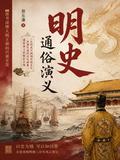 Popular Romance of Ming History
17Reads8.0Score—Shelves
Popular Romance of Ming History
17Reads8.0Score—Shelves
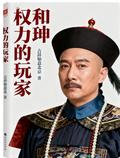 Heshen: Power Player
4kReads8.6Score386Shelves
Heshen: Power Player
4kReads8.6Score386Shelves
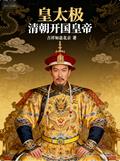 Huang Taiji: Founding Emperor of the Qing Dynasty
679Reads7.8Score101Shelves
Huang Taiji: Founding Emperor of the Qing Dynasty
679Reads7.8Score101Shelves
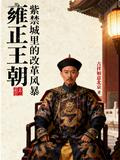 Yongzheng Dynasty: Reform Storm in the Forbidden City
509Reads7.4Score—Shelves
Yongzheng Dynasty: Reform Storm in the Forbidden City
509Reads7.4Score—Shelves
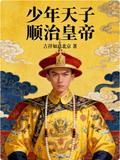 Young Emperor: Emperor Shunzhi
424Reads7.6Score—Shelves
Young Emperor: Emperor Shunzhi
424Reads7.6Score—Shelves
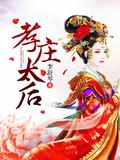 Empress Dowager Xiaozhuang
1.2kReads9.6Score141Shelves
Empress Dowager Xiaozhuang
1.2kReads9.6Score141Shelves
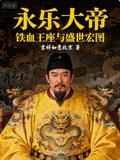 Yongle the Great: the Iron-Blooded Throne and the Great Plan
332Reads7.7Score—Shelves
Yongle the Great: the Iron-Blooded Throne and the Great Plan
332Reads7.7Score—Shelves
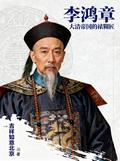 Li Hongzhang
1.9kReads7.6Score151Shelves
Li Hongzhang
1.9kReads7.6Score151Shelves
 This Ming Dynasty Colonized the Whole World
6.5kReads6.6Score397Shelves
This Ming Dynasty Colonized the Whole World
6.5kReads6.6Score397Shelves
 Emperor Jiaqing: the Precarious Times of Shoucheng
3.1kReads7.3Score151Shelves
Emperor Jiaqing: the Precarious Times of Shoucheng
3.1kReads7.3Score151Shelves
 Expose Zhu Yunwen's Hypocrisy to Seize the Throne
4Reads—Score—Shelves
Expose Zhu Yunwen's Hypocrisy to Seize the Throne
4Reads—Score—Shelves
 The Complete Works of Zhu Yuanzhang
69Reads5.8Score—Shelves
The Complete Works of Zhu Yuanzhang
69Reads5.8Score—Shelves
 Emperor Wu Linqing: Restoring the Ming Dynasty with Red Tower in Hand
32Reads—Score—Shelves
Emperor Wu Linqing: Restoring the Ming Dynasty with Red Tower in Hand
32Reads—Score—Shelves
 Hu Xueyan
68Reads5.8Score—Shelves
Hu Xueyan
68Reads5.8Score—Shelves
 Jiang Yan's Dream Pen Brings Flowers to Life
28Reads5.8Score—Shelves
Jiang Yan's Dream Pen Brings Flowers to Life
28Reads5.8Score—Shelves
 He Kun
1Reads5.8Score—Shelves
He Kun
1Reads5.8Score—Shelves
 Traveling Through the Kaiser: I Revive Germany!
43.7kReads7.9Score5kShelves
Traveling Through the Kaiser: I Revive Germany!
43.7kReads7.9Score5kShelves
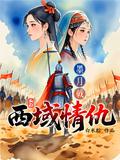 Black Moon Halberd: Love and Enmity in the Western Regions
33Reads5.8Score—Shelves
Black Moon Halberd: Love and Enmity in the Western Regions
33Reads5.8Score—Shelves
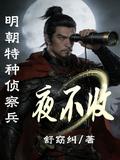 Ming Dynasty Special Reconnaissance Troops Did Not Collect at Night
741Reads5.8Score149Shelves
Ming Dynasty Special Reconnaissance Troops Did Not Collect at Night
741Reads5.8Score149Shelves
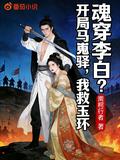 The Soul Penetrates Li Bai? at the Beginning of Maweiyi, I Save Yuhuan
204Reads5.8Score—Shelves
The Soul Penetrates Li Bai? at the Beginning of Maweiyi, I Save Yuhuan
204Reads5.8Score—Shelves
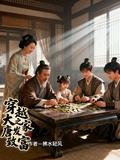 Traveling Through the Tang Dynasty to Make a Fortune
5Reads5.8Score—Shelves
Traveling Through the Tang Dynasty to Make a Fortune
5Reads5.8Score—Shelves
 Two Thousand Years of History of China
178Reads8.8Score—Shelves
Two Thousand Years of History of China
178Reads8.8Score—Shelves
 Small Town Romance
1Reads5.8Score—Shelves
Small Town Romance
1Reads5.8Score—Shelves
 The First Part of Jin Burning: Tang Jin: Haidong Yan
1Reads5.8Score—Shelves
The First Part of Jin Burning: Tang Jin: Haidong Yan
1Reads5.8Score—Shelves
 Complete Collection of Palace Romances from Past Dynasties
275Reads9.5Score—Shelves
Complete Collection of Palace Romances from Past Dynasties
275Reads9.5Score—Shelves
 Complete Biography of Yu Shaobao Cuizhong
1Reads7.7Score—Shelves
Complete Biography of Yu Shaobao Cuizhong
1Reads7.7Score—Shelves
 Romance of Empress Dowager Cixi
25Reads9.4Score—Shelves
Romance of Empress Dowager Cixi
25Reads9.4Score—Shelves
 Romance of the Sixteenth Dynasties of the Ming Palace
59Reads9.4Score—Shelves
Romance of the Sixteenth Dynasties of the Ming Palace
59Reads9.4Score—Shelves
 This Heart Is Clear
4Reads5.8Score—Shelves
This Heart Is Clear
4Reads5.8Score—Shelves
 Traveling Through the Southern and Northern Dynasties: Re-Illuminating the Journey of King Gao and His Thousands of Horses
432Reads5.8Score—Shelves
Traveling Through the Southern and Northern Dynasties: Re-Illuminating the Journey of King Gao and His Thousands of Horses
432Reads5.8Score—Shelves
 Hengji Fengjie
12Reads5.8Score—Shelves
Hengji Fengjie
12Reads5.8Score—Shelves
 I, the Ming Dynasty Clan, Don't Want to Be a Bandit
30.6kReads8.6Score2.9kShelves
I, the Ming Dynasty Clan, Don't Want to Be a Bandit
30.6kReads8.6Score2.9kShelves
 This Is Enough to Read the History of Cixi
170Reads9.2Score—Shelves
This Is Enough to Read the History of Cixi
170Reads9.2Score—Shelves
 Romance of the Later Han Dynasty
6Reads8.4Score—Shelves
Romance of the Later Han Dynasty
6Reads8.4Score—Shelves
 Sixteen Kingdoms: the First God of War
1.4kReads5.8Score113Shelves
Sixteen Kingdoms: the First God of War
1.4kReads5.8Score113Shelves
 Nine Days of Ink Printing
6Reads8.4Score—Shelves
Nine Days of Ink Printing
6Reads8.4Score—Shelves
 Tang Dynasty Tianwei's Heavenly Strategy Changfeng
4Reads5.8Score—Shelves
Tang Dynasty Tianwei's Heavenly Strategy Changfeng
4Reads5.8Score—Shelves
 Huangji Jingshi Shu
15Reads8.6Score—Shelves
Huangji Jingshi Shu
15Reads8.6Score—Shelves
 Six Realms Era: Hongmeng Gods Record
1Reads—Score—Shelves
Six Realms Era: Hongmeng Gods Record
1Reads—Score—Shelves
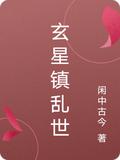 Xuanxing Town in Troubled Times
4Reads—Score—Shelves
Xuanxing Town in Troubled Times
4Reads—Score—Shelves
 Xuanshu: Zhang Heng Tianji Lu
3Reads8.4Score—Shelves
Xuanshu: Zhang Heng Tianji Lu
3Reads8.4Score—Shelves
 Dongshan Xuanxiang: Fat and Water Destroy Qin
1Reads8.6Score—Shelves
Dongshan Xuanxiang: Fat and Water Destroy Qin
1Reads8.6Score—Shelves
 Mysterious Prime Minister Li Mi: Yi Shu Determines the World, and the Fairy Traces Assist the Four Dynasties.
1Reads8.6Score—Shelves
Mysterious Prime Minister Li Mi: Yi Shu Determines the World, and the Fairy Traces Assist the Four Dynasties.
1Reads8.6Score—Shelves
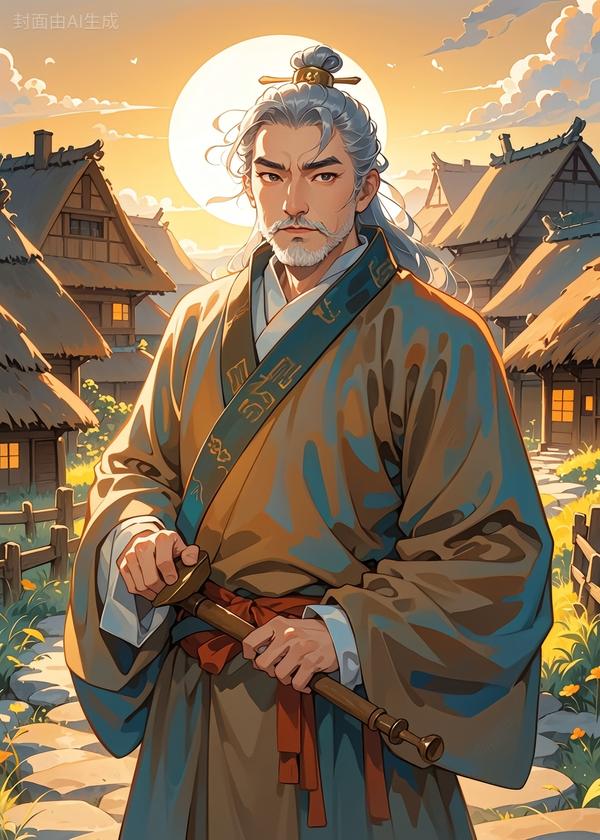 Nine Transformations of Pale and Yellow: Li Siding
1Reads8.5Score—Shelves
Nine Transformations of Pale and Yellow: Li Siding
1Reads8.5Score—Shelves
 Yin Fu Zhao Yan Lu
—Reads8.6Score—Shelves
Yin Fu Zhao Yan Lu
—Reads8.6Score—Shelves
 Divine Number Yantian: the Emperor's Secret Scroll
1Reads8.6Score—Shelves
Divine Number Yantian: the Emperor's Secret Scroll
1Reads8.6Score—Shelves