🔥① In order to save his young apprentice, Master Li Weiguo from the machinery factory was hit by a flying part and traveled to a courtyard. The time was 1959, and he was still wounded and bleeding. Fortunately, the system caught up in time and rewarded him with a bottle of Invincible nutrient solution, a junior Invincible portable storage space, and a junior Invincible planting farm...
Absolutely explosive [Adoration] The scumbag who traveled through time and became Jia Dongxu, first drove away the Jia Zhang family, blackmailed Yi Zhonghai, brought Yu Li into the house, seduced He Yueyue, flirted with Chen Xueru, threatened Ding Qiunan, and lured Liang Ladi...
He was very happy and decisive, and became a fool. His father, He Daqing, first took over Huairu, sanctioned him every day, and beat up the old man, the poisonous woman Jia, and the deaf old lady, especially to relieve his anger.
"Second Uncle Silly Zhu Zhu and I Climb to the Peak of the Military Headquarters" uses a very creative time-travel setting to place the classic characters of "Love in the Courtyard" on a grand historical battlefield, presenting readers with a passionate military counterattack epic. When the soul of modern doctor He Daming transforms into He Yuzhu's second uncle, this time-traveler with past life grievances and military ambitions not only has to rewrite his nephew's tragic fate, but also has to fight his way to the top of the military in the midst of war. The collision of two souls: from the benevolent heart of a doctor to the iron-blooded military spirit. The time-travel setting of the protagonist He Daming is full of dramatic tension. As a doctor who was betrayed in his previous life, his life was full of humiliation and unwillingness. The betrayal of the paternity test, the frame-up of the medical accident, and the tragedy of family destruction and death made him step into another world full of hatred. And the identity after time travel - He Daqing's younger brother and He Yuzhu's second uncle, just provided an outlet and sublimation opportunity for this hatred. The author cleverly combines modern medical knowledge with military literacy, making He Daming a duck to water on the battlefield. From first aid treatment in the Battle of Jinzhou to tactical command in the Battle of Qiongzhou, he was always able to turn the tide of the battle with his knowledge beyond the times. When he used sterile suturing techniques to treat the wounded in the field hospital, and when he proposed the advanced tactic of "interspersed encirclement" at the regiment meeting, readers could clearly feel the fierce collision between the modern soul and the historical background. The most touching thing is his transformation of He Yuzhu. In the original work, the silly Zhu who was "blood-sucked" by the Siheyuan was reborn under the temper of his second uncle's military camp. From an apprentice in Hongbin Building to a cook in the guard company, He Yuzhu experienced not only physical training, but also soul reshaping. When he gnawed on frozen steamed buns in the snow at minus 20 degrees without complaining, and when he showed a calmness beyond his years when rescuing the wounded on the front line of fire, He Daming finally realized his original intention of "changing the fate of his nephew" - he was no longer the stupid pillar who froze to death in the bridge in his later years, but grew into a real soldier. The Military Metamorphosis of Siheyuan Group Portraits: When the Character of "Qin Man" Meets the Iron Discipline The most wonderful idea of the novel is the reshaping of the classic Siheyuan characters in a military context. When Yi Zhonghai tried to use "moral kidnapping" to obtain preferential treatment from military relatives, he was silenced by He Daming with the "three major disciplines"; when Yan Bugui wanted to do calculations in the military camp, he found that the distribution of supplies was strictly strict; even Jia Zhang wanted to come to the army to act mischievously, but was frightened and fled before the sentry's gun. In the face of absolute discipline and steely military regulations, these characters who controlled the wind and rain in the courtyard were eliminated one by one, revealing the true face of ordinary people in the torrent of the times. He Daqing's image transformation is particularly profound. The "scumbag" who abandoned his wife and children in the original work began to assume the responsibilities of a father under the influence of his younger brother He Daming. When he actively refused the temptation of the White Widow, and when he regularly sent cotton-padded clothes to He Yuzhu in the military camp, this character finally got rid of the flat setting of the original work and showed the shining points of human nature. Through the "melting pot" of the military camp, the author skillfully completed the redemption and reconstruction of the courtyard group portraits. A personal epic in the historical torrent: from the War to Resist U. S. Aggression and Aid Korea to the Peak of the Military. The pattern of the novel is not limited to the short-lived parents of the courtyard house, but instead casts its perspective on a broader historical stage. The description of the War to Resist US Aggression and Aid Korea is full of color: the strategic analysis of the Incheon landing, the tunnel defense in the Battle of Shangganling, and the ice-blooded charge in the Battle of Changjin Lake. The author restores the cruelty of the war and the bravery of the volunteers with delicate brushwork. He Daming's growth line is closely intertwined with the historical process. From commander of the 358th Regiment to division commander and corps commander, each of his promotions was accompanied by victory in key battles. When he used military intimidation to force the US military representatives to make concessions at the Panmunjom negotiation site, and when he drove through Tiananmen in a jeep during the post-war military parade, personal struggle and the fate of the country achieved perfect resonance. This narrative of the rise of a "little man" in a big era can easily arouse emotional resonance among readers. It is worth mentioning that the novel pays close attention to the details of the war. From the volunteer army's fried noodles with snow diet, to the performance comparison of Soviet-made weapons and American equipment, to the health and epidemic prevention measures in tunnel battles, the author's historical data skills can be seen everywhere. These details give the fictional story a sense of history and make He Daming's military miracles more convincing. A duet of iron, blood and tenderness: protecting family ties in the flames of war. Although military struggle is the main line, the novel's description of family ties is equally touching. The uncle-nephew relationship between He Daming and He Yuzhu is the emotional bond that runs throughout: the harsh reprimands on the training ground, the all-night guarding in the field hospital, and the hugs and tears after the victory. These scenes give the image of the iron-blooded soldier a warm undertone. He Daming's care for He Yuyu showed the soft side of his heart. When he picked out candies from the trophies and sent them to his niece, and when he returned home after the war to tutor his niece, this soldier with blood-stained hands finally found the familial bonds he had lost in his previous life. The author tells readers through these details: A truly strong man can not only kill on the battlefield, but also protect in peace. "The Second Uncle of the Silly Zhu Zhu and I Reach the Peak of the Military Department" successfully broke through the limitations of the courtyard theme and sublimated the "house fight" between parents into the "military soul" of protecting the family and the country. He Daming's counterattack is not only a history of the survival struggle of a modern soul in a special era, but also a profound reflection and reconstruction of the fate of the original characters. When the last page is closed, what readers will remember is not only those thrilling battles, but also a passionate story about redemption, growth and feelings of family and country - this may be the charm of the time-travel genre: while changing the past, it also illuminates the future.
 Siheyuan: Immortal People, Kill All the Beasts
14.4kReads6.4Score526Shelves
Siheyuan: Immortal People, Kill All the Beasts
14.4kReads6.4Score526Shelves
 Siheyuan: Take Off the Military Uniform, I Am Still the King
51.6kReads5.2Score3.5kShelves
Siheyuan: Take Off the Military Uniform, I Am Still the King
51.6kReads5.2Score3.5kShelves
 Siheyuan: the Soul of a Junk Guy Travels Through 60 Years
16.6kReads8.9Score661Shelves
Siheyuan: the Soul of a Junk Guy Travels Through 60 Years
16.6kReads8.9Score661Shelves
 The Dashing Family Heir to the Siheyuan
14.3kReads6.9Score515Shelves
The Dashing Family Heir to the Siheyuan
14.3kReads6.9Score515Shelves
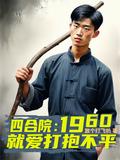 Siheyuan: I Loved Fighting Injustices in 1960
26.6kReads8.2Score1.1kShelves
Siheyuan: I Loved Fighting Injustices in 1960
26.6kReads8.2Score1.1kShelves
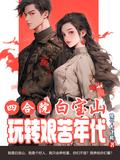 Siheyuan Baibaoshan Enjoys the Hard Times
21.6kReads8.6Score818Shelves
Siheyuan Baibaoshan Enjoys the Hard Times
21.6kReads8.6Score818Shelves
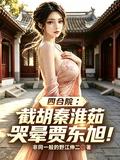 In the Courtyard, Hu Qin Huairu Was Cut Off and Jia Dongxu Fainted from Crying
12.2kReads6.1Score1.3kShelves
In the Courtyard, Hu Qin Huairu Was Cut Off and Jia Dongxu Fainted from Crying
12.2kReads6.1Score1.3kShelves
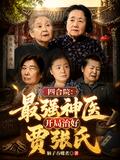 Siheyuan: the Most Powerful Miracle Doctor Cured Jia Zhang at the Beginning
164Reads5.8Score—Shelves
Siheyuan: the Most Powerful Miracle Doctor Cured Jia Zhang at the Beginning
164Reads5.8Score—Shelves
 Siheyuan Daughter-In-Law Qin Huairu and Her Eight Best Friends
12.2kReads5.5Score1.3kShelves
Siheyuan Daughter-In-Law Qin Huairu and Her Eight Best Friends
12.2kReads5.5Score1.3kShelves
 Siheyuan: Eavesdropping on the Heart, Marrying Ding Qiunan
1.8kReads6.0Score—Shelves
Siheyuan: Eavesdropping on the Heart, Marrying Ding Qiunan
1.8kReads6.0Score—Shelves
 Siheyuan: Silly Zhu's Happy Little Days
852Reads—Score—Shelves
Siheyuan: Silly Zhu's Happy Little Days
852Reads—Score—Shelves
 This Silly Column Is Not Stupid
5.1kReads5.7Score115Shelves
This Silly Column Is Not Stupid
5.1kReads5.7Score115Shelves
 Siheyuan: the Sixth Life of He Yuzhu
4.5kReads5.8Score104Shelves
Siheyuan: the Sixth Life of He Yuzhu
4.5kReads5.8Score104Shelves
 The Siheyuan Begins with Being Called Silly Pillar
3.8kReads6.9Score—Shelves
The Siheyuan Begins with Being Called Silly Pillar
3.8kReads6.9Score—Shelves
 Ordinary Life in a Courtyard
266Reads—Score—Shelves
Ordinary Life in a Courtyard
266Reads—Score—Shelves
 Siheyuan: Traveling Through He Yuzhu and Marrying His Wife Qin Huairu
5Reads5.8Score—Shelves
Siheyuan: Traveling Through He Yuzhu and Marrying His Wife Qin Huairu
5Reads5.8Score—Shelves
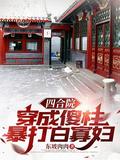 Siheyuan: Dress up as a Fool and Beat up the White Widow
14.1kReads7.5Score551Shelves
Siheyuan: Dress up as a Fool and Beat up the White Widow
14.1kReads7.5Score551Shelves
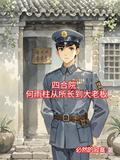 Siheyuan, He Yuzhu Went from Director to Big Boss
3.6kReads7.5Score167Shelves
Siheyuan, He Yuzhu Went from Director to Big Boss
3.6kReads7.5Score167Shelves
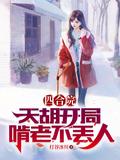 Siheyuan: the Counterattack Life of Young Silly Zhu
27.1kReads8.8Score1.2kShelves
Siheyuan: the Counterattack Life of Young Silly Zhu
27.1kReads8.8Score1.2kShelves
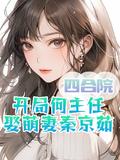 Siheyuan: Director He Marries Qin Jingru at the Beginning
418Reads5.3Score—Shelves
Siheyuan: Director He Marries Qin Jingru at the Beginning
418Reads5.3Score—Shelves
 Soul Travels Through the Courtyard: Zhuzhu, Sister Can Still Give Birth
6.8kReads6.9Score313Shelves
Soul Travels Through the Courtyard: Zhuzhu, Sister Can Still Give Birth
6.8kReads6.9Score313Shelves
 The World of Film and Television Starts from the Siheyuan
1.3kReads5.9Score—Shelves
The World of Film and Television Starts from the Siheyuan
1.3kReads5.9Score—Shelves
 Siheyuan: Stay Away from the Yard and Refuse Internal Friction
3.8kReads5.1Score—Shelves
Siheyuan: Stay Away from the Yard and Refuse Internal Friction
3.8kReads5.1Score—Shelves
 Siheyuan Silly Pillar, You Can't Be Such a Beast
—Reads5.8Score—Shelves
Siheyuan Silly Pillar, You Can't Be Such a Beast
—Reads5.8Score—Shelves
 Siheyuan: Entering the Factory with Jia Dongxu
7.6kReads5.9Score256Shelves
Siheyuan: Entering the Factory with Jia Dongxu
7.6kReads5.9Score256Shelves
 Time Travel to 1959, You Won't Have to Worry About the System in Hand
10.7kReads7.6Score572Shelves
Time Travel to 1959, You Won't Have to Worry About the System in Hand
10.7kReads7.6Score572Shelves
 The Leisurely Life of a Warehouse Manager in a Courtyard House
196Reads—Score—Shelves
The Leisurely Life of a Warehouse Manager in a Courtyard House
196Reads—Score—Shelves
 Siheyuan: Being Robbed at the Beginning, Sent to Reincarnation
3.1kReads5.5Score104Shelves
Siheyuan: Being Robbed at the Beginning, Sent to Reincarnation
3.1kReads5.5Score104Shelves
 Siheyuan: at the Beginning of the Game, the Girl Is Prostituted for Free
3Reads—Score—Shelves
Siheyuan: at the Beginning of the Game, the Girl Is Prostituted for Free
3Reads—Score—Shelves
 Siheyuan: Starting from Rescuing Bai Ling
—Reads5.8Score—Shelves
Siheyuan: Starting from Rescuing Bai Ling
—Reads5.8Score—Shelves
 Siheyuan: Abandoned by the Bastard Father at the Beginning
2.2kReads—Score—Shelves
Siheyuan: Abandoned by the Bastard Father at the Beginning
2.2kReads—Score—Shelves
 Siheyuan: After Reporting the Poultry, the Richest Village Was Built
5Reads—Score—Shelves
Siheyuan: After Reporting the Poultry, the Richest Village Was Built
5Reads—Score—Shelves
 Siheyuan, I Know Too Much, Right?
11.8kReads7.3Score464Shelves
Siheyuan, I Know Too Much, Right?
11.8kReads7.3Score464Shelves
 Siheyuan, I Have the Final Say over This Canteen
17.9kReads7.6Score780Shelves
Siheyuan, I Have the Final Say over This Canteen
17.9kReads7.6Score780Shelves
 Siheyuan, I Was Reborn in the Founding Ceremony of the People's Republic of China
3.5kReads5.8Score—Shelves
Siheyuan, I Was Reborn in the Founding Ceremony of the People's Republic of China
3.5kReads5.8Score—Shelves
 Siheyuan, He Yuzhu's Beast-Taming Space
3kReads8.0Score—Shelves
Siheyuan, He Yuzhu's Beast-Taming Space
3kReads8.0Score—Shelves
 Siheyuan: Abuse Birds and Enjoy Happiness, Hunt in Space and Strengthen the Army
16kReads6.8Score1.4kShelves
Siheyuan: Abuse Birds and Enjoy Happiness, Hunt in Space and Strengthen the Army
16kReads6.8Score1.4kShelves
 My Beauty's Nest in the Courtyard
6.7kReads5.8Score431Shelves
My Beauty's Nest in the Courtyard
6.7kReads5.8Score431Shelves
 Siheyuan, He Daqing, Hu Qinhuairu, Many Children and Many Blessings
3.1kReads5.4Score108Shelves
Siheyuan, He Daqing, Hu Qinhuairu, Many Children and Many Blessings
3.1kReads5.4Score108Shelves
 Fireworks World in the Siheyuan
4.6kReads6.3Score—Shelves
Fireworks World in the Siheyuan
4.6kReads6.3Score—Shelves
 Engineers Emerged from the Courtyard
3.7kReads6.1Score101Shelves
Engineers Emerged from the Courtyard
3.7kReads6.1Score101Shelves
 Traveling Through the Courtyard: from Engineer to Important Weapon of the Country
3kReads8.2Score—Shelves
Traveling Through the Courtyard: from Engineer to Important Weapon of the Country
3kReads8.2Score—Shelves
 Song Laoliu from the Propaganda Department of Siheyuan
15.6kReads6.1Score640Shelves
Song Laoliu from the Propaganda Department of Siheyuan
15.6kReads6.1Score640Shelves
 Xu Damao Started from the Courtyard House
1.7kReads5.8Score—Shelves
Xu Damao Started from the Courtyard House
1.7kReads5.8Score—Shelves
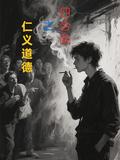 The Benevolence, Righteousness and Morality of the Siheyuan
18.3kReads7.8Score606Shelves
The Benevolence, Righteousness and Morality of the Siheyuan
18.3kReads7.8Score606Shelves
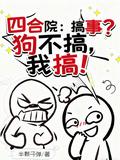 Siheyuan: Making Trouble? If the Dog Doesn't Do It, I Will!
26.5kReads7.7Score1kShelves
Siheyuan: Making Trouble? If the Dog Doesn't Do It, I Will!
26.5kReads7.7Score1kShelves
 Siheyuan: Awakening from a Big Dream
329Reads6.7Score—Shelves
Siheyuan: Awakening from a Big Dream
329Reads6.7Score—Shelves
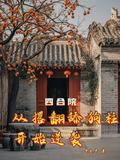 Siheyuan: Counterattack Starts from Turning over the Dog Licking Pillar
4.6kReads8.1Score142Shelves
Siheyuan: Counterattack Starts from Turning over the Dog Licking Pillar
4.6kReads8.1Score142Shelves
 Siheyuan: I Am Yi Zhonghai's Biological Son
41.1kReads9.2Score1.9kShelves
Siheyuan: I Am Yi Zhonghai's Biological Son
41.1kReads9.2Score1.9kShelves
 Siheyuan: Starting Life with My Sister
41.7kReads8.3Score1.8kShelves
Siheyuan: Starting Life with My Sister
41.7kReads8.3Score1.8kShelves