① It is definitely a masterpiece of Siheyuan. This is the first time I have seen shit and peeing, and then it opened the door to a new world [smile] ② I accidentally killed the protagonist of Siheyuan. The system was afraid of the backlash of heaven and ran away, leaving only the protagonist and a younger sister. ③The story of being sucked by the unmarried Qin Huairu, who was originally a childhood sweetheart. Qin Huairu wanted to marry in the city, but when she was about to marry Jia Dongxu, she awakened and traveled through time [smile]
These are the ones I have read and I think they are okay. There are also the basic Siheyuan books written by the author of "Don't Toss the Beasts, I Feel Uncomfortable". They are all completed and are very good. You can read them.
"Siheyuan: The Happy Life of a Little Chef" takes "food + cute babies + Buddhist survival" as the core, and outlines a warm and healing picture of life based on the stories and stories of the parents in the Siheyuan. The protagonist Li Jianjun relied on the top cooking skills and portable space given by the system to live a "sober world" in a special era. He healed his stomach with delicious food and resolved conflicts with sincerity, redefining the "quiet years" of the courtyard house theme. The beginning of time travel: Delicious food paved the way, and cute babies built a bridge to break the situation. Li Jianjun encountered a double dilemma when he time traveled: first, he was weak and on the verge of starving to death, and second, Jia and Zhang came to rob the house and cause trouble. But after the system was activated, the novice gift package directly gave him "peak cooking skills" and "portable space", allowing him to instantly reverse the situation. In the first chapter, he used the ingredients rewarded by the system to make scrambled eggs with fungus and green vegetables and mushrooms for Xu Damao. He gave a logical response of "The son returns to the distribution of the steel rolling mill", which not only adheres to the bottom line but is not rude, he also uses a white rabbit toffee to conquer the cute baby Xiao Dang, and uses the "child relationship" to soften Qin Huairu's guard, showing the survival wisdom of "conquering strength with softness". System settings: Buddhist sign-in, creating a self-sufficient life. The system focuses on "life flow" sign-in, rejecting the aura of Long Aotian: - Daily sign-in: from seeds, cubs to Lingquan Ranch, the rewards are closely related to the "life" theme, such as giving pigs, cattle and sheep cubs for sign-in on the first day, allowing Li Jianjun to build a micro-ecosystem in the space and achieve the freedom of eating meat; - Culinary skills blessing: Peak-level cooking skills are not only used to fill the stomach, but also become social currency - cooking for Xu Damao to build a closer relationship, giving snacks to the deaf old lady to win favor, and even using food to resolve Yi Zhonghai's moral kidnapping, making "eating" the key to solving the interpersonal dilemma in Siheyuan; - Space Easter Egg: The time ratio of 1:100 makes Lingquan and fields become "time levers". Li Jianjun can enjoy the fruits of planting and breeding in reality with just the operation of his mind, which perfectly interprets "lying flat survival". Character group portraits: de-labeled living beings in the courtyard. The author has "de-demonized" the classic characters and paid more attention to the complex aspects of human nature: - Yi Zhonghai: no longer a "moral kidnapper", but a "parent" trying to balance the relationship in the courtyard. Although he is biased, he is also reasonable. For example, after Li Jianjun refused to change rooms, he still recognized his goodwill in taking care of Xiaodang; - Jia Zhang: retains the "violent" background, but adds the "calf-protecting" attribute. The essence of her house grabbing is the survival anxiety of poverty, rather than simply being "bad"; - Xu Damao: breaks away from the "pure villain" setting and becomes Li Jianjun's meal partner. Behind the philistine is loneliness, and the friendship between the two is full of business smoke; - Qin Huairu: Weaken the "vampire" label, focus on portraying her tenacity as a mother, and show the sensitivity and sense of propriety of a widow when facing Li Jianjun's kindness. Plot Rhythm: A duet of food healing and cute baby-warming. The novel takes "daily check-in-food production-neighbor interaction" as the main line, with a slow pace but many highlights: - Food Cure: From steamed buns, stir-fried vegetables to later banquet dishes, each dish is accompanied by emotional exchanges, such as sending millet porridge to a deaf old lady, which not only reflects filial piety but also coincides with the era background of "households with five guarantees need care"; - Cute baby line: Xiaodang, Sophora japonica and other children have become an emotional bond. The details of Li Jianjun holding Xiaodang in meetings and handing out candies to the children not only show the warmth of human nature, but also cleverly avoid the cliché of "emotional entanglement between men and women"; - Conflict resolution: refusing to change rooms, dealing with moral kidnapping and other plots are resolved with "food + reason", such as rejecting Yi Zhonghai with "a room is needed for future marriage", which is both realistic and not harmful to harmony. The core of the theme: Tiny luck in special times. Different from the "violent confrontation" of traditional courtyard novels, this book focuses on "tiny but definite happiness": Li Jianjun uses the space spring to improve food, uses cooking skills to make extra money, and exchanges sincerity for sincerity. It shows the ability of time travelers to "manage life" in difficult situations. When Silly Zhu is obsessed with Qin Huai and Xu Damao plots to win favor, he finds a balance between the kitchen and the pasture. This "Buddhist approach to life" attitude is actually a gentle resistance to the turbulent times - since the general environment cannot be changed, then stick to your own small life and plant an oasis in the courtyard with delicious food and goodwill. "Siheyuan: The Happy Life of a Little Chef" uses the combination of "food healing + cute baby heartwarming + Buddhist survival" to inject long-lost warmth and healing into the theme of the Siheyuan. If you are tired of the intrigues and fights in the house and want to see how time-travelers use human fireworks to solve life problems, this work will definitely make you feel the power of "slow down and live well" - after all, in that era of scarcity, a hot meal and a sweet candy can sustain hope for the day.
After taking a look at these books, I personally think they are okay [Sparrow Food Masterpiece] 1️⃣Suffering is a blessing, you suffer a loss, I enjoy a blessing [Shocked] Happy family, post-production housing management department, the sixth person behind the scenes 2️⃣Game system, monsters are upgraded, materials can be brought out of the game [Like] Buy a yard, move out of a courtyard
 Siheyuan, the Happy Life of Wang Dapeng, a Fun-Loving Man
61.5kReads8.9Score2.9kShelves
Siheyuan, the Happy Life of Wang Dapeng, a Fun-Loving Man
61.5kReads8.9Score2.9kShelves
 The Beginning of the Siheyuan Destroyed the Stupid Pillars
8.1kReads6.3Score223Shelves
The Beginning of the Siheyuan Destroyed the Stupid Pillars
8.1kReads6.3Score223Shelves
 Siheyuan: Qin Huairu Cried Miserably After Regretting Her Marriage
14.6kReads7.0Score1.1kShelves
Siheyuan: Qin Huairu Cried Miserably After Regretting Her Marriage
14.6kReads7.0Score1.1kShelves
 Xue Ye Died Tragically, Sha Zhu Was Reborn and Refused to Be the Successor
25.9kReads8.4Score1.5kShelves
Xue Ye Died Tragically, Sha Zhu Was Reborn and Refused to Be the Successor
25.9kReads8.4Score1.5kShelves
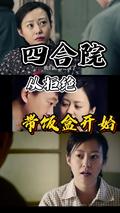 The Beginning of Siheyuan Starts with Refusing to Bring a Lunch Box
27.5kReads8.5Score1.5kShelves
The Beginning of Siheyuan Starts with Refusing to Bring a Lunch Box
27.5kReads8.5Score1.5kShelves
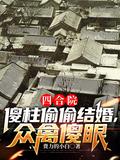 Siheyuan: Silly Zhu Got Married Secretly, and Everyone Was Dumbfounded
35.2kReads8.1Score1.5kShelves
Siheyuan: Silly Zhu Got Married Secretly, and Everyone Was Dumbfounded
35.2kReads8.1Score1.5kShelves
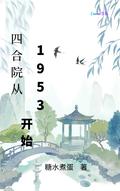 Siheyuan Started in 1953
34.8kReads8.7Score1.2kShelves
Siheyuan Started in 1953
34.8kReads8.7Score1.2kShelves
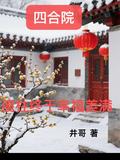 Siheyuan: Shazhu Is Finally Happy
25.9kReads8.1Score985Shelves
Siheyuan: Shazhu Is Finally Happy
25.9kReads8.1Score985Shelves
 Siheyuan: Damao and I Are Brothers
11.7kReads8.7Score389Shelves
Siheyuan: Damao and I Are Brothers
11.7kReads8.7Score389Shelves
 Siheyuan: Silly Zhuzhu's Happy Life
3.1kReads7.8Score100Shelves
Siheyuan: Silly Zhuzhu's Happy Life
3.1kReads7.8Score100Shelves
 Siheyuan I Am He Yuzhu
32.9kReads8.9Score809Shelves
Siheyuan I Am He Yuzhu
32.9kReads8.9Score809Shelves
 Siheyuan: After Waking up from the Dream, I Will No Longer Be a Fool
6.3kReads8.5Score190Shelves
Siheyuan: After Waking up from the Dream, I Will No Longer Be a Fool
6.3kReads8.5Score190Shelves
 Siheyuan: Starting Over
10.6kReads7.9Score324Shelves
Siheyuan: Starting Over
10.6kReads7.9Score324Shelves
 Siheyuan: I, He Yuzhu, Have Two Children
10.9kReads7.2Score469Shelves
Siheyuan: I, He Yuzhu, Have Two Children
10.9kReads7.2Score469Shelves
 Siheyuan: I Asked You to Cultivate Immortality, but You Bullied Animals
20.9kReads8.2Score777Shelves
Siheyuan: I Asked You to Cultivate Immortality, but You Bullied Animals
20.9kReads8.2Score777Shelves
 Siheyuan: Six Lives and Six Lives
21.8kReads8.2Score1.1kShelves
Siheyuan: Six Lives and Six Lives
21.8kReads8.2Score1.1kShelves
 Siheyuan: Escape from Famine, the Start Stirs up the Steel Rolling Mill
30.5kReads8.4Score1kShelves
Siheyuan: Escape from Famine, the Start Stirs up the Steel Rolling Mill
30.5kReads8.4Score1kShelves
 Siheyuan: Lou Xiao Is a Disaster
8.2kReads8.6Score345Shelves
Siheyuan: Lou Xiao Is a Disaster
8.2kReads8.6Score345Shelves
 Siheyuan: the Beasts Drove Me Away and the King Returned
13.4kReads8.4Score478Shelves
Siheyuan: the Beasts Drove Me Away and the King Returned
13.4kReads8.4Score478Shelves
 Escape into the City and Conquer the Era
11.5kReads8.9Score392Shelves
Escape into the City and Conquer the Era
11.5kReads8.9Score392Shelves
 Siheyuan: Gentle on the Surface, but a Trap Behind the Scenes
1.2kReads7.2Score—Shelves
Siheyuan: Gentle on the Surface, but a Trap Behind the Scenes
1.2kReads7.2Score—Shelves
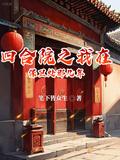 Siheyuan: My Years in the Security Office
42.3kReads8.3Score1.8kShelves
Siheyuan: My Years in the Security Office
42.3kReads8.3Score1.8kShelves
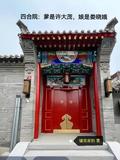 Siheyuan: Father Is Xu Damao, Mother Is Lou Xiao'e
28.8kReads9.2Score1.6kShelves
Siheyuan: Father Is Xu Damao, Mother Is Lou Xiao'e
28.8kReads9.2Score1.6kShelves
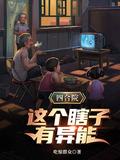 This Blind Man in Siheyuan Has Supernatural Powers
9.2kReads7.7Score368Shelves
This Blind Man in Siheyuan Has Supernatural Powers
9.2kReads7.7Score368Shelves
 I Am the God of Medicine in the Heavens
14.8kReads8.6Score776Shelves
I Am the God of Medicine in the Heavens
14.8kReads8.6Score776Shelves
 Siheyuan: the Happy Life of a Little Chef
8.4kReads8.1Score295Shelves
Siheyuan: the Happy Life of a Little Chef
8.4kReads8.1Score295Shelves
 Siheyuan: Fatty's Counterattack
2.1kReads8.2Score—Shelves
Siheyuan: Fatty's Counterattack
2.1kReads8.2Score—Shelves
 Siheyuan: I Was Forced to Become the Pillar
14.4kReads8.1Score616Shelves
Siheyuan: I Was Forced to Become the Pillar
14.4kReads8.1Score616Shelves
 Rebirth of the Siheyuan: Starting from the Escape from Famine in 1942
33kReads8.2Score1kShelves
Rebirth of the Siheyuan: Starting from the Escape from Famine in 1942
33kReads8.2Score1kShelves
 Siheyuan: Flowers and Beautiful Families, Thinking About the Passing Years
5.7kReads7.9Score213Shelves
Siheyuan: Flowers and Beautiful Families, Thinking About the Passing Years
5.7kReads7.9Score213Shelves
 Siheyuan: Anti-Japanese Attack in Beijing
9.2kReads8.2Score327Shelves
Siheyuan: Anti-Japanese Attack in Beijing
9.2kReads8.2Score327Shelves
 Siheyuan: Damao and I Are In-Laws
1.7kReads8.3Score—Shelves
Siheyuan: Damao and I Are In-Laws
1.7kReads8.3Score—Shelves
 Siheyuan: the Chronological History of Li Xiuyu
24.8kReads8.2Score646Shelves
Siheyuan: the Chronological History of Li Xiuyu
24.8kReads8.2Score646Shelves
 Siheyuan Struggled in Hard Times
4.6kReads8.1Score129Shelves
Siheyuan Struggled in Hard Times
4.6kReads8.1Score129Shelves
 Siheyuan: Put Aside Personal Qualities
18.6kReads8.2Score652Shelves
Siheyuan: Put Aside Personal Qualities
18.6kReads8.2Score652Shelves
 The Strongest Courtyard No. 95
179.6kReads9.0Score12.8kShelves
The Strongest Courtyard No. 95
179.6kReads9.0Score12.8kShelves
 Do You Believe That I Was Just Passing by the Siheyuan?
26.9kReads8.3Score812Shelves
Do You Believe That I Was Just Passing by the Siheyuan?
26.9kReads8.3Score812Shelves
 My System in Siheyuan Is Very Powerful
50.4kReads8.6Score2.6kShelves
My System in Siheyuan Is Very Powerful
50.4kReads8.6Score2.6kShelves
 The Chic Life in the Courtyard Begins with the Interception of Hu Qin Huairu
1.8kReads6.9Score109Shelves
The Chic Life in the Courtyard Begins with the Interception of Hu Qin Huairu
1.8kReads6.9Score109Shelves
 Siheyuan: from Sijiucheng to Hong Kong Comprehensive
23.8kReads8.7Score1.1kShelves
Siheyuan: from Sijiucheng to Hong Kong Comprehensive
23.8kReads8.7Score1.1kShelves
 The Matchmaker in the Courtyard Took Qin Huairu to the Wrong Door on a Blind Date
11.6kReads8.4Score612Shelves
The Matchmaker in the Courtyard Took Qin Huairu to the Wrong Door on a Blind Date
11.6kReads8.4Score612Shelves
 Siheyuan: Be a Well-Educated Gangster
182.6kReads8.4Score8kShelves
Siheyuan: Be a Well-Educated Gangster
182.6kReads8.4Score8kShelves
 Shazhu's Wonderful Life
33.5kReads7.5Score1.5kShelves
Shazhu's Wonderful Life
33.5kReads7.5Score1.5kShelves
 Siheyuan: the Qing Dynasty Is Back
28.5kReads8.5Score946Shelves
Siheyuan: the Qing Dynasty Is Back
28.5kReads8.5Score946Shelves
 Siheyuan: My Hunting Career
13.1kReads8.1Score534Shelves
Siheyuan: My Hunting Career
13.1kReads8.1Score534Shelves
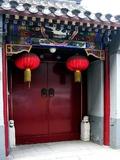 Living in a Courtyard
17kReads7.8Score461Shelves
Living in a Courtyard
17kReads7.8Score461Shelves
 Courtyard: My Name Is Yi Zhonghe
76kReads8.0Score4.2kShelves
Courtyard: My Name Is Yi Zhonghe
76kReads8.0Score4.2kShelves
 Siheyuan Since the Eve of Liberation
58.5kReads7.7Score2.4kShelves
Siheyuan Since the Eve of Liberation
58.5kReads7.7Score2.4kShelves
 Siheyuan, I Have a Golden Finger!
106.7kReads7.8Score6.8kShelves
Siheyuan, I Have a Golden Finger!
106.7kReads7.8Score6.8kShelves
 Journey to the World: Siheyuan Chapter
28.7kReads7.4Score1.1kShelves
Journey to the World: Siheyuan Chapter
28.7kReads7.4Score1.1kShelves