The Top List of Courtyard Houses (The Book Is Out of Stock, Thank You)
- Views
- 9.5M
- Books
- 445
- Recommendations
- 585
- Updated
- 1d ago
In this list
591 books · page 4 of 12
-
149
6
 60*************
ongoing
—Reads5.8Score—Shelves
60*************
ongoing
—Reads5.8Score—Shelves
Reader note
The original owner and his parents were killed by beasts led by Yi Zhonghai. Chen Feng traveled through time and vowed to avenge the original owner's family of three. He first broke Liu Haizhong's legs so that he could only lie in bed for the rest of his life, and then tortured the deaf old lady and cut her into pieces. Anyone who participated in the death of the original owner's family of three would not be spared.
-
150
四
 Siheyuan Works as a Nanny for Shazhu
People Disperse and the Wind Stops1.2M Wordscompleted
5.4kReads7.9Score224Shelves
Siheyuan Works as a Nanny for Shazhu
People Disperse and the Wind Stops1.2M Wordscompleted
5.4kReads7.9Score224Shelves
Reader note
The original owner and his parents were killed by beasts led by Yi Zhonghai. Chen Feng traveled through time and vowed to avenge the original owner's family of three. He first broke Liu Haizhong's legs so that he could only lie in bed for the rest of his life, and then tortured the deaf old lady and cut her into pieces. Anyone who participated in the death of the original owner's family of three would not be spared.
-
151
四
 Nine of the Ten Children in the Courtyard Are My Biological Children
Shiny Tail Lights1.4M Wordscompleted
26.1kReads8.1Score1.6kShelves
Nine of the Ten Children in the Courtyard Are My Biological Children
Shiny Tail Lights1.4M Wordscompleted
26.1kReads8.1Score1.6kShelves
Reader note
The original owner and his parents were killed by beasts led by Yi Zhonghai. Chen Feng traveled through time and vowed to avenge the original owner's family of three. He first broke Liu Haizhong's legs so that he could only lie in bed for the rest of his life, and then tortured the deaf old lady and cut her into pieces. Anyone who participated in the death of the original owner's family of three would not be spared.
-
152
年
 The 1950S: a Prosperous Life
Nanjing Cigarettes1.5M Wordscompleted
38.8kReads8.2Score1.6kShelves
The 1950S: a Prosperous Life
Nanjing Cigarettes1.5M Wordscompleted
38.8kReads8.2Score1.6kShelves
Reader note
The original owner and his parents were killed by beasts led by Yi Zhonghai. Chen Feng traveled through time and vowed to avenge the original owner's family of three. He first broke Liu Haizhong's legs so that he could only lie in bed for the rest of his life, and then tortured the deaf old lady and cut her into pieces. Anyone who participated in the death of the original owner's family of three would not be spared.
-
153
四
 Siheyuan: the Second Eldest Son of the Yan Family Is a Loser
Ten Years of Lingering Dreams384k Wordscompleted
5.6kReads7.5Score199Shelves
Siheyuan: the Second Eldest Son of the Yan Family Is a Loser
Ten Years of Lingering Dreams384k Wordscompleted
5.6kReads7.5Score199Shelves
Reader note
The original owner and his parents were killed by beasts led by Yi Zhonghai. Chen Feng traveled through time and vowed to avenge the original owner's family of three. He first broke Liu Haizhong's legs so that he could only lie in bed for the rest of his life, and then tortured the deaf old lady and cut her into pieces. Anyone who participated in the death of the original owner's family of three would not be spared.
-
154
四
 Siheyuan: I Was Forced to Become the Pillar
The Tiger Does Not Meow1.1M Wordscompleted
14.3kReads8.1Score626Shelves
Siheyuan: I Was Forced to Become the Pillar
The Tiger Does Not Meow1.1M Wordscompleted
14.3kReads8.1Score626Shelves
Reader note
The original owner and his parents were killed by beasts led by Yi Zhonghai. Chen Feng traveled through time and vowed to avenge the original owner's family of three. He first broke Liu Haizhong's legs so that he could only lie in bed for the rest of his life, and then tortured the deaf old lady and cut her into pieces. Anyone who participated in the death of the original owner's family of three would not be spared.
-
155
四
 Siheyuan: God Rewards Hard Work, and Fitters Become Engineers.
Eight Strings1.6M Wordscompleted
17.5kReads7.5Score690Shelves
Siheyuan: God Rewards Hard Work, and Fitters Become Engineers.
Eight Strings1.6M Wordscompleted
17.5kReads7.5Score690Shelves
Reader note
The original owner and his parents were killed by beasts led by Yi Zhonghai. Chen Feng traveled through time and vowed to avenge the original owner's family of three. He first broke Liu Haizhong's legs so that he could only lie in bed for the rest of his life, and then tortured the deaf old lady and cut her into pieces. Anyone who participated in the death of the original owner's family of three would not be spared.
-
156
四
 Siheyuan: a Miserable Senior Care Group
Sima Signed1.6M Wordsongoing
15.7kReads8.4Score476Shelves
Siheyuan: a Miserable Senior Care Group
Sima Signed1.6M Wordsongoing
15.7kReads8.4Score476Shelves
Reader note
Siheyuan, just come to me. Just look at it and that's it.
-
157
四
 Siheyuan: at the Age of Thirteen, I Was Summoned by the Big Boss
Jar of Mustard3.6M Wordsongoing
20.4kReads8.3Score1kShelves
Siheyuan: at the Age of Thirteen, I Was Summoned by the Big Boss
Jar of Mustard3.6M Wordsongoing
20.4kReads8.3Score1kShelves
Reader note
Siheyuan, just come to me. Just look at it and that's it.
-
158
四
 Siheyuan: Transformed into Yi Zhonghai's Biological Son
Clouds at Night6.9M Wordsongoing
37.1kReads8.1Score2.6kShelves
Siheyuan: Transformed into Yi Zhonghai's Biological Son
Clouds at Night6.9M Wordsongoing
37.1kReads8.1Score2.6kShelves
Reader note
Siheyuan, just come to me. Just look at it and that's it.
-
159
四
 The Wanton and Arrogant Person in the Siheyuan Is Section Chief Cao
Lixiang Is Elegant1.1M Wordscompleted
5.6kReads6.6Score283Shelves
The Wanton and Arrogant Person in the Siheyuan Is Section Chief Cao
Lixiang Is Elegant1.1M Wordscompleted
5.6kReads6.6Score283Shelves
Reader note
Super awesome system! Super big golden finger! Good books worth reading
-
160
四
 Sihe*******
ongoing
—Reads5.8Score—Shelves
Sihe*******
ongoing
—Reads5.8Score—Shelves
Reader note
There was a roar in the courtyard! Silly Zhuzi, you are so wicked! There is no conscience in forcing people to remarry [shy][shy]! It's true that people's hearts are unpredictable. The old man also presented this classic version with a learning attitude.
-
161
四
 He Yuzhu in Siheyuan Is My Brother
Crystal City322k Wordscompleted
10.6kReads8.7Score350Shelves
He Yuzhu in Siheyuan Is My Brother
Crystal City322k Wordscompleted
10.6kReads8.7Score350Shelves
Reader note
There was a roar in the courtyard! Silly Zhuzi, you are so wicked! There is no conscience in forcing people to remarry [shy][shy]! It's true that people's hearts are unpredictable. The old man also presented this classic version with a learning attitude.
-
162
四
 Siheyuan: from Street Runner to Anti-Special Pioneer
March Brings Spring Warmth3.0M Wordsongoing
12.9kReads7.2Score931Shelves
Siheyuan: from Street Runner to Anti-Special Pioneer
March Brings Spring Warmth3.0M Wordsongoing
12.9kReads7.2Score931Shelves
Reader note
There was a roar in the courtyard! Silly Zhuzi, you are so wicked! There is no conscience in forcing people to remarry [shy][shy]! It's true that people's hearts are unpredictable. The old man also presented this classic version with a learning attitude.
-
163
轧
 Rolled Steel******
ongoing
—Reads5.8Score—Shelves
Rolled Steel******
ongoing
—Reads5.8Score—Shelves
Reader note
There was a roar in the courtyard! Silly Zhuzi, you are so wicked! There is no conscience in forcing people to remarry [shy][shy]! It's true that people's hearts are unpredictable. The old man also presented this classic version with a learning attitude.
-
164
四
 Siheyuan: at the Beginning, the Widow Was Almost Defrauded of Money and Sex.
Zhang's Three Stones245k Wordscompleted
3.3kReads8.6Score173Shelves
Siheyuan: at the Beginning, the Widow Was Almost Defrauded of Money and Sex.
Zhang's Three Stones245k Wordscompleted
3.3kReads8.6Score173Shelves
Reader note
There was a roar in the courtyard! Silly Zhuzi, you are so wicked! There is no conscience in forcing people to remarry [shy][shy]! It's true that people's hearts are unpredictable. The old man also presented this classic version with a learning attitude.
-
165
四
 Siheyuan: the Sad Life of Animals
Wandering Eighth Century1.1M Wordscompleted
11.7kReads6.7Score367Shelves
Siheyuan: the Sad Life of Animals
Wandering Eighth Century1.1M Wordscompleted
11.7kReads6.7Score367Shelves
Reader note
There was a roar in the courtyard! Silly Zhuzi, you are so wicked! There is no conscience in forcing people to remarry [shy][shy]! It's true that people's hearts are unpredictable. The old man also presented this classic version with a learning attitude.
-
166
傻
 Silly Zhu Xueye Died Tragically: Rebirth in 1961
Lu Xiaofeng403k Wordscompleted
7kReads8.0Score360Shelves
Silly Zhu Xueye Died Tragically: Rebirth in 1961
Lu Xiaofeng403k Wordscompleted
7kReads8.0Score360Shelves
Reader note
"Si Zhu Xue Ye's Tragic Death: Rebirth in 1961" uses the classic cool novel structure of "rebirth with revenge + system cheating" to unveil the hypocrisy of the Siheyuan. The protagonist He Yuzhu was drained of all his efforts by Qin Huairu's family in his previous life and froze to death in a bridge cave; he returned to 1961 with the system in his new life, counterattacked with a clear mind and spatial golden fingers, and rewrote his destiny. The author uses the delicate texture of the era and the sharp slap-in-the-face plot to create a masterpiece on the courtyard house that combines realistic criticism and refreshing catharsis. 1. The critical blow at the beginning of rebirth: tearing apart the mask of warmth and stepping on moral kidnapping. The novel opens with the tragic scene of He Yuzhu freezing to death in a bridge tunnel in old age, which creates a strong impact and sets the emotional tone of "revenge and abuse of scum". Reborn in the kitchen of the steel rolling mill in 1961, when faced with the stickman who stole soy sauce, he no longer acted as the "big brother", but decisively slapped him and called the security department to arrest him, tearing apart the Jia family's pretense of "orphans and widowers" with a slap. This behavior is not only a farewell to the foolishness and kindness of the previous life, but also uses "system rules" as weapons (such as exposing evidence of theft and using the security department to intimidate), leaving Qin Huairu, Yi Zhonghai and others' moral kidnapping nowhere to hide. When Bangge cried "Complain to grandma", He Yuzhu's sneer - "Grandpa will teach you to respect your elders today" became the first clarion call for counterattack. 2. The pragmatic design of the system's golden finger: the dual blessing of space and awakening. The setting of the "symbiosis system" breaks out of the traditional check-in mode and deeply binds "changing plot nodes" and "obtaining rewards": - Portable space: The configuration of a ten-square-meter cave + spiritual spring not only meets the needs of stocking up (such as storing half a chicken hidden secretly, materials purchased in the future), but also uses the "time standstill" feature to avoid censorship risks and pave the way for subsequent response to material shortages; - Memory Awakening: He Yuzhu retained the memory of his past life and accurately saw through the calculations of Yi Zhonghai's "pension group" and Qin Huairu's "White Lotus" routine. He even made arrangements in advance to recover the property embezzled by the Jia family (such as forcing Qin Huairu to repay a 300 yuan loan), so that every counterattack is based on the logic of "prophecy"; - Emotional feedback: By revealing the truth about the Jia family's private pension fund and Yi Zhonghai's manipulation of public opinion, the shocking emotional value of the whole hospital is harvested, which coincides with the core logic of the system that "changing destiny requires subverting the inherent ecology". 3. Deconstruction of group portraits: from "birds running rampant" to "everyone is in danger" The author uses scalpel-like strokes to analyze the appearances of all living beings in the courtyard, highlighting the complexity of human nature in the comparison: - Yi Zhonghai: On the surface, he is a "moral god", but in fact he manipulates public opinion to pave the way for retirement. He Yuzhu was encouraged to support the Jia family in his previous life, but in this life he was revealed to have misappropriated money sent by He Daqing. The fragmentation of his "hypocrisy" mask became the trigger for the collapse of order in the compound; - Qin Huairu: evolved from a "weak widow" to a "vampire housewife", taking advantage of He Yuzhu's kindness to empty out his savings, and even acquiesced in stealing public property. After rebirth, He Yuzhu liquidated the loan in public, causing his "virtuous" character to go bankrupt instantly; - Xu Damao: From "simple philistine" to "revenge alliance". The fate of being buried under a bridge with He Yuzhu in his previous life makes "joining forces to fight against the enemy" in this life full of fate. The transformation of the two from "calculating each other" to "back-to-back counterattack" has become an important source of plot tension. It is worth mentioning that the "stinginess" of the third uncle Yan Bugui was given the rationality of the times - he had to be good at calculations to support a family of six with 25 yuan a month; while the "partiality" of the deaf old lady implicitly satirized the distortion of traditional filial piety, making the courtyard a testing ground for human nature in a special era. 4. The depth of the times and the metaphor of reality: the microcosm of society is seen in firewood, rice, oil and salt. The novel is based on the scarcity of supplies in 1961, and restores the survival rules of the special era through detailed descriptions: - Ticket economy: He Yuzhu ran out of tickets to purchase ingredients, and Xu Damao was anxious and unable to sleep after losing chickens, reflecting the social reality that "food stamps are the lifeblood"; - Factory ecology: the authority of the security department of the steel rolling mill, the privileges of the canteen stove, showing the complex network of relationships within the system; - Women's dilemma: Qin Huairu seems to be "manipulating men", but in fact she is trapped in the double shackles of "widow + mother". Her tragedy contrasts with He Yuyu's "white-eyed wolf" behavior, revealing the double oppression of women in the era. The plot of He Yuzhu's refusal to "bring a lunch box to support the Jia family" is not only a sign of personal awakening, but also a symbol of resistance to "moral kidnapping poverty alleviation", which coincides with modern readers' reflections on the "Mother's Heart". Conclusion: When kindness becomes a weapon, the self-salvation of the reborn. "The Tragic Death of Silly Zhu on the Snow Night: Rebirth in 1961" wraps up the criticism of reality with the "sense of abuse and pleasure", making He Yuzhu's rebirth not only a journey of revenge, but also a human experiment on "how to not be let down by kindness". If you are tired of the oppression and frustration of the traditional courtyard house and want to see the exciting plot of "an honest man awakens and crushes the birds", this work will make you hooked - see how Silly Zhu uses the system space to hoard food to prepare for war, use a clear mind to dismantle calculations, and fight a bloody road to redemption in a courtyard overrun with birds.
-
167
四
 Siheyuan: Why Should I Marry a Widow?
Bachelor of China741k Wordscompleted
12.2kReads8.1Score380Shelves
Siheyuan: Why Should I Marry a Widow?
Bachelor of China741k Wordscompleted
12.2kReads8.1Score380Shelves
Reader note
"Si Zhu Xue Ye's Tragic Death: Rebirth in 1961" uses the classic cool novel structure of "rebirth with revenge + system cheating" to unveil the hypocrisy of the Siheyuan. The protagonist He Yuzhu was drained of all his efforts by Qin Huairu's family in his previous life and froze to death in a bridge cave; he returned to 1961 with the system in his new life, counterattacked with a clear mind and spatial golden fingers, and rewrote his destiny. The author uses the delicate texture of the era and the sharp slap-in-the-face plot to create a masterpiece on the courtyard house that combines realistic criticism and refreshing catharsis. 1. The critical blow at the beginning of rebirth: tearing apart the mask of warmth and stepping on moral kidnapping. The novel opens with the tragic scene of He Yuzhu freezing to death in a bridge tunnel in old age, which creates a strong impact and sets the emotional tone of "revenge and abuse of scum". Reborn in the kitchen of the steel rolling mill in 1961, when faced with the stickman who stole soy sauce, he no longer acted as the "big brother", but decisively slapped him and called the security department to arrest him, tearing apart the Jia family's pretense of "orphans and widowers" with a slap. This behavior is not only a farewell to the foolishness and kindness of the previous life, but also uses "system rules" as weapons (such as exposing evidence of theft and using the security department to intimidate), leaving Qin Huairu, Yi Zhonghai and others' moral kidnapping nowhere to hide. When Bangge cried "Complain to grandma", He Yuzhu's sneer - "Grandpa will teach you to respect your elders today" became the first clarion call for counterattack. 2. The pragmatic design of the system's golden finger: the dual blessing of space and awakening. The setting of the "symbiosis system" breaks out of the traditional check-in mode and deeply binds "changing plot nodes" and "obtaining rewards": - Portable space: The configuration of a ten-square-meter cave + spiritual spring not only meets the needs of stocking up (such as storing half a chicken hidden secretly, materials purchased in the future), but also uses the "time standstill" feature to avoid censorship risks and pave the way for subsequent response to material shortages; - Memory Awakening: He Yuzhu retained the memory of his past life and accurately saw through the calculations of Yi Zhonghai's "pension group" and Qin Huairu's "White Lotus" routine. He even made arrangements in advance to recover the property embezzled by the Jia family (such as forcing Qin Huairu to repay a 300 yuan loan), so that every counterattack is based on the logic of "prophecy"; - Emotional feedback: By revealing the truth about the Jia family's private pension fund and Yi Zhonghai's manipulation of public opinion, the shocking emotional value of the whole hospital is harvested, which coincides with the core logic of the system that "changing destiny requires subverting the inherent ecology". 3. Deconstruction of group portraits: from "birds running rampant" to "everyone is in danger" The author uses scalpel-like strokes to analyze the appearances of all living beings in the courtyard, highlighting the complexity of human nature in the comparison: - Yi Zhonghai: On the surface, he is a "moral god", but in fact he manipulates public opinion to pave the way for retirement. He Yuzhu was encouraged to support the Jia family in his previous life, but in this life he was revealed to have misappropriated money sent by He Daqing. The fragmentation of his "hypocrisy" mask became the trigger for the collapse of order in the compound; - Qin Huairu: evolved from a "weak widow" to a "vampire housewife", taking advantage of He Yuzhu's kindness to empty out his savings, and even acquiesced in stealing public property. After rebirth, He Yuzhu liquidated the loan in public, causing his "virtuous" character to go bankrupt instantly; - Xu Damao: From "simple philistine" to "revenge alliance". The fate of being buried under a bridge with He Yuzhu in his previous life makes "joining forces to fight against the enemy" in this life full of fate. The transformation of the two from "calculating each other" to "back-to-back counterattack" has become an important source of plot tension. It is worth mentioning that the "stinginess" of the third uncle Yan Bugui was given the rationality of the times - he had to be good at calculations to support a family of six with 25 yuan a month; while the "partiality" of the deaf old lady implicitly satirized the distortion of traditional filial piety, making the courtyard a testing ground for human nature in a special era. 4. The depth of the times and the metaphor of reality: the microcosm of society is seen in firewood, rice, oil and salt. The novel is based on the scarcity of supplies in 1961, and restores the survival rules of the special era through detailed descriptions: - Ticket economy: He Yuzhu ran out of tickets to purchase ingredients, and Xu Damao was anxious and unable to sleep after losing chickens, reflecting the social reality that "food stamps are the lifeblood"; - Factory ecology: the authority of the security department of the steel rolling mill, the privileges of the canteen stove, showing the complex network of relationships within the system; - Women's dilemma: Qin Huairu seems to be "manipulating men", but in fact she is trapped in the double shackles of "widow + mother". Her tragedy contrasts with He Yuyu's "white-eyed wolf" behavior, revealing the double oppression of women in the era. The plot of He Yuzhu's refusal to "bring a lunch box to support the Jia family" is not only a sign of personal awakening, but also a symbol of resistance to "moral kidnapping poverty alleviation", which coincides with modern readers' reflections on the "Mother's Heart". Conclusion: When kindness becomes a weapon, the self-salvation of the reborn. "The Tragic Death of Silly Zhu on the Snow Night: Rebirth in 1961" wraps up the criticism of reality with the "sense of abuse and pleasure", making He Yuzhu's rebirth not only a journey of revenge, but also a human experiment on "how to not be let down by kindness". If you are tired of the oppression and frustration of the traditional courtyard house and want to see the exciting plot of "an honest man awakens and crushes the birds", this work will make you hooked - see how Silly Zhu uses the system space to hoard food to prepare for war, use a clear mind to dismantle calculations, and fight a bloody road to redemption in a courtyard overrun with birds.
-
168
四
 Siheyuan: You Are Really My Brother
Smile South404k Wordscompleted
17.5kReads8.2Score436Shelves
Siheyuan: You Are Really My Brother
Smile South404k Wordscompleted
17.5kReads8.2Score436Shelves
Reader note
"Si Zhu Xue Ye's Tragic Death: Rebirth in 1961" uses the classic cool novel structure of "rebirth with revenge + system cheating" to unveil the hypocrisy of the Siheyuan. The protagonist He Yuzhu was drained of all his efforts by Qin Huairu's family in his previous life and froze to death in a bridge cave; he returned to 1961 with the system in his new life, counterattacked with a clear mind and spatial golden fingers, and rewrote his destiny. The author uses the delicate texture of the era and the sharp slap-in-the-face plot to create a masterpiece on the courtyard house that combines realistic criticism and refreshing catharsis. 1. The critical blow at the beginning of rebirth: tearing apart the mask of warmth and stepping on moral kidnapping. The novel opens with the tragic scene of He Yuzhu freezing to death in a bridge tunnel in old age, which creates a strong impact and sets the emotional tone of "revenge and abuse of scum". Reborn in the kitchen of the steel rolling mill in 1961, when faced with the stickman who stole soy sauce, he no longer acted as the "big brother", but decisively slapped him and called the security department to arrest him, tearing apart the Jia family's pretense of "orphans and widowers" with a slap. This behavior is not only a farewell to the foolishness and kindness of the previous life, but also uses "system rules" as weapons (such as exposing evidence of theft and using the security department to intimidate), leaving Qin Huairu, Yi Zhonghai and others' moral kidnapping nowhere to hide. When Bangge cried "Complain to grandma", He Yuzhu's sneer - "Grandpa will teach you to respect your elders today" became the first clarion call for counterattack. 2. The pragmatic design of the system's golden finger: the dual blessing of space and awakening. The setting of the "symbiosis system" breaks out of the traditional check-in mode and deeply binds "changing plot nodes" and "obtaining rewards": - Portable space: The configuration of a ten-square-meter cave + spiritual spring not only meets the needs of stocking up (such as storing half a chicken hidden secretly, materials purchased in the future), but also uses the "time standstill" feature to avoid censorship risks and pave the way for subsequent response to material shortages; - Memory Awakening: He Yuzhu retained the memory of his past life and accurately saw through the calculations of Yi Zhonghai's "pension group" and Qin Huairu's "White Lotus" routine. He even made arrangements in advance to recover the property embezzled by the Jia family (such as forcing Qin Huairu to repay a 300 yuan loan), so that every counterattack is based on the logic of "prophecy"; - Emotional feedback: By revealing the truth about the Jia family's private pension fund and Yi Zhonghai's manipulation of public opinion, the shocking emotional value of the whole hospital is harvested, which coincides with the core logic of the system that "changing destiny requires subverting the inherent ecology". 3. Deconstruction of group portraits: from "birds running rampant" to "everyone is in danger" The author uses scalpel-like strokes to analyze the appearances of all living beings in the courtyard, highlighting the complexity of human nature in the comparison: - Yi Zhonghai: On the surface, he is a "moral god", but in fact he manipulates public opinion to pave the way for retirement. He Yuzhu was encouraged to support the Jia family in his previous life, but in this life he was revealed to have misappropriated money sent by He Daqing. The fragmentation of his "hypocrisy" mask became the trigger for the collapse of order in the compound; - Qin Huairu: evolved from a "weak widow" to a "vampire housewife", taking advantage of He Yuzhu's kindness to empty out his savings, and even acquiesced in stealing public property. After rebirth, He Yuzhu liquidated the loan in public, causing his "virtuous" character to go bankrupt instantly; - Xu Damao: From "simple philistine" to "revenge alliance". The fate of being buried under a bridge with He Yuzhu in his previous life makes "joining forces to fight against the enemy" in this life full of fate. The transformation of the two from "calculating each other" to "back-to-back counterattack" has become an important source of plot tension. It is worth mentioning that the "stinginess" of the third uncle Yan Bugui was given the rationality of the times - he had to be good at calculations to support a family of six with 25 yuan a month; while the "partiality" of the deaf old lady implicitly satirized the distortion of traditional filial piety, making the courtyard a testing ground for human nature in a special era. 4. The depth of the times and the metaphor of reality: the microcosm of society is seen in firewood, rice, oil and salt. The novel is based on the scarcity of supplies in 1961, and restores the survival rules of the special era through detailed descriptions: - Ticket economy: He Yuzhu ran out of tickets to purchase ingredients, and Xu Damao was anxious and unable to sleep after losing chickens, reflecting the social reality that "food stamps are the lifeblood"; - Factory ecology: the authority of the security department of the steel rolling mill, the privileges of the canteen stove, showing the complex network of relationships within the system; - Women's dilemma: Qin Huairu seems to be "manipulating men", but in fact she is trapped in the double shackles of "widow + mother". Her tragedy contrasts with He Yuyu's "white-eyed wolf" behavior, revealing the double oppression of women in the era. The plot of He Yuzhu's refusal to "bring a lunch box to support the Jia family" is not only a sign of personal awakening, but also a symbol of resistance to "moral kidnapping poverty alleviation", which coincides with modern readers' reflections on the "Mother's Heart". Conclusion: When kindness becomes a weapon, the self-salvation of the reborn. "The Tragic Death of Silly Zhu on the Snow Night: Rebirth in 1961" wraps up the criticism of reality with the "sense of abuse and pleasure", making He Yuzhu's rebirth not only a journey of revenge, but also a human experiment on "how to not be let down by kindness". If you are tired of the oppression and frustration of the traditional courtyard house and want to see the exciting plot of "an honest man awakens and crushes the birds", this work will make you hooked - see how Silly Zhu uses the system space to hoard food to prepare for war, use a clear mind to dismantle calculations, and fight a bloody road to redemption in a courtyard overrun with birds.
-
169
四
 Siheyuan: Since the 1950S
Square Meets Triangle187k Wordscompleted
4.7kReads8.2Score104Shelves
Siheyuan: Since the 1950S
Square Meets Triangle187k Wordscompleted
4.7kReads8.2Score104Shelves
Reader note
"Si Zhu Xue Ye's Tragic Death: Rebirth in 1961" uses the classic cool novel structure of "rebirth with revenge + system cheating" to unveil the hypocrisy of the Siheyuan. The protagonist He Yuzhu was drained of all his efforts by Qin Huairu's family in his previous life and froze to death in a bridge cave; he returned to 1961 with the system in his new life, counterattacked with a clear mind and spatial golden fingers, and rewrote his destiny. The author uses the delicate texture of the era and the sharp slap-in-the-face plot to create a masterpiece on the courtyard house that combines realistic criticism and refreshing catharsis. 1. The critical blow at the beginning of rebirth: tearing apart the mask of warmth and stepping on moral kidnapping. The novel opens with the tragic scene of He Yuzhu freezing to death in a bridge tunnel in old age, which creates a strong impact and sets the emotional tone of "revenge and abuse of scum". Reborn in the kitchen of the steel rolling mill in 1961, when faced with the stickman who stole soy sauce, he no longer acted as the "big brother", but decisively slapped him and called the security department to arrest him, tearing apart the Jia family's pretense of "orphans and widowers" with a slap. This behavior is not only a farewell to the foolishness and kindness of the previous life, but also uses "system rules" as weapons (such as exposing evidence of theft and using the security department to intimidate), leaving Qin Huairu, Yi Zhonghai and others' moral kidnapping nowhere to hide. When Bangge cried "Complain to grandma", He Yuzhu's sneer - "Grandpa will teach you to respect your elders today" became the first clarion call for counterattack. 2. The pragmatic design of the system's golden finger: the dual blessing of space and awakening. The setting of the "symbiosis system" breaks out of the traditional check-in mode and deeply binds "changing plot nodes" and "obtaining rewards": - Portable space: The configuration of a ten-square-meter cave + spiritual spring not only meets the needs of stocking up (such as storing half a chicken hidden secretly, materials purchased in the future), but also uses the "time standstill" feature to avoid censorship risks and pave the way for subsequent response to material shortages; - Memory Awakening: He Yuzhu retained the memory of his past life and accurately saw through the calculations of Yi Zhonghai's "pension group" and Qin Huairu's "White Lotus" routine. He even made arrangements in advance to recover the property embezzled by the Jia family (such as forcing Qin Huairu to repay a 300 yuan loan), so that every counterattack is based on the logic of "prophecy"; - Emotional feedback: By revealing the truth about the Jia family's private pension fund and Yi Zhonghai's manipulation of public opinion, the shocking emotional value of the whole hospital is harvested, which coincides with the core logic of the system that "changing destiny requires subverting the inherent ecology". 3. Deconstruction of group portraits: from "birds running rampant" to "everyone is in danger" The author uses scalpel-like strokes to analyze the appearances of all living beings in the courtyard, highlighting the complexity of human nature in the comparison: - Yi Zhonghai: On the surface, he is a "moral god", but in fact he manipulates public opinion to pave the way for retirement. He Yuzhu was encouraged to support the Jia family in his previous life, but in this life he was revealed to have misappropriated money sent by He Daqing. The fragmentation of his "hypocrisy" mask became the trigger for the collapse of order in the compound; - Qin Huairu: evolved from a "weak widow" to a "vampire housewife", taking advantage of He Yuzhu's kindness to empty out his savings, and even acquiesced in stealing public property. After rebirth, He Yuzhu liquidated the loan in public, causing his "virtuous" character to go bankrupt instantly; - Xu Damao: From "simple philistine" to "revenge alliance". The fate of being buried under a bridge with He Yuzhu in his previous life makes "joining forces to fight against the enemy" in this life full of fate. The transformation of the two from "calculating each other" to "back-to-back counterattack" has become an important source of plot tension. It is worth mentioning that the "stinginess" of the third uncle Yan Bugui was given the rationality of the times - he had to be good at calculations to support a family of six with 25 yuan a month; while the "partiality" of the deaf old lady implicitly satirized the distortion of traditional filial piety, making the courtyard a testing ground for human nature in a special era. 4. The depth of the times and the metaphor of reality: the microcosm of society is seen in firewood, rice, oil and salt. The novel is based on the scarcity of supplies in 1961, and restores the survival rules of the special era through detailed descriptions: - Ticket economy: He Yuzhu ran out of tickets to purchase ingredients, and Xu Damao was anxious and unable to sleep after losing chickens, reflecting the social reality that "food stamps are the lifeblood"; - Factory ecology: the authority of the security department of the steel rolling mill, the privileges of the canteen stove, showing the complex network of relationships within the system; - Women's dilemma: Qin Huairu seems to be "manipulating men", but in fact she is trapped in the double shackles of "widow + mother". Her tragedy contrasts with He Yuyu's "white-eyed wolf" behavior, revealing the double oppression of women in the era. The plot of He Yuzhu's refusal to "bring a lunch box to support the Jia family" is not only a sign of personal awakening, but also a symbol of resistance to "moral kidnapping poverty alleviation", which coincides with modern readers' reflections on the "Mother's Heart". Conclusion: When kindness becomes a weapon, the self-salvation of the reborn. "The Tragic Death of Silly Zhu on the Snow Night: Rebirth in 1961" wraps up the criticism of reality with the "sense of abuse and pleasure", making He Yuzhu's rebirth not only a journey of revenge, but also a human experiment on "how to not be let down by kindness". If you are tired of the oppression and frustration of the traditional courtyard house and want to see the exciting plot of "an honest man awakens and crushes the birds", this work will make you hooked - see how Silly Zhu uses the system space to hoard food to prepare for war, use a clear mind to dismantle calculations, and fight a bloody road to redemption in a courtyard overrun with birds.
-
170
人
 I Live in a Courtyard and Pledge Myself to My Country.
Nanshan Wood1.1M Wordscompleted
7.1kReads8.2Score279Shelves
I Live in a Courtyard and Pledge Myself to My Country.
Nanshan Wood1.1M Wordscompleted
7.1kReads8.2Score279Shelves
Reader note
"Si Zhu Xue Ye's Tragic Death: Rebirth in 1961" uses the classic cool novel structure of "rebirth with revenge + system cheating" to unveil the hypocrisy of the Siheyuan. The protagonist He Yuzhu was drained of all his efforts by Qin Huairu's family in his previous life and froze to death in a bridge cave; he returned to 1961 with the system in his new life, counterattacked with a clear mind and spatial golden fingers, and rewrote his destiny. The author uses the delicate texture of the era and the sharp slap-in-the-face plot to create a masterpiece on the courtyard house that combines realistic criticism and refreshing catharsis. 1. The critical blow at the beginning of rebirth: tearing apart the mask of warmth and stepping on moral kidnapping. The novel opens with the tragic scene of He Yuzhu freezing to death in a bridge tunnel in old age, which creates a strong impact and sets the emotional tone of "revenge and abuse of scum". Reborn in the kitchen of the steel rolling mill in 1961, when faced with the stickman who stole soy sauce, he no longer acted as the "big brother", but decisively slapped him and called the security department to arrest him, tearing apart the Jia family's pretense of "orphans and widowers" with a slap. This behavior is not only a farewell to the foolishness and kindness of the previous life, but also uses "system rules" as weapons (such as exposing evidence of theft and using the security department to intimidate), leaving Qin Huairu, Yi Zhonghai and others' moral kidnapping nowhere to hide. When Bangge cried "Complain to grandma", He Yuzhu's sneer - "Grandpa will teach you to respect your elders today" became the first clarion call for counterattack. 2. The pragmatic design of the system's golden finger: the dual blessing of space and awakening. The setting of the "symbiosis system" breaks out of the traditional check-in mode and deeply binds "changing plot nodes" and "obtaining rewards": - Portable space: The configuration of a ten-square-meter cave + spiritual spring not only meets the needs of stocking up (such as storing half a chicken hidden secretly, materials purchased in the future), but also uses the "time standstill" feature to avoid censorship risks and pave the way for subsequent response to material shortages; - Memory Awakening: He Yuzhu retained the memory of his past life and accurately saw through the calculations of Yi Zhonghai's "pension group" and Qin Huairu's "White Lotus" routine. He even made arrangements in advance to recover the property embezzled by the Jia family (such as forcing Qin Huairu to repay a 300 yuan loan), so that every counterattack is based on the logic of "prophecy"; - Emotional feedback: By revealing the truth about the Jia family's private pension fund and Yi Zhonghai's manipulation of public opinion, the shocking emotional value of the whole hospital is harvested, which coincides with the core logic of the system that "changing destiny requires subverting the inherent ecology". 3. Deconstruction of group portraits: from "birds running rampant" to "everyone is in danger" The author uses scalpel-like strokes to analyze the appearances of all living beings in the courtyard, highlighting the complexity of human nature in the comparison: - Yi Zhonghai: On the surface, he is a "moral god", but in fact he manipulates public opinion to pave the way for retirement. He Yuzhu was encouraged to support the Jia family in his previous life, but in this life he was revealed to have misappropriated money sent by He Daqing. The fragmentation of his "hypocrisy" mask became the trigger for the collapse of order in the compound; - Qin Huairu: evolved from a "weak widow" to a "vampire housewife", taking advantage of He Yuzhu's kindness to empty out his savings, and even acquiesced in stealing public property. After rebirth, He Yuzhu liquidated the loan in public, causing his "virtuous" character to go bankrupt instantly; - Xu Damao: From "simple philistine" to "revenge alliance". The fate of being buried under a bridge with He Yuzhu in his previous life makes "joining forces to fight against the enemy" in this life full of fate. The transformation of the two from "calculating each other" to "back-to-back counterattack" has become an important source of plot tension. It is worth mentioning that the "stinginess" of the third uncle Yan Bugui was given the rationality of the times - he had to be good at calculations to support a family of six with 25 yuan a month; while the "partiality" of the deaf old lady implicitly satirized the distortion of traditional filial piety, making the courtyard a testing ground for human nature in a special era. 4. The depth of the times and the metaphor of reality: the microcosm of society is seen in firewood, rice, oil and salt. The novel is based on the scarcity of supplies in 1961, and restores the survival rules of the special era through detailed descriptions: - Ticket economy: He Yuzhu ran out of tickets to purchase ingredients, and Xu Damao was anxious and unable to sleep after losing chickens, reflecting the social reality that "food stamps are the lifeblood"; - Factory ecology: the authority of the security department of the steel rolling mill, the privileges of the canteen stove, showing the complex network of relationships within the system; - Women's dilemma: Qin Huairu seems to be "manipulating men", but in fact she is trapped in the double shackles of "widow + mother". Her tragedy contrasts with He Yuyu's "white-eyed wolf" behavior, revealing the double oppression of women in the era. The plot of He Yuzhu's refusal to "bring a lunch box to support the Jia family" is not only a sign of personal awakening, but also a symbol of resistance to "moral kidnapping poverty alleviation", which coincides with modern readers' reflections on the "Mother's Heart". Conclusion: When kindness becomes a weapon, the self-salvation of the reborn. "The Tragic Death of Silly Zhu on the Snow Night: Rebirth in 1961" wraps up the criticism of reality with the "sense of abuse and pleasure", making He Yuzhu's rebirth not only a journey of revenge, but also a human experiment on "how to not be let down by kindness". If you are tired of the oppression and frustration of the traditional courtyard house and want to see the exciting plot of "an honest man awakens and crushes the birds", this work will make you hooked - see how Silly Zhu uses the system space to hoard food to prepare for war, use a clear mind to dismantle calculations, and fight a bloody road to redemption in a courtyard overrun with birds.
-
171
四
 Siheyuan: After Being Struck by Lightning, I Can Travel Between the Two Worlds
Swim Forward2.4M Wordscompleted
17.9kReads8.2Score1kShelves
Siheyuan: After Being Struck by Lightning, I Can Travel Between the Two Worlds
Swim Forward2.4M Wordscompleted
17.9kReads8.2Score1kShelves
Reader note
"Si Zhu Xue Ye's Tragic Death: Rebirth in 1961" uses the classic cool novel structure of "rebirth with revenge + system cheating" to unveil the hypocrisy of the Siheyuan. The protagonist He Yuzhu was drained of all his efforts by Qin Huairu's family in his previous life and froze to death in a bridge cave; he returned to 1961 with the system in his new life, counterattacked with a clear mind and spatial golden fingers, and rewrote his destiny. The author uses the delicate texture of the era and the sharp slap-in-the-face plot to create a masterpiece on the courtyard house that combines realistic criticism and refreshing catharsis. 1. The critical blow at the beginning of rebirth: tearing apart the mask of warmth and stepping on moral kidnapping. The novel opens with the tragic scene of He Yuzhu freezing to death in a bridge tunnel in old age, which creates a strong impact and sets the emotional tone of "revenge and abuse of scum". Reborn in the kitchen of the steel rolling mill in 1961, when faced with the stickman who stole soy sauce, he no longer acted as the "big brother", but decisively slapped him and called the security department to arrest him, tearing apart the Jia family's pretense of "orphans and widowers" with a slap. This behavior is not only a farewell to the foolishness and kindness of the previous life, but also uses "system rules" as weapons (such as exposing evidence of theft and using the security department to intimidate), leaving Qin Huairu, Yi Zhonghai and others' moral kidnapping nowhere to hide. When Bangge cried "Complain to grandma", He Yuzhu's sneer - "Grandpa will teach you to respect your elders today" became the first clarion call for counterattack. 2. The pragmatic design of the system's golden finger: the dual blessing of space and awakening. The setting of the "symbiosis system" breaks out of the traditional check-in mode and deeply binds "changing plot nodes" and "obtaining rewards": - Portable space: The configuration of a ten-square-meter cave + spiritual spring not only meets the needs of stocking up (such as storing half a chicken hidden secretly, materials purchased in the future), but also uses the "time standstill" feature to avoid censorship risks and pave the way for subsequent response to material shortages; - Memory Awakening: He Yuzhu retained the memory of his past life and accurately saw through the calculations of Yi Zhonghai's "pension group" and Qin Huairu's "White Lotus" routine. He even made arrangements in advance to recover the property embezzled by the Jia family (such as forcing Qin Huairu to repay a 300 yuan loan), so that every counterattack is based on the logic of "prophecy"; - Emotional feedback: By revealing the truth about the Jia family's private pension fund and Yi Zhonghai's manipulation of public opinion, the shocking emotional value of the whole hospital is harvested, which coincides with the core logic of the system that "changing destiny requires subverting the inherent ecology". 3. Deconstruction of group portraits: from "birds running rampant" to "everyone is in danger" The author uses scalpel-like strokes to analyze the appearances of all living beings in the courtyard, highlighting the complexity of human nature in the comparison: - Yi Zhonghai: On the surface, he is a "moral god", but in fact he manipulates public opinion to pave the way for retirement. He Yuzhu was encouraged to support the Jia family in his previous life, but in this life he was revealed to have misappropriated money sent by He Daqing. The fragmentation of his "hypocrisy" mask became the trigger for the collapse of order in the compound; - Qin Huairu: evolved from a "weak widow" to a "vampire housewife", taking advantage of He Yuzhu's kindness to empty out his savings, and even acquiesced in stealing public property. After rebirth, He Yuzhu liquidated the loan in public, causing his "virtuous" character to go bankrupt instantly; - Xu Damao: From "simple philistine" to "revenge alliance". The fate of being buried under a bridge with He Yuzhu in his previous life makes "joining forces to fight against the enemy" in this life full of fate. The transformation of the two from "calculating each other" to "back-to-back counterattack" has become an important source of plot tension. It is worth mentioning that the "stinginess" of the third uncle Yan Bugui was given the rationality of the times - he had to be good at calculations to support a family of six with 25 yuan a month; while the "partiality" of the deaf old lady implicitly satirized the distortion of traditional filial piety, making the courtyard a testing ground for human nature in a special era. 4. The depth of the times and the metaphor of reality: the microcosm of society is seen in firewood, rice, oil and salt. The novel is based on the scarcity of supplies in 1961, and restores the survival rules of the special era through detailed descriptions: - Ticket economy: He Yuzhu ran out of tickets to purchase ingredients, and Xu Damao was anxious and unable to sleep after losing chickens, reflecting the social reality that "food stamps are the lifeblood"; - Factory ecology: the authority of the security department of the steel rolling mill, the privileges of the canteen stove, showing the complex network of relationships within the system; - Women's dilemma: Qin Huairu seems to be "manipulating men", but in fact she is trapped in the double shackles of "widow + mother". Her tragedy contrasts with He Yuyu's "white-eyed wolf" behavior, revealing the double oppression of women in the era. The plot of He Yuzhu's refusal to "bring a lunch box to support the Jia family" is not only a sign of personal awakening, but also a symbol of resistance to "moral kidnapping poverty alleviation", which coincides with modern readers' reflections on the "Mother's Heart". Conclusion: When kindness becomes a weapon, the self-salvation of the reborn. "The Tragic Death of Silly Zhu on the Snow Night: Rebirth in 1961" wraps up the criticism of reality with the "sense of abuse and pleasure", making He Yuzhu's rebirth not only a journey of revenge, but also a human experiment on "how to not be let down by kindness". If you are tired of the oppression and frustration of the traditional courtyard house and want to see the exciting plot of "an honest man awakens and crushes the birds", this work will make you hooked - see how Silly Zhu uses the system space to hoard food to prepare for war, use a clear mind to dismantle calculations, and fight a bloody road to redemption in a courtyard overrun with birds.
-
172
四
 Siheyuan: the God of Cooking Begins, Awakening to Enlightenment That Defies Heaven
Unbearable to Entertain606k Wordscompleted
8.9kReads8.2Score269Shelves
Siheyuan: the God of Cooking Begins, Awakening to Enlightenment That Defies Heaven
Unbearable to Entertain606k Wordscompleted
8.9kReads8.2Score269Shelves
Reader note
"Si Zhu Xue Ye's Tragic Death: Rebirth in 1961" uses the classic cool novel structure of "rebirth with revenge + system cheating" to unveil the hypocrisy of the Siheyuan. The protagonist He Yuzhu was drained of all his efforts by Qin Huairu's family in his previous life and froze to death in a bridge cave; he returned to 1961 with the system in his new life, counterattacked with a clear mind and spatial golden fingers, and rewrote his destiny. The author uses the delicate texture of the era and the sharp slap-in-the-face plot to create a masterpiece on the courtyard house that combines realistic criticism and refreshing catharsis. 1. The critical blow at the beginning of rebirth: tearing apart the mask of warmth and stepping on moral kidnapping. The novel opens with the tragic scene of He Yuzhu freezing to death in a bridge tunnel in old age, which creates a strong impact and sets the emotional tone of "revenge and abuse of scum". Reborn in the kitchen of the steel rolling mill in 1961, when faced with the stickman who stole soy sauce, he no longer acted as the "big brother", but decisively slapped him and called the security department to arrest him, tearing apart the Jia family's pretense of "orphans and widowers" with a slap. This behavior is not only a farewell to the foolishness and kindness of the previous life, but also uses "system rules" as weapons (such as exposing evidence of theft and using the security department to intimidate), leaving Qin Huairu, Yi Zhonghai and others' moral kidnapping nowhere to hide. When Bangge cried "Complain to grandma", He Yuzhu's sneer - "Grandpa will teach you to respect your elders today" became the first clarion call for counterattack. 2. The pragmatic design of the system's golden finger: the dual blessing of space and awakening. The setting of the "symbiosis system" breaks out of the traditional check-in mode and deeply binds "changing plot nodes" and "obtaining rewards": - Portable space: The configuration of a ten-square-meter cave + spiritual spring not only meets the needs of stocking up (such as storing half a chicken hidden secretly, materials purchased in the future), but also uses the "time standstill" feature to avoid censorship risks and pave the way for subsequent response to material shortages; - Memory Awakening: He Yuzhu retained the memory of his past life and accurately saw through the calculations of Yi Zhonghai's "pension group" and Qin Huairu's "White Lotus" routine. He even made arrangements in advance to recover the property embezzled by the Jia family (such as forcing Qin Huairu to repay a 300 yuan loan), so that every counterattack is based on the logic of "prophecy"; - Emotional feedback: By revealing the truth about the Jia family's private pension fund and Yi Zhonghai's manipulation of public opinion, the shocking emotional value of the whole hospital is harvested, which coincides with the core logic of the system that "changing destiny requires subverting the inherent ecology". 3. Deconstruction of group portraits: from "birds running rampant" to "everyone is in danger" The author uses scalpel-like strokes to analyze the appearances of all living beings in the courtyard, highlighting the complexity of human nature in the comparison: - Yi Zhonghai: On the surface, he is a "moral god", but in fact he manipulates public opinion to pave the way for retirement. He Yuzhu was encouraged to support the Jia family in his previous life, but in this life he was revealed to have misappropriated money sent by He Daqing. The fragmentation of his "hypocrisy" mask became the trigger for the collapse of order in the compound; - Qin Huairu: evolved from a "weak widow" to a "vampire housewife", taking advantage of He Yuzhu's kindness to empty out his savings, and even acquiesced in stealing public property. After rebirth, He Yuzhu liquidated the loan in public, causing his "virtuous" character to go bankrupt instantly; - Xu Damao: From "simple philistine" to "revenge alliance". The fate of being buried under a bridge with He Yuzhu in his previous life makes "joining forces to fight against the enemy" in this life full of fate. The transformation of the two from "calculating each other" to "back-to-back counterattack" has become an important source of plot tension. It is worth mentioning that the "stinginess" of the third uncle Yan Bugui was given the rationality of the times - he had to be good at calculations to support a family of six with 25 yuan a month; while the "partiality" of the deaf old lady implicitly satirized the distortion of traditional filial piety, making the courtyard a testing ground for human nature in a special era. 4. The depth of the times and the metaphor of reality: the microcosm of society is seen in firewood, rice, oil and salt. The novel is based on the scarcity of supplies in 1961, and restores the survival rules of the special era through detailed descriptions: - Ticket economy: He Yuzhu ran out of tickets to purchase ingredients, and Xu Damao was anxious and unable to sleep after losing chickens, reflecting the social reality that "food stamps are the lifeblood"; - Factory ecology: the authority of the security department of the steel rolling mill, the privileges of the canteen stove, showing the complex network of relationships within the system; - Women's dilemma: Qin Huairu seems to be "manipulating men", but in fact she is trapped in the double shackles of "widow + mother". Her tragedy contrasts with He Yuyu's "white-eyed wolf" behavior, revealing the double oppression of women in the era. The plot of He Yuzhu's refusal to "bring a lunch box to support the Jia family" is not only a sign of personal awakening, but also a symbol of resistance to "moral kidnapping poverty alleviation", which coincides with modern readers' reflections on the "Mother's Heart". Conclusion: When kindness becomes a weapon, the self-salvation of the reborn. "The Tragic Death of Silly Zhu on the Snow Night: Rebirth in 1961" wraps up the criticism of reality with the "sense of abuse and pleasure", making He Yuzhu's rebirth not only a journey of revenge, but also a human experiment on "how to not be let down by kindness". If you are tired of the oppression and frustration of the traditional courtyard house and want to see the exciting plot of "an honest man awakens and crushes the birds", this work will make you hooked - see how Silly Zhu uses the system space to hoard food to prepare for war, use a clear mind to dismantle calculations, and fight a bloody road to redemption in a courtyard overrun with birds.
-
173
四
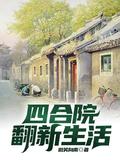 Siheyuan: Renovating Life
Smile South595k Wordscompleted
3kReads8.3Score—Shelves
Siheyuan: Renovating Life
Smile South595k Wordscompleted
3kReads8.3Score—Shelves
Reader note
"Si Zhu Xue Ye's Tragic Death: Rebirth in 1961" uses the classic cool novel structure of "rebirth with revenge + system cheating" to unveil the hypocrisy of the Siheyuan. The protagonist He Yuzhu was drained of all his efforts by Qin Huairu's family in his previous life and froze to death in a bridge cave; he returned to 1961 with the system in his new life, counterattacked with a clear mind and spatial golden fingers, and rewrote his destiny. The author uses the delicate texture of the era and the sharp slap-in-the-face plot to create a masterpiece on the courtyard house that combines realistic criticism and refreshing catharsis. 1. The critical blow at the beginning of rebirth: tearing apart the mask of warmth and stepping on moral kidnapping. The novel opens with the tragic scene of He Yuzhu freezing to death in a bridge tunnel in old age, which creates a strong impact and sets the emotional tone of "revenge and abuse of scum". Reborn in the kitchen of the steel rolling mill in 1961, when faced with the stickman who stole soy sauce, he no longer acted as the "big brother", but decisively slapped him and called the security department to arrest him, tearing apart the Jia family's pretense of "orphans and widowers" with a slap. This behavior is not only a farewell to the foolishness and kindness of the previous life, but also uses "system rules" as weapons (such as exposing evidence of theft and using the security department to intimidate), leaving Qin Huairu, Yi Zhonghai and others' moral kidnapping nowhere to hide. When Bangge cried "Complain to grandma", He Yuzhu's sneer - "Grandpa will teach you to respect your elders today" became the first clarion call for counterattack. 2. The pragmatic design of the system's golden finger: the dual blessing of space and awakening. The setting of the "symbiosis system" breaks out of the traditional check-in mode and deeply binds "changing plot nodes" and "obtaining rewards": - Portable space: The configuration of a ten-square-meter cave + spiritual spring not only meets the needs of stocking up (such as storing half a chicken hidden secretly, materials purchased in the future), but also uses the "time standstill" feature to avoid censorship risks and pave the way for subsequent response to material shortages; - Memory Awakening: He Yuzhu retained the memory of his past life and accurately saw through the calculations of Yi Zhonghai's "pension group" and Qin Huairu's "White Lotus" routine. He even made arrangements in advance to recover the property embezzled by the Jia family (such as forcing Qin Huairu to repay a 300 yuan loan), so that every counterattack is based on the logic of "prophecy"; - Emotional feedback: By revealing the truth about the Jia family's private pension fund and Yi Zhonghai's manipulation of public opinion, the shocking emotional value of the whole hospital is harvested, which coincides with the core logic of the system that "changing destiny requires subverting the inherent ecology". 3. Deconstruction of group portraits: from "birds running rampant" to "everyone is in danger" The author uses scalpel-like strokes to analyze the appearances of all living beings in the courtyard, highlighting the complexity of human nature in the comparison: - Yi Zhonghai: On the surface, he is a "moral god", but in fact he manipulates public opinion to pave the way for retirement. He Yuzhu was encouraged to support the Jia family in his previous life, but in this life he was revealed to have misappropriated money sent by He Daqing. The fragmentation of his "hypocrisy" mask became the trigger for the collapse of order in the compound; - Qin Huairu: evolved from a "weak widow" to a "vampire housewife", taking advantage of He Yuzhu's kindness to empty out his savings, and even acquiesced in stealing public property. After rebirth, He Yuzhu liquidated the loan in public, causing his "virtuous" character to go bankrupt instantly; - Xu Damao: From "simple philistine" to "revenge alliance". The fate of being buried under a bridge with He Yuzhu in his previous life makes "joining forces to fight against the enemy" in this life full of fate. The transformation of the two from "calculating each other" to "back-to-back counterattack" has become an important source of plot tension. It is worth mentioning that the "stinginess" of the third uncle Yan Bugui was given the rationality of the times - he had to be good at calculations to support a family of six with 25 yuan a month; while the "partiality" of the deaf old lady implicitly satirized the distortion of traditional filial piety, making the courtyard a testing ground for human nature in a special era. 4. The depth of the times and the metaphor of reality: the microcosm of society is seen in firewood, rice, oil and salt. The novel is based on the scarcity of supplies in 1961, and restores the survival rules of the special era through detailed descriptions: - Ticket economy: He Yuzhu ran out of tickets to purchase ingredients, and Xu Damao was anxious and unable to sleep after losing chickens, reflecting the social reality that "food stamps are the lifeblood"; - Factory ecology: the authority of the security department of the steel rolling mill, the privileges of the canteen stove, showing the complex network of relationships within the system; - Women's dilemma: Qin Huairu seems to be "manipulating men", but in fact she is trapped in the double shackles of "widow + mother". Her tragedy contrasts with He Yuyu's "white-eyed wolf" behavior, revealing the double oppression of women in the era. The plot of He Yuzhu's refusal to "bring a lunch box to support the Jia family" is not only a sign of personal awakening, but also a symbol of resistance to "moral kidnapping poverty alleviation", which coincides with modern readers' reflections on the "Mother's Heart". Conclusion: When kindness becomes a weapon, the self-salvation of the reborn. "The Tragic Death of Silly Zhu on the Snow Night: Rebirth in 1961" wraps up the criticism of reality with the "sense of abuse and pleasure", making He Yuzhu's rebirth not only a journey of revenge, but also a human experiment on "how to not be let down by kindness". If you are tired of the oppression and frustration of the traditional courtyard house and want to see the exciting plot of "an honest man awakens and crushes the birds", this work will make you hooked - see how Silly Zhu uses the system space to hoard food to prepare for war, use a clear mind to dismantle calculations, and fight a bloody road to redemption in a courtyard overrun with birds.
-
174
四
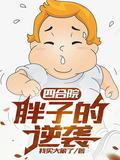 Siheyuan: Fatty's Counterattack
I Bought an Elephant766k Wordscompleted
1.6kReads8.2Score—Shelves
Siheyuan: Fatty's Counterattack
I Bought an Elephant766k Wordscompleted
1.6kReads8.2Score—Shelves
Reader note
"Si Zhu Xue Ye's Tragic Death: Rebirth in 1961" uses the classic cool novel structure of "rebirth with revenge + system cheating" to unveil the hypocrisy of the Siheyuan. The protagonist He Yuzhu was drained of all his efforts by Qin Huairu's family in his previous life and froze to death in a bridge cave; he returned to 1961 with the system in his new life, counterattacked with a clear mind and spatial golden fingers, and rewrote his destiny. The author uses the delicate texture of the era and the sharp slap-in-the-face plot to create a masterpiece on the courtyard house that combines realistic criticism and refreshing catharsis. 1. The critical blow at the beginning of rebirth: tearing apart the mask of warmth and stepping on moral kidnapping. The novel opens with the tragic scene of He Yuzhu freezing to death in a bridge tunnel in old age, which creates a strong impact and sets the emotional tone of "revenge and abuse of scum". Reborn in the kitchen of the steel rolling mill in 1961, when faced with the stickman who stole soy sauce, he no longer acted as the "big brother", but decisively slapped him and called the security department to arrest him, tearing apart the Jia family's pretense of "orphans and widowers" with a slap. This behavior is not only a farewell to the foolishness and kindness of the previous life, but also uses "system rules" as weapons (such as exposing evidence of theft and using the security department to intimidate), leaving Qin Huairu, Yi Zhonghai and others' moral kidnapping nowhere to hide. When Bangge cried "Complain to grandma", He Yuzhu's sneer - "Grandpa will teach you to respect your elders today" became the first clarion call for counterattack. 2. The pragmatic design of the system's golden finger: the dual blessing of space and awakening. The setting of the "symbiosis system" breaks out of the traditional check-in mode and deeply binds "changing plot nodes" and "obtaining rewards": - Portable space: The configuration of a ten-square-meter cave + spiritual spring not only meets the needs of stocking up (such as storing half a chicken hidden secretly, materials purchased in the future), but also uses the "time standstill" feature to avoid censorship risks and pave the way for subsequent response to material shortages; - Memory Awakening: He Yuzhu retained the memory of his past life and accurately saw through the calculations of Yi Zhonghai's "pension group" and Qin Huairu's "White Lotus" routine. He even made arrangements in advance to recover the property embezzled by the Jia family (such as forcing Qin Huairu to repay a 300 yuan loan), so that every counterattack is based on the logic of "prophecy"; - Emotional feedback: By revealing the truth about the Jia family's private pension fund and Yi Zhonghai's manipulation of public opinion, the shocking emotional value of the whole hospital is harvested, which coincides with the core logic of the system that "changing destiny requires subverting the inherent ecology". 3. Deconstruction of group portraits: from "birds running rampant" to "everyone is in danger" The author uses scalpel-like strokes to analyze the appearances of all living beings in the courtyard, highlighting the complexity of human nature in the comparison: - Yi Zhonghai: On the surface, he is a "moral god", but in fact he manipulates public opinion to pave the way for retirement. He Yuzhu was encouraged to support the Jia family in his previous life, but in this life he was revealed to have misappropriated money sent by He Daqing. The fragmentation of his "hypocrisy" mask became the trigger for the collapse of order in the compound; - Qin Huairu: evolved from a "weak widow" to a "vampire housewife", taking advantage of He Yuzhu's kindness to empty out his savings, and even acquiesced in stealing public property. After rebirth, He Yuzhu liquidated the loan in public, causing his "virtuous" character to go bankrupt instantly; - Xu Damao: From "simple philistine" to "revenge alliance". The fate of being buried under a bridge with He Yuzhu in his previous life makes "joining forces to fight against the enemy" in this life full of fate. The transformation of the two from "calculating each other" to "back-to-back counterattack" has become an important source of plot tension. It is worth mentioning that the "stinginess" of the third uncle Yan Bugui was given the rationality of the times - he had to be good at calculations to support a family of six with 25 yuan a month; while the "partiality" of the deaf old lady implicitly satirized the distortion of traditional filial piety, making the courtyard a testing ground for human nature in a special era. 4. The depth of the times and the metaphor of reality: the microcosm of society is seen in firewood, rice, oil and salt. The novel is based on the scarcity of supplies in 1961, and restores the survival rules of the special era through detailed descriptions: - Ticket economy: He Yuzhu ran out of tickets to purchase ingredients, and Xu Damao was anxious and unable to sleep after losing chickens, reflecting the social reality that "food stamps are the lifeblood"; - Factory ecology: the authority of the security department of the steel rolling mill, the privileges of the canteen stove, showing the complex network of relationships within the system; - Women's dilemma: Qin Huairu seems to be "manipulating men", but in fact she is trapped in the double shackles of "widow + mother". Her tragedy contrasts with He Yuyu's "white-eyed wolf" behavior, revealing the double oppression of women in the era. The plot of He Yuzhu's refusal to "bring a lunch box to support the Jia family" is not only a sign of personal awakening, but also a symbol of resistance to "moral kidnapping poverty alleviation", which coincides with modern readers' reflections on the "Mother's Heart". Conclusion: When kindness becomes a weapon, the self-salvation of the reborn. "The Tragic Death of Silly Zhu on the Snow Night: Rebirth in 1961" wraps up the criticism of reality with the "sense of abuse and pleasure", making He Yuzhu's rebirth not only a journey of revenge, but also a human experiment on "how to not be let down by kindness". If you are tired of the oppression and frustration of the traditional courtyard house and want to see the exciting plot of "an honest man awakens and crushes the birds", this work will make you hooked - see how Silly Zhu uses the system space to hoard food to prepare for war, use a clear mind to dismantle calculations, and fight a bloody road to redemption in a courtyard overrun with birds.
-
175
我
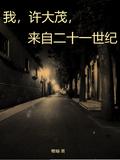 I, Xu Damao, Come from the 21St Century
Toad715k Wordscompleted
6.5kReads8.1Score199Shelves
I, Xu Damao, Come from the 21St Century
Toad715k Wordscompleted
6.5kReads8.1Score199Shelves
Reader note
"Si Zhu Xue Ye's Tragic Death: Rebirth in 1961" uses the classic cool novel structure of "rebirth with revenge + system cheating" to unveil the hypocrisy of the Siheyuan. The protagonist He Yuzhu was drained of all his efforts by Qin Huairu's family in his previous life and froze to death in a bridge cave; he returned to 1961 with the system in his new life, counterattacked with a clear mind and spatial golden fingers, and rewrote his destiny. The author uses the delicate texture of the era and the sharp slap-in-the-face plot to create a masterpiece on the courtyard house that combines realistic criticism and refreshing catharsis. 1. The critical blow at the beginning of rebirth: tearing apart the mask of warmth and stepping on moral kidnapping. The novel opens with the tragic scene of He Yuzhu freezing to death in a bridge tunnel in old age, which creates a strong impact and sets the emotional tone of "revenge and abuse of scum". Reborn in the kitchen of the steel rolling mill in 1961, when faced with the stickman who stole soy sauce, he no longer acted as the "big brother", but decisively slapped him and called the security department to arrest him, tearing apart the Jia family's pretense of "orphans and widowers" with a slap. This behavior is not only a farewell to the foolishness and kindness of the previous life, but also uses "system rules" as weapons (such as exposing evidence of theft and using the security department to intimidate), leaving Qin Huairu, Yi Zhonghai and others' moral kidnapping nowhere to hide. When Bangge cried "Complain to grandma", He Yuzhu's sneer - "Grandpa will teach you to respect your elders today" became the first clarion call for counterattack. 2. The pragmatic design of the system's golden finger: the dual blessing of space and awakening. The setting of the "symbiosis system" breaks out of the traditional check-in mode and deeply binds "changing plot nodes" and "obtaining rewards": - Portable space: The configuration of a ten-square-meter cave + spiritual spring not only meets the needs of stocking up (such as storing half a chicken hidden secretly, materials purchased in the future), but also uses the "time standstill" feature to avoid censorship risks and pave the way for subsequent response to material shortages; - Memory Awakening: He Yuzhu retained the memory of his past life and accurately saw through the calculations of Yi Zhonghai's "pension group" and Qin Huairu's "White Lotus" routine. He even made arrangements in advance to recover the property embezzled by the Jia family (such as forcing Qin Huairu to repay a 300 yuan loan), so that every counterattack is based on the logic of "prophecy"; - Emotional feedback: By revealing the truth about the Jia family's private pension fund and Yi Zhonghai's manipulation of public opinion, the shocking emotional value of the whole hospital is harvested, which coincides with the core logic of the system that "changing destiny requires subverting the inherent ecology". 3. Deconstruction of group portraits: from "birds running rampant" to "everyone is in danger" The author uses scalpel-like strokes to analyze the appearances of all living beings in the courtyard, highlighting the complexity of human nature in the comparison: - Yi Zhonghai: On the surface, he is a "moral god", but in fact he manipulates public opinion to pave the way for retirement. He Yuzhu was encouraged to support the Jia family in his previous life, but in this life he was revealed to have misappropriated money sent by He Daqing. The fragmentation of his "hypocrisy" mask became the trigger for the collapse of order in the compound; - Qin Huairu: evolved from a "weak widow" to a "vampire housewife", taking advantage of He Yuzhu's kindness to empty out his savings, and even acquiesced in stealing public property. After rebirth, He Yuzhu liquidated the loan in public, causing his "virtuous" character to go bankrupt instantly; - Xu Damao: From "simple philistine" to "revenge alliance". The fate of being buried under a bridge with He Yuzhu in his previous life makes "joining forces to fight against the enemy" in this life full of fate. The transformation of the two from "calculating each other" to "back-to-back counterattack" has become an important source of plot tension. It is worth mentioning that the "stinginess" of the third uncle Yan Bugui was given the rationality of the times - he had to be good at calculations to support a family of six with 25 yuan a month; while the "partiality" of the deaf old lady implicitly satirized the distortion of traditional filial piety, making the courtyard a testing ground for human nature in a special era. 4. The depth of the times and the metaphor of reality: the microcosm of society is seen in firewood, rice, oil and salt. The novel is based on the scarcity of supplies in 1961, and restores the survival rules of the special era through detailed descriptions: - Ticket economy: He Yuzhu ran out of tickets to purchase ingredients, and Xu Damao was anxious and unable to sleep after losing chickens, reflecting the social reality that "food stamps are the lifeblood"; - Factory ecology: the authority of the security department of the steel rolling mill, the privileges of the canteen stove, showing the complex network of relationships within the system; - Women's dilemma: Qin Huairu seems to be "manipulating men", but in fact she is trapped in the double shackles of "widow + mother". Her tragedy contrasts with He Yuyu's "white-eyed wolf" behavior, revealing the double oppression of women in the era. The plot of He Yuzhu's refusal to "bring a lunch box to support the Jia family" is not only a sign of personal awakening, but also a symbol of resistance to "moral kidnapping poverty alleviation", which coincides with modern readers' reflections on the "Mother's Heart". Conclusion: When kindness becomes a weapon, the self-salvation of the reborn. "The Tragic Death of Silly Zhu on the Snow Night: Rebirth in 1961" wraps up the criticism of reality with the "sense of abuse and pleasure", making He Yuzhu's rebirth not only a journey of revenge, but also a human experiment on "how to not be let down by kindness". If you are tired of the oppression and frustration of the traditional courtyard house and want to see the exciting plot of "an honest man awakens and crushes the birds", this work will make you hooked - see how Silly Zhu uses the system space to hoard food to prepare for war, use a clear mind to dismantle calculations, and fight a bloody road to redemption in a courtyard overrun with birds.
-
176
四
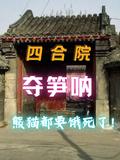 Siheyuan: If You Win the Bamboo Shoots, the Pandas Will Starve to Death.
Baby Insoles300k Wordscompleted
4.7kReads8.1Score170Shelves
Siheyuan: If You Win the Bamboo Shoots, the Pandas Will Starve to Death.
Baby Insoles300k Wordscompleted
4.7kReads8.1Score170Shelves
Reader note
"Si Zhu Xue Ye's Tragic Death: Rebirth in 1961" uses the classic cool novel structure of "rebirth with revenge + system cheating" to unveil the hypocrisy of the Siheyuan. The protagonist He Yuzhu was drained of all his efforts by Qin Huairu's family in his previous life and froze to death in a bridge cave; he returned to 1961 with the system in his new life, counterattacked with a clear mind and spatial golden fingers, and rewrote his destiny. The author uses the delicate texture of the era and the sharp slap-in-the-face plot to create a masterpiece on the courtyard house that combines realistic criticism and refreshing catharsis. 1. The critical blow at the beginning of rebirth: tearing apart the mask of warmth and stepping on moral kidnapping. The novel opens with the tragic scene of He Yuzhu freezing to death in a bridge tunnel in old age, which creates a strong impact and sets the emotional tone of "revenge and abuse of scum". Reborn in the kitchen of the steel rolling mill in 1961, when faced with the stickman who stole soy sauce, he no longer acted as the "big brother", but decisively slapped him and called the security department to arrest him, tearing apart the Jia family's pretense of "orphans and widowers" with a slap. This behavior is not only a farewell to the foolishness and kindness of the previous life, but also uses "system rules" as weapons (such as exposing evidence of theft and using the security department to intimidate), leaving Qin Huairu, Yi Zhonghai and others' moral kidnapping nowhere to hide. When Bangge cried "Complain to grandma", He Yuzhu's sneer - "Grandpa will teach you to respect your elders today" became the first clarion call for counterattack. 2. The pragmatic design of the system's golden finger: the dual blessing of space and awakening. The setting of the "symbiosis system" breaks out of the traditional check-in mode and deeply binds "changing plot nodes" and "obtaining rewards": - Portable space: The configuration of a ten-square-meter cave + spiritual spring not only meets the needs of stocking up (such as storing half a chicken hidden secretly, materials purchased in the future), but also uses the "time standstill" feature to avoid censorship risks and pave the way for subsequent response to material shortages; - Memory Awakening: He Yuzhu retained the memory of his past life and accurately saw through the calculations of Yi Zhonghai's "pension group" and Qin Huairu's "White Lotus" routine. He even made arrangements in advance to recover the property embezzled by the Jia family (such as forcing Qin Huairu to repay a 300 yuan loan), so that every counterattack is based on the logic of "prophecy"; - Emotional feedback: By revealing the truth about the Jia family's private pension fund and Yi Zhonghai's manipulation of public opinion, the shocking emotional value of the whole hospital is harvested, which coincides with the core logic of the system that "changing destiny requires subverting the inherent ecology". 3. Deconstruction of group portraits: from "birds running rampant" to "everyone is in danger" The author uses scalpel-like strokes to analyze the appearances of all living beings in the courtyard, highlighting the complexity of human nature in the comparison: - Yi Zhonghai: On the surface, he is a "moral god", but in fact he manipulates public opinion to pave the way for retirement. He Yuzhu was encouraged to support the Jia family in his previous life, but in this life he was revealed to have misappropriated money sent by He Daqing. The fragmentation of his "hypocrisy" mask became the trigger for the collapse of order in the compound; - Qin Huairu: evolved from a "weak widow" to a "vampire housewife", taking advantage of He Yuzhu's kindness to empty out his savings, and even acquiesced in stealing public property. After rebirth, He Yuzhu liquidated the loan in public, causing his "virtuous" character to go bankrupt instantly; - Xu Damao: From "simple philistine" to "revenge alliance". The fate of being buried under a bridge with He Yuzhu in his previous life makes "joining forces to fight against the enemy" in this life full of fate. The transformation of the two from "calculating each other" to "back-to-back counterattack" has become an important source of plot tension. It is worth mentioning that the "stinginess" of the third uncle Yan Bugui was given the rationality of the times - he had to be good at calculations to support a family of six with 25 yuan a month; while the "partiality" of the deaf old lady implicitly satirized the distortion of traditional filial piety, making the courtyard a testing ground for human nature in a special era. 4. The depth of the times and the metaphor of reality: the microcosm of society is seen in firewood, rice, oil and salt. The novel is based on the scarcity of supplies in 1961, and restores the survival rules of the special era through detailed descriptions: - Ticket economy: He Yuzhu ran out of tickets to purchase ingredients, and Xu Damao was anxious and unable to sleep after losing chickens, reflecting the social reality that "food stamps are the lifeblood"; - Factory ecology: the authority of the security department of the steel rolling mill, the privileges of the canteen stove, showing the complex network of relationships within the system; - Women's dilemma: Qin Huairu seems to be "manipulating men", but in fact she is trapped in the double shackles of "widow + mother". Her tragedy contrasts with He Yuyu's "white-eyed wolf" behavior, revealing the double oppression of women in the era. The plot of He Yuzhu's refusal to "bring a lunch box to support the Jia family" is not only a sign of personal awakening, but also a symbol of resistance to "moral kidnapping poverty alleviation", which coincides with modern readers' reflections on the "Mother's Heart". Conclusion: When kindness becomes a weapon, the self-salvation of the reborn. "The Tragic Death of Silly Zhu on the Snow Night: Rebirth in 1961" wraps up the criticism of reality with the "sense of abuse and pleasure", making He Yuzhu's rebirth not only a journey of revenge, but also a human experiment on "how to not be let down by kindness". If you are tired of the oppression and frustration of the traditional courtyard house and want to see the exciting plot of "an honest man awakens and crushes the birds", this work will make you hooked - see how Silly Zhu uses the system space to hoard food to prepare for war, use a clear mind to dismantle calculations, and fight a bloody road to redemption in a courtyard overrun with birds.
-
177
四
 Siheyuan: All Eunuchs in the Courtyard, My Happy Life
Ye Xiaoqing309k Wordscompleted
8kReads8.2Score556Shelves
Siheyuan: All Eunuchs in the Courtyard, My Happy Life
Ye Xiaoqing309k Wordscompleted
8kReads8.2Score556Shelves
Reader note
"Si Zhu Xue Ye's Tragic Death: Rebirth in 1961" uses the classic cool novel structure of "rebirth with revenge + system cheating" to unveil the hypocrisy of the Siheyuan. The protagonist He Yuzhu was drained of all his efforts by Qin Huairu's family in his previous life and froze to death in a bridge cave; he returned to 1961 with the system in his new life, counterattacked with a clear mind and spatial golden fingers, and rewrote his destiny. The author uses the delicate texture of the era and the sharp slap-in-the-face plot to create a masterpiece on the courtyard house that combines realistic criticism and refreshing catharsis. 1. The critical blow at the beginning of rebirth: tearing apart the mask of warmth and stepping on moral kidnapping. The novel opens with the tragic scene of He Yuzhu freezing to death in a bridge tunnel in old age, which creates a strong impact and sets the emotional tone of "revenge and abuse of scum". Reborn in the kitchen of the steel rolling mill in 1961, when faced with the stickman who stole soy sauce, he no longer acted as the "big brother", but decisively slapped him and called the security department to arrest him, tearing apart the Jia family's pretense of "orphans and widowers" with a slap. This behavior is not only a farewell to the foolishness and kindness of the previous life, but also uses "system rules" as weapons (such as exposing evidence of theft and using the security department to intimidate), leaving Qin Huairu, Yi Zhonghai and others' moral kidnapping nowhere to hide. When Bangge cried "Complain to grandma", He Yuzhu's sneer - "Grandpa will teach you to respect your elders today" became the first clarion call for counterattack. 2. The pragmatic design of the system's golden finger: the dual blessing of space and awakening. The setting of the "symbiosis system" breaks out of the traditional check-in mode and deeply binds "changing plot nodes" and "obtaining rewards": - Portable space: The configuration of a ten-square-meter cave + spiritual spring not only meets the needs of stocking up (such as storing half a chicken hidden secretly, materials purchased in the future), but also uses the "time standstill" feature to avoid censorship risks and pave the way for subsequent response to material shortages; - Memory Awakening: He Yuzhu retained the memory of his past life and accurately saw through the calculations of Yi Zhonghai's "pension group" and Qin Huairu's "White Lotus" routine. He even made arrangements in advance to recover the property embezzled by the Jia family (such as forcing Qin Huairu to repay a 300 yuan loan), so that every counterattack is based on the logic of "prophecy"; - Emotional feedback: By revealing the truth about the Jia family's private pension fund and Yi Zhonghai's manipulation of public opinion, the shocking emotional value of the whole hospital is harvested, which coincides with the core logic of the system that "changing destiny requires subverting the inherent ecology". 3. Deconstruction of group portraits: from "birds running rampant" to "everyone is in danger" The author uses scalpel-like strokes to analyze the appearances of all living beings in the courtyard, highlighting the complexity of human nature in the comparison: - Yi Zhonghai: On the surface, he is a "moral god", but in fact he manipulates public opinion to pave the way for retirement. He Yuzhu was encouraged to support the Jia family in his previous life, but in this life he was revealed to have misappropriated money sent by He Daqing. The fragmentation of his "hypocrisy" mask became the trigger for the collapse of order in the compound; - Qin Huairu: evolved from a "weak widow" to a "vampire housewife", taking advantage of He Yuzhu's kindness to empty out his savings, and even acquiesced in stealing public property. After rebirth, He Yuzhu liquidated the loan in public, causing his "virtuous" character to go bankrupt instantly; - Xu Damao: From "simple philistine" to "revenge alliance". The fate of being buried under a bridge with He Yuzhu in his previous life makes "joining forces to fight against the enemy" in this life full of fate. The transformation of the two from "calculating each other" to "back-to-back counterattack" has become an important source of plot tension. It is worth mentioning that the "stinginess" of the third uncle Yan Bugui was given the rationality of the times - he had to be good at calculations to support a family of six with 25 yuan a month; while the "partiality" of the deaf old lady implicitly satirized the distortion of traditional filial piety, making the courtyard a testing ground for human nature in a special era. 4. The depth of the times and the metaphor of reality: the microcosm of society is seen in firewood, rice, oil and salt. The novel is based on the scarcity of supplies in 1961, and restores the survival rules of the special era through detailed descriptions: - Ticket economy: He Yuzhu ran out of tickets to purchase ingredients, and Xu Damao was anxious and unable to sleep after losing chickens, reflecting the social reality that "food stamps are the lifeblood"; - Factory ecology: the authority of the security department of the steel rolling mill, the privileges of the canteen stove, showing the complex network of relationships within the system; - Women's dilemma: Qin Huairu seems to be "manipulating men", but in fact she is trapped in the double shackles of "widow + mother". Her tragedy contrasts with He Yuyu's "white-eyed wolf" behavior, revealing the double oppression of women in the era. The plot of He Yuzhu's refusal to "bring a lunch box to support the Jia family" is not only a sign of personal awakening, but also a symbol of resistance to "moral kidnapping poverty alleviation", which coincides with modern readers' reflections on the "Mother's Heart". Conclusion: When kindness becomes a weapon, the self-salvation of the reborn. "The Tragic Death of Silly Zhu on the Snow Night: Rebirth in 1961" wraps up the criticism of reality with the "sense of abuse and pleasure", making He Yuzhu's rebirth not only a journey of revenge, but also a human experiment on "how to not be let down by kindness". If you are tired of the oppression and frustration of the traditional courtyard house and want to see the exciting plot of "an honest man awakens and crushes the birds", this work will make you hooked - see how Silly Zhu uses the system space to hoard food to prepare for war, use a clear mind to dismantle calculations, and fight a bloody road to redemption in a courtyard overrun with birds.
-
178
从
 From Siheyuan to Hong Kong Island Tycoon
Shredded Sweet Potato1.1M Wordscompleted
11.4kReads8.1Score450Shelves
From Siheyuan to Hong Kong Island Tycoon
Shredded Sweet Potato1.1M Wordscompleted
11.4kReads8.1Score450Shelves
Reader note
"Si Zhu Xue Ye's Tragic Death: Rebirth in 1961" uses the classic cool novel structure of "rebirth with revenge + system cheating" to unveil the hypocrisy of the Siheyuan. The protagonist He Yuzhu was drained of all his efforts by Qin Huairu's family in his previous life and froze to death in a bridge cave; he returned to 1961 with the system in his new life, counterattacked with a clear mind and spatial golden fingers, and rewrote his destiny. The author uses the delicate texture of the era and the sharp slap-in-the-face plot to create a masterpiece on the courtyard house that combines realistic criticism and refreshing catharsis. 1. The critical blow at the beginning of rebirth: tearing apart the mask of warmth and stepping on moral kidnapping. The novel opens with the tragic scene of He Yuzhu freezing to death in a bridge tunnel in old age, which creates a strong impact and sets the emotional tone of "revenge and abuse of scum". Reborn in the kitchen of the steel rolling mill in 1961, when faced with the stickman who stole soy sauce, he no longer acted as the "big brother", but decisively slapped him and called the security department to arrest him, tearing apart the Jia family's pretense of "orphans and widowers" with a slap. This behavior is not only a farewell to the foolishness and kindness of the previous life, but also uses "system rules" as weapons (such as exposing evidence of theft and using the security department to intimidate), leaving Qin Huairu, Yi Zhonghai and others' moral kidnapping nowhere to hide. When Bangge cried "Complain to grandma", He Yuzhu's sneer - "Grandpa will teach you to respect your elders today" became the first clarion call for counterattack. 2. The pragmatic design of the system's golden finger: the dual blessing of space and awakening. The setting of the "symbiosis system" breaks out of the traditional check-in mode and deeply binds "changing plot nodes" and "obtaining rewards": - Portable space: The configuration of a ten-square-meter cave + spiritual spring not only meets the needs of stocking up (such as storing half a chicken hidden secretly, materials purchased in the future), but also uses the "time standstill" feature to avoid censorship risks and pave the way for subsequent response to material shortages; - Memory Awakening: He Yuzhu retained the memory of his past life and accurately saw through the calculations of Yi Zhonghai's "pension group" and Qin Huairu's "White Lotus" routine. He even made arrangements in advance to recover the property embezzled by the Jia family (such as forcing Qin Huairu to repay a 300 yuan loan), so that every counterattack is based on the logic of "prophecy"; - Emotional feedback: By revealing the truth about the Jia family's private pension fund and Yi Zhonghai's manipulation of public opinion, the shocking emotional value of the whole hospital is harvested, which coincides with the core logic of the system that "changing destiny requires subverting the inherent ecology". 3. Deconstruction of group portraits: from "birds running rampant" to "everyone is in danger" The author uses scalpel-like strokes to analyze the appearances of all living beings in the courtyard, highlighting the complexity of human nature in the comparison: - Yi Zhonghai: On the surface, he is a "moral god", but in fact he manipulates public opinion to pave the way for retirement. He Yuzhu was encouraged to support the Jia family in his previous life, but in this life he was revealed to have misappropriated money sent by He Daqing. The fragmentation of his "hypocrisy" mask became the trigger for the collapse of order in the compound; - Qin Huairu: evolved from a "weak widow" to a "vampire housewife", taking advantage of He Yuzhu's kindness to empty out his savings, and even acquiesced in stealing public property. After rebirth, He Yuzhu liquidated the loan in public, causing his "virtuous" character to go bankrupt instantly; - Xu Damao: From "simple philistine" to "revenge alliance". The fate of being buried under a bridge with He Yuzhu in his previous life makes "joining forces to fight against the enemy" in this life full of fate. The transformation of the two from "calculating each other" to "back-to-back counterattack" has become an important source of plot tension. It is worth mentioning that the "stinginess" of the third uncle Yan Bugui was given the rationality of the times - he had to be good at calculations to support a family of six with 25 yuan a month; while the "partiality" of the deaf old lady implicitly satirized the distortion of traditional filial piety, making the courtyard a testing ground for human nature in a special era. 4. The depth of the times and the metaphor of reality: the microcosm of society is seen in firewood, rice, oil and salt. The novel is based on the scarcity of supplies in 1961, and restores the survival rules of the special era through detailed descriptions: - Ticket economy: He Yuzhu ran out of tickets to purchase ingredients, and Xu Damao was anxious and unable to sleep after losing chickens, reflecting the social reality that "food stamps are the lifeblood"; - Factory ecology: the authority of the security department of the steel rolling mill, the privileges of the canteen stove, showing the complex network of relationships within the system; - Women's dilemma: Qin Huairu seems to be "manipulating men", but in fact she is trapped in the double shackles of "widow + mother". Her tragedy contrasts with He Yuyu's "white-eyed wolf" behavior, revealing the double oppression of women in the era. The plot of He Yuzhu's refusal to "bring a lunch box to support the Jia family" is not only a sign of personal awakening, but also a symbol of resistance to "moral kidnapping poverty alleviation", which coincides with modern readers' reflections on the "Mother's Heart". Conclusion: When kindness becomes a weapon, the self-salvation of the reborn. "The Tragic Death of Silly Zhu on the Snow Night: Rebirth in 1961" wraps up the criticism of reality with the "sense of abuse and pleasure", making He Yuzhu's rebirth not only a journey of revenge, but also a human experiment on "how to not be let down by kindness". If you are tired of the oppression and frustration of the traditional courtyard house and want to see the exciting plot of "an honest man awakens and crushes the birds", this work will make you hooked - see how Silly Zhu uses the system space to hoard food to prepare for war, use a clear mind to dismantle calculations, and fight a bloody road to redemption in a courtyard overrun with birds.
-
179
四
 Siheyuan: God Gave Me a Chance for Revenge
Zhang's Three Stones606k Wordscompleted
21kReads7.9Score850Shelves
Siheyuan: God Gave Me a Chance for Revenge
Zhang's Three Stones606k Wordscompleted
21kReads7.9Score850Shelves
Reader note
"Si Zhu Xue Ye's Tragic Death: Rebirth in 1961" uses the classic cool novel structure of "rebirth with revenge + system cheating" to unveil the hypocrisy of the Siheyuan. The protagonist He Yuzhu was drained of all his efforts by Qin Huairu's family in his previous life and froze to death in a bridge cave; he returned to 1961 with the system in his new life, counterattacked with a clear mind and spatial golden fingers, and rewrote his destiny. The author uses the delicate texture of the era and the sharp slap-in-the-face plot to create a masterpiece on the courtyard house that combines realistic criticism and refreshing catharsis. 1. The critical blow at the beginning of rebirth: tearing apart the mask of warmth and stepping on moral kidnapping. The novel opens with the tragic scene of He Yuzhu freezing to death in a bridge tunnel in old age, which creates a strong impact and sets the emotional tone of "revenge and abuse of scum". Reborn in the kitchen of the steel rolling mill in 1961, when faced with the stickman who stole soy sauce, he no longer acted as the "big brother", but decisively slapped him and called the security department to arrest him, tearing apart the Jia family's pretense of "orphans and widowers" with a slap. This behavior is not only a farewell to the foolishness and kindness of the previous life, but also uses "system rules" as weapons (such as exposing evidence of theft and using the security department to intimidate), leaving Qin Huairu, Yi Zhonghai and others' moral kidnapping nowhere to hide. When Bangge cried "Complain to grandma", He Yuzhu's sneer - "Grandpa will teach you to respect your elders today" became the first clarion call for counterattack. 2. The pragmatic design of the system's golden finger: the dual blessing of space and awakening. The setting of the "symbiosis system" breaks out of the traditional check-in mode and deeply binds "changing plot nodes" and "obtaining rewards": - Portable space: The configuration of a ten-square-meter cave + spiritual spring not only meets the needs of stocking up (such as storing half a chicken hidden secretly, materials purchased in the future), but also uses the "time standstill" feature to avoid censorship risks and pave the way for subsequent response to material shortages; - Memory Awakening: He Yuzhu retained the memory of his past life and accurately saw through the calculations of Yi Zhonghai's "pension group" and Qin Huairu's "White Lotus" routine. He even made arrangements in advance to recover the property embezzled by the Jia family (such as forcing Qin Huairu to repay a 300 yuan loan), so that every counterattack is based on the logic of "prophecy"; - Emotional feedback: By revealing the truth about the Jia family's private pension fund and Yi Zhonghai's manipulation of public opinion, the shocking emotional value of the whole hospital is harvested, which coincides with the core logic of the system that "changing destiny requires subverting the inherent ecology". 3. Deconstruction of group portraits: from "birds running rampant" to "everyone is in danger" The author uses scalpel-like strokes to analyze the appearances of all living beings in the courtyard, highlighting the complexity of human nature in the comparison: - Yi Zhonghai: On the surface, he is a "moral god", but in fact he manipulates public opinion to pave the way for retirement. He Yuzhu was encouraged to support the Jia family in his previous life, but in this life he was revealed to have misappropriated money sent by He Daqing. The fragmentation of his "hypocrisy" mask became the trigger for the collapse of order in the compound; - Qin Huairu: evolved from a "weak widow" to a "vampire housewife", taking advantage of He Yuzhu's kindness to empty out his savings, and even acquiesced in stealing public property. After rebirth, He Yuzhu liquidated the loan in public, causing his "virtuous" character to go bankrupt instantly; - Xu Damao: From "simple philistine" to "revenge alliance". The fate of being buried under a bridge with He Yuzhu in his previous life makes "joining forces to fight against the enemy" in this life full of fate. The transformation of the two from "calculating each other" to "back-to-back counterattack" has become an important source of plot tension. It is worth mentioning that the "stinginess" of the third uncle Yan Bugui was given the rationality of the times - he had to be good at calculations to support a family of six with 25 yuan a month; while the "partiality" of the deaf old lady implicitly satirized the distortion of traditional filial piety, making the courtyard a testing ground for human nature in a special era. 4. The depth of the times and the metaphor of reality: the microcosm of society is seen in firewood, rice, oil and salt. The novel is based on the scarcity of supplies in 1961, and restores the survival rules of the special era through detailed descriptions: - Ticket economy: He Yuzhu ran out of tickets to purchase ingredients, and Xu Damao was anxious and unable to sleep after losing chickens, reflecting the social reality that "food stamps are the lifeblood"; - Factory ecology: the authority of the security department of the steel rolling mill, the privileges of the canteen stove, showing the complex network of relationships within the system; - Women's dilemma: Qin Huairu seems to be "manipulating men", but in fact she is trapped in the double shackles of "widow + mother". Her tragedy contrasts with He Yuyu's "white-eyed wolf" behavior, revealing the double oppression of women in the era. The plot of He Yuzhu's refusal to "bring a lunch box to support the Jia family" is not only a sign of personal awakening, but also a symbol of resistance to "moral kidnapping poverty alleviation", which coincides with modern readers' reflections on the "Mother's Heart". Conclusion: When kindness becomes a weapon, the self-salvation of the reborn. "The Tragic Death of Silly Zhu on the Snow Night: Rebirth in 1961" wraps up the criticism of reality with the "sense of abuse and pleasure", making He Yuzhu's rebirth not only a journey of revenge, but also a human experiment on "how to not be let down by kindness". If you are tired of the oppression and frustration of the traditional courtyard house and want to see the exciting plot of "an honest man awakens and crushes the birds", this work will make you hooked - see how Silly Zhu uses the system space to hoard food to prepare for war, use a clear mind to dismantle calculations, and fight a bloody road to redemption in a courtyard overrun with birds.
-
180
四
 Siheyuan: I Know a Little Bit About That.
Fence Star Lord1.6M Wordsongoing
6.1kReads7.7Score251Shelves
Siheyuan: I Know a Little Bit About That.
Fence Star Lord1.6M Wordsongoing
6.1kReads7.7Score251Shelves
Reader note
🍅This Siheyuan is really good. It's rare that He Yuzhu and Yuyu live a warm and strong life. [Like] They run away in the Qing Dynasty. The 5-year-old little Loli Yuyu is carefully taken care of by her brother. Although she is a brother from time travel [laughing], while fighting against the birds, working hard and taking care of her sister, it is very comfortable to read even without the golden finger system!
-
181
四
 Siheyuan: Occupy the Expensive House in Yanbu at the Beginning
Second Stage Curse Seal313k Wordscompleted
19.1kReads8.2Score811Shelves
Siheyuan: Occupy the Expensive House in Yanbu at the Beginning
Second Stage Curse Seal313k Wordscompleted
19.1kReads8.2Score811Shelves
Reader note
All pretty good
-
182
四
 Siheyuan: Send the Beasts Back to the West with Your Own Hands
Hua Xiaosheng446k Wordscompleted
13.3kReads7.4Score561Shelves
Siheyuan: Send the Beasts Back to the West with Your Own Hands
Hua Xiaosheng446k Wordscompleted
13.3kReads7.4Score561Shelves
Reader note
All pretty good
-
183
四
 Siheyuan: Play the Crippled Stupid Pillar at the Beginning
Second Stage Curse Seal353k Wordscompleted
11.3kReads7.5Score413Shelves
Siheyuan: Play the Crippled Stupid Pillar at the Beginning
Second Stage Curse Seal353k Wordscompleted
11.3kReads7.5Score413Shelves
Reader note
All pretty good
-
184
傻
 Silly Zhu: Rain Save Me! Big Brother Wants to Beat Me to Death!
Leave Half the Cigarette Butt1.0M Wordscompleted
43.6kReads8.0Score2.9kShelves
Silly Zhu: Rain Save Me! Big Brother Wants to Beat Me to Death!
Leave Half the Cigarette Butt1.0M Wordscompleted
43.6kReads8.0Score2.9kShelves
Reader note
All pretty good
-
185
四
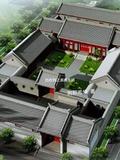 A Happy Life in the Siheyuan
The Moment of Youth663k Wordscompleted
12.8kReads8.0Score399Shelves
A Happy Life in the Siheyuan
The Moment of Youth663k Wordscompleted
12.8kReads8.0Score399Shelves
Reader note
There is no space, no system. A man from science and engineering travels through the courtyard, relies on his own ability to engage in design, and lives a good life while strengthening the country. The single female protagonist Chen Xueru
-
186
重
 He Yuzhu Was Reborn, Slaughtered His Family and Saved His Mother.
Blood Stained Youth2.8M Wordsongoing
14.5kReads8.1Score639Shelves
He Yuzhu Was Reborn, Slaughtered His Family and Saved His Mother.
Blood Stained Youth2.8M Wordsongoing
14.5kReads8.1Score639Shelves
Reader note
A good book worth reading
-
187
重
 Rebirth of He Yuzhu, the Stick Figure Turned Out to Be
Bianzhen Ancient Town1.7M Wordscompleted
15.6kReads7.7Score1.1kShelves
Rebirth of He Yuzhu, the Stick Figure Turned Out to Be
Bianzhen Ancient Town1.7M Wordscompleted
15.6kReads7.7Score1.1kShelves
-
188
四
 The Courtyard Is Full of Babies from Me.
I Have 1 Pack of Snail Noodle1.0M Wordscompleted
3.7kReads8.7Score177Shelves
The Courtyard Is Full of Babies from Me.
I Have 1 Pack of Snail Noodle1.0M Wordscompleted
3.7kReads8.7Score177Shelves
Reader note
Focus on Lingbao Roujiamo for 20 years! Focus on Lingbao Roujiamo for 20 years! !
-
189
四
 Siheyuan: I Married My Wife Qin Huairu, but She Disappeared
I Have 1 Pack of Snail Noodle1.0M Wordscompleted
4.8kReads7.9Score221Shelves
Siheyuan: I Married My Wife Qin Huairu, but She Disappeared
I Have 1 Pack of Snail Noodle1.0M Wordscompleted
4.8kReads7.9Score221Shelves
Reader note
Focus on Lingbao Roujiamo for 20 years! Focus on Lingbao Roujiamo for 20 years! !
-
190
四
 Siheyuan: Kill the Stick and the Deaf Old Lady at the Beginning!
Zuo QinglongUrban315k Wordscompleted
3.2kReads5.4Score108Shelves
Siheyuan: Kill the Stick and the Deaf Old Lady at the Beginning!
Zuo QinglongUrban315k Wordscompleted
3.2kReads5.4Score108Shelves
Reader note
If you don't read these two books, you will regret it. They will open up your imagination.
-
191
四
 Siheyuan: Grab a Job? Break Your Legs!
Zuo Qinglong546k Wordscompleted
3.1kReads5.8Score100Shelves
Siheyuan: Grab a Job? Break Your Legs!
Zuo Qinglong546k Wordscompleted
3.1kReads5.8Score100Shelves
Reader note
If you don't read these two books, you will regret it. They will open up your imagination.
-
192
火
 The Red Age: from Catching Thieves to Building Cars
The Strong Emperor Beiming1.4M Wordscompleted
31.4kReads8.7Score1.5kShelves
The Red Age: from Catching Thieves to Building Cars
The Strong Emperor Beiming1.4M Wordscompleted
31.4kReads8.7Score1.5kShelves
Reader note
🔥🔥Online IQ + no shit + no talismans + exquisite details + novel angles, preaching on marriage law, Yi Zhonghai was arrested; preaching on public security management regulations, He Yuzhu can no longer be the god of war in the courtyard; preaching against superstition, Jia Zhang will no longer dare to summon spirits! There is a golden finger, but it does not have much effect. It is mainly a story about modern people using legal thinking to live in a courtyard.
-
193
兄
 Brothers Become Husband and Wife, Watching the Courtyard with Cold Eyes
A Branch of Green Lotus122k Wordscompleted
812Reads6.4Score—Shelves
Brothers Become Husband and Wife, Watching the Courtyard with Cold Eyes
A Branch of Green Lotus122k Wordscompleted
812Reads6.4Score—Shelves
Reader note
🔥🔥Online IQ + no shit + no talismans + exquisite details + novel angles, preaching on marriage law, Yi Zhonghai was arrested; preaching on public security management regulations, He Yuzhu can no longer be the god of war in the courtyard; preaching against superstition, Jia Zhang will no longer dare to summon spirits! There is a golden finger, but it does not have much effect. It is mainly a story about modern people using legal thinking to live in a courtyard.
-
194
四
 Siheyuan: Lou Xiao Is a Disaster
Lu Yier604k Wordscompleted
6.1kReads8.6Score259Shelves
Siheyuan: Lou Xiao Is a Disaster
Lu Yier604k Wordscompleted
6.1kReads8.6Score259Shelves
Reader note
🔥🔥Online IQ + no shit + no talismans + exquisite details + novel angles, preaching on marriage law, Yi Zhonghai was arrested; preaching on public security management regulations, He Yuzhu can no longer be the god of war in the courtyard; preaching against superstition, Jia Zhang will no longer dare to summon spirits! There is a golden finger, but it does not have much effect. It is mainly a story about modern people using legal thinking to live in a courtyard.
-
195
四
 Siheyuan: I Asked You to Cultivate Immortality, but You Bullied Animals
Zhang's Three Stones579k Wordscompleted
21.7kReads8.2Score778Shelves
Siheyuan: I Asked You to Cultivate Immortality, but You Bullied Animals
Zhang's Three Stones579k Wordscompleted
21.7kReads8.2Score778Shelves
Reader note
🔥🔥Online IQ + no shit + no talismans + exquisite details + novel angles, preaching on marriage law, Yi Zhonghai was arrested; preaching on public security management regulations, He Yuzhu can no longer be the god of war in the courtyard; preaching against superstition, Jia Zhang will no longer dare to summon spirits! There is a golden finger, but it does not have much effect. It is mainly a story about modern people using legal thinking to live in a courtyard.
-
196
四
 The Legacy of the Siheyuan Celestial Master Is Clear and Grudges Are Clear
Surprised the Crowd401k Wordscompleted
9.5kReads8.4Score411Shelves
The Legacy of the Siheyuan Celestial Master Is Clear and Grudges Are Clear
Surprised the Crowd401k Wordscompleted
9.5kReads8.4Score411Shelves
Reader note
🔥🔥Online IQ + no shit + no talismans + exquisite details + novel angles, preaching on marriage law, Yi Zhonghai was arrested; preaching on public security management regulations, He Yuzhu can no longer be the god of war in the courtyard; preaching against superstition, Jia Zhang will no longer dare to summon spirits! There is a golden finger, but it does not have much effect. It is mainly a story about modern people using legal thinking to live in a courtyard.
-
197
四
 Siheyuan: Don't Do It! We Are Serious Doctors!
Kumquat Lemon Tea Tea Tea2.5M Wordsongoing
37kReads7.6Score2.4kShelves
Siheyuan: Don't Do It! We Are Serious Doctors!
Kumquat Lemon Tea Tea Tea2.5M Wordsongoing
37kReads7.6Score2.4kShelves
Reader note
A hard-core text on traditional Chinese medicine, this book is also called If You Can't Read the Prescriptions, Then I Also Know a Little About Boxing and Kicks [top post]
-
198
四
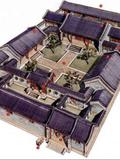 Liu Guangqi of Siheyuan
Concubine Cui Who Loves Seafood and Shrimp Porridge968k Wordscompleted
4.3kReads8.0Score215Shelves
Liu Guangqi of Siheyuan
Concubine Cui Who Loves Seafood and Shrimp Porridge968k Wordscompleted
4.3kReads8.0Score215Shelves
Reader note
Siheyuan is currently on my bookshelves.