Traditional cultural wisdom: a guide to self-cultivation and morality. In our long history of culture, Confucianism, Taoism, Buddhism, Wang Yangming's philosophy of mind, Zhang Defen's works, and the concept of pursuing the path to immortality all contain endless wisdom and point us in the direction of self-cultivation, morality, and how to behave in the world. 1. Confucianism: advocates "benevolence, righteousness, etiquette, wisdom, and faith." "Filial piety is the first of all virtues", filial piety is the respect, love and support for parents and elders; friendship and mutual help between brothers and sisters; loyalty to the king, patriotism, respect for one's job and love for one's career reflect loyalty; "One cannot stand without trust", trust is the criterion for life; etiquette regulates our behavior and respects teachers; righteousness allows us to adhere to justice and maintain chastity; integrity requires us to be spotless and upright; shame enables us to distinguish right from wrong and keep the bottom line of being a human being. Everything starts from oneself, guided by Confucianism, and constantly improves oneself. 2. Taoism: It advocates conforming to nature, following the fundamental law "Tao" of all things in the universe, governing by doing nothing, and not imposing interference. It is virtue to uphold a simple and pure nature, have noble moral character, and not fight for benefits. A pure heart, not disturbed by worldly complexities and desires, is pure; keep quiet and peaceful, gain insight into all things in tranquility, and practice physical and mental tranquility; let go of yourself, not be bound by prejudices and inherent concepts, accept the so-called emptiness of the world with an open and tolerant heart; understand the state of "nothing" In the world, let go of the attachment to tangible materials and fame and fortune, and return to the true nature of nothingness; to deal with the world with a gentle and humble attitude, like water, which seems to be weak but contains powerful power, that is, softness; to pursue harmony, to live in harmony with nature and others, and to live in peace without creating conflicts and disputes. 3. Buddhism: To be compassionate, to feel the suffering of all living beings, to give care and help is compassion; to pity the suffering of all living beings, and to help them escape from the sea of suffering is compassion; to rejoice in the happiness and happiness of all living beings, and to be free from jealousy, hatred, and hatred; to give up greed, anger, ignorance, pride, and suspicion, and to let go of the pursuit of worldly desires and obsessions is renunciation; to observe the precepts, Regulate your own behavior and refrain from doing anything that harms sentient beings or violates morality; practice meditation, focus on your heart, and not be disturbed by the outside world, so as to gain wisdom and concentration, that is, concentration; open up wisdom, gain insight into the essence of things, and get rid of troubles and confusion as wisdom; understand the true meaning of "emptiness" and understand that everything in the world is illusion, and not being attached to appearances is emptiness. We should not be attached to form on the outside, and we should not be attached to emptiness on the inside. We should have nothing to live in, and our mind should be born. The past cannot be grasped, the present cannot be grasped, and the future cannot be grasped. 4. Wang Yangming's Theory of Mind: Emphasizes that "the heart is reason", the heart is the ontology of all things in the universe, and all moral norms and truths originate from the heart. Conscience is our innate moral judgment and intuitive ability. It can distinguish right from wrong, good and evil, and is the fundamental criterion for being a human being. Through constant self-reflection and practice, we can remove the cover of selfish desires and extend our inner conscience to all things, that is, conscience. Knowledge and action are integrated. Once you have correct cognition, you must put it into action, deepen your cognition in action, and avoid empty talk. This is the unity of knowledge and action. Make your thoughts sincere, do not deceive yourself, be pure in heart, and be sincere; care for the people, actively participate in society, and benefit the people with practical actions; explore the principles of nature in specific things, and improve yourself through understanding and practice of things; establish lofty aspirations, clarify life goals, and make unremitting efforts to realize your ideals. 5. Zhang Defen's works: In "Meeting the Unknown Self", he advocates inner tranquility and far-reaching, abandoning impetuous and troubled tranquility; constant self-reflection and insight into inner thoughts; understanding the true meaning of life and understanding the wisdom of life; letting go of unnecessary burdens and liberating the shackles of the soul; loving kindness and compassion to warm all things in the world; harmonizing body and mind, accepting the harmony of the complete self; awakening inner awareness, insight into the truth of life, and exploring everything from the heart. "Meet Your Dreams Come True" encourages us to have beautiful dreams and illuminate the way forward; to set firm ambitions and anchor the goals we strive for; to work diligently and accumulate the capital for success; to have the courage to innovate and break through the limitations of thinking; to persevere and persevere without fear of hardships and obstacles; to be good at seizing opportunities and keenly discerning the goodness of opportunities; to plan actions reasonably, promote the integration of dreams in an orderly manner, and realize dreams starting from the present. "Live a New Self" inspires us to bravely challenge ourselves and break through the boundaries of comfort; actively embrace change and welcome new possible changes; continue to learn and grow to improve our own quality; decisively let go of the past and say goodbye to old patterns; maintain an optimistic attitude and laugh at the ups and downs of life; pay attention to physical and mental health and consolidate the foundation of life; stick to your true self and show your unique style. Everything starts with change. 6. Pursuing the path to immortality: pay attention to quietness to cultivate one's self, stay away from the hustle and bustle of the world, and clarify the heart; be kind-hearted, have compassion and love in the heart, and build good relationships; understand the principles of nature, have insight into all phenomena in the world, and understand one's mind and nature; be humble in life, neither arrogant nor impetuous nor discouraged, and be open-minded; and Live in harmony, be one with all things, and conform to nature; be patient and restrained, tolerate things that are difficult to tolerate, and cultivate an open-minded mind; be willing to let go, put aside fame and fortune, and get rid of the fetters; practice diligently, improve your own skills, and practice the path of seeking the Tao from the moment. These precious cultural treasures guide us on the road of life to continuously improve ourselves, cultivate moral character, face various challenges in life with a positive and healthy attitude and behavior, realize the value of life, and gain inner peace and happiness. I hope everyone can draw strength from it and let the wisdom of traditional culture shine in our lives. We also welcome sharing this wisdom with more people in need. [Smile][Sparrow Food Masterpiece]
I recommend this book, a novel about traditional Taoist culture and folklore. The protagonist inherits the Taoism of the Zhengyi Sect and needs to be educated step by step to become stronger. If you are interested, you can take a look.
A Taoist priest catches ghosts and eliminates demons. The hero suddenly becomes a cool hero in the novel, which may be because he is being saved. The sudden awakening of the system may be caused by a monster.
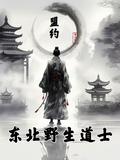 Covenant of Northeast Wild Taoist Priests
2Reads—Score—Shelves
Covenant of Northeast Wild Taoist Priests
2Reads—Score—Shelves
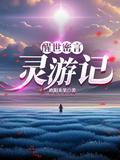 Secret Words to Awaken the World: Travels of the Spirit
44Reads5.8Score—Shelves
Secret Words to Awaken the World: Travels of the Spirit
44Reads5.8Score—Shelves
 Zhutian: Starting from the Zombie World
10Reads5.8Score—Shelves
Zhutian: Starting from the Zombie World
10Reads5.8Score—Shelves
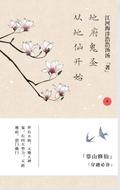 I Am of the Same Lineage as Please God, and I Have a Lot of Backers Behind Me.
8.3kReads8.8Score821Shelves
I Am of the Same Lineage as Please God, and I Have a Lot of Backers Behind Me.
8.3kReads8.8Score821Shelves
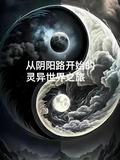 A Journey into the Supernatural World Starting from Yin Yang Road
—Reads5.8Score—Shelves
A Journey into the Supernatural World Starting from Yin Yang Road
—Reads5.8Score—Shelves
 Zombies: Gu Cultivators in Uncle Jiu's World
1.1kReads6.2Score—Shelves
Zombies: Gu Cultivators in Uncle Jiu's World
1.1kReads6.2Score—Shelves
 The Secret Behind the Buddha Statue
1Reads8.5Score—Shelves
The Secret Behind the Buddha Statue
1Reads8.5Score—Shelves
 White Bone Taoist Courtyard
25.7kReads8.9Score2.3kShelves
White Bone Taoist Courtyard
25.7kReads8.9Score2.3kShelves
 The Secret of a Peaceful Village
—Reads8.4Score—Shelves
The Secret of a Peaceful Village
—Reads8.4Score—Shelves
 I Learned Taoism in Horror Movies
126Reads6.7Score—Shelves
I Learned Taoism in Horror Movies
126Reads6.7Score—Shelves
 Negotiator: Desperate Situation
1Reads8.5Score—Shelves
Negotiator: Desperate Situation
1Reads8.5Score—Shelves
 Uncle Jiu: After Ascending, I Became the Ancestor!
13.5kReads8.2Score788Shelves
Uncle Jiu: After Ascending, I Became the Ancestor!
13.5kReads8.2Score788Shelves
 Supernatural Order
—Reads8.4Score—Shelves
Supernatural Order
—Reads8.4Score—Shelves
 At the Beginning of the Book, I Sat up in Shock, Starting from Refusing to Be the Second Male Lead
156Reads5.8Score—Shelves
At the Beginning of the Book, I Sat up in Shock, Starting from Refusing to Be the Second Male Lead
156Reads5.8Score—Shelves
 Edge and Tenderness: the Counterattack of the Heir to a Rich Family
—Reads8.6Score—Shelves
Edge and Tenderness: the Counterattack of the Heir to a Rich Family
—Reads8.6Score—Shelves
 Wealthy Marriage: Revenge of the Young Master
2Reads8.6Score—Shelves
Wealthy Marriage: Revenge of the Young Master
2Reads8.6Score—Shelves
 Master Geng Gui in the Republic of Gods and Ghosts
13Reads5.8Score—Shelves
Master Geng Gui in the Republic of Gods and Ghosts
13Reads5.8Score—Shelves
 Very Poor, Got Out of Poverty After Being Dragged into a Thriller Game
64.3kReads9.4Score7kShelves
Very Poor, Got Out of Poverty After Being Dragged into a Thriller Game
64.3kReads9.4Score7kShelves
 A Mess? Look at My Healing Hands Covering the Sky
1Reads8.5Score—Shelves
A Mess? Look at My Healing Hands Covering the Sky
1Reads8.5Score—Shelves
 Heir Ugly Duckling
3Reads8.4Score—Shelves
Heir Ugly Duckling
3Reads8.4Score—Shelves
 Rules: Mind-Reading, Weird Love-Hate Me
35Reads8.8Score—Shelves
Rules: Mind-Reading, Weird Love-Hate Me
35Reads8.8Score—Shelves
 Reborn as a Black Cat
221Reads8.4Score—Shelves
Reborn as a Black Cat
221Reads8.4Score—Shelves
 Partners in Life and Death: Law Firm Playerunknown's Battlegrounds
2Reads8.4Score—Shelves
Partners in Life and Death: Law Firm Playerunknown's Battlegrounds
2Reads8.4Score—Shelves
 Global Curse: the Price of Groceries for Your Mother Will Rise
6.7kReads8.6Score785Shelves
Global Curse: the Price of Groceries for Your Mother Will Rise
6.7kReads8.6Score785Shelves
 The Takeaway Girl's Counterattack: the Boss Is Addicted to Pampering
3Reads8.5Score—Shelves
The Takeaway Girl's Counterattack: the Boss Is Addicted to Pampering
3Reads8.5Score—Shelves
 Uncle Tiandao Jiu Zombie Development Plan
800Reads6.5Score105Shelves
Uncle Tiandao Jiu Zombie Development Plan
800Reads6.5Score105Shelves
 Romance in the Fire House: Single Parents Living Together
1Reads8.4Score—Shelves
Romance in the Fire House: Single Parents Living Together
1Reads8.4Score—Shelves
 Let You Inherit the Taoist Temple and Adopt a Group of Banshees?
2kReads8.3Score164Shelves
Let You Inherit the Taoist Temple and Adopt a Group of Banshees?
2kReads8.3Score164Shelves
 Memorial to a Century of Grudges
—Reads8.6Score—Shelves
Memorial to a Century of Grudges
—Reads8.6Score—Shelves
 Guitan Looked Down on Uncle Jiu and Turned Around and Changed the Rules Overnight
8.2kReads8.5Score742Shelves
Guitan Looked Down on Uncle Jiu and Turned Around and Changed the Rules Overnight
8.2kReads8.5Score742Shelves
 The Prince's Favorite: the Survival of a Villain
—Reads8.5Score—Shelves
The Prince's Favorite: the Survival of a Villain
—Reads8.5Score—Shelves
 The Demon Revives: the Heavenly Master Descends from the Mountain and Begins to Inherit the Heavenly Master's Degree!
1.6kReads—Score102Shelves
The Demon Revives: the Heavenly Master Descends from the Mountain and Begins to Inherit the Heavenly Master's Degree!
1.6kReads—Score102Shelves
 Bloody Love: the Love and Hate of the Cold-Faced Heir
—Reads8.5Score—Shelves
Bloody Love: the Love and Hate of the Cold-Faced Heir
—Reads8.5Score—Shelves
 Montenegro Taoist Temple
53Reads6.7Score—Shelves
Montenegro Taoist Temple
53Reads6.7Score—Shelves
 The Forbidden Love of the Supreme Being in the Divine World
1Reads8.5Score—Shelves
The Forbidden Love of the Supreme Being in the Divine World
1Reads8.5Score—Shelves
 Who Said Paris Is the Tomb of Love?
1Reads8.5Score—Shelves
Who Said Paris Is the Tomb of Love?
1Reads8.5Score—Shelves
 The Taoist Industry Is in Recession, so Let Me Get Closer to Science
3Reads5.2Score—Shelves
The Taoist Industry Is in Recession, so Let Me Get Closer to Science
3Reads5.2Score—Shelves
 Taoist Past Events
37.1kReads9.1Score8.4kShelves
Taoist Past Events
37.1kReads9.1Score8.4kShelves
 Desperate Game: Who Is the Prey?
7Reads8.4Score—Shelves
Desperate Game: Who Is the Prey?
7Reads8.4Score—Shelves
 Master Tao, I'm Out of the Mountain
1.9kReads5.8Score248Shelves
Master Tao, I'm Out of the Mountain
1.9kReads5.8Score248Shelves
 A Disciple: Defying Heaven and Changing Fate
—Reads8.4Score—Shelves
A Disciple: Defying Heaven and Changing Fate
—Reads8.4Score—Shelves
 Choking Maitreya
14Reads—Score—Shelves
Choking Maitreya
14Reads—Score—Shelves
 Urban Mirror Ghost Story
—Reads8.5Score—Shelves
Urban Mirror Ghost Story
—Reads8.5Score—Shelves
 Taoist Priest Goes Down the Mountain: Sells the Taoist Temple and Becomes a Young Master
103Reads—Score—Shelves
Taoist Priest Goes Down the Mountain: Sells the Taoist Temple and Becomes a Young Master
103Reads—Score—Shelves
 Revenge of Ghetto Rose
1Reads8.4Score—Shelves
Revenge of Ghetto Rose
1Reads8.4Score—Shelves
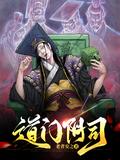 Dao Men Yinsi
63Reads—Score—Shelves
Dao Men Yinsi
63Reads—Score—Shelves
 Ghost Hunter's Troubles
6Reads—Score—Shelves
Ghost Hunter's Troubles
6Reads—Score—Shelves
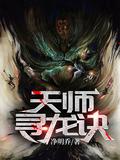 Heavenly Master's Secret to Seeking the Dragon
10.9kReads8.0Score2.5kShelves
Heavenly Master's Secret to Seeking the Dragon
10.9kReads8.0Score2.5kShelves
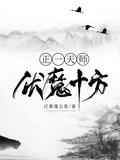 The Righteous Master: Conquering Demons from Ten Directions
—Reads5.8Score—Shelves
The Righteous Master: Conquering Demons from Ten Directions
—Reads5.8Score—Shelves
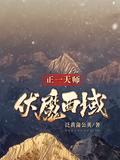 Zhengtianshi: Conquering Demons in the Western Regions
91Reads—Score—Shelves
Zhengtianshi: Conquering Demons in the Western Regions
91Reads—Score—Shelves