Tomato is the only late Tang Dynasty novel about Tang Wenzong, Tang Wuzong, and Tang Xuanzong. It is unsystematic, the writing style is light and funny, entertaining, the war is real, the struggle in the court is bizarre, and the writing is refreshing.
The first book is similar to Snow in the Snow, but it is not about cultivating immortals. The descriptions of battles on the battlefield are more detailed, and the emotions of the characters are more full-bodied. The detailed reading is still good. The protagonist of the second book is born with great strength. He is a fierce warrior who fights on the battlefield. He has a tiger in his heart and smells the roses. He still has eight hundred eyes when facing the turmoil between the emperor and the aristocratic family. The third book captures Liangshan and establishes a base camp, recruiting all kinds of capable people. Not all of them can be found in one hundred and eight generals. There are also quite a few capable people in the four major bandits. Take your time and look at it. All three books are pretty good.
2️⃣The male protagonist traveled to the Tang Dynasty. Became Li Longji's son. He is his prince. And he is also the protagonist in the historical allusion "Killing Three Sons in One Day". The hero averts disaster. Became 🐉.
These are all from the Anshi Rebellion period. The last one is just for my own selfish reasons. Please read it and read it as long as you want. Don't force me to kneel down and beg you.
Killing one person is a crime, killing ten thousand people is a hero, killing millions is a hero among heroes! Traveling back to before the Anshi Rebellion, Li Xiong discovered that the more people he killed, the better things the system rewarded, so the Tang Dynasty had an extra killing god. Those who violated the power of the Tang Dynasty were killed, those who split the Tang Dynasty were killed, those who were dissatisfied were killed after recovering the 72 countries in the Western Regions, the Anshi Rebellion was pacified, and the Tang Dynasty was revived again. Li Xiong, known as the Killer God of the Tang Dynasty, is either fighting or on the way to fight!
This is not a brainless and cool article. If you like brainless fun, I don't recommend reading it. I can recommend this book. It is a new book that has just been published. The personalities of historical figures are more consistent with history. Looking forward to An Lushan, Du Fu, Li Bai and Yan Zhenqing appearing.
"While others are writing about "proclaiming emperor", he is writing about "establishing people" - a northern epic that reconstructs China with potatoes and laws." If you open this work and expect to see the protagonist fighting for three years and proclaiming himself emperor for three years, please close the page. But if you are willing to witness a revolution that does not wash away the palace gates with blood, but completely reshapes the world; if you believe that the true kingship does not lie in burning books and harassing Confucian scholars, but in opening women's colleges, abolishing slave registration, and setting up orphanages; then, please enter this world where the sun hangs in the sky - there are no cool writing routines here, only how a potato can influence the national destiny for three hundred years. With amazing writing power, the author transforms the darkest moment after the Anshi Rebellion into an experimental field for the reconstruction of civilization. Li Qingtian did not rely on the system to defy heaven, but used the peace he had gained in exchange for the lives of four thousand soldiers to fulfill a promise: "Under my rule, the old will not be left homeless, and the young will not be left without food." So we see: Others write about war, but he writes about collecting the souls after the war: the corpses of the Yan army were burned to prevent plague, and the bones of the common people were wrapped in brocade and buried together in the "Anmin Tomb"; others wrote about power and strategy, but he wrote about establishing trust in the system: detailed public trials, dissemination of the "Edict of Loyal Ministers", and shaking up the scholarly community with "the commoner Yang family"; Others write about farming, but he writes about the recovery of people's hearts: children burying seeds beside graves, Hu Shang shouting "Peace in the north is better than Chang'an", old farmers kneeling with earth in front of them and saying "the spirit of the earth is not dead". The most shocking thing was not that the Red Flame Dragon Cavalry defeated the enemy, but that the 50,000-strong army circled the field ridge without stepping on a single spring wheat seedling. The character creation is even more unforgettable: Guo Ziyi is loyal but not stupid, and would rather borrow soldiers from the north than let He enter the pass; Pugu is gracious and sad but refuses to rebel, raising troops to clear the emperor's side but refusing to surrender to the north; Yang Mi writes in the name of "the common people of the world", and an edict can be written faster than a knife; Daizong abdicated on his deathbed, not because of coercion, but because he could not bear to shed another drop of blood in Chang'an. This book also hides a grand vision: from the Yingzhou Rebellion to the Anshi War, from Longyou and Tubo to the eastward expansion of food, the author reveals that the decline of the Tang Dynasty was not due to one thief, but because the entire system lost the ability to "make the people dare to believe in tomorrow." Li Qingtian's new policy was a response to this: opening women's colleges, abolishing slave registration, imposing potato taxes, setting up Changping free warehouses... Each policy directly targeted the root causes of the old world. Fantasy elements? The Buddha lotus in the left eye, the demon pattern in the right eye, the light sword hiding the devil's whisper - but these have never taken over the spotlight. They are just mirrors that reflect human nature: the greatest devil is never in the abyss, but in the human heart's despair for order. Finally, when Li Qingtian ascended the throne, he did not sit on the dragon throne. Instead, he stood under the jade steps and announced the five new policies. But the devil asked for a blood sacrifice, so he pushed open the palace door - outside the door was not a mountain of corpses and a sea of blood, but the lights of the Wenhua Academy, the music of the night market, and the fresh green of the potato fields. "This is my blood sacrifice - to sacrifice the death of the old world in order for all people to live in peace." This is not a cool article, this is a tragic epic about mortals remaking China. It tells us: The real destiny does not lie in the prophecies of Tui Meibi, but in the moment when children dare to bury the seeds beside the grave; the real Great Wall does not lie in the bricks and stones, but in the people's aspiration that "the northern border is the Great Wall". If you long for a work that has the coldness of "Zi Zhi Tong Jian" and the warmth of "The people are tired, but they can be well-off" in the Book of Songs; if you believe that the turning point in history often begins with a bowl of hot porridge, a new seedling, and the sentence "The north is here, the people have no worries" - then, please open this book. Because here, the gods and demons will eventually exit, but the human heart will never die!
An imaginary historical text, super high quality, excellent for both listening and reading. The logic is clear, the characters are full, the plot is rich, and the writing is compact. It's a non-conventional and cool article, please appreciate it! [Bookshelf plus one][Bookshelf plus one]
🔥🔥🔥🔥①How did the captain of the Anxi Army of the Tang Dynasty lead the Tang Dynasty, which had just survived the Anshi Rebellion, to regain its former glory. Destroy Tubo and take over the Western Regions.
[Love] are all exquisite. The first and third books below are both time-traveled to the Tang Dynasty during the Anshi Rebellion [shy] and the second book are time-traveled to a few years before Huang Chao was about to rebel. After the protagonist becomes a royal family, he will create greater glory for the Tang Dynasty and build the Tang Dynasty [Sending Hearts]
The disabled Tang Dynasty is an iron horse. But with three thousand soldiers in front of the horse, he dared to seize four hundred states in the world.
Logically develop science and technology, win over Yang Yuhuan, fight against Li Linfu and Yang Guozhong, kill An Lushan, and teach Li Longji how to behave. I have just opened the book now, so it is relatively slow. You can add it to the bookshelf to keep it up.
The prince Li Zhi watched helplessly as the emperor's concubine was killed in the palace, and was then forced to succeed to the throne in front of the emperor's body. He did not dare to change his reign name and fainted.
The background of the Anshi Rebellion! Time travel! No system, no cheats! Let's see how the little palace maid and the little soldiers "lived another day" in troubled times
It's not a brainless novel, it focuses on the storyline. Some of the previous chapters may be interspersed with various background introductions, so the progress of the plot will be a little slow, but the more you read, the better it gets...
Following up! After the "Anshi Rebellion" in the Mid-Tang Dynasty, Guo Xin and the Anxi Army were trapped in the isolated city! Fantasy martial arts (no system, no time travel, no golden fingers)!
Chapter 1 Traveling through the Tang Dynasty, starting with the person in prison "Have I traveled through time?" In the Tang Dynasty, in the third year of Zhenguan, Li Xiang opened his eyes and looked at the dark environment in front of him, and the messy prison uniform on his body. "Hiss, it's still a prisoner in Chang'an Prison!" In the blink of an eye, more memories
This is a historical text from the middle and late Tang Xianzong period after the Anshi Rebellion. In fact, Dezong, Shunzong and Xianzong were able to change three emperors in one year. The court battles during this period were no less than any other period. This is just a blank of this period of history. This book is the perspective of this historical period. You can try it
The protagonist travels back to Li Longji's industrial novel, and his classmates and his classmates' younger brother travel to the Tang Dynasty of the same period. They are now seedlings and can be taken care of.
Maybe you can give this a try, the History of the Tang Dynasty. It's not a cool novel, it's relatively bland and the pace isn't too slow. (However, there is something wrong with the title of this book and it should be changed) (Original title of this book: Common Doctors of the Tang Dynasty)
Both books are from the Tang Dynasty. The first one is more about science and technology, while the second one is a bit funny. Both books focus on farming development, supplemented by political strategy. They seem to be more relaxed. Friends who like refreshing writing can consider it.
 A Stick from the Tang Dynasty
2.6kReads8.8Score190Shelves
A Stick from the Tang Dynasty
2.6kReads8.8Score190Shelves
 Tyrant of the Southern Tang Dynasty: Poisoned Zhao Kuangyin at the Beginning
947Reads5.8Score—Shelves
Tyrant of the Southern Tang Dynasty: Poisoned Zhao Kuangyin at the Beginning
947Reads5.8Score—Shelves
 The Tang Dynasty's Struggle for Hegemony in the Western Regions
1.7kReads6.4Score177Shelves
The Tang Dynasty's Struggle for Hegemony in the Western Regions
1.7kReads6.4Score177Shelves
 Datang: Starting from the Anshi Rebellion, the World Began to Compete
4.6kReads6.4Score189Shelves
Datang: Starting from the Anshi Rebellion, the World Began to Compete
4.6kReads6.4Score189Shelves
 Datang: Return to the Anshi Rebellion and Become a Prince
22Reads—Score—Shelves
Datang: Return to the Anshi Rebellion and Become a Prince
22Reads—Score—Shelves
 The First Son-In-Law of the Tang Dynasty
43Reads—Score—Shelves
The First Son-In-Law of the Tang Dynasty
43Reads—Score—Shelves
 Join the Army
32.4kReads9.2Score3.6kShelves
Join the Army
32.4kReads9.2Score3.6kShelves
 My Fate Is up to Me and Not up to God!
5.8kReads8.4Score479Shelves
My Fate Is up to Me and Not up to God!
5.8kReads8.4Score479Shelves
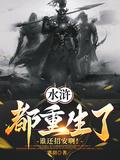 Water Margin: Full of Understanding at the Beginning, Shocked Zhou Tong
126.1kReads9.1Score12.7kShelves
Water Margin: Full of Understanding at the Beginning, Shocked Zhou Tong
126.1kReads9.1Score12.7kShelves
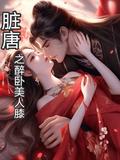 The Dirty Tang Dynasty: Drunk and Lying on the Beauty's Knees
7.7kReads8.5Score697Shelves
The Dirty Tang Dynasty: Drunk and Lying on the Beauty's Knees
7.7kReads8.5Score697Shelves
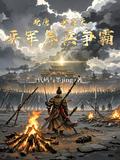 The Broken Tang Dynasty Dragon
10.7kReads6.4Score1kShelves
The Broken Tang Dynasty Dragon
10.7kReads6.4Score1kShelves
 Travel Through Time as Li Longji and Make the Tang Dynasty Great Again
56Reads—Score—Shelves
Travel Through Time as Li Longji and Make the Tang Dynasty Great Again
56Reads—Score—Shelves
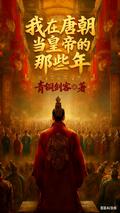 The Years When I Was Emperor in the Tang Dynasty
774Reads5.8Score100Shelves
The Years When I Was Emperor in the Tang Dynasty
774Reads5.8Score100Shelves
 At the Beginning of the Game, Yang Guifei Was Raped and the Tang Dynasty Was Given a Peaceful Year.
31.6kReads7.9Score3.5kShelves
At the Beginning of the Game, Yang Guifei Was Raped and the Tang Dynasty Was Given a Peaceful Year.
31.6kReads7.9Score3.5kShelves
 I Was Ordered to Have an Organ at the Beginning, and the School Beauty's Deskmate Ate My Blood.
31Reads—Score—Shelves
I Was Ordered to Have an Organ at the Beginning, and the School Beauty's Deskmate Ate My Blood.
31Reads—Score—Shelves
 Yang Guifei's Secret History of Japan: the Thousand-Year Bloodline Code
5Reads—Score—Shelves
Yang Guifei's Secret History of Japan: the Thousand-Year Bloodline Code
5Reads—Score—Shelves
 Traveling Through the Tang Dynasty, I Destroyed Countless Countries
1.8kReads7.5Score—Shelves
Traveling Through the Tang Dynasty, I Destroyed Countless Countries
1.8kReads7.5Score—Shelves
 A Capable Minister in the Late Tang Dynasty: Supporting the Emperor at the Top, Stepping on the Feudal Lord at the Bottom
1Reads—Score—Shelves
A Capable Minister in the Late Tang Dynasty: Supporting the Emperor at the Top, Stepping on the Feudal Lord at the Bottom
1Reads—Score—Shelves
 Datang: I Let Yang Yuhuan Have It
1.1kReads—Score—Shelves
Datang: I Let Yang Yuhuan Have It
1.1kReads—Score—Shelves
 The Smoke and Clouds of the Prosperous Tang Dynasty
219Reads8.8Score—Shelves
The Smoke and Clouds of the Prosperous Tang Dynasty
219Reads8.8Score—Shelves
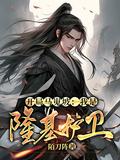 Maweipo at the Beginning: I Am Longji's Guard
918Reads—Score—Shelves
Maweipo at the Beginning: I Am Longji's Guard
918Reads—Score—Shelves
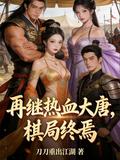 Following the Bloody Tang Dynasty, the Chess Game Comes to an End
3Reads5.8Score—Shelves
Following the Bloody Tang Dynasty, the Chess Game Comes to an End
3Reads5.8Score—Shelves
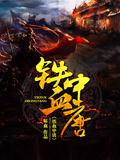 Iron-Blooded Tang Dynasty
571Reads7.2Score—Shelves
Iron-Blooded Tang Dynasty
571Reads7.2Score—Shelves
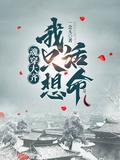 Soul Crossing Daqi: I Just Want to Survive
10kReads8.2Score687Shelves
Soul Crossing Daqi: I Just Want to Survive
10kReads8.2Score687Shelves
 The Fortune of the Tang Dynasty Will Last Forever!
3Reads—Score—Shelves
The Fortune of the Tang Dynasty Will Last Forever!
3Reads—Score—Shelves
 The Daily Life of a Peasant Boy Who Made Progress in Ancient Times
47.9kReads9.2Score3.8kShelves
The Daily Life of a Peasant Boy Who Made Progress in Ancient Times
47.9kReads9.2Score3.8kShelves
 Traveling Through Li Longji, I Want to Be a Talker in the Eastern Hemisphere
22.5kReads6.9Score1.5kShelves
Traveling Through Li Longji, I Want to Be a Talker in the Eastern Hemisphere
22.5kReads6.9Score1.5kShelves
 Tang Dynasty: as Soon as She Married Yang Yuhuan, She Was Assigned to a Fiefdom
3.8kReads5.7Score356Shelves
Tang Dynasty: as Soon as She Married Yang Yuhuan, She Was Assigned to a Fiefdom
3.8kReads5.7Score356Shelves
 The Master Is so Great That I Will Rise up Immediately
1.8kReads8.2Score—Shelves
The Master Is so Great That I Will Rise up Immediately
1.8kReads8.2Score—Shelves
 The Anshi Rebellion in a Box
342Reads7.4Score—Shelves
The Anshi Rebellion in a Box
342Reads7.4Score—Shelves
 Jiangshan Thief Color
889Reads7.1Score—Shelves
Jiangshan Thief Color
889Reads7.1Score—Shelves
 Traveling Through the Tang Dynasty: Building the Strongest Industrial Park
14.6kReads9.2Score1.4kShelves
Traveling Through the Tang Dynasty: Building the Strongest Industrial Park
14.6kReads9.2Score1.4kShelves
 At the Beginning of the Tang Dynasty, the King Fell. I Chose to Resist with a Sword.
204Reads—Score—Shelves
At the Beginning of the Tang Dynasty, the King Fell. I Chose to Resist with a Sword.
204Reads—Score—Shelves
 Diary of a Cow and Horse on the Run in the Tang Dynasty
581Reads—Score—Shelves
Diary of a Cow and Horse on the Run in the Tang Dynasty
581Reads—Score—Shelves
 Suiyang Heroic Soul
5Reads—Score—Shelves
Suiyang Heroic Soul
5Reads—Score—Shelves
 Late Tang Dynasty: Heroes of the World
9Reads5.8Score—Shelves
Late Tang Dynasty: Heroes of the World
9Reads5.8Score—Shelves
 The Power of Zonghenglu in the Tang Dynasty Turned the Tide
4Reads—Score—Shelves
The Power of Zonghenglu in the Tang Dynasty Turned the Tide
4Reads—Score—Shelves
 The Anshi Rebellion: I Hold 100,000 Soldiers and Horses
80Reads—Score—Shelves
The Anshi Rebellion: I Hold 100,000 Soldiers and Horses
80Reads—Score—Shelves
 The Long Song of Quenching in the Lonely City of Yumen
24Reads—Score—Shelves
The Long Song of Quenching in the Lonely City of Yumen
24Reads—Score—Shelves
 Datang: the Treasury Rats Ran Away in Tears, but My Private Treasury Could Not Hold More.
9.7kReads7.9Score740Shelves
Datang: the Treasury Rats Ran Away in Tears, but My Private Treasury Could Not Hold More.
9.7kReads7.9Score740Shelves
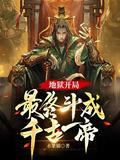 The Treacherous Ministers in the Dynasty Want to Help Me Become the Emperor of the Ages!
3kReads8.7Score173Shelves
The Treacherous Ministers in the Dynasty Want to Help Me Become the Emperor of the Ages!
3kReads8.7Score173Shelves
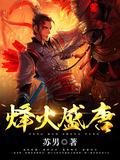 The Prosperous Tang Dynasty
941Reads8.3Score102Shelves
The Prosperous Tang Dynasty
941Reads8.3Score102Shelves
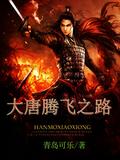 The Road to the Great Tang Dynasty
719Reads8.3Score—Shelves
The Road to the Great Tang Dynasty
719Reads8.3Score—Shelves
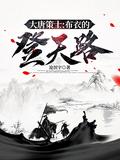 Tang Staff
32Reads—Score—Shelves
Tang Staff
32Reads—Score—Shelves
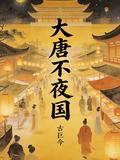 The Tang Dynasty Never Sleeps
—Reads—Score—Shelves
The Tang Dynasty Never Sleeps
—Reads—Score—Shelves
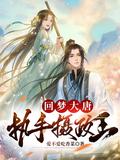 Dreaming Back to the Tang Dynasty, Holding the Regent's Hand
5Reads—Score—Shelves
Dreaming Back to the Tang Dynasty, Holding the Regent's Hand
5Reads—Score—Shelves
 The Best Little Beggar in the World
4Reads—Score—Shelves
The Best Little Beggar in the World
4Reads—Score—Shelves
 Nanfeng Nantang
3Reads—Score—Shelves
Nanfeng Nantang
3Reads—Score—Shelves
 Record of Xiaoyao in the Prosperous Tang Dynasty
5Reads—Score—Shelves
Record of Xiaoyao in the Prosperous Tang Dynasty
5Reads—Score—Shelves
 I, the Sinister Prince, All the Beauties in the World Want to Have Fun with Me
84.7kReads9.3Score8.8kShelves
I, the Sinister Prince, All the Beauties in the World Want to Have Fun with Me
84.7kReads9.3Score8.8kShelves