Come to Siheyuan with Something Thoughtful, Not Idiotic Writing.
- Views
- 22.3M
- Books
- 548
- Recommendations
- 1.5k
- Updated
- 23h ago
I would like to read a book similar to "Siheyuan: Feeling the Atmosphere of the Times". There are more and more Siheyuan novels nowadays, and they are becoming more and more mindless. Come here with something that is cerebral, not a cool novel.
In this list
662 books · page 4 of 14
-
150
四
 Siheyuan, I Have All-Round Space
A Fire-Breathing Water Dragon258k Wordscompleted
418Reads6.0Score—Shelves
Siheyuan, I Have All-Round Space
A Fire-Breathing Water Dragon258k Wordscompleted
418Reads6.0Score—Shelves
Reader note
When watching Siheyuan, you must watch a long one and it will be finished. Otherwise, half of it will be gone if you poke at Louzi. Do you feel happy? It's a big deal. It's serialized normally, or it's finished. There are many women.
-
151
四
 Siheyuan: Many Children, Many Blessings, Starting from Widow Qin
Love Gangster551k Wordscompleted
5.1kReads5.5Score199Shelves
Siheyuan: Many Children, Many Blessings, Starting from Widow Qin
Love Gangster551k Wordscompleted
5.1kReads5.5Score199Shelves
Reader note
When watching Siheyuan, you must watch a long one and it will be finished. Otherwise, half of it will be gone if you poke at Louzi. Do you feel happy? It's a big deal. It's serialized normally, or it's finished. There are many women.
-
151
四
 Siheyuan: in Less Than Half a Year, I Put Together a Mahjong Table
Zhao Shisan260k Wordscompleted
3.8kReads5.9Score135Shelves
Siheyuan: in Less Than Half a Year, I Put Together a Mahjong Table
Zhao Shisan260k Wordscompleted
3.8kReads5.9Score135Shelves
Reader note
The latest Siheyuan, one hundred and eleven thousand words, a variety of film and television, fun, laughter and fun, quite lively. There are good people and bad people here, good things and bad things here, how much right and wrong there is here, how much right and wrong there is here. [Bookshelf plus one][Seeking attention][Original work party][Blessed immediately][Has been planted][Blessed immediately][Original work party]
-
152
四
 Courtyard: Married to Lou Xiaoe at the Beginning
Yunmo Boy349k Wordscompleted
1.6kReads6.6Score101Shelves
Courtyard: Married to Lou Xiaoe at the Beginning
Yunmo Boy349k Wordscompleted
1.6kReads6.6Score101Shelves
Reader note
When watching Siheyuan, you must watch a long one and it will be finished. Otherwise, half of it will be gone if you poke at Louzi. Do you feel happy? It's a big deal. It's serialized normally, or it's finished. There are many women.
-
153
我
 I! Second Uncle! It Was a Trap at the Beginning!
Ximen Yuzhu365k Wordscompleted
10.2kReads8.7Score539Shelves
I! Second Uncle! It Was a Trap at the Beginning!
Ximen Yuzhu365k Wordscompleted
10.2kReads8.7Score539Shelves
Reader note
The refreshing courtyard house, come and argue if you are not convinced
-
154
老
 The Spirit of the Old Driver Passed Through the Courtyard, and the Birds Trembled.
Ximen Yuzhu1.2M Wordscompleted
18.8kReads8.4Score1.1kShelves
The Spirit of the Old Driver Passed Through the Courtyard, and the Birds Trembled.
Ximen Yuzhu1.2M Wordscompleted
18.8kReads8.4Score1.1kShelves
Reader note
The refreshing courtyard house, come and argue if you are not convinced
-
155
四
 Siheyuan, Guo Dapao's Happy Life
God of Wealth704k Wordscompleted
11kReads8.9Score487Shelves
Siheyuan, Guo Dapao's Happy Life
God of Wealth704k Wordscompleted
11kReads8.9Score487Shelves
Reader note
The refreshing courtyard house, come and argue if you are not convinced
-
156
四
 The Beginning of Siheyuan Starts with Refusing to Bring a Lunch Box
The Dozing Ghost1.0M Wordscompleted
29.9kReads8.5Score2kShelves
The Beginning of Siheyuan Starts with Refusing to Bring a Lunch Box
The Dozing Ghost1.0M Wordscompleted
29.9kReads8.5Score2kShelves
Reader note
Although she is the heroine chosen by the author, the storyline is quite fresh and simple. The Qin family acts like a monster from time to time, and the male protagonist's growth path is also relatively clear. He is now living a good life. In the early stage, he just stayed on and drew clear boundaries with all parties. With his excellent cooking skills, he rose to the top. Later, it seems that the special period will come. I found that there is no shortage of things to watch (I just hope that the book will not be closed when writing about the special period)
-
157
四
 The Li Family in the Siheyuan
Lu Yier875k Wordscompleted
12.5kReads8.2Score517Shelves
The Li Family in the Siheyuan
Lu Yier875k Wordscompleted
12.5kReads8.2Score517Shelves
Reader note
"I'm Forced to Be the Pillar of the Siheyuan" breaks out of the "house fighting" framework of traditional Siheyuan novels and takes "survival" as its core proposition. It throws the protagonist into the era of material scarcity in 1958, and uses the golden finger setting of "space + sign-in" to stage a passionate counterattack from "living down as a loser" to "the supporter of the whole family". The novel wraps up the hard-core survival logic with a delicate flow of life narrative, and hides a shocking power of growth in the stories of parents. Time-traveling is hell mode: a suffocating survival challenge. The protagonist Zhang Xingwang faces the triple critical attack of "the whole family is hungry + he is seriously ill + the system shrinks" when he time-travels: his mother and sisters rely on digging wild vegetables to satisfy their hunger, and the only male in the family (original owner) is terminally ill. On the first day of signing in, the system only gives you 2 kilograms of potatoes and 0.1 Cubic meters of space - this configuration can be called a "beggar's gold finger". The author uses graphic details to depict poverty: drinking corn mush mixed with water, the fourth sister lying about having eaten to save food, and the younger sister staring at the empty bowl and swallowing saliva. These scenes allow readers to intuitively feel the pressure of survival in the famine era. Zhang Xingwang's transformation from "disliked the unpalatable wild vegetables" to "actively using space to hunt for food" has made the feeling of "forced growth" even more intense. Goldfinger's "poor" opening method: play big tricks in a small space. Different from the arrogant configuration of "tons of materials + farm space" in similar works, the system in this article focuses on "small but refined": 0.1 Cubic meters of space can only accommodate daily sundries, and the sign-in rewards start from 3 pounds of corn and 2 pounds of potatoes, but the protagonist is forced to develop the cool operation of "bullets are stationary + pointing where to hit". Zhang Xingwang used space to store bullets, and performed the magical operation of "silent pheasant hunting" in the deep mountains. He exchanged 26 bullets for 3 pheasants and more than 10 pheasants. This kind of wisdom of "building a dojo in a snail shell" is more satisfying than mindless cheating. And his caution when exchanging pheasant meat for food - going to the pigeon market late at night, disguising the trading route, and using his eldest sister's natural power to escort him - shows the collision between survival wisdom and the limitations of the times. Family Portraits: A Tender Undertone in Suffering. The most touching thing about the novel is the portrayal of "family love": the mother Wang Xiulan saves the food in the lunch box, the grandfather takes the risk and takes out the shotgun, the eldest sister is careless but feels safe, and the second sister is silent but protective throughout. These characters interpret the meaning of "family" in different ways. When Zhang Xingwang insists that the whole family share chicken, the scene in which his mother compromises in tears not only shows the brilliance of humanity in the face of scarcity, but also hints at the protagonist's change in mentality from "accepting care" to "taking the initiative to give." The indifference of the neighbors in the courtyard (such as the third uncle staring at the basket, Jia Zhang's family avoiding the plague god) is in sharp contrast to the warmth of the Zhang family, highlighting the preciousness of "home" as a safe haven. Slice of the Times: An Epic of Survival in the Age of Hungry. The author uses the Zhang family as an incision to unravel the social texture of 1958: the street office made it difficult to obtain household registration, the village collectively ate from a big pot, the risks of black market transactions were extremely high, and the shotgun was once a life-saving talisman for the villagers. These details make the story go beyond the scope of a "siheyuan cool article" and become a survival memorandum for a generation. Zhang Xingwang witnessed "children looking for worms to eat" and "no dogs barking in the village" in the mountains and forests, and even used line drawing to describe the cruelty of famine. And the plot of him using space to hoard food and plan to open sales points implies the idealism of "using modern thinking to break the old era". Core of growth: Transformation from "lone seedling" to "backbone" Zhang Xingwang's counterattack path is essentially a growth driven by "responsibility": from a sickly young man to a man who can carry a gun for hunting, from relying on his family to being relied on by the whole family. He learned calculations (such as using corn to trap prey), responsibility (guarding his sister late at night in exchange for food), and even intrigue (concealing supplies from the third uncle) in the midst of hunger and danger. When he says, "I am a man, I should support this family." What the readers see is not only the self-rescue of a time traveler, but also the hope of a family rising from suffering. "Siheyuan: I Was Forced to Be the Pillar" uses the contrasting setting of "small space, big survival" to write a hymn of family warmth and survival wisdom in the context of the famine years. If you want to feel the thrill of "survival in a desperate situation" and see how a lying young man uses his mind and responsibility to rewrite the fate of his family, this work will definitely make you feel the power of blood boiling in tears - after all, when survival becomes the highest mission, every breakthrough is worth raising your arms and shouting.
-
158
重
 Rebirth of the Siheyuan: Starting from the Escape from Famine in 1942
Dashan Doesn't Drink Alcohol618k Wordscompleted
29.9kReads8.2Score1kShelves
Rebirth of the Siheyuan: Starting from the Escape from Famine in 1942
Dashan Doesn't Drink Alcohol618k Wordscompleted
29.9kReads8.2Score1kShelves
Reader note
"I'm Forced to Be the Pillar of the Siheyuan" breaks out of the "house fighting" framework of traditional Siheyuan novels and takes "survival" as its core proposition. It throws the protagonist into the era of material scarcity in 1958, and uses the golden finger setting of "space + sign-in" to stage a passionate counterattack from "living down as a loser" to "the supporter of the whole family". The novel wraps up the hard-core survival logic with a delicate flow of life narrative, and hides a shocking power of growth in the stories of parents. Time-traveling is hell mode: a suffocating survival challenge. The protagonist Zhang Xingwang faces the triple critical attack of "the whole family is hungry + he is seriously ill + the system shrinks" when he time-travels: his mother and sisters rely on digging wild vegetables to satisfy their hunger, and the only male in the family (original owner) is terminally ill. On the first day of signing in, the system only gives you 2 kilograms of potatoes and 0.1 Cubic meters of space - this configuration can be called a "beggar's gold finger". The author uses graphic details to depict poverty: drinking corn mush mixed with water, the fourth sister lying about having eaten to save food, and the younger sister staring at the empty bowl and swallowing saliva. These scenes allow readers to intuitively feel the pressure of survival in the famine era. Zhang Xingwang's transformation from "disliked the unpalatable wild vegetables" to "actively using space to hunt for food" has made the feeling of "forced growth" even more intense. Goldfinger's "poor" opening method: play big tricks in a small space. Different from the arrogant configuration of "tons of materials + farm space" in similar works, the system in this article focuses on "small but refined": 0.1 Cubic meters of space can only accommodate daily sundries, and the sign-in rewards start from 3 pounds of corn and 2 pounds of potatoes, but the protagonist is forced to develop the cool operation of "bullets are stationary + pointing where to hit". Zhang Xingwang used space to store bullets, and performed the magical operation of "silent pheasant hunting" in the deep mountains. He exchanged 26 bullets for 3 pheasants and more than 10 pheasants. This kind of wisdom of "building a dojo in a snail shell" is more satisfying than mindless cheating. And his caution when exchanging pheasant meat for food - going to the pigeon market late at night, disguising the trading route, and using his eldest sister's natural power to escort him - shows the collision between survival wisdom and the limitations of the times. Family Portraits: A Tender Undertone in Suffering. The most touching thing about the novel is the portrayal of "family love": the mother Wang Xiulan saves the food in the lunch box, the grandfather takes the risk and takes out the shotgun, the eldest sister is careless but feels safe, and the second sister is silent but protective throughout. These characters interpret the meaning of "family" in different ways. When Zhang Xingwang insists that the whole family share chicken, the scene in which his mother compromises in tears not only shows the brilliance of humanity in the face of scarcity, but also hints at the protagonist's change in mentality from "accepting care" to "taking the initiative to give." The indifference of the neighbors in the courtyard (such as the third uncle staring at the basket, Jia Zhang's family avoiding the plague god) is in sharp contrast to the warmth of the Zhang family, highlighting the preciousness of "home" as a safe haven. Slice of the Times: An Epic of Survival in the Age of Hungry. The author uses the Zhang family as an incision to unravel the social texture of 1958: the street office made it difficult to obtain household registration, the village collectively ate from a big pot, the risks of black market transactions were extremely high, and the shotgun was once a life-saving talisman for the villagers. These details make the story go beyond the scope of a "siheyuan cool article" and become a survival memorandum for a generation. Zhang Xingwang witnessed "children looking for worms to eat" and "no dogs barking in the village" in the mountains and forests, and even used line drawing to describe the cruelty of famine. And the plot of him using space to hoard food and plan to open sales points implies the idealism of "using modern thinking to break the old era". Core of growth: Transformation from "lone seedling" to "backbone" Zhang Xingwang's counterattack path is essentially a growth driven by "responsibility": from a sickly young man to a man who can carry a gun for hunting, from relying on his family to being relied on by the whole family. He learned calculations (such as using corn to trap prey), responsibility (guarding his sister late at night in exchange for food), and even intrigue (concealing supplies from the third uncle) in the midst of hunger and danger. When he says, "I am a man, I should support this family." What the readers see is not only the self-rescue of a time traveler, but also the hope of a family rising from suffering. "Siheyuan: I Was Forced to Be the Pillar" uses the contrasting setting of "small space, big survival" to write a hymn of family warmth and survival wisdom in the context of the famine years. If you want to feel the thrill of "survival in a desperate situation" and see how a lying young man uses his mind and responsibility to rewrite the fate of his family, this work will definitely make you feel the power of blood boiling in tears - after all, when survival becomes the highest mission, every breakthrough is worth raising your arms and shouting.
-
159
六
 60: After Studying Abroad and Returning to China, He Alarmed the Top Management When He Took Action.
Inch Awn1.8M Wordscompleted
31.4kReads7.9Score1.8kShelves
60: After Studying Abroad and Returning to China, He Alarmed the Top Management When He Took Action.
Inch Awn1.8M Wordscompleted
31.4kReads7.9Score1.8kShelves
Reader note
"I'm Forced to Be the Pillar of the Siheyuan" breaks out of the "house fighting" framework of traditional Siheyuan novels and takes "survival" as its core proposition. It throws the protagonist into the era of material scarcity in 1958, and uses the golden finger setting of "space + sign-in" to stage a passionate counterattack from "living down as a loser" to "the supporter of the whole family". The novel wraps up the hard-core survival logic with a delicate flow of life narrative, and hides a shocking power of growth in the stories of parents. Time-traveling is hell mode: a suffocating survival challenge. The protagonist Zhang Xingwang faces the triple critical attack of "the whole family is hungry + he is seriously ill + the system shrinks" when he time-travels: his mother and sisters rely on digging wild vegetables to satisfy their hunger, and the only male in the family (original owner) is terminally ill. On the first day of signing in, the system only gives you 2 kilograms of potatoes and 0.1 Cubic meters of space - this configuration can be called a "beggar's gold finger". The author uses graphic details to depict poverty: drinking corn mush mixed with water, the fourth sister lying about having eaten to save food, and the younger sister staring at the empty bowl and swallowing saliva. These scenes allow readers to intuitively feel the pressure of survival in the famine era. Zhang Xingwang's transformation from "disliked the unpalatable wild vegetables" to "actively using space to hunt for food" has made the feeling of "forced growth" even more intense. Goldfinger's "poor" opening method: play big tricks in a small space. Different from the arrogant configuration of "tons of materials + farm space" in similar works, the system in this article focuses on "small but refined": 0.1 Cubic meters of space can only accommodate daily sundries, and the sign-in rewards start from 3 pounds of corn and 2 pounds of potatoes, but the protagonist is forced to develop the cool operation of "bullets are stationary + pointing where to hit". Zhang Xingwang used space to store bullets, and performed the magical operation of "silent pheasant hunting" in the deep mountains. He exchanged 26 bullets for 3 pheasants and more than 10 pheasants. This kind of wisdom of "building a dojo in a snail shell" is more satisfying than mindless cheating. And his caution when exchanging pheasant meat for food - going to the pigeon market late at night, disguising the trading route, and using his eldest sister's natural power to escort him - shows the collision between survival wisdom and the limitations of the times. Family Portraits: A Tender Undertone in Suffering. The most touching thing about the novel is the portrayal of "family love": the mother Wang Xiulan saves the food in the lunch box, the grandfather takes the risk and takes out the shotgun, the eldest sister is careless but feels safe, and the second sister is silent but protective throughout. These characters interpret the meaning of "family" in different ways. When Zhang Xingwang insists that the whole family share chicken, the scene in which his mother compromises in tears not only shows the brilliance of humanity in the face of scarcity, but also hints at the protagonist's change in mentality from "accepting care" to "taking the initiative to give." The indifference of the neighbors in the courtyard (such as the third uncle staring at the basket, Jia Zhang's family avoiding the plague god) is in sharp contrast to the warmth of the Zhang family, highlighting the preciousness of "home" as a safe haven. Slice of the Times: An Epic of Survival in the Age of Hungry. The author uses the Zhang family as an incision to unravel the social texture of 1958: the street office made it difficult to obtain household registration, the village collectively ate from a big pot, the risks of black market transactions were extremely high, and the shotgun was once a life-saving talisman for the villagers. These details make the story go beyond the scope of a "siheyuan cool article" and become a survival memorandum for a generation. Zhang Xingwang witnessed "children looking for worms to eat" and "no dogs barking in the village" in the mountains and forests, and even used line drawing to describe the cruelty of famine. And the plot of him using space to hoard food and plan to open sales points implies the idealism of "using modern thinking to break the old era". Core of growth: Transformation from "lone seedling" to "backbone" Zhang Xingwang's counterattack path is essentially a growth driven by "responsibility": from a sickly young man to a man who can carry a gun for hunting, from relying on his family to being relied on by the whole family. He learned calculations (such as using corn to trap prey), responsibility (guarding his sister late at night in exchange for food), and even intrigue (concealing supplies from the third uncle) in the midst of hunger and danger. When he says, "I am a man, I should support this family." What the readers see is not only the self-rescue of a time traveler, but also the hope of a family rising from suffering. "Siheyuan: I Was Forced to Be the Pillar" uses the contrasting setting of "small space, big survival" to write a hymn of family warmth and survival wisdom in the context of the famine years. If you want to feel the thrill of "survival in a desperate situation" and see how a lying young man uses his mind and responsibility to rewrite the fate of his family, this work will definitely make you feel the power of blood boiling in tears - after all, when survival becomes the highest mission, every breakthrough is worth raising your arms and shouting.
-
160
我
 I, Xu Damao, Come from the 21St Century
Toad715k Wordscompleted
6.5kReads8.1Score199Shelves
I, Xu Damao, Come from the 21St Century
Toad715k Wordscompleted
6.5kReads8.1Score199Shelves
Reader note
"I'm Forced to Be the Pillar of the Siheyuan" breaks out of the "house fighting" framework of traditional Siheyuan novels and takes "survival" as its core proposition. It throws the protagonist into the era of material scarcity in 1958, and uses the golden finger setting of "space + sign-in" to stage a passionate counterattack from "living down as a loser" to "the supporter of the whole family". The novel wraps up the hard-core survival logic with a delicate flow of life narrative, and hides a shocking power of growth in the stories of parents. Time-traveling is hell mode: a suffocating survival challenge. The protagonist Zhang Xingwang faces the triple critical attack of "the whole family is hungry + he is seriously ill + the system shrinks" when he time-travels: his mother and sisters rely on digging wild vegetables to satisfy their hunger, and the only male in the family (original owner) is terminally ill. On the first day of signing in, the system only gives you 2 kilograms of potatoes and 0.1 Cubic meters of space - this configuration can be called a "beggar's gold finger". The author uses graphic details to depict poverty: drinking corn mush mixed with water, the fourth sister lying about having eaten to save food, and the younger sister staring at the empty bowl and swallowing saliva. These scenes allow readers to intuitively feel the pressure of survival in the famine era. Zhang Xingwang's transformation from "disliked the unpalatable wild vegetables" to "actively using space to hunt for food" has made the feeling of "forced growth" even more intense. Goldfinger's "poor" opening method: play big tricks in a small space. Different from the arrogant configuration of "tons of materials + farm space" in similar works, the system in this article focuses on "small but refined": 0.1 Cubic meters of space can only accommodate daily sundries, and the sign-in rewards start from 3 pounds of corn and 2 pounds of potatoes, but the protagonist is forced to develop the cool operation of "bullets are stationary + pointing where to hit". Zhang Xingwang used space to store bullets, and performed the magical operation of "silent pheasant hunting" in the deep mountains. He exchanged 26 bullets for 3 pheasants and more than 10 pheasants. This kind of wisdom of "building a dojo in a snail shell" is more satisfying than mindless cheating. And his caution when exchanging pheasant meat for food - going to the pigeon market late at night, disguising the trading route, and using his eldest sister's natural power to escort him - shows the collision between survival wisdom and the limitations of the times. Family Portraits: A Tender Undertone in Suffering. The most touching thing about the novel is the portrayal of "family love": the mother Wang Xiulan saves the food in the lunch box, the grandfather takes the risk and takes out the shotgun, the eldest sister is careless but feels safe, and the second sister is silent but protective throughout. These characters interpret the meaning of "family" in different ways. When Zhang Xingwang insists that the whole family share chicken, the scene in which his mother compromises in tears not only shows the brilliance of humanity in the face of scarcity, but also hints at the protagonist's change in mentality from "accepting care" to "taking the initiative to give." The indifference of the neighbors in the courtyard (such as the third uncle staring at the basket, Jia Zhang's family avoiding the plague god) is in sharp contrast to the warmth of the Zhang family, highlighting the preciousness of "home" as a safe haven. Slice of the Times: An Epic of Survival in the Age of Hungry. The author uses the Zhang family as an incision to unravel the social texture of 1958: the street office made it difficult to obtain household registration, the village collectively ate from a big pot, the risks of black market transactions were extremely high, and the shotgun was once a life-saving talisman for the villagers. These details make the story go beyond the scope of a "siheyuan cool article" and become a survival memorandum for a generation. Zhang Xingwang witnessed "children looking for worms to eat" and "no dogs barking in the village" in the mountains and forests, and even used line drawing to describe the cruelty of famine. And the plot of him using space to hoard food and plan to open sales points implies the idealism of "using modern thinking to break the old era". Core of growth: Transformation from "lone seedling" to "backbone" Zhang Xingwang's counterattack path is essentially a growth driven by "responsibility": from a sickly young man to a man who can carry a gun for hunting, from relying on his family to being relied on by the whole family. He learned calculations (such as using corn to trap prey), responsibility (guarding his sister late at night in exchange for food), and even intrigue (concealing supplies from the third uncle) in the midst of hunger and danger. When he says, "I am a man, I should support this family." What the readers see is not only the self-rescue of a time traveler, but also the hope of a family rising from suffering. "Siheyuan: I Was Forced to Be the Pillar" uses the contrasting setting of "small space, big survival" to write a hymn of family warmth and survival wisdom in the context of the famine years. If you want to feel the thrill of "survival in a desperate situation" and see how a lying young man uses his mind and responsibility to rewrite the fate of his family, this work will definitely make you feel the power of blood boiling in tears - after all, when survival becomes the highest mission, every breakthrough is worth raising your arms and shouting.
-
161
四
 Siheyuan: Fatty's Counterattack
I Bought an Elephant766k Wordscompleted
1.5kReads8.2Score—Shelves
Siheyuan: Fatty's Counterattack
I Bought an Elephant766k Wordscompleted
1.5kReads8.2Score—Shelves
Reader note
"I'm Forced to Be the Pillar of the Siheyuan" breaks out of the "house fighting" framework of traditional Siheyuan novels and takes "survival" as its core proposition. It throws the protagonist into the era of material scarcity in 1958, and uses the golden finger setting of "space + sign-in" to stage a passionate counterattack from "living down as a loser" to "the supporter of the whole family". The novel wraps up the hard-core survival logic with a delicate flow of life narrative, and hides a shocking power of growth in the stories of parents. Time-traveling is hell mode: a suffocating survival challenge. The protagonist Zhang Xingwang faces the triple critical attack of "the whole family is hungry + he is seriously ill + the system shrinks" when he time-travels: his mother and sisters rely on digging wild vegetables to satisfy their hunger, and the only male in the family (original owner) is terminally ill. On the first day of signing in, the system only gives you 2 kilograms of potatoes and 0.1 Cubic meters of space - this configuration can be called a "beggar's gold finger". The author uses graphic details to depict poverty: drinking corn mush mixed with water, the fourth sister lying about having eaten to save food, and the younger sister staring at the empty bowl and swallowing saliva. These scenes allow readers to intuitively feel the pressure of survival in the famine era. Zhang Xingwang's transformation from "disliked the unpalatable wild vegetables" to "actively using space to hunt for food" has made the feeling of "forced growth" even more intense. Goldfinger's "poor" opening method: play big tricks in a small space. Different from the arrogant configuration of "tons of materials + farm space" in similar works, the system in this article focuses on "small but refined": 0.1 Cubic meters of space can only accommodate daily sundries, and the sign-in rewards start from 3 pounds of corn and 2 pounds of potatoes, but the protagonist is forced to develop the cool operation of "bullets are stationary + pointing where to hit". Zhang Xingwang used space to store bullets, and performed the magical operation of "silent pheasant hunting" in the deep mountains. He exchanged 26 bullets for 3 pheasants and more than 10 pheasants. This kind of wisdom of "building a dojo in a snail shell" is more satisfying than mindless cheating. And his caution when exchanging pheasant meat for food - going to the pigeon market late at night, disguising the trading route, and using his eldest sister's natural power to escort him - shows the collision between survival wisdom and the limitations of the times. Family Portraits: A Tender Undertone in Suffering. The most touching thing about the novel is the portrayal of "family love": the mother Wang Xiulan saves the food in the lunch box, the grandfather takes the risk and takes out the shotgun, the eldest sister is careless but feels safe, and the second sister is silent but protective throughout. These characters interpret the meaning of "family" in different ways. When Zhang Xingwang insists that the whole family share chicken, the scene in which his mother compromises in tears not only shows the brilliance of humanity in the face of scarcity, but also hints at the protagonist's change in mentality from "accepting care" to "taking the initiative to give." The indifference of the neighbors in the courtyard (such as the third uncle staring at the basket, Jia Zhang's family avoiding the plague god) is in sharp contrast to the warmth of the Zhang family, highlighting the preciousness of "home" as a safe haven. Slice of the Times: An Epic of Survival in the Age of Hungry. The author uses the Zhang family as an incision to unravel the social texture of 1958: the street office made it difficult to obtain household registration, the village collectively ate from a big pot, the risks of black market transactions were extremely high, and the shotgun was once a life-saving talisman for the villagers. These details make the story go beyond the scope of a "siheyuan cool article" and become a survival memorandum for a generation. Zhang Xingwang witnessed "children looking for worms to eat" and "no dogs barking in the village" in the mountains and forests, and even used line drawing to describe the cruelty of famine. And the plot of him using space to hoard food and plan to open sales points implies the idealism of "using modern thinking to break the old era". Core of growth: Transformation from "lone seedling" to "backbone" Zhang Xingwang's counterattack path is essentially a growth driven by "responsibility": from a sickly young man to a man who can carry a gun for hunting, from relying on his family to being relied on by the whole family. He learned calculations (such as using corn to trap prey), responsibility (guarding his sister late at night in exchange for food), and even intrigue (concealing supplies from the third uncle) in the midst of hunger and danger. When he says, "I am a man, I should support this family." What the readers see is not only the self-rescue of a time traveler, but also the hope of a family rising from suffering. "Siheyuan: I Was Forced to Be the Pillar" uses the contrasting setting of "small space, big survival" to write a hymn of family warmth and survival wisdom in the context of the famine years. If you want to feel the thrill of "survival in a desperate situation" and see how a lying young man uses his mind and responsibility to rewrite the fate of his family, this work will definitely make you feel the power of blood boiling in tears - after all, when survival becomes the highest mission, every breakthrough is worth raising your arms and shouting.
-
162
四
 Siheyuan: the Happy Life of a Little Chef
Xiao Qingqing662k Wordscompleted
14.9kReads8.1Score621Shelves
Siheyuan: the Happy Life of a Little Chef
Xiao Qingqing662k Wordscompleted
14.9kReads8.1Score621Shelves
Reader note
"I'm Forced to Be the Pillar of the Siheyuan" breaks out of the "house fighting" framework of traditional Siheyuan novels and takes "survival" as its core proposition. It throws the protagonist into the era of material scarcity in 1958, and uses the golden finger setting of "space + sign-in" to stage a passionate counterattack from "living down as a loser" to "the supporter of the whole family". The novel wraps up the hard-core survival logic with a delicate flow of life narrative, and hides a shocking power of growth in the stories of parents. Time-traveling is hell mode: a suffocating survival challenge. The protagonist Zhang Xingwang faces the triple critical attack of "the whole family is hungry + he is seriously ill + the system shrinks" when he time-travels: his mother and sisters rely on digging wild vegetables to satisfy their hunger, and the only male in the family (original owner) is terminally ill. On the first day of signing in, the system only gives you 2 kilograms of potatoes and 0.1 Cubic meters of space - this configuration can be called a "beggar's gold finger". The author uses graphic details to depict poverty: drinking corn mush mixed with water, the fourth sister lying about having eaten to save food, and the younger sister staring at the empty bowl and swallowing saliva. These scenes allow readers to intuitively feel the pressure of survival in the famine era. Zhang Xingwang's transformation from "disliked the unpalatable wild vegetables" to "actively using space to hunt for food" has made the feeling of "forced growth" even more intense. Goldfinger's "poor" opening method: play big tricks in a small space. Different from the arrogant configuration of "tons of materials + farm space" in similar works, the system in this article focuses on "small but refined": 0.1 Cubic meters of space can only accommodate daily sundries, and the sign-in rewards start from 3 pounds of corn and 2 pounds of potatoes, but the protagonist is forced to develop the cool operation of "bullets are stationary + pointing where to hit". Zhang Xingwang used space to store bullets, and performed the magical operation of "silent pheasant hunting" in the deep mountains. He exchanged 26 bullets for 3 pheasants and more than 10 pheasants. This kind of wisdom of "building a dojo in a snail shell" is more satisfying than mindless cheating. And his caution when exchanging pheasant meat for food - going to the pigeon market late at night, disguising the trading route, and using his eldest sister's natural power to escort him - shows the collision between survival wisdom and the limitations of the times. Family Portraits: A Tender Undertone in Suffering. The most touching thing about the novel is the portrayal of "family love": the mother Wang Xiulan saves the food in the lunch box, the grandfather takes the risk and takes out the shotgun, the eldest sister is careless but feels safe, and the second sister is silent but protective throughout. These characters interpret the meaning of "family" in different ways. When Zhang Xingwang insists that the whole family share chicken, the scene in which his mother compromises in tears not only shows the brilliance of humanity in the face of scarcity, but also hints at the protagonist's change in mentality from "accepting care" to "taking the initiative to give." The indifference of the neighbors in the courtyard (such as the third uncle staring at the basket, Jia Zhang's family avoiding the plague god) is in sharp contrast to the warmth of the Zhang family, highlighting the preciousness of "home" as a safe haven. Slice of the Times: An Epic of Survival in the Age of Hungry. The author uses the Zhang family as an incision to unravel the social texture of 1958: the street office made it difficult to obtain household registration, the village collectively ate from a big pot, the risks of black market transactions were extremely high, and the shotgun was once a life-saving talisman for the villagers. These details make the story go beyond the scope of a "siheyuan cool article" and become a survival memorandum for a generation. Zhang Xingwang witnessed "children looking for worms to eat" and "no dogs barking in the village" in the mountains and forests, and even used line drawing to describe the cruelty of famine. And the plot of him using space to hoard food and plan to open sales points implies the idealism of "using modern thinking to break the old era". Core of growth: Transformation from "lone seedling" to "backbone" Zhang Xingwang's counterattack path is essentially a growth driven by "responsibility": from a sickly young man to a man who can carry a gun for hunting, from relying on his family to being relied on by the whole family. He learned calculations (such as using corn to trap prey), responsibility (guarding his sister late at night in exchange for food), and even intrigue (concealing supplies from the third uncle) in the midst of hunger and danger. When he says, "I am a man, I should support this family." What the readers see is not only the self-rescue of a time traveler, but also the hope of a family rising from suffering. "Siheyuan: I Was Forced to Be the Pillar" uses the contrasting setting of "small space, big survival" to write a hymn of family warmth and survival wisdom in the context of the famine years. If you want to feel the thrill of "survival in a desperate situation" and see how a lying young man uses his mind and responsibility to rewrite the fate of his family, this work will definitely make you feel the power of blood boiling in tears - after all, when survival becomes the highest mission, every breakthrough is worth raising your arms and shouting.
-
164
四
 Siheyuan: Damao and I Are In-Laws
Eagle Flies in September406k Wordscompleted
1.6kReads8.3Score—Shelves
Siheyuan: Damao and I Are In-Laws
Eagle Flies in September406k Wordscompleted
1.6kReads8.3Score—Shelves
Reader note
"I'm Forced to Be the Pillar of the Siheyuan" breaks out of the "house fighting" framework of traditional Siheyuan novels and takes "survival" as its core proposition. It throws the protagonist into the era of material scarcity in 1958, and uses the golden finger setting of "space + sign-in" to stage a passionate counterattack from "living down as a loser" to "the supporter of the whole family". The novel wraps up the hard-core survival logic with a delicate flow of life narrative, and hides a shocking power of growth in the stories of parents. Time-traveling is hell mode: a suffocating survival challenge. The protagonist Zhang Xingwang faces the triple critical attack of "the whole family is hungry + he is seriously ill + the system shrinks" when he time-travels: his mother and sisters rely on digging wild vegetables to satisfy their hunger, and the only male in the family (original owner) is terminally ill. On the first day of signing in, the system only gives you 2 kilograms of potatoes and 0.1 Cubic meters of space - this configuration can be called a "beggar's gold finger". The author uses graphic details to depict poverty: drinking corn mush mixed with water, the fourth sister lying about having eaten to save food, and the younger sister staring at the empty bowl and swallowing saliva. These scenes allow readers to intuitively feel the pressure of survival in the famine era. Zhang Xingwang's transformation from "disliked the unpalatable wild vegetables" to "actively using space to hunt for food" has made the feeling of "forced growth" even more intense. Goldfinger's "poor" opening method: play big tricks in a small space. Different from the arrogant configuration of "tons of materials + farm space" in similar works, the system in this article focuses on "small but refined": 0.1 Cubic meters of space can only accommodate daily sundries, and the sign-in rewards start from 3 pounds of corn and 2 pounds of potatoes, but the protagonist is forced to develop the cool operation of "bullets are stationary + pointing where to hit". Zhang Xingwang used space to store bullets, and performed the magical operation of "silent pheasant hunting" in the deep mountains. He exchanged 26 bullets for 3 pheasants and more than 10 pheasants. This kind of wisdom of "building a dojo in a snail shell" is more satisfying than mindless cheating. And his caution when exchanging pheasant meat for food - going to the pigeon market late at night, disguising the trading route, and using his eldest sister's natural power to escort him - shows the collision between survival wisdom and the limitations of the times. Family Portraits: A Tender Undertone in Suffering. The most touching thing about the novel is the portrayal of "family love": the mother Wang Xiulan saves the food in the lunch box, the grandfather takes the risk and takes out the shotgun, the eldest sister is careless but feels safe, and the second sister is silent but protective throughout. These characters interpret the meaning of "family" in different ways. When Zhang Xingwang insists that the whole family share chicken, the scene in which his mother compromises in tears not only shows the brilliance of humanity in the face of scarcity, but also hints at the protagonist's change in mentality from "accepting care" to "taking the initiative to give." The indifference of the neighbors in the courtyard (such as the third uncle staring at the basket, Jia Zhang's family avoiding the plague god) is in sharp contrast to the warmth of the Zhang family, highlighting the preciousness of "home" as a safe haven. Slice of the Times: An Epic of Survival in the Age of Hungry. The author uses the Zhang family as an incision to unravel the social texture of 1958: the street office made it difficult to obtain household registration, the village collectively ate from a big pot, the risks of black market transactions were extremely high, and the shotgun was once a life-saving talisman for the villagers. These details make the story go beyond the scope of a "siheyuan cool article" and become a survival memorandum for a generation. Zhang Xingwang witnessed "children looking for worms to eat" and "no dogs barking in the village" in the mountains and forests, and even used line drawing to describe the cruelty of famine. And the plot of him using space to hoard food and plan to open sales points implies the idealism of "using modern thinking to break the old era". Core of growth: Transformation from "lone seedling" to "backbone" Zhang Xingwang's counterattack path is essentially a growth driven by "responsibility": from a sickly young man to a man who can carry a gun for hunting, from relying on his family to being relied on by the whole family. He learned calculations (such as using corn to trap prey), responsibility (guarding his sister late at night in exchange for food), and even intrigue (concealing supplies from the third uncle) in the midst of hunger and danger. When he says, "I am a man, I should support this family." What the readers see is not only the self-rescue of a time traveler, but also the hope of a family rising from suffering. "Siheyuan: I Was Forced to Be the Pillar" uses the contrasting setting of "small space, big survival" to write a hymn of family warmth and survival wisdom in the context of the famine years. If you want to feel the thrill of "survival in a desperate situation" and see how a lying young man uses his mind and responsibility to rewrite the fate of his family, this work will definitely make you feel the power of blood boiling in tears - after all, when survival becomes the highest mission, every breakthrough is worth raising your arms and shouting.
-
165
四
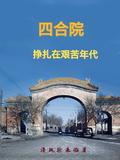 Siheyuan Struggled in Hard Times
The Breeze Is Coming Slowly233k Wordscompleted
3kReads8.1Score104Shelves
Siheyuan Struggled in Hard Times
The Breeze Is Coming Slowly233k Wordscompleted
3kReads8.1Score104Shelves
Reader note
"I'm Forced to Be the Pillar of the Siheyuan" breaks out of the "house fighting" framework of traditional Siheyuan novels and takes "survival" as its core proposition. It throws the protagonist into the era of material scarcity in 1958, and uses the golden finger setting of "space + sign-in" to stage a passionate counterattack from "living down as a loser" to "the supporter of the whole family". The novel wraps up the hard-core survival logic with a delicate flow of life narrative, and hides a shocking power of growth in the stories of parents. Time-traveling is hell mode: a suffocating survival challenge. The protagonist Zhang Xingwang faces the triple critical attack of "the whole family is hungry + he is seriously ill + the system shrinks" when he time-travels: his mother and sisters rely on digging wild vegetables to satisfy their hunger, and the only male in the family (original owner) is terminally ill. On the first day of signing in, the system only gives you 2 kilograms of potatoes and 0.1 Cubic meters of space - this configuration can be called a "beggar's gold finger". The author uses graphic details to depict poverty: drinking corn mush mixed with water, the fourth sister lying about having eaten to save food, and the younger sister staring at the empty bowl and swallowing saliva. These scenes allow readers to intuitively feel the pressure of survival in the famine era. Zhang Xingwang's transformation from "disliked the unpalatable wild vegetables" to "actively using space to hunt for food" has made the feeling of "forced growth" even more intense. Goldfinger's "poor" opening method: play big tricks in a small space. Different from the arrogant configuration of "tons of materials + farm space" in similar works, the system in this article focuses on "small but refined": 0.1 Cubic meters of space can only accommodate daily sundries, and the sign-in rewards start from 3 pounds of corn and 2 pounds of potatoes, but the protagonist is forced to develop the cool operation of "bullets are stationary + pointing where to hit". Zhang Xingwang used space to store bullets, and performed the magical operation of "silent pheasant hunting" in the deep mountains. He exchanged 26 bullets for 3 pheasants and more than 10 pheasants. This kind of wisdom of "building a dojo in a snail shell" is more satisfying than mindless cheating. And his caution when exchanging pheasant meat for food - going to the pigeon market late at night, disguising the trading route, and using his eldest sister's natural power to escort him - shows the collision between survival wisdom and the limitations of the times. Family Portraits: A Tender Undertone in Suffering. The most touching thing about the novel is the portrayal of "family love": the mother Wang Xiulan saves the food in the lunch box, the grandfather takes the risk and takes out the shotgun, the eldest sister is careless but feels safe, and the second sister is silent but protective throughout. These characters interpret the meaning of "family" in different ways. When Zhang Xingwang insists that the whole family share chicken, the scene in which his mother compromises in tears not only shows the brilliance of humanity in the face of scarcity, but also hints at the protagonist's change in mentality from "accepting care" to "taking the initiative to give." The indifference of the neighbors in the courtyard (such as the third uncle staring at the basket, Jia Zhang's family avoiding the plague god) is in sharp contrast to the warmth of the Zhang family, highlighting the preciousness of "home" as a safe haven. Slice of the Times: An Epic of Survival in the Age of Hungry. The author uses the Zhang family as an incision to unravel the social texture of 1958: the street office made it difficult to obtain household registration, the village collectively ate from a big pot, the risks of black market transactions were extremely high, and the shotgun was once a life-saving talisman for the villagers. These details make the story go beyond the scope of a "siheyuan cool article" and become a survival memorandum for a generation. Zhang Xingwang witnessed "children looking for worms to eat" and "no dogs barking in the village" in the mountains and forests, and even used line drawing to describe the cruelty of famine. And the plot of him using space to hoard food and plan to open sales points implies the idealism of "using modern thinking to break the old era". Core of growth: Transformation from "lone seedling" to "backbone" Zhang Xingwang's counterattack path is essentially a growth driven by "responsibility": from a sickly young man to a man who can carry a gun for hunting, from relying on his family to being relied on by the whole family. He learned calculations (such as using corn to trap prey), responsibility (guarding his sister late at night in exchange for food), and even intrigue (concealing supplies from the third uncle) in the midst of hunger and danger. When he says, "I am a man, I should support this family." What the readers see is not only the self-rescue of a time traveler, but also the hope of a family rising from suffering. "Siheyuan: I Was Forced to Be the Pillar" uses the contrasting setting of "small space, big survival" to write a hymn of family warmth and survival wisdom in the context of the famine years. If you want to feel the thrill of "survival in a desperate situation" and see how a lying young man uses his mind and responsibility to rewrite the fate of his family, this work will definitely make you feel the power of blood boiling in tears - after all, when survival becomes the highest mission, every breakthrough is worth raising your arms and shouting.
-
166
四
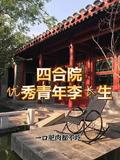 Siheyuan: Outstanding Young Man Li Changsheng
Don't Eat Even a Morsel of Fat671k Wordscompleted
17.4kReads8.2Score571Shelves
Siheyuan: Outstanding Young Man Li Changsheng
Don't Eat Even a Morsel of Fat671k Wordscompleted
17.4kReads8.2Score571Shelves
Reader note
"I'm Forced to Be the Pillar of the Siheyuan" breaks out of the "house fighting" framework of traditional Siheyuan novels and takes "survival" as its core proposition. It throws the protagonist into the era of material scarcity in 1958, and uses the golden finger setting of "space + sign-in" to stage a passionate counterattack from "living down as a loser" to "the supporter of the whole family". The novel wraps up the hard-core survival logic with a delicate flow of life narrative, and hides a shocking power of growth in the stories of parents. Time-traveling is hell mode: a suffocating survival challenge. The protagonist Zhang Xingwang faces the triple critical attack of "the whole family is hungry + he is seriously ill + the system shrinks" when he time-travels: his mother and sisters rely on digging wild vegetables to satisfy their hunger, and the only male in the family (original owner) is terminally ill. On the first day of signing in, the system only gives you 2 kilograms of potatoes and 0.1 Cubic meters of space - this configuration can be called a "beggar's gold finger". The author uses graphic details to depict poverty: drinking corn mush mixed with water, the fourth sister lying about having eaten to save food, and the younger sister staring at the empty bowl and swallowing saliva. These scenes allow readers to intuitively feel the pressure of survival in the famine era. Zhang Xingwang's transformation from "disliked the unpalatable wild vegetables" to "actively using space to hunt for food" has made the feeling of "forced growth" even more intense. Goldfinger's "poor" opening method: play big tricks in a small space. Different from the arrogant configuration of "tons of materials + farm space" in similar works, the system in this article focuses on "small but refined": 0.1 Cubic meters of space can only accommodate daily sundries, and the sign-in rewards start from 3 pounds of corn and 2 pounds of potatoes, but the protagonist is forced to develop the cool operation of "bullets are stationary + pointing where to hit". Zhang Xingwang used space to store bullets, and performed the magical operation of "silent pheasant hunting" in the deep mountains. He exchanged 26 bullets for 3 pheasants and more than 10 pheasants. This kind of wisdom of "building a dojo in a snail shell" is more satisfying than mindless cheating. And his caution when exchanging pheasant meat for food - going to the pigeon market late at night, disguising the trading route, and using his eldest sister's natural power to escort him - shows the collision between survival wisdom and the limitations of the times. Family Portraits: A Tender Undertone in Suffering. The most touching thing about the novel is the portrayal of "family love": the mother Wang Xiulan saves the food in the lunch box, the grandfather takes the risk and takes out the shotgun, the eldest sister is careless but feels safe, and the second sister is silent but protective throughout. These characters interpret the meaning of "family" in different ways. When Zhang Xingwang insists that the whole family share chicken, the scene in which his mother compromises in tears not only shows the brilliance of humanity in the face of scarcity, but also hints at the protagonist's change in mentality from "accepting care" to "taking the initiative to give." The indifference of the neighbors in the courtyard (such as the third uncle staring at the basket, Jia Zhang's family avoiding the plague god) is in sharp contrast to the warmth of the Zhang family, highlighting the preciousness of "home" as a safe haven. Slice of the Times: An Epic of Survival in the Age of Hungry. The author uses the Zhang family as an incision to unravel the social texture of 1958: the street office made it difficult to obtain household registration, the village collectively ate from a big pot, the risks of black market transactions were extremely high, and the shotgun was once a life-saving talisman for the villagers. These details make the story go beyond the scope of a "siheyuan cool article" and become a survival memorandum for a generation. Zhang Xingwang witnessed "children looking for worms to eat" and "no dogs barking in the village" in the mountains and forests, and even used line drawing to describe the cruelty of famine. And the plot of him using space to hoard food and plan to open sales points implies the idealism of "using modern thinking to break the old era". Core of growth: Transformation from "lone seedling" to "backbone" Zhang Xingwang's counterattack path is essentially a growth driven by "responsibility": from a sickly young man to a man who can carry a gun for hunting, from relying on his family to being relied on by the whole family. He learned calculations (such as using corn to trap prey), responsibility (guarding his sister late at night in exchange for food), and even intrigue (concealing supplies from the third uncle) in the midst of hunger and danger. When he says, "I am a man, I should support this family." What the readers see is not only the self-rescue of a time traveler, but also the hope of a family rising from suffering. "Siheyuan: I Was Forced to Be the Pillar" uses the contrasting setting of "small space, big survival" to write a hymn of family warmth and survival wisdom in the context of the famine years. If you want to feel the thrill of "survival in a desperate situation" and see how a lying young man uses his mind and responsibility to rewrite the fate of his family, this work will definitely make you feel the power of blood boiling in tears - after all, when survival becomes the highest mission, every breakthrough is worth raising your arms and shouting.
-
167
四
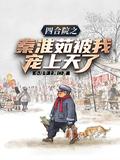 Qin Huairu in the Siheyuan Is Loved to the Heavens by Me
Heifer Internet376k Wordscompleted
2.4kReads8.2Score101Shelves
Qin Huairu in the Siheyuan Is Loved to the Heavens by Me
Heifer Internet376k Wordscompleted
2.4kReads8.2Score101Shelves
Reader note
"I'm Forced to Be the Pillar of the Siheyuan" breaks out of the "house fighting" framework of traditional Siheyuan novels and takes "survival" as its core proposition. It throws the protagonist into the era of material scarcity in 1958, and uses the golden finger setting of "space + sign-in" to stage a passionate counterattack from "living down as a loser" to "the supporter of the whole family". The novel wraps up the hard-core survival logic with a delicate flow of life narrative, and hides a shocking power of growth in the stories of parents. Time-traveling is hell mode: a suffocating survival challenge. The protagonist Zhang Xingwang faces the triple critical attack of "the whole family is hungry + he is seriously ill + the system shrinks" when he time-travels: his mother and sisters rely on digging wild vegetables to satisfy their hunger, and the only male in the family (original owner) is terminally ill. On the first day of signing in, the system only gives you 2 kilograms of potatoes and 0.1 Cubic meters of space - this configuration can be called a "beggar's gold finger". The author uses graphic details to depict poverty: drinking corn mush mixed with water, the fourth sister lying about having eaten to save food, and the younger sister staring at the empty bowl and swallowing saliva. These scenes allow readers to intuitively feel the pressure of survival in the famine era. Zhang Xingwang's transformation from "disliked the unpalatable wild vegetables" to "actively using space to hunt for food" has made the feeling of "forced growth" even more intense. Goldfinger's "poor" opening method: play big tricks in a small space. Different from the arrogant configuration of "tons of materials + farm space" in similar works, the system in this article focuses on "small but refined": 0.1 Cubic meters of space can only accommodate daily sundries, and the sign-in rewards start from 3 pounds of corn and 2 pounds of potatoes, but the protagonist is forced to develop the cool operation of "bullets are stationary + pointing where to hit". Zhang Xingwang used space to store bullets, and performed the magical operation of "silent pheasant hunting" in the deep mountains. He exchanged 26 bullets for 3 pheasants and more than 10 pheasants. This kind of wisdom of "building a dojo in a snail shell" is more satisfying than mindless cheating. And his caution when exchanging pheasant meat for food - going to the pigeon market late at night, disguising the trading route, and using his eldest sister's natural power to escort him - shows the collision between survival wisdom and the limitations of the times. Family Portraits: A Tender Undertone in Suffering. The most touching thing about the novel is the portrayal of "family love": the mother Wang Xiulan saves the food in the lunch box, the grandfather takes the risk and takes out the shotgun, the eldest sister is careless but feels safe, and the second sister is silent but protective throughout. These characters interpret the meaning of "family" in different ways. When Zhang Xingwang insists that the whole family share chicken, the scene in which his mother compromises in tears not only shows the brilliance of humanity in the face of scarcity, but also hints at the protagonist's change in mentality from "accepting care" to "taking the initiative to give." The indifference of the neighbors in the courtyard (such as the third uncle staring at the basket, Jia Zhang's family avoiding the plague god) is in sharp contrast to the warmth of the Zhang family, highlighting the preciousness of "home" as a safe haven. Slice of the Times: An Epic of Survival in the Age of Hungry. The author uses the Zhang family as an incision to unravel the social texture of 1958: the street office made it difficult to obtain household registration, the village collectively ate from a big pot, the risks of black market transactions were extremely high, and the shotgun was once a life-saving talisman for the villagers. These details make the story go beyond the scope of a "siheyuan cool article" and become a survival memorandum for a generation. Zhang Xingwang witnessed "children looking for worms to eat" and "no dogs barking in the village" in the mountains and forests, and even used line drawing to describe the cruelty of famine. And the plot of him using space to hoard food and plan to open sales points implies the idealism of "using modern thinking to break the old era". Core of growth: Transformation from "lone seedling" to "backbone" Zhang Xingwang's counterattack path is essentially a growth driven by "responsibility": from a sickly young man to a man who can carry a gun for hunting, from relying on his family to being relied on by the whole family. He learned calculations (such as using corn to trap prey), responsibility (guarding his sister late at night in exchange for food), and even intrigue (concealing supplies from the third uncle) in the midst of hunger and danger. When he says, "I am a man, I should support this family." What the readers see is not only the self-rescue of a time traveler, but also the hope of a family rising from suffering. "Siheyuan: I Was Forced to Be the Pillar" uses the contrasting setting of "small space, big survival" to write a hymn of family warmth and survival wisdom in the context of the famine years. If you want to feel the thrill of "survival in a desperate situation" and see how a lying young man uses his mind and responsibility to rewrite the fate of his family, this work will definitely make you feel the power of blood boiling in tears - after all, when survival becomes the highest mission, every breakthrough is worth raising your arms and shouting.
-
168
四
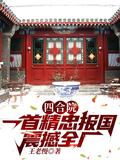 Siheyuan: a Song of Loyalty to the Country Shocked the Whole Factory
Wang Laoman339k Wordscompleted
2.2kReads8.3Score106Shelves
Siheyuan: a Song of Loyalty to the Country Shocked the Whole Factory
Wang Laoman339k Wordscompleted
2.2kReads8.3Score106Shelves
Reader note
"I'm Forced to Be the Pillar of the Siheyuan" breaks out of the "house fighting" framework of traditional Siheyuan novels and takes "survival" as its core proposition. It throws the protagonist into the era of material scarcity in 1958, and uses the golden finger setting of "space + sign-in" to stage a passionate counterattack from "living down as a loser" to "the supporter of the whole family". The novel wraps up the hard-core survival logic with a delicate flow of life narrative, and hides a shocking power of growth in the stories of parents. Time-traveling is hell mode: a suffocating survival challenge. The protagonist Zhang Xingwang faces the triple critical attack of "the whole family is hungry + he is seriously ill + the system shrinks" when he time-travels: his mother and sisters rely on digging wild vegetables to satisfy their hunger, and the only male in the family (original owner) is terminally ill. On the first day of signing in, the system only gives you 2 kilograms of potatoes and 0.1 Cubic meters of space - this configuration can be called a "beggar's gold finger". The author uses graphic details to depict poverty: drinking corn mush mixed with water, the fourth sister lying about having eaten to save food, and the younger sister staring at the empty bowl and swallowing saliva. These scenes allow readers to intuitively feel the pressure of survival in the famine era. Zhang Xingwang's transformation from "disliked the unpalatable wild vegetables" to "actively using space to hunt for food" has made the feeling of "forced growth" even more intense. Goldfinger's "poor" opening method: play big tricks in a small space. Different from the arrogant configuration of "tons of materials + farm space" in similar works, the system in this article focuses on "small but refined": 0.1 Cubic meters of space can only accommodate daily sundries, and the sign-in rewards start from 3 pounds of corn and 2 pounds of potatoes, but the protagonist is forced to develop the cool operation of "bullets are stationary + pointing where to hit". Zhang Xingwang used space to store bullets, and performed the magical operation of "silent pheasant hunting" in the deep mountains. He exchanged 26 bullets for 3 pheasants and more than 10 pheasants. This kind of wisdom of "building a dojo in a snail shell" is more satisfying than mindless cheating. And his caution when exchanging pheasant meat for food - going to the pigeon market late at night, disguising the trading route, and using his eldest sister's natural power to escort him - shows the collision between survival wisdom and the limitations of the times. Family Portraits: A Tender Undertone in Suffering. The most touching thing about the novel is the portrayal of "family love": the mother Wang Xiulan saves the food in the lunch box, the grandfather takes the risk and takes out the shotgun, the eldest sister is careless but feels safe, and the second sister is silent but protective throughout. These characters interpret the meaning of "family" in different ways. When Zhang Xingwang insists that the whole family share chicken, the scene in which his mother compromises in tears not only shows the brilliance of humanity in the face of scarcity, but also hints at the protagonist's change in mentality from "accepting care" to "taking the initiative to give." The indifference of the neighbors in the courtyard (such as the third uncle staring at the basket, Jia Zhang's family avoiding the plague god) is in sharp contrast to the warmth of the Zhang family, highlighting the preciousness of "home" as a safe haven. Slice of the Times: An Epic of Survival in the Age of Hungry. The author uses the Zhang family as an incision to unravel the social texture of 1958: the street office made it difficult to obtain household registration, the village collectively ate from a big pot, the risks of black market transactions were extremely high, and the shotgun was once a life-saving talisman for the villagers. These details make the story go beyond the scope of a "siheyuan cool article" and become a survival memorandum for a generation. Zhang Xingwang witnessed "children looking for worms to eat" and "no dogs barking in the village" in the mountains and forests, and even used line drawing to describe the cruelty of famine. And the plot of him using space to hoard food and plan to open sales points implies the idealism of "using modern thinking to break the old era". Core of growth: Transformation from "lone seedling" to "backbone" Zhang Xingwang's counterattack path is essentially a growth driven by "responsibility": from a sickly young man to a man who can carry a gun for hunting, from relying on his family to being relied on by the whole family. He learned calculations (such as using corn to trap prey), responsibility (guarding his sister late at night in exchange for food), and even intrigue (concealing supplies from the third uncle) in the midst of hunger and danger. When he says, "I am a man, I should support this family." What the readers see is not only the self-rescue of a time traveler, but also the hope of a family rising from suffering. "Siheyuan: I Was Forced to Be the Pillar" uses the contrasting setting of "small space, big survival" to write a hymn of family warmth and survival wisdom in the context of the famine years. If you want to feel the thrill of "survival in a desperate situation" and see how a lying young man uses his mind and responsibility to rewrite the fate of his family, this work will definitely make you feel the power of blood boiling in tears - after all, when survival becomes the highest mission, every breakthrough is worth raising your arms and shouting.
-
169
四
 Siheyuan: Renovating Life
Smile South595k Wordscompleted
2.9kReads8.3Score—Shelves
Siheyuan: Renovating Life
Smile South595k Wordscompleted
2.9kReads8.3Score—Shelves
Reader note
"I'm Forced to Be the Pillar of the Siheyuan" breaks out of the "house fighting" framework of traditional Siheyuan novels and takes "survival" as its core proposition. It throws the protagonist into the era of material scarcity in 1958, and uses the golden finger setting of "space + sign-in" to stage a passionate counterattack from "living down as a loser" to "the supporter of the whole family". The novel wraps up the hard-core survival logic with a delicate flow of life narrative, and hides a shocking power of growth in the stories of parents. Time-traveling is hell mode: a suffocating survival challenge. The protagonist Zhang Xingwang faces the triple critical attack of "the whole family is hungry + he is seriously ill + the system shrinks" when he time-travels: his mother and sisters rely on digging wild vegetables to satisfy their hunger, and the only male in the family (original owner) is terminally ill. On the first day of signing in, the system only gives you 2 kilograms of potatoes and 0.1 Cubic meters of space - this configuration can be called a "beggar's gold finger". The author uses graphic details to depict poverty: drinking corn mush mixed with water, the fourth sister lying about having eaten to save food, and the younger sister staring at the empty bowl and swallowing saliva. These scenes allow readers to intuitively feel the pressure of survival in the famine era. Zhang Xingwang's transformation from "disliked the unpalatable wild vegetables" to "actively using space to hunt for food" has made the feeling of "forced growth" even more intense. Goldfinger's "poor" opening method: play big tricks in a small space. Different from the arrogant configuration of "tons of materials + farm space" in similar works, the system in this article focuses on "small but refined": 0.1 Cubic meters of space can only accommodate daily sundries, and the sign-in rewards start from 3 pounds of corn and 2 pounds of potatoes, but the protagonist is forced to develop the cool operation of "bullets are stationary + pointing where to hit". Zhang Xingwang used space to store bullets, and performed the magical operation of "silent pheasant hunting" in the deep mountains. He exchanged 26 bullets for 3 pheasants and more than 10 pheasants. This kind of wisdom of "building a dojo in a snail shell" is more satisfying than mindless cheating. And his caution when exchanging pheasant meat for food - going to the pigeon market late at night, disguising the trading route, and using his eldest sister's natural power to escort him - shows the collision between survival wisdom and the limitations of the times. Family Portraits: A Tender Undertone in Suffering. The most touching thing about the novel is the portrayal of "family love": the mother Wang Xiulan saves the food in the lunch box, the grandfather takes the risk and takes out the shotgun, the eldest sister is careless but feels safe, and the second sister is silent but protective throughout. These characters interpret the meaning of "family" in different ways. When Zhang Xingwang insists that the whole family share chicken, the scene in which his mother compromises in tears not only shows the brilliance of humanity in the face of scarcity, but also hints at the protagonist's change in mentality from "accepting care" to "taking the initiative to give." The indifference of the neighbors in the courtyard (such as the third uncle staring at the basket, Jia Zhang's family avoiding the plague god) is in sharp contrast to the warmth of the Zhang family, highlighting the preciousness of "home" as a safe haven. Slice of the Times: An Epic of Survival in the Age of Hungry. The author uses the Zhang family as an incision to unravel the social texture of 1958: the street office made it difficult to obtain household registration, the village collectively ate from a big pot, the risks of black market transactions were extremely high, and the shotgun was once a life-saving talisman for the villagers. These details make the story go beyond the scope of a "siheyuan cool article" and become a survival memorandum for a generation. Zhang Xingwang witnessed "children looking for worms to eat" and "no dogs barking in the village" in the mountains and forests, and even used line drawing to describe the cruelty of famine. And the plot of him using space to hoard food and plan to open sales points implies the idealism of "using modern thinking to break the old era". Core of growth: Transformation from "lone seedling" to "backbone" Zhang Xingwang's counterattack path is essentially a growth driven by "responsibility": from a sickly young man to a man who can carry a gun for hunting, from relying on his family to being relied on by the whole family. He learned calculations (such as using corn to trap prey), responsibility (guarding his sister late at night in exchange for food), and even intrigue (concealing supplies from the third uncle) in the midst of hunger and danger. When he says, "I am a man, I should support this family." What the readers see is not only the self-rescue of a time traveler, but also the hope of a family rising from suffering. "Siheyuan: I Was Forced to Be the Pillar" uses the contrasting setting of "small space, big survival" to write a hymn of family warmth and survival wisdom in the context of the famine years. If you want to feel the thrill of "survival in a desperate situation" and see how a lying young man uses his mind and responsibility to rewrite the fate of his family, this work will definitely make you feel the power of blood boiling in tears - after all, when survival becomes the highest mission, every breakthrough is worth raising your arms and shouting.
-
170
四
 Siheyuan: He Yuzhu's Magnificent Life
Bitter Bamboo Shoots669k Wordscompleted
23.7kReads8.1Score1.1kShelves
Siheyuan: He Yuzhu's Magnificent Life
Bitter Bamboo Shoots669k Wordscompleted
23.7kReads8.1Score1.1kShelves
Reader note
"I'm Forced to Be the Pillar of the Siheyuan" breaks out of the "house fighting" framework of traditional Siheyuan novels and takes "survival" as its core proposition. It throws the protagonist into the era of material scarcity in 1958, and uses the golden finger setting of "space + sign-in" to stage a passionate counterattack from "living down as a loser" to "the supporter of the whole family". The novel wraps up the hard-core survival logic with a delicate flow of life narrative, and hides a shocking power of growth in the stories of parents. Time-traveling is hell mode: a suffocating survival challenge. The protagonist Zhang Xingwang faces the triple critical attack of "the whole family is hungry + he is seriously ill + the system shrinks" when he time-travels: his mother and sisters rely on digging wild vegetables to satisfy their hunger, and the only male in the family (original owner) is terminally ill. On the first day of signing in, the system only gives you 2 kilograms of potatoes and 0.1 Cubic meters of space - this configuration can be called a "beggar's gold finger". The author uses graphic details to depict poverty: drinking corn mush mixed with water, the fourth sister lying about having eaten to save food, and the younger sister staring at the empty bowl and swallowing saliva. These scenes allow readers to intuitively feel the pressure of survival in the famine era. Zhang Xingwang's transformation from "disliked the unpalatable wild vegetables" to "actively using space to hunt for food" has made the feeling of "forced growth" even more intense. Goldfinger's "poor" opening method: play big tricks in a small space. Different from the arrogant configuration of "tons of materials + farm space" in similar works, the system in this article focuses on "small but refined": 0.1 Cubic meters of space can only accommodate daily sundries, and the sign-in rewards start from 3 pounds of corn and 2 pounds of potatoes, but the protagonist is forced to develop the cool operation of "bullets are stationary + pointing where to hit". Zhang Xingwang used space to store bullets, and performed the magical operation of "silent pheasant hunting" in the deep mountains. He exchanged 26 bullets for 3 pheasants and more than 10 pheasants. This kind of wisdom of "building a dojo in a snail shell" is more satisfying than mindless cheating. And his caution when exchanging pheasant meat for food - going to the pigeon market late at night, disguising the trading route, and using his eldest sister's natural power to escort him - shows the collision between survival wisdom and the limitations of the times. Family Portraits: A Tender Undertone in Suffering. The most touching thing about the novel is the portrayal of "family love": the mother Wang Xiulan saves the food in the lunch box, the grandfather takes the risk and takes out the shotgun, the eldest sister is careless but feels safe, and the second sister is silent but protective throughout. These characters interpret the meaning of "family" in different ways. When Zhang Xingwang insists that the whole family share chicken, the scene in which his mother compromises in tears not only shows the brilliance of humanity in the face of scarcity, but also hints at the protagonist's change in mentality from "accepting care" to "taking the initiative to give." The indifference of the neighbors in the courtyard (such as the third uncle staring at the basket, Jia Zhang's family avoiding the plague god) is in sharp contrast to the warmth of the Zhang family, highlighting the preciousness of "home" as a safe haven. Slice of the Times: An Epic of Survival in the Age of Hungry. The author uses the Zhang family as an incision to unravel the social texture of 1958: the street office made it difficult to obtain household registration, the village collectively ate from a big pot, the risks of black market transactions were extremely high, and the shotgun was once a life-saving talisman for the villagers. These details make the story go beyond the scope of a "siheyuan cool article" and become a survival memorandum for a generation. Zhang Xingwang witnessed "children looking for worms to eat" and "no dogs barking in the village" in the mountains and forests, and even used line drawing to describe the cruelty of famine. And the plot of him using space to hoard food and plan to open sales points implies the idealism of "using modern thinking to break the old era". Core of growth: Transformation from "lone seedling" to "backbone" Zhang Xingwang's counterattack path is essentially a growth driven by "responsibility": from a sickly young man to a man who can carry a gun for hunting, from relying on his family to being relied on by the whole family. He learned calculations (such as using corn to trap prey), responsibility (guarding his sister late at night in exchange for food), and even intrigue (concealing supplies from the third uncle) in the midst of hunger and danger. When he says, "I am a man, I should support this family." What the readers see is not only the self-rescue of a time traveler, but also the hope of a family rising from suffering. "Siheyuan: I Was Forced to Be the Pillar" uses the contrasting setting of "small space, big survival" to write a hymn of family warmth and survival wisdom in the context of the famine years. If you want to feel the thrill of "survival in a desperate situation" and see how a lying young man uses his mind and responsibility to rewrite the fate of his family, this work will definitely make you feel the power of blood boiling in tears - after all, when survival becomes the highest mission, every breakthrough is worth raising your arms and shouting.
-
171
街
 Daily Life of Street Office Cadres in the Courtyard House
Silk-Pulling Drama in Wine Stalls746k Wordscompleted
32.6kReads8.0Score1.2kShelves
Daily Life of Street Office Cadres in the Courtyard House
Silk-Pulling Drama in Wine Stalls746k Wordscompleted
32.6kReads8.0Score1.2kShelves
Reader note
"I'm Forced to Be the Pillar of the Siheyuan" breaks out of the "house fighting" framework of traditional Siheyuan novels and takes "survival" as its core proposition. It throws the protagonist into the era of material scarcity in 1958, and uses the golden finger setting of "space + sign-in" to stage a passionate counterattack from "living down as a loser" to "the supporter of the whole family". The novel wraps up the hard-core survival logic with a delicate flow of life narrative, and hides a shocking power of growth in the stories of parents. Time-traveling is hell mode: a suffocating survival challenge. The protagonist Zhang Xingwang faces the triple critical attack of "the whole family is hungry + he is seriously ill + the system shrinks" when he time-travels: his mother and sisters rely on digging wild vegetables to satisfy their hunger, and the only male in the family (original owner) is terminally ill. On the first day of signing in, the system only gives you 2 kilograms of potatoes and 0.1 Cubic meters of space - this configuration can be called a "beggar's gold finger". The author uses graphic details to depict poverty: drinking corn mush mixed with water, the fourth sister lying about having eaten to save food, and the younger sister staring at the empty bowl and swallowing saliva. These scenes allow readers to intuitively feel the pressure of survival in the famine era. Zhang Xingwang's transformation from "disliked the unpalatable wild vegetables" to "actively using space to hunt for food" has made the feeling of "forced growth" even more intense. Goldfinger's "poor" opening method: play big tricks in a small space. Different from the arrogant configuration of "tons of materials + farm space" in similar works, the system in this article focuses on "small but refined": 0.1 Cubic meters of space can only accommodate daily sundries, and the sign-in rewards start from 3 pounds of corn and 2 pounds of potatoes, but the protagonist is forced to develop the cool operation of "bullets are stationary + pointing where to hit". Zhang Xingwang used space to store bullets, and performed the magical operation of "silent pheasant hunting" in the deep mountains. He exchanged 26 bullets for 3 pheasants and more than 10 pheasants. This kind of wisdom of "building a dojo in a snail shell" is more satisfying than mindless cheating. And his caution when exchanging pheasant meat for food - going to the pigeon market late at night, disguising the trading route, and using his eldest sister's natural power to escort him - shows the collision between survival wisdom and the limitations of the times. Family Portraits: A Tender Undertone in Suffering. The most touching thing about the novel is the portrayal of "family love": the mother Wang Xiulan saves the food in the lunch box, the grandfather takes the risk and takes out the shotgun, the eldest sister is careless but feels safe, and the second sister is silent but protective throughout. These characters interpret the meaning of "family" in different ways. When Zhang Xingwang insists that the whole family share chicken, the scene in which his mother compromises in tears not only shows the brilliance of humanity in the face of scarcity, but also hints at the protagonist's change in mentality from "accepting care" to "taking the initiative to give." The indifference of the neighbors in the courtyard (such as the third uncle staring at the basket, Jia Zhang's family avoiding the plague god) is in sharp contrast to the warmth of the Zhang family, highlighting the preciousness of "home" as a safe haven. Slice of the Times: An Epic of Survival in the Age of Hungry. The author uses the Zhang family as an incision to unravel the social texture of 1958: the street office made it difficult to obtain household registration, the village collectively ate from a big pot, the risks of black market transactions were extremely high, and the shotgun was once a life-saving talisman for the villagers. These details make the story go beyond the scope of a "siheyuan cool article" and become a survival memorandum for a generation. Zhang Xingwang witnessed "children looking for worms to eat" and "no dogs barking in the village" in the mountains and forests, and even used line drawing to describe the cruelty of famine. And the plot of him using space to hoard food and plan to open sales points implies the idealism of "using modern thinking to break the old era". Core of growth: Transformation from "lone seedling" to "backbone" Zhang Xingwang's counterattack path is essentially a growth driven by "responsibility": from a sickly young man to a man who can carry a gun for hunting, from relying on his family to being relied on by the whole family. He learned calculations (such as using corn to trap prey), responsibility (guarding his sister late at night in exchange for food), and even intrigue (concealing supplies from the third uncle) in the midst of hunger and danger. When he says, "I am a man, I should support this family." What the readers see is not only the self-rescue of a time traveler, but also the hope of a family rising from suffering. "Siheyuan: I Was Forced to Be the Pillar" uses the contrasting setting of "small space, big survival" to write a hymn of family warmth and survival wisdom in the context of the famine years. If you want to feel the thrill of "survival in a desperate situation" and see how a lying young man uses his mind and responsibility to rewrite the fate of his family, this work will definitely make you feel the power of blood boiling in tears - after all, when survival becomes the highest mission, every breakthrough is worth raising your arms and shouting.
-
172
四
 Siheyuan: Start Working at the Street Office
An Ordinary Young Man677k Wordscompleted
18.5kReads7.9Score618Shelves
Siheyuan: Start Working at the Street Office
An Ordinary Young Man677k Wordscompleted
18.5kReads7.9Score618Shelves
Reader note
"I'm Forced to Be the Pillar of the Siheyuan" breaks out of the "house fighting" framework of traditional Siheyuan novels and takes "survival" as its core proposition. It throws the protagonist into the era of material scarcity in 1958, and uses the golden finger setting of "space + sign-in" to stage a passionate counterattack from "living down as a loser" to "the supporter of the whole family". The novel wraps up the hard-core survival logic with a delicate flow of life narrative, and hides a shocking power of growth in the stories of parents. Time-traveling is hell mode: a suffocating survival challenge. The protagonist Zhang Xingwang faces the triple critical attack of "the whole family is hungry + he is seriously ill + the system shrinks" when he time-travels: his mother and sisters rely on digging wild vegetables to satisfy their hunger, and the only male in the family (original owner) is terminally ill. On the first day of signing in, the system only gives you 2 kilograms of potatoes and 0.1 Cubic meters of space - this configuration can be called a "beggar's gold finger". The author uses graphic details to depict poverty: drinking corn mush mixed with water, the fourth sister lying about having eaten to save food, and the younger sister staring at the empty bowl and swallowing saliva. These scenes allow readers to intuitively feel the pressure of survival in the famine era. Zhang Xingwang's transformation from "disliked the unpalatable wild vegetables" to "actively using space to hunt for food" has made the feeling of "forced growth" even more intense. Goldfinger's "poor" opening method: play big tricks in a small space. Different from the arrogant configuration of "tons of materials + farm space" in similar works, the system in this article focuses on "small but refined": 0.1 Cubic meters of space can only accommodate daily sundries, and the sign-in rewards start from 3 pounds of corn and 2 pounds of potatoes, but the protagonist is forced to develop the cool operation of "bullets are stationary + pointing where to hit". Zhang Xingwang used space to store bullets, and performed the magical operation of "silent pheasant hunting" in the deep mountains. He exchanged 26 bullets for 3 pheasants and more than 10 pheasants. This kind of wisdom of "building a dojo in a snail shell" is more satisfying than mindless cheating. And his caution when exchanging pheasant meat for food - going to the pigeon market late at night, disguising the trading route, and using his eldest sister's natural power to escort him - shows the collision between survival wisdom and the limitations of the times. Family Portraits: A Tender Undertone in Suffering. The most touching thing about the novel is the portrayal of "family love": the mother Wang Xiulan saves the food in the lunch box, the grandfather takes the risk and takes out the shotgun, the eldest sister is careless but feels safe, and the second sister is silent but protective throughout. These characters interpret the meaning of "family" in different ways. When Zhang Xingwang insists that the whole family share chicken, the scene in which his mother compromises in tears not only shows the brilliance of humanity in the face of scarcity, but also hints at the protagonist's change in mentality from "accepting care" to "taking the initiative to give." The indifference of the neighbors in the courtyard (such as the third uncle staring at the basket, Jia Zhang's family avoiding the plague god) is in sharp contrast to the warmth of the Zhang family, highlighting the preciousness of "home" as a safe haven. Slice of the Times: An Epic of Survival in the Age of Hungry. The author uses the Zhang family as an incision to unravel the social texture of 1958: the street office made it difficult to obtain household registration, the village collectively ate from a big pot, the risks of black market transactions were extremely high, and the shotgun was once a life-saving talisman for the villagers. These details make the story go beyond the scope of a "siheyuan cool article" and become a survival memorandum for a generation. Zhang Xingwang witnessed "children looking for worms to eat" and "no dogs barking in the village" in the mountains and forests, and even used line drawing to describe the cruelty of famine. And the plot of him using space to hoard food and plan to open sales points implies the idealism of "using modern thinking to break the old era". Core of growth: Transformation from "lone seedling" to "backbone" Zhang Xingwang's counterattack path is essentially a growth driven by "responsibility": from a sickly young man to a man who can carry a gun for hunting, from relying on his family to being relied on by the whole family. He learned calculations (such as using corn to trap prey), responsibility (guarding his sister late at night in exchange for food), and even intrigue (concealing supplies from the third uncle) in the midst of hunger and danger. When he says, "I am a man, I should support this family." What the readers see is not only the self-rescue of a time traveler, but also the hope of a family rising from suffering. "Siheyuan: I Was Forced to Be the Pillar" uses the contrasting setting of "small space, big survival" to write a hymn of family warmth and survival wisdom in the context of the famine years. If you want to feel the thrill of "survival in a desperate situation" and see how a lying young man uses his mind and responsibility to rewrite the fate of his family, this work will definitely make you feel the power of blood boiling in tears - after all, when survival becomes the highest mission, every breakthrough is worth raising your arms and shouting.
-
173
穿
 Dress up as a Fool, Marry a Bride, and Raise Eight Children!
Gardenia in July1.0M Wordscompleted
10.3kReads8.3Score517Shelves
Dress up as a Fool, Marry a Bride, and Raise Eight Children!
Gardenia in July1.0M Wordscompleted
10.3kReads8.3Score517Shelves
Reader note
"I'm Forced to Be the Pillar of the Siheyuan" breaks out of the "house fighting" framework of traditional Siheyuan novels and takes "survival" as its core proposition. It throws the protagonist into the era of material scarcity in 1958, and uses the golden finger setting of "space + sign-in" to stage a passionate counterattack from "living down as a loser" to "the supporter of the whole family". The novel wraps up the hard-core survival logic with a delicate flow of life narrative, and hides a shocking power of growth in the stories of parents. Time-traveling is hell mode: a suffocating survival challenge. The protagonist Zhang Xingwang faces the triple critical attack of "the whole family is hungry + he is seriously ill + the system shrinks" when he time-travels: his mother and sisters rely on digging wild vegetables to satisfy their hunger, and the only male in the family (original owner) is terminally ill. On the first day of signing in, the system only gives you 2 kilograms of potatoes and 0.1 Cubic meters of space - this configuration can be called a "beggar's gold finger". The author uses graphic details to depict poverty: drinking corn mush mixed with water, the fourth sister lying about having eaten to save food, and the younger sister staring at the empty bowl and swallowing saliva. These scenes allow readers to intuitively feel the pressure of survival in the famine era. Zhang Xingwang's transformation from "disliked the unpalatable wild vegetables" to "actively using space to hunt for food" has made the feeling of "forced growth" even more intense. Goldfinger's "poor" opening method: play big tricks in a small space. Different from the arrogant configuration of "tons of materials + farm space" in similar works, the system in this article focuses on "small but refined": 0.1 Cubic meters of space can only accommodate daily sundries, and the sign-in rewards start from 3 pounds of corn and 2 pounds of potatoes, but the protagonist is forced to develop the cool operation of "bullets are stationary + pointing where to hit". Zhang Xingwang used space to store bullets, and performed the magical operation of "silent pheasant hunting" in the deep mountains. He exchanged 26 bullets for 3 pheasants and more than 10 pheasants. This kind of wisdom of "building a dojo in a snail shell" is more satisfying than mindless cheating. And his caution when exchanging pheasant meat for food - going to the pigeon market late at night, disguising the trading route, and using his eldest sister's natural power to escort him - shows the collision between survival wisdom and the limitations of the times. Family Portraits: A Tender Undertone in Suffering. The most touching thing about the novel is the portrayal of "family love": the mother Wang Xiulan saves the food in the lunch box, the grandfather takes the risk and takes out the shotgun, the eldest sister is careless but feels safe, and the second sister is silent but protective throughout. These characters interpret the meaning of "family" in different ways. When Zhang Xingwang insists that the whole family share chicken, the scene in which his mother compromises in tears not only shows the brilliance of humanity in the face of scarcity, but also hints at the protagonist's change in mentality from "accepting care" to "taking the initiative to give." The indifference of the neighbors in the courtyard (such as the third uncle staring at the basket, Jia Zhang's family avoiding the plague god) is in sharp contrast to the warmth of the Zhang family, highlighting the preciousness of "home" as a safe haven. Slice of the Times: An Epic of Survival in the Age of Hungry. The author uses the Zhang family as an incision to unravel the social texture of 1958: the street office made it difficult to obtain household registration, the village collectively ate from a big pot, the risks of black market transactions were extremely high, and the shotgun was once a life-saving talisman for the villagers. These details make the story go beyond the scope of a "siheyuan cool article" and become a survival memorandum for a generation. Zhang Xingwang witnessed "children looking for worms to eat" and "no dogs barking in the village" in the mountains and forests, and even used line drawing to describe the cruelty of famine. And the plot of him using space to hoard food and plan to open sales points implies the idealism of "using modern thinking to break the old era". Core of growth: Transformation from "lone seedling" to "backbone" Zhang Xingwang's counterattack path is essentially a growth driven by "responsibility": from a sickly young man to a man who can carry a gun for hunting, from relying on his family to being relied on by the whole family. He learned calculations (such as using corn to trap prey), responsibility (guarding his sister late at night in exchange for food), and even intrigue (concealing supplies from the third uncle) in the midst of hunger and danger. When he says, "I am a man, I should support this family." What the readers see is not only the self-rescue of a time traveler, but also the hope of a family rising from suffering. "Siheyuan: I Was Forced to Be the Pillar" uses the contrasting setting of "small space, big survival" to write a hymn of family warmth and survival wisdom in the context of the famine years. If you want to feel the thrill of "survival in a desperate situation" and see how a lying young man uses his mind and responsibility to rewrite the fate of his family, this work will definitely make you feel the power of blood boiling in tears - after all, when survival becomes the highest mission, every breakthrough is worth raising your arms and shouting.
-
174
人
 I'm in the Courtyard. I'm Mr. Liu.
Donghai Yanwu801k Wordscompleted
6.2kReads8.0Score208Shelves
I'm in the Courtyard. I'm Mr. Liu.
Donghai Yanwu801k Wordscompleted
6.2kReads8.0Score208Shelves
Reader note
The protagonist's IQ is online, not so sinister, and more relaxed and enjoyable
-
175
才
 I Just Woke up and My Uncle Wants to Buy Me a Bicycle.
Woolen Socks2.2M Wordscompleted
36.5kReads8.4Score2.3kShelves
I Just Woke up and My Uncle Wants to Buy Me a Bicycle.
Woolen Socks2.2M Wordscompleted
36.5kReads8.4Score2.3kShelves
Reader note
The protagonist's IQ is online, not so sinister, and more relaxed and enjoyable
-
176
四
Siheyuan: Silly Pillar Intercepts Hu Yuli at the Beginning Mountains and Rivers Sound743k Wordsongoing 94.5kReads7.2Score9.2kShelves
Reader note
A cool article with brains, no letter of understanding
-
177
四
Siheyuan: a Counterattack to a Happy Life at the Beginning Mountains and Rivers Sound489k Wordscompleted 10.6kReads5.7Score694Shelves
Reader note
A cool article with brains, no letter of understanding
-
178
四
 Siheyuan: Silly Zhu Got Married Secretly, and Everyone Was Dumbfounded
Laborious Noob1.6M Wordscompleted
38.1kReads8.1Score2.1kShelves
Siheyuan: Silly Zhu Got Married Secretly, and Everyone Was Dumbfounded
Laborious Noob1.6M Wordscompleted
38.1kReads8.1Score2.1kShelves
Reader note
① The male protagonist dressed up as He Yuzhu and got the God of Cooking system to wear it. The street office sent him a wife. Silly Zhu, you want a wife? ② Dressed up as He Yuzhu and got He Daqing back ③ He Yuzhu in the original drama got a Sims system ④ Dressed up as He Daqing and sent Silly Zhu to be a soldier
-
179
四
 Sihe*************
completed
—Reads5.8Score—Shelves
Sihe*************
completed
—Reads5.8Score—Shelves
Reader note
① The male protagonist dressed up as He Yuzhu and got the God of Cooking system to wear it. The street office sent him a wife. Silly Zhu, you want a wife? ② Dressed up as He Yuzhu and got He Daqing back ③ He Yuzhu in the original drama got a Sims system ④ Dressed up as He Daqing and sent Silly Zhu to be a soldier
-
180
四
 Siheyuan Since 1951
Hongmao379k Wordscompleted
12.6kReads8.6Score270Shelves
Siheyuan Since 1951
Hongmao379k Wordscompleted
12.6kReads8.6Score270Shelves
Reader note
Chapter 8.9.10 Was originally dressed as the relatives of the characters in the Siheyuan, namely Yi Zhonghai's uncle and father, and Xu Damao's son. Chapter 4.6.7. Was dressed as the people in the Siheyuan, all with the system and golden fingers. 1.2.3.5. Are all original characters.
-
181
四
 Siheyuan: Rebirth of Silly Pillars and Sinking on Aoi Island
Garuda1.3M Wordscompleted
10.1kReads8.5Score689Shelves
Siheyuan: Rebirth of Silly Pillars and Sinking on Aoi Island
Garuda1.3M Wordscompleted
10.1kReads8.5Score689Shelves
Reader note
💥💥This stupid pillar is reborn after death, activates the space, drinks the spiritual spring and becomes smarter, 🍀🍀starts to use his brain to do things, let xx experts come to ask for help, find out the incident of his father's departure, help the master and brother-in-law get promotions and salary increases, accumulate their own connections, [face covering] slap in the face and abuse the scum, do something and not do something, clearly know what they want to do... [Laughing] [laughing]
-
182
四
 The Happy Life of a Courtyard Buyer
Silk-Pulling Drama in Wine Stalls1.8M Wordscompleted
45.6kReads7.8Score2.6kShelves
The Happy Life of a Courtyard Buyer
Silk-Pulling Drama in Wine Stalls1.8M Wordscompleted
45.6kReads7.8Score2.6kShelves
Reader note
Not bad [like]
-
183
四
 Sihe************
ongoing
—Reads5.8Score—Shelves
Sihe************
ongoing
—Reads5.8Score—Shelves
Reader note
It's a beautiful Siheyuan. The last two books break away from the traditional framework and are even better. I highly recommend [laughing][laughing][laughing]
-
184
我
 I Support My Family by Solving Crimes.
False Words in Dreams1.2M Wordscompleted
74.4kReads9.3Score6.7kShelves
I Support My Family by Solving Crimes.
False Words in Dreams1.2M Wordscompleted
74.4kReads9.3Score6.7kShelves
Reader note
It's a beautiful Siheyuan. The last two books break away from the traditional framework and are even better. I highly recommend [laughing][laughing][laughing]
-
185
四
 Siheyuan: Partnering with Li Huaide to Hollow Out the Steel Rolling Mill
I Have a Chestnut725k Wordscompleted
12.4kReads6.6Score479Shelves
Siheyuan: Partnering with Li Huaide to Hollow Out the Steel Rolling Mill
I Have a Chestnut725k Wordscompleted
12.4kReads6.6Score479Shelves
Reader note
Chapter 8.9.10 Was originally dressed as the relatives of the characters in the Siheyuan, namely Yi Zhonghai's uncle and father, and Xu Damao's son. Chapter 4.6.7. Was dressed as the people in the Siheyuan, all with the system and golden fingers. 1.2.3.5. Are all original characters.
-
186
四
 Siheyuan: Entering the Ministry of Foreign Affairs, I Will Kill Everyone
Love N Times in Life474k Wordscompleted
12kReads7.4Score493Shelves
Siheyuan: Entering the Ministry of Foreign Affairs, I Will Kill Everyone
Love N Times in Life474k Wordscompleted
12kReads7.4Score493Shelves
Reader note
Chapter 8.9.10 Was originally dressed as the relatives of the characters in the Siheyuan, namely Yi Zhonghai's uncle and father, and Xu Damao's son. Chapter 4.6.7. Was dressed as the people in the Siheyuan, all with the system and golden fingers. 1.2.3.5. Are all original characters.
-
187
四
 Siheyuan: Visit the Liu Family with the Sign-In System
Hongmeng Baoshu1.5M Wordscompleted
6.6kReads7.2Score350Shelves
Siheyuan: Visit the Liu Family with the Sign-In System
Hongmeng Baoshu1.5M Wordscompleted
6.6kReads7.2Score350Shelves
Reader note
Chapter 8.9.10 Was originally dressed as the relatives of the characters in the Siheyuan, namely Yi Zhonghai's uncle and father, and Xu Damao's son. Chapter 4.6.7. Was dressed as the people in the Siheyuan, all with the system and golden fingers. 1.2.3.5. Are all original characters.
-
188
四
 Siheyuan: Revenge of the Jia and Zhang Family
Wonderful Money Tree200k Wordscompleted
1.2kReads7.1Score—Shelves
Siheyuan: Revenge of the Jia and Zhang Family
Wonderful Money Tree200k Wordscompleted
1.2kReads7.1Score—Shelves
Reader note
Chapter 8.9.10 Was originally dressed as the relatives of the characters in the Siheyuan, namely Yi Zhonghai's uncle and father, and Xu Damao's son. Chapter 4.6.7. Was dressed as the people in the Siheyuan, all with the system and golden fingers. 1.2.3.5. Are all original characters.
-
189
四
 The Beginning of Siheyuan Exploded with Thunder
Thousands of Things to Do213k Wordscompleted
166Reads6.7Score—Shelves
The Beginning of Siheyuan Exploded with Thunder
Thousands of Things to Do213k Wordscompleted
166Reads6.7Score—Shelves
Reader note
Chapter 8.9.10 Was originally dressed as the relatives of the characters in the Siheyuan, namely Yi Zhonghai's uncle and father, and Xu Damao's son. Chapter 4.6.7. Was dressed as the people in the Siheyuan, all with the system and golden fingers. 1.2.3.5. Are all original characters.
-
190
四
 Siheyuan: the Second Eldest Son of the Yan Family Is a Loser
Ten Years of Lingering Dreams384k Wordscompleted
5.3kReads7.5Score186Shelves
Siheyuan: the Second Eldest Son of the Yan Family Is a Loser
Ten Years of Lingering Dreams384k Wordscompleted
5.3kReads7.5Score186Shelves
Reader note
Chapter 8.9.10 Was originally dressed as the relatives of the characters in the Siheyuan, namely Yi Zhonghai's uncle and father, and Xu Damao's son. Chapter 4.6.7. Was dressed as the people in the Siheyuan, all with the system and golden fingers. 1.2.3.5. Are all original characters.
-
191
四
 Siheyuan Yi Zhonghai's Uncle Is a Master of Male Medicine
Today's Peace838k Wordscompleted
4.9kReads5.1Score260Shelves
Siheyuan Yi Zhonghai's Uncle Is a Master of Male Medicine
Today's Peace838k Wordscompleted
4.9kReads5.1Score260Shelves
Reader note
Chapter 8.9.10 Was originally dressed as the relatives of the characters in the Siheyuan, namely Yi Zhonghai's uncle and father, and Xu Damao's son. Chapter 4.6.7. Was dressed as the people in the Siheyuan, all with the system and golden fingers. 1.2.3.5. Are all original characters.
-
192
四
 Siheyuan, My Son Is Yi Zhonghai, Stay True!
Mediterranean Old Fat Man169k Wordscompleted
1.8kReads5.6Score—Shelves
Siheyuan, My Son Is Yi Zhonghai, Stay True!
Mediterranean Old Fat Man169k Wordscompleted
1.8kReads5.6Score—Shelves
Reader note
Chapter 8.9.10 Was originally dressed as the relatives of the characters in the Siheyuan, namely Yi Zhonghai's uncle and father, and Xu Damao's son. Chapter 4.6.7. Was dressed as the people in the Siheyuan, all with the system and golden fingers. 1.2.3.5. Are all original characters.
-
193
四
 Siheyuan: Father Is Xu Damao, Mother Is Lou Xiao'e
From the Xianghuang Family264k Wordscompleted
15.3kReads9.2Score905Shelves
Siheyuan: Father Is Xu Damao, Mother Is Lou Xiao'e
From the Xianghuang Family264k Wordscompleted
15.3kReads9.2Score905Shelves
Reader note
Chapter 8.9.10 Was originally dressed as the relatives of the characters in the Siheyuan, namely Yi Zhonghai's uncle and father, and Xu Damao's son. Chapter 4.6.7. Was dressed as the people in the Siheyuan, all with the system and golden fingers. 1.2.3.5. Are all original characters.
-
194
四
 Siheyuan: My Name Is Cao Wei
A Fat Pig971k Wordscompleted
15.3kReads8.5Score767Shelves
Siheyuan: My Name Is Cao Wei
A Fat Pig971k Wordscompleted
15.3kReads8.5Score767Shelves
Reader note
The three novels are all Siheyuan novels that I am currently reading. Some of them are intense and fun to read, but I have never suffered a loss.
-
195
狂
 Kuangbiao 1952: I Get Rid of the Birds in the Courtyard
Ling Ran 7667k Wordscompleted
43.2kReads7.4Score1.7kShelves
Kuangbiao 1952: I Get Rid of the Birds in the Courtyard
Ling Ran 7667k Wordscompleted
43.2kReads7.4Score1.7kShelves
-
196
无
 Silent Code: One Punch to Defeat the Four Harmonies
Ling Ran 7447k Wordscompleted
27kReads6.4Score993Shelves
Silent Code: One Punch to Defeat the Four Harmonies
Ling Ran 7447k Wordscompleted
27kReads6.4Score993Shelves
-
197
四
 Siheyuan: Immortal People, Kill All the Beasts
Ling Ran 7524k Wordscompleted
24.8kReads6.3Score1.3kShelves
Siheyuan: Immortal People, Kill All the Beasts
Ling Ran 7524k Wordscompleted
24.8kReads6.3Score1.3kShelves
-
198
四
Siheyuan: Take Off the Military Uniform, I Am Still the King Ling Ran 7373k Wordsongoing 8.6kReads5.4Score582Shelves
-
198
四
 The Beginning of Siheyuan: Move Out of Siheyuan
Fat Old Man430k Wordsongoing
2.7kReads5.5Score—Shelves
The Beginning of Siheyuan: Move Out of Siheyuan
Fat Old Man430k Wordsongoing
2.7kReads5.5Score—Shelves
Reader note
It feels pretty good. 1. Hunting➕Small world➕Two heroines➕Sign-in system➕Tomb robbing notes background. 2. The reborn He Yuzhu moved out of the courtyard at the beginning and no longer worked in the steel rolling mill. 3. Single heroine, working in the police station, portrait artist. 4. Li Huaide's secretary and a fun person.