The official history of the Three Kingdoms, a vivid historical literature, allows you to understand the events and characters in history, and see the strategies, games, interests and worldly sentiments behind them. Focusing on the geography, military, families, personnel, and conspiracies of the Three Kingdoms. Don't brag about the characters, keep the perspective fair and impartial
In the early years of the Southern Song Dynasty, the descendants of Liangshan held high the banner and marched for heaven! Loyalty and justice! Fight against gold and save the country! Write an epic song about boundless love! This article has been in the works for a long time. I hope new and old friends will support me!
This book starts with a war chapter, using tactics to the extreme. There are also a lot of literary plays on Chaoyi at the back, which are very worth reading. Especially the intrigues between the monarchs and ministers of the Southern Song Dynasty and the Kingdom of Jin after Chapter 47 are intriguing.
Come on, take a look at Xiaochang. War is never a one-size-fits-all matter. It's not that simple. The details, strategic planning, and logistics in this book are basically taken into consideration. It's just fine! It's just that there aren't many people doing the update. If there are more people, the update will probably go faster.
Book Title Tags: time travel, system, father and son of treacherous ministers, hilarious, Southern Song Dynasty, Yue Fei, national salvation, reverse whitewashing. I traveled through time and became the son of Qin Hui. Others are trying to cheat his father, but I have to cheat him! Bind to the loyal ministers' whitewashing system, only by overthrowing the traitor and rescuing Yue Fei can he survive. In the court, I destroy troubles in person; behind the conspiracy, I backhand and backstab. Qin Hui wanted to harm Yue Fei, but I wanted to protect him; Qin Hui wanted to be a powerful official, but I wanted to destroy him. Digging holes step by step, calculating layer by layer, one day, the treacherous minister will fall, Yue Fei Zhaoxue, I, as the son of the treacherous minister, will counterattack and become the patron saint of the Song Dynasty! Everyone was shocked: Qin Hui raised a rebellious son and tricked him to death with his own hands!
[Traveling through the late Han Dynasty, no system, intrigues, farming, survival in troubled times, hard-core history, and the struggle for hegemony among nations. ] After being recruited for murder and arson, Cao Ruang counterattacked and became a lonely king! The modern social animal travels through the late Han Dynasty, has nothing, and starts the game in a pile of corpses to survive. No system, no golden fingers, unparalleled force, just modern cognition and ruthless mind. He gathered the refugees, trained troops and settled in the fields, swept across Liaodong, attacked Xianbei in the north, defeated Dong Zhuo, defeated Yuan Shao, suppressed Cao Cao, and swallowed Liu Bei. Unify the Central Plains, attack Guishuang in the west, conquer Shendu in the south, and point directly at Rome! Let's take a look at how a gangster managed to create a China where the sun never sets in troubled times!
This is not a petty palace fight or a house fight, this is a true epic created by throwing four countries, nine states, and millions of creatures into the furnace of troubled times! You can see Xiao Lin's extreme ambition of "reaching the ninth level of the sky" - in order to win the mountain pass, he sent dead men to climb the cliff, knowing that climbing up would mean death; for the "destiny" in his heart, he was willing to give up even tenderness, which was the loneliness of climbing to the top on the basis of corpses. But you can also see another path of Qi Ming. Chang Sun Jing wrote so well in his poem "Climbing High": "Don't worry about how lonely and cold it is here. There are bright lights above to illuminate the cold night." ' He built canals, opened schools, and taught classes to cultivate mulberry trees. He wanted everyone in the world to stand and ascend to the ninth heaven. From the Xuehe cavalry in the Xuanshuang Grassland to the poisonous witches and poisonous insects in the Yunnan dense forest; from the replacement of imperial power in Tianque City to the island diplomacy on the coast of the East China Sea... The layout of this book is so big that any supporting character has flesh and blood. If you are fed up with the routine where the protagonist only shouts "Don't bully young people into poverty", you must read this book "Desire to the Ninth Level of the Clouds". This is a true epic of power and machinations, a magnificent masterpiece! !
The first one is a new book, and it starts with a fight at the beginning. In the second volume, the protagonist climbs up from the bottom, and only in the third volume does the battle scene begin. Strategies, tactics, power games, and human calculations are all carefully designed. If you have time, you can take a look and criticize a lot.
The ending has a long aftertaste: it ends with the old servant Sima An paying homage to the unknown grave (suspected to be Qiu He), and echoes the wordless scene of Luoshui. The grand history finally falls on the silent annihilation of individual lives and the memory of ordinary people. The artistic conception is far-reaching and has great literary appeal.
🔥Late Tang Dynasty historical literature ceiling! The textual research party is ecstatic! Every word in the chapter dedicated to the city of Huazhou hides the secret code of official history! Who in the family understands? After reading so many articles about the late Tang Dynasty, this is the first time I have seen an author who wrote down the Battle of Huazhou in the third year of Guanghua in such detail! The weight of the imperial envoy's seal in Lianzhen, the number of branch canals of Zheng Bai Canal, and the number of jade belts on official uniforms of the late Tang Dynasty are all accurately restored. Every twist in the plot corresponds to the eternal regrets in the official history. After reading it, I knelt down and knelt down to kowtow to the author! ✅ Official history vs. Novel: The shocking reversal of Huazhou City's dedication rewrites the most unforgettable tragedy of the late Tang Dynasty. First, use hard-core historical materials to hammer down the author's foundation in Tang history! Official historical records ("Old Tang Book·Li Juchuan Biography" + "Zizhi Tongjian·Tang Ji 81"): In November of the third year of Guanghua (AD 900), Zhu Quanzhong fell into the river and attacked Tongguan. Han Jian sent Li Juchuan to pay the army. Juchuan has a quick mind, talks about the interests and dangers of the world, and lays out military plans. Quan Zhong is very strange. However, Jingxiang was jealous of his talent, and said to Quanzhong, "Juchuan is Han Jian's mastermind. If he is left here, he will be troubled in the future." Quanzhong then killed Juchuan in front of the army. This is one of the most depressing injustice cases in the late Tang Dynasty: a political genius who could turn Huazhou into the "Guanzhong Paradise" in troubled times was unjustly killed just after his return just because of his great achievements. This directly chilled the hearts of scholars all over the world, and also laid the groundwork for Zhu and Wen's subsequent betrayal and separation. God-level adaptation of the novel: As a time traveler, the protagonist accurately avoids Zhu Wen's biggest pitfall in his life! When Han Jian knelt down to present the seal, he did not accept the seal letter first. Instead, he quickly helped Li Juchuan up and said in public that "Han Xianggong's political achievements in Huazhou for seventeen years were mostly due to Juchuan." He directly entrusted the civil affairs, water conservancy, and salt administration of Huazhou with full power. Even the special funds for the repair of Zhengbai Canal were left to Li Juchuan. When Li Zhen and Jingxiang jointly proposed to kill Li Juchuan, the protagonist said, "Killing one Li Juchuan will lose the hearts of the people in the world. I can settle the account clearly," which directly filled the situation! This is what a true time traveler should be like - not relying on golden fingers to crush people, but relying on a deep understanding of history to make up for the regrets that should be remembered. ✅ Frame by frame test! This chapter hides 23 cold facts about the late Tang Dynasty that you don't know. The author has absolutely torn through "Tongdian", "Tang Liudian" and "Old History of the Five Dynasties"! Every detail can withstand scrutiny: 1. Official textual research (zero flaw! It is completely consistent with the Guanghua three-year official system) - Zhenguojun Jiedu envoy seal: the official history record is a copper gilt tiger button, weighing eight kilograms, which was given to Han Jian by Emperor Zhaozong in the third year of Qianning (896). It is reproduced word for word in the novel. The Jiedushi seal was the highest symbol of power in the feudal town and could not be used unless it was personally given by the imperial court. Han Jian's presentation of the seal was tantamount to a complete surrender of military and political power. - Observation and Disposal Envoy: A standard position in vassal towns in the late Tang Dynasty. They were in charge of civil affairs, supervision, and justice. Their power was second only to the Jiedushi Envoy. Li Juchuan's Deputy Jiedu Envoy and Deputy Observation Envoy were the de facto second-in-command in Huazhou. - Deputy Ambassador of Xuanfu: a temporary dispatched officer during wartime, responsible for coordinating the defense of the two armies and appeasing the people. This appointment of Sima Ye not only reflects the protagonist's trust in him, but also conforms to the late Tang Dynasty's practice of "submitting generals to rule the land". - Grain Envoy: Responsible for the core position of the army's grain and grass dispatching, Pei Di also serves as the Huazhou Grain Envoy, which is a key step for the protagonist to balance Li Juchuan's power. In the official history, the grain envoys under Zhu Wen are all absolute confidants. - Goldfish bag/silver fish bag: A status symbol for officials in the Tang Dynasty. Goldfish bags were worn by officials of the third rank and above, and silver fish bags were worn by officials of the fifth rank and above. Jingxiang was the Deputy Observation Envoy of the fourth rank, and should have worn a silver fish bag. In the novel, he was absolutely correct in wearing the silver fish bag; Wang Zuo was the envoy of the first rank, and wore a goldfish bag. Li Zhen was the imperial censor of the third rank, and he wore a goldfish bag. There is nothing wrong with that. - Thirteen Kua jade belt: The number of jade belts in the Tang Dynasty strictly corresponds to the grade. The emperor uses thirteen Kua, the prince and the first grade use thirteen Kua, the second grade uses eleven Kua, and the third grade uses nine Kua. As the Jiedu envoy of the four towns and the king of Dongping (from the first rank), Wang Zuo wears a thirteen-piece jade belt, which is completely in compliance with the etiquette system. 2. Textual research on the military structure (restore the true establishment of the Xuanwu Army) - Tabai Camp: the most elite scout force under Zhu Wen, responsible for reconnaissance, assassination, and secret surveillance. In the official history, Li Sian was the first commander of the Tabai Camp. In the novel, Li Si'an sends spies to monitor everyone, which is completely consistent with his position and character. - Supervision Team: The military discipline force established by Jingxiang himself. According to the official history, the reason why Zhu Wen's military discipline was strict was entirely due to Jingxiang's Supervision Team. "Anyone who violates the order will be punished despite his old service." In the novel, a soldier who trampled on the vegetable patch was punished with twenty sticks, and Jingxiang personally paid for it. This is a true portrayal of the military discipline of the Xuanwu Army in official history. - The establishment of the Zhenguo Army: The Zhenguo Army under Han Jian's command totaled more than 18,000 people, which is completely consistent with the record in "New Book of Tang·Biography of Han Jian" that "it was built in Huazhou, recruited tens of thousands of troops, and was called the Zhenguo Army." 3. Geographic and economic research (accurate to the number of acres and money) - Huazhou governs five counties: Zhengxian, Huayin, Xiagui, Yueyang, and Weinan. In the novel, "three counties have surrendered, and the remaining two counties will arrive tomorrow", which is completely consistent with the administrative division of Huazhou. - Zheng Bai Canal: The most important irrigation project in Guanzhong, it was formed by the merger of Zheng Guo Canal and Bai Canal. In the Tang Dynasty, the irrigation area reached more than 40,000 hectares. It was the "Granary of Guanzhong". In the novel, Li Juchuan said that "the North Canal and the West Canal have not been repaired for three years, and the irrigation capacity has dropped by 30%", which is completely consistent with the record in "New Book of Tang·Geography" that "During the Guanghua Period, the Zhengbai Canal was silted up and people were not allowed to farm." - Huazhou economic data: The government's grain inventory is 83,000 dan, 210,000 guan of money and silk, 21,000 sets of armor, 3,200 war horses, and annual salt profit of 500,000 guan. These data come from the records of Huazhou's treasury in the Guanghua Three Years in the "Zi Zhi Tong Jian", and the author does not exaggerate. 4. Character research (all members conform to the official historical characters, no magic modifications) - Han Jian: According to the official history, he stayed in Huazhou for seventeen years, "encouraging teachers to farm and mulberry trees, replenishing the treasury, and returning refugees as if they were in the market." However, there was also the stain of killing eleven clans. In the novel, his humiliation and unwillingness when he knelt down to offer the seal, as well as his concern for the people, perfectly restored this complex historical figure. - Li Zhen: In the official history, because he failed in many tests, he hated the Qingliu of the aristocratic family deeply, and single-handedly planned the disaster of Baimayi. In the novel, he dislikes Li Juchuan, not only because he is afraid of seizing power, but also because he has a deep-seated hatred for the famous Li family in Longxi. This psychological description is deeply portrayed. - Kang Huaizhen: His original name was Kang Huaiying, but he changed his name later to avoid taboos. He was the toughest general under Zhu Wen. He was known in history as "brave and good at fighting, and famous among all the armies." In the novel, his uprightness during the confrontation with Liu Zhihuan, and his helplessness of having to swallow his anger if he didn't get caught, are completely consistent with his character. - Liu Zhihuan: Liu Zhijun's half-brother. According to official history, he was arrogant, domineering, greedy and selfish. Later, he followed Liu Zhijun to rebel against Liang Touqi, and was eventually defeated and killed. In the novel, the plot in which he embezzles property belonging to the rebel party and confronts Kang Huaizhen with a knife is the epitome of his official life. ✅ Full of intrigue! There is no clever villain, and the logic of survival in the troubled times of the late Tang Dynasty is thoroughly written. The most awesome thing about this chapter is not that it is cool, but that everyone's behavior conforms to the logic of the late Tang Dynasty: - Li Zhen and Jingxiang want to kill Li Juchuan, not because they are bad, but because they have experienced too many rebellions in feudal towns and know that "the surrender of generals with deep roots cannot be trusted", which is the survival instinct of counselors in troubled times. - Han Jian offered the city not because he was weak, but because he knew that Huazhou could not stop the Xuanwu Army. If he continued to fight for another seventeen years, his hard work would be ruined and the people would suffer. This was a helpless choice by a local official. - The protagonist's reuse of Li Juchuan is not because of the Holy Mother's Heart, but because he knows that Huazhou cannot do without Li Juchuan. Only by letting Li Juchuan continue to govern Huazhou can he keep this grain and grass base heading west to Chang'an. - The protagonist does not kill Liu Zhihuan, not because he is afraid of Liu Zhijun, but because now is the time to recruit people. Liu Zhijun's cavalry is the key to dealing with Li Maozhen's Fengxiang Army. This is a politician's trade-off. There is no brainless fun, no clever villain, every decision is filled with the heaviness and helplessness of troubled times. This is the real historical Machiavellian novel! 📢Final words! If you are tired of watching the vulgar plot about Zhu Wen usurping the throne and slaughtering the city after traveling through time, if you are a hard-core historical research party, if you like to watch the power-playing game with online IQ, you can read this book with your eyes closed! Now we have just updated to Huazhou Xiancheng, and there are countless scenes of deification of gods such as the palace change in the third year of Guanghua, the first rejection of Jiuxi, Zhaozong's entrustment, the reversal of the Baimayi disaster, etc. Each chapter is full of historical information! It's worth collecting, you will thank me when you come back!
You can take a look at "Chen Meng Nan Ming", which takes the defeat of Wuhu in 1645 as the starting point. The protagonist retreats to southern Anhui and fights against the Qing Dynasty from scratch. The system will only be triggered in desperate situations, focusing on realistic wars and strategic games, with a style similar to "Shao Song" and "Iron-Blooded Remaining Ming".
A 20-year-old bookworm recommends two new books: [Lin'an], a mixture of intrigue and tenderness, with good writing style, and [Suppression of Demons], a suspenseful and strange book set in the Tang Dynasty. I have read the few chapters so far and it is expected to be a hit... Don't worry, everyone! !
Dear book lovers and family, the following are the novels I have been reading recently, and I recommend them to friends who are in the book world. I have read for more than 5,000 hours, and I have read every novel carefully. I have also joined the team of Tomato novel authors, recommending novels that I usually like to read to everyone, and learning from all my book friends! [Send heart][Send heart][laugh]
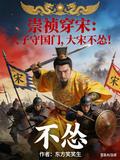 Chongzhen Passed Through the Song Dynasty: the Emperor Guarded the Country, but the Song Dynasty Was Not Cowed
7.4kReads7.2Score660Shelves
Chongzhen Passed Through the Song Dynasty: the Emperor Guarded the Country, but the Song Dynasty Was Not Cowed
7.4kReads7.2Score660Shelves
 Soul Travels Through the Song Dynasty: My Son-In-Law Saves China
5Reads5.8Score—Shelves
Soul Travels Through the Song Dynasty: My Son-In-Law Saves China
5Reads5.8Score—Shelves
 The First Marquis of the Han Dynasty
203Reads—Score—Shelves
The First Marquis of the Han Dynasty
203Reads—Score—Shelves
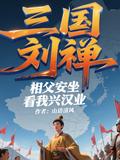 Liu Chan of the Three Kingdoms: My Father-In-Law Sits Quietly and Watches Me Prosper the Han Dynasty
1.4kReads8.2Score134Shelves
Liu Chan of the Three Kingdoms: My Father-In-Law Sits Quietly and Watches Me Prosper the Han Dynasty
1.4kReads8.2Score134Shelves
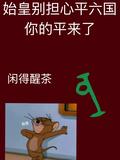 The First Emperor, Don't Worry About Bringing Peace to the Six Kingdoms. Your Peace Is Coming.
1.1kReads8.8Score213Shelves
The First Emperor, Don't Worry About Bringing Peace to the Six Kingdoms. Your Peace Is Coming.
1.1kReads8.8Score213Shelves
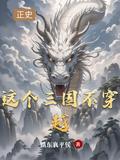 This Three Kingdoms Does Not Travel Through Time
108Reads8.8Score—Shelves
This Three Kingdoms Does Not Travel Through Time
108Reads8.8Score—Shelves
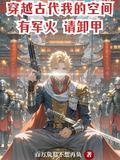 Traveling Through Ancient Times, There Are Weapons in My Space: Please Remove Your Armor
981Reads7.2Score120Shelves
Traveling Through Ancient Times, There Are Weapons in My Space: Please Remove Your Armor
981Reads7.2Score120Shelves
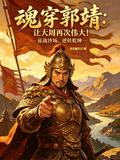 Guo Jing's Soul: Make Zhou Great Again
3.9kReads—Score348Shelves
Guo Jing's Soul: Make Zhou Great Again
3.9kReads—Score348Shelves
 Qingshan Hidden Front
96Reads5.8Score—Shelves
Qingshan Hidden Front
96Reads5.8Score—Shelves
 The Storm of War Is Surging
68Reads5.8Score—Shelves
The Storm of War Is Surging
68Reads5.8Score—Shelves
 Catching Fire, Water Margin
40Reads—Score—Shelves
Catching Fire, Water Margin
40Reads—Score—Shelves
 Traveling Through the Late Ming Dynasty, the Prince, I Want to Rebel
91Reads—Score—Shelves
Traveling Through the Late Ming Dynasty, the Prince, I Want to Rebel
91Reads—Score—Shelves
 Song Republic
43Reads—Score—Shelves
Song Republic
43Reads—Score—Shelves
 Unlimited Copies: Liver-Breaking Starts from the Warring States Period
9kReads7.5Score844Shelves
Unlimited Copies: Liver-Breaking Starts from the Warring States Period
9kReads7.5Score844Shelves
 Traveling Through the Southern and Northern Dynasties: Re-Illuminating the Journey of King Gao and His Thousands of Horses
468Reads5.8Score—Shelves
Traveling Through the Southern and Northern Dynasties: Re-Illuminating the Journey of King Gao and His Thousands of Horses
468Reads5.8Score—Shelves
 Southern Song Dynasty: I Asked You to Save Yue Fei, but Not to Unify You
5Reads—Score—Shelves
Southern Song Dynasty: I Asked You to Save Yue Fei, but Not to Unify You
5Reads—Score—Shelves
 Why Is It Clear?
882Reads8.2Score—Shelves
Why Is It Clear?
882Reads8.2Score—Shelves
 Dad, Let's Stop Playing Yue Fei. He Was Almost Moved to Tears by You.
23Reads—Score—Shelves
Dad, Let's Stop Playing Yue Fei. He Was Almost Moved to Tears by You.
23Reads—Score—Shelves
 Traveling Through Zhu Cixiang's Opening Jinluan Palace, Asking Chongzhen to Abdicate
460Reads—Score—Shelves
Traveling Through Zhu Cixiang's Opening Jinluan Palace, Asking Chongzhen to Abdicate
460Reads—Score—Shelves
 The Lone King of the Late Han Dynasty: Originated from the Grass
103Reads5.8Score—Shelves
The Lone King of the Late Han Dynasty: Originated from the Grass
103Reads5.8Score—Shelves
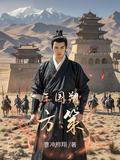 Three Kingdoms Shuo Fang Policy
126Reads—Score—Shelves
Three Kingdoms Shuo Fang Policy
126Reads—Score—Shelves
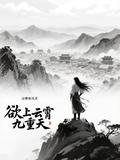 Desire to Ascend to the Ninth Heaven
659Reads5.8Score—Shelves
Desire to Ascend to the Ninth Heaven
659Reads5.8Score—Shelves
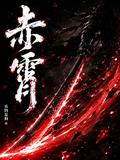 Chixiao: Dynasty Cycle Law
132Reads5.8Score—Shelves
Chixiao: Dynasty Cycle Law
132Reads5.8Score—Shelves
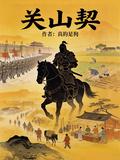 Guanshanqi
2.4kReads9.2Score286Shelves
Guanshanqi
2.4kReads9.2Score286Shelves
 Sima Old Thief
503Reads9.3Score—Shelves
Sima Old Thief
503Reads9.3Score—Shelves
 Anyone Who Openly Offends a Strong Man Will Be Punished No Matter How Far Away He Is.
46Reads5.8Score—Shelves
Anyone Who Openly Offends a Strong Man Will Be Punished No Matter How Far Away He Is.
46Reads5.8Score—Shelves
 Divinity: Song of the Lonely Fire
1.5kReads9.4Score137Shelves
Divinity: Song of the Lonely Fire
1.5kReads9.4Score137Shelves
 Zhaozong Xingtang
15Reads5.8Score—Shelves
Zhaozong Xingtang
15Reads5.8Score—Shelves
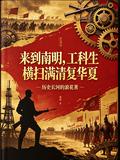 Coming to Nanming, Engineering Students Swept Across the Qing Dynasty and Restored China
741Reads5.8Score100Shelves
Coming to Nanming, Engineering Students Swept Across the Qing Dynasty and Restored China
741Reads5.8Score100Shelves
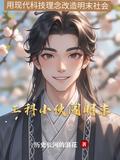 An Engineering Boy Made His Mark in the Late Ming Dynasty
3.1kReads7.8Score277Shelves
An Engineering Boy Made His Mark in the Late Ming Dynasty
3.1kReads7.8Score277Shelves
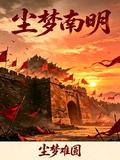 Dust Dreams in Nanming
112Reads5.8Score—Shelves
Dust Dreams in Nanming
112Reads5.8Score—Shelves
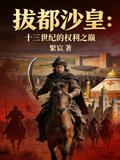 Tsar Batu: the Pinnacle of Power in the Thirteenth Century
5kReads—Score518Shelves
Tsar Batu: the Pinnacle of Power in the Thirteenth Century
5kReads—Score518Shelves
 Mortal Ambition: My Warring States Archives
17Reads5.8Score—Shelves
Mortal Ambition: My Warring States Archives
17Reads5.8Score—Shelves
 The Sword of the Five Dynasties Opens Peace
44Reads5.8Score—Shelves
The Sword of the Five Dynasties Opens Peace
44Reads5.8Score—Shelves
 Joking About the Wei, Jin, Southern and Northern Dynasties
3.7kReads6.9Score310Shelves
Joking About the Wei, Jin, Southern and Northern Dynasties
3.7kReads6.9Score310Shelves
 The Blood of the Northern Dynasty Is Not Cold Yet
30Reads5.8Score—Shelves
The Blood of the Northern Dynasty Is Not Cold Yet
30Reads5.8Score—Shelves
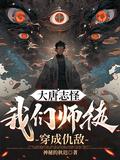 Legend of the Tang Dynasty: Our Master and Apprentice Turned into Enemies
5Reads5.8Score—Shelves
Legend of the Tang Dynasty: Our Master and Apprentice Turned into Enemies
5Reads5.8Score—Shelves
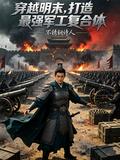 Once I Am Engaged in Military Industry, You Want Me to Save the Ming Dynasty?
637Reads—Score107Shelves
Once I Am Engaged in Military Industry, You Want Me to Save the Ming Dynasty?
637Reads—Score107Shelves
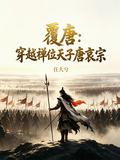 Overturning the Tang Dynasty: Traveling Through the Zen Emperor Tang Aizong
269Reads5.8Score—Shelves
Overturning the Tang Dynasty: Traveling Through the Zen Emperor Tang Aizong
269Reads5.8Score—Shelves
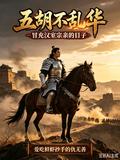 The Days When the Five Barbarians Did Not Disrupt China and Pretended to Be Relatives of the Han Dynasty
2.1kReads—Score185Shelves
The Days When the Five Barbarians Did Not Disrupt China and Pretended to Be Relatives of the Han Dynasty
2.1kReads—Score185Shelves
 Late Ming Dynasty: Starting from Cutting Off Hu and Chen Yuanyuan
13.7kReads6.2Score927Shelves
Late Ming Dynasty: Starting from Cutting Off Hu and Chen Yuanyuan
13.7kReads6.2Score927Shelves
 Japan's Warring States Period: the Ambition of the World
706Reads5.8Score102Shelves
Japan's Warring States Period: the Ambition of the World
706Reads5.8Score102Shelves
 I, It's Difficult!
—Reads5.8Score—Shelves
I, It's Difficult!
—Reads5.8Score—Shelves
 Song Qi Tianxia
5.9kReads8.8Score735Shelves
Song Qi Tianxia
5.9kReads8.8Score735Shelves
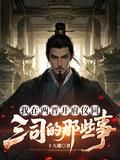 Those Things I Did When I Was in the Jin Dynasty and the Third Division of Kaifu Yitong
36Reads—Score—Shelves
Those Things I Did When I Was in the Jin Dynasty and the Third Division of Kaifu Yitong
36Reads—Score—Shelves
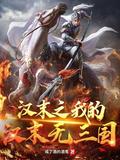 The End of Han Dynasty, My End of Han Dynasty, There Is No Three Kingdoms
184Reads5.8Score—Shelves
The End of Han Dynasty, My End of Han Dynasty, There Is No Three Kingdoms
184Reads5.8Score—Shelves
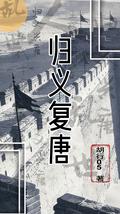 Return to Yi and Restore Tang Dynasty
12Reads5.8Score—Shelves
Return to Yi and Restore Tang Dynasty
12Reads5.8Score—Shelves
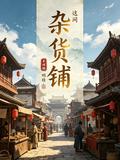 Daming: [There Is Something Wrong with This Grocery Store]
955Reads5.8Score110Shelves
Daming: [There Is Something Wrong with This Grocery Store]
955Reads5.8Score110Shelves
 Don't Give Way to the Country
542Reads5.8Score—Shelves
Don't Give Way to the Country
542Reads5.8Score—Shelves
 The First Madman of the Ming Dynasty
7.2kReads9.1Score686Shelves
The First Madman of the Ming Dynasty
7.2kReads9.1Score686Shelves