Novels About Traditional Chinese Medicine with Practical Significance
Views
25.5M
Books
292
Recommendations
359
Updated
5d ago
I would like to read a book similar to "Becoming a Master of Traditional Chinese Medicine from a Community Hospital". Traditional Chinese Medicine Don't be influenced by the title of the book
"Slow Fire: A Word in the Apricot Forest": A bowl of warm southern Fujian soup that brings health and people's hearts to life When it is difficult to see a doctor in big cities and it has become a common anxiety in small villages, when staying up late, taking out food, and stress are threatening the health of modern people, when neighbors are drifting apart and health anxiety can only be faced alone, 32 chronically ill families in Hongshan Town, southern Fujian, used an abandoned classroom, pairs of rough hands, and hearts to hold each other together to cook up a hot pot of "self-help recipes." "Slow Fire: A Word in the Apricot Grove" is not a suspended legend of a miracle doctor, but a record of the survival of ordinary people in the midst of suffering. It is the health wisdom hidden in the fields, and it is a healing work that allows countless people to regain the warmth of human love. This is a passionate battle for survival as a team to break out. There are no earth-shattering achievements, only the most sincere mutual aid and perseverance: Chen Zongyuan led the villagers to build an abandoned classroom into a "health base", worrying about funds and fighting with the village committee, but never gave up; Li Ergou was naive and reckless, and would be injured by electric shock, but he took the initiative to donate his treasured Smilax cocos; Wang Guifang's hand-painted colorful teaching materials made Illiterate old people can also understand the exercises; Amin recorded his recovery process in a short video, which unexpectedly attracted countless students; the plots of "exchanging old things for building materials" and "raising funds through sachet charity sale" were very real, and new and old students paired up to check each other's medical records, and villagers voluntarily donated money to rectify the "mutual aid contract" in the classroom. Every moment made me cry. From the initial 7-person seminar to the later provincial mutual aid pilot, this group of ordinary people used "people's hearts and minds" to resolve many difficulties such as qualification disputes, funding shortages, and surprise inspections, allowing the glimmer of the "Self-Help Alliance" to illuminate the entire countryside. This is a non-suspicious daily health guide that rejects the empty chicken soup of "drinking dew to maintain health". Rub the Taichong acupoint when commuting, practice Simplified Vajra Kung Fu during lunch break, self-check dampness poisoning by looking at the tongue coating, and relieve pain by rubbing Zusanli - fragmented conditioning techniques are suitable for fast-paced life, and you can protect your health without quitting your job. The complex prescriptions are broken down into daily kitchen routines: Ephedra decoction = ginger + perilla to dispel cold, Linggui Zhugan decoction = barley + ginger to dispel dampness, coupled with the Minnan formula of "carrying osmanthus trees to drive sweet cattle", which is easy to understand. The simple philosophy of "treating the body like growing sweet potatoes" and "treating chronic diseases is like cooking sweet potato porridge, which is cooked slowly to get the best flavor" directly addresses the pain points of young people staying up late and being stressed out, allowing you to get practical tips while reading the story, and gain solid health in a calm way. This is a picture of a rural area in southern Fujian full of fireworks. Every character is a hometown relative around you and me. Chen Zongyuan is not a perfect miracle doctor, but a "stubborn uncle" who worries about trivial matters; Li Ergou is not a hero, but a straightforward man who is occasionally greedy; there is also Aunt Xie who sews moxibustion cloth bags, Lao Zheng who turned from a pig butcher to a caregiver, and Uncle Wu who has stiff joints but insists on practicing - they have imperfect fireworks, but they burst out with dazzling kindness in mutual help. The map of Panhuang Village, the embroidered traditional Chinese medicine sachet, the cuffs with lime, the fragrance of stone grinding medicine, and the warmth of sweet potato porridge, every page in the book is filled with the immersive local flavor of southern Fujian. You will follow the villagers to go to the market for charity, follow Chen Zongyuan to stay up late to rectify the classroom, and follow the students to grind medicine with a stone mill. In the aroma of sweet potato porridge, you will see how Chinese medicine integrates into meals, work and daily life, which is fresh and healing. This is a replicable model for solving medical inequality and provides a down-to-earth survival plan for countless families with chronic diseases. Is it difficult to see a doctor in a big city, but is it far to see a doctor in a small village? The villagers of Hongshan Town gave the answer with actions: a small classroom, reminders from neighbors, and daily dietary exercises built a solid line of defense for health. The model of "physical skills + classic prescriptions + community" proves that health can be taught by oneself and warmth can be passed on. It overturns the perception that Chinese medicine is "esoteric and difficult to understand" and allows us to understand that Chinese medicine is never a book theory, but a lifestyle passed down from our ancestors; it also cures loneliness and anxiety in modern society, proving that health is never a person's battle. The connection between people can resist loneliness and illness, and regain the long-lost warmth of human kindness. This slow fire is the survival hope of families with chronic diseases, the wisdom of traditional Chinese medicine in daily life, the fireworks and human kindness of southern Fujian, and the burning power of ordinary people to help each other. Whether you are a young person troubled by health anxiety, a chronically ill patient who needs practical conditioning skills, or a reader who misses local customs and longs for warm connection, you can find resonance and answers in this book. Turning the pages of the book, you will understand: the perseverance of ordinary people is enough to illuminate life; simple mutual help can warm the world; the healthy philosophy of slowing down is the best way to fight against the fast-paced era.
"Slow Fire: A Word from Xinglin": A bowl of warm southern Fujian soup that brings health and people's hearts to the heart When it is difficult to see a doctor in big cities and it has become a common anxiety in small villages, when staying up late, taking out food, and stress are threatening the health of modern people, when neighbors are drifting apart and health anxiety can only be faced alone, 32 chronically ill families in Hongshan Town, southern Fujian, used an abandoned classroom, pairs of rough hands, and hearts to hold each other together to cook up a hot pot of "self-help recipes." "Slow Fire: A Word in the Apricot Grove" is not a suspended legend of a miracle doctor, but a record of the survival of ordinary people in the midst of suffering. It is the health wisdom hidden in the fields, and it is a healing work that allows countless people to regain the warmth of human love. This is a passionate battle for survival as a team to break out. There are no earth-shattering achievements, only the most sincere mutual aid and perseverance: Chen Zongyuan led the villagers to build an abandoned classroom into a "health base", worrying about funds and fighting with the village committee, but never gave up; Li Ergou was naive and reckless, and would be injured by electric shock, but he took the initiative to donate his treasured Smilax cocos; Wang Guifang's hand-painted colorful teaching materials made Illiterate old people can also understand the exercises; Amin recorded his recovery process in a short video, which unexpectedly attracted countless students; the plots of "exchanging old things for building materials" and "raising funds through sachet charity sale" were very real, and new and old students paired up to check each other's medical records, and villagers voluntarily donated money to rectify the "mutual aid contract" in the classroom. Every moment made me cry. From the initial 7-person seminar to the later provincial mutual aid pilot, this group of ordinary people used "people's hearts and minds" to resolve many difficulties such as qualification disputes, funding shortages, and surprise inspections, allowing the glimmer of the "Self-Help Alliance" to illuminate the entire countryside. This is a non-suspicious daily health guide that rejects the empty chicken soup of "drinking dew to maintain health". Rub the Taichong acupoint when commuting, practice Simplified Vajra Kung Fu during lunch break, self-check dampness poisoning by looking at the tongue coating, and relieve pain by rubbing Zusanli - fragmented conditioning techniques are suitable for fast-paced life, and you can protect your health without quitting your job. The complex prescriptions are broken down into daily kitchen routines: Ephedra decoction = ginger + perilla to dispel cold, Linggui Zhugan decoction = barley + ginger to dispel dampness, coupled with the Minnan formula of "carrying osmanthus trees to drive sweet cattle", which is easy to understand. The simple philosophy of "treating the body like growing sweet potatoes" and "treating chronic diseases is like cooking sweet potato porridge, which is cooked slowly to get the best flavor" directly addresses the pain points of young people staying up late and being stressed out, allowing you to get practical tips while reading the story, and gain solid health in a calm way. This is a picture of a rural area in southern Fujian full of fireworks. Every character is a hometown relative around you and me. Chen Zongyuan is not a perfect miracle doctor, but a "stubborn uncle" who worries about trivial matters; Li Ergou is not a hero, but a straightforward man who is occasionally greedy; there is also Aunt Xie who sews moxibustion cloth bags, Lao Zheng who turned from a pig butcher to a caregiver, and Uncle Wu who has stiff joints but insists on practicing - they have imperfect fireworks, but they burst out with dazzling kindness in mutual help. The map of Panhuang Village, the embroidered traditional Chinese medicine sachet, the cuffs with lime, the fragrance of stone grinding medicine, and the warmth of sweet potato porridge, every page in the book is filled with the immersive local flavor of southern Fujian. You will follow the villagers to go to the market for charity, follow Chen Zongyuan to stay up late to rectify the classroom, and follow the students to grind medicine with a stone mill. In the aroma of sweet potato porridge, you will see how Chinese medicine integrates into meals, work and daily life, which is fresh and healing. This is a replicable model for solving medical inequality and provides a down-to-earth survival plan for countless chronically ill families. Is it difficult to see a doctor in a big city, but is it far away in a small village? The villagers of Hongshan Town gave the answer with actions: a small classroom, reminders from neighbors, and daily dietary exercises built a solid line of health defense. The model of "physical skills + classic prescriptions + community" proves that health can be taught by oneself and warmth can be passed on. It overturns the perception that Chinese medicine is "esoteric and difficult to understand" and allows us to understand that Chinese medicine is never a book theory, but a lifestyle passed down from our ancestors; it also cures loneliness and anxiety in modern society, proving that health is never a person's battle. The connection between people can resist loneliness and illness, and regain the long-lost warmth of human kindness. This slow fire is the survival hope of families with chronic diseases, the wisdom of traditional Chinese medicine in daily life, the fireworks and human kindness of southern Fujian, and the burning power of ordinary people to help each other. Whether you are a young person troubled by health anxiety, a chronically ill patient who needs practical conditioning skills, or a reader who misses local customs and longs for warm connection, you can find resonance and answers in this book. Turning the pages of the book, you will understand: the perseverance of ordinary people is enough to illuminate life; simple mutual help can warm the world; the healthy philosophy of slowing down is the best way to fight against the fast-paced era.
College students of traditional Chinese medicine practice acupuncture painstakingly, combining ancient methods with modern methods to cure lives and save lives.
In the 1990s, after graduating from junior high school in a rural area, Huang Yang was admitted to the Sanqin Forestry School thousands of miles away. Because his family was poor, he went to school while going to the mountains to collect herbs and work as a study student. After obtaining the mysterious pendant Polygonatum odorifera root, he embarked on a life of cheating, opening plantations and tourism companies to lead the villagers on the road to wealth...
This new book is worth reading. It is both educational and entertaining. At the same time, you can learn a lot about Chinese medicine and Chinese herbal medicine, which you can definitely use in your life.
Lin Feng, the intern who came last in the hospital's assessment, awakened the super medical system. From manual hemostasis to acupuncture, Chinese medicine practitioners are proficient in all skills. Even surgical procedures performed by Western medicine are at your fingertips. You can become stronger by saving people! A few years later, Lin Feng held the largest medical seminar in the country. "I am an authority on domestic surgery, so I have no problem sitting in the first row." "I'm sorry, but at your level you can only sit in the last row. Didn't you see that there is a master of Chinese medicine in the second row?"
It is a great book worth reading for fans of traditional Chinese medicine. It is highly recommended and will benefit more Chinese people! Let Chinese medicine carry forward!
I seriously suspect that the authors of these books are medical practitioners. Reading these books can help us better understand the stories behind medical staff! ! ! The first one is about Western medicine surgery. The male protagonist is a modern boss. His soul is 90 years old. He is awesome. The second and third books are about Chinese medicine. The male protagonist has plug-ins, but he does not rely too much on them. His knowledge of traditional Chinese medicine is extremely solid👍👍👍👍
Chinese is how foreigners call it, and we use Chinese characters. Chinese medicine is also what foreigners call it, but we are Han medicine. This book contains knowledge of Chinese medicine, and the author is a classical physician who has truly learned from his masters.
On the surface, he looks like an ordinary dad who takes care of his baby and learns herbal medicine, but in fact, he is a master of traditional Chinese medicine who can determine life and death! With his silver needle, he became popular in the entertainment industry, and the contrast was immediately overwhelming! !
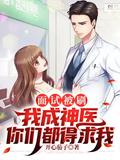 The Interview Was Rejected. You All Have to Beg Me to Become a Miracle Doctor.
3Reads6.7Score—Shelves
The Interview Was Rejected. You All Have to Beg Me to Become a Miracle Doctor.
3Reads6.7Score—Shelves
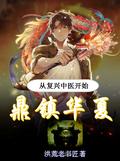 Masters of Traditional Chinese Medicine: Starting from Community Internship
92Reads8.2Score—Shelves
Masters of Traditional Chinese Medicine: Starting from Community Internship
92Reads8.2Score—Shelves
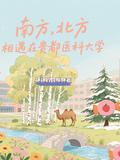 South, North, Meet at Guidu Medical University
—Reads5.8Score—Shelves
South, North, Meet at Guidu Medical University
—Reads5.8Score—Shelves
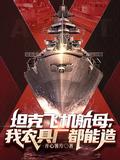 Tanks, Airplanes, and Aircraft Carriers Can All Be Made by Our Farm Tool Factory.
17.5kReads9.2Score1.7kShelves
Tanks, Airplanes, and Aircraft Carriers Can All Be Made by Our Farm Tool Factory.
17.5kReads9.2Score1.7kShelves
 The Legacy of Traditional Chinese Medicine Is Passed Down from Generation to Generation
—Reads—Score—Shelves
The Legacy of Traditional Chinese Medicine Is Passed Down from Generation to Generation
—Reads—Score—Shelves
 The Best Mountain Doctor
9.9kReads9.3Score1.8kShelves
The Best Mountain Doctor
9.9kReads9.3Score1.8kShelves
 After Being Reported for Illegal Medical Practice
2Reads5.8Score—Shelves
After Being Reported for Illegal Medical Practice
2Reads5.8Score—Shelves
 After the Prince Was Poisoned, He Relied on Me as a Little Forensic Doctor
9.7kReads9.1Score1.3kShelves
After the Prince Was Poisoned, He Relied on Me as a Little Forensic Doctor
9.7kReads9.1Score1.3kShelves
 Nine Fortunes from Fire, Renaissance of Traditional Chinese Medicine
—Reads5.8Score—Shelves
Nine Fortunes from Fire, Renaissance of Traditional Chinese Medicine
—Reads5.8Score—Shelves
 After Time Travel, I Became the Treasure in the Palm of the Cold-Faced Evil God
23.7kReads9.4Score3.4kShelves
After Time Travel, I Became the Treasure in the Palm of the Cold-Faced Evil God
23.7kReads9.4Score3.4kShelves
 Urban Immortal Slayer Medical Saint
66Reads6.3Score—Shelves
Urban Immortal Slayer Medical Saint
66Reads6.3Score—Shelves
 I Just Want to Eat Quietly and Wait to Die
44Reads6.5Score—Shelves
I Just Want to Eat Quietly and Wait to Die
44Reads6.5Score—Shelves
 The First Book of the Scholar of the Apocalypse
67Reads9.0Score102Shelves
The First Book of the Scholar of the Apocalypse
67Reads9.0Score102Shelves
 The Master Comes Down from the Mountain: the President with Rich Wealth Betrays Me
261Reads5.8Score261Shelves
The Master Comes Down from the Mountain: the President with Rich Wealth Betrays Me
261Reads5.8Score261Shelves
 A Master Comes Down the Mountain, My Senior Sister Dotes on Me so Much
316.9kReads9.3Score10.4kShelves
A Master Comes Down the Mountain, My Senior Sister Dotes on Me so Much
316.9kReads9.3Score10.4kShelves
 Village Doctor
1.9kReads9.1Score338Shelves
Village Doctor
1.9kReads9.1Score338Shelves
 Academician from the Six Nations, Do You Call This a Barefoot Doctor?
5.5kReads9.0Score810Shelves
Academician from the Six Nations, Do You Call This a Barefoot Doctor?
5.5kReads9.0Score810Shelves
 Disciple, Go Down the Mountain and Bring Trouble to Your Beautiful Senior Sister.
12Reads—Score—Shelves
Disciple, Go Down the Mountain and Bring Trouble to Your Beautiful Senior Sister.
12Reads—Score—Shelves
 Medical Beauty Creates Fragrance
4.1kReads9.1Score593Shelves
Medical Beauty Creates Fragrance
4.1kReads9.1Score593Shelves
 After Being Tortured, the Miraculous Doctor Princess Took Her Cubs to Demolish the Palace
2.5kReads9.0Score410Shelves
After Being Tortured, the Miraculous Doctor Princess Took Her Cubs to Demolish the Palace
2.5kReads9.0Score410Shelves
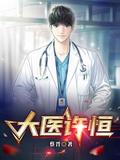 Great Doctor Xu Heng
5.3kReads8.7Score365Shelves
Great Doctor Xu Heng
5.3kReads8.7Score365Shelves
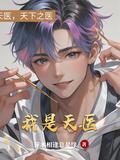 I Am a Heavenly Doctor
737Reads6.5Score—Shelves
I Am a Heavenly Doctor
737Reads6.5Score—Shelves
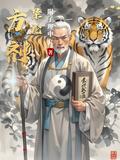 Miscellaneous Treatises on Prescriptions
21Reads—Score—Shelves
Miscellaneous Treatises on Prescriptions
21Reads—Score—Shelves
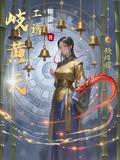 Qihuang Tiangongpu
2Reads—Score—Shelves
Qihuang Tiangongpu
2Reads—Score—Shelves
 Daobei Fengyun
8.6kReads8.9Score894Shelves
Daobei Fengyun
8.6kReads8.9Score894Shelves
 Lone Wolf of Northern Myanmar
49.7kReads9.1Score6.7kShelves
Lone Wolf of Northern Myanmar
49.7kReads9.1Score6.7kShelves
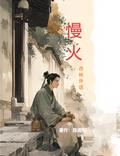 Slow Fire, Xinglinwaihua
18Reads—Score—Shelves
Slow Fire, Xinglinwaihua
18Reads—Score—Shelves
 Medical Love Crisis
16Reads—Score—Shelves
Medical Love Crisis
16Reads—Score—Shelves
 Deep Spring on the Mountain
1Reads5.8Score—Shelves
Deep Spring on the Mountain
1Reads5.8Score—Shelves
 Qingyuan Asks the Immortal
17Reads6.6Score—Shelves
Qingyuan Asks the Immortal
17Reads6.6Score—Shelves
 Fuso Pendant: Ten Days
1Reads—Score—Shelves
Fuso Pendant: Ten Days
1Reads—Score—Shelves
 Miracle Doctor, Please Respect Yourself: After Time Travel, Corrupt Officials Become Specimens
54Reads—Score—Shelves
Miracle Doctor, Please Respect Yourself: After Time Travel, Corrupt Officials Become Specimens
54Reads—Score—Shelves
 Young Man, Move Forward
70.9kReads9.5Score8.1kShelves
Young Man, Move Forward
70.9kReads9.5Score8.1kShelves
 Taoist Doctor Wage Earner
127Reads7.1Score—Shelves
Taoist Doctor Wage Earner
127Reads7.1Score—Shelves
 Wonderful Doctor Little Shennong: Raised a Baby Dragon at the Beginning
127Reads—Score—Shelves
Wonderful Doctor Little Shennong: Raised a Baby Dragon at the Beginning
127Reads—Score—Shelves
 Young Imperial Doctor
1.3kReads8.9Score181Shelves
Young Imperial Doctor
1.3kReads8.9Score181Shelves
 I Am a Chinese Medicine Practitioner in the Village
11Reads—Score—Shelves
I Am a Chinese Medicine Practitioner in the Village
11Reads—Score—Shelves
 The Secret of Shennongjia
30Reads5.8Score—Shelves
The Secret of Shennongjia
30Reads5.8Score—Shelves
 Qinling Herbal Collectors
8.3kReads9.1Score961Shelves
Qinling Herbal Collectors
8.3kReads9.1Score961Shelves
 Records of Xuanhu Rivers and Lakes
2Reads—Score—Shelves
Records of Xuanhu Rivers and Lakes
2Reads—Score—Shelves
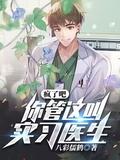 Are You Crazy? You Call This an Internship?
7kReads7.8Score814Shelves
Are You Crazy? You Call This an Internship?
7kReads7.8Score814Shelves
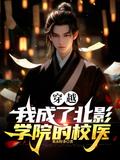 Time Travel, I Became the School Doctor of Beijing Film Academy
8.5kReads8.4Score540Shelves
Time Travel, I Became the School Doctor of Beijing Film Academy
8.5kReads8.4Score540Shelves
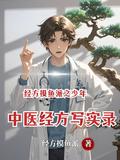 A Realistic Record of Chinese Medicine Prescriptions for Young People of the Jingfang Moyu School
615Reads7.0Score139Shelves
A Realistic Record of Chinese Medicine Prescriptions for Young People of the Jingfang Moyu School
615Reads7.0Score139Shelves
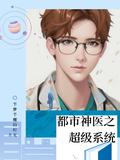 The Super System of Urban Miracle Doctor
2Reads—Score—Shelves
The Super System of Urban Miracle Doctor
2Reads—Score—Shelves
 Doctor: I Have Become an Academician of Four Countries Before the System Came.
15.4kReads9.2Score1.4kShelves
Doctor: I Have Become an Academician of Four Countries Before the System Came.
15.4kReads9.2Score1.4kShelves
 Medical Police Ghost Chaser
1Reads6.6Score—Shelves
Medical Police Ghost Chaser
1Reads6.6Score—Shelves
 Traditional Chinese Medicine Dad: My Beauty Is All over the Entertainment Industry
5kReads7.1Score470Shelves
Traditional Chinese Medicine Dad: My Beauty Is All over the Entertainment Industry
5kReads7.1Score470Shelves
 Travel Through Time to Become Xilaile. I Specialize in Treating Dissatisfaction with Famous Ancestral Doctors.
87Reads5.8Score—Shelves
Travel Through Time to Become Xilaile. I Specialize in Treating Dissatisfaction with Famous Ancestral Doctors.
87Reads5.8Score—Shelves
 As a Miracle Doctor, I Have a Golden Finger
3Reads—Score—Shelves
As a Miracle Doctor, I Have a Golden Finger
3Reads—Score—Shelves
 Xuan Hu Ji Shi Lu, a New Chapter of Materia Medica, and a Hundred Medicinal Formulas
76Reads—Score—Shelves
Xuan Hu Ji Shi Lu, a New Chapter of Materia Medica, and a Hundred Medicinal Formulas
76Reads—Score—Shelves