The novel adapted from the original ancient poetry is absolutely heart-wrenching. Let alone the story, even the poems in the book alone are enough to torture the heart. The subject matter is niche, the feelings are sincere and delicate, real experiences, and original ancient poetry. There are not too many twists and turns in the plot. It focuses on reality and records youth. In fact, it is like an essay novel. The storyline is like poetry and narrated like trickling water!
"We erase 'yesterday' - not the memory, but the physical remnants of yesterday. Yesterday's conversations in the cafe condensed into a transparent film, yesterday's footsteps on the street need professional polishing. The most difficult case I have ever dealt with: an entire bridge was overloaded.' "Unfulfilled vows" and the structure becomes brittle. During the cleaning, the bridge began to speak: "You are clearing away the soil of time itself." After the bridge collapsed, a "today tree" grew on the spot, and each leaf was filled with the present moment that cannot be cleared away.
Every word weeps blood! This wave of anti-Japanese abuse articles makes me cry until my liver trembles once I read them. When the smoke spread across the North China Plain, when the iron hooves crushed the streets of Jinling, and when the poisonous flames burned the flesh and blood of our compatriots, the suffering and struggle engraved in the bones and blood were never dust-covered history books, but a cry of blood and heart-breaking questions over and over again. Today I am going to give you this wave of abuse articles about Amway. Each one is written with blood and tears. Every word can make you suffocate in pain. In "A Hundred Years of Drug Relic", there are numerous bones buried under poppies, a dirty deal colluded between drug traffickers and invaders, and the broken lives of small people struggling in poisonous flames and artillery fire; "Poppy Blood: Jizhong Anti-Japanese War" In "Anti-Poison", the soldiers of the anti-drug team were armed with sickles and guns, cutting off the source of poison in a hail of bullets. Some people fell in the poppy field, and the whole land was stained red with blood. They were holding half of an immature poppy fruit until they died. "Crying Blood on the Loess Plateau" describes the displacement of the people on the Loess Plateau, where famine and war go hand in hand. A mother kneels down on the cracked earth holding her starved child and cries, her hoarse voice full of despair; "Elegy of the Yellow River Flood Area" describes the tragic situation after the Huayuankou burst. Floods engulfed their homes, and corpses littered the fields. The survivors lived in the mud, clawing at grass roots, and there was no more light in their eyes. In the grass of "North China No Man's Land", there are countless innocent souls massacred by the "Three Lights Policy" buried, and among the ruins, only the wind is whimpering; "The Roar in the Cage" tells the story of the unyielding resistance in the prisoner of war camp, where people were starved to death and tortured, but there were always people singing the national anthem in the dark night and breaking through the iron prison with their flesh and blood bodies. When you open "Panjiayu Elegy", you will see the blood of the whole village dyed the mountain stream red, the cries of women and children are drowned by the gunfire, the survivors are hiding in the cave, listening to the massacre outside, clenching their fists but unable to save the day; "Sanguang Policy Blood and Tears" is even more heart-wrenching, the atrocities of burning, killing and looting are recorded one by one. Behind every name is a broken family and a heart-wrenching memory. "Poison Flame: Records of the Crimes of Unit 516" revealed the heinous crimes of the invaders who used poison to mutilate their compatriots. The poisoned people were covered in ulcers and died in pain, and even their bones carried a pungent smell of poison; in "Blood Fire: Chronicle of the Great Bombing", Chongqing's air-raid shelters were crowded with people. When the bombs fell, bricks, stones and flesh flew away. The survivors dug through the rubble and found only the mutilated remains of their loved ones. "Six Years of Fireworks Locked Chongqing" describes the persistence and suffering of the capital for six years. The bombing never stopped, and the flames of the Jialing River turned red. Some people built shacks on the ruins, and some delivered babies under artillery fire, fighting the endless darkness with weak hope; "30,000 Sacrifice: Death in the Factory Cellar" is a three-day and three-night massacre. 30,000 Compatriots fell in a pool of blood. The river in the factory cellar was dyed red. Years later, rusty shrapnel can still be dug out from the bottom of the river. In "Bohai Tide: A Record of the Lushun Massacre", the tide of the Bohai Bay whimpered and took away the lives of more than 20,000 compatriots. The survivors hid in the pile of corpses and pretended to be dead, listening to the invaders' wild laughter, and their hearts were as sharp as a knife; "Purgatory on Earth" "Jinling Past" and "Three Hundred Thousand Souls: Nanjing Sacrifice" are scars engraved on the bones of the nation. Three hundred thousand dead souls are floating in the sky over Jinling City. Every brick and tile is soaked with blood and tears, and every wind whistle is like the cry of an innocent soul. In "Pingdingshan Blood Sacrifice: The Silent Scream of Three Thousand Dead Souls", more than 3,000 unarmed people were driven to Pingdingshan. After machine gun fire, blood flowed into a river. Some people hugged the bodies of their children and cried in the pool of blood until they fainted; " "Yimeng Crying Blood Record" writes about the deep love between the military and civilians in the old area of Yimeng. The red sisters-in-law used milk to revive the wounded and blocked bullets with their bodies. In the end, they watched their relatives fall one by one. The mountain dandelions bloomed all over the hillside, but they could no longer wait for those who could not return home. "The History of Blood and Tears of Comfort Women" is about the humiliation and suffering of countless women. They were forcibly abducted and tortured. Some of them were unable to return to their hometowns until they died, and some were still alive but could no longer raise their heads. "Dead Souls Weeping Blood: Record of the 731 Atrocities" is a hell on earth, with in vivo experiments, germ warfare, and the cruelty of the invaders. Those compatriots who were regarded as "big roads" died in pain without even leaving their names. In these nineteen sadistic novels, there is no bloody love, only heavy history, and only bloody truth. Every book can make you cry until you can't breathe, and every book can make you see clearly the preciousness of peace. Dear children of Shuhuang, hurry up and stop! Don't forget to like + comment + collect + recommend after reading, so that more people can see these bloody stories, and let those dead souls be remembered forever!
 He Regretted Leaving Zhuma Bai Yueguang
120Reads6.1Score—Shelves
He Regretted Leaving Zhuma Bai Yueguang
120Reads6.1Score—Shelves
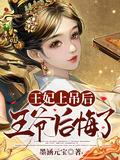 After the Princess Hanged Herself, the Prince Regretted It
10.4kReads9.1Score3.1kShelves
After the Princess Hanged Herself, the Prince Regretted It
10.4kReads9.1Score3.1kShelves
 The Stars Fall into My Arms
160Reads8.6Score—Shelves
The Stars Fall into My Arms
160Reads8.6Score—Shelves
 Hear Her Play Paganini Again
24Reads8.4Score—Shelves
Hear Her Play Paganini Again
24Reads8.4Score—Shelves
 Adult Lining
4Reads5.8Score—Shelves
Adult Lining
4Reads5.8Score—Shelves
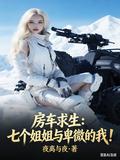 RV Survival: Seven Sisters and the Humble Me!
14.9kReads5.1Score1.5kShelves
RV Survival: Seven Sisters and the Humble Me!
14.9kReads5.1Score1.5kShelves
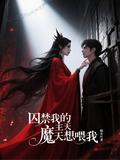 The Devil Who Imprisons Me Wants to Feed Me Every Day
30Reads—Score—Shelves
The Devil Who Imprisons Me Wants to Feed Me Every Day
30Reads—Score—Shelves
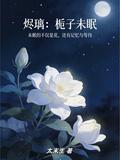 Jinli: Gardenia Is Still Awake
9Reads8.5Score—Shelves
Jinli: Gardenia Is Still Awake
9Reads8.5Score—Shelves
 Yangcun's Son-In-Law: Big Big Wolf Is Actually the Invincible God of War
578Reads5.8Score—Shelves
Yangcun's Son-In-Law: Big Big Wolf Is Actually the Invincible God of War
578Reads5.8Score—Shelves
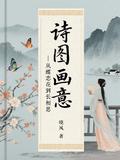 Poetic and Pictorial Meanings Range from Dielianhua to Sauvignon Blanc
2Reads5.8Score—Shelves
Poetic and Pictorial Meanings Range from Dielianhua to Sauvignon Blanc
2Reads5.8Score—Shelves
 Masked Wine Bureau
—Reads8.6Score—Shelves
Masked Wine Bureau
—Reads8.6Score—Shelves
 Mu Yu Becomes Sad (Mu Yu Ci)
8Reads8.5Score—Shelves
Mu Yu Becomes Sad (Mu Yu Ci)
8Reads8.5Score—Shelves
 Blessed with Stars
7Reads8.6Score—Shelves
Blessed with Stars
7Reads8.6Score—Shelves
 Are You Sure This Is the 'Safest' Bar in Changsha?
—Reads8.4Score—Shelves
Are You Sure This Is the 'Safest' Bar in Changsha?
—Reads8.4Score—Shelves
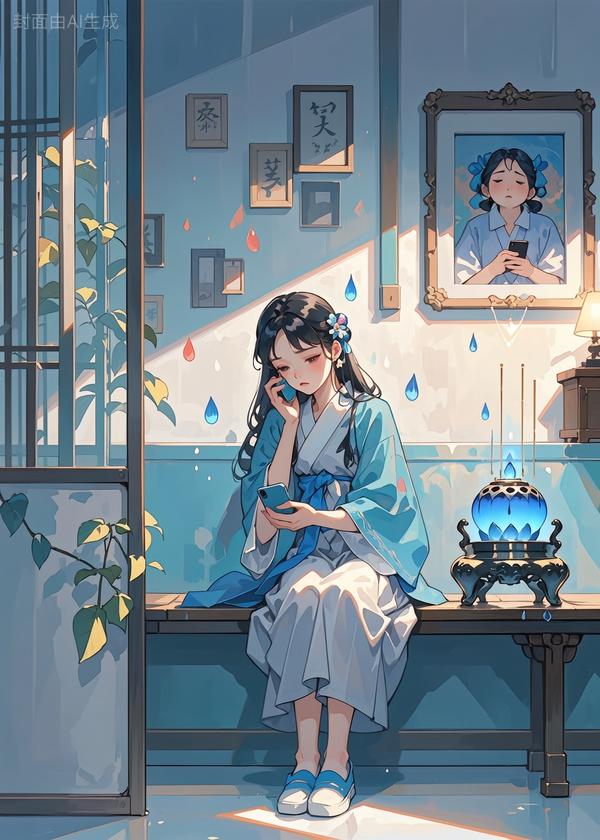 Grandma's Last Words and the Voice Call at Three O'clock in the Morning
—Reads8.6Score—Shelves
Grandma's Last Words and the Voice Call at Three O'clock in the Morning
—Reads8.6Score—Shelves
 Rose of the Twelfth Year
—Reads8.5Score—Shelves
Rose of the Twelfth Year
—Reads8.5Score—Shelves
 Nine Times in Three Years
—Reads8.5Score—Shelves
Nine Times in Three Years
—Reads8.5Score—Shelves
 That Avatar That Never Disappears
—Reads8.4Score—Shelves
That Avatar That Never Disappears
—Reads8.4Score—Shelves
 The Man with a Monthly Salary of 2,500 Counts 2 Million Late at Night
—Reads8.6Score—Shelves
The Man with a Monthly Salary of 2,500 Counts 2 Million Late at Night
—Reads8.6Score—Shelves
 My Best Friend's Divorce Certificate Contains My Death Date
—Reads8.5Score—Shelves
My Best Friend's Divorce Certificate Contains My Death Date
—Reads8.5Score—Shelves
 That Dialog Box That Always Says 99+
—Reads8.5Score—Shelves
That Dialog Box That Always Says 99+
—Reads8.5Score—Shelves
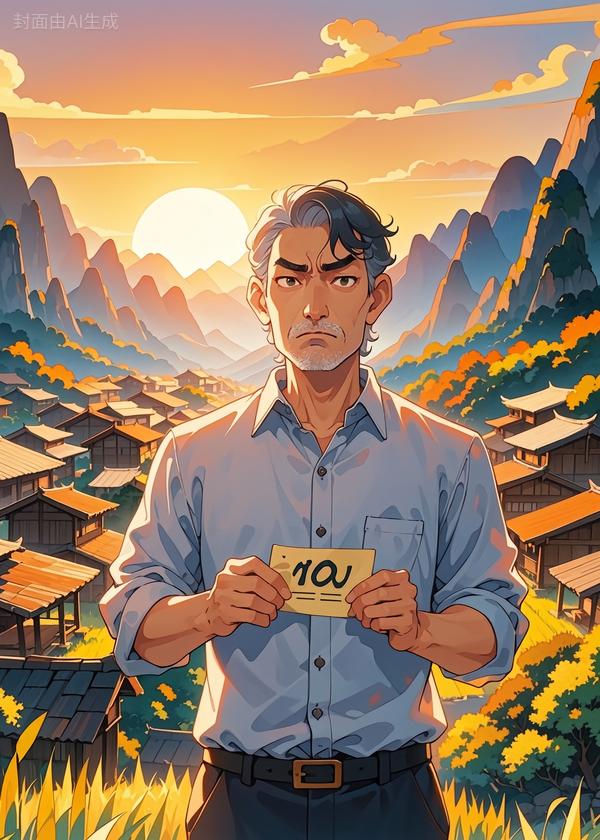 Paper Money and Siren
—Reads8.6Score—Shelves
Paper Money and Siren
—Reads8.6Score—Shelves
 Past Bills
—Reads8.4Score—Shelves
Past Bills
—Reads8.4Score—Shelves
 Milk Tea Trap
—Reads8.5Score—Shelves
Milk Tea Trap
—Reads8.5Score—Shelves
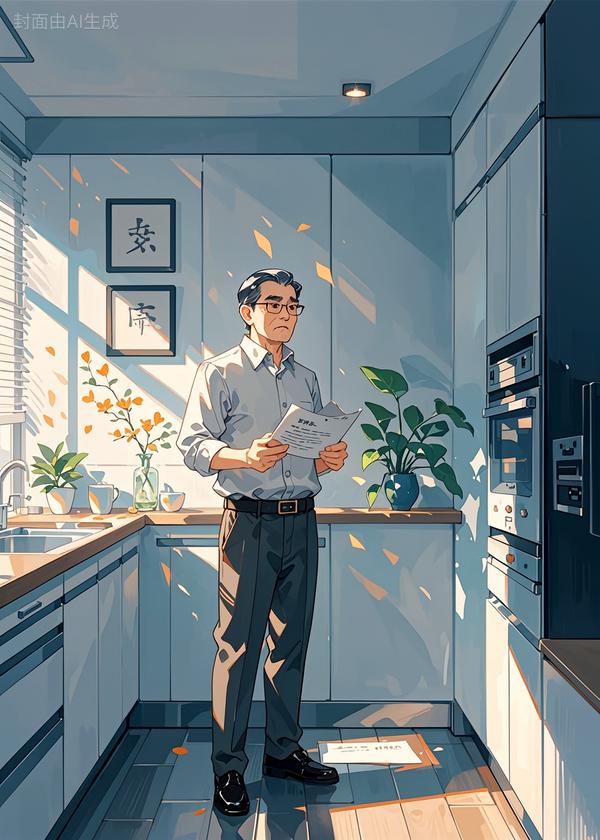 "Dependence"
1Reads8.6Score—Shelves
"Dependence"
1Reads8.6Score—Shelves
 Call Daddy
11Reads8.6Score—Shelves
Call Daddy
11Reads8.6Score—Shelves
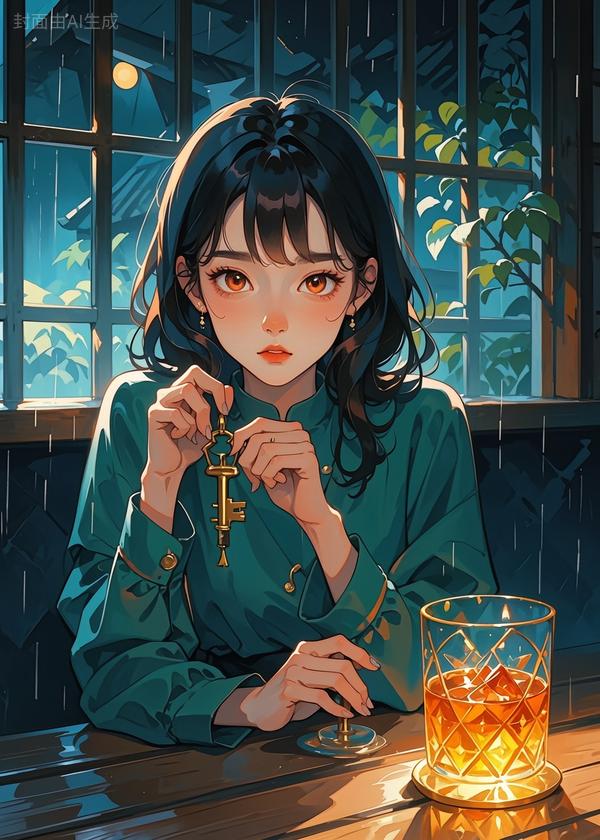 Do You Dare to Share Your Dreams with Strangers?
—Reads8.5Score—Shelves
Do You Dare to Share Your Dreams with Strangers?
—Reads8.5Score—Shelves
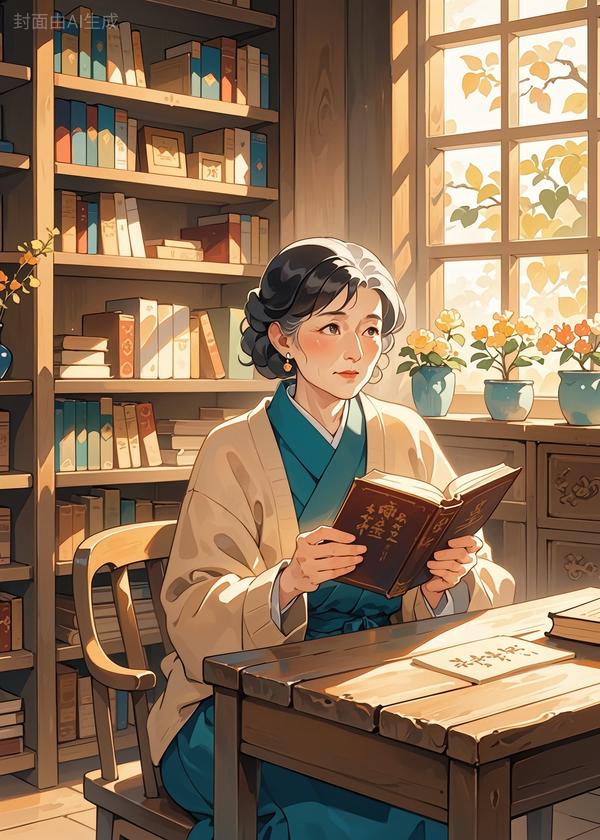 Second-Hand Wealthy Life
—Reads8.5Score—Shelves
Second-Hand Wealthy Life
—Reads8.5Score—Shelves
 Exquisite Prey
—Reads8.4Score—Shelves
Exquisite Prey
—Reads8.4Score—Shelves
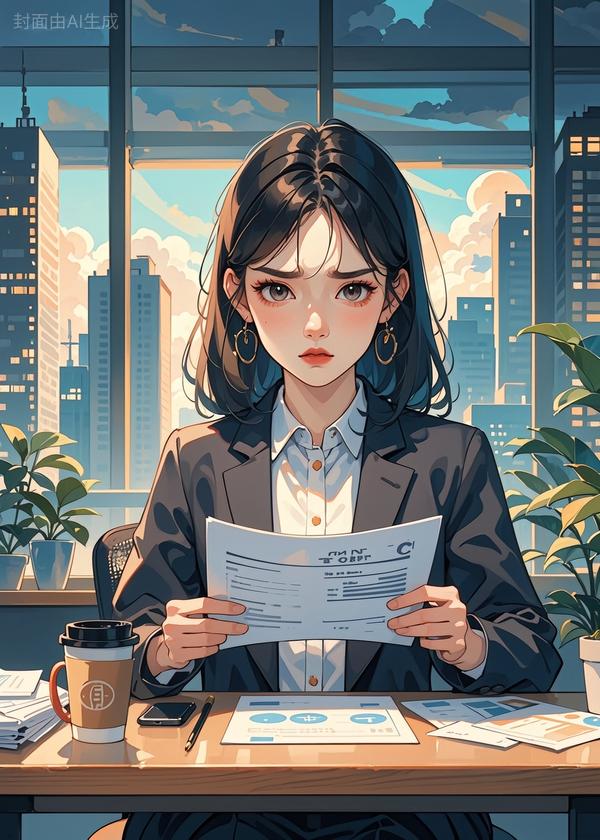 Fingerprints on the Reimbursement Form
—Reads8.5Score—Shelves
Fingerprints on the Reimbursement Form
—Reads8.5Score—Shelves
 Five Days in Prison
—Reads8.4Score—Shelves
Five Days in Prison
—Reads8.4Score—Shelves
 The Man Who Said He Would Support Me for the Rest of His Life Even Asked Me to Pay for the Prenatal Check-Up Fee as a Gift.
—Reads8.4Score—Shelves
The Man Who Said He Would Support Me for the Rest of His Life Even Asked Me to Pay for the Prenatal Check-Up Fee as a Gift.
—Reads8.4Score—Shelves
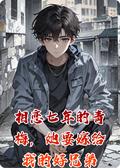 Qingmei, Who Has Been in Love for Seven Years, Is Going to Marry My Good Brother
91Reads8.5Score—Shelves
Qingmei, Who Has Been in Love for Seven Years, Is Going to Marry My Good Brother
91Reads8.5Score—Shelves
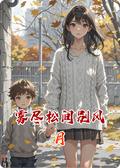 Farewell to the Wind and Moon Among the Pines After the Fog Has Cleared
25Reads8.5Score—Shelves
Farewell to the Wind and Moon Among the Pines After the Fog Has Cleared
25Reads8.5Score—Shelves
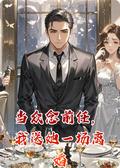 When I Miss My Ex in Public, I Give Her a Divorce
192Reads8.4Score—Shelves
When I Miss My Ex in Public, I Give Her a Divorce
192Reads8.4Score—Shelves
 A Short Sadistic Story a Day
77Reads5.8Score—Shelves
A Short Sadistic Story a Day
77Reads5.8Score—Shelves
 My Tenant Lady
3.2kReads5.8Score184Shelves
My Tenant Lady
3.2kReads5.8Score184Shelves
 The Person I Love Most Is Her
—Reads5.8Score—Shelves
The Person I Love Most Is Her
—Reads5.8Score—Shelves
 The Person Who Loves Me the Most in the World
60.2kReads9.3Score7.9kShelves
The Person Who Loves Me the Most in the World
60.2kReads9.3Score7.9kShelves
 The Dusty Road Is Warm
11Reads8.5Score—Shelves
The Dusty Road Is Warm
11Reads8.5Score—Shelves
 There Is You in My Dream
7Reads8.5Score—Shelves
There Is You in My Dream
7Reads8.5Score—Shelves
 Half of My Life Is Spent Embroidering Spring, Half of My Life I Miss You.
8Reads8.4Score—Shelves
Half of My Life Is Spent Embroidering Spring, Half of My Life I Miss You.
8Reads8.4Score—Shelves
 The Wind Blows over Liangshan and the Clouds Disperse over Erhai Lake
7Reads8.5Score—Shelves
The Wind Blows over Liangshan and the Clouds Disperse over Erhai Lake
7Reads8.5Score—Shelves
 The Abandoned Son of a Wealthy Family: He Is Xingyu, She Is Qiu
84Reads8.8Score—Shelves
The Abandoned Son of a Wealthy Family: He Is Xingyu, She Is Qiu
84Reads8.8Score—Shelves
 Is It a Crime to Like Shen Tingzhou?
—Reads5.8Score—Shelves
Is It a Crime to Like Shen Tingzhou?
—Reads5.8Score—Shelves
 The Man I Was Waiting for Died for His Country
—Reads8.6Score—Shelves
The Man I Was Waiting for Died for His Country
—Reads8.6Score—Shelves
 It Is Said That the Emperor Wants to Share the Power of the Country with Me
1Reads8.5Score—Shelves
It Is Said That the Emperor Wants to Share the Power of the Country with Me
1Reads8.5Score—Shelves