A Realistic Novel About a Normal Courtyard House
- Views
- 32M
- Books
- 514
- Recommendations
- 1.3k
- Updated
- 1d ago
In this list
642 books · page 5 of 13
-
196
生
 Give Birth to a Child with the Surname Yi, and Make the First Uncle Turn into a Pervert.
Dragon Walks in the Heavens 1911k Wordsongoing
12.6kReads6.8Score675Shelves
Give Birth to a Child with the Surname Yi, and Make the First Uncle Turn into a Pervert.
Dragon Walks in the Heavens 1911k Wordsongoing
12.6kReads6.8Score675Shelves
Reader note
Recommend, the book "The Family is Too Fierce" and "The Birds Want to Move" is so enjoyable.
-
197
四
 Siheyuan: Beast? What He Did Was a Beast
Su Hey Su Hey Su Hey623k Wordscompleted
2.9kReads5.6Score107Shelves
Siheyuan: Beast? What He Did Was a Beast
Su Hey Su Hey Su Hey623k Wordscompleted
2.9kReads5.6Score107Shelves
Reader note
Recommend, the book "The Family is Too Fierce" and "The Birds Want to Move" is so enjoyable.
-
198
四
Siheyuan: I Can't Eat Anymore! I Really Can't Eat Anymore September Leisure Fish Song2.4M Wordsongoing 137kReads7.2Score11.4kShelves
Reader note
Recommend, the book "The Family is Too Fierce" and "The Birds Want to Move" is so enjoyable.
-
199
四
 Siheyuan: the Wonderful Life of a Neighborhood Chef
Suit Old Six1.1M Wordscompleted
14.6kReads7.7Score645Shelves
Siheyuan: the Wonderful Life of a Neighborhood Chef
Suit Old Six1.1M Wordscompleted
14.6kReads7.7Score645Shelves
Reader note
Recommend, the book "The Family is Too Fierce" and "The Birds Want to Move" is so enjoyable.
-
200
人
 I'm in the Courtyard. I'm Mr. Liu.
Donghai Yanwu801k Wordscompleted
6.8kReads8.0Score219Shelves
I'm in the Courtyard. I'm Mr. Liu.
Donghai Yanwu801k Wordscompleted
6.8kReads8.0Score219Shelves
Reader note
The first book is a new one today. The eldest son of the second uncle's family was favored and was admitted to a technical secondary school in that era. He became a translator in junior high school. There is Golden Finger: Shuttle Door, which is super, super good-looking.
-
201
四
 Sihe************
ongoing
—Reads5.8Score—Shelves
Sihe************
ongoing
—Reads5.8Score—Shelves
Reader note
The first book is a new one today. The eldest son of the second uncle's family was favored and was admitted to a technical secondary school in that era. He became a translator in junior high school. There is Golden Finger: Shuttle Door, which is super, super good-looking.
-
202
携
 Take Your Kitchen with You, Travel to the Courtyard, and Make a Fortune
Roots on Yellow Oranges570k Wordscompleted
1.8kReads7.2Score102Shelves
Take Your Kitchen with You, Travel to the Courtyard, and Make a Fortune
Roots on Yellow Oranges570k Wordscompleted
1.8kReads7.2Score102Shelves
Reader note
The first book is a new one today. The eldest son of the second uncle's family was favored and was admitted to a technical secondary school in that era. He became a translator in junior high school. There is Golden Finger: Shuttle Door, which is super, super good-looking.
-
203
*
 **
Picking up Words in the Pine Tree708k Wordsongoing
19.4kReads5.8Score994Shelves
**
Picking up Words in the Pine Tree708k Wordsongoing
19.4kReads5.8Score994Shelves
Reader note
I think this courtyard novel is good [smile][smile][laugh][laugh][laugh]
-
203
四
 This Silly Pillar in the Courtyard Is a Bit Chic
Autumn Breeze Blows on the Street203k Wordscompleted
8.7kReads8.9Score273Shelves
This Silly Pillar in the Courtyard Is a Bit Chic
Autumn Breeze Blows on the Street203k Wordscompleted
8.7kReads8.9Score273Shelves
Reader note
Review of "The Military Life in the Siheyuan" Among the novels with the theme of "Siheyuan", "The Military Life in the Siheyuan" stands out with its unique time-travel setting and passionate and tender narrative. It has no fantasy golden fingers, no exaggerated counterattack excitement, but uses a solid plot and vivid characters to outline a touching story of a small person protecting family ties and sticking to his true heart in the torrent of the times after the war has dissipated. The core setting of the story is very ingenious. Xuan Qing, a barefoot doctor from the Song Dynasty, traveled through time and became He Shaoqing, the hero of the Anti-Japanese War. Two completely different life trajectories intersect here. Xuan Qing's benevolence as a doctor and He Shaoqing's soldier's passion are perfectly integrated, forming the protagonist's most charming traits - he has the fortitude and courage tempered by fighting on the battlefield, charging ahead when facing bandit attacks, and still caring about the safety of his subordinates after being injured; The contrast and complementarity brought about by this dual identity make the characters three-dimensional and full, getting rid of the common single label of the protagonists of similar themes. The depiction of family lines is a highlight of the book, earning enough emotional resonance from readers. The reunion of He Shaoqing and his eldest brother He Daqing, who had been separated for eight years, was not deliberately sensational but poignant in every word. From the disbelief when they first met, to the choking when mentioning the death of his sister-in-law, to the confession when they paid homage to their deceased wife together, the care and guilt, joy and sadness between the two brothers were all naturally revealed through life-like details. The tolerance and guidance of his nephew He Yuzhu and the careful care of his niece He Yuzhu made the image of this iron-blooded battalion commander a little softer. He is not only a "desperate Saburo" on the battlefield, but also a reliable harbor in the eyes of his family. This intertwining of iron-bloodedness and warmth makes the character extremely contagious. The novel also restores the historical background very well. There is no suspended overhead setting, but it is rooted in the real context after the victory of the Anti-Japanese War in 1945. The Tukang in the base area, the alleys of Forty-Nine City, the expensive milk powder in the shopping mall, and the employee dormitories of the steel rolling mill. These details outline the life picture of that era. The social order after the Japanese surrender, the plight of the soldiers and refugees, and the livelihood difficulties of ordinary families all make the story more immersive. The protagonist's journey to find relatives and raise a family under such a background not only reflects the ups and downs of personal destiny, but also reflects the living conditions of ordinary people in the changing times, making the story broader. The neighborhood portraits in the courtyard are equally vivid. The Yi Zhonghai couple who are enthusiastic about taking care of the rainwater, the gossipy Jia Zhang family, the ignorant and naughty He Yuzhu, and the competitive Xu Damao, these characters with different personalities form a neighborhood ecology full of fireworks. The interactions between the protagonist and them are not bloody conflicts, but are more about daily running-in and getting along with each other, such as sending snacks to thank the Yi family for taking care of them, and properly handling misunderstandings caused by neighbors when the nephew showed off a pistol. These plots not only fit the living scenes of the courtyard, but also made the story rhythm relaxed and full of life interest. The most rare thing is the positive values conveyed by the novel. He Shaoqing always adheres to the responsibility of a soldier and the conscience of a doctor. On the battlefield, he charges for the country and the people. In peacetime, he protects his family from wind and rain, and he still maintains goodwill towards strangers. He used his actions to interpret the open-mindedness of "taking care of what comes" and also showed the determination to "protect the ones you love". This kind of growth and persistence that is not dependent on Goldfinger makes the story more powerful and allows readers to feel warmth and positive energy while reading. Overall, "Siheyuan: Military Life" is a masterpiece that combines passion and warmth, texture and warmth. It uses time travel as the guide, family affection as the backbone, and the times as the curtain, creating an impressive protagonist image and telling a guardian story full of fireworks. Whether readers like historical backgrounds, family narratives, or readers who prefer vivid characters, they will all find resonance in the book and it is worth reading carefully.
-
204
四
 Siheyuan: the Soul of a Junk Guy Travels Through 60 Years
Fly a Big Plane622k Wordscompleted
11.6kReads8.9Score489Shelves
Siheyuan: the Soul of a Junk Guy Travels Through 60 Years
Fly a Big Plane622k Wordscompleted
11.6kReads8.9Score489Shelves
Reader note
Review of "The Military Life in the Siheyuan" Among the novels with the theme of "Siheyuan", "The Military Life in the Siheyuan" stands out with its unique time-travel setting and passionate and tender narrative. It has no fantasy golden fingers, no exaggerated counterattack excitement, but uses a solid plot and vivid characters to outline a touching story of a small person protecting family ties and sticking to his true heart in the torrent of the times after the war has dissipated. The core setting of the story is very ingenious. Xuan Qing, a barefoot doctor from the Song Dynasty, traveled through time and became He Shaoqing, the hero of the Anti-Japanese War. Two completely different life trajectories intersect here. Xuan Qing's benevolence as a doctor and He Shaoqing's soldier's passion are perfectly integrated, forming the protagonist's most charming traits - he has the fortitude and courage tempered by fighting on the battlefield, charging ahead when facing bandit attacks, and still caring about the safety of his subordinates after being injured; The contrast and complementarity brought about by this dual identity make the characters three-dimensional and full, getting rid of the common single label of the protagonists of similar themes. The depiction of family lines is a highlight of the book, earning enough emotional resonance from readers. The reunion of He Shaoqing and his eldest brother He Daqing, who had been separated for eight years, was not deliberately sensational but poignant in every word. From the disbelief when they first met, to the choking when mentioning the death of his sister-in-law, to the confession when they paid homage to their deceased wife together, the care and guilt, joy and sadness between the two brothers were all naturally revealed through life-like details. The tolerance and guidance of his nephew He Yuzhu and the careful care of his niece He Yuzhu made the image of this iron-blooded battalion commander a little softer. He is not only a "desperate Saburo" on the battlefield, but also a reliable harbor in the eyes of his family. This intertwining of iron-bloodedness and warmth makes the character extremely contagious. The novel also restores the historical background very well. There is no suspended overhead setting, but it is rooted in the real context after the victory of the Anti-Japanese War in 1945. The Tukang in the base area, the alleys of Forty-Nine City, the expensive milk powder in the shopping mall, and the employee dormitories of the steel rolling mill. These details outline the life picture of that era. The social order after the Japanese surrender, the plight of the soldiers and refugees, and the livelihood difficulties of ordinary families all make the story more immersive. The protagonist's journey to find relatives and raise a family under such a background not only reflects the ups and downs of personal destiny, but also reflects the living conditions of ordinary people in the changing times, making the story broader. The neighborhood portraits in the courtyard are equally vivid. The Yi Zhonghai couple who are enthusiastic about taking care of the rainwater, the gossipy Jia Zhang family, the ignorant and naughty He Yuzhu, and the competitive Xu Damao, these characters with different personalities form a neighborhood ecology full of fireworks. The interactions between the protagonist and them are not bloody conflicts, but are more about daily running-in and getting along with each other, such as sending snacks to thank the Yi family for taking care of them, and properly handling misunderstandings caused by neighbors when the nephew showed off a pistol. These plots not only fit the living scenes of the courtyard, but also made the story rhythm relaxed and full of life interest. The most rare thing is the positive values conveyed by the novel. He Shaoqing always adheres to the responsibility of a soldier and the conscience of a doctor. On the battlefield, he charges for the country and the people. In peacetime, he protects his family from wind and rain, and he still maintains goodwill towards strangers. He used his actions to interpret the open-mindedness of "taking care of what comes" and also showed the determination to "protect the ones you love". This kind of growth and persistence that is not dependent on Goldfinger makes the story more powerful and allows readers to feel warmth and positive energy while reading. Overall, "Siheyuan: Military Life" is a masterpiece that combines passion and warmth, texture and warmth. It uses time travel as the guide, family affection as the backbone, and the times as the curtain, creating an impressive protagonist image and telling a guardian story full of fireworks. Whether readers like historical backgrounds, family narratives, or readers who prefer vivid characters, they will all find resonance in the book and it is worth reading carefully.
-
205
四
 Siheyuan: I Am Yi Zhonghai's Biological Son
From the Xianghuang Family356k Wordscompleted
39.3kReads9.2Score1.8kShelves
Siheyuan: I Am Yi Zhonghai's Biological Son
From the Xianghuang Family356k Wordscompleted
39.3kReads9.2Score1.8kShelves
Reader note
These books are all written by the same author. It is really a super normal Siheyuan. The people in it have normal reactions and are not as anti-intellectual as other Siheyuan.
-
206
*
 **
Falling Leaves Know Autumn Zmy13400k Wordscompleted
8kReads5.8Score345Shelves
**
Falling Leaves Know Autumn Zmy13400k Wordscompleted
8kReads5.8Score345Shelves
Reader note
Review of "The Military Life in the Siheyuan" Among the novels with the theme of "Siheyuan", "The Military Life in the Siheyuan" stands out with its unique time-travel setting and passionate and tender narrative. It has no fantasy golden fingers, no exaggerated counterattack excitement, but uses a solid plot and vivid characters to outline a touching story of a small person protecting family ties and sticking to his true heart in the torrent of the times after the war has dissipated. The core setting of the story is very ingenious. Xuan Qing, a barefoot doctor from the Song Dynasty, traveled through time and became He Shaoqing, the hero of the Anti-Japanese War. Two completely different life trajectories intersect here. Xuan Qing's benevolence as a doctor and He Shaoqing's soldier's passion are perfectly integrated, forming the protagonist's most charming traits - he has the fortitude and courage tempered by fighting on the battlefield, charging ahead when facing bandit attacks, and still caring about the safety of his subordinates after being injured; The contrast and complementarity brought about by this dual identity make the characters three-dimensional and full, getting rid of the common single label of the protagonists of similar themes. The depiction of family lines is a highlight of the book, earning enough emotional resonance from readers. The reunion of He Shaoqing and his eldest brother He Daqing, who had been separated for eight years, was not deliberately sensational but poignant in every word. From the disbelief when they first met, to the choking when mentioning the death of his sister-in-law, to the confession when they paid homage to their deceased wife together, the care and guilt, joy and sadness between the two brothers were all naturally revealed through life-like details. The tolerance and guidance of his nephew He Yuzhu and the careful care of his niece He Yuzhu made the image of this iron-blooded battalion commander a little softer. He is not only a "desperate Saburo" on the battlefield, but also a reliable harbor in the eyes of his family. This intertwining of iron-bloodedness and warmth makes the character extremely contagious. The novel also restores the historical background very well. There is no suspended overhead setting, but it is rooted in the real context after the victory of the Anti-Japanese War in 1945. The Tukang in the base area, the alleys of Forty-Nine City, the expensive milk powder in the shopping mall, and the employee dormitories of the steel rolling mill. These details outline the life picture of that era. The social order after the Japanese surrender, the plight of the soldiers and refugees, and the livelihood difficulties of ordinary families all make the story more immersive. The protagonist's journey to find relatives and raise a family under such a background not only reflects the ups and downs of personal destiny, but also reflects the living conditions of ordinary people in the changing times, making the story broader. The neighborhood portraits in the courtyard are equally vivid. The Yi Zhonghai couple who are enthusiastic about taking care of the rainwater, the gossipy Jia Zhang family, the ignorant and naughty He Yuzhu, and the competitive Xu Damao, these characters with different personalities form a neighborhood ecology full of fireworks. The interactions between the protagonist and them are not bloody conflicts, but are more about daily running-in and getting along with each other, such as sending snacks to thank the Yi family for taking care of them, and properly handling misunderstandings caused by neighbors when the nephew showed off a pistol. These plots not only fit the living scenes of the courtyard, but also made the story rhythm relaxed and full of life interest. The most rare thing is the positive values conveyed by the novel. He Shaoqing always adheres to the responsibility of a soldier and the conscience of a doctor. On the battlefield, he charges for the country and the people. In peacetime, he protects his family from wind and rain, and he still maintains goodwill towards strangers. He used his actions to interpret the open-mindedness of "taking care of what comes" and also showed the determination to "protect the ones you love". This kind of growth and persistence that is not dependent on Goldfinger makes the story more powerful and allows readers to feel warmth and positive energy while reading. Overall, "Siheyuan: Military Life" is a masterpiece that combines passion and warmth, texture and warmth. It uses time travel as the guide, family affection as the backbone, and the times as the curtain, creating an impressive protagonist image and telling a guardian story full of fireworks. Whether readers like historical backgrounds, family narratives, or readers who prefer vivid characters, they will all find resonance in the book and it is worth reading carefully.
-
207
四
 Siheyuan Small Citizen
Wandering Northwest686k Wordscompleted
4.1kReads8.9Score127Shelves
Siheyuan Small Citizen
Wandering Northwest686k Wordscompleted
4.1kReads8.9Score127Shelves
Reader note
Review of "The Military Life in the Siheyuan" Among the novels with the theme of "Siheyuan", "The Military Life in the Siheyuan" stands out with its unique time-travel setting and passionate and tender narrative. It has no fantasy golden fingers, no exaggerated counterattack excitement, but uses a solid plot and vivid characters to outline a touching story of a small person protecting family ties and sticking to his true heart in the torrent of the times after the war has dissipated. The core setting of the story is very ingenious. Xuan Qing, a barefoot doctor from the Song Dynasty, traveled through time and became He Shaoqing, the hero of the Anti-Japanese War. Two completely different life trajectories intersect here. Xuan Qing's benevolence as a doctor and He Shaoqing's soldier's passion are perfectly integrated, forming the protagonist's most charming traits - he has the fortitude and courage tempered by fighting on the battlefield, charging ahead when facing bandit attacks, and still caring about the safety of his subordinates after being injured; The contrast and complementarity brought about by this dual identity make the characters three-dimensional and full, getting rid of the common single label of the protagonists of similar themes. The depiction of family lines is a highlight of the book, earning enough emotional resonance from readers. The reunion of He Shaoqing and his eldest brother He Daqing, who had been separated for eight years, was not deliberately sensational but poignant in every word. From the disbelief when they first met, to the choking when mentioning the death of his sister-in-law, to the confession when they paid homage to their deceased wife together, the care and guilt, joy and sadness between the two brothers were all naturally revealed through life-like details. The tolerance and guidance of his nephew He Yuzhu and the careful care of his niece He Yuzhu made the image of this iron-blooded battalion commander a little softer. He is not only a "desperate Saburo" on the battlefield, but also a reliable harbor in the eyes of his family. This intertwining of iron-bloodedness and warmth makes the character extremely contagious. The novel also restores the historical background very well. There is no suspended overhead setting, but it is rooted in the real context after the victory of the Anti-Japanese War in 1945. The Tukang in the base area, the alleys of Forty-Nine City, the expensive milk powder in the shopping mall, and the employee dormitories of the steel rolling mill. These details outline the life picture of that era. The social order after the Japanese surrender, the plight of the soldiers and refugees, and the livelihood difficulties of ordinary families all make the story more immersive. The protagonist's journey to find relatives and raise a family under such a background not only reflects the ups and downs of personal destiny, but also reflects the living conditions of ordinary people in the changing times, making the story broader. The neighborhood portraits in the courtyard are equally vivid. The Yi Zhonghai couple who are enthusiastic about taking care of the rainwater, the gossipy Jia Zhang family, the ignorant and naughty He Yuzhu, and the competitive Xu Damao, these characters with different personalities form a neighborhood ecology full of fireworks. The interactions between the protagonist and them are not bloody conflicts, but are more about daily running-in and getting along with each other, such as sending snacks to thank the Yi family for taking care of them, and properly handling misunderstandings caused by neighbors when the nephew showed off a pistol. These plots not only fit the living scenes of the courtyard, but also made the story rhythm relaxed and full of life interest. The most rare thing is the positive values conveyed by the novel. He Shaoqing always adheres to the responsibility of a soldier and the conscience of a doctor. On the battlefield, he charges for the country and the people. In peacetime, he protects his family from wind and rain, and he still maintains goodwill towards strangers. He used his actions to interpret the open-mindedness of "taking care of what comes" and also showed the determination to "protect the ones you love". This kind of growth and persistence that is not dependent on Goldfinger makes the story more powerful and allows readers to feel warmth and positive energy while reading. Overall, "Siheyuan: Military Life" is a masterpiece that combines passion and warmth, texture and warmth. It uses time travel as the guide, family affection as the backbone, and the times as the curtain, creating an impressive protagonist image and telling a guardian story full of fireworks. Whether readers like historical backgrounds, family narratives, or readers who prefer vivid characters, they will all find resonance in the book and it is worth reading carefully.
-
208
*
 **
Xie Wuhen291k Wordscompleted
2.2kReads5.8Score104Shelves
**
Xie Wuhen291k Wordscompleted
2.2kReads5.8Score104Shelves
Reader note
Review of "The Military Life in the Siheyuan" Among the novels with the theme of "Siheyuan", "The Military Life in the Siheyuan" stands out with its unique time-travel setting and passionate and tender narrative. It has no fantasy golden fingers, no exaggerated counterattack excitement, but uses a solid plot and vivid characters to outline a touching story of a small person protecting family ties and sticking to his true heart in the torrent of the times after the war has dissipated. The core setting of the story is very ingenious. Xuan Qing, a barefoot doctor from the Song Dynasty, traveled through time and became He Shaoqing, the hero of the Anti-Japanese War. Two completely different life trajectories intersect here. Xuan Qing's benevolence as a doctor and He Shaoqing's soldier's passion are perfectly integrated, forming the protagonist's most charming traits - he has the fortitude and courage tempered by fighting on the battlefield, charging ahead when facing bandit attacks, and still caring about the safety of his subordinates after being injured; The contrast and complementarity brought about by this dual identity make the characters three-dimensional and full, getting rid of the common single label of the protagonists of similar themes. The depiction of family lines is a highlight of the book, earning enough emotional resonance from readers. The reunion of He Shaoqing and his eldest brother He Daqing, who had been separated for eight years, was not deliberately sensational but poignant in every word. From the disbelief when they first met, to the choking when mentioning the death of his sister-in-law, to the confession when they paid homage to their deceased wife together, the care and guilt, joy and sadness between the two brothers were all naturally revealed through life-like details. The tolerance and guidance of his nephew He Yuzhu and the careful care of his niece He Yuzhu made the image of this iron-blooded battalion commander a little softer. He is not only a "desperate Saburo" on the battlefield, but also a reliable harbor in the eyes of his family. This intertwining of iron-bloodedness and warmth makes the character extremely contagious. The novel also restores the historical background very well. There is no suspended overhead setting, but it is rooted in the real context after the victory of the Anti-Japanese War in 1945. The Tukang in the base area, the alleys of Forty-Nine City, the expensive milk powder in the shopping mall, and the employee dormitories of the steel rolling mill. These details outline the life picture of that era. The social order after the Japanese surrender, the plight of the soldiers and refugees, and the livelihood difficulties of ordinary families all make the story more immersive. The protagonist's journey to find relatives and raise a family under such a background not only reflects the ups and downs of personal destiny, but also reflects the living conditions of ordinary people in the changing times, making the story broader. The neighborhood portraits in the courtyard are equally vivid. The Yi Zhonghai couple who are enthusiastic about taking care of the rainwater, the gossipy Jia Zhang family, the ignorant and naughty He Yuzhu, and the competitive Xu Damao, these characters with different personalities form a neighborhood ecology full of fireworks. The interactions between the protagonist and them are not bloody conflicts, but are more about daily running-in and getting along with each other, such as sending snacks to thank the Yi family for taking care of them, and properly handling misunderstandings caused by neighbors when the nephew showed off a pistol. These plots not only fit the living scenes of the courtyard, but also made the story rhythm relaxed and full of life interest. The most rare thing is the positive values conveyed by the novel. He Shaoqing always adheres to the responsibility of a soldier and the conscience of a doctor. On the battlefield, he charges for the country and the people. In peacetime, he protects his family from wind and rain, and he still maintains goodwill towards strangers. He used his actions to interpret the open-mindedness of "taking care of what comes" and also showed the determination to "protect the ones you love". This kind of growth and persistence that is not dependent on Goldfinger makes the story more powerful and allows readers to feel warmth and positive energy while reading. Overall, "Siheyuan: Military Life" is a masterpiece that combines passion and warmth, texture and warmth. It uses time travel as the guide, family affection as the backbone, and the times as the curtain, creating an impressive protagonist image and telling a guardian story full of fireworks. Whether readers like historical backgrounds, family narratives, or readers who prefer vivid characters, they will all find resonance in the book and it is worth reading carefully.
-
209
四
 Siheyuan: Tianhu Starts the Game, There Is No Shame in Chewing the Old Man
Threshing Glacier512k Wordscompleted
19.1kReads8.8Score965Shelves
Siheyuan: Tianhu Starts the Game, There Is No Shame in Chewing the Old Man
Threshing Glacier512k Wordscompleted
19.1kReads8.8Score965Shelves
Reader note
Review of "The Military Life in the Siheyuan" Among the novels with the theme of "Siheyuan", "The Military Life in the Siheyuan" stands out with its unique time-travel setting and passionate and tender narrative. It has no fantasy golden fingers, no exaggerated counterattack excitement, but uses a solid plot and vivid characters to outline a touching story of a small person protecting family ties and sticking to his true heart in the torrent of the times after the war has dissipated. The core setting of the story is very ingenious. Xuan Qing, a barefoot doctor from the Song Dynasty, traveled through time and became He Shaoqing, the hero of the Anti-Japanese War. Two completely different life trajectories intersect here. Xuan Qing's benevolence as a doctor and He Shaoqing's soldier's passion are perfectly integrated, forming the protagonist's most charming traits - he has the fortitude and courage tempered by fighting on the battlefield, charging ahead when facing bandit attacks, and still caring about the safety of his subordinates after being injured; The contrast and complementarity brought about by this dual identity make the characters three-dimensional and full, getting rid of the common single label of the protagonists of similar themes. The depiction of family lines is a highlight of the book, earning enough emotional resonance from readers. The reunion of He Shaoqing and his eldest brother He Daqing, who had been separated for eight years, was not deliberately sensational but poignant in every word. From the disbelief when they first met, to the choking when mentioning the death of his sister-in-law, to the confession when they paid homage to their deceased wife together, the care and guilt, joy and sadness between the two brothers were all naturally revealed through life-like details. The tolerance and guidance of his nephew He Yuzhu and the careful care of his niece He Yuzhu made the image of this iron-blooded battalion commander a little softer. He is not only a "desperate Saburo" on the battlefield, but also a reliable harbor in the eyes of his family. This intertwining of iron-bloodedness and warmth makes the character extremely contagious. The novel also restores the historical background very well. There is no suspended overhead setting, but it is rooted in the real context after the victory of the Anti-Japanese War in 1945. The Tukang in the base area, the alleys of Forty-Nine City, the expensive milk powder in the shopping mall, and the employee dormitories of the steel rolling mill. These details outline the life picture of that era. The social order after the Japanese surrender, the plight of the soldiers and refugees, and the livelihood difficulties of ordinary families all make the story more immersive. The protagonist's journey to find relatives and raise a family under such a background not only reflects the ups and downs of personal destiny, but also reflects the living conditions of ordinary people in the changing times, making the story broader. The neighborhood portraits in the courtyard are equally vivid. The Yi Zhonghai couple who are enthusiastic about taking care of the rainwater, the gossipy Jia Zhang family, the ignorant and naughty He Yuzhu, and the competitive Xu Damao, these characters with different personalities form a neighborhood ecology full of fireworks. The interactions between the protagonist and them are not bloody conflicts, but are more about daily running-in and getting along with each other, such as sending snacks to thank the Yi family for taking care of them, and properly handling misunderstandings caused by neighbors when the nephew showed off a pistol. These plots not only fit the living scenes of the courtyard, but also made the story rhythm relaxed and full of life interest. The most rare thing is the positive values conveyed by the novel. He Shaoqing always adheres to the responsibility of a soldier and the conscience of a doctor. On the battlefield, he charges for the country and the people. In peacetime, he protects his family from wind and rain, and he still maintains goodwill towards strangers. He used his actions to interpret the open-mindedness of "taking care of what comes" and also showed the determination to "protect the ones you love". This kind of growth and persistence that is not dependent on Goldfinger makes the story more powerful and allows readers to feel warmth and positive energy while reading. Overall, "Siheyuan: Military Life" is a masterpiece that combines passion and warmth, texture and warmth. It uses time travel as the guide, family affection as the backbone, and the times as the curtain, creating an impressive protagonist image and telling a guardian story full of fireworks. Whether readers like historical backgrounds, family narratives, or readers who prefer vivid characters, they will all find resonance in the book and it is worth reading carefully.
-
210
四
 Sir Wei in the Siheyuan
Cocoa Mate328k Wordscompleted
2.3kReads8.8Score107Shelves
Sir Wei in the Siheyuan
Cocoa Mate328k Wordscompleted
2.3kReads8.8Score107Shelves
Reader note
Review of "The Military Life in the Siheyuan" Among the novels with the theme of "Siheyuan", "The Military Life in the Siheyuan" stands out with its unique time-travel setting and passionate and tender narrative. It has no fantasy golden fingers, no exaggerated counterattack excitement, but uses a solid plot and vivid characters to outline a touching story of a small person protecting family ties and sticking to his true heart in the torrent of the times after the war has dissipated. The core setting of the story is very ingenious. Xuan Qing, a barefoot doctor from the Song Dynasty, traveled through time and became He Shaoqing, the hero of the Anti-Japanese War. Two completely different life trajectories intersect here. Xuan Qing's benevolence as a doctor and He Shaoqing's soldier's passion are perfectly integrated, forming the protagonist's most charming traits - he has the fortitude and courage tempered by fighting on the battlefield, charging ahead when facing bandit attacks, and still caring about the safety of his subordinates after being injured; The contrast and complementarity brought about by this dual identity make the characters three-dimensional and full, getting rid of the common single label of the protagonists of similar themes. The depiction of family lines is a highlight of the book, earning enough emotional resonance from readers. The reunion of He Shaoqing and his eldest brother He Daqing, who had been separated for eight years, was not deliberately sensational but poignant in every word. From the disbelief when they first met, to the choking when mentioning the death of his sister-in-law, to the confession when they paid homage to their deceased wife together, the care and guilt, joy and sadness between the two brothers were all naturally revealed through life-like details. The tolerance and guidance of his nephew He Yuzhu and the careful care of his niece He Yuzhu made the image of this iron-blooded battalion commander a little softer. He is not only a "desperate Saburo" on the battlefield, but also a reliable harbor in the eyes of his family. This intertwining of iron-bloodedness and warmth makes the character extremely contagious. The novel also restores the historical background very well. There is no suspended overhead setting, but it is rooted in the real context after the victory of the Anti-Japanese War in 1945. The Tukang in the base area, the alleys of Forty-Nine City, the expensive milk powder in the shopping mall, and the employee dormitories of the steel rolling mill. These details outline the life picture of that era. The social order after the Japanese surrender, the plight of the soldiers and refugees, and the livelihood difficulties of ordinary families all make the story more immersive. The protagonist's journey to find relatives and raise a family under such a background not only reflects the ups and downs of personal destiny, but also reflects the living conditions of ordinary people in the changing times, making the story broader. The neighborhood portraits in the courtyard are equally vivid. The Yi Zhonghai couple who are enthusiastic about taking care of the rainwater, the gossipy Jia Zhang family, the ignorant and naughty He Yuzhu, and the competitive Xu Damao, these characters with different personalities form a neighborhood ecology full of fireworks. The interactions between the protagonist and them are not bloody conflicts, but are more about daily running-in and getting along with each other, such as sending snacks to thank the Yi family for taking care of them, and properly handling misunderstandings caused by neighbors when the nephew showed off a pistol. These plots not only fit the living scenes of the courtyard, but also made the story rhythm relaxed and full of life interest. The most rare thing is the positive values conveyed by the novel. He Shaoqing always adheres to the responsibility of a soldier and the conscience of a doctor. On the battlefield, he charges for the country and the people. In peacetime, he protects his family from wind and rain, and he still maintains goodwill towards strangers. He used his actions to interpret the open-mindedness of "taking care of what comes" and also showed the determination to "protect the ones you love". This kind of growth and persistence that is not dependent on Goldfinger makes the story more powerful and allows readers to feel warmth and positive energy while reading. Overall, "Siheyuan: Military Life" is a masterpiece that combines passion and warmth, texture and warmth. It uses time travel as the guide, family affection as the backbone, and the times as the curtain, creating an impressive protagonist image and telling a guardian story full of fireworks. Whether readers like historical backgrounds, family narratives, or readers who prefer vivid characters, they will all find resonance in the book and it is worth reading carefully.
-
211
傻
 Siheyuan of Silly Pillars
Half the Rest of Life2.0M Wordscompleted
16.7kReads8.8Score922Shelves
Siheyuan of Silly Pillars
Half the Rest of Life2.0M Wordscompleted
16.7kReads8.8Score922Shelves
Reader note
Review of "The Military Life in the Siheyuan" Among the novels with the theme of "Siheyuan", "The Military Life in the Siheyuan" stands out with its unique time-travel setting and passionate and tender narrative. It has no fantasy golden fingers, no exaggerated counterattack excitement, but uses a solid plot and vivid characters to outline a touching story of a small person protecting family ties and sticking to his true heart in the torrent of the times after the war has dissipated. The core setting of the story is very ingenious. Xuan Qing, a barefoot doctor from the Song Dynasty, traveled through time and became He Shaoqing, the hero of the Anti-Japanese War. Two completely different life trajectories intersect here. Xuan Qing's benevolence as a doctor and He Shaoqing's soldier's passion are perfectly integrated, forming the protagonist's most charming traits - he has the fortitude and courage tempered by fighting on the battlefield, charging ahead when facing bandit attacks, and still caring about the safety of his subordinates after being injured; The contrast and complementarity brought about by this dual identity make the characters three-dimensional and full, getting rid of the common single label of the protagonists of similar themes. The depiction of family lines is a highlight of the book, earning enough emotional resonance from readers. The reunion of He Shaoqing and his eldest brother He Daqing, who had been separated for eight years, was not deliberately sensational but poignant in every word. From the disbelief when they first met, to the choking when mentioning the death of his sister-in-law, to the confession when they paid homage to their deceased wife together, the care and guilt, joy and sadness between the two brothers were all naturally revealed through life-like details. The tolerance and guidance of his nephew He Yuzhu and the careful care of his niece He Yuzhu made the image of this iron-blooded battalion commander a little softer. He is not only a "desperate Saburo" on the battlefield, but also a reliable harbor in the eyes of his family. This intertwining of iron-bloodedness and warmth makes the character extremely contagious. The novel also restores the historical background very well. There is no suspended overhead setting, but it is rooted in the real context after the victory of the Anti-Japanese War in 1945. The Tukang in the base area, the alleys of Forty-Nine City, the expensive milk powder in the shopping mall, and the employee dormitories of the steel rolling mill. These details outline the life picture of that era. The social order after the Japanese surrender, the plight of the soldiers and refugees, and the livelihood difficulties of ordinary families all make the story more immersive. The protagonist's journey to find relatives and raise a family under such a background not only reflects the ups and downs of personal destiny, but also reflects the living conditions of ordinary people in the changing times, making the story broader. The neighborhood portraits in the courtyard are equally vivid. The Yi Zhonghai couple who are enthusiastic about taking care of the rainwater, the gossipy Jia Zhang family, the ignorant and naughty He Yuzhu, and the competitive Xu Damao, these characters with different personalities form a neighborhood ecology full of fireworks. The interactions between the protagonist and them are not bloody conflicts, but are more about daily running-in and getting along with each other, such as sending snacks to thank the Yi family for taking care of them, and properly handling misunderstandings caused by neighbors when the nephew showed off a pistol. These plots not only fit the living scenes of the courtyard, but also made the story rhythm relaxed and full of life interest. The most rare thing is the positive values conveyed by the novel. He Shaoqing always adheres to the responsibility of a soldier and the conscience of a doctor. On the battlefield, he charges for the country and the people. In peacetime, he protects his family from wind and rain, and he still maintains goodwill towards strangers. He used his actions to interpret the open-mindedness of "taking care of what comes" and also showed the determination to "protect the ones you love". This kind of growth and persistence that is not dependent on Goldfinger makes the story more powerful and allows readers to feel warmth and positive energy while reading. Overall, "Siheyuan: Military Life" is a masterpiece that combines passion and warmth, texture and warmth. It uses time travel as the guide, family affection as the backbone, and the times as the curtain, creating an impressive protagonist image and telling a guardian story full of fireworks. Whether readers like historical backgrounds, family narratives, or readers who prefer vivid characters, they will all find resonance in the book and it is worth reading carefully.
-
212
四
 Hundreds of Jinyiwei Households in the Courtyard
Winter Morning Sunshine660k Wordscompleted
11.1kReads8.7Score313Shelves
Hundreds of Jinyiwei Households in the Courtyard
Winter Morning Sunshine660k Wordscompleted
11.1kReads8.7Score313Shelves
Reader note
Review of "The Military Life in the Siheyuan" Among the novels with the theme of "Siheyuan", "The Military Life in the Siheyuan" stands out with its unique time-travel setting and passionate and tender narrative. It has no fantasy golden fingers, no exaggerated counterattack excitement, but uses a solid plot and vivid characters to outline a touching story of a small person protecting family ties and sticking to his true heart in the torrent of the times after the war has dissipated. The core setting of the story is very ingenious. Xuan Qing, a barefoot doctor from the Song Dynasty, traveled through time and became He Shaoqing, the hero of the Anti-Japanese War. Two completely different life trajectories intersect here. Xuan Qing's benevolence as a doctor and He Shaoqing's soldier's passion are perfectly integrated, forming the protagonist's most charming traits - he has the fortitude and courage tempered by fighting on the battlefield, charging ahead when facing bandit attacks, and still caring about the safety of his subordinates after being injured; The contrast and complementarity brought about by this dual identity make the characters three-dimensional and full, getting rid of the common single label of the protagonists of similar themes. The depiction of family lines is a highlight of the book, earning enough emotional resonance from readers. The reunion of He Shaoqing and his eldest brother He Daqing, who had been separated for eight years, was not deliberately sensational but poignant in every word. From the disbelief when they first met, to the choking when mentioning the death of his sister-in-law, to the confession when they paid homage to their deceased wife together, the care and guilt, joy and sadness between the two brothers were all naturally revealed through life-like details. The tolerance and guidance of his nephew He Yuzhu and the careful care of his niece He Yuzhu made the image of this iron-blooded battalion commander a little softer. He is not only a "desperate Saburo" on the battlefield, but also a reliable harbor in the eyes of his family. This intertwining of iron-bloodedness and warmth makes the character extremely contagious. The novel also restores the historical background very well. There is no suspended overhead setting, but it is rooted in the real context after the victory of the Anti-Japanese War in 1945. The Tukang in the base area, the alleys of Forty-Nine City, the expensive milk powder in the shopping mall, and the employee dormitories of the steel rolling mill. These details outline the life picture of that era. The social order after the Japanese surrender, the plight of the soldiers and refugees, and the livelihood difficulties of ordinary families all make the story more immersive. The protagonist's journey to find relatives and raise a family under such a background not only reflects the ups and downs of personal destiny, but also reflects the living conditions of ordinary people in the changing times, making the story broader. The neighborhood portraits in the courtyard are equally vivid. The Yi Zhonghai couple who are enthusiastic about taking care of the rainwater, the gossipy Jia Zhang family, the ignorant and naughty He Yuzhu, and the competitive Xu Damao, these characters with different personalities form a neighborhood ecology full of fireworks. The interactions between the protagonist and them are not bloody conflicts, but are more about daily running-in and getting along with each other, such as sending snacks to thank the Yi family for taking care of them, and properly handling misunderstandings caused by neighbors when the nephew showed off a pistol. These plots not only fit the living scenes of the courtyard, but also made the story rhythm relaxed and full of life interest. The most rare thing is the positive values conveyed by the novel. He Shaoqing always adheres to the responsibility of a soldier and the conscience of a doctor. On the battlefield, he charges for the country and the people. In peacetime, he protects his family from wind and rain, and he still maintains goodwill towards strangers. He used his actions to interpret the open-mindedness of "taking care of what comes" and also showed the determination to "protect the ones you love". This kind of growth and persistence that is not dependent on Goldfinger makes the story more powerful and allows readers to feel warmth and positive energy while reading. Overall, "Siheyuan: Military Life" is a masterpiece that combines passion and warmth, texture and warmth. It uses time travel as the guide, family affection as the backbone, and the times as the curtain, creating an impressive protagonist image and telling a guardian story full of fireworks. Whether readers like historical backgrounds, family narratives, or readers who prefer vivid characters, they will all find resonance in the book and it is worth reading carefully.
-
213
*
 **
Stepping Through the Spring Breeze and a Sea of Flowers514k Wordscompleted
13.8kReads5.8Score621Shelves
**
Stepping Through the Spring Breeze and a Sea of Flowers514k Wordscompleted
13.8kReads5.8Score621Shelves
Reader note
Review of "The Military Life in the Siheyuan" Among the novels with the theme of "Siheyuan", "The Military Life in the Siheyuan" stands out with its unique time-travel setting and passionate and tender narrative. It has no fantasy golden fingers, no exaggerated counterattack excitement, but uses a solid plot and vivid characters to outline a touching story of a small person protecting family ties and sticking to his true heart in the torrent of the times after the war has dissipated. The core setting of the story is very ingenious. Xuan Qing, a barefoot doctor from the Song Dynasty, traveled through time and became He Shaoqing, the hero of the Anti-Japanese War. Two completely different life trajectories intersect here. Xuan Qing's benevolence as a doctor and He Shaoqing's soldier's passion are perfectly integrated, forming the protagonist's most charming traits - he has the fortitude and courage tempered by fighting on the battlefield, charging ahead when facing bandit attacks, and still caring about the safety of his subordinates after being injured; The contrast and complementarity brought about by this dual identity make the characters three-dimensional and full, getting rid of the common single label of the protagonists of similar themes. The depiction of family lines is a highlight of the book, earning enough emotional resonance from readers. The reunion of He Shaoqing and his eldest brother He Daqing, who had been separated for eight years, was not deliberately sensational but poignant in every word. From the disbelief when they first met, to the choking when mentioning the death of his sister-in-law, to the confession when they paid homage to their deceased wife together, the care and guilt, joy and sadness between the two brothers were all naturally revealed through life-like details. The tolerance and guidance of his nephew He Yuzhu and the careful care of his niece He Yuzhu made the image of this iron-blooded battalion commander a little softer. He is not only a "desperate Saburo" on the battlefield, but also a reliable harbor in the eyes of his family. This intertwining of iron-bloodedness and warmth makes the character extremely contagious. The novel also restores the historical background very well. There is no suspended overhead setting, but it is rooted in the real context after the victory of the Anti-Japanese War in 1945. The Tukang in the base area, the alleys of Forty-Nine City, the expensive milk powder in the shopping mall, and the employee dormitories of the steel rolling mill. These details outline the life picture of that era. The social order after the Japanese surrender, the plight of the soldiers and refugees, and the livelihood difficulties of ordinary families all make the story more immersive. The protagonist's journey to find relatives and raise a family under such a background not only reflects the ups and downs of personal destiny, but also reflects the living conditions of ordinary people in the changing times, making the story broader. The neighborhood portraits in the courtyard are equally vivid. The Yi Zhonghai couple who are enthusiastic about taking care of the rainwater, the gossipy Jia Zhang family, the ignorant and naughty He Yuzhu, and the competitive Xu Damao, these characters with different personalities form a neighborhood ecology full of fireworks. The interactions between the protagonist and them are not bloody conflicts, but are more about daily running-in and getting along with each other, such as sending snacks to thank the Yi family for taking care of them, and properly handling misunderstandings caused by neighbors when the nephew showed off a pistol. These plots not only fit the living scenes of the courtyard, but also made the story rhythm relaxed and full of life interest. The most rare thing is the positive values conveyed by the novel. He Shaoqing always adheres to the responsibility of a soldier and the conscience of a doctor. On the battlefield, he charges for the country and the people. In peacetime, he protects his family from wind and rain, and he still maintains goodwill towards strangers. He used his actions to interpret the open-mindedness of "taking care of what comes" and also showed the determination to "protect the ones you love". This kind of growth and persistence that is not dependent on Goldfinger makes the story more powerful and allows readers to feel warmth and positive energy while reading. Overall, "Siheyuan: Military Life" is a masterpiece that combines passion and warmth, texture and warmth. It uses time travel as the guide, family affection as the backbone, and the times as the curtain, creating an impressive protagonist image and telling a guardian story full of fireworks. Whether readers like historical backgrounds, family narratives, or readers who prefer vivid characters, they will all find resonance in the book and it is worth reading carefully.
-
214
四
 The Silly Pillar of the Siheyuan Awakens from Time Travel
Three People Become a Couple1.0M Wordscompleted
7.6kReads8.8Score281Shelves
The Silly Pillar of the Siheyuan Awakens from Time Travel
Three People Become a Couple1.0M Wordscompleted
7.6kReads8.8Score281Shelves
Reader note
Review of "The Military Life in the Siheyuan" Among the novels with the theme of "Siheyuan", "The Military Life in the Siheyuan" stands out with its unique time-travel setting and passionate and tender narrative. It has no fantasy golden fingers, no exaggerated counterattack excitement, but uses a solid plot and vivid characters to outline a touching story of a small person protecting family ties and sticking to his true heart in the torrent of the times after the war has dissipated. The core setting of the story is very ingenious. Xuan Qing, a barefoot doctor from the Song Dynasty, traveled through time and became He Shaoqing, the hero of the Anti-Japanese War. Two completely different life trajectories intersect here. Xuan Qing's benevolence as a doctor and He Shaoqing's soldier's passion are perfectly integrated, forming the protagonist's most charming traits - he has the fortitude and courage tempered by fighting on the battlefield, charging ahead when facing bandit attacks, and still caring about the safety of his subordinates after being injured; The contrast and complementarity brought about by this dual identity make the characters three-dimensional and full, getting rid of the common single label of the protagonists of similar themes. The depiction of family lines is a highlight of the book, earning enough emotional resonance from readers. The reunion of He Shaoqing and his eldest brother He Daqing, who had been separated for eight years, was not deliberately sensational but poignant in every word. From the disbelief when they first met, to the choking when mentioning the death of his sister-in-law, to the confession when they paid homage to their deceased wife together, the care and guilt, joy and sadness between the two brothers were all naturally revealed through life-like details. The tolerance and guidance of his nephew He Yuzhu and the careful care of his niece He Yuzhu made the image of this iron-blooded battalion commander a little softer. He is not only a "desperate Saburo" on the battlefield, but also a reliable harbor in the eyes of his family. This intertwining of iron-bloodedness and warmth makes the character extremely contagious. The novel also restores the historical background very well. There is no suspended overhead setting, but it is rooted in the real context after the victory of the Anti-Japanese War in 1945. The Tukang in the base area, the alleys of Forty-Nine City, the expensive milk powder in the shopping mall, and the employee dormitories of the steel rolling mill. These details outline the life picture of that era. The social order after the Japanese surrender, the plight of the soldiers and refugees, and the livelihood difficulties of ordinary families all make the story more immersive. The protagonist's journey to find relatives and raise a family under such a background not only reflects the ups and downs of personal destiny, but also reflects the living conditions of ordinary people in the changing times, making the story broader. The neighborhood portraits in the courtyard are equally vivid. The Yi Zhonghai couple who are enthusiastic about taking care of the rainwater, the gossipy Jia Zhang family, the ignorant and naughty He Yuzhu, and the competitive Xu Damao, these characters with different personalities form a neighborhood ecology full of fireworks. The interactions between the protagonist and them are not bloody conflicts, but are more about daily running-in and getting along with each other, such as sending snacks to thank the Yi family for taking care of them, and properly handling misunderstandings caused by neighbors when the nephew showed off a pistol. These plots not only fit the living scenes of the courtyard, but also made the story rhythm relaxed and full of life interest. The most rare thing is the positive values conveyed by the novel. He Shaoqing always adheres to the responsibility of a soldier and the conscience of a doctor. On the battlefield, he charges for the country and the people. In peacetime, he protects his family from wind and rain, and he still maintains goodwill towards strangers. He used his actions to interpret the open-mindedness of "taking care of what comes" and also showed the determination to "protect the ones you love". This kind of growth and persistence that is not dependent on Goldfinger makes the story more powerful and allows readers to feel warmth and positive energy while reading. Overall, "Siheyuan: Military Life" is a masterpiece that combines passion and warmth, texture and warmth. It uses time travel as the guide, family affection as the backbone, and the times as the curtain, creating an impressive protagonist image and telling a guardian story full of fireworks. Whether readers like historical backgrounds, family narratives, or readers who prefer vivid characters, they will all find resonance in the book and it is worth reading carefully.
-
215
国
National Fortune Cultivation: I Rely on Tips to Return the Dragon Kingdom Ten Thousand Times Ye MofanUrban1.2M Wordsongoing 77.2kReads7.6Score9.9kShelves
Reader note
It's a more normal Siheyuan and it's a realistic story about survival of the country. It's super good-looking. This is amazing. The protagonist's family travels together, and then the Blue Star countries join forces to build a different world. The Dragon Kingdom becomes invincible.
-
216
四
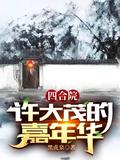 Siheyuan, Xu Damao's Carnival
Black Tiger Spring626k Wordscompleted
3.5kReads8.1Score125Shelves
Siheyuan, Xu Damao's Carnival
Black Tiger Spring626k Wordscompleted
3.5kReads8.1Score125Shelves
Reader note
There are no monsters, just live a down-to-earth life
-
217
穿
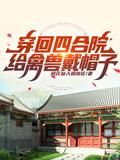 Wear Back to **********
completed
—Reads5.8Score—Shelves
Wear Back to **********
completed
—Reads5.8Score—Shelves
Reader note
There are no monsters, just live a down-to-earth life
-
218
四
 My Starting Point in Siheyuan Was a Bit High.
Discover the Flowers That Are Still Sleeping1.1M Wordscompleted
26.8kReads8.3Score971Shelves
My Starting Point in Siheyuan Was a Bit High.
Discover the Flowers That Are Still Sleeping1.1M Wordscompleted
26.8kReads8.3Score971Shelves
Reader note
There are no monsters, just live a down-to-earth life
-
219
四
 Siheyuan I Am Qin Huairu
Black Tiger SpringModern Romance341k Wordscompleted
1.6kReads8.7Score—Shelves
Siheyuan I Am Qin Huairu
Black Tiger SpringModern Romance341k Wordscompleted
1.6kReads8.7Score—Shelves
Reader note
There are no monsters, just live a down-to-earth life
-
220
四
 Siheyuan: I Don't Pay Back the Money I Owe, and Jia Zhang Is Angry and Crying
Spring Breeze Is Like a Knife880k Wordscompleted
32.8kReads8.3Score1.3kShelves
Siheyuan: I Don't Pay Back the Money I Owe, and Jia Zhang Is Angry and Crying
Spring Breeze Is Like a Knife880k Wordscompleted
32.8kReads8.3Score1.3kShelves
Reader note
🍅There is no violence in this courtyard house, and it is full of prosperity. I really can't stand it [laughing] The male protagonist starts as a level 4 riveter, and his fiancée He Yuyu has an excellent reputation in the courtyard. Because everyone in the hospital is his creditor, he likes to borrow money to maintain relationships.
-
221
四
 Siheyuan: Father Is Xu Damao, Mother Is Lou Xiao'e
From the Xianghuang Family264k Wordscompleted
15.4kReads9.2Score886Shelves
Siheyuan: Father Is Xu Damao, Mother Is Lou Xiao'e
From the Xianghuang Family264k Wordscompleted
15.4kReads9.2Score886Shelves
Reader note
These books are all written by the same author. It is really a super normal Siheyuan. The people in it have normal reactions and are not as anti-intellectual as other Siheyuan.
-
222
四
 Siheyuan: the Third Uncle Is My Biological Father
From the Xianghuang Family314k Wordscompleted
18kReads9.2Score716Shelves
Siheyuan: the Third Uncle Is My Biological Father
From the Xianghuang Family314k Wordscompleted
18kReads9.2Score716Shelves
Reader note
These books are all written by the same author. It is really a super normal Siheyuan. The people in it have normal reactions and are not as anti-intellectual as other Siheyuan.
-
223
四
 Siheyuan: Join the Long Live Army at the Beginning
Half Cup of Tea, Half Cup of Lake Bottom Sand504k Wordscompleted
51.2kReads9.1Score2.2kShelves
Siheyuan: Join the Long Live Army at the Beginning
Half Cup of Tea, Half Cup of Lake Bottom Sand504k Wordscompleted
51.2kReads9.1Score2.2kShelves
Reader note
High-quality Siheyuan Chronicles, Siheyuan novels that will keep you up late reading
-
224
四
 Siheyuan: Really Reaching Fullness of Love
Winter Morning Sunshine1.2M Wordscompleted
26.2kReads8.7Score1.1kShelves
Siheyuan: Really Reaching Fullness of Love
Winter Morning Sunshine1.2M Wordscompleted
26.2kReads8.7Score1.1kShelves
Reader note
🔥🔥This one is quite normal, there is no shit, there are not so many weird things. 🍁🍁The protagonist is Jia Zhang's cousin. With the protagonist suppressing him, Jia Zhang doesn't dare to act like a monster.
-
225
四
 Siheyuan: I Was Forced to Become the Pillar
The Tiger Does Not Meow1.1M Wordscompleted
14.3kReads8.1Score626Shelves
Siheyuan: I Was Forced to Become the Pillar
The Tiger Does Not Meow1.1M Wordscompleted
14.3kReads8.1Score626Shelves
Reader note
High-quality Siheyuan Chronicles, Siheyuan novels that will keep you up late reading
-
226
四
 Siheyuan: Traditional Chinese Medicine and His Thorny Neighbors
Tianyue 2578732k Wordsongoing
58.4kReads6.3Score4.9kShelves
Siheyuan: Traditional Chinese Medicine and His Thorny Neighbors
Tianyue 2578732k Wordsongoing
58.4kReads6.3Score4.9kShelves
-
227
四
 Siheyuan: He Yuzhu's Life of Wealth and Leisure
Chou Meng Meng1.3M Wordscompleted
61.5kReads5.8Score6.2kShelves
Siheyuan: He Yuzhu's Life of Wealth and Leisure
Chou Meng Meng1.3M Wordscompleted
61.5kReads5.8Score6.2kShelves
-
228
四
 Siheyuan: the Intelligence System Helped Me Get a Promotion and a Salary Increase
Tianyue 25781.5M Wordscompleted
43.3kReads6.6Score2.5kShelves
Siheyuan: the Intelligence System Helped Me Get a Promotion and a Salary Increase
Tianyue 25781.5M Wordscompleted
43.3kReads6.6Score2.5kShelves
-
229
四
 Siheyuan, I Have a Golden Finger!
Silk-Pulling Drama in Wine Stalls2.0M Wordsongoing
128.5kReads7.8Score10.8kShelves
Siheyuan, I Have a Golden Finger!
Silk-Pulling Drama in Wine Stalls2.0M Wordsongoing
128.5kReads7.8Score10.8kShelves
-
230
四
 Siheyuan: the Life of Coins
Dried Fish with Cat Cake1.6M Wordsongoing
72.9kReads6.6Score5.5kShelves
Siheyuan: the Life of Coins
Dried Fish with Cat Cake1.6M Wordsongoing
72.9kReads6.6Score5.5kShelves
-
231
四
 Siheyuan: Technical Department Is a Dangerous Job
Zhang Xuanyi1.4M Wordscompleted
38.4kReads7.4Score1.5kShelves
Siheyuan: Technical Department Is a Dangerous Job
Zhang Xuanyi1.4M Wordscompleted
38.4kReads7.4Score1.5kShelves
-
232
四
 Traveling Through the Siheyuan 1951 Nanluogu Alley
I'm a Big Brother854k Wordsongoing
45.8kReads6.4Score2.8kShelves
Traveling Through the Siheyuan 1951 Nanluogu Alley
I'm a Big Brother854k Wordsongoing
45.8kReads6.4Score2.8kShelves
-
233
这
 This Xu Damao Doesn't Know How to Show Movies
Not an Idiot170k Wordsongoing
19.3kReads6.2Score2kShelves
This Xu Damao Doesn't Know How to Show Movies
Not an Idiot170k Wordsongoing
19.3kReads6.2Score2kShelves
Reader note
Please give me your advice
-
234
都
 City, I Am the Chef of the Steel Rolling Mill
Extra Five and a Half Years Old247k Wordscompleted
1.1kReads5.3Score—Shelves
City, I Am the Chef of the Steel Rolling Mill
Extra Five and a Half Years Old247k Wordscompleted
1.1kReads5.3Score—Shelves
Reader note
They are all more everyday. I prefer the fifth and sixth books. The character who blows out the lantern is added in the seventh book, and there should be a plot of the ghost blowing out the lantern later.
-
235
四
 Siheyuan: I Am Xu Damao, the King of Science and Technology
Duobaodashao1.1M Wordscompleted
9kReads7.9Score473Shelves
Siheyuan: I Am Xu Damao, the King of Science and Technology
Duobaodashao1.1M Wordscompleted
9kReads7.9Score473Shelves
Reader note
They are all more everyday. I prefer the fifth and sixth books. The character who blows out the lantern is added in the seventh book, and there should be a plot of the ghost blowing out the lantern later.
-
236
四
 Sihe******
completed
—Reads5.8Score—Shelves
Sihe******
completed
—Reads5.8Score—Shelves
Reader note
They are all more everyday. I prefer the fifth and sixth books. The character who blows out the lantern is added in the seventh book, and there should be a plot of the ghost blowing out the lantern later.
-
237
年
 Age: I Have a Term Extraction System
Chen Erxian'er294k Wordscompleted
396Reads6.2Score—Shelves
Age: I Have a Term Extraction System
Chen Erxian'er294k Wordscompleted
396Reads6.2Score—Shelves
Reader note
They are all more everyday. I prefer the fifth and sixth books. The character who blows out the lantern is added in the seventh book, and there should be a plot of the ghost blowing out the lantern later.
-
238
四
 Siheyuan: My Name Is Cao Wei
A Fat Pig971k Wordscompleted
15.1kReads8.5Score763Shelves
Siheyuan: My Name Is Cao Wei
A Fat Pig971k Wordscompleted
15.1kReads8.5Score763Shelves
Reader note
They are all more everyday. I prefer the fifth and sixth books. The character who blows out the lantern is added in the seventh book, and there should be a plot of the ghost blowing out the lantern later.
-
239
四
 Siheyuan: a Good Life Earned
One Meter of Light4.1M Wordsongoing
34.5kReads7.3Score1.9kShelves
Siheyuan: a Good Life Earned
One Meter of Light4.1M Wordsongoing
34.5kReads7.3Score1.9kShelves
Reader note
They are all more everyday. I prefer the fifth and sixth books. The character who blows out the lantern is added in the seventh book, and there should be a plot of the ghost blowing out the lantern later.
-
240
四
 I Live in the Siheyuan in the West Crossing Courtyard
Northeast Cool Breeze516k Wordsongoing
7.4kReads6.5Score201Shelves
I Live in the Siheyuan in the West Crossing Courtyard
Northeast Cool Breeze516k Wordsongoing
7.4kReads6.5Score201Shelves
Reader note
Siheyuan
-
241
四
 Siheyuan Starts from the Underworld
The Rise of WafflesRural Life500k Wordscompleted
1.5kReads6.4Score—Shelves
Siheyuan Starts from the Underworld
The Rise of WafflesRural Life500k Wordscompleted
1.5kReads6.4Score—Shelves
Reader note
Siheyuan
-
242
*
 **
ongoing
—Reads5.8Score—Shelves
**
ongoing
—Reads5.8Score—Shelves
Reader note
Siheyuan
-
243
四
 Siheyuan: After Giving Compensation, the System Left
Peaceful Life2.5M Wordsongoing
62.7kReads6.2Score3.3kShelves
Siheyuan: After Giving Compensation, the System Left
Peaceful Life2.5M Wordsongoing
62.7kReads6.2Score3.3kShelves
Reader note
Siheyuan
-
244
穿
 Time Travel 60: Sit on the Mountain and Watch the Tiger Fight
Three Feet Green Peak705k Wordscompleted
9.4kReads6.4Score319Shelves
Time Travel 60: Sit on the Mountain and Watch the Tiger Fight
Three Feet Green Peak705k Wordscompleted
9.4kReads6.4Score319Shelves
Reader note
Siheyuan