The first book is an absolute surprise, with top marks and protection. The title and cover say it all. The physical body crushes supernatural powers. The setting is very novel. High-scoring masterpieces are common, but weird and absurd works are not common.
The beautiful jade is covered with dust, the immortal bones fall to the earth, and a thousand years of regrets written in one volume are written involuntarily.
Recommend a good book, the plot is novel and there is no meal replacement, the red cultivator pays homage to the martyrs, six people from all over the world gather together to meet the Chinese succubi, all kinds of talent shows, super hot-blooded and funny
# Classic Reconstruction: Recommended Reasons for Novels and Short Stories The charm of classic reconstruction lies in giving ancient stories a new lease of life from a new perspective, retaining the essence of the original while injecting contemporary thinking and emotions. The novels and short stories recommended below are all based on classic masterpieces. They either dismantle the codes of conspiracy, rewrite the fate of the characters, or reconstruct the story scenes, allowing readers to encounter new surprises within the familiar framework. ### Reasons for recommending the novel **1. "The World of Power: Thirty-Six Strategies" - writing "The Thirty-Six Strategies" into an epic of Machiavellian strategy** Reason for recommendation: Different from the simple annotation of "The Thirty-Six Strategies", "The World of Power: Thirty-Six Strategies" dismantles the strategy into a vivid game of characters and survival choices under the torrent of the times. It is not limited to a single historical background, but takes the "world of power" as the stage, connecting together the political planners of different dynasties and different identities - from the prime ministers in the temple to the counselors in the rivers and lakes, from the heroes in troubled times to the hermits in the prosperous times, everyone is making moves on the chessboard of "scheming". The presentation of strategies in the book is not a rigid application, but is advanced step by step based on the characters' personalities and the changes in the situation: for example, "encircling Wei and rescuing Zhao" is interpreted as a military containment across three cities, with precise calculations of people's hearts, food, and terrain hidden behind it; "killing with a borrowed knife" is related to intricate alliances of interests, allowing readers to understand the "human logic" behind the strategy in a tense plot. What's even more rare is that the novel does not glorify the cruelty of Machiavellian tactics. Instead, it triggers thinking about the "boundaries of power" through the struggles and costs of the characters - when tactics become the only weapon for survival, how should people keep the bottom line? This work not only satisfies readers' expectations for "the thrill of maneuvering", but also provides deeper reading value. It can be called a model of literary reconstruction of "Thirty-six Strategies". **2. "Bima Wen's Promotion" - a counterattack workplace script for "Bi Ma Wen"** Recommended reason: In "Journey to the West", "Bi Ma Wen" is often regarded as the "starting point of humiliation" for Sun Wukong, but this novel takes a different approach and uses "promotion" as the main line to reconstruct the fate of this character. It does not break away from the mythical background, but cleverly integrates the official position system of the Heavenly Court with the promotion logic of the modern workplace - "Bima Wen" is no longer a sinecure, but a grassroots manager of the "Tianma Management Department" of the Heavenly Court, who has to deal with Tianma's "emotional problems" (For example, Tianma is tired of the boring life in heaven), he has to balance the "KPI assessment" of his boss (such as Tianma's reproduction rate, running speed, etc.), And he also has to deal with "workplace competition" with other departments (such as competing for resources with the "Tianhe Management Group"). The protagonist's path to promotion does not rely on magical powers, but on the wisdom of solving problems, the patience of team management, and the flexible use of "workplace rules." The details of the "Heavenly Workplace" in the book are realistic and humorous, such as the process of the "Heavenly Year-end Work Report", the "workplace characters" of different immortal positions, etc., Allowing readers to relive the mythical atmosphere of "Journey to the West" through relaxed reading, and gain a new understanding of "workplace growth" - even seemingly ordinary positions can achieve value breakthroughs through hard work and strategies. This work uses humorous touches to inject fresh vitality into classic characters. It is a masterpiece of "myth + workplace" reconstruction. ### Reasons for recommending short stories **1. "Dream of Red Mansions: Spring Breeze from the Brocade Box" - A glimpse of another side of the Grand View Garden from the "Jade Box"** Reason for recommendation: The grand narrative of "A Dream of Red Mansions" often focuses on Bao Dai's love and the rise and fall of the family, while "Spring Breeze from the Brocade Box" uses the "Jade Box" as an incision to focus on the fate of a marginalized maid in the Grand View Garden. At the beginning of the story, when the maid was cleaning the Xiaoxiang Pavilion, she accidentally discovered the brocade box left by Lin Daiyu - there was no gold or silver jewelry in the box, only half a piece of dried rouge, a few flattened petals, and a silk handkerchief filled with poems. Through the maid's exploration of the brocade box, the story connects the details of daily life in the Grand View Garden: from the color of the rouge, she guesses Daiyu's mood on a rainy day; from the types of petals, she thinks of the laughter at a flower-viewing banquet; from the strokes of the poem, she reads Daiyu's longing for her distant relatives. And the "spring breeze" is the turning point of the story - when the maid quietly returned the brocade box, the spring wind happened to blow through the Grand View Garden, blowing a corner of the silk handkerchief, and also blowing her own mood - she began to be unwilling to just be a "cleaner of the brocade box", but wanted to find a "vitality in the spring breeze" for herself. There is no grand conflict in the story, but it uses delicate writing to show the emotional world of the "marginal characters" in "A Dream of Red Mansions", allowing readers to see different temperatures and power in familiar scenes. This short story makes a big deal out of small details. It not only retains the poetry and delicacy of "A Dream of Red Mansions", but also gives more vivid life to the marginal characters. It is a model of "detailed reconstruction" in classic reconstruction. **2. "Journey to the West: My Family Lives Under the Wuzhi Mountain" - From the perspective of the "residents under the mountain", look at the other side of "suppressing Sun Wukong"** Recommended reason: In "Journey to the West", "the Wuzhi Mountain suppresses Sun Wukong" is a well-known plot, but few people pay attention to how the "residents under the Wuzhi Mountain" live. This short story reconstructs this classic from the first-person perspective of a "resident under the mountain" - "I" have known since childhood that there is a "Monkey King" lying on the mountain. The old man in the village said that the Monkey King's breath will make the rocks shake, and his sighs will make the stream cool. The story does not focus on the magical powers of Sun Wukong, but instead depicts the bond between "I" and "life under the mountain": for example, when I was a child, "I" would secretly put wild fruits in the cracks of Wuzhi Mountain and hear a low "thank you" coming from inside; when I grew up, "I" discovered that the soil under the mountain was particularly fertile. Fertile, the crops planted were fuller than elsewhere, and I realized that this was the result of the nourishment of the Monkey King with his magical power; when Tang Monk passed by and wanted to rescue the Monkey King, "I" was both happy for the Monkey King, but also a little reluctant to leave it - after all, this mountain and this "neighbor" have long become a part of "my" life. At the end of the story, "I" stood at the foot of the mountain, watching the Five Fingers Mountain collapse, the Great Sage rising into the sky, and the sun shining on the Great Sage's golden armor, and also on "my" face - at that moment, "I" knew that life at the foot of the mountain would change, but those years spent with the mountain would remain in my memory forever. This short story uses a unique perspective to provide a warmer interpretation of the classic plot. It not only retains the mythical color of "Journey to the West", but also adds a sense of reality that "ordinary people and myths coexist". It is a masterpiece of "perspective reconstruction" in classic reconstruction. ### Recommended summary The common highlight of these works is "reconstruction without subversion" - they do not abandon the core elements of classic masterpieces (such as the mythological background of "Journey to the West" and the poetic atmosphere of "A Dream of Red Mansions"), but give the classics new vitality through **new perspectives, new characters, and new story lines**. Whether you are a reader who likes politics and the workplace, or a reader who loves poetry and warmth, you can find resonance in these works. They prove the charm of classic reconstruction: not to repeat the past, but to tell the stories of the past to new readers in a contemporary context.
# Classic Reconstruction: Recommended Reasons for Novels and Short Stories The charm of classic reconstruction lies in giving ancient stories a new lease of life from a new perspective, retaining the essence of the original while injecting contemporary thinking and emotions. The novels and short stories recommended below are all based on classic masterpieces. They either dismantle the codes of conspiracy, rewrite the fate of the characters, or reconstruct the story scenes, allowing readers to encounter new surprises within the familiar framework. ### Reasons for recommending the novel **1. "The World of Power: Thirty-Six Strategies" - writing "The Thirty-Six Strategies" into an epic of Machiavellian strategy** Reason for recommendation: Different from the simple annotation of "The Thirty-Six Strategies", "The World of Power: Thirty-Six Strategies" dismantles the strategy into a vivid game of characters and survival choices under the torrent of the times. It is not limited to a single historical background, but takes the "world of power" as the stage, connecting together the political planners of different dynasties and different identities - from the prime ministers in the temple to the counselors in the rivers and lakes, from the heroes in troubled times to the hermits in the prosperous times, everyone is making moves on the chessboard of "scheming". The presentation of strategies in the book is not a rigid application, but is advanced step by step based on the characters' personalities and the changes in the situation: for example, "encircling Wei and rescuing Zhao" is interpreted as a military containment across three cities, with precise calculations of people's hearts, food, and terrain hidden behind it; "killing with a borrowed knife" is related to intricate alliances of interests, allowing readers to understand the "human logic" behind the strategy in a tense plot. What's even more rare is that the novel does not glorify the cruelty of Machiavellian tactics. Instead, it triggers thinking about the "boundaries of power" through the struggles and costs of the characters - when tactics become the only weapon for survival, how should people keep the bottom line? This work not only satisfies readers' expectations for "the thrill of maneuvering", but also provides deeper reading value. It can be called a model of literary reconstruction of "Thirty-six Strategies". **2. "Bima Wen's Promotion" - a counterattack workplace script for "Bi Ma Wen"** Recommended reason: In "Journey to the West", "Bi Ma Wen" is often regarded as the "starting point of humiliation" for Sun Wukong, but this novel takes a different approach and uses "promotion" as the main line to reconstruct the fate of this character. It does not break away from the mythical background, but cleverly integrates the official position system of the Heavenly Court with the promotion logic of the modern workplace - "Bima Wen" is no longer a sinecure, but a grassroots manager of the "Tianma Management Department" of the Heavenly Court, who has to deal with Tianma's "emotional problems" (For example, Tianma is tired of the boring life in heaven), he has to balance the "KPI assessment" of his boss (such as Tianma's reproduction rate, running speed, etc.), And he also has to deal with "workplace competition" with other departments (such as competing for resources with the "Tianhe Management Group"). The protagonist's path to promotion does not rely on magical powers, but on the wisdom of solving problems, the patience of team management, and the flexible use of "workplace rules." The details of the "Heavenly Workplace" in the book are realistic and humorous, such as the process of the "Heavenly Year-end Work Report", the "workplace characters" of different immortal positions, etc., Allowing readers to relive the mythical atmosphere of "Journey to the West" through relaxed reading, and gain a new understanding of "workplace growth" - even seemingly ordinary positions can achieve value breakthroughs through hard work and strategies. This work uses humorous touches to inject fresh vitality into classic characters. It is a masterpiece of "myth + workplace" reconstruction. ### Reasons for recommending short stories **1. "Dream of Red Mansions: Spring Breeze from the Brocade Box" - A glimpse of another side of the Grand View Garden from the "Jade Box"** Reason for recommendation: The grand narrative of "A Dream of Red Mansions" often focuses on Bao Dai's love and the rise and fall of the family, while "Spring Breeze from the Brocade Box" uses the "Jade Box" as an incision to focus on the fate of a marginalized maid in the Grand View Garden. At the beginning of the story, when the maid was cleaning the Xiaoxiang Pavilion, she accidentally discovered the brocade box left by Lin Daiyu - there was no gold or silver jewelry in the box, only half a piece of dried rouge, a few flattened petals, and a silk handkerchief filled with poems. Through the maid's exploration of the brocade box, the story connects the details of daily life in the Grand View Garden: from the color of the rouge, she guesses Daiyu's mood on a rainy day; from the types of petals, she recalls the laughter at a flower-viewing banquet; from the strokes of the poem, she reads Daiyu's longing for her distant relatives. The "spring breeze" is the turning point of the story - when the maid quietly returned the brocade box, the spring wind happened to blow through the Grand View Garden, blowing a corner of the silk handkerchief, and also blowing her own mood - she began to be unwilling to just be a "cleaner of the brocade box", but wanted to find a "vitality in the spring breeze" for herself. There is no grand conflict in the story, but it uses delicate writing to show the emotional world of the "marginal characters" in "A Dream of Red Mansions", allowing readers to see different temperatures and power in familiar scenes. This short story makes a big deal out of small details. It not only retains the poetry and delicacy of "A Dream of Red Mansions", but also gives more vivid life to the marginal characters. It is a model of "detailed reconstruction" in classic reconstruction. **2. "Journey to the West: My Family Lives Under the Wuzhi Mountain" - From the perspective of the "residents under the mountain", look at the other side of "suppressing Sun Wukong"** Recommended reason: In "Journey to the West", "the Wuzhi Mountain suppresses Sun Wukong" is a well-known plot, but few people pay attention to how the "residents under the Wuzhi Mountain" live. This short story reconstructs this classic from the first-person perspective of a "resident under the mountain" - "I" have known since childhood that there is a "Monkey King" lying on the mountain. The old man in the village said that the Monkey King's breath will make the rocks shake, and his sighs will make the stream cool. The story does not focus on the magical powers of Sun Wukong, but instead depicts the bond between "I" and "life under the mountain": For example, when I was a child, "I" would secretly put wild fruits in the cracks of Wuzhi Mountain and hear a low "Thank you" coming from inside; when I grew up, "I" discovered that the soil under the mountain was particularly fertile. Fertile, the crops planted were fuller than elsewhere, and I realized that this was the result of the nourishment of the Monkey King with his magical power; when Tang Monk passed by and wanted to rescue the Monkey King, "I" was both happy for the Monkey King, but also a little reluctant to leave it - after all, this mountain and this "neighbor" have long become a part of "my" life. At the end of the story, "I" stood at the foot of the mountain, watching the Five Fingers Mountain collapse, the Great Sage rising into the sky, and the sun shining on the Great Sage's golden armor and "my" face - at that moment, "I" knew that life at the foot of the mountain would change, but those years spent with the mountain would remain in my memory forever. This short story uses a unique perspective to provide a warmer interpretation of the classic plot. It not only retains the mythical color of "Journey to the West", but also adds a sense of reality that "ordinary people and myths coexist". It is a masterpiece of "perspective reconstruction" in classic reconstruction. ### Recommended summary The common highlight of these works is "reconstruction without subversion" - they do not abandon the core elements of classic masterpieces (such as the mythical background of "Journey to the West" and the poetic atmosphere of "A Dream of Red Mansions"), but give the classics new vitality through **new perspectives, new characters, and new story lines**. Whether you are a reader who likes politics and the workplace, or a reader who loves poetry and warmth, you can find resonance in these works. They prove the charm of classic reconstruction: not to repeat the past, but to tell the stories of the past to new readers in a contemporary context.
 Shanghai at Night: Shanghai Beach
50Reads5.8Score—Shelves
Shanghai at Night: Shanghai Beach
50Reads5.8Score—Shelves
 The Hero of Shanghai at Night Has No Regrets
87Reads5.8Score—Shelves
The Hero of Shanghai at Night Has No Regrets
87Reads5.8Score—Shelves
 After Three Years of Marriage, All the People I Sleep with Are Life-Seeking Ghosts.
—Reads8.4Score—Shelves
After Three Years of Marriage, All the People I Sleep with Are Life-Seeking Ghosts.
—Reads8.4Score—Shelves
 The Martian Era: the Road to Venus
37Reads5.8Score—Shelves
The Martian Era: the Road to Venus
37Reads5.8Score—Shelves
 After Being Kicked Out by a Wealthy Family, I Became the Biggest Client of My Ex-Husband's Family
—Reads8.5Score—Shelves
After Being Kicked Out by a Wealthy Family, I Became the Biggest Client of My Ex-Husband's Family
—Reads8.5Score—Shelves
 Anti-Drug Elite
9Reads5.8Score—Shelves
Anti-Drug Elite
9Reads5.8Score—Shelves
 On the Day I Was Divorced, I Picked up a Middle Eastern Prince in Yiwu
6Reads8.5Score—Shelves
On the Day I Was Divorced, I Picked up a Middle Eastern Prince in Yiwu
6Reads8.5Score—Shelves
 I Deliver Food, and You Negotiate a Tens-Billion Contract with Me?
—Reads8.5Score—Shelves
I Deliver Food, and You Negotiate a Tens-Billion Contract with Me?
—Reads8.5Score—Shelves
 I Have the Company's Layoff List
—Reads8.5Score—Shelves
I Have the Company's Layoff List
—Reads8.5Score—Shelves
 No One Can Escape the Crazy Love of the Powerful Brother
3.2kReads9.8Score—Shelves
No One Can Escape the Crazy Love of the Powerful Brother
3.2kReads9.8Score—Shelves
 Female Truck Driver in the 1980S: I Tore up My Marriage Certificate and Became a Millionaire After Running Long Distances
—Reads8.5Score—Shelves
Female Truck Driver in the 1980S: I Tore up My Marriage Certificate and Became a Millionaire After Running Long Distances
—Reads8.5Score—Shelves
 The Craziest Ancestor in the Villa Depends on Me
16Reads8.5Score—Shelves
The Craziest Ancestor in the Villa Depends on Me
16Reads8.5Score—Shelves
 On the Day of Divorce, I Sent My Ex-Husband and Mistress to the Tax Bureau
—Reads8.5Score—Shelves
On the Day of Divorce, I Sent My Ex-Husband and Mistress to the Tax Bureau
—Reads8.5Score—Shelves
 I Went to Bully the Male Protagonist with a Penny in My Pocket, but He Took Advantage of Me Instead.
11Reads8.6Score—Shelves
I Went to Bully the Male Protagonist with a Penny in My Pocket, but He Took Advantage of Me Instead.
11Reads8.6Score—Shelves
 In Preparation for Divorce, I Help Stay-At-Home Moms Have a Way Out
—Reads8.5Score—Shelves
In Preparation for Divorce, I Help Stay-At-Home Moms Have a Way Out
—Reads8.5Score—Shelves
 I Wish You Could Ride This Horse Day and Night
745Reads9.6Score—Shelves
I Wish You Could Ride This Horse Day and Night
745Reads9.6Score—Shelves
 Dead Man's Caller ID
—Reads8.5Score—Shelves
Dead Man's Caller ID
—Reads8.5Score—Shelves
 The Real Daughter Is Coming Back, I Spent the Whole Night Collecting Money and Running Away
—Reads8.6Score—Shelves
The Real Daughter Is Coming Back, I Spent the Whole Night Collecting Money and Running Away
—Reads8.6Score—Shelves
 He Was so Shameless as He Rushed to Be an Outsider.
21Reads8.5Score—Shelves
He Was so Shameless as He Rushed to Be an Outsider.
21Reads8.5Score—Shelves
 Don't Order Takeout at Night
—Reads8.6Score—Shelves
Don't Order Takeout at Night
—Reads8.6Score—Shelves
 Chuan Shu Lu Ding's Self-Cultivation: First Make Party a into a Love Brain
99Reads8.5Score—Shelves
Chuan Shu Lu Ding's Self-Cultivation: First Make Party a into a Love Brain
99Reads8.5Score—Shelves
 Three Years After the Divorce, He Knelt at the Door of My Son's Recovery Room and Begged to Get Back Together.
—Reads8.5Score—Shelves
Three Years After the Divorce, He Knelt at the Door of My Son's Recovery Room and Begged to Get Back Together.
—Reads8.5Score—Shelves
 After Sorting Out the Belongings, I Received a Text Message from the Deceased
—Reads8.6Score—Shelves
After Sorting Out the Belongings, I Received a Text Message from the Deceased
—Reads8.6Score—Shelves
 Jade Returns to Dust
—Reads8.5Score—Shelves
Jade Returns to Dust
—Reads8.5Score—Shelves
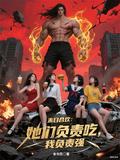 Doomsday Acacia: They Are Responsible for Eating, I Am Responsible for Raping
709Reads8.2Score105Shelves
Doomsday Acacia: They Are Responsible for Eating, I Am Responsible for Raping
709Reads8.2Score105Shelves
 Book on the Mountain: Chronicles of the Twelve Fairy Mountains
—Reads8.6Score—Shelves
Book on the Mountain: Chronicles of the Twelve Fairy Mountains
—Reads8.6Score—Shelves
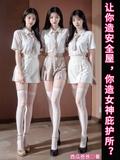 The End of the World: My Ex-Wife Went Crazy with Hunger, so I Stocked up on Goddesses
1.2kReads6.5Score131Shelves
The End of the World: My Ex-Wife Went Crazy with Hunger, so I Stocked up on Goddesses
1.2kReads6.5Score131Shelves
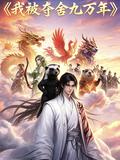 I Have Been Robbed of My Body for Ninety Thousand Years
1.3kReads5.8Score138Shelves
I Have Been Robbed of My Body for Ninety Thousand Years
1.3kReads5.8Score138Shelves
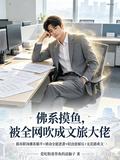 A Buddhist Who Fishes for Fish, and Is Praised by the Entire Internet as a Cultural and Tourism Tycoon
273Reads5.8Score—Shelves
A Buddhist Who Fishes for Fish, and Is Praised by the Entire Internet as a Cultural and Tourism Tycoon
273Reads5.8Score—Shelves
 White-Eyed Wolf School Belle Comes to Ask for Money and Explore Life
16Reads5.8Score—Shelves
White-Eyed Wolf School Belle Comes to Ask for Money and Explore Life
16Reads5.8Score—Shelves
 Game Invasion: Players Can Travel Through Time Only After I Become Emperor
345.6kReads9.2Score32.1kShelves
Game Invasion: Players Can Travel Through Time Only After I Become Emperor
345.6kReads9.2Score32.1kShelves
 Glacier Apocalypse: I Can Kill 10,000 Times the Supplies in One Dollar
1.6kReads5.7Score239Shelves
Glacier Apocalypse: I Can Kill 10,000 Times the Supplies in One Dollar
1.6kReads5.7Score239Shelves
 Rebirth and Awakening: Lingxiao Emperor System Helps Me Reach the Top
1Reads5.8Score—Shelves
Rebirth and Awakening: Lingxiao Emperor System Helps Me Reach the Top
1Reads5.8Score—Shelves
 Doomsday: a World Full of Girls, I Feel so Happy That I Can Fly
128Reads5.8Score—Shelves
Doomsday: a World Full of Girls, I Feel so Happy That I Can Fly
128Reads5.8Score—Shelves
 Urban Cultivation, I Dominate the Universe
8Reads5.8Score—Shelves
Urban Cultivation, I Dominate the Universe
8Reads5.8Score—Shelves
 Yanyu
23.5kReads6.8Score1.5kShelves
Yanyu
23.5kReads6.8Score1.5kShelves
 Unemployed at 30, I Rely on the System to Revitalize My Century-Old Career
2Reads5.8Score—Shelves
Unemployed at 30, I Rely on the System to Revitalize My Century-Old Career
2Reads5.8Score—Shelves
 What's Wrong with Liking Pretty Aunties?
46.2kReads8.7Score4.3kShelves
What's Wrong with Liking Pretty Aunties?
46.2kReads8.7Score4.3kShelves
 From Abandoned Disciple to Demon Lord, Master Kneels Down to Me
198Reads8.7Score—Shelves
From Abandoned Disciple to Demon Lord, Master Kneels Down to Me
198Reads8.7Score—Shelves
 When a Reborn Person Encounters an Alien System
7Reads—Score—Shelves
When a Reborn Person Encounters an Alien System
7Reads—Score—Shelves
 Hogwarts: Cheats Come from Teyvat
5kReads9.1Score530Shelves
Hogwarts: Cheats Come from Teyvat
5kReads9.1Score530Shelves
 When a Man Turns into a Village Girl, the Whole Family Starts to Tremble
218Reads8.5Score—Shelves
When a Man Turns into a Village Girl, the Whole Family Starts to Tremble
218Reads8.5Score—Shelves
 Demon Slayer: Everyone Has Arrived in Modern Society
75Reads8.5Score—Shelves
Demon Slayer: Everyone Has Arrived in Modern Society
75Reads8.5Score—Shelves
 The Snake Man Picked up from the Garbage Dump Pretends to Have Amnesia Every Day, and Says in the Barrage That He Wants to Marry Me
110Reads8.8Score—Shelves
The Snake Man Picked up from the Garbage Dump Pretends to Have Amnesia Every Day, and Says in the Barrage That He Wants to Marry Me
110Reads8.8Score—Shelves
 Fun Three Kingdoms
98Reads5.8Score—Shelves
Fun Three Kingdoms
98Reads5.8Score—Shelves
 Bi Mawen's Promotion Story
1Reads—Score—Shelves
Bi Mawen's Promotion Story
1Reads—Score—Shelves
 I Was Peeking at Her and She Was Peeking at Me
1.3kReads8.9Score—Shelves
I Was Peeking at Her and She Was Peeking at Me
1.3kReads8.9Score—Shelves
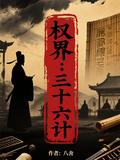 Power Realm: Thirty-Six Strategies
1Reads—Score—Shelves
Power Realm: Thirty-Six Strategies
1Reads—Score—Shelves
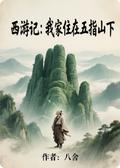 Journey to the West: My Family Lives at the Foot of Wuzhi Mountain
2Reads8.7Score—Shelves
Journey to the West: My Family Lives at the Foot of Wuzhi Mountain
2Reads8.7Score—Shelves
 Simulate a Thousand Times, I Have the Escape Game Speed Pass Method
116.5kReads9.6Score17.4kShelves
Simulate a Thousand Times, I Have the Escape Game Speed Pass Method
116.5kReads9.6Score17.4kShelves