This book is about the philosophy of love and officialdom. The male protagonist finally divorced the female protagonist because he hoped that the female protagonist could find someone who had time to love her. How could the female protagonist forget such an innocent, kind and capable person like the male protagonist? I hope they will meet in another parallel universe when the snow ends, but unfortunately the story has ended long ago. This book covers personal growth, love, and officialdom. Although it is a short story of more than 10,000 words, it contains many golden sentences that can only be understood by thinking hard.
① From a female perspective, there are no names in the dialogue, and it describes the confusion in modern people's marriage and love life. After the initial warm embrace, people discovered that the following days were just routine separations, and the original passionate love was no longer there, giving people the impression that marriage is a tomb. ② Healing while collapsing, a happy day is victory. ③On the island, everyone has to wash their school uniforms by hand and do gymnastics at six in the morning in the winter sea breeze. So, here we are all the same, right? ④Their story didn't start well enough. He was mean, he did whatever he wanted, and he took over her life forcefully. But even so, he appeared at the perfect time and dragged her out of the abyss. She struggled with reason and moved her heart soberly.
This is a novel that ordinary people can change their lives in real life after reading it. Note that it is in real life, not in a dream. This book will not tell you big principles, nor will it teach you to fantasize all day long. It will only give you practical operations. After reading this book, your life will be reversed. It is recommended to put this book on your bookshelf and read it carefully
My first book, the heroine is a brothel courtesan, with stunning appearance, she is proficient in playing music, chess, calligraphy, painting, poetry and song, and her writing style is okay. I cannot change the title for the time being. Is there anyone willing to help me read it? In the Red Mansions fanfiction I wrote, Shen Qingyuan, a doctor of traditional Chinese medicine, penetrates Daiyu with his soul, cures diseases and saves people, subverts the bad luck department, and leads the Twelve Beauties of Jinling on the road to immortality. [Almost crying][laughing]
It really has philosophical depth. Follow it and read it slowly. There are four volumes in the book, each with a philosophical proposition. Now for the first volume, it won't be boring. I want to write philosophy in the form of online articles!
Try this book, also known as "Liu Yao Zangju". Machiavellian martial arts, suspense solving, and genius revenge. The writing style is humorous, make it a joy to read, and you won't regret it if you get into it! 🦩🦩🦩
This is the most distinctive cross-border book you can find. Following the plot, the book contains the most useful knowledge from 17 disciplines including psychology, economics, logic, game theory, and advanced mathematics, as well as cutting-edge mainstream scientific explanations. It will quickly build your thinking framework and improve your cognitive level. Feng shui metaphysics, divination and fortune telling will no longer be something that can fool you. (If you have any questions, jump directly to Chapter 134, explain the problem from the root, and rub the charlatan on the ground.) The story is funny, but not ridiculous. The group of protagonists is not normal. The reader's laughter has nothing to do with the author. As for the plot, it's up to you to guess it. Even if you put aside the knowledge, the plot of the whole book is a suspense story with strict logic. There are a lot of foreshadowings. The second and third chapters are all interesting. It is not a scattered plot put together for the purpose of telling knowledge. Some chapters are specially designed to train diverse thinking. Reading slowly can improve your cognition. If you find that the plot logic is unreasonable, the author will lie on the ground and let you beat him! Good things have different opinions. The author became bald just to write this book! I don't dare to advertise like this if I don't have anything. Are the "high-IQ protagonists" you see in cool articles really smart, or is it just a literary technique? If you don't know how truly logical people think, this book will tell you.
I would like to recommend these two books. One is a Warring States version of A Song of Ice and Fire that is full of history, and the other is a magical realism novel that slices through time.
With a magnificent cosmic epic, the cross, crescent moon, and Falun are melted into an ark spanning the sea of stars. When religious symbols shed their exclusive shells, and when the cage of scriptures is dismantled into the building blocks of creation, this book reveals the most shocking truth: divinity is not found in temples, but is hidden in the stars in human eyes when we join hands. All religions return to their origin, and what they return to is the child-like never-ending creation and compassion of the universe.
I would like to boldly recommend my own work here. It is an existential literary novel that I created under the influence of literary works such as "The Outsider" and "The Catcher in the Rye". Unfortunately, no publisher is willing to publish it. I hope it can be seen by more readers here. Since the first chapter of the novel is the chapter that lays down the background of the whole text, it may seem too technical and boring. It will gradually get better from the second chapter. I am confident that the writing, plot and ideas of this book will never let you down! Thank you for your reading and criticism! Introduction to the novel: (A tribute to "The Outsider" and "The Catcher in the Rye") When Camus's absurdity meets Salinger's rebellion, when the steel forest of the 21st century collides with the emptiness deep in human nature - the protagonist Miao Zhao, an economics college student from an intellectual family, is standing on the fault line of the times. He is a sober person who deconstructs market logic in the classroom, a bystander who touches real suffering on the assembly line, and a wanderer in the countryside who asks for the meaning of existence. From the neon lights in Lujiazui to the roar of factories, from the regulations of libraries to the smoke in the countryside, he witnessed the entropy of order and the deterioration of human nature. In the collision of capital and ideals, in the pull of alienation and persistence, he asked over and over again: When the world becomes a theater of absurdity, how should individuals find the anchor point of existence? This was not a passionate resistance, but a lonely breakout. From the city to the countryside, from books to reality, Miao Zhao, with both pessimism and passionate love for the world, searches for his own undefined answer to survival in the wilderness of nothingness. When existentialism meets the Chinese texture of the 21st century, every soul struggling in absurdity can see his own shadow in his journey.
The golden bowl: the magic of capital in the incompleteness. Lao Zhou has been repairing porcelain under the ancient city wall for thirty years. The copper nails of the porcelain can bloom in his hands. In the autumn of 2024, an old man who collected scraps delivered a porcelain bowl that was broken into seven petals. The walls of the bowl were as thin as cicada wings, showing the unique warm luster of shadow celadon from the Song Dynasty. Unfortunately, a piece of porcelain was missing from the rim of the bowl, and the cracks spread like spider webs. "Old Zhou, no one wants this broken bowl. See if you can repair it. Just give me a dollar." The old man said and put the bowl pieces on the counter. Lao Zhou rubbed the porcelain piece and recognized it as a shadow green bowl from Hutian kiln in the Song Dynasty. This kind of porcelain is "as thin as paper and as bright as a mirror" and is rare to this day. He bought it for fifty yuan and repaired it carefully using gold repair techniques - lacquer mixed with gold powder to fill the cracks, and then seven times of grinding and polishing. Seven days later, the broken bowl was given a new lease of life: gold threads snaked along the cracks, like embroidering golden vines on the plain white porcelain surface, and the missing porcelain was repaired into a small golden flower, giving it a bit more charm than when it was complete. The repaired bowls were placed in the shop. Tourists passing by took a glance and left: "It's so ugly to see a good bowl like this." The owner of the tableware shop next door joked: "Old Zhou, why don't you use this broken bowl as a flower pot for me, and I'll replace it with a brand new one for you." Bone china bowl." Lao Zhou smiled and shook his head. He remembered what his master had said. The beauty of the "golden iron wire" in Ge kiln in the Song Dynasty was the result of incompleteness, just like the Mansheng pot in the Qing Dynasty. If it was deliberately dropped out of the kiln and then repaired, the price would be three times higher than that of a perfect similar product. The turning point came on a rainy day. Local Internet celebrity "Wenlv Aya" broke into the shop while hiding from the rain and caught a glimpse of the golden bowl. She held up her mobile phone and broadcast live: "Family members, look! This is not an ordinary broken bowl. It is an ancient porcelain from the Song Dynasty that was repaired using intangible cultural heritage gold repair techniques. The cracks in the gold threads are so amazing. This is the 'wabi-sabi style' of Eastern aesthetics!" In the camera, the gold repair bowl glows warmly under the light, and the gold threads in the cracks seem to be alive. This live broadcast unexpectedly became a hit, with tens of millions of views, making Jin Zhiwan an internet celebrity item. Someone left a message: "This bowl has a story more than a perfect porcelain bowl." Others asked about the price of restoration. Lao Zhou didn't think much and received hundreds of repair orders one after another. The repair fee for the most expensive teapot was 2,000 yuan, and the restorer's monthly income was stable at over 10,000 yuan. But he didn't expect that a capital storm was quietly brewing. Cultural fund manager Lin Kai watched the live broadcast. With his professional sensitivity, he immediately found Lao Zhou. "Master Zhou, I will pay 100,000 yuan to buy this bowl, and then we will cooperate with you to develop the gold frame series." Lin Kai's plan is very thorough: first conduct a scientific and technological appraisal of the ancient bowl, use thermoluminescence testing to confirm that it is an authentic product of the Southern Song Dynasty, and then invite the intangible cultural heritage heirs to record a restoration documentary, and package "Song Dynasty ancient porcelain + intangible cultural heritage + craftsman spirit" into a cultural IP. Soon, this broken bowl, which was once worth one dollar, had a new identity: "Southern Song Dynasty Shadow Lazuli Guanzhan". Lin Kai's team registered it as a digital collection and issued 1,000 equity certificates on the Ant Chain, which sold out in 36 seconds. They also took it to the cultural fair, where it was placed together with the patched handbags from the LV show and Gucci's raw edge denim bags, focusing on the concept of "incomplete luxury" - just like those Capucines patch bags priced at 280,000, the deliberately retained traces of wear and tear have become a symbol of high-end. In the spring of 2025, this gold-made bowl appeared on the auction house stage. At this time, its background story is full enough: treasures from the Hutian Kiln of the Southern Song Dynasty, broken after eight hundred years of vicissitudes, repaired by intangible cultural heritage goldsmithing techniques, and internet celebrity cultural relics exposed to tens of millions. The auctioneer quoted a starting price of 800,000 yuan, and the bidding on the spot was fierce. In the end, it was hammered down by a collector for 12 million yuan. This price was ten times the price of an ordinary complete Song Dynasty Yingqing bowl in the same period, and comparable to the 8.8 Million Chenghua residual porcelain jar at the French auction in 2025. The news spread, and the ancient city exploded. The owner of the tableware store next door looked at the piles of perfect bone china bowls on his shelves and was puzzled: "My bowl is white and round, and it's hard to sell it for ten yuan a piece. Why should his broken bowl be sold for ten million?" Lao Zhou was also confused. He had repaired countless complete pieces of fine bone china, but had never sold them at this price. Lin Kai put it bluntly: "Today's capital does not lack perfect products, but scarce symbols with stories. What you repair is not the bowl, but the cultural code that capital can hype." The magic does not stop at a porcelain bowl. Lin Kai's team focused on the ancient houses of the Ming and Qing Dynasties in the suburbs. Those leaky old houses were originally ignored. They learned from Fuzhou's ancient building financial innovation model, applied for special repair loans, and renovated them using the concept of "repairing the old as before": retaining the mottled walls, using copper nails to reinforce cracked wooden beams, and replacing the broken stained windows with new styles of gold paint splicing. The renovated ancient house has been turned into a "waste-style" B&B, priced at 3,000 yuan per night, and reservations are scheduled for three months. It is like a desert ruin camp in Jordan, the more incomplete it is, the more popular it is. What's even more surprising is that this kind of "fragment economics" has spread to more fields: the ruins after the war in Syria were transformed into cultural and tourism complexes, with an average daily passenger flow of 20,000 people; the fragments of Dunhuang murals were divided into one million virtual rights through the blockchain, and each share was snatched up for 999 yuan; even designer Keisuke Yoshida's 2026 spring and summer series used laser cutting to create fragmented hollows, turning "tired elegance" into a fashion trend. Lao Zhou never repaired such an expensive broken bowl, but he understood a truth: perfect things can be found everywhere, but incomplete stories are unique. Capital is like a skilled magician, turning a broken bowl worth one dollar into a sky-high price treasure sought after by the upper class through cultural packaging, story rendering, and scarcity creation. Just like the copper nails he used when cutting porcelain, they were originally tools to repair defects, but under the operation of capital, they became a symbol of luxury. Today, a new sign hangs in Lao Zhou's shop: "Jin Zhen Intangible Cultural Heritage Studio." Every day, young people come to learn restoration skills, and capital parties also come to discuss cooperation. He occasionally thought of the old man who collected scraps. If he had known that this broken bowl could be sold for 10 million, would his jaw have dropped? And those perfect porcelain bowls that no one cares about on the shelves seem to be silently telling the paradox of this era: when capital learns to price imperfections, imperfection becomes the most expensive luxury product. This is not the fault of culture, nor the evil of capital, but when three thousand years of ingenuity meets the magic of modern capital, incompleteness gives birth to a value beyond perfection. Under the projection lights, carnivals about scarcity and symbols are staged.
 Yin Fu Zhao Yan Lu
—Reads8.6Score—Shelves
Yin Fu Zhao Yan Lu
—Reads8.6Score—Shelves
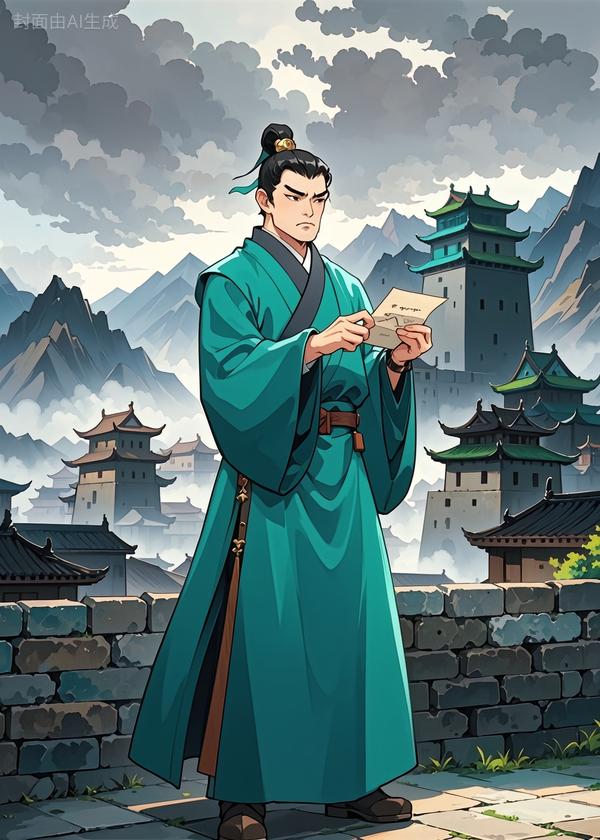 The Beginning of Tang Dynasty
1Reads8.5Score—Shelves
The Beginning of Tang Dynasty
1Reads8.5Score—Shelves
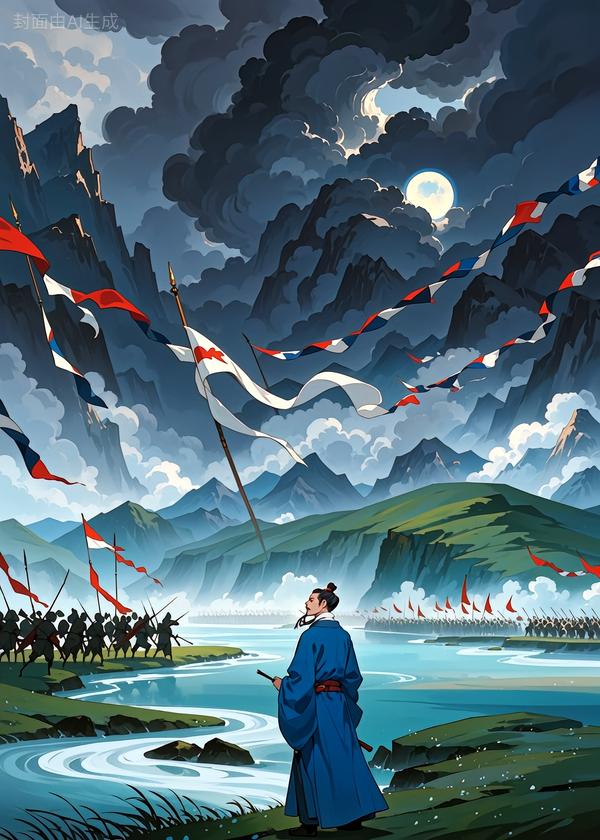 Dongshan Xuanxiang: Fat and Water Destroy Qin
1Reads8.5Score—Shelves
Dongshan Xuanxiang: Fat and Water Destroy Qin
1Reads8.5Score—Shelves
 Classic of Mountains and Seas·kunlun Ruins
1Reads8.5Score—Shelves
Classic of Mountains and Seas·kunlun Ruins
1Reads8.5Score—Shelves
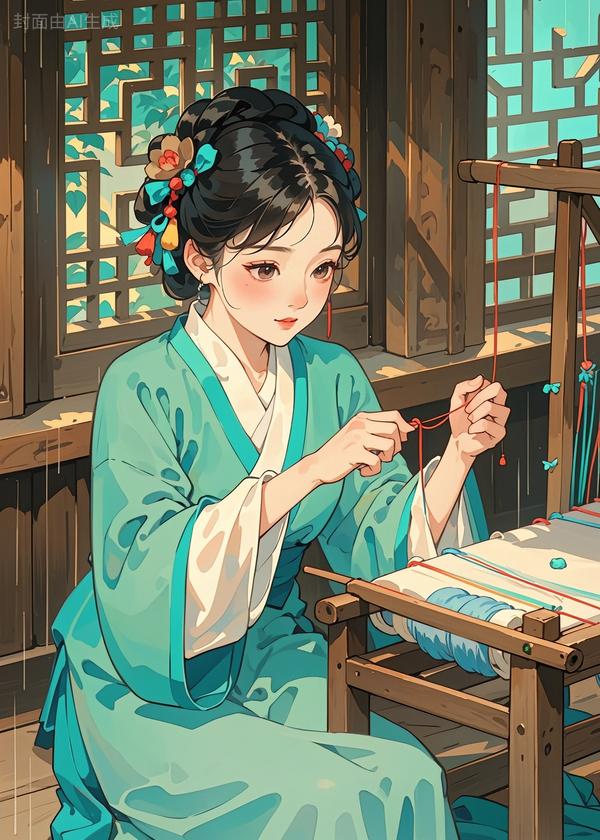 I Rely on Ancient Methods to Weave Brocade and Become Famous All over the Internet
—Reads8.4Score—Shelves
I Rely on Ancient Methods to Weave Brocade and Become Famous All over the Internet
—Reads8.4Score—Shelves
 Lingshu Tianzang
3Reads8.5Score—Shelves
Lingshu Tianzang
3Reads8.5Score—Shelves
 I Really Want to Say, I Love You, in the Snowy Sky
15Reads8.6Score—Shelves
I Really Want to Say, I Love You, in the Snowy Sky
15Reads8.6Score—Shelves
 Weird Invasion: Parasitized at the Beginning
88Reads5.8Score—Shelves
Weird Invasion: Parasitized at the Beginning
88Reads5.8Score—Shelves
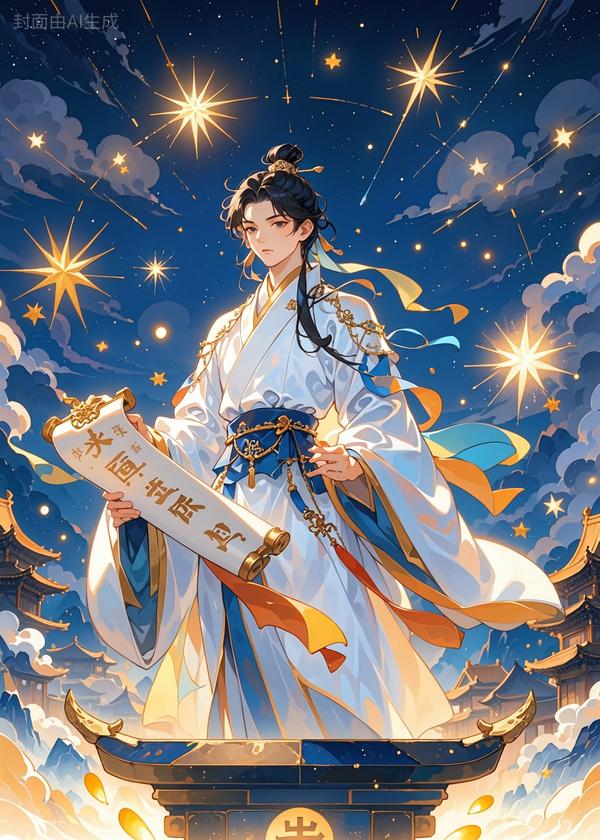 Mysterious Prime Minister Li Mi: Yi Shu Determines the World, and the Fairy Traces Assist the Four Dynasties.
1Reads8.5Score—Shelves
Mysterious Prime Minister Li Mi: Yi Shu Determines the World, and the Fairy Traces Assist the Four Dynasties.
1Reads8.5Score—Shelves
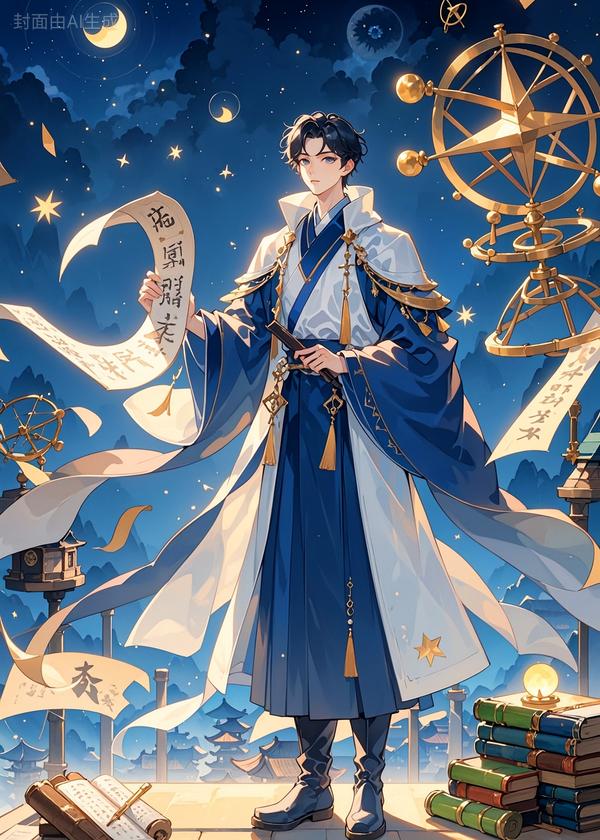 Xuanshu: Zhang Heng Tianji Lu
3Reads8.4Score—Shelves
Xuanshu: Zhang Heng Tianji Lu
3Reads8.4Score—Shelves
 Cthulhu Investigation Leaked Files: Guixu Shenhan
—Reads8.6Score—Shelves
Cthulhu Investigation Leaked Files: Guixu Shenhan
—Reads8.6Score—Shelves
 Three Kingdoms: Ten Thousand Realms
31Reads—Score—Shelves
Three Kingdoms: Ten Thousand Realms
31Reads—Score—Shelves
 Dunjia Xuanshu: Eight Gates to Control the World
—Reads8.5Score—Shelves
Dunjia Xuanshu: Eight Gates to Control the World
—Reads8.5Score—Shelves
 Changqianxing·lianxinxu
2Reads8.6Score—Shelves
Changqianxing·lianxinxu
2Reads8.6Score—Shelves
 Huangji Jingshi Shu
15Reads8.4Score—Shelves
Huangji Jingshi Shu
15Reads8.4Score—Shelves
 South Island Loses Its Old Style
5kReads9.6Score1kShelves
South Island Loses Its Old Style
5kReads9.6Score1kShelves
 Xuanshu Zongheng's Biography of Su Qin
1Reads8.5Score—Shelves
Xuanshu Zongheng's Biography of Su Qin
1Reads8.5Score—Shelves
 Xinyi
642Reads9.3Score102Shelves
Xinyi
642Reads9.3Score102Shelves
 Glossy
1kReads9.4Score268Shelves
Glossy
1kReads9.4Score268Shelves
 Six Realms Era: Hongmeng Gods Record
1Reads—Score—Shelves
Six Realms Era: Hongmeng Gods Record
1Reads—Score—Shelves
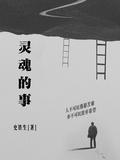 Matters of the Soul
1kReads9.4Score347Shelves
Matters of the Soul
1kReads9.4Score347Shelves
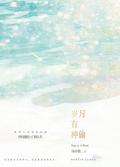 Time Has a Thief
412Reads9.2Score109Shelves
Time Has a Thief
412Reads9.2Score109Shelves
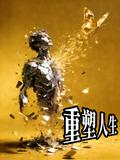 Online Games Reshape Life
10.5kReads9.5Score746Shelves
Online Games Reshape Life
10.5kReads9.5Score746Shelves
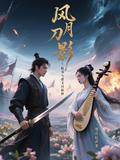 Fengyue Knife Shadow: the Choice Between Intrigue and Love
56Reads—Score—Shelves
Fengyue Knife Shadow: the Choice Between Intrigue and Love
56Reads—Score—Shelves
 A Guide to Immortality for All
230Reads7.4Score—Shelves
A Guide to Immortality for All
230Reads7.4Score—Shelves
 Flower Ling
15Reads5.8Score—Shelves
Flower Ling
15Reads5.8Score—Shelves
 After the Giant Beast Passes By
38Reads—Score—Shelves
After the Giant Beast Passes By
38Reads—Score—Shelves
 The Soul Wears Daiyu: the Golden Hairpin in the Red Mansion Cultivates Immortality
21Reads—Score—Shelves
The Soul Wears Daiyu: the Golden Hairpin in the Red Mansion Cultivates Immortality
21Reads—Score—Shelves
 The Road to Nuwa
27Reads—Score—Shelves
The Road to Nuwa
27Reads—Score—Shelves
 Original Intention
1.2kReads—Score—Shelves
Original Intention
1.2kReads—Score—Shelves
 The Story in Pandu's Belly
2Reads5.8Score—Shelves
The Story in Pandu's Belly
2Reads5.8Score—Shelves
 Counter Sutra: Mountain and River Policy
38kReads9.4Score4kShelves
Counter Sutra: Mountain and River Policy
38kReads9.4Score4kShelves
 This Person Is Not in This World
8.4kReads6.8Score858Shelves
This Person Is Not in This World
8.4kReads6.8Score858Shelves
 Nothing More Than
1Reads—Score—Shelves
Nothing More Than
1Reads—Score—Shelves
 God of War X
139Reads9.6Score—Shelves
God of War X
139Reads9.6Score—Shelves
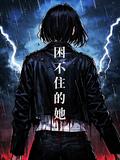 She Can't Be Trapped
26Reads—Score—Shelves
She Can't Be Trapped
26Reads—Score—Shelves
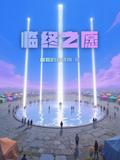 Dying Wish
176Reads5.8Score102Shelves
Dying Wish
176Reads5.8Score102Shelves
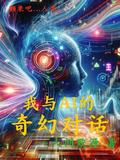 My Fantasy Conversation with AI
—Reads5.8Score—Shelves
My Fantasy Conversation with AI
—Reads5.8Score—Shelves
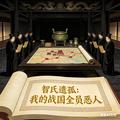 The Orphan of the Chi Family: All the Villains in My Warring States Period
—Reads5.8Score—Shelves
The Orphan of the Chi Family: All the Villains in My Warring States Period
—Reads5.8Score—Shelves
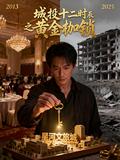 The Golden Shackles of the City at Twelve Hours
26Reads—Score—Shelves
The Golden Shackles of the City at Twelve Hours
26Reads—Score—Shelves
 Rat Real Person
9Reads—Score—Shelves
Rat Real Person
9Reads—Score—Shelves
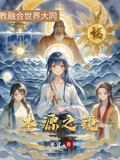 Mirror of Origin
—Reads5.8Score—Shelves
Mirror of Origin
—Reads5.8Score—Shelves
 ENTJ: Existential Age Fable
1Reads5.8Score—Shelves
ENTJ: Existential Age Fable
1Reads5.8Score—Shelves
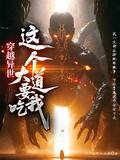 Traveling Through Another World: This Avenue Wants to Eat Me
13Reads—Score—Shelves
Traveling Through Another World: This Avenue Wants to Eat Me
13Reads—Score—Shelves
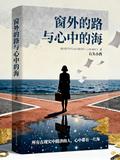 The Road Outside the Window and the Sea in My Heart
7Reads5.8Score—Shelves
The Road Outside the Window and the Sea in My Heart
7Reads5.8Score—Shelves
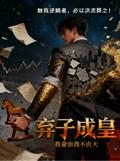 Abandoned Son Becomes Emperor: My Destiny Is up to Me and Not to God
8Reads—Score—Shelves
Abandoned Son Becomes Emperor: My Destiny Is up to Me and Not to God
8Reads—Score—Shelves
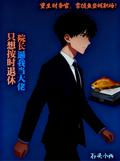 I Just Want to Retire on Time, but the Dean Forced Me to Be a Boss
1Reads5.8Score—Shelves
I Just Want to Retire on Time, but the Dean Forced Me to Be a Boss
1Reads5.8Score—Shelves
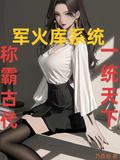 Arsenal System: Dominate the Ancient Times and Unify the World
729Reads6.5Score100Shelves
Arsenal System: Dominate the Ancient Times and Unify the World
729Reads6.5Score100Shelves
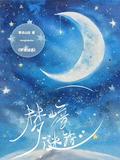 Dream Riddles
—Reads5.8Score—Shelves
Dream Riddles
—Reads5.8Score—Shelves
 Hengji Fengjie
12Reads5.8Score—Shelves
Hengji Fengjie
12Reads5.8Score—Shelves