In this list
560 books · page 4 of 12
-
152
重
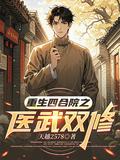 Rebirth of the Siheyuan: Medicine and Martial Arts
Tianyue 2578818k Wordscompleted
33.9kReads7.7Score2kShelves
Rebirth of the Siheyuan: Medicine and Martial Arts
Tianyue 2578818k Wordscompleted
33.9kReads7.7Score2kShelves
Reader note
The whole courtyard was wiped out. The first book destroyed the whole courtyard directly. It was so cruel.
-
153
四
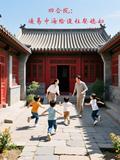 Courtyard: Forcing Yi Zhonghai to Marry Silly Zhu
Old Monster Born in the 1980S2.8M Wordsongoing
47.6kReads7.0Score2.8kShelves
Courtyard: Forcing Yi Zhonghai to Marry Silly Zhu
Old Monster Born in the 1980S2.8M Wordsongoing
47.6kReads7.0Score2.8kShelves
Reader note
The whole courtyard was wiped out. The first book destroyed the whole courtyard directly. It was so cruel.
-
154
*
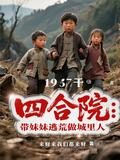 **
Come and Get Rich, We Will All Get Rich3.2M Wordsongoing
8.7kReads5.8Score475Shelves
**
Come and Get Rich, We Will All Get Rich3.2M Wordsongoing
8.7kReads5.8Score475Shelves
Reader note
The whole courtyard was wiped out. The first book destroyed the whole courtyard directly. It was so cruel.
-
155
*
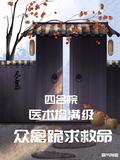 **
Domineering Dog385k Wordsongoing
1.5kReads5.8Score—Shelves
**
Domineering Dog385k Wordsongoing
1.5kReads5.8Score—Shelves
Reader note
The whole courtyard was wiped out. The first book destroyed the whole courtyard directly. It was so cruel.
-
156
四
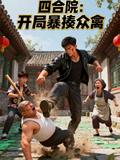 Siheyuan: Beat up All the Birds at the Beginning
Muzi Lamp960k Wordscompleted
21.3kReads6.7Score1.2kShelves
Siheyuan: Beat up All the Birds at the Beginning
Muzi Lamp960k Wordscompleted
21.3kReads6.7Score1.2kShelves
Reader note
The whole courtyard was wiped out. The first book destroyed the whole courtyard directly. It was so cruel.
-
157
四
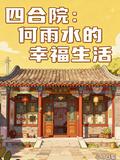 Siheyuan: He Yuyu's Happy Life
Heart Moon White Fox736k Wordsongoing
628Reads6.1Score—Shelves
Siheyuan: He Yuyu's Happy Life
Heart Moon White Fox736k Wordsongoing
628Reads6.1Score—Shelves
Reader note
The whole courtyard was wiped out. The first book destroyed the whole courtyard directly. It was so cruel.
-
158
四
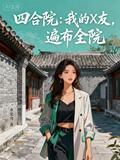 Siheyuan: My X Friends Are All over the Courtyard
Toyoku1.0M Wordsongoing
189Reads5.5Score—Shelves
Siheyuan: My X Friends Are All over the Courtyard
Toyoku1.0M Wordsongoing
189Reads5.5Score—Shelves
Reader note
The whole courtyard was wiped out. The first book destroyed the whole courtyard directly. It was so cruel.
-
159
*
 **
ongoing
—Reads5.8Score—Shelves
**
ongoing
—Reads5.8Score—Shelves
Reader note
The whole courtyard was wiped out. The first book destroyed the whole courtyard directly. It was so cruel.
-
160
四
 Siheyuan Started from Refusing to Change Rooms
Bronze Bell449k Wordscompleted
1.9kReads5.5Score—Shelves
Siheyuan Started from Refusing to Change Rooms
Bronze Bell449k Wordscompleted
1.9kReads5.5Score—Shelves
Reader note
The whole courtyard was wiped out. The first book destroyed the whole courtyard directly. It was so cruel.
-
161
*
 **
Word Love Cigarettes790k Wordscompleted
17.6kReads5.8Score598Shelves
**
Word Love Cigarettes790k Wordscompleted
17.6kReads5.8Score598Shelves
Reader note
A very nice book, a great ending! After defrauding them of their small money, then make them miserable,,!
-
162
四
 Siheyuan Is Slapped with a Hat at the Beginning. You Want to Reverse the Course of History?
Uncle from Hunan School1.6M Wordscompleted
30.2kReads6.9Score1.4kShelves
Siheyuan Is Slapped with a Hat at the Beginning. You Want to Reverse the Course of History?
Uncle from Hunan School1.6M Wordscompleted
30.2kReads6.9Score1.4kShelves
Reader note
It's okay, you can take a look
-
163
*
 **
Zhang Shizhongyu445k Wordscompleted
11.6kReads5.8Score336Shelves
**
Zhang Shizhongyu445k Wordscompleted
11.6kReads5.8Score336Shelves
Reader note
It's okay, you can take a look
-
164
*
 **
Surprised the Crowd479k Wordscompleted
12.4kReads5.8Score432Shelves
**
Surprised the Crowd479k Wordscompleted
12.4kReads5.8Score432Shelves
Reader note
It's okay, you can take a look
-
165
*
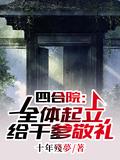 **
Ten Years of Lingering Dreams496k Wordscompleted
26.1kReads5.8Score1.2kShelves
**
Ten Years of Lingering Dreams496k Wordscompleted
26.1kReads5.8Score1.2kShelves
Reader note
It's okay, you can take a look
-
166
四
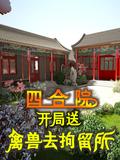 Siheyuan: Send the Beast to the Detention Center at the Beginning
Zhang Shizhongyu283k Wordscompleted
2.8kReads8.6Score100Shelves
Siheyuan: Send the Beast to the Detention Center at the Beginning
Zhang Shizhongyu283k Wordscompleted
2.8kReads8.6Score100Shelves
Reader note
It's okay, you can take a look
-
167
9
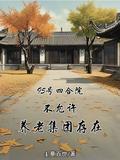 No. 95 Courtyard Does Not Allow Senior Care Groups to Exist
One Dream329k Wordscompleted
23.4kReads8.6Score678Shelves
No. 95 Courtyard Does Not Allow Senior Care Groups to Exist
One Dream329k Wordscompleted
23.4kReads8.6Score678Shelves
Reader note
[Learned][Attention][Has planted grass]
-
168
四
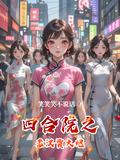 Old Han Jia Cannon in the Siheyuan
Laugh, Laugh, Don't Say Anything1.5M Wordscompleted
42.8kReads7.7Score3.6kShelves
Old Han Jia Cannon in the Siheyuan
Laugh, Laugh, Don't Say Anything1.5M Wordscompleted
42.8kReads7.7Score3.6kShelves
-
169
四
 Qin Huairu and Yu Li Are Both My Tenants in the Courtyard House
Laugh, Laugh, Don't Say Anything345k Wordscompleted
1.8kReads6.0Score129Shelves
Qin Huairu and Yu Li Are Both My Tenants in the Courtyard House
Laugh, Laugh, Don't Say Anything345k Wordscompleted
1.8kReads6.0Score129Shelves
-
170
四
 Qin Huairu of the Siheyuan, Please Respect Yourself
Laugh, Laugh, Don't Say Anything545k Wordscompleted
2.2kReads5.9Score143Shelves
Qin Huairu of the Siheyuan, Please Respect Yourself
Laugh, Laugh, Don't Say Anything545k Wordscompleted
2.2kReads5.9Score143Shelves
-
171
四
 I Have the Original Work of "Siheyuan" in Hand
Laugh, Laugh, Don't Say Anything714k Wordscompleted
3.6kReads5.8Score165Shelves
I Have the Original Work of "Siheyuan" in Hand
Laugh, Laugh, Don't Say Anything714k Wordscompleted
3.6kReads5.8Score165Shelves
-
172
四
 Siheyuan: on the First Day Back Home, I Beat up Three Generations of Grandparents
Jing Zishu294k Wordsongoing
2.2kReads6.0Score—Shelves
Siheyuan: on the First Day Back Home, I Beat up Three Generations of Grandparents
Jing Zishu294k Wordsongoing
2.2kReads6.0Score—Shelves
-
173
朕
I'm Here to Rectify the Qinman Siheyuan Author Kung Pao Chicken267k Wordscompleted 921Reads6.1Score—Shelves
Reader note
Welcome your visit and guidance.
-
174
四
 Siheyuan, I'll Take It! I'll Take It! I'll Collect It!
Plantain Travel in Dongguan2.1M Wordsongoing
31.7kReads6.3Score1.8kShelves
Siheyuan, I'll Take It! I'll Take It! I'll Collect It!
Plantain Travel in Dongguan2.1M Wordsongoing
31.7kReads6.3Score1.8kShelves
Reader note
Siheyuan, Security Department, Violence, Collection of Antiques, Ordinary, Daily, Salted Fish
-
175
穿
 Traveling Through the 1960S to Start My Path to Immortality
The Shadow Shakes the Sky593k Wordscompleted
12.2kReads7.9Score585Shelves
Traveling Through the 1960S to Start My Path to Immortality
The Shadow Shakes the Sky593k Wordscompleted
12.2kReads7.9Score585Shelves
Reader note
It's a different kind of Siheyuan. It's not about playing house in the Siheyuan. The protagonist is mainly engaged in cultivation. He has space, materials, a wife, and can make money. Siheyuan has less plot. It mainly writes about period cultivation. If you like it, please recommend it. Thank you! ! !
-
176
*
 **
A Pot of Hairy Blood163k Wordscompleted
2kReads5.8Score—Shelves
**
A Pot of Hairy Blood163k Wordscompleted
2kReads5.8Score—Shelves
Reader note
Massacre in the courtyard
-
177
*
 **
Moving Bricks to Pieces783k Wordscompleted
16.1kReads5.8Score650Shelves
**
Moving Bricks to Pieces783k Wordscompleted
16.1kReads5.8Score650Shelves
Reader note
"Siheyuan: Starting with a Hound", with its unique protagonist setting and solid plot layout, breaks away from the cliché of "fighting for the sake of fighting" and blends the hard-core background of flood-fighting heroes with the pyrotechnics of survival in the era. It not only writes about the difficulty of survival in the turbulent years of 1959, but also hides touching responsibilities and warmth. It is both refreshing and healing to read. The most eye-catching thing about the story is the sense of contrast brought about by the protagonist Wei Dong's "dual identity". In his previous life, he was a front-running flood rescue volunteer who unfortunately sacrificed his life to save a puppy. This kindness of "not giving up" became his spiritual background; after time travel, he became a temporary worker in a steel rolling mill. When faced with the raid by robbers, the veteran's acumen and the rescue team The hero's courage broke out in an instant - the actions of breaking the robber's neck and using the butt of the gun to control the enemy were clean and neat, without any sloppiness. However, when the master Xu Dayong died, his eyes were red due to the emotional resonance of the original master, and he choked and promised to "take good care of the master's wife and junior sister." This "hands-on and emotional" setting allows the protagonist to get rid of the thin image of a "shuangwen tool man" and become more like a flesh-and-blood "guardian": he will rack his brains to keep his promise to his master, and will insist on paying for a coffin when faced with the goodwill of the old village chief. Even the memory he inherited is engraved with the principle of "not making money from people who are ignorant of their conscience." This softness under the hard core is precisely the most touching part of the character. And the setting of "bringing hounds at the beginning" is even more wonderful. Different from the common "system cheats", this puppy who traveled with Weidong is not only a witness to his kindness in his previous life, but also a companion when he is lonely in this life. The way it initially curled up in the corner of Weidong's sea of consciousness was like the glimmer of light clinging to each other in troubled times; and as the plot progresses, it will inevitably become Weidong's "special help" in hunting for survival and coping with the complex interpersonal relationships in the courtyard. This bond of "human and dog" adds a touch of warmth to the survival plot of the tense era, and also makes the opening of "hunting mode" more reasonable - while other Siheyuan novels are still struggling with the small pattern of neighborhood calculations, Weidong has already set his sights on the suburban mountains and forests with a "plug-in" (Dzi Bead Space + Hound Dog). This "outward development" survival path allows the story pattern to open up instantly. The restoration of the "sense of time" in the book is also delicate enough, without deliberately piling up slogans, but the imprint of life in 1959 is hidden everywhere. The work certificate of the purchaser of the steel rolling mill, the partial three-wheeler of the commune worker's labor sub-bureau, the coffins made from the villagers' homes, the cereals and cornstarch in the canteen, and even the details of "you have to prove it when you go out" and "you will be spurned if you make the difference", are as real as if they came from an old photo. In particular, Xu Dayong's setting of "giving the people the same purchase price as the factory" not only describes the perseverance of ordinary people in that era, but also foreshadows Weidong's subsequent "acting with conscience"; before the residents of the courtyard have yet appeared, the names of the deaf old lady, Yi Zhonghai, Shazhu and other names have been foreshadowed in advance, which makes readers familiar with "Love in the Courtyard" full of expectations - when the hard-core Weidong meets the "old fox" and "little scheming" in the courtyard, what kind of sparks will collide? Should we use strength to crush it, or use wisdom to resolve it? This kind of "unknown plot in a known background" just makes people unable to help but read on. What's even more rare is that the novel does not fall into the trap of "no courtyard without violence". Weidong's "coolness" does not rely on blaming the sky and the earth to gain a sense of existence, but on winning respect through strength and responsibility: his calm counterattack when facing the robbers, his methodical handling of his master's funeral, his solemn promise to his wife and junior sister, and even his treatment of the escaped robbers (handing them over to work instead of lynching), all reveal "power with a bottom line." This "not brainless, not extreme" narrative rhythm makes the story more solid - it does not simplify survival in the era to "live well by defeating your neighbors", but shows the survival wisdom of "hunting with your hands and living according to your conscience". This core of "seeking stability in turmoil and finding strength in responsibility" is exactly the warmth that many contemporary literature lacks. From a flood-fighting hero to a courtyard guardian, from being alone to walking with a dog, Weidong's journey is both a survival challenge and a self-salvation. We look forward to seeing how he uses the Dzi Bead space to store prey, how he leads his hounds to find a way out in the mountains and forests, and we are even more looking forward to seeing how he maintains his original intention and protects the people around him amidst the complex interpersonal relationships in the courtyard. This novel wraps a hard-core plot with soft warmth, and uses real historical details to support a passionate survival story. Perhaps this is its most attractive feature - in that barren era, there were always people like Wei Dong who used kindness and courage to make their lives bright.
-
178
*
 **
Stir-Fried Marshmallows1.1M Wordscompleted
64.7kReads5.8Score5.4kShelves
**
Stir-Fried Marshmallows1.1M Wordscompleted
64.7kReads5.8Score5.4kShelves
Reader note
"Siheyuan: Starting with a Hound", with its unique protagonist setting and solid plot layout, breaks away from the cliché of "fighting for the sake of fighting" and blends the hard-core background of flood-fighting heroes with the pyrotechnics of survival in the era. It not only writes about the difficulty of survival in the turbulent years of 1959, but also hides touching responsibilities and warmth. It is both refreshing and healing to read. The most eye-catching thing about the story is the sense of contrast brought about by the protagonist Wei Dong's "dual identity". In his previous life, he was a front-running flood rescue volunteer who unfortunately sacrificed his life to save a puppy. This kindness of "not giving up" became his spiritual background; after time travel, he became a temporary worker in a steel rolling mill. When faced with the raid by robbers, the veteran's acumen and the rescue team The hero's courage broke out in an instant - the actions of breaking the robber's neck and using the butt of the gun to control the enemy were clean and neat, without any sloppiness. However, when the master Xu Dayong died, his eyes were red due to the emotional resonance of the original master, and he choked and promised to "take good care of the master's wife and junior sister." This "hands-on and emotional" setting allows the protagonist to get rid of the thin image of a "shuangwen tool man" and become more like a flesh-and-blood "guardian": he will rack his brains to keep his promise to his master, and will insist on paying for a coffin when faced with the goodwill of the old village chief. Even the memory he inherited is engraved with the principle of "not making money from people who are ignorant of their conscience." This softness under the hard core is precisely the most touching part of the character. And the setting of "bringing hounds at the beginning" is even more wonderful. Different from the common "system cheats", this puppy who traveled with Weidong is not only a witness to his kindness in his previous life, but also a companion when he is lonely in this life. The way it initially curled up in the corner of Weidong's sea of consciousness was like the glimmer of light clinging to each other in troubled times; and as the plot progresses, it will inevitably become Weidong's "special help" in hunting for survival and coping with the complex interpersonal relationships in the courtyard. This bond of "human and dog" adds a touch of warmth to the survival plot of the tense era, and also makes the opening of "hunting mode" more reasonable - while other Siheyuan novels are still struggling with the small pattern of neighborhood calculations, Weidong has already set his sights on the suburban mountains and forests with a "plug-in" (Dzi Bead Space + Hound Dog). This "outward development" survival path allows the story pattern to open up instantly. The restoration of the "sense of time" in the book is also delicate enough, without deliberately piling up slogans, but the imprint of life in 1959 is hidden everywhere. The work certificate of the purchaser of the steel rolling mill, the partial three-wheeler of the commune worker's labor sub-bureau, the coffins made from the villagers' homes, the cereals and cornstarch in the canteen, and even the details of "you have to prove it when you go out" and "you will be spurned if you make the difference", are as real as if they came from an old photo. In particular, Xu Dayong's setting of "giving the people the same purchase price as the factory" not only describes the perseverance of ordinary people in that era, but also foreshadows Weidong's subsequent "acting with conscience"; before the residents of the courtyard have yet appeared, the names of the deaf old lady, Yi Zhonghai, Shazhu and other names have been foreshadowed in advance, which makes readers familiar with "Love in the Courtyard" full of expectations - when the hard-core Weidong meets the "old fox" and "little scheming" in the courtyard, what kind of sparks will collide? Should we use strength to crush it, or use wisdom to resolve it? This kind of "unknown plot in a known background" just makes people unable to help but read on. What's even more rare is that the novel does not fall into the trap of "no courtyard without violence". Weidong's "coolness" does not rely on blaming the sky and the earth to gain a sense of existence, but on winning respect through strength and responsibility: his calm counterattack when facing the robbers, his methodical handling of his master's funeral, his solemn promise to his wife and junior sister, and even his treatment of the escaped robbers (handing them over to work instead of lynching), all reveal "power with a bottom line." This "not brainless, not extreme" narrative rhythm makes the story more solid - it does not simplify survival in the era to "live well by defeating your neighbors", but shows the survival wisdom of "hunting with your hands and living according to your conscience". This core of "seeking stability in turmoil and finding strength in responsibility" is exactly the warmth that many contemporary literature lacks. From a flood-fighting hero to a courtyard guardian, from being alone to walking with a dog, Weidong's journey is both a survival challenge and a self-salvation. We look forward to seeing how he uses the Dzi Bead space to store prey, how he leads his hounds to find a way out in the mountains and forests, and we are even more looking forward to seeing how he maintains his original intention and protects the people around him amidst the complex interpersonal relationships in the courtyard. This novel wraps a hard-core plot with soft warmth, and uses real historical details to support a passionate survival story. Perhaps this is its most attractive feature - in that barren era, there were always people like Wei Dong who used kindness and courage to make their lives bright.
-
179
*
 **
The Breeze Is Coming Slowly233k Wordscompleted
3.2kReads5.8Score104Shelves
**
The Breeze Is Coming Slowly233k Wordscompleted
3.2kReads5.8Score104Shelves
Reader note
"Siheyuan: Starting with a Hound", with its unique protagonist setting and solid plot layout, breaks away from the cliché of "fighting for the sake of fighting" and blends the hard-core background of flood-fighting heroes with the pyrotechnics of survival in the era. It not only writes about the difficulty of survival in the turbulent years of 1959, but also hides touching responsibilities and warmth. It is both refreshing and healing to read. The most eye-catching thing about the story is the sense of contrast brought about by the protagonist Wei Dong's "dual identity". In his previous life, he was a front-running flood rescue volunteer who unfortunately sacrificed his life to save a puppy. This kindness of "not giving up" became his spiritual background; after time travel, he became a temporary worker in a steel rolling mill. When faced with the raid by robbers, the veteran's acumen and the rescue team The hero's courage broke out in an instant - the actions of breaking the robber's neck and using the butt of the gun to control the enemy were clean and neat, without any sloppiness. However, when the master Xu Dayong died, his eyes were red due to the emotional resonance of the original master, and he choked and promised to "take good care of the master's wife and junior sister." This "hands-on and emotional" setting allows the protagonist to get rid of the thin image of a "shuangwen tool man" and become more like a flesh-and-blood "guardian": he will rack his brains to keep his promise to his master, and will insist on paying for a coffin when faced with the goodwill of the old village chief. Even the memory he inherited is engraved with the principle of "not making money from people who are ignorant of their conscience." This softness under the hard core is precisely the most touching part of the character. And the setting of "bringing hounds at the beginning" is even more wonderful. Different from the common "system cheats", this puppy who traveled with Weidong is not only a witness to his kindness in his previous life, but also a companion when he is lonely in this life. The way it initially curled up in the corner of Weidong's sea of consciousness was like the glimmer of light clinging to each other in troubled times; and as the plot progresses, it will inevitably become Weidong's "special help" in hunting for survival and coping with the complex interpersonal relationships in the courtyard. This bond of "human and dog" adds a touch of warmth to the survival plot of the tense era, and also makes the opening of "hunting mode" more reasonable - while other Siheyuan novels are still struggling with the small pattern of neighborhood calculations, Weidong has already set his sights on the suburban mountains and forests with a "plug-in" (Dzi Bead Space + Hound Dog). This "outward development" survival path allows the story pattern to open up instantly. The restoration of the "sense of time" in the book is also delicate enough, without deliberately piling up slogans, but the imprint of life in 1959 is hidden everywhere. The work certificate of the purchaser of the steel rolling mill, the partial three-wheeler of the commune worker's labor sub-bureau, the coffins made from the villagers' homes, the cereals and cornstarch in the canteen, and even the details of "you have to prove it when you go out" and "you will be spurned if you make the difference", are as real as if they came from an old photo. In particular, Xu Dayong's setting of "giving the people the same purchase price as the factory" not only describes the perseverance of ordinary people in that era, but also foreshadows Weidong's subsequent "acting with conscience"; before the residents of the courtyard have yet appeared, the names of the deaf old lady, Yi Zhonghai, Shazhu and other names have been foreshadowed in advance, which makes readers familiar with "Love in the Courtyard" full of expectations - when the hard-core Weidong meets the "old fox" and "little scheming" in the courtyard, what kind of sparks will collide? Should we use strength to crush it, or use wisdom to resolve it? This kind of "unknown plot in a known background" just makes people unable to help but read on. What's even more rare is that the novel does not fall into the trap of "no courtyard without violence". Weidong's "coolness" does not rely on blaming the sky and the earth to gain a sense of existence, but on winning respect through strength and responsibility: his calm counterattack when facing the robbers, his methodical handling of his master's funeral, his solemn promise to his wife and junior sister, and even his treatment of the escaped robbers (handing them over to work instead of lynching), all reveal "power with a bottom line." This "not brainless, not extreme" narrative rhythm makes the story more solid - it does not simplify survival in the era to "live well by defeating your neighbors", but shows the survival wisdom of "hunting with your hands and living according to your conscience". This core of "seeking stability in turmoil and finding strength in responsibility" is exactly the warmth that many contemporary literature lacks. From a flood-fighting hero to a courtyard guardian, from being alone to walking with a dog, Weidong's journey is both a survival challenge and a self-salvation. We look forward to seeing how he uses the Dzi Bead space to store prey, how he leads his hounds to find a way out in the mountains and forests, and we are even more looking forward to seeing how he maintains his original intention and protects the people around him amidst the complex interpersonal relationships in the courtyard. This novel wraps a hard-core plot with soft warmth, and uses real historical details to support a passionate survival story. Perhaps this is its most attractive feature - in that barren era, there were always people like Wei Dong who used kindness and courage to make their lives bright.
-
180
火
 Mechanic in the Red Age: I Help My Ancestors Forge Heavy Weapons
Stir-Fried Eggs and Tomatoes in Turn3.4M Wordsongoing
54.6kReads8.8Score4.3kShelves
Mechanic in the Red Age: I Help My Ancestors Forge Heavy Weapons
Stir-Fried Eggs and Tomatoes in Turn3.4M Wordsongoing
54.6kReads8.8Score4.3kShelves
Reader note
"Siheyuan: Starting with a Hound", with its unique protagonist setting and solid plot layout, breaks away from the cliché of "fighting for the sake of fighting" and blends the hard-core background of flood-fighting heroes with the pyrotechnics of survival in the era. It not only writes about the difficulty of survival in the turbulent years of 1959, but also hides touching responsibilities and warmth. It is both refreshing and healing to read. The most eye-catching thing about the story is the sense of contrast brought about by the protagonist Wei Dong's "dual identity". In his previous life, he was a front-running flood rescue volunteer who unfortunately sacrificed his life to save a puppy. This kindness of "not giving up" became his spiritual background; after time travel, he became a temporary worker in a steel rolling mill. When faced with the raid by robbers, the veteran's acumen and the rescue team The hero's courage broke out in an instant - the actions of breaking the robber's neck and using the butt of the gun to control the enemy were clean and neat, without any sloppiness. However, when the master Xu Dayong died, his eyes were red due to the emotional resonance of the original master, and he choked and promised to "take good care of the master's wife and junior sister." This "hands-on and emotional" setting allows the protagonist to get rid of the thin image of a "shuangwen tool man" and become more like a flesh-and-blood "guardian": he will rack his brains to keep his promise to his master, and will insist on paying for a coffin when faced with the goodwill of the old village chief. Even the memory he inherited is engraved with the principle of "not making money from people who are ignorant of their conscience." This softness under the hard core is precisely the most touching part of the character. And the setting of "bringing hounds at the beginning" is even more wonderful. Different from the common "system cheats", this puppy who traveled with Weidong is not only a witness to his kindness in his previous life, but also a companion when he is lonely in this life. The way it initially curled up in the corner of Weidong's sea of consciousness was like the glimmer of light clinging to each other in troubled times; and as the plot progresses, it will inevitably become Weidong's "special help" in hunting for survival and coping with the complex interpersonal relationships in the courtyard. This bond of "human and dog" adds a touch of warmth to the survival plot of the tense era, and also makes the opening of "hunting mode" more reasonable - while other Siheyuan novels are still struggling with the small pattern of neighborhood calculations, Weidong has already set his sights on the suburban mountains and forests with a "plug-in" (Dzi Bead Space + Hound Dog). This "outward development" survival path allows the story pattern to open up instantly. The restoration of the "sense of time" in the book is also delicate enough, without deliberately piling up slogans, but the imprint of life in 1959 is hidden everywhere. The work certificate of the purchaser of the steel rolling mill, the partial three-wheeler of the commune worker's labor sub-bureau, the coffins made from the villagers' homes, the cereals and cornstarch in the canteen, and even the details of "you have to prove it when you go out" and "you will be spurned if you make the difference", are as real as if they came from an old photo. In particular, Xu Dayong's setting of "giving the people the same purchase price as the factory" not only describes the perseverance of ordinary people in that era, but also foreshadows Weidong's subsequent "acting with conscience"; before the residents of the courtyard have yet appeared, the names of the deaf old lady, Yi Zhonghai, Shazhu and other names have been foreshadowed in advance, which makes readers familiar with "Love in the Courtyard" full of expectations - when the hard-core Weidong meets the "old fox" and "little scheming" in the courtyard, what kind of sparks will collide? Should we use strength to crush it, or use wisdom to resolve it? This kind of "unknown plot in a known background" just makes people unable to help but read on. What's even more rare is that the novel does not fall into the trap of "no courtyard without violence". Weidong's "coolness" does not rely on blaming the sky and the earth to gain a sense of existence, but on winning respect through strength and responsibility: his calm counterattack when facing the robbers, his methodical handling of his master's funeral, his solemn promise to his wife and junior sister, and even his treatment of the escaped robbers (handing them over to work instead of lynching), all reveal "power with a bottom line." This "not brainless, not extreme" narrative rhythm makes the story more solid - it does not simplify survival in the era to "live well by defeating your neighbors", but shows the survival wisdom of "hunting with your hands and living according to your conscience". This core of "seeking stability in turmoil and finding strength in responsibility" is exactly the warmth that many contemporary literature lacks. From a flood-fighting hero to a courtyard guardian, from being alone to walking with a dog, Weidong's journey is both a survival challenge and a self-salvation. We look forward to seeing how he uses the Dzi Bead space to store prey, how he leads his hounds to find a way out in the mountains and forests, and we are even more looking forward to seeing how he maintains his original intention and protects the people around him amidst the complex interpersonal relationships in the courtyard. This novel wraps a hard-core plot with soft warmth, and uses real historical details to support a passionate survival story. Perhaps this is its most attractive feature - in that barren era, there were always people like Wei Dong who used kindness and courage to make their lives bright.
-
181
四
 The Ordinary Road of He Yuzhu in the Siheyuan
A Soldier at the Border367k Wordscompleted
21.2kReads9.2Score1kShelves
The Ordinary Road of He Yuzhu in the Siheyuan
A Soldier at the Border367k Wordscompleted
21.2kReads9.2Score1kShelves
Reader note
"Siheyuan: Starting with a Hound", with its unique protagonist setting and solid plot layout, breaks away from the cliché of "fighting for the sake of fighting" and blends the hard-core background of flood-fighting heroes with the pyrotechnics of survival in the era. It not only writes about the difficulty of survival in the turbulent years of 1959, but also hides touching responsibilities and warmth. It is both refreshing and healing to read. The most eye-catching thing about the story is the sense of contrast brought about by the protagonist Wei Dong's "dual identity". In his previous life, he was a front-running flood rescue volunteer who unfortunately sacrificed his life to save a puppy. This kindness of "not giving up" became his spiritual background; after time travel, he became a temporary worker in a steel rolling mill. When faced with the raid by robbers, the veteran's acumen and the rescue team The hero's courage broke out in an instant - the actions of breaking the robber's neck and using the butt of the gun to control the enemy were clean and neat, without any sloppiness. However, when the master Xu Dayong died, his eyes were red due to the emotional resonance of the original master, and he choked and promised to "take good care of the master's wife and junior sister." This "hands-on and emotional" setting allows the protagonist to get rid of the thin image of a "shuangwen tool man" and become more like a flesh-and-blood "guardian": he will rack his brains to keep his promise to his master, and will insist on paying for a coffin when faced with the goodwill of the old village chief. Even the memory he inherited is engraved with the principle of "not making money from people who are ignorant of their conscience." This softness under the hard core is precisely the most touching part of the character. And the setting of "bringing hounds at the beginning" is even more wonderful. Different from the common "system cheats", this puppy who traveled with Weidong is not only a witness to his kindness in his previous life, but also a companion when he is lonely in this life. The way it initially curled up in the corner of Weidong's sea of consciousness was like the glimmer of light clinging to each other in troubled times; and as the plot progresses, it will inevitably become Weidong's "special help" in hunting for survival and coping with the complex interpersonal relationships in the courtyard. This bond of "human and dog" adds a touch of warmth to the survival plot of the tense era, and also makes the opening of "hunting mode" more reasonable - while other Siheyuan novels are still struggling with the small pattern of neighborhood calculations, Weidong has already set his sights on the suburban mountains and forests with a "plug-in" (Dzi Bead Space + Hound Dog). This "outward development" survival path allows the story pattern to open up instantly. The restoration of the "sense of time" in the book is also delicate enough, without deliberately piling up slogans, but the imprint of life in 1959 is hidden everywhere. The work certificate of the purchaser of the steel rolling mill, the partial three-wheeler of the commune worker's labor sub-bureau, the coffins made from the villagers' homes, the cereals and cornstarch in the canteen, and even the details of "you have to prove it when you go out" and "you will be spurned if you make the difference", are as real as if they came from an old photo. In particular, Xu Dayong's setting of "giving the people the same purchase price as the factory" not only describes the perseverance of ordinary people in that era, but also foreshadows Weidong's subsequent "acting with conscience"; before the residents of the courtyard have yet appeared, the names of the deaf old lady, Yi Zhonghai, Shazhu and other names have been foreshadowed in advance, which makes readers familiar with "Love in the Courtyard" full of expectations - when the hard-core Weidong meets the "old fox" and "little scheming" in the courtyard, what kind of sparks will collide? Should we use strength to crush it, or use wisdom to resolve it? This kind of "unknown plot in a known background" just makes people unable to help but read on. What's even more rare is that the novel does not fall into the trap of "no courtyard without violence". Weidong's "coolness" does not rely on blaming the sky and the earth to gain a sense of existence, but on winning respect through strength and responsibility: his calm counterattack when facing the robbers, his methodical handling of his master's funeral, his solemn promise to his wife and junior sister, and even his treatment of the escaped robbers (handing them over to work instead of lynching), all reveal "power with a bottom line." This "not brainless, not extreme" narrative rhythm makes the story more solid - it does not simplify survival in the era to "live well by defeating your neighbors", but shows the survival wisdom of "hunting with your hands and living according to your conscience". This core of "seeking stability in turmoil and finding strength in responsibility" is exactly the warmth that many contemporary literature lacks. From a flood-fighting hero to a courtyard guardian, from being alone to walking with a dog, Weidong's journey is both a survival challenge and a self-salvation. We look forward to seeing how he uses the Dzi Bead space to store prey, how he leads his hounds to find a way out in the mountains and forests, and we are even more looking forward to seeing how he maintains his original intention and protects the people around him amidst the complex interpersonal relationships in the courtyard. This novel wraps a hard-core plot with soft warmth, and uses real historical details to support a passionate survival story. Perhaps this is its most attractive feature - in that barren era, there were always people like Wei Dong who used kindness and courage to make their lives bright.
-
182
四
 Siheyuan I Am He Yuzhu
Betel Nut and Smoke Are All Five Poisons608k Wordscompleted
28.4kReads8.9Score825Shelves
Siheyuan I Am He Yuzhu
Betel Nut and Smoke Are All Five Poisons608k Wordscompleted
28.4kReads8.9Score825Shelves
Reader note
"Siheyuan: Starting with a Hound", with its unique protagonist setting and solid plot layout, breaks away from the cliché of "fighting for the sake of fighting" and blends the hard-core background of flood-fighting heroes with the pyrotechnics of survival in the era. It not only writes about the difficulty of survival in the turbulent years of 1959, but also hides touching responsibilities and warmth. It is both refreshing and healing to read. The most eye-catching thing about the story is the sense of contrast brought about by the protagonist Wei Dong's "dual identity". In his previous life, he was a front-running flood rescue volunteer who unfortunately sacrificed his life to save a puppy. This kindness of "not giving up" became his spiritual background; after time travel, he became a temporary worker in a steel rolling mill. When faced with the raid by robbers, the veteran's acumen and the rescue team The hero's courage broke out in an instant - the actions of breaking the robber's neck and using the butt of the gun to control the enemy were clean and neat, without any sloppiness. However, when the master Xu Dayong died, his eyes were red due to the emotional resonance of the original master, and he choked and promised to "take good care of the master's wife and junior sister." This "hands-on and emotional" setting allows the protagonist to get rid of the thin image of a "shuangwen tool man" and become more like a flesh-and-blood "guardian": he will rack his brains to keep his promise to his master, and will insist on paying for a coffin when faced with the goodwill of the old village chief. Even the memory he inherited is engraved with the principle of "not making money from people who are ignorant of their conscience." This softness under the hard core is precisely the most touching part of the character. And the setting of "bringing hounds at the beginning" is even more wonderful. Different from the common "system cheats", this puppy who traveled with Weidong is not only a witness to his kindness in his previous life, but also a companion when he is lonely in this life. The way it initially curled up in the corner of Weidong's sea of consciousness was like the glimmer of light clinging to each other in troubled times; and as the plot progresses, it will inevitably become Weidong's "special help" in hunting for survival and coping with the complex interpersonal relationships in the courtyard. This bond of "human and dog" adds a touch of warmth to the survival plot of the tense era, and also makes the opening of "hunting mode" more reasonable - while other Siheyuan novels are still struggling with the small pattern of neighborhood calculations, Weidong has already set his sights on the suburban mountains and forests with a "plug-in" (Dzi Bead Space + Hound Dog). This "outward development" survival path allows the story pattern to open up instantly. The restoration of the "sense of time" in the book is also delicate enough, without deliberately piling up slogans, but the imprint of life in 1959 is hidden everywhere. The work certificate of the purchaser of the steel rolling mill, the partial three-wheeler of the commune worker's labor sub-bureau, the coffins made from the villagers' homes, the cereals and cornstarch in the canteen, and even the details of "you have to prove it when you go out" and "you will be spurned if you make the difference", are as real as if they came from an old photo. In particular, Xu Dayong's setting of "giving the people the same purchase price as the factory" not only describes the perseverance of ordinary people in that era, but also foreshadows Weidong's subsequent "acting with conscience"; before the residents of the courtyard have yet appeared, the names of the deaf old lady, Yi Zhonghai, Shazhu and other names have been foreshadowed in advance, which makes readers familiar with "Love in the Courtyard" full of expectations - when the hard-core Weidong meets the "old fox" and "little scheming" in the courtyard, what kind of sparks will collide? Should we use strength to crush it, or use wisdom to resolve it? This kind of "unknown plot in a known background" just makes people unable to help but read on. What's even more rare is that the novel does not fall into the trap of "no courtyard without violence". Weidong's "coolness" does not rely on blaming the sky and the earth to gain a sense of existence, but on winning respect through strength and responsibility: his calm counterattack when facing the robbers, his methodical handling of his master's funeral, his solemn promise to his wife and junior sister, and even his treatment of the escaped robbers (handing them over to work instead of lynching), all reveal "power with a bottom line." This "not brainless, not extreme" narrative rhythm makes the story more solid - it does not simplify survival in the era to "live well by defeating your neighbors", but shows the survival wisdom of "hunting with your hands and living according to your conscience". This core of "seeking stability in turmoil and finding strength in responsibility" is exactly the warmth that many contemporary literature lacks. From a flood-fighting hero to a courtyard guardian, from being alone to walking with a dog, Weidong's journey is both a survival challenge and a self-salvation. We look forward to seeing how he uses the Dzi Bead space to store prey, how he leads his hounds to find a way out in the mountains and forests, and we are even more looking forward to seeing how he maintains his original intention and protects the people around him amidst the complex interpersonal relationships in the courtyard. This novel wraps a hard-core plot with soft warmth, and uses real historical details to support a passionate survival story. Perhaps this is its most attractive feature - in that barren era, there were always people like Wei Dong who used kindness and courage to make their lives bright.
-
183
四
 This Silly Pillar in the Courtyard Is a Bit Chic
Autumn Breeze Blows on the Street203k Wordscompleted
8.7kReads8.9Score273Shelves
This Silly Pillar in the Courtyard Is a Bit Chic
Autumn Breeze Blows on the Street203k Wordscompleted
8.7kReads8.9Score273Shelves
Reader note
"Siheyuan: Starting with a Hound", with its unique protagonist setting and solid plot layout, breaks away from the cliché of "fighting for the sake of fighting" and blends the hard-core background of flood-fighting heroes with the pyrotechnics of survival in the era. It not only writes about the difficulty of survival in the turbulent years of 1959, but also hides touching responsibilities and warmth. It is both refreshing and healing to read. The most eye-catching thing about the story is the sense of contrast brought about by the protagonist Wei Dong's "dual identity". In his previous life, he was a front-running flood rescue volunteer who unfortunately sacrificed his life to save a puppy. This kindness of "not giving up" became his spiritual background; after time travel, he became a temporary worker in a steel rolling mill. When faced with the raid by robbers, the veteran's acumen and the rescue team The hero's courage broke out in an instant - the actions of breaking the robber's neck and using the butt of the gun to control the enemy were clean and neat, without any sloppiness. However, when the master Xu Dayong died, his eyes were red due to the emotional resonance of the original master, and he choked and promised to "take good care of the master's wife and junior sister." This "hands-on and emotional" setting allows the protagonist to get rid of the thin image of a "shuangwen tool man" and become more like a flesh-and-blood "guardian": he will rack his brains to keep his promise to his master, and will insist on paying for a coffin when faced with the goodwill of the old village chief. Even the memory he inherited is engraved with the principle of "not making money from people who are ignorant of their conscience." This softness under the hard core is precisely the most touching part of the character. And the setting of "bringing hounds at the beginning" is even more wonderful. Different from the common "system cheats", this puppy who traveled with Weidong is not only a witness to his kindness in his previous life, but also a companion when he is lonely in this life. The way it initially curled up in the corner of Weidong's sea of consciousness was like the glimmer of light clinging to each other in troubled times; and as the plot progresses, it will inevitably become Weidong's "special help" in hunting for survival and coping with the complex interpersonal relationships in the courtyard. This bond of "human and dog" adds a touch of warmth to the survival plot of the tense era, and also makes the opening of "hunting mode" more reasonable - while other Siheyuan novels are still struggling with the small pattern of neighborhood calculations, Weidong has already set his sights on the suburban mountains and forests with a "plug-in" (Dzi Bead Space + Hound Dog). This "outward development" survival path allows the story pattern to open up instantly. The restoration of the "sense of time" in the book is also delicate enough, without deliberately piling up slogans, but the imprint of life in 1959 is hidden everywhere. The work certificate of the purchaser of the steel rolling mill, the partial three-wheeler of the commune worker's labor sub-bureau, the coffins made from the villagers' homes, the cereals and cornstarch in the canteen, and even the details of "you have to prove it when you go out" and "you will be spurned if you make the difference", are as real as if they came from an old photo. In particular, Xu Dayong's setting of "giving the people the same purchase price as the factory" not only describes the perseverance of ordinary people in that era, but also foreshadows Weidong's subsequent "acting with conscience"; before the residents of the courtyard have yet appeared, the names of the deaf old lady, Yi Zhonghai, Shazhu and other names have been foreshadowed in advance, which makes readers familiar with "Love in the Courtyard" full of expectations - when the hard-core Weidong meets the "old fox" and "little scheming" in the courtyard, what kind of sparks will collide? Should we use strength to crush it, or use wisdom to resolve it? This kind of "unknown plot in a known background" just makes people unable to help but read on. What's even more rare is that the novel does not fall into the trap of "no courtyard without violence". Weidong's "coolness" does not rely on blaming the sky and the earth to gain a sense of existence, but on winning respect through strength and responsibility: his calm counterattack when facing the robbers, his methodical handling of his master's funeral, his solemn promise to his wife and junior sister, and even his treatment of the escaped robbers (handing them over to work instead of lynching), all reveal "power with a bottom line." This "not brainless, not extreme" narrative rhythm makes the story more solid - it does not simplify survival in the era to "live well by defeating your neighbors", but shows the survival wisdom of "hunting with your hands and living according to your conscience". This core of "seeking stability in turmoil and finding strength in responsibility" is exactly the warmth that many contemporary literature lacks. From a flood-fighting hero to a courtyard guardian, from being alone to walking with a dog, Weidong's journey is both a survival challenge and a self-salvation. We look forward to seeing how he uses the Dzi Bead space to store prey, how he leads his hounds to find a way out in the mountains and forests, and we are even more looking forward to seeing how he maintains his original intention and protects the people around him amidst the complex interpersonal relationships in the courtyard. This novel wraps a hard-core plot with soft warmth, and uses real historical details to support a passionate survival story. Perhaps this is its most attractive feature - in that barren era, there were always people like Wei Dong who used kindness and courage to make their lives bright.
-
184
四
 A New Life in the Courtyard
Hongmao632k Wordscompleted
9.5kReads8.8Score274Shelves
A New Life in the Courtyard
Hongmao632k Wordscompleted
9.5kReads8.8Score274Shelves
Reader note
"Siheyuan: Starting with a Hound", with its unique protagonist setting and solid plot layout, breaks away from the cliché of "fighting for the sake of fighting" and blends the hard-core background of flood-fighting heroes with the pyrotechnics of survival in the era. It not only writes about the difficulty of survival in the turbulent years of 1959, but also hides touching responsibilities and warmth. It is both refreshing and healing to read. The most eye-catching thing about the story is the sense of contrast brought about by the protagonist Wei Dong's "dual identity". In his previous life, he was a front-running flood rescue volunteer who unfortunately sacrificed his life to save a puppy. This kindness of "not giving up" became his spiritual background; after time travel, he became a temporary worker in a steel rolling mill. When faced with the raid by robbers, the veteran's acumen and the rescue team The hero's courage broke out in an instant - the actions of breaking the robber's neck and using the butt of the gun to control the enemy were clean and neat, without any sloppiness. However, when the master Xu Dayong died, his eyes were red due to the emotional resonance of the original master, and he choked and promised to "take good care of the master's wife and junior sister." This "hands-on and emotional" setting allows the protagonist to get rid of the thin image of a "shuangwen tool man" and become more like a flesh-and-blood "guardian": he will rack his brains to keep his promise to his master, and will insist on paying for a coffin when faced with the goodwill of the old village chief. Even the memory he inherited is engraved with the principle of "not making money from people who are ignorant of their conscience." This softness under the hard core is precisely the most touching part of the character. And the setting of "bringing hounds at the beginning" is even more wonderful. Different from the common "system cheats", this puppy who traveled with Weidong is not only a witness to his kindness in his previous life, but also a companion when he is lonely in this life. The way it initially curled up in the corner of Weidong's sea of consciousness was like the glimmer of light clinging to each other in troubled times; and as the plot progresses, it will inevitably become Weidong's "special help" in hunting for survival and coping with the complex interpersonal relationships in the courtyard. This bond of "human and dog" adds a touch of warmth to the survival plot of the tense era, and also makes the opening of "hunting mode" more reasonable - while other Siheyuan novels are still struggling with the small pattern of neighborhood calculations, Weidong has already set his sights on the suburban mountains and forests with a "plug-in" (Dzi Bead Space + Hound Dog). This "outward development" survival path allows the story pattern to open up instantly. The restoration of the "sense of time" in the book is also delicate enough, without deliberately piling up slogans, but the imprint of life in 1959 is hidden everywhere. The work certificate of the purchaser of the steel rolling mill, the partial three-wheeler of the commune worker's labor sub-bureau, the coffins made from the villagers' homes, the cereals and cornstarch in the canteen, and even the details of "you have to prove it when you go out" and "you will be spurned if you make the difference", are as real as if they came from an old photo. In particular, Xu Dayong's setting of "giving the people the same purchase price as the factory" not only describes the perseverance of ordinary people in that era, but also foreshadows Weidong's subsequent "acting with conscience"; before the residents of the courtyard have yet appeared, the names of the deaf old lady, Yi Zhonghai, Shazhu and other names have been foreshadowed in advance, which makes readers familiar with "Love in the Courtyard" full of expectations - when the hard-core Weidong meets the "old fox" and "little scheming" in the courtyard, what kind of sparks will collide? Should we use strength to crush it, or use wisdom to resolve it? This kind of "unknown plot in a known background" just makes people unable to help but read on. What's even more rare is that the novel does not fall into the trap of "no courtyard without violence". Weidong's "coolness" does not rely on blaming the sky and the earth to gain a sense of existence, but on winning respect through strength and responsibility: his calm counterattack when facing the robbers, his methodical handling of his master's funeral, his solemn promise to his wife and junior sister, and even his treatment of the escaped robbers (handing them over to work instead of lynching), all reveal "power with a bottom line." This "not brainless, not extreme" narrative rhythm makes the story more solid - it does not simplify survival in the era to "live well by defeating your neighbors", but shows the survival wisdom of "hunting with your hands and living according to your conscience". This core of "seeking stability in turmoil and finding strength in responsibility" is exactly the warmth that many contemporary literature lacks. From a flood-fighting hero to a courtyard guardian, from being alone to walking with a dog, Weidong's journey is both a survival challenge and a self-salvation. We look forward to seeing how he uses the Dzi Bead space to store prey, how he leads his hounds to find a way out in the mountains and forests, and we are even more looking forward to seeing how he maintains his original intention and protects the people around him amidst the complex interpersonal relationships in the courtyard. This novel wraps a hard-core plot with soft warmth, and uses real historical details to support a passionate survival story. Perhaps this is its most attractive feature - in that barren era, there were always people like Wei Dong who used kindness and courage to make their lives bright.
-
185
四
 Siheyuan Started in 1953
Boiled Eggs in Sugar Water827k Wordscompleted
35.5kReads8.7Score1.4kShelves
Siheyuan Started in 1953
Boiled Eggs in Sugar Water827k Wordscompleted
35.5kReads8.7Score1.4kShelves
Reader note
"Siheyuan: Starting with a Hound", with its unique protagonist setting and solid plot layout, breaks away from the cliché of "fighting for the sake of fighting" and blends the hard-core background of flood-fighting heroes with the pyrotechnics of survival in the era. It not only writes about the difficulty of survival in the turbulent years of 1959, but also hides touching responsibilities and warmth. It is both refreshing and healing to read. The most eye-catching thing about the story is the sense of contrast brought about by the protagonist Wei Dong's "dual identity". In his previous life, he was a front-running flood rescue volunteer who unfortunately sacrificed his life to save a puppy. This kindness of "not giving up" became his spiritual background; after time travel, he became a temporary worker in a steel rolling mill. When faced with the raid by robbers, the veteran's acumen and the rescue team The hero's courage broke out in an instant - the actions of breaking the robber's neck and using the butt of the gun to control the enemy were clean and neat, without any sloppiness. However, when the master Xu Dayong died, his eyes were red due to the emotional resonance of the original master, and he choked and promised to "take good care of the master's wife and junior sister." This "hands-on and emotional" setting allows the protagonist to get rid of the thin image of a "shuangwen tool man" and become more like a flesh-and-blood "guardian": he will rack his brains to keep his promise to his master, and will insist on paying for a coffin when faced with the goodwill of the old village chief. Even the memory he inherited is engraved with the principle of "not making money from people who are ignorant of their conscience." This softness under the hard core is precisely the most touching part of the character. And the setting of "bringing hounds at the beginning" is even more wonderful. Different from the common "system cheats", this puppy who traveled with Weidong is not only a witness to his kindness in his previous life, but also a companion when he is lonely in this life. The way it initially curled up in the corner of Weidong's sea of consciousness was like the glimmer of light clinging to each other in troubled times; and as the plot progresses, it will inevitably become Weidong's "special help" in hunting for survival and coping with the complex interpersonal relationships in the courtyard. This bond of "human and dog" adds a touch of warmth to the survival plot of the tense era, and also makes the opening of "hunting mode" more reasonable - while other Siheyuan novels are still struggling with the small pattern of neighborhood calculations, Weidong has already set his sights on the suburban mountains and forests with a "plug-in" (Dzi Bead Space + Hound Dog). This "outward development" survival path allows the story pattern to open up instantly. The restoration of the "sense of time" in the book is also delicate enough, without deliberately piling up slogans, but the imprint of life in 1959 is hidden everywhere. The work certificate of the purchaser of the steel rolling mill, the partial three-wheeler of the commune worker's labor sub-bureau, the coffins made from the villagers' homes, the cereals and cornstarch in the canteen, and even the details of "you have to prove it when you go out" and "you will be spurned if you make the difference", are as real as if they came from an old photo. In particular, Xu Dayong's setting of "giving the people the same purchase price as the factory" not only describes the perseverance of ordinary people in that era, but also foreshadows Weidong's subsequent "acting with conscience"; before the residents of the courtyard have yet appeared, the names of the deaf old lady, Yi Zhonghai, Shazhu and other names have been foreshadowed in advance, which makes readers familiar with "Love in the Courtyard" full of expectations - when the hard-core Weidong meets the "old fox" and "little scheming" in the courtyard, what kind of sparks will collide? Should we use strength to crush it, or use wisdom to resolve it? This kind of "unknown plot in a known background" just makes people unable to help but read on. What's even more rare is that the novel does not fall into the trap of "no courtyard without violence". Weidong's "coolness" does not rely on blaming the sky and the earth to gain a sense of existence, but on winning respect through strength and responsibility: his calm counterattack when facing the robbers, his methodical handling of his master's funeral, his solemn promise to his wife and junior sister, and even his treatment of the escaped robbers (handing them over to work instead of lynching), all reveal "power with a bottom line." This "not brainless, not extreme" narrative rhythm makes the story more solid - it does not simplify survival in the era to "live well by defeating your neighbors", but shows the survival wisdom of "hunting with your hands and living according to your conscience". This core of "seeking stability in turmoil and finding strength in responsibility" is exactly the warmth that many contemporary literature lacks. From a flood-fighting hero to a courtyard guardian, from being alone to walking with a dog, Weidong's journey is both a survival challenge and a self-salvation. We look forward to seeing how he uses the Dzi Bead space to store prey, how he leads his hounds to find a way out in the mountains and forests, and we are even more looking forward to seeing how he maintains his original intention and protects the people around him amidst the complex interpersonal relationships in the courtyard. This novel wraps a hard-core plot with soft warmth, and uses real historical details to support a passionate survival story. Perhaps this is its most attractive feature - in that barren era, there were always people like Wei Dong who used kindness and courage to make their lives bright.
-
186
四
 Siheyuan: Traveling to Become Xu Damao, the Medicine Cannot Be Stopped
Kunlun Postgraduate Scholar1.5M Wordscompleted
11.7kReads8.3Score728Shelves
Siheyuan: Traveling to Become Xu Damao, the Medicine Cannot Be Stopped
Kunlun Postgraduate Scholar1.5M Wordscompleted
11.7kReads8.3Score728Shelves
Reader note
"Siheyuan: Starting with a Hound", with its unique protagonist setting and solid plot layout, breaks away from the cliché of "fighting for the sake of fighting" and blends the hard-core background of flood-fighting heroes with the pyrotechnics of survival in the era. It not only writes about the difficulty of survival in the turbulent years of 1959, but also hides touching responsibilities and warmth. It is both refreshing and healing to read. The most eye-catching thing about the story is the sense of contrast brought about by the protagonist Wei Dong's "dual identity". In his previous life, he was a front-running flood rescue volunteer who unfortunately sacrificed his life to save a puppy. This kindness of "not giving up" became his spiritual background; after time travel, he became a temporary worker in a steel rolling mill. When faced with the raid by robbers, the veteran's acumen and the rescue team The hero's courage broke out in an instant - the actions of breaking the robber's neck and using the butt of the gun to control the enemy were clean and neat, without any sloppiness. However, when the master Xu Dayong died, his eyes were red due to the emotional resonance of the original master, and he choked and promised to "take good care of the master's wife and junior sister." This "hands-on and emotional" setting allows the protagonist to get rid of the thin image of a "shuangwen tool man" and become more like a flesh-and-blood "guardian": he will rack his brains to keep his promise to his master, and will insist on paying for a coffin when faced with the goodwill of the old village chief. Even the memory he inherited is engraved with the principle of "not making money from people who are ignorant of their conscience." This softness under the hard core is precisely the most touching part of the character. And the setting of "bringing hounds at the beginning" is even more wonderful. Different from the common "system cheats", this puppy who traveled with Weidong is not only a witness to his kindness in his previous life, but also a companion when he is lonely in this life. The way it initially curled up in the corner of Weidong's sea of consciousness was like the glimmer of light clinging to each other in troubled times; and as the plot progresses, it will inevitably become Weidong's "special help" in hunting for survival and coping with the complex interpersonal relationships in the courtyard. This bond of "human and dog" adds a touch of warmth to the survival plot of the tense era, and also makes the opening of "hunting mode" more reasonable - while other Siheyuan novels are still struggling with the small pattern of neighborhood calculations, Weidong has already set his sights on the suburban mountains and forests with a "plug-in" (Dzi Bead Space + Hound Dog). This "outward development" survival path allows the story pattern to open up instantly. The restoration of the "sense of time" in the book is also delicate enough, without deliberately piling up slogans, but the imprint of life in 1959 is hidden everywhere. The work certificate of the purchaser of the steel rolling mill, the partial three-wheeler of the commune worker's labor sub-bureau, the coffins made from the villagers' homes, the cereals and cornstarch in the canteen, and even the details of "you have to prove it when you go out" and "you will be spurned if you make the difference", are as real as if they came from an old photo. In particular, Xu Dayong's setting of "giving the people the same purchase price as the factory" not only describes the perseverance of ordinary people in that era, but also foreshadows Weidong's subsequent "acting with conscience"; before the residents of the courtyard have yet appeared, the names of the deaf old lady, Yi Zhonghai, Shazhu and other names have been foreshadowed in advance, which makes readers familiar with "Love in the Courtyard" full of expectations - when the hard-core Weidong meets the "old fox" and "little scheming" in the courtyard, what kind of sparks will collide? Should we use strength to crush it, or use wisdom to resolve it? This kind of "unknown plot in a known background" just makes people unable to help but read on. What's even more rare is that the novel does not fall into the trap of "no courtyard without violence". Weidong's "coolness" does not rely on blaming the sky and the earth to gain a sense of existence, but on winning respect through strength and responsibility: his calm counterattack when facing the robbers, his methodical handling of his master's funeral, his solemn promise to his wife and junior sister, and even his treatment of the escaped robbers (handing them over to work instead of lynching), all reveal "power with a bottom line." This "not brainless, not extreme" narrative rhythm makes the story more solid - it does not simplify survival in the era to "live well by defeating your neighbors", but shows the survival wisdom of "hunting with your hands and living according to your conscience". This core of "seeking stability in turmoil and finding strength in responsibility" is exactly the warmth that many contemporary literature lacks. From a flood-fighting hero to a courtyard guardian, from being alone to walking with a dog, Weidong's journey is both a survival challenge and a self-salvation. We look forward to seeing how he uses the Dzi Bead space to store prey, how he leads his hounds to find a way out in the mountains and forests, and we are even more looking forward to seeing how he maintains his original intention and protects the people around him amidst the complex interpersonal relationships in the courtyard. This novel wraps a hard-core plot with soft warmth, and uses real historical details to support a passionate survival story. Perhaps this is its most attractive feature - in that barren era, there were always people like Wei Dong who used kindness and courage to make their lives bright.
-
187
四
 Siheyuan: I Asked You to Cultivate Immortality, but You Bullied Animals
Zhang's Three Stones579k Wordscompleted
21.7kReads8.2Score778Shelves
Siheyuan: I Asked You to Cultivate Immortality, but You Bullied Animals
Zhang's Three Stones579k Wordscompleted
21.7kReads8.2Score778Shelves
Reader note
"Siheyuan: Starting with a Hound", with its unique protagonist setting and solid plot layout, breaks away from the cliché of "fighting for the sake of fighting" and blends the hard-core background of flood-fighting heroes with the pyrotechnics of survival in the era. It not only writes about the difficulty of survival in the turbulent years of 1959, but also hides touching responsibilities and warmth. It is both refreshing and healing to read. The most eye-catching thing about the story is the sense of contrast brought about by the protagonist Wei Dong's "dual identity". In his previous life, he was a front-running flood rescue volunteer who unfortunately sacrificed his life to save a puppy. This kindness of "not giving up" became his spiritual background; after time travel, he became a temporary worker in a steel rolling mill. When faced with the raid by robbers, the veteran's acumen and the rescue team The hero's courage broke out in an instant - the actions of breaking the robber's neck and using the butt of the gun to control the enemy were clean and neat, without any sloppiness. However, when the master Xu Dayong died, his eyes were red due to the emotional resonance of the original master, and he choked and promised to "take good care of the master's wife and junior sister." This "hands-on and emotional" setting allows the protagonist to get rid of the thin image of a "shuangwen tool man" and become more like a flesh-and-blood "guardian": he will rack his brains to keep his promise to his master, and will insist on paying for a coffin when faced with the goodwill of the old village chief. Even the memory he inherited is engraved with the principle of "not making money from people who are ignorant of their conscience." This softness under the hard core is precisely the most touching part of the character. And the setting of "bringing hounds at the beginning" is even more wonderful. Different from the common "system cheats", this puppy who traveled with Weidong is not only a witness to his kindness in his previous life, but also a companion when he is lonely in this life. The way it initially curled up in the corner of Weidong's sea of consciousness was like the glimmer of light clinging to each other in troubled times; and as the plot progresses, it will inevitably become Weidong's "special help" in hunting for survival and coping with the complex interpersonal relationships in the courtyard. This bond of "human and dog" adds a touch of warmth to the survival plot of the tense era, and also makes the opening of "hunting mode" more reasonable - while other Siheyuan novels are still struggling with the small pattern of neighborhood calculations, Weidong has already set his sights on the suburban mountains and forests with a "plug-in" (Dzi Bead Space + Hound Dog). This "outward development" survival path allows the story pattern to open up instantly. The restoration of the "sense of time" in the book is also delicate enough, without deliberately piling up slogans, but the imprint of life in 1959 is hidden everywhere. The work certificate of the purchaser of the steel rolling mill, the partial three-wheeler of the commune worker's labor sub-bureau, the coffins made from the villagers' homes, the cereals and cornstarch in the canteen, and even the details of "you have to prove it when you go out" and "you will be spurned if you make the difference", are as real as if they came from an old photo. In particular, Xu Dayong's setting of "giving the people the same purchase price as the factory" not only describes the perseverance of ordinary people in that era, but also foreshadows Weidong's subsequent "acting with conscience"; before the residents of the courtyard have yet appeared, the names of the deaf old lady, Yi Zhonghai, Shazhu and other names have been foreshadowed in advance, which makes readers familiar with "Love in the Courtyard" full of expectations - when the hard-core Weidong meets the "old fox" and "little scheming" in the courtyard, what kind of sparks will collide? Should we use strength to crush it, or use wisdom to resolve it? This kind of "unknown plot in a known background" just makes people unable to help but read on. What's even more rare is that the novel does not fall into the trap of "no courtyard without violence". Weidong's "coolness" does not rely on blaming the sky and the earth to gain a sense of existence, but on winning respect through strength and responsibility: his calm counterattack when facing the robbers, his methodical handling of his master's funeral, his solemn promise to his wife and junior sister, and even his treatment of the escaped robbers (handing them over to work instead of lynching), all reveal "power with a bottom line." This "not brainless, not extreme" narrative rhythm makes the story more solid - it does not simplify survival in the era to "live well by defeating your neighbors", but shows the survival wisdom of "hunting with your hands and living according to your conscience". This core of "seeking stability in turmoil and finding strength in responsibility" is exactly the warmth that many contemporary literature lacks. From a flood-fighting hero to a courtyard guardian, from being alone to walking with a dog, Weidong's journey is both a survival challenge and a self-salvation. We look forward to seeing how he uses the Dzi Bead space to store prey, how he leads his hounds to find a way out in the mountains and forests, and we are even more looking forward to seeing how he maintains his original intention and protects the people around him amidst the complex interpersonal relationships in the courtyard. This novel wraps a hard-core plot with soft warmth, and uses real historical details to support a passionate survival story. Perhaps this is its most attractive feature - in that barren era, there were always people like Wei Dong who used kindness and courage to make their lives bright.
-
188
四
 Courtyard: Come Quickly, Sew His Mouth Shut
Open Champagne at Half Time4.8M Wordsongoing
167.3kReads8.0Score9.3kShelves
Courtyard: Come Quickly, Sew His Mouth Shut
Open Champagne at Half Time4.8M Wordsongoing
167.3kReads8.0Score9.3kShelves
Reader note
"Siheyuan: Starting with a Hound", with its unique protagonist setting and solid plot layout, breaks away from the cliché of "fighting for the sake of fighting" and blends the hard-core background of flood-fighting heroes with the pyrotechnics of survival in the era. It not only writes about the difficulty of survival in the turbulent years of 1959, but also hides touching responsibilities and warmth. It is both refreshing and healing to read. The most eye-catching thing about the story is the sense of contrast brought about by the protagonist Wei Dong's "dual identity". In his previous life, he was a front-running flood rescue volunteer who unfortunately sacrificed his life to save a puppy. This kindness of "not giving up" became his spiritual background; after time travel, he became a temporary worker in a steel rolling mill. When faced with the raid by robbers, the veteran's acumen and the rescue team The hero's courage broke out in an instant - the actions of breaking the robber's neck and using the butt of the gun to control the enemy were clean and neat, without any sloppiness. However, when the master Xu Dayong died, his eyes were red due to the emotional resonance of the original master, and he choked and promised to "take good care of the master's wife and junior sister." This "hands-on and emotional" setting allows the protagonist to get rid of the thin image of a "shuangwen tool man" and become more like a flesh-and-blood "guardian": he will rack his brains to keep his promise to his master, and will insist on paying for a coffin when faced with the goodwill of the old village chief. Even the memory he inherited is engraved with the principle of "not making money from people who are ignorant of their conscience." This softness under the hard core is precisely the most touching part of the character. And the setting of "bringing hounds at the beginning" is even more wonderful. Different from the common "system cheats", this puppy who traveled with Weidong is not only a witness to his kindness in his previous life, but also a companion when he is lonely in this life. The way it initially curled up in the corner of Weidong's sea of consciousness was like the glimmer of light clinging to each other in troubled times; and as the plot progresses, it will inevitably become Weidong's "special help" in hunting for survival and coping with the complex interpersonal relationships in the courtyard. This bond of "human and dog" adds a touch of warmth to the survival plot of the tense era, and also makes the opening of "hunting mode" more reasonable - while other Siheyuan novels are still struggling with the small pattern of neighborhood calculations, Weidong has already set his sights on the suburban mountains and forests with a "plug-in" (Dzi Bead Space + Hound Dog). This "outward development" survival path allows the story pattern to open up instantly. The restoration of the "sense of time" in the book is also delicate enough, without deliberately piling up slogans, but the imprint of life in 1959 is hidden everywhere. The work certificate of the purchaser of the steel rolling mill, the partial three-wheeler of the commune worker's labor sub-bureau, the coffins made from the villagers' homes, the cereals and cornstarch in the canteen, and even the details of "you have to prove it when you go out" and "you will be spurned if you make the difference", are as real as if they came from an old photo. In particular, Xu Dayong's setting of "giving the people the same purchase price as the factory" not only describes the perseverance of ordinary people in that era, but also foreshadows Weidong's subsequent "acting with conscience"; before the residents of the courtyard have yet appeared, the names of the deaf old lady, Yi Zhonghai, Shazhu and other names have been foreshadowed in advance, which makes readers familiar with "Love in the Courtyard" full of expectations - when the hard-core Weidong meets the "old fox" and "little scheming" in the courtyard, what kind of sparks will collide? Should we use strength to crush it, or use wisdom to resolve it? This kind of "unknown plot in a known background" just makes people unable to help but read on. What's even more rare is that the novel does not fall into the trap of "no courtyard without violence". Weidong's "coolness" does not rely on blaming the sky and the earth to gain a sense of existence, but on winning respect through strength and responsibility: his calm counterattack when facing the robbers, his methodical handling of his master's funeral, his solemn promise to his wife and junior sister, and even his treatment of the escaped robbers (handing them over to work instead of lynching), all reveal "power with a bottom line." This "not brainless, not extreme" narrative rhythm makes the story more solid - it does not simplify survival in the era to "live well by defeating your neighbors", but shows the survival wisdom of "hunting with your hands and living according to your conscience". This core of "seeking stability in turmoil and finding strength in responsibility" is exactly the warmth that many contemporary literature lacks. From a flood-fighting hero to a courtyard guardian, from being alone to walking with a dog, Weidong's journey is both a survival challenge and a self-salvation. We look forward to seeing how he uses the Dzi Bead space to store prey, how he leads his hounds to find a way out in the mountains and forests, and we are even more looking forward to seeing how he maintains his original intention and protects the people around him amidst the complex interpersonal relationships in the courtyard. This novel wraps a hard-core plot with soft warmth, and uses real historical details to support a passionate survival story. Perhaps this is its most attractive feature - in that barren era, there were always people like Wei Dong who used kindness and courage to make their lives bright.
-
189
雪
 Xue Ye Died Tragically, Sha Zhu Was Reborn and Refused to Be the Successor
The Scattered People in Yunxiao1.2M Wordscompleted
28.4kReads8.4Score1.9kShelves
Xue Ye Died Tragically, Sha Zhu Was Reborn and Refused to Be the Successor
The Scattered People in Yunxiao1.2M Wordscompleted
28.4kReads8.4Score1.9kShelves
Reader note
"Siheyuan: Starting with a Hound", with its unique protagonist setting and solid plot layout, breaks away from the cliché of "fighting for the sake of fighting" and blends the hard-core background of flood-fighting heroes with the pyrotechnics of survival in the era. It not only writes about the difficulty of survival in the turbulent years of 1959, but also hides touching responsibilities and warmth. It is both refreshing and healing to read. The most eye-catching thing about the story is the sense of contrast brought about by the protagonist Wei Dong's "dual identity". In his previous life, he was a front-running flood rescue volunteer who unfortunately sacrificed his life to save a puppy. This kindness of "not giving up" became his spiritual background; after time travel, he became a temporary worker in a steel rolling mill. When faced with the raid by robbers, the veteran's acumen and the rescue team The hero's courage broke out in an instant - the actions of breaking the robber's neck and using the butt of the gun to control the enemy were clean and neat, without any sloppiness. However, when the master Xu Dayong died, his eyes were red due to the emotional resonance of the original master, and he choked and promised to "take good care of the master's wife and junior sister." This "hands-on and emotional" setting allows the protagonist to get rid of the thin image of a "shuangwen tool man" and become more like a flesh-and-blood "guardian": he will rack his brains to keep his promise to his master, and will insist on paying for a coffin when faced with the goodwill of the old village chief. Even the memory he inherited is engraved with the principle of "not making money from people who are ignorant of their conscience." This softness under the hard core is precisely the most touching part of the character. And the setting of "bringing hounds at the beginning" is even more wonderful. Different from the common "system cheats", this puppy who traveled with Weidong is not only a witness to his kindness in his previous life, but also a companion when he is lonely in this life. The way it initially curled up in the corner of Weidong's sea of consciousness was like the glimmer of light clinging to each other in troubled times; and as the plot progresses, it will inevitably become Weidong's "special help" in hunting for survival and coping with the complex interpersonal relationships in the courtyard. This bond of "human and dog" adds a touch of warmth to the survival plot of the tense era, and also makes the opening of "hunting mode" more reasonable - while other Siheyuan novels are still struggling with the small pattern of neighborhood calculations, Weidong has already set his sights on the suburban mountains and forests with a "plug-in" (Dzi Bead Space + Hound Dog). This "outward development" survival path allows the story pattern to open up instantly. The restoration of the "sense of time" in the book is also delicate enough, without deliberately piling up slogans, but the imprint of life in 1959 is hidden everywhere. The work certificate of the purchaser of the steel rolling mill, the partial three-wheeler of the commune worker's labor sub-bureau, the coffins made from the villagers' homes, the cereals and cornstarch in the canteen, and even the details of "you have to prove it when you go out" and "you will be spurned if you make the difference", are as real as if they came from an old photo. In particular, Xu Dayong's setting of "giving the people the same purchase price as the factory" not only describes the perseverance of ordinary people in that era, but also foreshadows Weidong's subsequent "acting with conscience"; before the residents of the courtyard have yet appeared, the names of the deaf old lady, Yi Zhonghai, Shazhu and other names have been foreshadowed in advance, which makes readers familiar with "Love in the Courtyard" full of expectations - when the hard-core Weidong meets the "old fox" and "little scheming" in the courtyard, what kind of sparks will collide? Should we use strength to crush it, or use wisdom to resolve it? This kind of "unknown plot in a known background" just makes people unable to help but read on. What's even more rare is that the novel does not fall into the trap of "no courtyard without violence". Weidong's "coolness" does not rely on blaming the sky and the earth to gain a sense of existence, but on winning respect through strength and responsibility: his calm counterattack when facing the robbers, his methodical handling of his master's funeral, his solemn promise to his wife and junior sister, and even his treatment of the escaped robbers (handing them over to work instead of lynching), all reveal "power with a bottom line." This "not brainless, not extreme" narrative rhythm makes the story more solid - it does not simplify survival in the era to "live well by defeating your neighbors", but shows the survival wisdom of "hunting with your hands and living according to your conscience". This core of "seeking stability in turmoil and finding strength in responsibility" is exactly the warmth that many contemporary literature lacks. From a flood-fighting hero to a courtyard guardian, from being alone to walking with a dog, Weidong's journey is both a survival challenge and a self-salvation. We look forward to seeing how he uses the Dzi Bead space to store prey, how he leads his hounds to find a way out in the mountains and forests, and we are even more looking forward to seeing how he maintains his original intention and protects the people around him amidst the complex interpersonal relationships in the courtyard. This novel wraps a hard-core plot with soft warmth, and uses real historical details to support a passionate survival story. Perhaps this is its most attractive feature - in that barren era, there were always people like Wei Dong who used kindness and courage to make their lives bright.
-
190
四
 Siheyuan: He Yuzhu from 1958
Boiled Eggs in Sugar Water966k Wordscompleted
24.9kReads8.4Score1.1kShelves
Siheyuan: He Yuzhu from 1958
Boiled Eggs in Sugar Water966k Wordscompleted
24.9kReads8.4Score1.1kShelves
Reader note
"Siheyuan: Starting with a Hound", with its unique protagonist setting and solid plot layout, breaks away from the cliché of "fighting for the sake of fighting" and blends the hard-core background of flood-fighting heroes with the pyrotechnics of survival in the era. It not only writes about the difficulty of survival in the turbulent years of 1959, but also hides touching responsibilities and warmth. It is both refreshing and healing to read. The most eye-catching thing about the story is the sense of contrast brought about by the protagonist Wei Dong's "dual identity". In his previous life, he was a front-running flood rescue volunteer who unfortunately sacrificed his life to save a puppy. This kindness of "not giving up" became his spiritual background; after time travel, he became a temporary worker in a steel rolling mill. When faced with the raid by robbers, the veteran's acumen and the rescue team The hero's courage broke out in an instant - the actions of breaking the robber's neck and using the butt of the gun to control the enemy were clean and neat, without any sloppiness. However, when the master Xu Dayong died, his eyes were red due to the emotional resonance of the original master, and he choked and promised to "take good care of the master's wife and junior sister." This "hands-on and emotional" setting allows the protagonist to get rid of the thin image of a "shuangwen tool man" and become more like a flesh-and-blood "guardian": he will rack his brains to keep his promise to his master, and will insist on paying for a coffin when faced with the goodwill of the old village chief. Even the memory he inherited is engraved with the principle of "not making money from people who are ignorant of their conscience." This softness under the hard core is precisely the most touching part of the character. And the setting of "bringing hounds at the beginning" is even more wonderful. Different from the common "system cheats", this puppy who traveled with Weidong is not only a witness to his kindness in his previous life, but also a companion when he is lonely in this life. The way it initially curled up in the corner of Weidong's sea of consciousness was like the glimmer of light clinging to each other in troubled times; and as the plot progresses, it will inevitably become Weidong's "special help" in hunting for survival and coping with the complex interpersonal relationships in the courtyard. This bond of "human and dog" adds a touch of warmth to the survival plot of the tense era, and also makes the opening of "hunting mode" more reasonable - while other Siheyuan novels are still struggling with the small pattern of neighborhood calculations, Weidong has already set his sights on the suburban mountains and forests with a "plug-in" (Dzi Bead Space + Hound Dog). This "outward development" survival path allows the story pattern to open up instantly. The restoration of the "sense of time" in the book is also delicate enough, without deliberately piling up slogans, but the imprint of life in 1959 is hidden everywhere. The work certificate of the purchaser of the steel rolling mill, the partial three-wheeler of the commune worker's labor sub-bureau, the coffins made from the villagers' homes, the cereals and cornstarch in the canteen, and even the details of "you have to prove it when you go out" and "you will be spurned if you make the difference", are as real as if they came from an old photo. In particular, Xu Dayong's setting of "giving the people the same purchase price as the factory" not only describes the perseverance of ordinary people in that era, but also foreshadows Weidong's subsequent "acting with conscience"; before the residents of the courtyard have yet appeared, the names of the deaf old lady, Yi Zhonghai, Shazhu and other names have been foreshadowed in advance, which makes readers familiar with "Love in the Courtyard" full of expectations - when the hard-core Weidong meets the "old fox" and "little scheming" in the courtyard, what kind of sparks will collide? Should we use strength to crush it, or use wisdom to resolve it? This kind of "unknown plot in a known background" just makes people unable to help but read on. What's even more rare is that the novel does not fall into the trap of "no courtyard without violence". Weidong's "coolness" does not rely on blaming the sky and the earth to gain a sense of existence, but on winning respect through strength and responsibility: his calm counterattack when facing the robbers, his methodical handling of his master's funeral, his solemn promise to his wife and junior sister, and even his treatment of the escaped robbers (handing them over to work instead of lynching), all reveal "power with a bottom line." This "not brainless, not extreme" narrative rhythm makes the story more solid - it does not simplify survival in the era to "live well by defeating your neighbors", but shows the survival wisdom of "hunting with your hands and living according to your conscience". This core of "seeking stability in turmoil and finding strength in responsibility" is exactly the warmth that many contemporary literature lacks. From a flood-fighting hero to a courtyard guardian, from being alone to walking with a dog, Weidong's journey is both a survival challenge and a self-salvation. We look forward to seeing how he uses the Dzi Bead space to store prey, how he leads his hounds to find a way out in the mountains and forests, and we are even more looking forward to seeing how he maintains his original intention and protects the people around him amidst the complex interpersonal relationships in the courtyard. This novel wraps a hard-core plot with soft warmth, and uses real historical details to support a passionate survival story. Perhaps this is its most attractive feature - in that barren era, there were always people like Wei Dong who used kindness and courage to make their lives bright.
-
191
四
 Siheyuan: Master? I Know You as a Ghost
Cocoa Mate545k Wordscompleted
19.8kReads8.3Score661Shelves
Siheyuan: Master? I Know You as a Ghost
Cocoa Mate545k Wordscompleted
19.8kReads8.3Score661Shelves
Reader note
"Siheyuan: Starting with a Hound", with its unique protagonist setting and solid plot layout, breaks away from the cliché of "fighting for the sake of fighting" and blends the hard-core background of flood-fighting heroes with the pyrotechnics of survival in the era. It not only writes about the difficulty of survival in the turbulent years of 1959, but also hides touching responsibilities and warmth. It is both refreshing and healing to read. The most eye-catching thing about the story is the sense of contrast brought about by the protagonist Wei Dong's "dual identity". In his previous life, he was a front-running flood rescue volunteer who unfortunately sacrificed his life to save a puppy. This kindness of "not giving up" became his spiritual background; after time travel, he became a temporary worker in a steel rolling mill. When faced with the raid by robbers, the veteran's acumen and the rescue team The hero's courage broke out in an instant - the actions of breaking the robber's neck and using the butt of the gun to control the enemy were clean and neat, without any sloppiness. However, when the master Xu Dayong died, his eyes were red due to the emotional resonance of the original master, and he choked and promised to "take good care of the master's wife and junior sister." This "hands-on and emotional" setting allows the protagonist to get rid of the thin image of a "shuangwen tool man" and become more like a flesh-and-blood "guardian": he will rack his brains to keep his promise to his master, and will insist on paying for a coffin when faced with the goodwill of the old village chief. Even the memory he inherited is engraved with the principle of "not making money from people who are ignorant of their conscience." This softness under the hard core is precisely the most touching part of the character. And the setting of "bringing hounds at the beginning" is even more wonderful. Different from the common "system cheats", this puppy who traveled with Weidong is not only a witness to his kindness in his previous life, but also a companion when he is lonely in this life. The way it initially curled up in the corner of Weidong's sea of consciousness was like the glimmer of light clinging to each other in troubled times; and as the plot progresses, it will inevitably become Weidong's "special help" in hunting for survival and coping with the complex interpersonal relationships in the courtyard. This bond of "human and dog" adds a touch of warmth to the survival plot of the tense era, and also makes the opening of "hunting mode" more reasonable - while other Siheyuan novels are still struggling with the small pattern of neighborhood calculations, Weidong has already set his sights on the suburban mountains and forests with a "plug-in" (Dzi Bead Space + Hound Dog). This "outward development" survival path allows the story pattern to open up instantly. The restoration of the "sense of time" in the book is also delicate enough, without deliberately piling up slogans, but the imprint of life in 1959 is hidden everywhere. The work certificate of the purchaser of the steel rolling mill, the partial three-wheeler of the commune worker's labor sub-bureau, the coffins made from the villagers' homes, the cereals and cornstarch in the canteen, and even the details of "you have to prove it when you go out" and "you will be spurned if you make the difference", are as real as if they came from an old photo. In particular, Xu Dayong's setting of "giving the people the same purchase price as the factory" not only describes the perseverance of ordinary people in that era, but also foreshadows Weidong's subsequent "acting with conscience"; before the residents of the courtyard have yet appeared, the names of the deaf old lady, Yi Zhonghai, Shazhu and other names have been foreshadowed in advance, which makes readers familiar with "Love in the Courtyard" full of expectations - when the hard-core Weidong meets the "old fox" and "little scheming" in the courtyard, what kind of sparks will collide? Should we use strength to crush it, or use wisdom to resolve it? This kind of "unknown plot in a known background" just makes people unable to help but read on. What's even more rare is that the novel does not fall into the trap of "no courtyard without violence". Weidong's "coolness" does not rely on blaming the sky and the earth to gain a sense of existence, but on winning respect through strength and responsibility: his calm counterattack when facing the robbers, his methodical handling of his master's funeral, his solemn promise to his wife and junior sister, and even his treatment of the escaped robbers (handing them over to work instead of lynching), all reveal "power with a bottom line." This "not brainless, not extreme" narrative rhythm makes the story more solid - it does not simplify survival in the era to "live well by defeating your neighbors", but shows the survival wisdom of "hunting with your hands and living according to your conscience". This core of "seeking stability in turmoil and finding strength in responsibility" is exactly the warmth that many contemporary literature lacks. From a flood-fighting hero to a courtyard guardian, from being alone to walking with a dog, Weidong's journey is both a survival challenge and a self-salvation. We look forward to seeing how he uses the Dzi Bead space to store prey, how he leads his hounds to find a way out in the mountains and forests, and we are even more looking forward to seeing how he maintains his original intention and protects the people around him amidst the complex interpersonal relationships in the courtyard. This novel wraps a hard-core plot with soft warmth, and uses real historical details to support a passionate survival story. Perhaps this is its most attractive feature - in that barren era, there were always people like Wei Dong who used kindness and courage to make their lives bright.
-
192
四
 Siheyuan: Assist Lou Xiaoe at the Beginning
Spicy Hot and Sour Noodles1.9M Wordsongoing
16.9kReads8.4Score986Shelves
Siheyuan: Assist Lou Xiaoe at the Beginning
Spicy Hot and Sour Noodles1.9M Wordsongoing
16.9kReads8.4Score986Shelves
Reader note
"Siheyuan: Starting with a Hound", with its unique protagonist setting and solid plot layout, breaks away from the cliché of "fighting for the sake of fighting" and blends the hard-core background of flood-fighting heroes with the pyrotechnics of survival in the era. It not only writes about the difficulty of survival in the turbulent years of 1959, but also hides touching responsibilities and warmth. It is both refreshing and healing to read. The most eye-catching thing about the story is the sense of contrast brought about by the protagonist Wei Dong's "dual identity". In his previous life, he was a front-running flood rescue volunteer who unfortunately sacrificed his life to save a puppy. This kindness of "not giving up" became his spiritual background; after time travel, he became a temporary worker in a steel rolling mill. When faced with the raid by robbers, the veteran's acumen and the rescue team The hero's courage broke out in an instant - the actions of breaking the robber's neck and using the butt of the gun to control the enemy were clean and neat, without any sloppiness. However, when the master Xu Dayong died, his eyes were red due to the emotional resonance of the original master, and he choked and promised to "take good care of the master's wife and junior sister." This "hands-on and emotional" setting allows the protagonist to get rid of the thin image of a "shuangwen tool man" and become more like a flesh-and-blood "guardian": he will rack his brains to keep his promise to his master, and will insist on paying for a coffin when faced with the goodwill of the old village chief. Even the memory he inherited is engraved with the principle of "not making money from people who are ignorant of their conscience." This softness under the hard core is precisely the most touching part of the character. And the setting of "bringing hounds at the beginning" is even more wonderful. Different from the common "system cheats", this puppy who traveled with Weidong is not only a witness to his kindness in his previous life, but also a companion when he is lonely in this life. The way it initially curled up in the corner of Weidong's sea of consciousness was like the glimmer of light clinging to each other in troubled times; and as the plot progresses, it will inevitably become Weidong's "special help" in hunting for survival and coping with the complex interpersonal relationships in the courtyard. This bond of "human and dog" adds a touch of warmth to the survival plot of the tense era, and also makes the opening of "hunting mode" more reasonable - while other Siheyuan novels are still struggling with the small pattern of neighborhood calculations, Weidong has already set his sights on the suburban mountains and forests with a "plug-in" (Dzi Bead Space + Hound Dog). This "outward development" survival path allows the story pattern to open up instantly. The restoration of the "sense of time" in the book is also delicate enough, without deliberately piling up slogans, but the imprint of life in 1959 is hidden everywhere. The work certificate of the purchaser of the steel rolling mill, the partial three-wheeler of the commune worker's labor sub-bureau, the coffins made from the villagers' homes, the cereals and cornstarch in the canteen, and even the details of "you have to prove it when you go out" and "you will be spurned if you make the difference", are as real as if they came from an old photo. In particular, Xu Dayong's setting of "giving the people the same purchase price as the factory" not only describes the perseverance of ordinary people in that era, but also foreshadows Weidong's subsequent "acting with conscience"; before the residents of the courtyard have yet appeared, the names of the deaf old lady, Yi Zhonghai, Shazhu and other names have been foreshadowed in advance, which makes readers familiar with "Love in the Courtyard" full of expectations - when the hard-core Weidong meets the "old fox" and "little scheming" in the courtyard, what kind of sparks will collide? Should we use strength to crush it, or use wisdom to resolve it? This kind of "unknown plot in a known background" just makes people unable to help but read on. What's even more rare is that the novel does not fall into the trap of "no courtyard without violence". Weidong's "coolness" does not rely on blaming the sky and the earth to gain a sense of existence, but on winning respect through strength and responsibility: his calm counterattack when facing the robbers, his methodical handling of his master's funeral, his solemn promise to his wife and junior sister, and even his treatment of the escaped robbers (handing them over to work instead of lynching), all reveal "power with a bottom line." This "not brainless, not extreme" narrative rhythm makes the story more solid - it does not simplify survival in the era to "live well by defeating your neighbors", but shows the survival wisdom of "hunting with your hands and living according to your conscience". This core of "seeking stability in turmoil and finding strength in responsibility" is exactly the warmth that many contemporary literature lacks. From a flood-fighting hero to a courtyard guardian, from being alone to walking with a dog, Weidong's journey is both a survival challenge and a self-salvation. We look forward to seeing how he uses the Dzi Bead space to store prey, how he leads his hounds to find a way out in the mountains and forests, and we are even more looking forward to seeing how he maintains his original intention and protects the people around him amidst the complex interpersonal relationships in the courtyard. This novel wraps a hard-core plot with soft warmth, and uses real historical details to support a passionate survival story. Perhaps this is its most attractive feature - in that barren era, there were always people like Wei Dong who used kindness and courage to make their lives bright.
-
193
*
 **
Listen to Rumors1.0M Wordscompleted
13.5kReads5.8Score616Shelves
**
Listen to Rumors1.0M Wordscompleted
13.5kReads5.8Score616Shelves
Reader note
🔥🔥A new book is online, it is hilarious about animal cruelty, please give it a try. The protagonist Wang Xiaobao pretends to be resurrected at the beginning because he complained about time travel. He is not a good person. Let's watch him complete the beast plan step by step. 🌿🌿 Stable updates are being made, please give it a try. [Make a face][make a face]
-
194
四
 Siheyuan: Factory Director Road, Intercept Hu Qinhuairu at the Beginning
Earthworm1.5M Wordscompleted
35kReads6.9Score1.9kShelves
Siheyuan: Factory Director Road, Intercept Hu Qinhuairu at the Beginning
Earthworm1.5M Wordscompleted
35kReads6.9Score1.9kShelves
Reader note
Hey, fellow bookworms! Today I must recommend to you a super interesting male Pinyan novel - "Siheyuan: Giving Lou Xiaoe a Son at the Beginning", with a score of 8.6! The halo of our protagonist is blinding. He didn't take the usual path at the beginning and directly gave Lou Xiao'e his son. Good guy, this move shocked everyone in the hospital to the point of dropping their jaws. Others are fighting in the courtyard, but our protagonist relies on this magical "child delivery" skill to walk sideways in the courtyard, all kinds of weird things happen constantly, and there are baskets of jokes one after another. Watch him stir up trouble in the courtyard and make his life a lively one. If you don't watch, you will miss this fun and exciting drama. Hurry up and catch up!
-
195
四
 Siheyuan: I Try to Put My Hat on the Whole Hospital
Flying All the Way1.8M Wordscompleted
47kReads7.4Score3.9kShelves
Siheyuan: I Try to Put My Hat on the Whole Hospital
Flying All the Way1.8M Wordscompleted
47kReads7.4Score3.9kShelves
Reader note
Hey, fellow bookworms! Today I must recommend to you a super interesting male Pinyan novel - "Siheyuan: Giving Lou Xiaoe a Son at the Beginning", with a score of 8.6! The halo of our protagonist is blinding. He didn't take the usual path at the beginning and directly gave Lou Xiao'e his son. Good guy, this move shocked everyone in the hospital to the point of dropping their jaws. Others are fighting in the courtyard, but our protagonist relies on this magical "child delivery" skill to walk sideways in the courtyard, all kinds of weird things happen constantly, and there are baskets of jokes one after another. Watch him stir up trouble in the courtyard and make his life a lively one. If you don't watch, you will miss this fun and exciting drama. Hurry up and catch up!
-
196
四
 Siheyuan: I Was in the 1960S and Had Just Become a Nanny.
Greedy Big Radish1.1M Wordscompleted
4.4kReads6.7Score143Shelves
Siheyuan: I Was in the 1960S and Had Just Become a Nanny.
Greedy Big Radish1.1M Wordscompleted
4.4kReads6.7Score143Shelves
Reader note
There are so many books, there will eventually be one you like [laughter]
-
197
四
 Siheyuan: at the Beginning, Jia's Mother and Son Were Sent to Detention
Zhang Shizhongyu637k Wordscompleted
15.6kReads8.5Score731Shelves
Siheyuan: at the Beginning, Jia's Mother and Son Were Sent to Detention
Zhang Shizhongyu637k Wordscompleted
15.6kReads8.5Score731Shelves
Reader note
There are so many books, there will eventually be one you like [laughter]
-
198
*
 **
Wang Laoman1.1M Wordscompleted
18.8kReads5.8Score770Shelves
**
Wang Laoman1.1M Wordscompleted
18.8kReads5.8Score770Shelves
Reader note
There are so many books, there will eventually be one you like [laughter]
-
199
四
 Sihe************
completed
—Reads5.8Score—Shelves
Sihe************
completed
—Reads5.8Score—Shelves
Reader note
There are so many books, there will eventually be one you like [laughter]
-
200
*
 **
Laborious Noob1.1M Wordscompleted
8.3kReads5.8Score248Shelves
**
Laborious Noob1.1M Wordscompleted
8.3kReads5.8Score248Shelves
Reader note
There are so many books, there will eventually be one you like [laughter]
-
201
*
 **
completed
—Reads5.8Score—Shelves
**
completed
—Reads5.8Score—Shelves
Reader note
There are so many books, there will eventually be one you like [laughter]