Siheyuan: the Beginning Is an Old Man in His Eighties
Views
4.9M
Books
272
Recommendations
69
Updated
11d ago
The beginning is about an 80-year-old man, a doctor in a steel rolling mill, an old Chinese medicine practitioner, married to Qin Huairu. I forgot the title of the book.
What the title should be talking about is the first book, the protagonist is an old Chinese medicine doctor, who specializes in treating yin and yang imbalance in the beginning. Everything else is made up.
What the title should be talking about is the first book, the protagonist is an old Chinese medicine doctor, who specializes in treating yin and yang imbalance in the beginning. Everything else is made up.
What the title should be talking about is the first book, the protagonist is an old Chinese medicine doctor, who specializes in treating yin and yang imbalance in the beginning. Everything else is made up.
What the title should be talking about is the first book, the protagonist is an old Chinese medicine doctor, who specializes in treating yin and yang imbalance in the beginning. Everything else is made up.
What the title should be talking about is the first book, the protagonist is an old Chinese medicine doctor, who specializes in treating yin and yang imbalance in the beginning. Everything else is made up.
What the title should be talking about is the first book, the protagonist is an old Chinese medicine doctor, who specializes in treating yin and yang imbalance in the beginning. Everything else is made up.
What the title should be talking about is the first book, the protagonist is an old Chinese medicine doctor, who specializes in treating yin and yang imbalance in the beginning. Everything else is made up.
A refreshing story about the courtyard😘😘 ☺The first book: There is space to help, surrounded by beautiful women, and the writing is wonderful. ☺The second book: There are just a few chapters over a hundred, and they are still to be determined. Although the trivia is not written in detail, it is written brilliantly. ☺The third book looks good.
A refreshing story about the Siheyuan😘😘 ☺The first book: There is space to help, surrounded by beautiful women, and the writing is wonderful. ☺The second book: There are just a few chapters over a hundred, and they are still to be determined. Although the trivia is not written in detail, it is written brilliantly. ☺The third book looks good.
A refreshing story about the courtyard😘😘 ☺The first book: There is space to help, surrounded by beautiful women, and the writing is wonderful. ☺The second book: There are just a few chapters over a hundred, and they are still to be determined. Although the trivia is not written in detail, it is written brilliantly. ☺The third book looks good.
In the courtyard house, who knows? The original owner came here just after he died. The system gave him pills to give him the physical strength of a young man, but he is still pretty good. You can see that Bangge came to steal his meat and he had the strength to beat him.
In the courtyard house, who knows? The original owner came here just after he died. The system gave him pills to give him the physical strength of a young man, but he is still pretty good. You can see that Bangge came to steal his meat and he had the strength to beat him.
In the courtyard house, who knows? The original owner came here just after he died. The system gave him pills to give him the physical strength of a young man, but he is still pretty good. You can see that Bangge came to steal his meat and he had the strength to beat him.
In the courtyard house, who knows? The original owner came here just after he died. The system gave him pills to give him the physical strength of a young man, but he is still pretty good. You can see that Bangge came to steal his meat and he had the strength to beat him.
In the courtyard house, who knows? The original owner came here just after he died. The system gave him pills to give him the physical strength of a young man, but he is still pretty good. You can see that Bangge came to steal his meat and he had the strength to beat him.
"I! Second uncle! It was a trap at the beginning! "It is definitely a "mudslide"-like clear flow in the derivative works of "Love in the Courtyard"! In 350,000 words, the second uncle's bangs, which people love and hate, are written with a brand new soul. The bangs of the second uncle who traveled through time have a "sixth" attribute and he is very capable at the beginning - the famous scene of beating his son to earn bonus points and toughing the first uncle Yi Zhonghai will make people cry with laughter. This system setting of "getting rewards for doing good deeds" is so wonderful. It does not box the protagonist into the trap of "weiguangzheng". Instead, it allows him to wander around in the courtyard of the courtyard in a cunning and transparent way. He is neither aggrieved nor holy, and makes people feel comfortable. The most amazing thing is the reshaping of the character! In the original work, the second uncle who loved to show off his official power and calculated half his life has become a "sober person" pretending to be confused here. When he criticized Yi Zhonghai, he said "no children" with a critical blow, which not only hit the pain point but also relieved the anger; when dealing with the conflict between Silly Zhu and Xu Damao, his look of "sitting on the mountain watching the tigers fight but not forgetting to gather some wool" brought the fireworks and cleverness of human nature to life. Even the third uncle Yan Bugui's stinginess and Qin Huairu's difficulties have added a lovely undertone from a new perspective. They did not forcibly subdue anyone for the sake of comfort, which is particularly rare. The rhythm of the plot is nothing to mention. From the counter-attack in the blacksmith examination to the turmoil among the parents in the courtyard, every chapter has a "famous scene" that makes people laugh. In particular, the protagonist uses modern thinking to deal with the "old foxes" in the courtyard. The spark of the collision of the old and the new has both the sense of substitution of the period novel and the heartiness of the refreshing novel. The score of 8.8 Is really not false. The author knows very well what readers want to see - he doesn't dwell on the frustration of the original version, nor does he engage in mindless and entertaining routines. He just relies on the second uncle's "I won't pretend anymore" enthusiasm to tell the story of the Siheyuan in a new way. After reading this, I just want to say: Please give me a dozen of these second uncles!
"I! Second uncle! It was a trap at the beginning! "It is definitely a "mudslide"-like clear flow in the derivative works of "Love in the Courtyard"! In 350,000 words, the second uncle's bangs, which people love and hate, are written with a brand new soul. The bangs of the second uncle who traveled through time have a "sixth" attribute and he is very capable at the beginning - the famous scene of beating his son to earn bonus points and toughing the first uncle Yi Zhonghai will make people cry with laughter. This system setting of "getting rewards for doing good deeds" is so wonderful. It does not box the protagonist into the trap of "weiguangzheng". Instead, it allows him to wander around in the courtyard of the courtyard in a cunning and transparent way. He is neither aggrieved nor holy, and makes people feel comfortable. The most amazing thing is the reshaping of the character! In the original work, the second uncle who loved to show off his official power and calculated half his life has become a "sober person" pretending to be confused here. When he criticized Yi Zhonghai, he said "no children" with a critical blow, which not only hit the pain point but also relieved the anger; when dealing with the conflict between Silly Zhu and Xu Damao, his look of "sitting on the mountain watching the tigers fight but not forgetting to gather some wool" brought the fireworks and cleverness of human nature to life. Even the third uncle Yan Bugui's stinginess and Qin Huairu's difficulties have added a lovely undertone from a new perspective. They did not forcibly subdue anyone for the sake of comfort, which is particularly rare. The rhythm of the plot is nothing to mention. From the counter-attack in the blacksmith examination to the turmoil among the parents in the courtyard, every chapter has a "famous scene" that makes people laugh. In particular, the protagonist uses modern thinking to deal with the "old foxes" in the courtyard. The spark of the collision of the old and the new has both the sense of substitution of the period novel and the heartiness of the refreshing novel. The score of 8.8 Is really not false. The author knows very well what readers want to see - he doesn't dwell on the frustration of the original version, nor does he engage in mindless and entertaining routines. He just relies on the second uncle's "I won't pretend anymore" enthusiasm to tell the story of the Siheyuan in a new way. After reading this, I just want to say: Please give me a dozen of these second uncles!
"I! Second uncle! It was a trap at the beginning! "It is definitely a "mudslide"-like clear flow in the derivative works of "Love in the Courtyard"! In 350,000 words, the second uncle's bangs, which people love and hate, are written with a brand new soul. The bangs of the second uncle who traveled through time have a "sixth" attribute and he is very capable at the beginning - the famous scene of beating his son to earn bonus points and toughing the first uncle Yi Zhonghai will make people cry with laughter. This system setting of "getting rewards for doing good deeds" is so wonderful. It does not box the protagonist into the trap of "weiguangzheng". Instead, it allows him to wander around in the courtyard of the courtyard in a cunning and transparent way. He is neither aggrieved nor holy, and makes people feel comfortable. The most amazing thing is the reshaping of the character! In the original work, the second uncle who loved to show off his official power and calculated half his life has become a "sober person" pretending to be confused here. When he criticized Yi Zhonghai, he said "no children" with a critical blow, which not only hit the pain point but also relieved the anger; when dealing with the conflict between Silly Zhu and Xu Damao, his look of "sitting on the mountain watching the tigers fight but not forgetting to gather some wool" brought the fireworks and cleverness of human nature to life. Even the third uncle Yan Bugui's stinginess and Qin Huairu's difficulties have added a lovely undertone from a new perspective. They did not forcibly subdue anyone for the sake of comfort, which is particularly rare. The rhythm of the plot is nothing to mention. From the counter-attack in the blacksmith examination to the turmoil among the parents in the courtyard, every chapter has a "famous scene" that makes people laugh. In particular, the protagonist uses modern thinking to deal with the "old foxes" in the courtyard. The spark of the collision of the old and the new has both the sense of substitution of the period novel and the heartiness of the refreshing novel. The score of 8.8 Is really not false. The author knows very well what readers want to see - he doesn't dwell on the frustration of the original version, nor does he engage in mindless and entertaining routines. He just relies on the second uncle's "I won't pretend anymore" enthusiasm to tell the story of the Siheyuan in a new way. After reading this, I just want to say: Please give me a dozen of these second uncles!
"I! Second uncle! It was a trap at the beginning! "It is definitely a "mudslide"-like clear flow in the derivative works of "Love in the Courtyard"! In 350,000 words, the second uncle's bangs, which people love and hate, are written with a brand new soul. The bangs of the second uncle who traveled through time have a "sixth" attribute and he is very capable at the beginning - the famous scene of beating his son to earn bonus points and toughing the first uncle Yi Zhonghai will make people cry with laughter. This system setting of "getting rewards for doing good deeds" is so wonderful. It does not box the protagonist into the trap of "weiguangzheng". Instead, it allows him to wander around in the courtyard of the courtyard in a cunning and transparent way. He is neither aggrieved nor holy, and makes people feel comfortable. The most amazing thing is the reshaping of the characters! In the original work, the second uncle who loved to show off his official power and calculated half his life has become a "sober person" pretending to be confused here. When he criticized Yi Zhonghai, he said "no children" with a critical blow, which not only hit the pain point but also relieved the anger; when dealing with the conflict between Silly Zhu and Xu Damao, his look of "sitting on the mountain watching the tigers fight but not forgetting to gather some wool" brought the fireworks and cleverness of human nature to life. Even the third uncle Yan Bugui's stinginess and Qin Huairu's difficulties have added a lovely undertone from a new perspective. They did not forcibly subdue anyone for the sake of comfort, which is particularly rare. The rhythm of the plot is nothing to mention. From the counter-attack in the blacksmith examination to the turmoil among the parents in the courtyard, every chapter has a "famous scene" that makes people laugh. In particular, the protagonist uses modern thinking to deal with the "old foxes" in the courtyard. The spark of the collision of the old and the new has both the sense of substitution of the period novel and the heartiness of the refreshing novel. The score of 8.8 Is really not false. The author knows very well what readers want to see - he doesn't dwell on the frustration of the original version, nor does he engage in mindless and entertaining routines. He just relies on the second uncle's "I won't pretend anymore" enthusiasm to tell the story of the Siheyuan in a new way. After reading this, I just want to say: Please give me a dozen of these second uncles!
"I! Second uncle! It was a trap at the beginning! "It is definitely a "mudslide"-like clear flow in the derivative works of "Love in the Courtyard"! In 350,000 words, the second uncle's bangs, which people love and hate, are written with a brand new soul. The bangs of the second uncle who traveled through time have a "sixth" attribute and he is very capable at the beginning - the famous scene of beating his son to earn bonus points and toughing the first uncle Yi Zhonghai will make people cry with laughter. This system setting of "getting rewards for doing good deeds" is so wonderful. It does not box the protagonist into the trap of "weiguangzheng". Instead, it allows him to wander around in the courtyard of the courtyard in a cunning and transparent way. He is neither aggrieved nor holy, and makes people feel comfortable. The most amazing thing is the reshaping of the character! In the original work, the second uncle who loved to show off his official power and calculated half his life has become a "sober person" pretending to be confused here. When he criticized Yi Zhonghai, he said "no children" with a critical blow, which not only hit the pain point but also relieved the anger; when dealing with the conflict between Silly Zhu and Xu Damao, his look of "sitting on the mountain watching the tigers fight but not forgetting to gather some wool" brought the fireworks and cleverness of human nature to life. Even the third uncle Yan Bugui's stinginess and Qin Huairu's difficulties have added a lovely undertone from a new perspective. They did not forcibly subdue anyone for the sake of comfort, which is particularly rare. The rhythm of the plot is nothing to mention. From the counter-attack in the blacksmith examination to the turmoil among the parents in the courtyard, every chapter has a "famous scene" that makes people laugh. In particular, the protagonist uses modern thinking to deal with the "old foxes" in the courtyard. The spark of the collision of the old and the new has both the sense of substitution of the period novel and the heartiness of the refreshing novel. The score of 8.8 Is really not false. The author knows very well what readers want to see - he doesn't dwell on the frustration of the original version, nor does he engage in mindless and entertaining routines. He just relies on the second uncle's "I won't pretend anymore" enthusiasm to tell the story of the Siheyuan in a new way. After reading this, I just want to say: Please give me a dozen of these second uncles!
"I! Second uncle! It was a trap at the beginning! "It is definitely a "mudslide"-like clear flow in the derivative works of "Love in the Courtyard"! In 350,000 words, the second uncle's bangs, which people love and hate, are written with a brand new soul. The bangs of the second uncle who traveled through time have a "sixth" attribute and he is very capable at the beginning - the famous scene of beating his son to earn bonus points and toughing the first uncle Yi Zhonghai will make people cry with laughter. This system setting of "getting rewards for doing good deeds" is so wonderful. It does not box the protagonist into the trap of "weiguangzheng". Instead, it allows him to wander around in the courtyard of the courtyard in a cunning and transparent way. He is neither aggrieved nor holy, and makes people feel comfortable. The most amazing thing is the reshaping of the character! In the original work, the second uncle who loved to show off his official power and calculated half his life has become a "sober person" pretending to be confused here. When he criticized Yi Zhonghai, he said "no children" with a critical blow, which not only hit the pain point but also relieved the anger; when dealing with the conflict between Silly Zhu and Xu Damao, his look of "sitting on the mountain watching the tigers fight but not forgetting to gather some wool" brought the fireworks and cleverness of human nature to life. Even the third uncle Yan Bugui's stinginess and Qin Huairu's difficulties have added a lovely undertone from a new perspective. They did not forcibly subdue anyone for the sake of comfort, which is particularly rare. The rhythm of the plot is nothing to mention. From the counter-attack in the blacksmith examination to the turmoil among the parents in the courtyard, every chapter has a "famous scene" that makes people laugh. In particular, the protagonist uses modern thinking to deal with the "old foxes" in the courtyard. The spark of the collision of the old and the new has both the sense of substitution of the period novel and the heartiness of the refreshing novel. The score of 8.8 Is really not false. The author knows very well what readers want to see - he doesn't dwell on the frustration of the original version, nor does he engage in mindless and entertaining routines. He just relies on the second uncle's "I won't pretend anymore" enthusiasm to tell the story of the Siheyuan in a new way. After reading this, I just want to say: Please give me a dozen of these second uncles!
"I! Second uncle! It was a trap at the beginning! "It is definitely a "mudslide"-like clear flow in the derivative works of "Love in the Courtyard"! In 350,000 words, the second uncle's bangs, which people love and hate, are written with a brand new soul. The bangs of the second uncle who traveled through time have a "sixth" attribute and he is very capable at the beginning - the famous scene of beating his son to earn bonus points and toughing the first uncle Yi Zhonghai will make people cry with laughter. This system setting of "getting rewards for doing good deeds" is so wonderful. It does not box the protagonist into the trap of "weiguangzheng". Instead, it allows him to wander around in the courtyard of the courtyard in a cunning and transparent way. He is neither aggrieved nor holy, and makes people feel comfortable. The most amazing thing is the reshaping of the characters! In the original work, the second uncle who loved to show off his official power and calculated half his life has become a "sober person" pretending to be confused here. When he criticized Yi Zhonghai, he said "no children" with a critical blow, which not only hit the pain point but also relieved the anger; when dealing with the conflict between Silly Zhu and Xu Damao, his look of "sitting on the mountain watching the tigers fight but not forgetting to gather some wool" brought the fireworks and cleverness of human nature to life. Even the third uncle Yan Bugui's stinginess and Qin Huairu's difficulties have added a lovely undertone from a new perspective. They did not forcibly subdue anyone for the sake of comfort, which is particularly rare. The rhythm of the plot is nothing to mention. From the counter-attack in the blacksmith examination to the turmoil among the parents in the courtyard, every chapter has a "famous scene" that makes people laugh. In particular, the protagonist uses modern thinking to deal with the "old foxes" in the courtyard. The spark of the collision of the old and the new has both the sense of substitution of the period novel and the heartiness of the refreshing novel. The score of 8.8 Is really not false. The author knows very well what readers want to see - he doesn't dwell on the frustration of the original version, nor does he engage in mindless and entertaining routines. He just relies on the second uncle's "I won't pretend anymore" enthusiasm to tell the story of the Siheyuan in a new way. After reading this, I just want to say: Please give me a dozen of these second uncles!
"I! Second uncle! It was a trap at the beginning! "It is definitely a "mudslide"-like clear flow in the derivative works of "Love in the Courtyard"! In 350,000 words, the second uncle's bangs, which people love and hate, are written with a brand new soul. The bangs of the second uncle who traveled through time have a "sixth" attribute and he is very capable at the beginning - the famous scene of beating his son to earn bonus points and toughing the first uncle Yi Zhonghai will make people cry with laughter. This system setting of "getting rewards for doing good deeds" is so wonderful. It does not box the protagonist into the trap of "weiguangzheng". Instead, it allows him to wander around in the courtyard of the courtyard in a cunning and transparent way. He is neither aggrieved nor holy, and makes people feel comfortable. The most amazing thing is the reshaping of the character! In the original work, the second uncle who loved to show off his official power and calculated half his life has become a "sober person" pretending to be confused here. When he criticized Yi Zhonghai, he said "no children" with a critical blow, which not only hit the pain point but also relieved the anger; when dealing with the conflict between Silly Zhu and Xu Damao, his look of "sitting on the mountain watching the tigers fight but not forgetting to gather some wool" brought the fireworks and cleverness of human nature to life. Even the third uncle Yan Bugui's stinginess and Qin Huairu's difficulties have added a lovely undertone from a new perspective. They did not forcibly subdue anyone for the sake of comfort, which is particularly rare. The rhythm of the plot is nothing to mention. From the counter-attack in the blacksmith examination to the turmoil among the parents in the courtyard, every chapter has a "famous scene" that makes people laugh. In particular, the protagonist uses modern thinking to deal with the "old foxes" in the courtyard. The spark of the collision of the old and the new has both the sense of substitution of the period novel and the heartiness of the refreshing novel. The score of 8.8 Is really not false. The author knows very well what readers want to see - he doesn't dwell on the frustration of the original version, nor does he engage in mindless and entertaining routines. He just relies on the second uncle's "I won't pretend anymore" enthusiasm to tell the story of the Siheyuan in a new way. After reading this, I just want to say: Please give me a dozen of these second uncles!
"I! Second uncle! It was a trap at the beginning! "It is definitely a "mudslide"-like clear flow in the derivative works of "Love in the Courtyard"! In 350,000 words, the second uncle's bangs, which people love and hate, are written with a brand new soul. The bangs of the second uncle who traveled through time have a "sixth" attribute and he is very capable at the beginning - the famous scene of beating his son to earn bonus points and toughing the first uncle Yi Zhonghai will make people cry with laughter. This system setting of "getting rewards for doing good deeds" is so wonderful. It does not box the protagonist into the trap of "weiguangzheng". Instead, it allows him to wander around in the courtyard of the courtyard in a cunning and transparent way. He is neither aggrieved nor holy, and makes people feel comfortable. The most amazing thing is the reshaping of the character! In the original work, the second uncle who loved to show off his official power and calculated half his life has become a "sober person" pretending to be confused here. When he criticized Yi Zhonghai, he said "no children" with a critical blow, which not only hit the pain point but also relieved the anger; when dealing with the conflict between Silly Zhu and Xu Damao, his look of "sitting on the mountain watching the tigers fight but not forgetting to gather some wool" brought the fireworks and cleverness of human nature to life. Even the third uncle Yan Bugui's stinginess and Qin Huairu's difficulties have added a lovely undertone from a new perspective. They did not forcibly subdue anyone for the sake of comfort, which is particularly rare. The rhythm of the plot is nothing to mention. From the counter-attack in the blacksmith examination to the turmoil among the parents in the courtyard, every chapter has a "famous scene" that makes people laugh. In particular, the protagonist uses modern thinking to deal with the "old foxes" in the courtyard. The spark of the collision of the old and the new has both the sense of substitution of the period novel and the heartiness of the refreshing novel. The score of 8.8 Is really not false. The author knows very well what readers want to see - he doesn't dwell on the frustration of the original version, nor does he engage in mindless and entertaining routines. He just relies on the second uncle's "I won't pretend anymore" enthusiasm to tell the story of the Siheyuan in a new way. After reading this, I just want to say: Please give me a dozen of these second uncles!
"I! Second uncle! It was a trap at the beginning! "It is definitely a "mudslide"-like clear flow in the derivative works of "Love in the Courtyard"! In 350,000 words, the second uncle's bangs, which people love and hate, are written with a brand new soul. The bangs of the second uncle who traveled through time have a "sixth" attribute and he is very capable at the beginning - the famous scene of beating his son to earn bonus points and toughing the first uncle Yi Zhonghai will make people cry with laughter. This system setting of "getting rewards for doing good deeds" is so wonderful. It does not box the protagonist into the trap of "weiguangzheng". Instead, it allows him to wander around in the courtyard of the courtyard in a cunning and transparent way. He is neither aggrieved nor holy, and makes people feel comfortable. The most amazing thing is the reshaping of the character! In the original work, the second uncle who loved to show off his official power and calculated half his life has become a "sober person" pretending to be confused here. When he criticized Yi Zhonghai, he said "no children" with a critical blow, which not only hit the pain point but also relieved the anger; when dealing with the conflict between Silly Zhu and Xu Damao, his look of "sitting on the mountain watching the tigers fight but not forgetting to gather some wool" brought the fireworks and cleverness of human nature to life. Even the third uncle Yan Bugui's stinginess and Qin Huairu's difficulties have added a lovely undertone from a new perspective. They did not forcibly subdue anyone for the sake of comfort, which is particularly rare. The rhythm of the plot is nothing to mention. From the counter-attack in the blacksmith examination to the turmoil among the parents in the courtyard, every chapter has a "famous scene" that makes people laugh. In particular, the protagonist uses modern thinking to deal with the "old foxes" in the courtyard. The spark of the collision of the old and the new has both the sense of substitution of the period novel and the heartiness of the refreshing novel. The score of 8.8 Is really not false. The author knows very well what readers want to see - he doesn't dwell on the frustration of the original version, nor does he engage in mindless and entertaining routines. He just relies on the second uncle's "I won't pretend anymore" enthusiasm to tell the story of the Siheyuan in a new way. After reading this, I just want to say: Please give me a dozen of these second uncles!
"I! Second uncle! It was a trap at the beginning! "It is definitely a "mudslide"-like clear flow in the derivative works of "Love in the Courtyard"! In 350,000 words, the second uncle's bangs, which people love and hate, are written with a brand new soul. The bangs of the second uncle who traveled through time have a "sixth" attribute and he is very capable at the beginning - the famous scene of beating his son to earn bonus points and toughing the first uncle Yi Zhonghai will make people cry with laughter. This system setting of "getting rewards for doing good deeds" is so wonderful. It does not box the protagonist into the trap of "weiguangzheng". Instead, it allows him to wander around in the courtyard of the courtyard in a cunning and transparent way. He is neither aggrieved nor holy, and makes people feel comfortable. The most amazing thing is the reshaping of the character! In the original work, the second uncle who loved to show off his official power and calculated half his life has become a "sober person" pretending to be confused here. When he criticized Yi Zhonghai, he said "no children" with a critical blow, which not only hit the pain point but also relieved the anger; when dealing with the conflict between Silly Zhu and Xu Damao, his look of "sitting on the mountain watching the tigers fight but not forgetting to gather some wool" brought the fireworks and cleverness of human nature to life. Even the third uncle Yan Bugui's stinginess and Qin Huairu's difficulties have added a lovely undertone from a new perspective. They did not forcibly subdue anyone for the sake of comfort, which is particularly rare. The rhythm of the plot is nothing to mention. From the counter-attack in the blacksmith examination to the turmoil among the parents in the courtyard, every chapter has a "famous scene" that makes people laugh. In particular, the protagonist uses modern thinking to deal with the "old foxes" in the courtyard. The spark of the collision of the old and the new has both the sense of substitution of the period novel and the heartiness of the refreshing novel. The score of 8.8 Is really not false. The author knows very well what readers want to see - he doesn't dwell on the frustration of the original version, nor does he engage in mindless and entertaining routines. He just relies on the second uncle's "I won't pretend anymore" enthusiasm to tell the story of the Siheyuan in a new way. After reading this, I just want to say: Please give me a dozen of these second uncles!
"I! Second uncle! It was a trap at the beginning! "It is definitely a "mudslide"-like clear flow in the derivative works of "Love in the Courtyard"! In 350,000 words, the second uncle's bangs, which people love and hate, are written with a brand new soul. The bangs of the second uncle who traveled through time have a "sixth" attribute and he is very capable at the beginning - the famous scene of beating his son to earn bonus points and toughing the first uncle Yi Zhonghai will make people cry with laughter. This system setting of "getting rewards for doing good deeds" is so wonderful. It does not box the protagonist into the trap of "weiguangzheng". Instead, it allows him to wander around in the courtyard of the courtyard in a cunning and transparent way. He is neither aggrieved nor holy, and makes people feel comfortable. The most amazing thing is the reshaping of the characters! In the original work, the second uncle who loved to show off his official power and calculated half his life has become a "sober person" pretending to be confused here. When he criticized Yi Zhonghai, he said "no children" with a critical blow, which not only hit the pain point but also relieved the anger; when dealing with the conflict between Silly Zhu and Xu Damao, his look of "sitting on the mountain watching the tigers fight but not forgetting to gather some wool" brought the fireworks and cleverness of human nature to life. Even the third uncle Yan Bugui's stinginess and Qin Huairu's difficulties have added a lovely undertone from a new perspective. They did not forcibly subdue anyone for the sake of comfort, which is particularly rare. The rhythm of the plot is nothing to mention. From the counter-attack in the blacksmith examination to the turmoil among the parents in the courtyard, every chapter has a "famous scene" that makes people laugh. In particular, the protagonist uses modern thinking to deal with the "old foxes" in the courtyard. The spark of the collision of the old and the new has both the sense of substitution of the period novel and the heartiness of the refreshing novel. The score of 8.8 Is really not false. The author knows very well what readers want to see - he doesn't dwell on the frustration of the original version, nor does he engage in mindless and entertaining routines. He just relies on the second uncle's "I won't pretend anymore" enthusiasm to tell the story of the Siheyuan in a new way. After reading this, I just want to say: Please give me a dozen of these second uncles!
"I! Second uncle! It was a trap at the beginning! "It is definitely a "mudslide"-like clear flow in the derivative works of "Love in the Courtyard"! In 350,000 words, the second uncle's bangs, which people love and hate, are written with a brand new soul. The bangs of the second uncle who traveled through time have a "sixth" attribute and he is very capable at the beginning - the famous scene of beating his son to earn bonus points and toughing the first uncle Yi Zhonghai will make people cry with laughter. This system setting of "getting rewards for doing good deeds" is so wonderful. It does not box the protagonist into the trap of "weiguangzheng". Instead, it allows him to wander around in the courtyard of the courtyard in a cunning and transparent way. He is neither aggrieved nor holy, and makes people feel comfortable. The most amazing thing is the reshaping of the character! In the original work, the second uncle who loved to show off his official power and calculated half his life has become a "sober person" pretending to be confused here. When he criticized Yi Zhonghai, he said "no children" with a critical blow, which not only hit the pain point but also relieved the anger; when dealing with the conflict between Silly Zhu and Xu Damao, his look of "sitting on the mountain watching the tigers fight but not forgetting to gather some wool" brought the fireworks and cleverness of human nature to life. Even the third uncle Yan Bugui's stinginess and Qin Huairu's difficulties have added a lovely undertone from a new perspective. They did not forcibly subdue anyone for the sake of comfort, which is particularly rare. The rhythm of the plot is nothing to mention. From the counter-attack in the blacksmith examination to the turmoil among the parents in the courtyard, every chapter has a "famous scene" that makes people laugh. In particular, the protagonist uses modern thinking to deal with the "old foxes" in the courtyard. The spark of the collision of the old and the new has both the sense of substitution of the period novel and the heartiness of the refreshing novel. The score of 8.8 Is really not false. The author knows very well what readers want to see - he doesn't dwell on the frustration of the original version, nor does he engage in mindless and entertaining routines. He just relies on the second uncle's "I won't pretend anymore" enthusiasm to tell the story of the Siheyuan in a new way. After reading this, I just want to say: Please give me a dozen of these second uncles!
"I! Second uncle! It was a trap at the beginning! "It is definitely a "mudslide"-like clear flow in the derivative works of "Love in the Courtyard"! In 350,000 words, the second uncle's bangs, which people love and hate, are written with a brand new soul. The bangs of the second uncle who traveled through time have a "sixth" attribute and he is very capable at the beginning - the famous scene of beating his son to earn bonus points and toughing the first uncle Yi Zhonghai will make people cry with laughter. This system setting of "getting rewards for doing good deeds" is so wonderful. It does not box the protagonist into the trap of "weiguangzheng". Instead, it allows him to wander around in the courtyard of the courtyard in a cunning and transparent way. He is neither aggrieved nor holy, and makes people feel comfortable. The most amazing thing is the reshaping of the character! In the original work, the second uncle who loved to show off his official power and calculated half his life has become a "sober person" pretending to be confused here. When he criticized Yi Zhonghai, he said "no children" with a critical blow, which not only hit the pain point but also relieved the anger; when dealing with the conflict between Silly Zhu and Xu Damao, his look of "sitting on the mountain watching the tigers fight but not forgetting to gather some wool" brought the fireworks and cleverness of human nature to life. Even the third uncle Yan Bugui's stinginess and Qin Huairu's difficulties have added a lovely undertone from a new perspective. They did not forcibly subdue anyone for the sake of comfort, which is particularly rare. The rhythm of the plot is nothing to mention. From the counter-attack in the blacksmith examination to the turmoil among the parents in the courtyard, every chapter has a "famous scene" that makes people laugh. In particular, the protagonist uses modern thinking to deal with the "old foxes" in the courtyard. The spark of the collision of the old and the new has both the sense of substitution of the period novel and the heartiness of the refreshing novel. The score of 8.8 Is really not false. The author knows very well what readers want to see - he doesn't dwell on the frustration of the original version, nor does he engage in mindless and entertaining routines. He just relies on the second uncle's "I won't pretend anymore" enthusiasm to tell the story of the Siheyuan in a new way. After reading this, I just want to say: Please give me a dozen of these second uncles!
"I! Second uncle! It was a trap at the beginning! "It is definitely a "mudslide"-like clear flow in the derivative works of "Love in the Courtyard"! In 350,000 words, the second uncle's bangs, which people love and hate, are written with a brand new soul. The bangs of the second uncle who traveled through time have a "sixth" attribute and he is very capable at the beginning - the famous scene of beating his son to earn bonus points and toughing the first uncle Yi Zhonghai will make people cry with laughter. This system setting of "getting rewards for doing good deeds" is so wonderful. It does not box the protagonist into the trap of "weiguangzheng". Instead, it allows him to wander around in the courtyard of the courtyard in a cunning and transparent way. He is neither aggrieved nor holy, and makes people feel comfortable. The most amazing thing is the reshaping of the characters! In the original work, the second uncle who loved to show off his official power and calculated half his life has become a "sober person" pretending to be confused here. When he criticized Yi Zhonghai, he said "no children" with a critical blow, which not only hit the pain point but also relieved the anger; when dealing with the conflict between Silly Zhu and Xu Damao, his look of "sitting on the mountain watching the tigers fight but not forgetting to gather some wool" brought the fireworks and cleverness of human nature to life. Even the third uncle Yan Bugui's stinginess and Qin Huairu's difficulties have added a lovely undertone from a new perspective. They did not forcibly subdue anyone for the sake of comfort, which is particularly rare. The rhythm of the plot is nothing to mention. From the counter-attack in the blacksmith examination to the turmoil among the parents in the courtyard, every chapter has a "famous scene" that makes people laugh. In particular, the protagonist uses modern thinking to deal with the "old foxes" in the courtyard. The spark of the collision of the old and the new has both the sense of substitution of the period novel and the heartiness of the refreshing novel. The score of 8.8 Is really not false. The author knows very well what readers want to see - he doesn't dwell on the frustration of the original version, nor does he engage in mindless and entertaining routines. He just relies on the second uncle's "I won't pretend anymore" enthusiasm to tell the story of the Siheyuan in a new way. After reading this, I just want to say: Please give me a dozen of these second uncles!
"I! Second uncle! It was a trap at the beginning! "It is definitely a "mudslide"-like clear flow in the derivative works of "Love in the Courtyard"! In 350,000 words, the second uncle's bangs, which people love and hate, are written with a brand new soul. The bangs of the second uncle who traveled through time have a "sixth" attribute and he is very capable at the beginning - the famous scene of beating his son to earn bonus points and toughing the first uncle Yi Zhonghai will make people cry with laughter. This system setting of "getting rewards for doing good deeds" is so wonderful. It does not box the protagonist into the trap of "weiguangzheng". Instead, it allows him to wander around in the courtyard of the courtyard in a cunning and transparent way. He is neither aggrieved nor holy, and makes people feel comfortable. The most amazing thing is the reshaping of the character! In the original work, the second uncle who loved to show off his official power and calculated half his life has become a "sober person" pretending to be confused here. When he criticized Yi Zhonghai, he said "no children" with a critical blow, which not only hit the pain point but also relieved the anger; when dealing with the conflict between Silly Zhu and Xu Damao, his look of "sitting on the mountain watching the tigers fight but not forgetting to gather some wool" brought the fireworks and cleverness of human nature to life. Even the third uncle Yan Bugui's stinginess and Qin Huairu's difficulties have added a lovely undertone from a new perspective. They did not forcibly subdue anyone for the sake of comfort, which is particularly rare. The rhythm of the plot is nothing to mention. From the counter-attack in the blacksmith examination to the turmoil among the parents in the courtyard, every chapter has a "famous scene" that makes people laugh. In particular, the protagonist uses modern thinking to deal with the "old foxes" in the courtyard. The spark of the collision of the old and the new has both the sense of substitution of the period novel and the heartiness of the refreshing novel. The score of 8.8 Is really not false. The author knows very well what readers want to see - he doesn't dwell on the frustration of the original version, nor does he engage in mindless and entertaining routines. He just relies on the second uncle's "I won't pretend anymore" enthusiasm to tell the story of the Siheyuan in a new way. After reading this, I just want to say: Please give me a dozen of these second uncles!
"I! Second uncle! It was a trap at the beginning! "It is definitely a "mudslide"-like clear flow in the derivative works of "Love in the Courtyard"! In 350,000 words, the second uncle's bangs, which people love and hate, are written with a brand new soul. The bangs of the second uncle who traveled through time have a "sixth" attribute and he is very capable at the beginning - the famous scene of beating his son to earn bonus points and toughing the first uncle Yi Zhonghai will make people cry with laughter. This system setting of "getting rewards for doing good deeds" is so wonderful. It does not box the protagonist into the trap of "weiguangzheng". Instead, it allows him to wander around in the courtyard of the courtyard in a cunning and transparent way. He is neither aggrieved nor holy, and makes people feel comfortable. The most amazing thing is the reshaping of the character! In the original work, the second uncle who loved to show off his official power and calculated half his life has become a "sober person" pretending to be confused here. When he criticized Yi Zhonghai, he said "no children" with a critical blow, which not only hit the pain point but also relieved the anger; when dealing with the conflict between Silly Zhu and Xu Damao, his look of "sitting on the mountain watching the tigers fight but not forgetting to gather some wool" brought the fireworks and cleverness of human nature to life. Even the third uncle Yan Bugui's stinginess and Qin Huairu's difficulties have added a lovely undertone from a new perspective. They did not forcibly subdue anyone for the sake of comfort, which is particularly rare. The rhythm of the plot is nothing to mention. From the counter-attack in the blacksmith examination to the turmoil among the parents in the courtyard, every chapter has a "famous scene" that makes people laugh. In particular, the protagonist uses modern thinking to deal with the "old foxes" in the courtyard. The spark of the collision of the old and the new has both the sense of substitution of the period novel and the heartiness of the refreshing novel. The score of 8.8 Is really not false. The author knows very well what readers want to see - he doesn't dwell on the frustration of the original version, nor does he engage in mindless and entertaining routines. He just relies on the second uncle's "I won't pretend anymore" enthusiasm to tell the story of the Siheyuan in a new way. After reading this, I just want to say: Please give me a dozen of these second uncles!
"I! Second uncle! It was a trap at the beginning! "It is definitely a "mudslide"-like clear flow in the derivative works of "Love in the Courtyard"! In 350,000 words, the second uncle's bangs, which people love and hate, are written with a brand new soul. The bangs of the second uncle who traveled through time have a "sixth" attribute and he is very capable at the beginning - the famous scene of beating his son to earn bonus points and toughing the first uncle Yi Zhonghai will make people cry with laughter. This system setting of "getting rewards for doing good deeds" is so wonderful. It does not box the protagonist into the trap of "weiguangzheng". Instead, it allows him to wander around in the courtyard of the courtyard in a cunning and transparent way. He is neither aggrieved nor holy, and makes people feel comfortable. The most amazing thing is the reshaping of the character! In the original work, the second uncle who loved to show off his official power and calculated half his life has become a "sober person" pretending to be confused here. When he criticized Yi Zhonghai, he said "no children" with a critical blow, which not only hit the pain point but also relieved the anger; when dealing with the conflict between Silly Zhu and Xu Damao, his look of "sitting on the mountain watching the tigers fight but not forgetting to gather some wool" brought the fireworks and cleverness of human nature to life. Even the third uncle Yan Bugui's stinginess and Qin Huairu's difficulties have added a lovely undertone from a new perspective. They did not forcibly subdue anyone for the sake of comfort, which is particularly rare. The rhythm of the plot is nothing to mention. From the counter-attack in the blacksmith examination to the turmoil among the parents in the courtyard, every chapter has a "famous scene" that makes people laugh. In particular, the protagonist uses modern thinking to deal with the "old foxes" in the courtyard. The spark of the collision of the old and the new has both the sense of substitution of the period novel and the heartiness of the refreshing novel. The score of 8.8 Is really not false. The author knows very well what readers want to see - he doesn't dwell on the frustration of the original version, nor does he engage in mindless and entertaining routines. He just relies on the second uncle's "I won't pretend anymore" enthusiasm to tell the story of the Siheyuan in a new way. After reading this, I just want to say: Please give me a dozen of these second uncles!
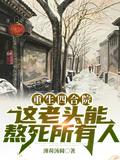 Reborn in the Courtyard, This Old Man Can Kill Everyone
1.1kReads7.4Score—Shelves
Reborn in the Courtyard, This Old Man Can Kill Everyone
1.1kReads7.4Score—Shelves
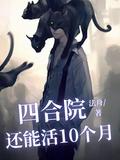 Siheyuan: 10 Months Left to Live
12.5kReads8.5Score538Shelves
Siheyuan: 10 Months Left to Live
12.5kReads8.5Score538Shelves
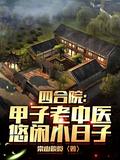 Siheyuan: Jiazi Old Chinese Medicine Doctor, Leisurely Life
6.3kReads8.6Score322Shelves
Siheyuan: Jiazi Old Chinese Medicine Doctor, Leisurely Life
6.3kReads8.6Score322Shelves
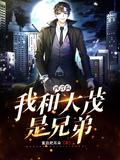 Siheyuan: Damao and I Are Brothers
9.6kReads8.7Score334Shelves
Siheyuan: Damao and I Are Brothers
9.6kReads8.7Score334Shelves
 Siheyuan: Xu Damao Shows Movies
113Reads5.6Score—Shelves
Siheyuan: Xu Damao Shows Movies
113Reads5.6Score—Shelves
 Sihe**********
—Reads5.8Score—Shelves
Sihe**********
—Reads5.8Score—Shelves
 **
—Reads5.8Score—Shelves
**
—Reads5.8Score—Shelves
 Sihe*************
—Reads5.8Score—Shelves
Sihe*************
—Reads5.8Score—Shelves
 Siheyuan: I Became Xu Damao
2.2kReads5.9Score—Shelves
Siheyuan: I Became Xu Damao
2.2kReads5.9Score—Shelves
Silly Pillar Is Reborn at 51, and Gets a Paralysis Ring at the Beginning 45.9kReads7.2Score6.1kShelves
 Eight Divorced Family, Many Children, Many Blessings, Why the Great Qing Dynasty Is Destitute
1.4kReads5.8Score—Shelves
Eight Divorced Family, Many Children, Many Blessings, Why the Great Qing Dynasty Is Destitute
1.4kReads5.8Score—Shelves
 傻柱傻茂共同撑起轧钢厂生态圈
3.2kReads5.8Score193Shelves
傻柱傻茂共同撑起轧钢厂生态圈
3.2kReads5.8Score193Shelves
From Deputy Director to North Korean Army Commander Yan Jia's Counterattack 23.7kReads6.0Score1.6kShelves
 Siheyuan: Stealing My Things and Hoping to Have a Good Life
9.8kReads7.8Score416Shelves
Siheyuan: Stealing My Things and Hoping to Have a Good Life
9.8kReads7.8Score416Shelves
 Siheyuan: a Hundred-Year-Old Man Drives the Beast Crazy
2.4kReads7.7Score101Shelves
Siheyuan: a Hundred-Year-Old Man Drives the Beast Crazy
2.4kReads7.7Score101Shelves
 Asking You to Take Care of Lou Xiaoe, She Has Three Treasures in One Child?
9.6kReads6.8Score338Shelves
Asking You to Take Care of Lou Xiaoe, She Has Three Treasures in One Child?
9.6kReads6.8Score338Shelves
 Siheyuan: Marrying Qin Huairu Is My Blessing
890Reads5.7Score—Shelves
Siheyuan: Marrying Qin Huairu Is My Blessing
890Reads5.7Score—Shelves
 Sihe*********
—Reads5.8Score—Shelves
Sihe*********
—Reads5.8Score—Shelves
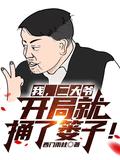 I! Second Uncle! It Was a Trap at the Beginning!
10.1kReads8.7Score525Shelves
I! Second Uncle! It Was a Trap at the Beginning!
10.1kReads8.7Score525Shelves
 Siheyuan: Since the 1950S
4.7kReads8.2Score104Shelves
Siheyuan: Since the 1950S
4.7kReads8.2Score104Shelves
 Siheyuan: a Hundred-Year-Old Naughty Boy, Beating up All the Birds!
248Reads5.3Score—Shelves
Siheyuan: a Hundred-Year-Old Naughty Boy, Beating up All the Birds!
248Reads5.3Score—Shelves
 Siheyuan: Longevity Ancestor! Suppress All Dissent
1.1kReads6.1Score—Shelves
Siheyuan: Longevity Ancestor! Suppress All Dissent
1.1kReads6.1Score—Shelves
 Siheyuan: Everyone Stands up and Salutes Godfather
26.1kReads9.2Score1.2kShelves
Siheyuan: Everyone Stands up and Salutes Godfather
26.1kReads9.2Score1.2kShelves
 Siheyuan: Three Uncles Who Can Sign In
6.8kReads8.7Score244Shelves
Siheyuan: Three Uncles Who Can Sign In
6.8kReads8.7Score244Shelves
 Courtyard: the Strongest Old Man Yi Zhonghai
2.7kReads8.0Score103Shelves
Courtyard: the Strongest Old Man Yi Zhonghai
2.7kReads8.0Score103Shelves
 Siheyuan: I Am He Yuyang, Suppressing the Whole Courtyard
18.5kReads8.1Score1kShelves
Siheyuan: I Am He Yuyang, Suppressing the Whole Courtyard
18.5kReads8.1Score1kShelves
 Sihe**********
—Reads5.8Score—Shelves
Sihe**********
—Reads5.8Score—Shelves
 Siheyuan: Transformed into Yi Zhonghai's Biological Son
37.1kReads8.1Score2.6kShelves
Siheyuan: Transformed into Yi Zhonghai's Biological Son
37.1kReads8.1Score2.6kShelves
 Resurrection from the Ashes
13.4kReads8.1Score904Shelves
Resurrection from the Ashes
13.4kReads8.1Score904Shelves
 A Journey to the Heavens Starting from the Siheyuan
28.1kReads8.0Score1.7kShelves
A Journey to the Heavens Starting from the Siheyuan
28.1kReads8.0Score1.7kShelves
 Siheyuan: Lou Xiaoe Is My Wife!
33.9kReads7.9Score1.2kShelves
Siheyuan: Lou Xiaoe Is My Wife!
33.9kReads7.9Score1.2kShelves
 Siheyuan: Although the Plug-In Is LOW! but Invincible
30.8kReads7.9Score1.4kShelves
Siheyuan: Although the Plug-In Is LOW! but Invincible
30.8kReads7.9Score1.4kShelves
 Return to 1961 and Become a Police Officer
49.2kReads8.0Score3.1kShelves
Return to 1961 and Become a Police Officer
49.2kReads8.0Score3.1kShelves
 Rebirth of the Siheyuan Why Did I Become Qing Dynasty
10.9kReads8.0Score549Shelves
Rebirth of the Siheyuan Why Did I Become Qing Dynasty
10.9kReads8.0Score549Shelves
 Siheyuan: Making Trouble? If the Dog Doesn't Do It, I Will!
27.4kReads7.7Score1.1kShelves
Siheyuan: Making Trouble? If the Dog Doesn't Do It, I Will!
27.4kReads7.7Score1.1kShelves
 The Happy Life of the Eighth Grade Workers in the Siheyuan
70.6kReads7.9Score3.4kShelves
The Happy Life of the Eighth Grade Workers in the Siheyuan
70.6kReads7.9Score3.4kShelves
 Siheyuan: a Pen at the Beginning and an Iron Rice Bowl at the End
5.4kReads7.9Score235Shelves
Siheyuan: a Pen at the Beginning and an Iron Rice Bowl at the End
5.4kReads7.9Score235Shelves
 Tomb Robber: My System Can Integrate Gods
30kReads8.0Score3.1kShelves
Tomb Robber: My System Can Integrate Gods
30kReads8.0Score3.1kShelves
 Crazy Case Solving: First-Class Merit Is Obtained
31.8kReads8.1Score3.2kShelves
Crazy Case Solving: First-Class Merit Is Obtained
31.8kReads8.1Score3.2kShelves
 Red Writers in the Courtyard
31.9kReads8.0Score1.6kShelves
Red Writers in the Courtyard
31.9kReads8.0Score1.6kShelves
 In Siheyuan, I Know Everything
56.6kReads7.3Score5kShelves
In Siheyuan, I Know Everything
56.6kReads7.3Score5kShelves
 Jia Dongxu Was Shot at the General Meeting of the Courtyard
14.7kReads7.6Score887Shelves
Jia Dongxu Was Shot at the General Meeting of the Courtyard
14.7kReads7.6Score887Shelves
 Dressed as Jia Dongxu? My Godmother Has Trouble Raising Children
28.6kReads8.6Score1.7kShelves
Dressed as Jia Dongxu? My Godmother Has Trouble Raising Children
28.6kReads8.6Score1.7kShelves
 Old Han Jia Cannon in the Siheyuan
42.8kReads7.7Score3.6kShelves
Old Han Jia Cannon in the Siheyuan
42.8kReads7.7Score3.6kShelves
 Qin Huairu and Yu Li Are Both My Tenants in the Courtyard House
1.8kReads6.0Score129Shelves
Qin Huairu and Yu Li Are Both My Tenants in the Courtyard House
1.8kReads6.0Score129Shelves
 Sister-In-Law Qin Huairu of Siheyuan
3.6kReads5.8Score165Shelves
Sister-In-Law Qin Huairu of Siheyuan
3.6kReads5.8Score165Shelves
 Qin Huairu of the Siheyuan, Please Respect Yourself
2.2kReads5.9Score143Shelves
Qin Huairu of the Siheyuan, Please Respect Yourself
2.2kReads5.9Score143Shelves
 In the Siheyuan, I Am Invincible in the Qing Dynasty.
7.9kReads7.5Score289Shelves
In the Siheyuan, I Am Invincible in the Qing Dynasty.
7.9kReads7.5Score289Shelves
 Siheyuan: I Married Xiaodang, and Lou Xiaoe Went Crazy
17.1kReads6.8Score512Shelves
Siheyuan: I Married Xiaodang, and Lou Xiaoe Went Crazy
17.1kReads6.8Score512Shelves
 Siheyuan: Beginning as a Bride-In-Law
965Reads5.6Score—Shelves
Siheyuan: Beginning as a Bride-In-Law
965Reads5.6Score—Shelves