In this list
Reader notes translated by Google Translate
136
-
51
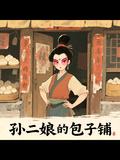 Sun Erniang's Bun Shop 孙二娘的包子铺
In the late Northern Song, Sun Erniang, the “Mother Yaksha” of Cross Slope, appears to run a bun shop. In truth, she uses “meat buns” as a code to build an information network across the martial world, secretly investigating the truth behind her father's murder and the wrongful case of the Red Flame Army. When the “Red Flame Treasure” resurfaces, she is drawn into a struggle involving the Bloodhand Alliance, the Ironblood Guards, and powerful court officials. With help from her husband Zhang Qin
3Reads—Score—Shelves
Sun Erniang's Bun Shop 孙二娘的包子铺
In the late Northern Song, Sun Erniang, the “Mother Yaksha” of Cross Slope, appears to run a bun shop. In truth, she uses “meat buns” as a code to build an information network across the martial world, secretly investigating the truth behind her father's murder and the wrongful case of the Red Flame Army. When the “Red Flame Treasure” resurfaces, she is drawn into a struggle involving the Bloodhand Alliance, the Ironblood Guards, and powerful court officials. With help from her husband Zhang Qin
3Reads—Score—Shelves
-
52
 The White-Browed Hero’s Sequel: Back in the Martial World 白眉大侠后传之重出江湖
Blood and violence, with no peace in sight. White-Browed Hero returns to the martial world, writing a tale of loyalty, courage, feuds, and love! The Seven Heroes are incomplete, only two of the Five Heroes remain, and new talent emerges in every generation. This book will strive to show how Xu Liang and Yun Rui carry on the legacy of the Upper Three Gates.
10.8kReads7.3Score440Shelves
The White-Browed Hero’s Sequel: Back in the Martial World 白眉大侠后传之重出江湖
Blood and violence, with no peace in sight. White-Browed Hero returns to the martial world, writing a tale of loyalty, courage, feuds, and love! The Seven Heroes are incomplete, only two of the Five Heroes remain, and new talent emerges in every generation. This book will strive to show how Xu Liang and Yun Rui carry on the legacy of the Upper Three Gates.
10.8kReads7.3Score440Shelves
-
53
 Reborn as Long Tianbiao, Bai Meixia's Disciple 重生白眉大侠徒弟龙天彪
Long Tianbiao: “Ah! A ghost!” Xu Liang: “You wretched disciple! I’ll beat you to death!” Long Tianbiao: “Master, I was wrong. You’re not a ghost, you’re just ugly!” Xu Liang: “Go die!” Long Tianbiao: “Junior Brother, hurry up and earn some merit so you can come to Kaifeng Prefecture and become a constable.” Fang Shu’an: “Senior Brother, you’re hoping I’ll mend my ways and go straight, aren’t you? You’re so good to me!” Long Tianbiao: “You’ve got it wrong! It’s just that then Kaifeng Prefecture
1.4kReads6.4Score100Shelves
Reborn as Long Tianbiao, Bai Meixia's Disciple 重生白眉大侠徒弟龙天彪
Long Tianbiao: “Ah! A ghost!” Xu Liang: “You wretched disciple! I’ll beat you to death!” Long Tianbiao: “Master, I was wrong. You’re not a ghost, you’re just ugly!” Xu Liang: “Go die!” Long Tianbiao: “Junior Brother, hurry up and earn some merit so you can come to Kaifeng Prefecture and become a constable.” Fang Shu’an: “Senior Brother, you’re hoping I’ll mend my ways and go straight, aren’t you? You’re so good to me!” Long Tianbiao: “You’ve got it wrong! It’s just that then Kaifeng Prefecture
1.4kReads6.4Score100Shelves
Reader note
-
54
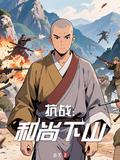 War of Resistance: The Monk Comes Down from the Mountain 抗战:和尚下山
Japanese pirates invade, and smoke fills the skies. With China in peril, he obeys his master’s orders and leaves the mountain to join the army. Though his family bears a blood feud, he puts his country’s enmity first. After eleven years as a vegetable-garden monk, he has unknowingly mastered the Iron Palm. Through three deaths and three lives, three lives and three deaths, the mettle of a true hero is finally revealed.
11.1kReads8.1Score1.4kShelves
War of Resistance: The Monk Comes Down from the Mountain 抗战:和尚下山
Japanese pirates invade, and smoke fills the skies. With China in peril, he obeys his master’s orders and leaves the mountain to join the army. Though his family bears a blood feud, he puts his country’s enmity first. After eleven years as a vegetable-garden monk, he has unknowingly mastered the Iron Palm. Through three deaths and three lives, three lives and three deaths, the mettle of a true hero is finally revealed.
11.1kReads8.1Score1.4kShelves
-
55
 Invincible Delivery 无敌外卖
You cheated on me? You're unbelievable! And you had the nerve to humiliate me with that scumbag! You thought I was poor because I delivered takeout? I'll show you: I just awakened the power to multiply the income from every order by N! My wealth is skyrocketing, and I'm making an astonishing comeback! You looked down on me in every way back then. Now you don't even deserve to grovel at my feet!
40Reads—Score—Shelves
Invincible Delivery 无敌外卖
You cheated on me? You're unbelievable! And you had the nerve to humiliate me with that scumbag! You thought I was poor because I delivered takeout? I'll show you: I just awakened the power to multiply the income from every order by N! My wealth is skyrocketing, and I'm making an astonishing comeback! You looked down on me in every way back then. Now you don't even deserve to grovel at my feet!
40Reads—Score—Shelves
-
56
 Longevity: Starting as an Unorthodox Tianlong 长生:从另类天龙开始
Word has spread throughout the martial world that the Carefree Sect possesses secret martial arts capable of granting eternal life. Countless people have searched the world for it, unaware that this defying-the-heavens legacy has long since fallen into the hands of an unknown young man. Li Xiaoyao keeps a low profile amid the chaos of Tianlong. He seems ordinary, but the depths of his cultivation are unfathomable. He watches the martial world’s conflicts with cold detachment, yet is forced into
4.2kReads8.8Score199Shelves
Longevity: Starting as an Unorthodox Tianlong 长生:从另类天龙开始
Word has spread throughout the martial world that the Carefree Sect possesses secret martial arts capable of granting eternal life. Countless people have searched the world for it, unaware that this defying-the-heavens legacy has long since fallen into the hands of an unknown young man. Li Xiaoyao keeps a low profile amid the chaos of Tianlong. He seems ordinary, but the depths of his cultivation are unfathomable. He watches the martial world’s conflicts with cold detachment, yet is forced into
4.2kReads8.8Score199Shelves
Reader note
-
57
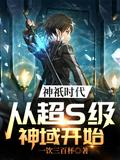 The Age of Gods: Starting with a Super S-Rank Divine Domain 神祇时代:从超S级神域开始
On the Continent of Divine Descent, everyone can become a god. “Ding! Sign-in at the Divine Relic Stone successful. Reward: an Ultra S-rank divine domain.” “Ding! Sign-in at the Dragon Demon Sacred Statue successful. Reward: an Ultra S-rank race sealing card.” “Ding! Sign-in at the Divine Domain War Stele successful. Reward: a special physique for a race of faith, one Battle Saint Body.” “Ding...” Nangong Hou, who possessed a sign-in System, began his path as a genius on his very first day of sc
11.8kReads8.7Score903Shelves
The Age of Gods: Starting with a Super S-Rank Divine Domain 神祇时代:从超S级神域开始
On the Continent of Divine Descent, everyone can become a god. “Ding! Sign-in at the Divine Relic Stone successful. Reward: an Ultra S-rank divine domain.” “Ding! Sign-in at the Dragon Demon Sacred Statue successful. Reward: an Ultra S-rank race sealing card.” “Ding! Sign-in at the Divine Domain War Stele successful. Reward: a special physique for a race of faith, one Battle Saint Body.” “Ding...” Nangong Hou, who possessed a sign-in System, began his path as a genius on his very first day of sc
11.8kReads8.7Score903Shelves
-
58
 The Seven Heroes Return: The Five Young Detectives 再续七侠小小五义
Promoting traditional culture and creating a classic: the story of The Seven Heroes Reborn: The Little Five Righteous Ones. The story picks up after The Sword Heroes of Great Song. Synopsis: Explosives appear in the Kaifeng Prefecture, and the Five Poisons Sect wreaks havoc in the capital, Bianjing. Young women mysteriously disappear one after another in Huayang County. A band of outlaws breaks into the county jail and stages a prison break. Zhan Jun leads a band of heroes in defeating the Fire
2.8kReads6.9Score126Shelves
The Seven Heroes Return: The Five Young Detectives 再续七侠小小五义
Promoting traditional culture and creating a classic: the story of The Seven Heroes Reborn: The Little Five Righteous Ones. The story picks up after The Sword Heroes of Great Song. Synopsis: Explosives appear in the Kaifeng Prefecture, and the Five Poisons Sect wreaks havoc in the capital, Bianjing. Young women mysteriously disappear one after another in Huayang County. A band of outlaws breaks into the county jail and stages a prison break. Zhan Jun leads a band of heroes in defeating the Fire
2.8kReads6.9Score126Shelves
-
59
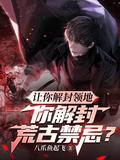 I Asked You to Unseal Your Territory, Not Release an Ancient Forbidden Being! 让你解封领地,你解封荒古禁忌?
In a world where everyone can become a lord, each person gets the chance to unlock a sealed territory. Successfully breaking the seal makes you a lord. All the native inhabitants of your territory will submit to you, helping you slay monsters and fend off invaders so your territory can level up and grow stronger. Some people unlock a Black Wolf territory, where packs of wolves hunt tigers and slaughter monsters in a frenzy, their levels soaring! Some unlock an Undead territory, unleashing calami
4.9kReads6.7Score310Shelves
I Asked You to Unseal Your Territory, Not Release an Ancient Forbidden Being! 让你解封领地,你解封荒古禁忌?
In a world where everyone can become a lord, each person gets the chance to unlock a sealed territory. Successfully breaking the seal makes you a lord. All the native inhabitants of your territory will submit to you, helping you slay monsters and fend off invaders so your territory can level up and grow stronger. Some people unlock a Black Wolf territory, where packs of wolves hunt tigers and slaughter monsters in a frenzy, their levels soaring! Some unlock an Undead territory, unleashing calami
4.9kReads6.7Score310Shelves
-
60
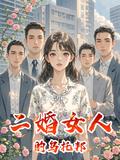 A Second-Marriage Woman's Utopia 二婚女人的乌托邦
A singer of love songs may not win the favor of marriage; a woman who escapes the cage of marriage may not find affection beyond it. When a divorced woman faces several men, a tangle of relationships, and a single blossoming flower, what kind of tangled story will unfold? As she moves from one cage into another, Heaven gives her the right to choose, but no clear path to follow. Standing on the threshold of a second marriage, how did she make the leap? What heights did she reach through the strug
2Reads—Score—Shelves
A Second-Marriage Woman's Utopia 二婚女人的乌托邦
A singer of love songs may not win the favor of marriage; a woman who escapes the cage of marriage may not find affection beyond it. When a divorced woman faces several men, a tangle of relationships, and a single blossoming flower, what kind of tangled story will unfold? As she moves from one cage into another, Heaven gives her the right to choose, but no clear path to follow. Standing on the threshold of a second marriage, how did she make the leap? What heights did she reach through the strug
2Reads—Score—Shelves
-
61
 Ah, Beyond the Mountain 啊山那边
This novel chronicles not only the journeys of the people of Yimeng, but also, through the interplay of keyboards and hoes and the dialogue between the cloud and cooking smoke, reshapes the spiritual heights of the Chinese Dream. Drawing on more than a decade of collected material, the author offers the first sweeping portrait of urbanization in the Yimeng Mountains from 1980 to 2025. The sweeping changes in Qingluan Village and the county town form a living picture of Chinese-style modernizatio
2Reads—Score—Shelves
Ah, Beyond the Mountain 啊山那边
This novel chronicles not only the journeys of the people of Yimeng, but also, through the interplay of keyboards and hoes and the dialogue between the cloud and cooking smoke, reshapes the spiritual heights of the Chinese Dream. Drawing on more than a decade of collected material, the author offers the first sweeping portrait of urbanization in the Yimeng Mountains from 1980 to 2025. The sweeping changes in Qingluan Village and the county town form a living picture of Chinese-style modernizatio
2Reads—Score—Shelves
-
62
 Uncle, Spoil Me Rotten 大叔好好宠我
The CEO, completely wrapped around his little girl’s finger, spoiled her like there was no tomorrow!
1.8kReads9.1Score977Shelves
Uncle, Spoil Me Rotten 大叔好好宠我
The CEO, completely wrapped around his little girl’s finger, spoiled her like there was no tomorrow!
1.8kReads9.1Score977Shelves
-
63
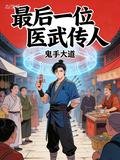 The Last Heir of Medicine and Martial Arts 最后一位医武传人
Wang Xuan, the last heir to a hidden sect of medicine and martial arts, is sent by his master to experience the mortal world. On campus, he is a poor student mocked by rich kids. At the hospital, he is an intern ostracized by the department head. During a trip to an antiques market, a rich kid spends a million yuan on a “Tang dynasty jade bowl” to show off. Wang Xuan, however, spends all his savings on a bloodstained piece of scrap metal nobody wants. The rich kid laughs that he must be crazy, w
39Reads—Score—Shelves
The Last Heir of Medicine and Martial Arts 最后一位医武传人
Wang Xuan, the last heir to a hidden sect of medicine and martial arts, is sent by his master to experience the mortal world. On campus, he is a poor student mocked by rich kids. At the hospital, he is an intern ostracized by the department head. During a trip to an antiques market, a rich kid spends a million yuan on a “Tang dynasty jade bowl” to show off. Wang Xuan, however, spends all his savings on a bloodstained piece of scrap metal nobody wants. The rich kid laughs that he must be crazy, w
39Reads—Score—Shelves
Reader note
-
64
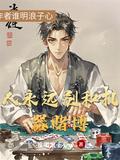 Never Gamble with a Machine 人永远别和机器赌博
These are my own memories of gambling. I hope that reading them will help people quit gambling, live well, and stay away from it. Gambling really can ruin a person. Every day, you end up living like a rat.
549Reads—Score—Shelves
Never Gamble with a Machine 人永远别和机器赌博
These are my own memories of gambling. I hope that reading them will help people quit gambling, live well, and stay away from it. Gambling really can ruin a person. Every day, you end up living like a rat.
549Reads—Score—Shelves
-
65
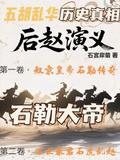 The Chronicles of Later Zhao, Volume One: The Biography of Shi Le 后赵演义第一卷石勒传
Shi Le (274–333) was the only person in Chinese history to rise from slavery to the throne. Born into the lower ranks of the Jie people, he was once sold into slavery. He later rose to prominence with a band of “eighteen horsemen,” unified much of northern China, and founded the Later Zhao regime. During his rule, he introduced a number of reforms: he established the Imperial Academy, reduced taxes and corvée labor, and appointed the Han official Zhang Bin to high office. He also created a “thre
167Reads—Score—Shelves
The Chronicles of Later Zhao, Volume One: The Biography of Shi Le 后赵演义第一卷石勒传
Shi Le (274–333) was the only person in Chinese history to rise from slavery to the throne. Born into the lower ranks of the Jie people, he was once sold into slavery. He later rose to prominence with a band of “eighteen horsemen,” unified much of northern China, and founded the Later Zhao regime. During his rule, he introduced a number of reforms: he established the Imperial Academy, reduced taxes and corvée labor, and appointed the Han official Zhang Bin to high office. He also created a “thre
167Reads—Score—Shelves
Reader note
-
66
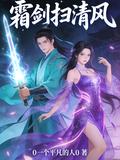 Frost Sword Sweeps Away the Breeze 霜剑扫清风
The whole village was drenched in blood and reduced to ruins in a single day. Young Zhang He escaped a mountain of corpses and a sea of flames, clutching an unparalleled manual to his chest. From then on, he was a fugitive with nowhere to go. To conceal his lethal skills, he went into hiding at Wudang, content to serve as a young kitchen acolyte. Smoke and fire could not dim his soaring ambition. With a woodcutter's knife in hand, he secretly trained in peerless inner arts. One day, the disc
909Reads8.3Score—Shelves
Frost Sword Sweeps Away the Breeze 霜剑扫清风
The whole village was drenched in blood and reduced to ruins in a single day. Young Zhang He escaped a mountain of corpses and a sea of flames, clutching an unparalleled manual to his chest. From then on, he was a fugitive with nowhere to go. To conceal his lethal skills, he went into hiding at Wudang, content to serve as a young kitchen acolyte. Smoke and fire could not dim his soaring ambition. With a woodcutter's knife in hand, he secretly trained in peerless inner arts. One day, the disc
909Reads8.3Score—Shelves
Reader note
-
67
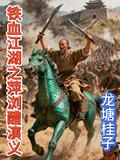 Blood and Iron in the Jianghu: The Pingliuli Rebellion 铁血江湖之萍浏醴演义
... Two pairs of figures stood beneath the thousand-year-old camphor tree in the middle of the street, an utterly out-of-place sight. On one side were Liu Bingsheng and Cai Bingzhang, middle-aged scholars in modern jackets with resolute faces. They were history researchers and organizers of that uprising, transmigrated through time. On the other side were Empress Dowager Cixi and Emperor Guangxu, dragged here by an overwhelming desire for redemption. Of course, at this moment, they could hardly
—Reads—Score—Shelves
Blood and Iron in the Jianghu: The Pingliuli Rebellion 铁血江湖之萍浏醴演义
... Two pairs of figures stood beneath the thousand-year-old camphor tree in the middle of the street, an utterly out-of-place sight. On one side were Liu Bingsheng and Cai Bingzhang, middle-aged scholars in modern jackets with resolute faces. They were history researchers and organizers of that uprising, transmigrated through time. On the other side were Empress Dowager Cixi and Emperor Guangxu, dragged here by an overwhelming desire for redemption. Of course, at this moment, they could hardly
—Reads—Score—Shelves
Reader note
-
68
 Romance of the Sui and Tang Dynasties: Shan Tianfang's Storytelling Edition 隋唐演义之单田芳评书版
I’m a big fan of the storytelling performances by Master Shan Tianfang. Sometimes I wish I could read the words while listening, so I could mull over them more carefully. Today, thanks to this platform, my wish has come true.
—Reads—Score3.4kShelves
Romance of the Sui and Tang Dynasties: Shan Tianfang's Storytelling Edition 隋唐演义之单田芳评书版
I’m a big fan of the storytelling performances by Master Shan Tianfang. Sometimes I wish I could read the words while listening, so I could mull over them more carefully. Today, thanks to this platform, my wish has come true.
—Reads—Score3.4kShelves
-
69
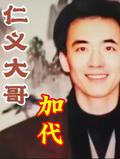 The Righteous Big Brother Jiadai 仁义大哥加代
This is the thrilling story of Jiadai, a big brother in Beijing’s underworld! Jiadai was a real person, born Ren Jiazhong in Beijing in 1963. A native Beijinger, he made friends all over the world throughout his life and was known in the underworld as a righteous big brother!
501Reads7.6Score101Shelves
The Righteous Big Brother Jiadai 仁义大哥加代
This is the thrilling story of Jiadai, a big brother in Beijing’s underworld! Jiadai was a real person, born Ren Jiazhong in Beijing in 1963. A native Beijinger, he made friends all over the world throughout his life and was known in the underworld as a righteous big brother!
501Reads7.6Score101Shelves
-
70
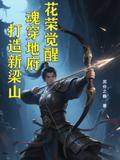 Hua Rong Awakens and Enters the Underworld, Building a New Liangshan 花荣觉醒,魂穿地府,打造新梁山
Hua Rong followed Song Jiang to his death, then awakened his star soul in the underworld. Guided by an expert, he crossed into the underworld, gathered his surviving sworn brothers, and built a new Liangshan. He would conquer the realm and uncover the secret of the 108 demon stars.
7Reads—Score—Shelves
Hua Rong Awakens and Enters the Underworld, Building a New Liangshan 花荣觉醒,魂穿地府,打造新梁山
Hua Rong followed Song Jiang to his death, then awakened his star soul in the underworld. Guided by an expert, he crossed into the underworld, gathered his surviving sworn brothers, and built a new Liangshan. He would conquer the realm and uncover the secret of the 108 demon stars.
7Reads—Score—Shelves
Reader note
-
71
 Aspiring to the Immortal Path 问鼎仙途
[Mortal-style cultivation + no System] Su Shier, a village boy of mediocre aptitude, is forced to embark on an endless, arduous path to immortality in pursuit of revenge for a blood feud. It is a world of deceit, the law of the jungle, scheming, and hardship... The road ahead is long, the way fraught with danger. Though this humble mortal must fight through every obstacle, he swears to forge his own path to immortality.
198kReads8.9Score20.4kShelves
Aspiring to the Immortal Path 问鼎仙途
[Mortal-style cultivation + no System] Su Shier, a village boy of mediocre aptitude, is forced to embark on an endless, arduous path to immortality in pursuit of revenge for a blood feud. It is a world of deceit, the law of the jungle, scheming, and hardship... The road ahead is long, the way fraught with danger. Though this humble mortal must fight through every obstacle, he swears to forge his own path to immortality.
198kReads8.9Score20.4kShelves
-
72
 Bao Qingtian: The Female Prosecutor of Kaifeng 包青天之开封女提刑
The Female Coroner of Kaifeng Her father died unjustly, her mother met a tragic end, and she brought her forensic expertise to Kaifeng. At the autopsy table, no one is above anyone else. Before the law, all are equal. A prince? Chop his head! A powerful minister? Investigate him! Even her fiancé turns out to be the secretly hidden Prince Gong? Ding Yuehua: "Fine. Bring it on, all of you. I'm in a hurry to clear my family's name." The Song Dynasty's foremost female coroner, she takes on anyone w
242Reads—Score—Shelves
Bao Qingtian: The Female Prosecutor of Kaifeng 包青天之开封女提刑
The Female Coroner of Kaifeng Her father died unjustly, her mother met a tragic end, and she brought her forensic expertise to Kaifeng. At the autopsy table, no one is above anyone else. Before the law, all are equal. A prince? Chop his head! A powerful minister? Investigate him! Even her fiancé turns out to be the secretly hidden Prince Gong? Ding Yuehua: "Fine. Bring it on, all of you. I'm in a hurry to clear my family's name." The Song Dynasty's foremost female coroner, she takes on anyone w
242Reads—Score—Shelves
-
73
 Justice Bao: The First Chapter of Chivalry and Righteousness 包青天之侠肝义胆第一部
During the reign of Emperor Renzong of the Northern Song, dark forces stirred beneath the surface of Bianjing. Bao Zheng, prefect of Kaifeng, held court at the center of the action, leading a core team made up of his strategist Gongsun Ce; Zhan Zhao, the “Imperial Cat,” and his wife Ding Yuehua, the “Imperial Swallow” and master of Listening Wind Tower; and Bai Yutang, the “Jade-Furred Rat,” an extraordinary talent from the martial world.
854Reads—Score103Shelves
Justice Bao: The First Chapter of Chivalry and Righteousness 包青天之侠肝义胆第一部
During the reign of Emperor Renzong of the Northern Song, dark forces stirred beneath the surface of Bianjing. Bao Zheng, prefect of Kaifeng, held court at the center of the action, leading a core team made up of his strategist Gongsun Ce; Zhan Zhao, the “Imperial Cat,” and his wife Ding Yuehua, the “Imperial Swallow” and master of Listening Wind Tower; and Bai Yutang, the “Jade-Furred Rat,” an extraordinary talent from the martial world.
854Reads—Score103Shelves
-
74
 Bao Qingtian, the Iron-Faced Detective 铁面神断包青天
A traditional detective story mixed with supernatural elements, moving at a breakneck pace with twists you’ll never see coming. This isn’t some brainless power fantasy. The cases are solved with real thought, and it’s so satisfying to see characters who actually use their brains! Highly recommended for anyone who loves suspense and mind-bending mysteries!
17Reads—Score—Shelves
Bao Qingtian, the Iron-Faced Detective 铁面神断包青天
A traditional detective story mixed with supernatural elements, moving at a breakneck pace with twists you’ll never see coming. This isn’t some brainless power fantasy. The cases are solved with real thought, and it’s so satisfying to see characters who actually use their brains! Highly recommended for anyone who loves suspense and mind-bending mysteries!
17Reads—Score—Shelves
-
75
 Judge Bao: Strange Cases of the Great Song 包青天之大宋奇案
A series of cases, with the whispers of wronged souls outside the Kaifeng Prefecture yamen. The strange cases of Kaifeng are one mystery after another, each peeling back layer upon layer of the human heart. Bao Zheng arrives through bloodshed, relying neither on ghosts and gods nor on blades, but on iron courage, a little legal knowledge, and keen insight to expose every monster lurking among ordinary people. The truth lies deep within the bones and the human heart.
26Reads—Score—Shelves
Judge Bao: Strange Cases of the Great Song 包青天之大宋奇案
A series of cases, with the whispers of wronged souls outside the Kaifeng Prefecture yamen. The strange cases of Kaifeng are one mystery after another, each peeling back layer upon layer of the human heart. Bao Zheng arrives through bloodshed, relying neither on ghosts and gods nor on blades, but on iron courage, a little legal knowledge, and keen insight to expose every monster lurking among ordinary people. The truth lies deep within the bones and the human heart.
26Reads—Score—Shelves
-
76
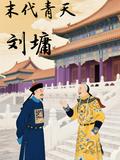 Liu Yong, the Last Judge Bao 末代青天刘墉
During the reign of Emperor Qianlong, Heshen held sway over the imperial court, while Liu Yong, despite his hunched back, delighted in tormenting the corrupt and powerful. The clack of his abacus struck at the spines of greedy officials, and the glow of his pipe kindled hope among the people. Nine epic tales, each step fraught with danger. Watch him turn common folk into pieces on a chessboard and the bustling streets into his playing field, unleashing a thunderous storm that sweeps from the mar
7Reads—Score—Shelves
Liu Yong, the Last Judge Bao 末代青天刘墉
During the reign of Emperor Qianlong, Heshen held sway over the imperial court, while Liu Yong, despite his hunched back, delighted in tormenting the corrupt and powerful. The clack of his abacus struck at the spines of greedy officials, and the glow of his pipe kindled hope among the people. Nine epic tales, each step fraught with danger. Watch him turn common folk into pieces on a chessboard and the bustling streets into his playing field, unleashing a thunderous storm that sweeps from the mar
7Reads—Score—Shelves
-
77
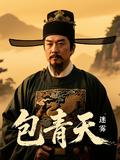 The Fog of Justice Bao 包青天迷雾
Following Bao Qingtian's career as an official, thirty strange cases conceal one mystery. From a minor case involving ox tongues to threats against the foundations of the state, every act of corruption he cuts down points to a shocking conspiracy looming over the Song Empire.
562Reads6.9Score—Shelves
The Fog of Justice Bao 包青天迷雾
Following Bao Qingtian's career as an official, thirty strange cases conceal one mystery. From a minor case involving ox tongues to threats against the foundations of the state, every act of corruption he cuts down points to a shocking conspiracy looming over the Song Empire.
562Reads6.9Score—Shelves
-
78
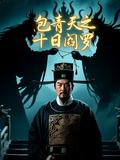 Judge Bao: Ten Days as the King of Hell 包青天之十日阎罗
Judge Bao: The Ten Days of Yama A “Yama Decree” appears in Bianjing. An official seal is stolen in the night, and memories are erased. Bao Zheng has ten days to solve the case, but finds himself caught in an even deeper web of intrigue.
202Reads—Score105Shelves
Judge Bao: Ten Days as the King of Hell 包青天之十日阎罗
Judge Bao: The Ten Days of Yama A “Yama Decree” appears in Bianjing. An official seal is stolen in the night, and memories are erased. Bao Zheng has ten days to solve the case, but finds himself caught in an even deeper web of intrigue.
202Reads—Score105Shelves
-
79
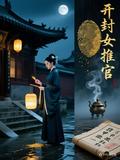 The Female Investigating Judge of Kaifeng 开封女推官
On her first day in office, Ding Yuehua, a female magistrate in Kaifeng, cracks a poisoning case involving the richest man in the region. A faint redness beneath the fingernails and an unusual fragrance of gold powder lead her to a bloody case of spice monopolies. When victims “volunteer” to test the drugs, and the lone survivor of a family massacre becomes a perfumer bent on revenge, she must use her expertise to cut through the web of power and capital and uncover the truth.
20Reads—Score—Shelves
The Female Investigating Judge of Kaifeng 开封女推官
On her first day in office, Ding Yuehua, a female magistrate in Kaifeng, cracks a poisoning case involving the richest man in the region. A faint redness beneath the fingernails and an unusual fragrance of gold powder lead her to a bloody case of spice monopolies. When victims “volunteer” to test the drugs, and the lone survivor of a family massacre becomes a perfumer bent on revenge, she must use her expertise to cut through the web of power and capital and uncover the truth.
20Reads—Score—Shelves
-
80
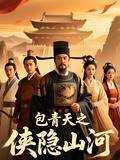 Justice Bao: Southern Hero Zhan Zhao 包青天之南侠展昭
In the early years of Emperor Renzong's reign in the Northern Song dynasty, the court was rife with intrigue. The emperor's father-in-law, Grand Tutor Pang, and the eunuch Guo Huai formed a faction, pursued private interests, and joined forces with the martial world to plot rebellion. In the martial world, a secret organization called the Wind Listener Tower was dedicated to “knowing all under heaven and keeping the people safe.” It gathered secret intelligence from the court and the common real
483Reads—Score—Shelves
Justice Bao: Southern Hero Zhan Zhao 包青天之南侠展昭
In the early years of Emperor Renzong's reign in the Northern Song dynasty, the court was rife with intrigue. The emperor's father-in-law, Grand Tutor Pang, and the eunuch Guo Huai formed a faction, pursued private interests, and joined forces with the martial world to plot rebellion. In the martial world, a secret organization called the Wind Listener Tower was dedicated to “knowing all under heaven and keeping the people safe.” It gathered secret intelligence from the court and the common real
483Reads—Score—Shelves
-
81
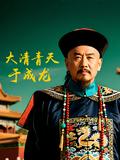 Yu Chenglong, the Upright Judge of the Qing Dynasty 大清青天于成龙
My new work is here! You’re welcome to check it out on Tomato Novel. I hope you’ll enjoy it. Your support motivates me to write, and I’ll do my best to tell every story well!
292Reads—Score—Shelves
Yu Chenglong, the Upright Judge of the Qing Dynasty 大清青天于成龙
My new work is here! You’re welcome to check it out on Tomato Novel. I hope you’ll enjoy it. Your support motivates me to write, and I’ll do my best to tell every story well!
292Reads—Score—Shelves
-
82
 Hai Rui, the Upright Judge of the Ming Dynasty 大明青天海瑞
During the Jiajing reign of the Ming dynasty, the corrupt world is as dark as night. Hai Rui, newly embarked on his official career, is no more than a low-ranking county deputy. A bizarre murder and a bloodstained copper coin bind his fate to that of Luo Jinghong, a wandering swordswoman. The powerful hold the world in their hands, and mysteries are tangled together at every turn. Watch as the young Hai Rui wields the law as his sword and chivalry as his courage, cutting through blades and consp
165Reads—Score—Shelves
Hai Rui, the Upright Judge of the Ming Dynasty 大明青天海瑞
During the Jiajing reign of the Ming dynasty, the corrupt world is as dark as night. Hai Rui, newly embarked on his official career, is no more than a low-ranking county deputy. A bizarre murder and a bloodstained copper coin bind his fate to that of Luo Jinghong, a wandering swordswoman. The powerful hold the world in their hands, and mysteries are tangled together at every turn. Watch as the young Hai Rui wields the law as his sword and chivalry as his courage, cutting through blades and consp
165Reads—Score—Shelves
-
83
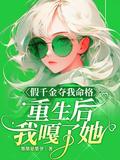 The Fake Heiress Stole My Fate, So After I Was Reborn, I Took Her Out 假千金夺我命格,重生后我嘎了她
[Rebirth + punishing scumbags + satisfying wish fulfillment] Ren Ran had an easy life for her first eighteen years, then spent the next eight plagued by bad luck. Her maternal grandparents, mother, and younger brother died one after another. Her scumbag father took over the company, and she was thrown out of the house to live on the streets. She’d be robbed just walking down the road, and flowerpots would fall from the sky when she approached a building. Whenever she got a job at a company, it w
86.3kReads9.5Score9.5kShelves
The Fake Heiress Stole My Fate, So After I Was Reborn, I Took Her Out 假千金夺我命格,重生后我嘎了她
[Rebirth + punishing scumbags + satisfying wish fulfillment] Ren Ran had an easy life for her first eighteen years, then spent the next eight plagued by bad luck. Her maternal grandparents, mother, and younger brother died one after another. Her scumbag father took over the company, and she was thrown out of the house to live on the streets. She’d be robbed just walking down the road, and flowerpots would fall from the sky when she approached a building. Whenever she got a job at a company, it w
86.3kReads9.5Score9.5kShelves
-
84
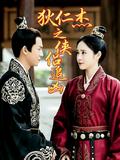 The Divine Detective Di Renjie of the Tang Dynasty 大唐神断狄仁杰
Young Di Renjie has no strength to even wring a chicken’s neck, yet possesses extraordinary talent for administration and strategy. A scholar and a warrior, he and the chivalrous princess he is to marry are forced to investigate an unsolved case from the previous dynasty, one that threatens the very foundation of the state. Surrounded by deadly schemes and undercurrents at court, he must wield logic as his sword and a benevolent heart as his shield, uncovering a conspiracy that could overturn th
322Reads—Score—Shelves
The Divine Detective Di Renjie of the Tang Dynasty 大唐神断狄仁杰
Young Di Renjie has no strength to even wring a chicken’s neck, yet possesses extraordinary talent for administration and strategy. A scholar and a warrior, he and the chivalrous princess he is to marry are forced to investigate an unsolved case from the previous dynasty, one that threatens the very foundation of the state. Surrounded by deadly schemes and undercurrents at court, he must wield logic as his sword and a benevolent heart as his shield, uncovering a conspiracy that could overturn th
322Reads—Score—Shelves
-
85
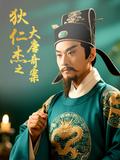 Di Renjie and the Tang Dynasty’s Strange Case 狄仁杰之大唐奇案
My latest work is out! Head over to Tomato Novel to read it. I hope you enjoy it. Your support motivates me to write, and I'll do my best to tell every story well!
240Reads—Score—Shelves
Di Renjie and the Tang Dynasty’s Strange Case 狄仁杰之大唐奇案
My latest work is out! Head over to Tomato Novel to read it. I hope you enjoy it. Your support motivates me to write, and I'll do my best to tell every story well!
240Reads—Score—Shelves
-
86
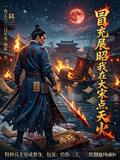 Impersonating Zhan Zhao: I Set the Heavens Ablaze in the Great Song 冒充展昭我在大宋点天火
A special forces kingpin transmigrates into the role of a substitute Zhan Zhao, facing a dead end from the start. On a snowy night in Bianjing, he is given a choice by Bao Zheng: starve to death as a beggar, or serve as a target and live for three days. He takes up the bloodstained Juque sword and asks just one question: “Is this mountain of slander enough to set the whole place ablaze?”
15Reads—Score—Shelves
Impersonating Zhan Zhao: I Set the Heavens Ablaze in the Great Song 冒充展昭我在大宋点天火
A special forces kingpin transmigrates into the role of a substitute Zhan Zhao, facing a dead end from the start. On a snowy night in Bianjing, he is given a choice by Bao Zheng: starve to death as a beggar, or serve as a target and live for three days. He takes up the bloodstained Juque sword and asks just one question: “Is this mountain of slander enough to set the whole place ablaze?”
15Reads—Score—Shelves
-
87
 Detective Dee: Sisters on the Trail of a Killer 狄仁杰之姐妹追凶
A new work is here! Come read it on Tomato Novel. I hope you'll enjoy it. Your support is what keeps me writing, and I'll do my best to tell every story well!
38Reads—Score113Shelves
Detective Dee: Sisters on the Trail of a Killer 狄仁杰之姐妹追凶
A new work is here! Come read it on Tomato Novel. I hope you'll enjoy it. Your support is what keeps me writing, and I'll do my best to tell every story well!
38Reads—Score113Shelves
-
88
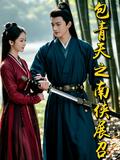 Judge Bao: Zhan Zhao, the Southern Hero 包青天之南侠展召
For ten years, the jianghu has known the lamps of rainy nights. Southern Hero Zhan Zhao cuts through the world with his sword. But he never knew that the beginning of his legend would be the night he got drunk and rescued a charming young heroine… “I am Ding Yuehua. Please, Great Hero Zhan, save my life!” Zhan Zhao’s head throbbed. “Miss, could you first tell me why thirteen gangs of bandits are after you?” It wasn’t until the day he heard at a teahouse of Judge Bao’s legendary skill at solving
5Reads—Score—Shelves
Judge Bao: Zhan Zhao, the Southern Hero 包青天之南侠展召
For ten years, the jianghu has known the lamps of rainy nights. Southern Hero Zhan Zhao cuts through the world with his sword. But he never knew that the beginning of his legend would be the night he got drunk and rescued a charming young heroine… “I am Ding Yuehua. Please, Great Hero Zhan, save my life!” Zhan Zhao’s head throbbed. “Miss, could you first tell me why thirteen gangs of bandits are after you?” It wasn’t until the day he heard at a teahouse of Judge Bao’s legendary skill at solving
5Reads—Score—Shelves
-
89
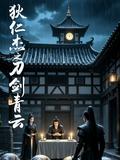 Di Renjie: Blades and Swords in the Azure Clouds 狄仁杰之刀剑青云
Just after Di Renjie had resumed his position as chancellor, seven officials mysteriously died overnight in Luoyang. After examining the bodies, Wang Yun furrowed his brow. “My lord, they were poisoned with the Western Regions’ ‘Drunken Dream of Life and Death.’ The poison must be activated with inner power.” Di Qingqing pursued the killer late into the night, only to have her veil flicked away by the tip of the enemy’s sword. The black-clad figure chuckled. “Miss Di, where did you learn that sw
3Reads—Score—Shelves
Di Renjie: Blades and Swords in the Azure Clouds 狄仁杰之刀剑青云
Just after Di Renjie had resumed his position as chancellor, seven officials mysteriously died overnight in Luoyang. After examining the bodies, Wang Yun furrowed his brow. “My lord, they were poisoned with the Western Regions’ ‘Drunken Dream of Life and Death.’ The poison must be activated with inner power.” Di Qingqing pursued the killer late into the night, only to have her veil flicked away by the tip of the enemy’s sword. The black-clad figure chuckled. “Miss Di, where did you learn that sw
3Reads—Score—Shelves
-
90
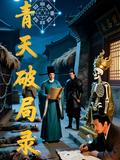 The Azure Judge’s Record of Cracking Cases 青天破局录
Eighteen headless corpses of beggars appeared in Bianliang. Bao Zheng was ordered to investigate, but the Beggars’ Guild elders treated him with cold indifference. Zhan Zhao sneaked into the Beggars’ Guild headquarters at night and discovered that every dead beggar had a mysterious star chart tattooed on their back. Gongsun Ce deciphered the chart and found that it pointed to the imperial mausoleum. Deep inside, a skeleton in an imperial dragon robe slowly raised its head, clutching a bloodstain
2Reads—Score—Shelves
The Azure Judge’s Record of Cracking Cases 青天破局录
Eighteen headless corpses of beggars appeared in Bianliang. Bao Zheng was ordered to investigate, but the Beggars’ Guild elders treated him with cold indifference. Zhan Zhao sneaked into the Beggars’ Guild headquarters at night and discovered that every dead beggar had a mysterious star chart tattooed on their back. Gongsun Ce deciphered the chart and found that it pointed to the imperial mausoleum. Deep inside, a skeleton in an imperial dragon robe slowly raised its head, clutching a bloodstain
2Reads—Score—Shelves
-
91
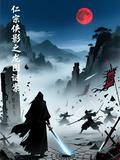 The Dragon Map Mystery of Emperor Renzong 仁宗侠影之龙图谜案
His name was Shen Guyun. He had once been the youngest armed guard under Zhan Zhao at the Kaifeng Prefecture in the capital, known as “Jade-Faced Little Whirlwind.” Three years ago, he was falsely accused in a baffling case with no corpse and expelled. Since then, he had wandered the jianghu like a drifting cloud and a wild crane, his whereabouts unknown.
18Reads—Score—Shelves
The Dragon Map Mystery of Emperor Renzong 仁宗侠影之龙图谜案
His name was Shen Guyun. He had once been the youngest armed guard under Zhan Zhao at the Kaifeng Prefecture in the capital, known as “Jade-Faced Little Whirlwind.” Three years ago, he was falsely accused in a baffling case with no corpse and expelled. Since then, he had wandered the jianghu like a drifting cloud and a wild crane, his whereabouts unknown.
18Reads—Score—Shelves
-
92
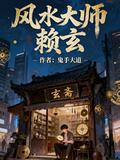 Feng Shui Master Lai Xuan 风水大师赖玄
In a bustling city's noisy corner, an antique shop called Xuan Zhai always closes early. Its owner, Lai Xuan, is a laid-back, mild-mannered young man. He usually either turns his old antiques over in his hands or dozes on a reclining chair. Only the few customers who have ventured into the abyss know that when he occasionally opens his eyes, he can see what ordinary people cannot: baleful energy between buildings, people's fortune and misfortune, and even the "qi" flowing deep beneath the earth.
28Reads—Score—Shelves
Feng Shui Master Lai Xuan 风水大师赖玄
In a bustling city's noisy corner, an antique shop called Xuan Zhai always closes early. Its owner, Lai Xuan, is a laid-back, mild-mannered young man. He usually either turns his old antiques over in his hands or dozes on a reclining chair. Only the few customers who have ventured into the abyss know that when he occasionally opens his eyes, he can see what ordinary people cannot: baleful energy between buildings, people's fortune and misfortune, and even the "qi" flowing deep beneath the earth.
28Reads—Score—Shelves
Reader note
-
93
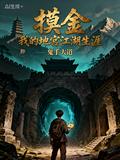 Tomb Raiding: My Life in the Underground Palace Underworld 摸金:我的地宫江湖生涯
Told in the first person, the story follows Chen Chang'an, a down-on-his-luck young man from the suburbs of Xi'an, born into a family of traditional architecture experts. In the early twenty-first century, to pay for a seriously ill family member's medical treatment and restore his family's reputation, he is forced into the unfathomable world of tomb raiding in the Guanzhong region.
84Reads—Score—Shelves
Tomb Raiding: My Life in the Underground Palace Underworld 摸金:我的地宫江湖生涯
Told in the first person, the story follows Chen Chang'an, a down-on-his-luck young man from the suburbs of Xi'an, born into a family of traditional architecture experts. In the early twenty-first century, to pay for a seriously ill family member's medical treatment and restore his family's reputation, he is forced into the unfathomable world of tomb raiding in the Guanzhong region.
84Reads—Score—Shelves
-
94
 The Sword Immortal Rises 剑仙崛起了
The story follows Mo Wuchen, a once-gifted genius whose talents are crippled. Rising from the bottom, he defeats everyone who stands in his way and eventually becomes the ruler of an entire continent.
469Reads—Score—Shelves
The Sword Immortal Rises 剑仙崛起了
The story follows Mo Wuchen, a once-gifted genius whose talents are crippled. Rising from the bottom, he defeats everyone who stands in his way and eventually becomes the ruler of an entire continent.
469Reads—Score—Shelves
-
95
 Dreaming of All Under Heaven 梦想天下
A fiery rebirth, slaying foes as I ascend to the Third Heaven. I will create the world of my dreams, so that wherever the sun and moon shine is Chinese land, and wherever people live, they learn Chinese characters and speak Chinese...
10Reads—Score—Shelves
Dreaming of All Under Heaven 梦想天下
A fiery rebirth, slaying foes as I ascend to the Third Heaven. I will create the world of my dreams, so that wherever the sun and moon shine is Chinese land, and wherever people live, they learn Chinese characters and speak Chinese...
10Reads—Score—Shelves
-
96
 I Transmigrated into a Cultivation Drama and the Villain Became the Protagonist 穿越修仙剧反派变主角
Wang Xiaoming transmigrated into the biggest villain in a cultivation drama. His first move was to give the Chosen One money, a house, and all the support he could offer. When the original owner picked on the protagonist, he slapped the original owner's underling in the face on the protagonist's behalf, then personally brought tea and water. “Big bro, do you think I still have a chance?” The protagonist was so moved he could barely contain himself, but the System suddenly issued a warning: Targe
—Reads—Score—Shelves
I Transmigrated into a Cultivation Drama and the Villain Became the Protagonist 穿越修仙剧反派变主角
Wang Xiaoming transmigrated into the biggest villain in a cultivation drama. His first move was to give the Chosen One money, a house, and all the support he could offer. When the original owner picked on the protagonist, he slapped the original owner's underling in the face on the protagonist's behalf, then personally brought tea and water. “Big bro, do you think I still have a chance?” The protagonist was so moved he could barely contain himself, but the System suddenly issued a warning: Targe
—Reads—Score—Shelves
Reader note
-
97
 Escape from the Ancient Tomb 古墓逃亡
Tomb Escape We fall again and again, then rise again and again. Not because we are brave, but because forgetting is a despair deeper than death. Dedicated to every soul who, even in the depths of despair, still clutches the spark of memory.
3Reads—Score—Shelves
Escape from the Ancient Tomb 古墓逃亡
Tomb Escape We fall again and again, then rise again and again. Not because we are brave, but because forgetting is a despair deeper than death. Dedicated to every soul who, even in the depths of despair, still clutches the spark of memory.
3Reads—Score—Shelves
-
98
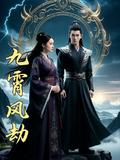 The Calamity of the Nine Heavens 九霄风劫
Once a modern special forces king known by the codename Feng Mo, he died and transmigrated into a cultivation world. He awakened the Wind Spirit Body, granting him the ability to ride the wind, sense the flow of energy, and avoid calamity while seeking good fortune. Resolute and decisive, loyal to those he loves, neither a bleeding heart nor one to hesitate when killing, he nevertheless retains a tender side deep within. For the brothers and beloved women he holds dear, he would defy heaven and
—Reads—Score—Shelves
The Calamity of the Nine Heavens 九霄风劫
Once a modern special forces king known by the codename Feng Mo, he died and transmigrated into a cultivation world. He awakened the Wind Spirit Body, granting him the ability to ride the wind, sense the flow of energy, and avoid calamity while seeking good fortune. Resolute and decisive, loyal to those he loves, neither a bleeding heart nor one to hesitate when killing, he nevertheless retains a tender side deep within. For the brothers and beloved women he holds dear, he would defy heaven and
—Reads—Score—Shelves
-
99
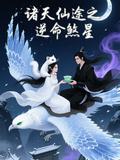 Immortal Journeys Across the Heavens: The Fated Calamity Star 诸天仙途之逆命煞星
Food delivery rider Su Bufan enters the real game world of All-Heavens Immortal Journey and becomes Su Shisan, a rogue cultivator. He establishes the City of the First Flame, confronts the Chosen One Shen Mo and the old order, and searches for the truth about the world. When the game collapses after Shen Mo's death, everyone returns to reality with their memories intact, and the truth comes to light: the seven women who loved them were actually support AIs. Now the fate of both worlds awaits the
—Reads—Score—Shelves
Immortal Journeys Across the Heavens: The Fated Calamity Star 诸天仙途之逆命煞星
Food delivery rider Su Bufan enters the real game world of All-Heavens Immortal Journey and becomes Su Shisan, a rogue cultivator. He establishes the City of the First Flame, confronts the Chosen One Shen Mo and the old order, and searches for the truth about the world. When the game collapses after Shen Mo's death, everyone returns to reality with their memories intact, and the truth comes to light: the seven women who loved them were actually support AIs. Now the fate of both worlds awaits the
—Reads—Score—Shelves
-
100
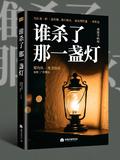 Who Killed That Light? 谁杀了那一盏灯
My new work is out! Come read it on Tomato Novel. I hope you enjoy it. Your support is what keeps me writing, and I’ll do my best to tell every story well!
—Reads—Score—Shelves
Who Killed That Light? 谁杀了那一盏灯
My new work is out! Come read it on Tomato Novel. I hope you enjoy it. Your support is what keeps me writing, and I’ll do my best to tell every story well!
—Reads—Score—Shelves