The Protagonist of a Courtyard House Has a Separate Courtyard
- Views
- 52.7M
- Books
- 502
- Recommendations
- 1.1k
- Updated
- 21h ago
In this list
556 books · page 3 of 12
-
84
四
 Siheyuan: Yan Jiecheng's Counterattack Career
Qing Zijin 2231.5M Wordscompleted
5kReads6.6Score178Shelves
Siheyuan: Yan Jiecheng's Counterattack Career
Qing Zijin 2231.5M Wordscompleted
5kReads6.6Score178Shelves
Reader note
There is a separate courtyard in the courtyard. Ignore everyone in the courtyard and live a small life with my beloved wife behind closed doors.
-
85
四
 Sihe*********
completed
—Reads5.8Score—Shelves
Sihe*********
completed
—Reads5.8Score—Shelves
Reader note
There is a separate courtyard in the courtyard. Ignore everyone in the courtyard and live a small life with my beloved wife behind closed doors.
-
86
人
 People in the Courtyard, from Academic Tyrants to Academicians of Great Powers
Occasional Mistakes1.1M Wordscompleted
11.3kReads7.7Score378Shelves
People in the Courtyard, from Academic Tyrants to Academicians of Great Powers
Occasional Mistakes1.1M Wordscompleted
11.3kReads7.7Score378Shelves
Reader note
This book. A small detached house. There are different plots
-
87
四
 Courtyard: Come Quickly, Sew His Mouth Shut
Open Champagne at Half Time4.8M Wordsongoing
164.5kReads8.0Score9.2kShelves
Courtyard: Come Quickly, Sew His Mouth Shut
Open Champagne at Half Time4.8M Wordsongoing
164.5kReads8.0Score9.2kShelves
Reader note
All have independent campuses
-
88
四
 I Live in the Siheyuan in the West Crossing Courtyard
Northeast Cool Breeze516k Wordsongoing
7.4kReads6.5Score209Shelves
I Live in the Siheyuan in the West Crossing Courtyard
Northeast Cool Breeze516k Wordsongoing
7.4kReads6.5Score209Shelves
Reader note
All have independent campuses
-
89
四
 Siheyuan: the Wild Boar Gave Me Ten Acres of Land and a Greenhouse at the Beginning
Yuli Chacha1.6M Wordscompleted
33.6kReads8.3Score2.4kShelves
Siheyuan: the Wild Boar Gave Me Ten Acres of Land and a Greenhouse at the Beginning
Yuli Chacha1.6M Wordscompleted
33.6kReads8.3Score2.4kShelves
Reader note
This book started opposite Courtyard No. 95, And later bought the entire courtyard.
-
90
四
Siheyuan: Yi Zhonghai Was Torn Apart and Forced to Pay 6,000 Yuan Qingshan Woodcutter722k Wordsongoing 89.6kReads5.1Score5.6kShelves
Reader note
This book qualifies
-
91
四
 Siheyuan: Happy Life in the Booming Era
Not Sweet, Not Salty616k Wordscompleted
32kReads8.5Score1.1kShelves
Siheyuan: Happy Life in the Booming Era
Not Sweet, Not Salty616k Wordscompleted
32kReads8.5Score1.1kShelves
Reader note
"Siheyuan: Happy Life in the Red Age" is simply a breath of fresh air in period literature! It also traveled to the world of "Love in the Courtyard". It did not choose to write about "slapping silly pillars in the face" or "counterattacking Xu Damao". Instead, it allowed the protagonist Pei Guang to appear as a brand new "little transparent". This perspective is actually eye-catching. The protagonist's golden finger "God's reward system" is particularly interesting in design - there is no superpower that can be achieved in one step, and it all depends on solid practice to increase proficiency. Skills such as cooking and fitness have to be honed little by little. This setting of "efforts will be rewarded" gives the period novel a sense of solidity. Think about it, others rely on the system to win through time travel, but Pei Guang has to get up early in the morning to cook porridge and practice cooking skills, do push-ups to gain fitness proficiency, and even kill a chicken and stew a pot of soup to gain experience. Isn't this the "sense of struggle" that ordinary people can most empathize with? Moreover, the author's depiction of the group portraits in the courtyard is so spot on! Mrs. Jia and Zhang looked like they were straight out of a drama when they saw Pei Guang "licking his face and eating rice" when he bought chicken; the grievances of Yan Bugui's family while smelling the smell of meat and chewing steamed buns brought to life the image of "calculation" and "helplessness"; even Silly Zhu's "exuberance in cooking" was written particularly vividly. The best thing is that the protagonist did not get into a tense situation with the people in the courtyard as soon as he came on. Instead, he quietly changed his situation by making chicken soup and practicing his skills. This kind of counterattack rhythm of "making a fortune silently" is particularly comfortable to watch. The setting of the space props is also very convenient. You can't farm but can store goods and adjust the time flow rate. It's tailor-made for those who hoard goods! Think about it, in an era of scarce supplies, who wouldn't want to have a "mobile warehouse" that can store dozens of pounds of meat and dozens of chickens and ducks? The details of Pei Guang moving kitchen supplies into the space to secretly practice cooking are both reasonable and refreshing, without destroying the authenticity of the era at all. I wonder if you have noticed that Pei Guang's attitude towards his sister is particularly poignant? Although he had just traveled back in time, he immediately thought of "improving the food so that my sister would grow taller." The quarrel between the brother and the sister during the meal made the family love of that era heartwarming. There is also the scene where he refuses the help of the third aunt to kill the chicken and avoids Jia Zhang's meal. He is neither humble nor overbearing, showing more wisdom than toughness. Having said that, how will Pei Guang use the meat and tickets rewarded by the system next? Should you quietly subsidize your family income, or find a way to exchange for something rare? In addition, Shazhu has noticed that Pei Guang's cooking skills have improved. Will the two of them stage a "cooking showdown" in the canteen of the steel rolling mill? Can anyone guess the next plot?
-
92
四
 Siheyuan: Really Reaching Fullness of Love
Winter Morning Sunshine1.2M Wordscompleted
26.1kReads8.7Score1.2kShelves
Siheyuan: Really Reaching Fullness of Love
Winter Morning Sunshine1.2M Wordscompleted
26.1kReads8.7Score1.2kShelves
Reader note
"Siheyuan: Happy Life in the Red Age" is simply a breath of fresh air in period literature! It also traveled to the world of "Love in the Courtyard". It did not choose to write about "slapping silly pillars in the face" or "counterattacking Xu Damao". Instead, it allowed the protagonist Pei Guang to appear as a brand new "little transparent". This perspective is actually eye-catching. The protagonist's golden finger "God's reward system" is particularly interesting in design - there is no superpower that can be achieved in one step, and it all depends on solid practice to increase proficiency. Skills such as cooking and fitness have to be honed little by little. This setting of "efforts will be rewarded" gives the period novel a sense of solidity. Think about it, others rely on the system to win through time travel, but Pei Guang has to get up early in the morning to cook porridge and practice cooking skills, do push-ups to gain fitness proficiency, and even kill a chicken and stew a pot of soup to gain experience. Isn't this the "sense of struggle" that ordinary people can most empathize with? Moreover, the author's depiction of the group portraits in the courtyard is so spot on! Mrs. Jia and Zhang looked like they were straight out of a drama when they saw Pei Guang "licking his face and eating rice" when he bought chicken; the grievances of Yan Bugui's family while smelling the smell of meat and chewing steamed buns brought to life the image of "calculation" and "helplessness"; even Silly Zhu's "exuberance in cooking" was written particularly vividly. The best thing is that the protagonist did not get into a tense situation with the people in the courtyard as soon as he came on. Instead, he quietly changed his situation by making chicken soup and practicing his skills. This kind of counterattack rhythm of "making a fortune silently" is particularly comfortable to watch. The setting of the space props is also very convenient. You can't farm but can store goods and adjust the time flow rate. It's tailor-made for those who hoard goods! Think about it, in an era of scarce supplies, who wouldn't want to have a "mobile warehouse" that can store dozens of pounds of meat and dozens of chickens and ducks? The details of Pei Guang moving kitchen supplies into the space to secretly practice cooking are both reasonable and refreshing, without destroying the authenticity of the era at all. I wonder if you have noticed that Pei Guang's attitude towards his sister is particularly poignant? Although he had just traveled back in time, he immediately thought of "improving the food so that my sister would grow taller." The quarrel between the brother and the sister during the meal made the family love of that era heartwarming. There is also the scene where he refuses the help of the third aunt to kill the chicken and avoids Jia Zhang's meal. He is neither humble nor overbearing, showing more wisdom than toughness. Having said that, how will Pei Guang use the meat and tickets rewarded by the system next? Should you quietly subsidize your family income, or find a way to exchange for something rare? In addition, Shazhu has noticed that Pei Guang's cooking skills have improved. Will the two of them stage a "cooking showdown" in the canteen of the steel rolling mill? Can anyone guess the next plot?
-
93
战
 When the War Ended, I Left the Courtyard and Went Abroad.
Favorite Lou Xiao'e371k Wordscompleted
11kReads8.2Score398Shelves
When the War Ended, I Left the Courtyard and Went Abroad.
Favorite Lou Xiao'e371k Wordscompleted
11kReads8.2Score398Shelves
Reader note
"Siheyuan: Happy Life in the Red Age" is simply a breath of fresh air in period literature! It also traveled to the world of "Love in the Courtyard". It did not choose to write about "slapping silly pillars in the face" or "counterattacking Xu Damao". Instead, it allowed the protagonist Pei Guang to appear as a brand new "little transparent". This perspective is actually eye-catching. The protagonist's golden finger "God's reward system" is particularly interesting in design - there is no superpower that can be achieved in one step, and it all depends on solid practice to increase proficiency. Skills such as cooking and fitness have to be honed little by little. This setting of "efforts will be rewarded" gives the period novel a sense of solidity. Think about it, others rely on the system to win through time travel, but Pei Guang has to get up early in the morning to cook porridge and practice cooking skills, do push-ups to gain fitness proficiency, and even kill a chicken and stew a pot of soup to gain experience. Isn't this the "sense of struggle" that ordinary people can most empathize with? Moreover, the author's depiction of the group portraits in the courtyard is so spot on! Mrs. Jia and Zhang looked like they were straight out of a drama when they saw Pei Guang "licking his face and eating rice" when he bought chicken; the grievances of Yan Bugui's family while smelling the smell of meat and chewing steamed buns brought to life the image of "calculation" and "helplessness"; even Silly Zhu's "exuberance in cooking" was written particularly vividly. The best thing is that the protagonist did not get into a tense situation with the people in the courtyard as soon as he came on. Instead, he quietly changed his situation by making chicken soup and practicing his skills. This kind of counterattack rhythm of "making a fortune silently" is particularly comfortable to watch. The setting of the space props is also very convenient. You can't farm but can store goods and adjust the time flow rate. It's tailor-made for those who hoard goods! Think about it, in an era of scarce supplies, who wouldn't want to have a "mobile warehouse" that can store dozens of pounds of meat and dozens of chickens and ducks? The details of Pei Guang moving kitchen supplies into the space to secretly practice cooking are both reasonable and refreshing, without destroying the authenticity of the era at all. I wonder if you have noticed that Pei Guang's attitude towards his sister is particularly poignant? Although he had just traveled back in time, he immediately thought of "improving the food so that my sister would grow taller." The quarrel between the brother and the sister during the meal made the family love of that era heartwarming. There is also the scene where he refuses the help of the third aunt to kill the chicken and avoids Jia Zhang's meal. He is neither humble nor overbearing, showing more wisdom than toughness. Having said that, how will Pei Guang use the meat and tickets rewarded by the system next? Should you quietly subsidize your family income, or find a way to exchange for something rare? In addition, Shazhu has noticed that Pei Guang's cooking skills have improved. Will the two of them stage a "cooking showdown" in the canteen of the steel rolling mill? Can anyone guess the next plot?
-
94
四
 In the Siheyuan, I Can Always Stay Out of Things
Draw Thirteen837k Wordscompleted
24.1kReads8.3Score1kShelves
In the Siheyuan, I Can Always Stay Out of Things
Draw Thirteen837k Wordscompleted
24.1kReads8.3Score1kShelves
Reader note
"Siheyuan: Happy Life in the Red Age" is simply a breath of fresh air in period literature! It also traveled to the world of "Love in the Courtyard". It did not choose to write about "slapping silly pillars in the face" or "counterattacking Xu Damao". Instead, it allowed the protagonist Pei Guang to appear as a brand new "little transparent". This perspective is actually eye-catching. The protagonist's golden finger "God's reward system" is particularly interesting in design - there is no superpower that can be achieved in one step, and it all depends on solid practice to increase proficiency. Skills such as cooking and fitness have to be honed little by little. This setting of "efforts will be rewarded" gives the period novel a sense of solidity. Think about it, others rely on the system to win through time travel, but Pei Guang has to get up early in the morning to cook porridge and practice cooking skills, do push-ups to gain fitness proficiency, and even kill a chicken and stew a pot of soup to gain experience. Isn't this the "sense of struggle" that ordinary people can most empathize with? Moreover, the author's depiction of the group portraits in the courtyard is so spot on! Mrs. Jia and Zhang looked like they were straight out of a drama when they saw Pei Guang "licking his face and eating rice" when he bought chicken; the grievances of Yan Bugui's family while smelling the smell of meat and chewing steamed buns brought to life the image of "calculation" and "helplessness"; even Silly Zhu's "exuberance in cooking" was written particularly vividly. The best thing is that the protagonist did not get into a tense situation with the people in the courtyard as soon as he came on. Instead, he quietly changed his situation by making chicken soup and practicing his skills. This kind of counterattack rhythm of "making a fortune silently" is particularly comfortable to watch. The setting of the space props is also very convenient. You can't farm but can store goods and adjust the time flow rate. It's tailor-made for those who hoard goods! Think about it, in an era of scarce supplies, who wouldn't want to have a "mobile warehouse" that can store dozens of pounds of meat and dozens of chickens and ducks? The details of Pei Guang moving kitchen supplies into the space to secretly practice cooking are both reasonable and refreshing, without destroying the authenticity of the era at all. I wonder if you have noticed that Pei Guang's attitude towards his sister is particularly poignant? Although he had just traveled back in time, he immediately thought of "improving the food so that my sister would grow taller." The quarrel between the brother and the sister during the meal made the family love of that era heartwarming. There is also the scene where he refuses the help of the third aunt to kill the chicken and avoids Jia Zhang's meal. He is neither humble nor overbearing, showing more wisdom than toughness. Having said that, how will Pei Guang use the meat and tickets rewarded by the system next? Should you quietly subsidize your family income, or find a way to exchange for something rare? In addition, Shazhu has noticed that Pei Guang's cooking skills have improved. Will the two of them stage a "cooking showdown" in the canteen of the steel rolling mill? Can anyone guess the next plot?
-
95
四
 Siheyuan, I Am Actually a Fool
Falling Leaves Know Autumn Zmy13535k Wordscompleted
20.6kReads8.4Score1.1kShelves
Siheyuan, I Am Actually a Fool
Falling Leaves Know Autumn Zmy13535k Wordscompleted
20.6kReads8.4Score1.1kShelves
Reader note
"Siheyuan: Happy Life in the Red Age" is simply a breath of fresh air in period literature! It also traveled to the world of "Love in the Courtyard". It did not choose to write about "slapping silly pillars in the face" or "counterattacking Xu Damao". Instead, it allowed the protagonist Pei Guang to appear as a brand new "little transparent". This perspective is actually eye-catching. The protagonist's golden finger "God's reward system" is particularly interesting in design - there is no superpower that can be achieved in one step, and it all depends on solid practice to increase proficiency. Skills such as cooking and fitness have to be honed little by little. This setting of "efforts will be rewarded" gives the period novel a sense of solidity. Think about it, others rely on the system to win through time travel, but Pei Guang has to get up early in the morning to cook porridge and practice cooking skills, do push-ups to gain fitness proficiency, and even kill a chicken and stew a pot of soup to gain experience. Isn't this the "sense of struggle" that ordinary people can most empathize with? Moreover, the author's depiction of the group portraits in the courtyard is so spot on! Mrs. Jia and Zhang looked like they were straight out of a drama when they saw Pei Guang "licking his face and eating rice" when he bought chicken; the grievances of Yan Bugui's family while smelling the smell of meat and chewing steamed buns brought to life the image of "calculation" and "helplessness"; even Silly Zhu's "exuberance in cooking" was written particularly vividly. The best thing is that the protagonist did not get into a tense situation with the people in the courtyard as soon as he came on. Instead, he quietly changed his situation by making chicken soup and practicing his skills. This kind of counterattack rhythm of "making a fortune silently" is particularly comfortable to watch. The setting of the space props is also very convenient. You can't farm but can store goods and adjust the time flow rate. It's tailor-made for those who hoard goods! Think about it, in an era of scarce supplies, who wouldn't want to have a "mobile warehouse" that can store dozens of pounds of meat and dozens of chickens and ducks? The details of Pei Guang moving kitchen supplies into the space to secretly practice cooking are both reasonable and refreshing, without destroying the authenticity of the era at all. I wonder if you have noticed that Pei Guang's attitude towards his sister is particularly poignant? Although he had just traveled back in time, he immediately thought of "improving the food so that my sister would grow taller." The quarrel between the brother and the sister during the meal made the family love of that era heartwarming. There is also the scene where he refuses the help of the third aunt to kill the chicken and avoids Jia Zhang's meal. He is neither humble nor overbearing, showing more wisdom than toughness. Having said that, how will Pei Guang use the meat and tickets rewarded by the system next? Should you quietly subsidize your family income, or find a way to exchange for something rare? In addition, Shazhu has noticed that Pei Guang's cooking skills have improved. Will the two of them stage a "cooking showdown" in the canteen of the steel rolling mill? Can anyone guess the next plot?
-
96
四
 Siheyuan: Shazhu Is Finally Happy
Brother Jing1.1M Wordscompleted
25.9kReads8.1Score1.1kShelves
Siheyuan: Shazhu Is Finally Happy
Brother Jing1.1M Wordscompleted
25.9kReads8.1Score1.1kShelves
Reader note
"Siheyuan: Happy Life in the Red Age" is simply a breath of fresh air in period literature! It also traveled to the world of "Love in the Courtyard". It did not choose to write about "slapping silly pillars in the face" or "counterattacking Xu Damao". Instead, it allowed the protagonist Pei Guang to appear as a brand new "little transparent". This perspective is actually eye-catching. The protagonist's golden finger "God's reward system" is particularly interesting in design - there is no superpower that can be achieved in one step, and it all depends on solid practice to increase proficiency. Skills such as cooking and fitness have to be honed little by little. This setting of "efforts will be rewarded" gives the period novel a sense of solidity. Think about it, others rely on the system to win through time travel, but Pei Guang has to get up early in the morning to cook porridge and practice cooking skills, do push-ups to gain fitness proficiency, and even kill a chicken and stew a pot of soup to gain experience. Isn't this the "sense of struggle" that ordinary people can most empathize with? Moreover, the author's depiction of the group portraits in the courtyard is so spot on! Mrs. Jia and Zhang looked like they were straight out of a drama when they saw Pei Guang "licking his face and eating rice" when he bought chicken; the grievances of Yan Bugui's family while smelling the smell of meat and chewing steamed buns brought to life the image of "calculation" and "helplessness"; even Silly Zhu's "exuberance in cooking" was written particularly vividly. The best thing is that the protagonist did not get into a tense situation with the people in the courtyard as soon as he came on. Instead, he quietly changed his situation by making chicken soup and practicing his skills. This kind of counterattack rhythm of "making a fortune silently" is particularly comfortable to watch. The setting of the space props is also very convenient. You can't farm but can store goods and adjust the time flow rate. It's tailor-made for those who hoard goods! Think about it, in an era of scarce supplies, who wouldn't want to have a "mobile warehouse" that can store dozens of pounds of meat and dozens of chickens and ducks? The details of Pei Guang moving kitchen supplies into the space to secretly practice cooking are both reasonable and refreshing, without destroying the authenticity of the era at all. I wonder if you have noticed that Pei Guang's attitude towards his sister is particularly poignant? Although he had just traveled back in time, he immediately thought of "improving the food so that my sister would grow taller." The quarrel between the brother and the sister during the meal made the family love of that era heartwarming. There is also the scene where he refuses the help of the third aunt to kill the chicken and avoids Jia Zhang's meal. He is neither humble nor overbearing, showing more wisdom than toughness. Having said that, how will Pei Guang use the meat and tickets rewarded by the system next? Should you quietly subsidize your family income, or find a way to exchange for something rare? In addition, Shazhu has noticed that Pei Guang's cooking skills have improved. Will the two of them stage a "cooking showdown" in the canteen of the steel rolling mill? Can anyone guess the next plot?
-
97
穿
 Dress up as a Fool, Marry a Bride, and Raise Eight Children!
Gardenia in July1.0M Wordscompleted
10.3kReads8.3Score512Shelves
Dress up as a Fool, Marry a Bride, and Raise Eight Children!
Gardenia in July1.0M Wordscompleted
10.3kReads8.3Score512Shelves
Reader note
"Siheyuan: Happy Life in the Red Age" is simply a breath of fresh air in period literature! It also traveled to the world of "Love in the Courtyard". It did not choose to write about "slapping silly pillars in the face" or "counterattacking Xu Damao". Instead, it allowed the protagonist Pei Guang to appear as a brand new "little transparent". This perspective is actually eye-catching. The protagonist's golden finger "God's reward system" is particularly interesting in design - there is no superpower that can be achieved in one step, and it all depends on solid practice to increase proficiency. Skills such as cooking and fitness have to be honed little by little. This setting of "efforts will be rewarded" gives the period novel a sense of solidity. Think about it, others rely on the system to win through time travel, but Pei Guang has to get up early in the morning to cook porridge and practice cooking skills, do push-ups to gain fitness proficiency, and even kill a chicken and stew a pot of soup to gain experience. Isn't this the "sense of struggle" that ordinary people can most empathize with? Moreover, the author's depiction of the group portraits in the courtyard is so spot on! Mrs. Jia and Zhang looked like they were straight out of a drama when they saw Pei Guang "licking his face and eating rice" when he bought chicken; the grievances of Yan Bugui's family while smelling the smell of meat and chewing steamed buns brought to life the image of "calculation" and "helplessness"; even Silly Zhu's "exuberance in cooking" was written particularly vividly. The best thing is that the protagonist did not get into a tense situation with the people in the courtyard as soon as he came on. Instead, he quietly changed his situation by making chicken soup and practicing his skills. This kind of counterattack rhythm of "making a fortune silently" is particularly comfortable to watch. The setting of the space props is also very convenient. You can't farm but can store goods and adjust the time flow rate. It's tailor-made for those who hoard goods! Think about it, in an era of scarce supplies, who wouldn't want to have a "mobile warehouse" that can store dozens of pounds of meat and dozens of chickens and ducks? The details of Pei Guang moving kitchen supplies into the space to secretly practice cooking are both reasonable and refreshing, without destroying the authenticity of the era at all. I wonder if you have noticed that Pei Guang's attitude towards his sister is particularly poignant? Although he had just traveled back in time, he immediately thought of "improving the food so that my sister would grow taller." The quarrel between the brother and the sister during the meal made the family love of that era heartwarming. There is also the scene where he refuses the help of the third aunt to kill the chicken and avoids Jia Zhang's meal. He is neither humble nor overbearing, showing more wisdom than toughness. Having said that, how will Pei Guang use the meat and tickets rewarded by the system next? Should you quietly subsidize your family income, or find a way to exchange for something rare? In addition, Shazhu has noticed that Pei Guang's cooking skills have improved. Will the two of them stage a "cooking showdown" in the canteen of the steel rolling mill? Can anyone guess the next plot?
-
98
四
 A New Life in the Courtyard
Hongmao632k Wordscompleted
9.3kReads8.8Score265Shelves
A New Life in the Courtyard
Hongmao632k Wordscompleted
9.3kReads8.8Score265Shelves
Reader note
"Siheyuan: Happy Life in the Red Age" is simply a breath of fresh air in period literature! It also traveled to the world of "Love in the Courtyard". It did not choose to write about "slapping silly pillars in the face" or "counterattacking Xu Damao". Instead, it allowed the protagonist Pei Guang to appear as a brand new "little transparent". This perspective is actually eye-catching. The protagonist's golden finger "God's reward system" is particularly interesting in design - there is no superpower that can be achieved in one step, and it all depends on solid practice to increase proficiency. Skills such as cooking and fitness have to be honed little by little. This setting of "efforts will be rewarded" gives the period novel a sense of solidity. Think about it, others rely on the system to win through time travel, but Pei Guang has to get up early in the morning to cook porridge and practice cooking skills, do push-ups to gain fitness proficiency, and even kill a chicken and stew a pot of soup to gain experience. Isn't this the "sense of struggle" that ordinary people can most empathize with? Moreover, the author's depiction of the group portraits in the courtyard is so spot on! Mrs. Jia and Zhang looked like they were straight out of a drama when they saw Pei Guang "licking his face and eating rice" when he bought chicken; the grievances of Yan Bugui's family while smelling the smell of meat and chewing steamed buns brought to life the image of "calculation" and "helplessness"; even Silly Zhu's "exuberance in cooking" was written particularly vividly. The best thing is that the protagonist did not get into a tense situation with the people in the courtyard as soon as he came on. Instead, he quietly changed his situation by making chicken soup and practicing his skills. This kind of counterattack rhythm of "making a fortune silently" is particularly comfortable to watch. The setting of the space props is also very convenient. You can't farm but can store goods and adjust the time flow rate. It's tailor-made for those who hoard goods! Think about it, in an era of scarce supplies, who wouldn't want to have a "mobile warehouse" that can store dozens of pounds of meat and dozens of chickens and ducks? The details of Pei Guang moving kitchen supplies into the space to secretly practice cooking are both reasonable and refreshing, without destroying the authenticity of the era at all. I wonder if you have noticed that Pei Guang's attitude towards his sister is particularly poignant? Although he had just traveled back in time, he immediately thought of "improving the food so that my sister would grow taller." The quarrel between the brother and the sister during the meal made the family love of that era heartwarming. There is also the scene where he refuses the help of the third aunt to kill the chicken and avoids Jia Zhang's meal. He is neither humble nor overbearing, showing more wisdom than toughness. Having said that, how will Pei Guang use the meat and tickets rewarded by the system next? Should you quietly subsidize your family income, or find a way to exchange for something rare? In addition, Shazhu has noticed that Pei Guang's cooking skills have improved. Will the two of them stage a "cooking showdown" in the canteen of the steel rolling mill? Can anyone guess the next plot?
-
99
四
 This Silly Pillar in the Courtyard Is a Bit Chic
Autumn Breeze Blows on the Street203k Wordscompleted
8.3kReads8.9Score262Shelves
This Silly Pillar in the Courtyard Is a Bit Chic
Autumn Breeze Blows on the Street203k Wordscompleted
8.3kReads8.9Score262Shelves
Reader note
"Siheyuan: Happy Life in the Red Age" is simply a breath of fresh air in period literature! It also traveled to the world of "Love in the Courtyard". It did not choose to write about "slapping silly pillars in the face" or "counterattacking Xu Damao". Instead, it allowed the protagonist Pei Guang to appear as a brand new "little transparent". This perspective is actually eye-catching. The protagonist's golden finger "God's reward system" is particularly interesting in design - there is no superpower that can be achieved in one step, and it all depends on solid practice to increase proficiency. Skills such as cooking and fitness have to be honed little by little. This setting of "efforts will be rewarded" gives the period novel a sense of solidity. Think about it, others rely on the system to win through time travel, but Pei Guang has to get up early in the morning to cook porridge and practice cooking skills, do push-ups to gain fitness proficiency, and even kill a chicken and stew a pot of soup to gain experience. Isn't this the "sense of struggle" that ordinary people can most empathize with? Moreover, the author's depiction of the group portraits in the courtyard is so spot on! Mrs. Jia and Zhang looked like they were straight out of a drama when they saw Pei Guang "licking his face and eating rice" when he bought chicken; the grievances of Yan Bugui's family while smelling the smell of meat and chewing steamed buns brought to life the image of "calculation" and "helplessness"; even Silly Zhu's "exuberance in cooking" was written particularly vividly. The best thing is that the protagonist did not get into a tense situation with the people in the courtyard as soon as he came on. Instead, he quietly changed his situation by making chicken soup and practicing his skills. This kind of counterattack rhythm of "making a fortune silently" is particularly comfortable to watch. The setting of the space props is also very convenient. You can't farm but can store goods and adjust the time flow rate. It's tailor-made for those who hoard goods! Think about it, in an era of scarce supplies, who wouldn't want to have a "mobile warehouse" that can store dozens of pounds of meat and dozens of chickens and ducks? The details of Pei Guang moving kitchen supplies into the space to secretly practice cooking are both reasonable and refreshing, without destroying the authenticity of the era at all. I wonder if you have noticed that Pei Guang's attitude towards his sister is particularly poignant? Although he had just traveled back in time, he immediately thought of "improving the food so that my sister would grow taller." The quarrel between the brother and the sister during the meal made the family love of that era heartwarming. There is also the scene where he refuses the help of the third aunt to kill the chicken and avoids Jia Zhang's meal. He is neither humble nor overbearing, showing more wisdom than toughness. Having said that, how will Pei Guang use the meat and tickets rewarded by the system next? Should you quietly subsidize your family income, or find a way to exchange for something rare? In addition, Shazhu has noticed that Pei Guang's cooking skills have improved. Will the two of them stage a "cooking showdown" in the canteen of the steel rolling mill? Can anyone guess the next plot?
-
100
四
 Siheyuan: Time Travel to Become a Young Fool
Lemon Grapefruit Without Ice583k Wordscompleted
16.8kReads7.5Score470Shelves
Siheyuan: Time Travel to Become a Young Fool
Lemon Grapefruit Without Ice583k Wordscompleted
16.8kReads7.5Score470Shelves
Reader note
"Siheyuan: Happy Life in the Red Age" is simply a breath of fresh air in period literature! It also traveled to the world of "Love in the Courtyard". It did not choose to write about "slapping silly pillars in the face" or "counterattacking Xu Damao". Instead, it allowed the protagonist Pei Guang to appear as a brand new "little transparent". This perspective is actually eye-catching. The protagonist's golden finger "God's reward system" is particularly interesting in design - there is no superpower that can be achieved in one step, and it all depends on solid practice to increase proficiency. Skills such as cooking and fitness have to be honed little by little. This setting of "efforts will be rewarded" gives the period novel a sense of solidity. Think about it, others rely on the system to win through time travel, but Pei Guang has to get up early in the morning to cook porridge and practice cooking skills, do push-ups to gain fitness proficiency, and even kill a chicken and stew a pot of soup to gain experience. Isn't this the "sense of struggle" that ordinary people can most empathize with? Moreover, the author's depiction of the group portraits in the courtyard is so spot on! Mrs. Jia and Zhang looked like they were straight out of a drama when they saw Pei Guang "licking his face and eating rice" when he bought chicken; the grievances of Yan Bugui's family while smelling the smell of meat and chewing steamed buns brought to life the image of "calculation" and "helplessness"; even Silly Zhu's "exuberance in cooking" was written particularly vividly. The best thing is that the protagonist did not get into a tense situation with the people in the courtyard as soon as he came on. Instead, he quietly changed his situation by making chicken soup and practicing his skills. This kind of counterattack rhythm of "making a fortune silently" is particularly comfortable to watch. The setting of the space props is also very convenient. You can't farm but can store goods and adjust the time flow rate. It's tailor-made for those who hoard goods! Think about it, in an era of scarce supplies, who wouldn't want to have a "mobile warehouse" that can store dozens of pounds of meat and dozens of chickens and ducks? The details of Pei Guang moving kitchen supplies into the space to secretly practice cooking are both reasonable and refreshing, without destroying the authenticity of the era at all. I wonder if you have noticed that Pei Guang's attitude towards his sister is particularly poignant? Although he had just traveled back in time, he immediately thought of "improving the food so that my sister would grow taller." The quarrel between the brother and the sister during the meal made the family love of that era heartwarming. There is also the scene where he refuses the help of the third aunt to kill the chicken and avoids Jia Zhang's meal. He is neither humble nor overbearing, showing more wisdom than toughness. Having said that, how will Pei Guang use the meat and tickets rewarded by the system next? Should you quietly subsidize your family income, or find a way to exchange for something rare? In addition, Shazhu has noticed that Pei Guang's cooking skills have improved. Will the two of them stage a "cooking showdown" in the canteen of the steel rolling mill? Can anyone guess the next plot?
-
100
四
 Sihe*********
ongoing
—Reads5.8Score—Shelves
Sihe*********
ongoing
—Reads5.8Score—Shelves
Reader note
🌟① It is completely consistent. The protagonist of the courtyard house has a separate yard. No. 93, South Tongluo Lane, is a large courtyard house and is a neighbor of No. 95. In 1956, the protagonist's grandfather bought the front yard. 🍀
-
101
重
 Rebirth 58: Three Years of Hardship, Not Enough Food to Eat
North of Mountains and South of Water785k Wordsongoing
2.4kReads7.7Score102Shelves
Rebirth 58: Three Years of Hardship, Not Enough Food to Eat
North of Mountains and South of Water785k Wordsongoing
2.4kReads7.7Score102Shelves
Reader note
🌟① It is completely consistent. The protagonist of the courtyard house has a separate yard. No. 93, South Tongluo Lane, is a large courtyard house and is a neighbor of No. 95. In 1956, the protagonist's grandfather bought the front yard. 🍀
-
101
四
 Siheyuan: the Rebirth of the Silly Pillar in the 1950S
Summoned on the Way Home1.0M Wordscompleted
13.3kReads7.7Score381Shelves
Siheyuan: the Rebirth of the Silly Pillar in the 1950S
Summoned on the Way Home1.0M Wordscompleted
13.3kReads7.7Score381Shelves
Reader note
"Siheyuan: Happy Life in the Red Age" is simply a breath of fresh air in period literature! It also traveled to the world of "Love in the Courtyard". It did not choose to write about "slapping silly pillars in the face" or "counterattacking Xu Damao". Instead, it allowed the protagonist Pei Guang to appear as a brand new "little transparent". This perspective is actually eye-catching. The protagonist's golden finger "God's reward system" is particularly interesting in design - there is no superpower that can be achieved in one step, and it all depends on solid practice to increase proficiency. Skills such as cooking and fitness have to be honed little by little. This setting of "efforts will be rewarded" gives the period novel a sense of solidity. Think about it, others rely on the system to win through time travel, but Pei Guang has to get up early in the morning to cook porridge and practice cooking skills, do push-ups to gain fitness proficiency, and even kill a chicken and stew a pot of soup to gain experience. Isn't this the "sense of struggle" that ordinary people can most empathize with? Moreover, the author's depiction of the group portraits in the courtyard is so spot on! Mrs. Jia and Zhang looked like they were straight out of a drama when they saw Pei Guang "licking his face and eating rice" when he bought chicken; the grievances of Yan Bugui's family while smelling the smell of meat and chewing steamed buns brought to life the image of "calculation" and "helplessness"; even Silly Zhu's "exuberance in cooking" was written particularly vividly. The best thing is that the protagonist did not get into a tense situation with the people in the courtyard as soon as he came on. Instead, he quietly changed his situation by making chicken soup and practicing his skills. This kind of counterattack rhythm of "making a fortune silently" is particularly comfortable to watch. The setting of the space props is also very convenient. You can't farm but can store goods and adjust the time flow rate. It's tailor-made for those who hoard goods! Think about it, in an era of scarce supplies, who wouldn't want to have a "mobile warehouse" that can store dozens of pounds of meat and dozens of chickens and ducks? The details of Pei Guang moving kitchen supplies into the space to secretly practice cooking are both reasonable and refreshing, without destroying the authenticity of the era at all. I wonder if you have noticed that Pei Guang's attitude towards his sister is particularly poignant? Although he had just traveled back in time, he immediately thought of "improving the food so that my sister would grow taller." The quarrel between the brother and the sister during the meal made the family love of that era heartwarming. There is also the scene where he refuses the help of the third aunt to kill the chicken and avoids Jia Zhang's meal. He is neither humble nor overbearing, showing more wisdom than toughness. Having said that, how will Pei Guang use the meat and tickets rewarded by the system next? Should you quietly subsidize your family income, or find a way to exchange for something rare? In addition, Shazhu has noticed that Pei Guang's cooking skills have improved. Will the two of them stage a "cooking showdown" in the canteen of the steel rolling mill? Can anyone guess the next plot?
-
102
四
 Siheyuan: Yan Jiekuang's Chic Life
Boiled Eggs in Sugar Water1.2M Wordscompleted
16.1kReads8.2Score720Shelves
Siheyuan: Yan Jiekuang's Chic Life
Boiled Eggs in Sugar Water1.2M Wordscompleted
16.1kReads8.2Score720Shelves
Reader note
🌟① It is completely consistent. The protagonist of the courtyard house has a separate yard. No. 93, South Tongluo Lane, is a large courtyard house and is a neighbor of No. 95. In 1956, the protagonist's grandfather bought the front yard. 🍀
-
102
何
 Silly Zhu Changed After He Daqing Left
Half Failed289k Wordscompleted
20.4kReads8.4Score688Shelves
Silly Zhu Changed After He Daqing Left
Half Failed289k Wordscompleted
20.4kReads8.4Score688Shelves
Reader note
"Siheyuan: Happy Life in the Red Age" is simply a breath of fresh air in period literature! It also traveled to the world of "Love in the Courtyard". It did not choose to write about "slapping silly pillars in the face" or "counterattacking Xu Damao". Instead, it allowed the protagonist Pei Guang to appear as a brand new "little transparent". This perspective is actually eye-catching. The protagonist's golden finger "God's reward system" is particularly interesting in design - there is no superpower that can be achieved in one step, and it all depends on solid practice to increase proficiency. Skills such as cooking and fitness have to be honed little by little. This setting of "efforts will be rewarded" gives the period novel a sense of solidity. Think about it, others rely on the system to win through time travel, but Pei Guang has to get up early in the morning to cook porridge and practice cooking skills, do push-ups to gain fitness proficiency, and even kill a chicken and stew a pot of soup to gain experience. Isn't this the "sense of struggle" that ordinary people can most empathize with? Moreover, the author's depiction of the group portraits in the courtyard is so spot on! Mrs. Jia and Zhang looked like they were straight out of a drama when they saw Pei Guang "licking his face and eating rice" when he bought chicken; the grievances of Yan Bugui's family while smelling the smell of meat and chewing steamed buns brought to life the image of "calculation" and "helplessness"; even Silly Zhu's "exuberance in cooking" was written particularly vividly. The best thing is that the protagonist did not get into a tense situation with the people in the courtyard as soon as he came on. Instead, he quietly changed his situation by making chicken soup and practicing his skills. This kind of counterattack rhythm of "making a fortune silently" is particularly comfortable to watch. The setting of the space props is also very convenient. You can't farm but can store goods and adjust the time flow rate. It's tailor-made for those who hoard goods! Think about it, in an era of scarce supplies, who wouldn't want to have a "mobile warehouse" that can store dozens of pounds of meat and dozens of chickens and ducks? The details of Pei Guang moving kitchen supplies into the space to secretly practice cooking are both reasonable and refreshing, without destroying the authenticity of the era at all. I wonder if you have noticed that Pei Guang's attitude towards his sister is particularly poignant? Although he had just traveled back in time, he immediately thought of "improving the food so that my sister would grow taller." The quarrel between the brother and the sister during the meal made the family love of that era heartwarming. There is also the scene where he refuses the help of the third aunt to kill the chicken and avoids Jia Zhang's meal. He is neither humble nor overbearing, showing more wisdom than toughness. Having said that, how will Pei Guang use the meat and tickets rewarded by the system next? Should you quietly subsidize your family income, or find a way to exchange for something rare? In addition, Shazhu has noticed that Pei Guang's cooking skills have improved. Will the two of them stage a "cooking showdown" in the canteen of the steel rolling mill? Can anyone guess the next plot?
-
103
四
 Siheyuan: 10 Months Left to Live
Dharma Boat1.0M Wordscompleted
12.5kReads8.5Score538Shelves
Siheyuan: 10 Months Left to Live
Dharma Boat1.0M Wordscompleted
12.5kReads8.5Score538Shelves
Reader note
"Siheyuan: Happy Life in the Red Age" is simply a breath of fresh air in period literature! It also traveled to the world of "Love in the Courtyard". It did not choose to write about "slapping silly pillars in the face" or "counterattacking Xu Damao". Instead, it allowed the protagonist Pei Guang to appear as a brand new "little transparent". This perspective is actually eye-catching. The protagonist's golden finger "God's reward system" is particularly interesting in design - there is no superpower that can be achieved in one step, and it all depends on solid practice to increase proficiency. Skills such as cooking and fitness have to be honed little by little. This setting of "efforts will be rewarded" gives the period novel a sense of solidity. Think about it, others rely on the system to win through time travel, but Pei Guang has to get up early in the morning to cook porridge and practice cooking skills, do push-ups to gain fitness proficiency, and even kill a chicken and stew a pot of soup to gain experience. Isn't this the "sense of struggle" that ordinary people can most empathize with? Moreover, the author's depiction of the group portraits in the courtyard is so spot on! Mrs. Jia and Zhang looked like they were straight out of a drama when they saw Pei Guang "licking his face and eating rice" when he bought chicken; the grievances of Yan Bugui's family while smelling the smell of meat and chewing steamed buns brought to life the image of "calculation" and "helplessness"; even Silly Zhu's "exuberance in cooking" was written particularly vividly. The best thing is that the protagonist did not get into a tense situation with the people in the courtyard as soon as he came on. Instead, he quietly changed his situation by making chicken soup and practicing his skills. This kind of counterattack rhythm of "making a fortune silently" is particularly comfortable to watch. The setting of the space props is also very convenient. You can't farm but can store goods and adjust the time flow rate. It's tailor-made for those who hoard goods! Think about it, in an era of scarce supplies, who wouldn't want to have a "mobile warehouse" that can store dozens of pounds of meat and dozens of chickens and ducks? The details of Pei Guang moving kitchen supplies into the space to secretly practice cooking are both reasonable and refreshing, without destroying the authenticity of the era at all. I wonder if you have noticed that Pei Guang's attitude towards his sister is particularly poignant? Although he had just traveled back in time, he immediately thought of "improving the food so that my sister would grow taller." The quarrel between the brother and the sister during the meal made the family love of that era heartwarming. There is also the scene where he refuses the help of the third aunt to kill the chicken and avoids Jia Zhang's meal. He is neither humble nor overbearing, showing more wisdom than toughness. Having said that, how will Pei Guang use the meat and tickets rewarded by the system next? Should you quietly subsidize your family income, or find a way to exchange for something rare? In addition, Shazhu has noticed that Pei Guang's cooking skills have improved. Will the two of them stage a "cooking showdown" in the canteen of the steel rolling mill? Can anyone guess the next plot?
-
104
四
 Siheyuan: Revenge of the Two Fools
Winter Morning Sunshine1.1M Wordscompleted
17.2kReads8.3Score883Shelves
Siheyuan: Revenge of the Two Fools
Winter Morning Sunshine1.1M Wordscompleted
17.2kReads8.3Score883Shelves
Reader note
"Siheyuan: Happy Life in the Red Age" is simply a breath of fresh air in period literature! It also traveled to the world of "Love in the Courtyard". It did not choose to write about "slapping silly pillars in the face" or "counterattacking Xu Damao". Instead, it allowed the protagonist Pei Guang to appear as a brand new "little transparent". This perspective is actually eye-catching. The protagonist's golden finger "God's reward system" is particularly interesting in design - there is no superpower that can be achieved in one step, and it all depends on solid practice to increase proficiency. Skills such as cooking and fitness have to be honed little by little. This setting of "efforts will be rewarded" gives the period novel a sense of solidity. Think about it, others rely on the system to win through time travel, but Pei Guang has to get up early in the morning to cook porridge and practice cooking skills, do push-ups to gain fitness proficiency, and even kill a chicken and stew a pot of soup to gain experience. Isn't this the "sense of struggle" that ordinary people can most empathize with? Moreover, the author's depiction of the group portraits in the courtyard is so spot on! Mrs. Jia and Zhang looked like they were straight out of a drama when they saw Pei Guang "licking his face and eating rice" when he bought chicken; the grievances of Yan Bugui's family while smelling the smell of meat and chewing steamed buns brought to life the image of "calculation" and "helplessness"; even Silly Zhu's "exuberance in cooking" was written particularly vividly. The best thing is that the protagonist did not get into a tense situation with the people in the courtyard as soon as he came on. Instead, he quietly changed his situation by making chicken soup and practicing his skills. This kind of counterattack rhythm of "making a fortune silently" is particularly comfortable to watch. The setting of the space props is also very convenient. You can't farm but can store goods and adjust the time flow rate. It's tailor-made for those who hoard goods! Think about it, in an era of scarce supplies, who wouldn't want to have a "mobile warehouse" that can store dozens of pounds of meat and dozens of chickens and ducks? The details of Pei Guang moving kitchen supplies into the space to secretly practice cooking are both reasonable and refreshing, without destroying the authenticity of the era at all. I wonder if you have noticed that Pei Guang's attitude towards his sister is particularly poignant? Although he had just traveled back in time, he immediately thought of "improving the food so that my sister would grow taller." The quarrel between the brother and the sister during the meal made the family love of that era heartwarming. There is also the scene where he refuses the help of the third aunt to kill the chicken and avoids Jia Zhang's meal. He is neither humble nor overbearing, showing more wisdom than toughness. Having said that, how will Pei Guang use the meat and tickets rewarded by the system next? Should you quietly subsidize your family income, or find a way to exchange for something rare? In addition, Shazhu has noticed that Pei Guang's cooking skills have improved. Will the two of them stage a "cooking showdown" in the canteen of the steel rolling mill? Can anyone guess the next plot?
-
105
四
 Siheyuan: Xu Damao's Chic Life Path
Just Love Chewing Sugar Cane203k Wordscompleted
6.2kReads8.7Score196Shelves
Siheyuan: Xu Damao's Chic Life Path
Just Love Chewing Sugar Cane203k Wordscompleted
6.2kReads8.7Score196Shelves
Reader note
"Siheyuan: Happy Life in the Red Age" is simply a breath of fresh air in period literature! It also traveled to the world of "Love in the Courtyard". It did not choose to write about "slapping silly pillars in the face" or "counterattacking Xu Damao". Instead, it allowed the protagonist Pei Guang to appear as a brand new "little transparent". This perspective is actually eye-catching. The protagonist's golden finger "God's reward system" is particularly interesting in design - there is no superpower that can be achieved in one step, and it all depends on solid practice to increase proficiency. Skills such as cooking and fitness have to be honed little by little. This setting of "efforts will be rewarded" gives the period novel a sense of solidity. Think about it, others rely on the system to win through time travel, but Pei Guang has to get up early in the morning to cook porridge and practice cooking skills, do push-ups to gain fitness proficiency, and even kill a chicken and stew a pot of soup to gain experience. Isn't this the "sense of struggle" that ordinary people can most empathize with? Moreover, the author's depiction of the group portraits in the courtyard is so spot on! Mrs. Jia and Zhang looked like they were straight out of a drama when they saw Pei Guang "licking his face and eating rice" when he bought chicken; the grievances of Yan Bugui's family while smelling the smell of meat and chewing steamed buns brought to life the image of "calculation" and "helplessness"; even Silly Zhu's "exuberance in cooking" was written particularly vividly. The best thing is that the protagonist did not get into a tense situation with the people in the courtyard as soon as he came on. Instead, he quietly changed his situation by making chicken soup and practicing his skills. This kind of counterattack rhythm of "making a fortune silently" is particularly comfortable to watch. The setting of the space props is also very convenient. You can't farm but can store goods and adjust the time flow rate. It's tailor-made for those who hoard goods! Think about it, in an era of scarce supplies, who wouldn't want to have a "mobile warehouse" that can store dozens of pounds of meat and dozens of chickens and ducks? The details of Pei Guang moving kitchen supplies into the space to secretly practice cooking are both reasonable and refreshing, without destroying the authenticity of the era at all. I wonder if you have noticed that Pei Guang's attitude towards his sister is particularly poignant? Although he had just traveled back in time, he immediately thought of "improving the food so that my sister would grow taller." The quarrel between the brother and the sister during the meal made the family love of that era heartwarming. There is also the scene where he refuses the help of the third aunt to kill the chicken and avoids Jia Zhang's meal. He is neither humble nor overbearing, showing more wisdom than toughness. Having said that, how will Pei Guang use the meat and tickets rewarded by the system next? Should you quietly subsidize your family income, or find a way to exchange for something rare? In addition, Shazhu has noticed that Pei Guang's cooking skills have improved. Will the two of them stage a "cooking showdown" in the canteen of the steel rolling mill? Can anyone guess the next plot?
-
105
四
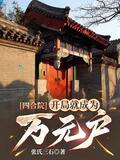 Siheyuan: Become a 10,000-Yuan Household at the Beginning
Zhang's Three Stones528k Wordscompleted
15.8kReads7.7Score449Shelves
Siheyuan: Become a 10,000-Yuan Household at the Beginning
Zhang's Three Stones528k Wordscompleted
15.8kReads7.7Score449Shelves
Reader note
🌟① It is completely consistent. The protagonist of the courtyard house has a separate yard. No. 93, South Tongluo Lane, is a large courtyard house and is a neighbor of No. 95. In 1956, the protagonist's grandfather bought the front yard. 🍀
-
106
四
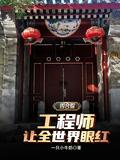 Siheyuan: Engineers Make the Whole World Jealous
A Little Milk1.1M Wordscompleted
1.9kReads7.4Score146Shelves
Siheyuan: Engineers Make the Whole World Jealous
A Little Milk1.1M Wordscompleted
1.9kReads7.4Score146Shelves
Reader note
🌟① It is completely consistent. The protagonist of the courtyard house has a separate yard. No. 93, South Tongluo Lane, is a large courtyard house and is a neighbor of No. 95. In 1956, the protagonist's grandfather bought the front yard. 🍀
-
106
四
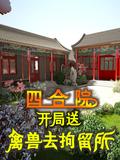 Siheyuan: Send the Beast to the Detention Center at the Beginning
Zhang Shizhongyu283k Wordscompleted
2.8kReads8.6Score100Shelves
Siheyuan: Send the Beast to the Detention Center at the Beginning
Zhang Shizhongyu283k Wordscompleted
2.8kReads8.6Score100Shelves
Reader note
"Siheyuan: Happy Life in the Red Age" is simply a breath of fresh air in period literature! It also traveled to the world of "Love in the Courtyard". It did not choose to write about "slapping silly pillars in the face" or "counterattacking Xu Damao". Instead, it allowed the protagonist Pei Guang to appear as a brand new "little transparent". This perspective is actually eye-catching. The protagonist's golden finger "God's reward system" is particularly interesting in design - there is no superpower that can be achieved in one step, and it all depends on solid practice to increase proficiency. Skills such as cooking and fitness have to be honed little by little. This setting of "efforts will be rewarded" gives the period novel a sense of solidity. Think about it, others rely on the system to win through time travel, but Pei Guang has to get up early in the morning to cook porridge and practice cooking skills, do push-ups to gain fitness proficiency, and even kill a chicken and stew a pot of soup to gain experience. Isn't this the "sense of struggle" that ordinary people can most empathize with? Moreover, the author's depiction of the group portraits in the courtyard is so spot on! Mrs. Jia and Zhang looked like they were straight out of a drama when they saw Pei Guang "licking his face and eating rice" when he bought chicken; the grievances of Yan Bugui's family while smelling the smell of meat and chewing steamed buns brought to life the image of "calculation" and "helplessness"; even Silly Zhu's "exuberance in cooking" was written particularly vividly. The best thing is that the protagonist did not get into a tense situation with the people in the courtyard as soon as he came on. Instead, he quietly changed his situation by making chicken soup and practicing his skills. This kind of counterattack rhythm of "making a fortune silently" is particularly comfortable to watch. The setting of the space props is also very convenient. You can't farm but can store goods and adjust the time flow rate. It's tailor-made for those who hoard goods! Think about it, in an era of scarce supplies, who wouldn't want to have a "mobile warehouse" that can store dozens of pounds of meat and dozens of chickens and ducks? The details of Pei Guang moving kitchen supplies into the space to secretly practice cooking are both reasonable and refreshing, without destroying the authenticity of the era at all. I wonder if you have noticed that Pei Guang's attitude towards his sister is particularly poignant? Although he had just traveled back in time, he immediately thought of "improving the food so that my sister would grow taller." The quarrel between the brother and the sister during the meal made the family love of that era heartwarming. There is also the scene where he refuses the help of the third aunt to kill the chicken and avoids Jia Zhang's meal. He is neither humble nor overbearing, showing more wisdom than toughness. Having said that, how will Pei Guang use the meat and tickets rewarded by the system next? Should you quietly subsidize your family income, or find a way to exchange for something rare? In addition, Shazhu has noticed that Pei Guang's cooking skills have improved. Will the two of them stage a "cooking showdown" in the canteen of the steel rolling mill? Can anyone guess the next plot?
-
107
四
 Sihe************
completed
—Reads5.8Score—Shelves
Sihe************
completed
—Reads5.8Score—Shelves
Reader note
🌟① It is completely consistent. The protagonist of the courtyard house has a separate yard. No. 93, South Tongluo Lane, is a large courtyard house and is a neighbor of No. 95. In 1956, the protagonist's grandfather bought the front yard. 🍀
-
107
四
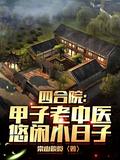 Siheyuan: Jiazi Old Chinese Medicine Doctor, Leisurely Life
High Mountains548k Wordscompleted
5.9kReads8.6Score306Shelves
Siheyuan: Jiazi Old Chinese Medicine Doctor, Leisurely Life
High Mountains548k Wordscompleted
5.9kReads8.6Score306Shelves
Reader note
"Siheyuan: Happy Life in the Red Age" is simply a breath of fresh air in period literature! It also traveled to the world of "Love in the Courtyard". It did not choose to write about "slapping silly pillars in the face" or "counterattacking Xu Damao". Instead, it allowed the protagonist Pei Guang to appear as a brand new "little transparent". This perspective is actually eye-catching. The protagonist's golden finger "God's reward system" is particularly interesting in design - there is no superpower that can be achieved in one step, and it all depends on solid practice to increase proficiency. Skills such as cooking and fitness have to be honed little by little. This setting of "efforts will be rewarded" gives the period novel a sense of solidity. Think about it, others rely on the system to win through time travel, but Pei Guang has to get up early in the morning to cook porridge and practice cooking skills, do push-ups to gain fitness proficiency, and even kill a chicken and stew a pot of soup to gain experience. Isn't this the "sense of struggle" that ordinary people can most empathize with? Moreover, the author's depiction of the group portraits in the courtyard is so spot on! Mrs. Jia and Zhang looked like they were straight out of a drama when they saw Pei Guang "licking his face and eating rice" when he bought chicken; the grievances of Yan Bugui's family while smelling the smell of meat and chewing steamed buns brought to life the image of "calculation" and "helplessness"; even Silly Zhu's "exuberance in cooking" was written particularly vividly. The best thing is that the protagonist did not get into a tense situation with the people in the courtyard as soon as he came on. Instead, he quietly changed his situation by making chicken soup and practicing his skills. This kind of counterattack rhythm of "making a fortune silently" is particularly comfortable to watch. The setting of the space props is also very convenient. You can't farm but can store goods and adjust the time flow rate. It's tailor-made for those who hoard goods! Think about it, in an era of scarce supplies, who wouldn't want to have a "mobile warehouse" that can store dozens of pounds of meat and dozens of chickens and ducks? The details of Pei Guang moving kitchen supplies into the space to secretly practice cooking are both reasonable and refreshing, without destroying the authenticity of the era at all. I wonder if you have noticed that Pei Guang's attitude towards his sister is particularly poignant? Although he had just traveled back in time, he immediately thought of "improving the food so that my sister would grow taller." The quarrel between the brother and the sister during the meal made the family love of that era heartwarming. There is also the scene where he refuses the help of the third aunt to kill the chicken and avoids Jia Zhang's meal. He is neither humble nor overbearing, showing more wisdom than toughness. Having said that, how will Pei Guang use the meat and tickets rewarded by the system next? Should you quietly subsidize your family income, or find a way to exchange for something rare? In addition, Shazhu has noticed that Pei Guang's cooking skills have improved. Will the two of them stage a "cooking showdown" in the canteen of the steel rolling mill? Can anyone guess the next plot?
-
108
四
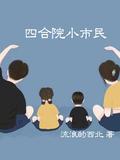 Siheyuan Small Citizen
Wandering Northwest686k Wordscompleted
4.1kReads8.9Score125Shelves
Siheyuan Small Citizen
Wandering Northwest686k Wordscompleted
4.1kReads8.9Score125Shelves
Reader note
"Siheyuan: Happy Life in the Red Age" is simply a breath of fresh air in period literature! It also traveled to the world of "Love in the Courtyard". It did not choose to write about "slapping silly pillars in the face" or "counterattacking Xu Damao". Instead, it allowed the protagonist Pei Guang to appear as a brand new "little transparent". This perspective is actually eye-catching. The protagonist's golden finger "God's reward system" is particularly interesting in design - there is no superpower that can be achieved in one step, and it all depends on solid practice to increase proficiency. Skills such as cooking and fitness have to be honed little by little. This setting of "efforts will be rewarded" gives the period novel a sense of solidity. Think about it, others rely on the system to win through time travel, but Pei Guang has to get up early in the morning to cook porridge and practice cooking skills, do push-ups to gain fitness proficiency, and even kill a chicken and stew a pot of soup to gain experience. Isn't this the "sense of struggle" that ordinary people can most empathize with? Moreover, the author's depiction of the group portraits in the courtyard is so spot on! Mrs. Jia and Zhang looked like they were straight out of a drama when they saw Pei Guang "licking his face and eating rice" when he bought chicken; the grievances of Yan Bugui's family while smelling the smell of meat and chewing steamed buns brought to life the image of "calculation" and "helplessness"; even Silly Zhu's "exuberance in cooking" was written particularly vividly. The best thing is that the protagonist did not get into a tense situation with the people in the courtyard as soon as he came on. Instead, he quietly changed his situation by making chicken soup and practicing his skills. This kind of counterattack rhythm of "making a fortune silently" is particularly comfortable to watch. The setting of the space props is also very convenient. You can't farm but can store goods and adjust the time flow rate. It's tailor-made for those who hoard goods! Think about it, in an era of scarce supplies, who wouldn't want to have a "mobile warehouse" that can store dozens of pounds of meat and dozens of chickens and ducks? The details of Pei Guang moving kitchen supplies into the space to secretly practice cooking are both reasonable and refreshing, without destroying the authenticity of the era at all. I wonder if you have noticed that Pei Guang's attitude towards his sister is particularly poignant? Although he had just traveled back in time, he immediately thought of "improving the food so that my sister would grow taller." The quarrel between the brother and the sister during the meal made the family love of that era heartwarming. There is also the scene where he refuses the help of the third aunt to kill the chicken and avoids Jia Zhang's meal. He is neither humble nor overbearing, showing more wisdom than toughness. Having said that, how will Pei Guang use the meat and tickets rewarded by the system next? Should you quietly subsidize your family income, or find a way to exchange for something rare? In addition, Shazhu has noticed that Pei Guang's cooking skills have improved. Will the two of them stage a "cooking showdown" in the canteen of the steel rolling mill? Can anyone guess the next plot?
-
109
四
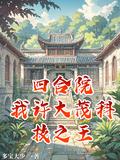 Siheyuan: I Am Xu Damao, the King of Science and Technology
Duobaodashao1.1M Wordscompleted
8.8kReads7.9Score438Shelves
Siheyuan: I Am Xu Damao, the King of Science and Technology
Duobaodashao1.1M Wordscompleted
8.8kReads7.9Score438Shelves
Reader note
"Siheyuan: Happy Life in the Red Age" is simply a breath of fresh air in period literature! It also traveled to the world of "Love in the Courtyard". It did not choose to write about "slapping silly pillars in the face" or "counterattacking Xu Damao". Instead, it allowed the protagonist Pei Guang to appear as a brand new "little transparent". This perspective is actually eye-catching. The protagonist's golden finger "God's reward system" is particularly interesting in design - there is no superpower that can be achieved in one step, and it all depends on solid practice to increase proficiency. Skills such as cooking and fitness have to be honed little by little. This setting of "efforts will be rewarded" gives the period novel a sense of solidity. Think about it, others rely on the system to win through time travel, but Pei Guang has to get up early in the morning to cook porridge and practice cooking skills, do push-ups to gain fitness proficiency, and even kill a chicken and stew a pot of soup to gain experience. Isn't this the "sense of struggle" that ordinary people can most empathize with? Moreover, the author's depiction of the group portraits in the courtyard is so spot on! Mrs. Jia and Zhang looked like they were straight out of a drama when they saw Pei Guang "licking his face and eating rice" when he bought chicken; the grievances of Yan Bugui's family while smelling the smell of meat and chewing steamed buns brought to life the image of "calculation" and "helplessness"; even Silly Zhu's "exuberance in cooking" was written particularly vividly. The best thing is that the protagonist did not get into a tense situation with the people in the courtyard as soon as he came on. Instead, he quietly changed his situation by making chicken soup and practicing his skills. This kind of counterattack rhythm of "making a fortune silently" is particularly comfortable to watch. The setting of the space props is also very convenient. You can't farm but can store goods and adjust the time flow rate. It's tailor-made for those who hoard goods! Think about it, in an era of scarce supplies, who wouldn't want to have a "mobile warehouse" that can store dozens of pounds of meat and dozens of chickens and ducks? The details of Pei Guang moving kitchen supplies into the space to secretly practice cooking are both reasonable and refreshing, without destroying the authenticity of the era at all. I wonder if you have noticed that Pei Guang's attitude towards his sister is particularly poignant? Although he had just traveled back in time, he immediately thought of "improving the food so that my sister would grow taller." The quarrel between the brother and the sister during the meal made the family love of that era heartwarming. There is also the scene where he refuses the help of the third aunt to kill the chicken and avoids Jia Zhang's meal. He is neither humble nor overbearing, showing more wisdom than toughness. Having said that, how will Pei Guang use the meat and tickets rewarded by the system next? Should you quietly subsidize your family income, or find a way to exchange for something rare? In addition, Shazhu has noticed that Pei Guang's cooking skills have improved. Will the two of them stage a "cooking showdown" in the canteen of the steel rolling mill? Can anyone guess the next plot?
-
110
四
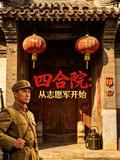 Siheyuan: Starting from the Volunteer Army
Chess352k Wordsongoing
54.9kReads6.1Score3.8kShelves
Siheyuan: Starting from the Volunteer Army
Chess352k Wordsongoing
54.9kReads6.1Score3.8kShelves
Reader note
This is, the protagonist has his own private home, a complete family, and no hostility.
-
111
四
 Siheyuan: the Soul Is Transformed into a Martyr, Full of Positive Energy
Three Leather Jackets621k Wordscompleted
2.8kReads7.2Score—Shelves
Siheyuan: the Soul Is Transformed into a Martyr, Full of Positive Energy
Three Leather Jackets621k Wordscompleted
2.8kReads7.2Score—Shelves
Reader note
In the first book, Yi Zhonghai was sold out and the house was bought as a single heroine. She has her own yard in the back, a system and space, and a supermarket. The goods from the supermarket are taken today and will be automatically replenished tomorrow.
-
112
四
 Siheyuan: Yi Zhonghai's Son Enters the Security Department at the Beginning
Mai Zuo3.9M Wordsongoing
15.5kReads7.5Score1kShelves
Siheyuan: Yi Zhonghai's Son Enters the Security Department at the Beginning
Mai Zuo3.9M Wordsongoing
15.5kReads7.5Score1kShelves
Reader note
In the first book, Yi Zhonghai was sold out and the house was bought as a single heroine. She has her own yard in the back, a system and space, and a supermarket. The goods from the supermarket are taken today and will be automatically replenished tomorrow.
-
113
1
 19************
ongoing
—Reads5.8Score—Shelves
19************
ongoing
—Reads5.8Score—Shelves
Reader note
In the first book, Yi Zhonghai was sold out and the house was bought as a single heroine. She has her own yard in the back, a system and space, and a supermarket. The goods from the supermarket are taken today and will be automatically replenished tomorrow.
-
114
开
 Who Is Qin Huairu in the Opening Scene Who Is Not a Cao Thief?
Zhen Lei Xiao4.0M Wordsongoing
1.8kReads6.1Score123Shelves
Who Is Qin Huairu in the Opening Scene Who Is Not a Cao Thief?
Zhen Lei Xiao4.0M Wordsongoing
1.8kReads6.1Score123Shelves
Reader note
In the first book, Yi Zhonghai was sold out and the house was bought as a single heroine. She has her own yard in the back, a system and space, and a supermarket. The goods from the supermarket are taken today and will be automatically replenished tomorrow.
-
115
穿
 Travel Through He Daqing and Marry His Wife Chen Xueru
Changsheng Laoliu277k Wordsongoing
1.7kReads6.1Score—Shelves
Travel Through He Daqing and Marry His Wife Chen Xueru
Changsheng Laoliu277k Wordsongoing
1.7kReads6.1Score—Shelves
Reader note
In the first book, Yi Zhonghai was sold out and the house was bought as a single heroine. She has her own yard in the back, a system and space, and a supermarket. The goods from the supermarket are taken today and will be automatically replenished tomorrow.
-
116
四
 Siheyuan: the Long Live Army's Strongest Quartermaster
Watching253k Wordscompleted
217Reads—Score—Shelves
Siheyuan: the Long Live Army's Strongest Quartermaster
Watching253k Wordscompleted
217Reads—Score—Shelves
Reader note
In the first book, Yi Zhonghai was sold out and the house was bought as a single heroine. She has her own yard in the back, a system and space, and a supermarket. The goods from the supermarket are taken today and will be automatically replenished tomorrow.
-
117
四
 Sihe************
ongoing
—Reads5.8Score—Shelves
Sihe************
ongoing
—Reads5.8Score—Shelves
Reader note
In the first book, Yi Zhonghai was sold out and the house was bought as a single heroine. She has her own yard in the back, a system and space, and a supermarket. The goods from the supermarket are taken today and will be automatically replenished tomorrow.
-
118
四
 Peach Blossoms Bloom in the Courtyard
Ant's Thoughts410k Wordscompleted
1.5kReads6.7Score—Shelves
Peach Blossoms Bloom in the Courtyard
Ant's Thoughts410k Wordscompleted
1.5kReads6.7Score—Shelves
Reader note
In the first book, Yi Zhonghai was sold out and the house was bought as a single heroine. She has her own yard in the back, a system and space, and a supermarket. The goods from the supermarket are taken today and will be automatically replenished tomorrow.
-
119
四
 Siheyuan: Outrageous! I Actually Have Unlimited Meat to Eat
Hello Fellow Taoists471k Wordscompleted
890Reads6.9Score—Shelves
Siheyuan: Outrageous! I Actually Have Unlimited Meat to Eat
Hello Fellow Taoists471k Wordscompleted
890Reads6.9Score—Shelves
Reader note
In the first book, Yi Zhonghai was sold out and the house was bought as a single heroine. She has her own yard in the back, a system and space, and a supermarket. The goods from the supermarket are taken today and will be automatically replenished tomorrow.
-
120
四
 Siheyuan: I Live in Xiangjiang and I Am Very Patriotic.
Koi Is Not a Monster1.3M Wordscompleted
5.1kReads6.4Score204Shelves
Siheyuan: I Live in Xiangjiang and I Am Very Patriotic.
Koi Is Not a Monster1.3M Wordscompleted
5.1kReads6.4Score204Shelves
Reader note
In the first book, Yi Zhonghai was sold out and the house was bought as a single heroine. She has her own yard in the back, a system and space, and a supermarket. The goods from the supermarket are taken today and will be automatically replenished tomorrow.
-
121
四
 Siheyuan: After Being Broken Up, I Will Be Blessed with Many Children.
Nannan's Dream of Cultivating Immortality1.3M Wordscompleted
3.7kReads6.0Score152Shelves
Siheyuan: After Being Broken Up, I Will Be Blessed with Many Children.
Nannan's Dream of Cultivating Immortality1.3M Wordscompleted
3.7kReads6.0Score152Shelves
Reader note
In the first book, Yi Zhonghai was sold out and the house was bought as a single heroine. She has her own yard in the back, a system and space, and a supermarket. The goods from the supermarket are taken today and will be automatically replenished tomorrow.
-
122
我
 I, Xu Damao, Come from the 21St Century
Toad715k Wordscompleted
6.5kReads8.1Score199Shelves
I, Xu Damao, Come from the 21St Century
Toad715k Wordscompleted
6.5kReads8.1Score199Shelves
Reader note
In the first book, Yi Zhonghai was sold out and the house was bought as a single heroine. She has her own yard in the back, a system and space, and a supermarket. The goods from the supermarket are taken today and will be automatically replenished tomorrow.
-
123
四
 Siheyuan: the Chicken Is Flying and the Dog Is Jumping.
Lang Jun Reads1.1M Wordscompleted
682Reads5.5Score—Shelves
Siheyuan: the Chicken Is Flying and the Dog Is Jumping.
Lang Jun Reads1.1M Wordscompleted
682Reads5.5Score—Shelves
Reader note
In the first book, Yi Zhonghai was sold out and the house was bought as a single heroine. She has her own yard in the back, a system and space, and a supermarket. The goods from the supermarket are taken today and will be automatically replenished tomorrow.
-
124
四
 Sihe************
completed
—Reads5.8Score—Shelves
Sihe************
completed
—Reads5.8Score—Shelves
Reader note
In the first book, Yi Zhonghai was sold out and the house was bought as a single heroine. She has her own yard in the back, a system and space, and a supermarket. The goods from the supermarket are taken today and will be automatically replenished tomorrow.
-
125
四
 Sihe******
ongoing
—Reads5.8Score—Shelves
Sihe******
ongoing
—Reads5.8Score—Shelves
Reader note
In the first book, Yi Zhonghai was sold out and the house was bought as a single heroine. She has her own yard in the back, a system and space, and a supermarket. The goods from the supermarket are taken today and will be automatically replenished tomorrow.
-
126
四
 Siheyuan: Become Qin Huairu's Younger Brother at the Beginning
The Spring Breeze Never Sleeps1.1M Wordscompleted
15.3kReads7.2Score842Shelves
Siheyuan: Become Qin Huairu's Younger Brother at the Beginning
The Spring Breeze Never Sleeps1.1M Wordscompleted
15.3kReads7.2Score842Shelves
Reader note
In the first book, Yi Zhonghai was sold out and the house was bought as a single heroine. She has her own yard in the back, a system and space, and a supermarket. The goods from the supermarket are taken today and will be automatically replenished tomorrow.
-
127
傻
 Silly Zhu Refused to Help, and His Wife and Children Were on the Hot Bed
Zhang Tianming447k Wordscompleted
6.1kReads8.8Score240Shelves
Silly Zhu Refused to Help, and His Wife and Children Were on the Hot Bed
Zhang Tianming447k Wordscompleted
6.1kReads8.8Score240Shelves
Reader note
In the first book, Yi Zhonghai was sold out and the house was bought as a single heroine. She has her own yard in the back, a system and space, and a supermarket. The goods from the supermarket are taken today and will be automatically replenished tomorrow.