After checking a lot of information, it was not brainless and rigorous. The protagonist was slapped in the face every day. Su Dun took out a few pieces of paper from his sleeves, which were densely written with words. "I was in Hangzhou before. I read hundreds of books and found a few pieces of evidence. Not many, just nine." He spread the paper on the old cases next to him, "But I think the direction is right." Su Dun pointed to the first piece and said in a calm tone: "Look at the sentence in "Dayu Mo" that 'the human heart is in danger, the Dao is only small, but the essence is only one, and the Yunzhi Juezhong' is quoted in "Xunzi Jieye Pian", but Xunzi said it was quoted from the "Tao Jing", not the "Shang Shu"." "And 'Yunzhi Juezhong' should come from the Analects of Confucius. Yao said, "The calendar of heaven is in your hands, and if you are willing to hold on to it, the world will be poor, and the fortune of heaven will last forever." "The Analects of Confucius said, 'Shun also ordered Yu', but what Shun said to Yu in "Dayu Mo" is completely different from what Yao said to Shun." "The so-called sixteen words of Yu Ting are simply made up." He raised his head and glanced at everyone, waiting for them to be shocked, excited, or "enlightened" as written in later novels. However - Fan Xun raised his head and said disapprovingly: "Maybe Xunzi remembered it wrong?" Su Dun was stunned. Zhao Mingcheng nodded along, with a serious look on his face: "I saw before that "Xunzi·Junzi Pian" quoted "One person is happy, and the people rely on it", and said it was from the "Biography"." "Actually, this sentence comes from "Shangshu·Lu Xing"." "The source of this quotation must be misremembered by Xunzi." Su Xingchong also said: "Pre-Qin books are all bamboo slips, and it is not easy to read them. The scholars cited the scriptures and most likely wrote them from memory. Without reading and checking, the words may not be accurate." Su Dun's mouth twitched. Huh? Is there something wrong with your reaction? Too calm? Too rational? Shouldn't we exclaim "Oh my God, this is fake" and then people will be angry and share the same hatred? Why are everyone so... Calm? However, it makes so much sense, I am speechless! Li Qingzhao remained silent, just lowered his head and read the original text copied by Su Dun carefully. She stared at those lines of words for a long time, then suddenly raised her head, with a hint of weirdness in her eyes: "The original text of "Xunzi: Uncovering" is: 'In the past, when Shun ruled the world, everything was accomplished without edicts. When he was in danger, his glory was full; when he raised a little, his glory was unknown.' Later, he quoted the "Tao Jing": "The danger of the human heart, the weakness of the Taoist heart, and the number of dangers can only be known by a wise gentleman." She looked at Su Dun with a strange light in her eyes - a look that doubted her IQ: "You don't think it's the same sentence just because 'the human heart is in danger, the Tao's heart is small' and 'the human heart is in danger, the Tao's heart is small' are very similar?" Su Dun was displeased and replied stiffly: "These two sentences are exactly the same, how come they are not plagiarism?" "But these two sentences have completely different meanings!" Li Qingzhao talked eloquently: "Xunzi first said that Shun was 'in danger' and 'nurturing the subtlety' - this means that Shun advocated using a single-minded heart to explore the subtle principles of things." "Then he quoted the "Tao Jing" that "the human heart is in danger, the Tao heart is subtle". He quoted the sentence from the "Tao Jing" in order to explain the 'danger' and 'micro' mentioned by Shun earlier." "The key point of this sentence is in the last sentence - 'The number of dangers is small, only a wise gentleman can know it'. It is talking about the 'ji' (sign) between 'danger' and 'micro', which only a 'wise gentleman' can detect." She paused, and spoke in a clear voice: "But the key point of the sixteen words in "Dayu Mo" is also at the end, 'Wei Jing Wei Yi, Yu Zhi Ju Zhong', which is to use the 'Jing Yi' skill to 'Zhi Zhong'." "The themes and philosophies of the two sentences are fundamentally different. One talks about detecting signs, and the other talks about adhering to the middle way." "Just because these eight characters are somewhat similar, do you think it is plagiarism?" Fan Wei continued: "Even if it is plagiarism, it may be that the Dao Jing copied Dayu Mo, and then was recorded as the Dao Jing. There are too many such things." He thought for a while and gave an example: "For example, the sentence 'Without indifference, one cannot achieve clear aspirations, without tranquility, one cannot reach far', which comes from "Huainanzi Zhushu Xun" of the Western Han Dynasty. More than three hundred years later, Zhuge Liang quoted it in "The Book of Commandments", and now everyone thinks it was Zhuge Liang who said it." "There is also 'the courage to be big but the heart to be small, the wisdom to be round but the action to be square', which also comes from "Huainanzi Zhushu Xun", Sun Simiao quoted it, and now everyone thinks it is Sun Simiao's words." Zhao Mingcheng added: "This is also the case in "Xunzi" itself. The section about three years of mourning in "Xunzi: Rites", from 'three years of mourning, what' to 'the same thing in ancient and modern times', the entire paragraph was included in the Book of Rites and became the 'Three Years Questions'." "Now when people quote these sentences, they definitely think they come from the "Book of Rites", not "Xunzi"." Su Xingchong also nodded: "As for what Yao said when he surrendered to Shun, it is different from what Shun said when he surrendered to Yu. Isn't it strange?" "Two generations of holy kings faced different world situations, so they had to explain themselves differently." Su Dun was confused by everyone's words. Didn't those books of later generations say that the "Sixteen-Character Heart Biography" was the core evidence for Yan Ruochu's falsification of "Gu Wen Shangshu"? Didn't it mean that as soon as this piece of evidence came out, the Neo-Confucianists were speechless? How come you can't even convince a few seven- and eight-year-old children here?
The first two books are so enjoyable that you won't be able to stop. The latter one focuses on reality and sees how modern literati created the glory of the Ming Dynasty.
I originally wanted to win life by relying on soft rice, but I didn't expect that I fattened the richest woman, strengthened my father-in-law, and even imbued him with the emperor's fishing skills. All he wanted was to be kicked out and receive a severance package, but instead he was held up as a model for the ages. When things backfired to this extent, Chu Xiu could only break down and shout: Stop praying, I really just want to be a happy waste! [Blessed soon]
The first book, The Story of the Tang Dynasty, is a story written for adults and men. The Tang Dynasty on the tip of the knife, the Tang Dynasty in poetry. There are no childish tricks, no unrealistic fantasies, and no clever tricks. This is a man's story, with its joys and sorrows. The second book is a Spring and Autumn Period essay. This is a relatively serious article. There is no muddle-headed play with technology. It is also a solid book.
As a bookworm for decades, I no longer like to read mindless and enjoyable articles. I like reading novels like this with good writing and reasonable plots
💥, The original owner of the Sixth Prince Che, the Sixth Prince of the Great Xia Dynasty, just as the edict said: He has no cultivation in civil and military affairs, is cowardly in nature, has no merit in his body except good looks and big size, and is riddled with all kinds of bad habits. The original owner was invited to a banquet at the fifth prince's home and got very drunk. But it is absolutely impossible to say that he blasphemed the royal brother's fiancée Zhen! The original owner was both cowardly and naive, and would never dare to blaspheme Zhen even after drinking. Obviously, this is a game, a game that wants to kill the original owner! As a result, the organizer overestimated the weakling of the original owner... After drinking too much, he just lost it, allowing Zhou Che, who came from time to time, to take over his body.
I think there's no need for me to say anything more about the high scores it received from tens of thousands of people. [Cool][Cool][Cool] It's absolutely non-toxic and enjoyable to watch. The content is profound and the plot is rich and exciting! ! ! [Laughing][laughing][laughing]
The first one doesn't have many ruthless words, and rectifies his name as Emperor Xin. The following books start with Zhu Yuanzhang, the founder of the Ming Dynasty. Our protagonist saves the Ming Dynasty from various periods and corrects the clothes of the Han family.
He did not rashly submit a letter directly, but chose to boil the frog in warm water and spread rumors as a foreshadowing. Jiang fully sent out dozens of followers, and also attracted a group of Hu Wus who relied on him, divided them into areas, and scattered them throughout Chang'an. Some people mingled in the palace and among the maids and servants of various palaces, deliberately spreading the news that "the concubines in the harem secretly planted poisons and cursed His Majesty for his inability to recover from his illness." Another group of people wandered around the palaces of princes and civil and military residences, implying that everyone who had contact with the Wei family secretly had something to win against; another group of people sneaked into the streets and villages, exaggerating the terrifying atmosphere that witchcraft would cause disasters among the people, and deliberately amplified everyone's panic. In just ten days, rumors began to ferment, becoming more and more outrageous. At first it was only said that someone in the harem was practicing witchcraft.
 Three Kingdoms Liu Biao's Whale Devours the World
351Reads8.3Score—Shelves
Three Kingdoms Liu Biao's Whale Devours the World
351Reads8.3Score—Shelves
 Shangguan Wan'er's Court Affairs in the Tang Dynasty
376Reads7.4Score—Shelves
Shangguan Wan'er's Court Affairs in the Tang Dynasty
376Reads7.4Score—Shelves
 Collection of China: Opening Dialogue with the Ten Emperors
30.3kReads5.8Score4.6kShelves
Collection of China: Opening Dialogue with the Ten Emperors
30.3kReads5.8Score4.6kShelves
 Crown Prince of Tang Dynasty
7.9kReads8.3Score597Shelves
Crown Prince of Tang Dynasty
7.9kReads8.3Score597Shelves
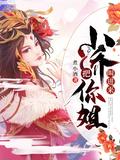 Sanguo: Xiao Qiao, Call Your Sister In
45.4kReads9.3Score4.9kShelves
Sanguo: Xiao Qiao, Call Your Sister In
45.4kReads9.3Score4.9kShelves
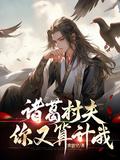 Villager Zhuge, You Are Plotting Against Me Again
48kReads9.3Score6.4kShelves
Villager Zhuge, You Are Plotting Against Me Again
48kReads9.3Score6.4kShelves
 People Are in the Three Kingdoms, and They Refuse to Compete for Hegemony System at the Beginning
2Reads—Score—Shelves
People Are in the Three Kingdoms, and They Refuse to Compete for Hegemony System at the Beginning
2Reads—Score—Shelves
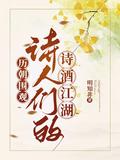 Watch the Poems and Wines of Poets from All Dynasties
3.9kReads9.0Score414Shelves
Watch the Poems and Wines of Poets from All Dynasties
3.9kReads9.0Score414Shelves
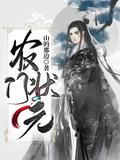 Number One Scholar in Agriculture
13.8kReads9.3Score1.2kShelves
Number One Scholar in Agriculture
13.8kReads9.3Score1.2kShelves
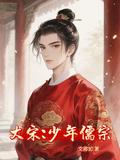 Father Su Dongpo's Wife Li Qingzhao and His Father Song Huizong
23.2kReads8.5Score2.9kShelves
Father Su Dongpo's Wife Li Qingzhao and His Father Song Huizong
23.2kReads8.5Score2.9kShelves
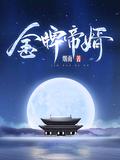 Gold Medal Emperor Son-In-Law
39.9kReads9.0Score4.2kShelves
Gold Medal Emperor Son-In-Law
39.9kReads9.0Score4.2kShelves
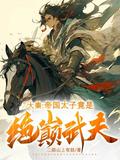 Da Qin: the Prince of the Empire Is Actually a Top Martial Artist
35kReads8.9Score2.6kShelves
Da Qin: the Prince of the Empire Is Actually a Top Martial Artist
35kReads8.9Score2.6kShelves
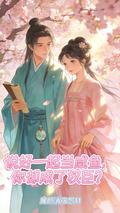 We Agreed to Be Salty Fish Together, but You Became a Powerful Minister?
109Reads—Score—Shelves
We Agreed to Be Salty Fish Together, but You Became a Powerful Minister?
109Reads—Score—Shelves
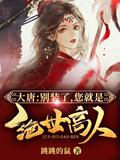 Datang: Stop Pretending, You Are a Peerless Expert
47.2kReads8.8Score4.4kShelves
Datang: Stop Pretending, You Are a Peerless Expert
47.2kReads8.8Score4.4kShelves
 Crook
53.2kReads9.5Score7kShelves
Crook
53.2kReads9.5Score7kShelves
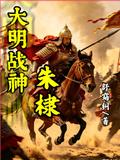 Ming Dynasty God of War Zhu Di
21.8kReads7.9Score1.1kShelves
Ming Dynasty God of War Zhu Di
21.8kReads7.9Score1.1kShelves
 Ming Dynasty Special Reconnaissance Troops Did Not Collect at Night
739Reads5.8Score141Shelves
Ming Dynasty Special Reconnaissance Troops Did Not Collect at Night
739Reads5.8Score141Shelves
 Zhujinou
4.2kReads8.2Score359Shelves
Zhujinou
4.2kReads8.2Score359Shelves
 The Halberd-Bearing Man
765Reads8.6Score—Shelves
The Halberd-Bearing Man
765Reads8.6Score—Shelves
 The Top of the Imperial Concubine
503Reads5.8Score—Shelves
The Top of the Imperial Concubine
503Reads5.8Score—Shelves
 Without Sun Chuanting, There Is Still Huang Yiming
5.8kReads8.4Score501Shelves
Without Sun Chuanting, There Is Still Huang Yiming
5.8kReads8.4Score501Shelves
 Founding Thief
1.1kReads—Score130Shelves
Founding Thief
1.1kReads—Score130Shelves
 Suffering and Struggling
73Reads8.4Score—Shelves
Suffering and Struggling
73Reads8.4Score—Shelves
 Let's Tell a History, the Six Emperors Are Finished!
8Reads—Score—Shelves
Let's Tell a History, the Six Emperors Are Finished!
8Reads—Score—Shelves
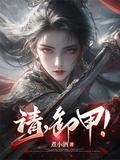 Please, Take Off Your Armor!
34.6kReads9.2Score2.9kShelves
Please, Take Off Your Armor!
34.6kReads9.2Score2.9kShelves
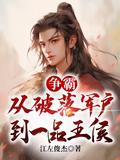 General Owl Tiger
13.7kReads8.7Score11.8kShelves
General Owl Tiger
13.7kReads8.7Score11.8kShelves
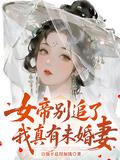 Foolish Empress, I Am Truly a Loyal Minister of Zhou Dynasty
28.4kReads9.0Score2.7kShelves
Foolish Empress, I Am Truly a Loyal Minister of Zhou Dynasty
28.4kReads9.0Score2.7kShelves
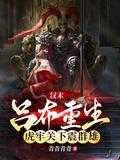 Late Han Dynasty: Lu Bu Is Reborn and Starts to Chase Cao Cao
8.2kReads8.6Score678Shelves
Late Han Dynasty: Lu Bu Is Reborn and Starts to Chase Cao Cao
8.2kReads8.6Score678Shelves
 The Great Emperor Was Reborn, After Two Thousand Years of Chinese Life
—Reads—Score—Shelves
The Great Emperor Was Reborn, After Two Thousand Years of Chinese Life
—Reads—Score—Shelves
 The Sun and the Moon Are Bright: Rebuilding the Ming Dynasty
7.3kReads8.3Score462Shelves
The Sun and the Moon Are Bright: Rebuilding the Ming Dynasty
7.3kReads8.3Score462Shelves
 The World's Morality Has Regressed for Three Hundred Years. What Does It Have to Do with Me?
539.1kReads9.1Score65.8kShelves
The World's Morality Has Regressed for Three Hundred Years. What Does It Have to Do with Me?
539.1kReads9.1Score65.8kShelves
 Things That Put the Ming Dynasty in the Place of the Qing Dynasty
973Reads8.5Score—Shelves
Things That Put the Ming Dynasty in the Place of the Qing Dynasty
973Reads8.5Score—Shelves
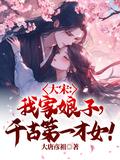 Song Dynasty: My Wife Is the Most Talented Woman in the History!
62.9kReads8.6Score8.3kShelves
Song Dynasty: My Wife Is the Most Talented Woman in the History!
62.9kReads8.6Score8.3kShelves
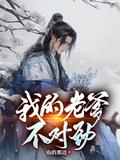 Something's Wrong with My Dad
28.5kReads9.5Score3.8kShelves
Something's Wrong with My Dad
28.5kReads9.5Score3.8kShelves
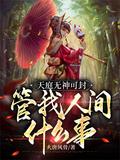 There Is No God in Heaven, so Why Does It Matter to Me in This World?
17kReads8.8Score1.5kShelves
There Is No God in Heaven, so Why Does It Matter to Me in This World?
17kReads8.8Score1.5kShelves
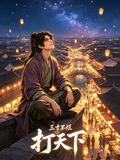 Three Inches of Invulnerability Conquers the World
10.4kReads9.3Score906Shelves
Three Inches of Invulnerability Conquers the World
10.4kReads9.3Score906Shelves
 Ge Qing: Jiaqing Reform
1.4kReads—Score152Shelves
Ge Qing: Jiaqing Reform
1.4kReads—Score152Shelves
 Da Qin: the Northern Army Rebelled, and the Dragon Robe Was Suddenly Added to the Body
4kReads8.6Score343Shelves
Da Qin: the Northern Army Rebelled, and the Dragon Robe Was Suddenly Added to the Body
4kReads8.6Score343Shelves
 Tianlao Dragon Cub: I Am the Great-Grandson of Emperor Wu of the Han Dynasty
156Reads8.6Score—Shelves
Tianlao Dragon Cub: I Am the Great-Grandson of Emperor Wu of the Han Dynasty
156Reads8.6Score—Shelves
 At the Beginning of the Civil Engineering Changes, I, Jingtai, Gave Baozong a Ride
1.1kReads8.6Score—Shelves
At the Beginning of the Civil Engineering Changes, I, Jingtai, Gave Baozong a Ride
1.1kReads8.6Score—Shelves
 Daming Zhenhaiwang
442Reads5.8Score—Shelves
Daming Zhenhaiwang
442Reads5.8Score—Shelves
 I Traveled Through Time and Became a German Soldier in World War II. I Just Wanted to Surrender but I Was so Proud of My War Achievements.
1Reads5.8Score—Shelves
I Traveled Through Time and Became a German Soldier in World War II. I Just Wanted to Surrender but I Was so Proud of My War Achievements.
1Reads5.8Score—Shelves
 Scared Xiang Yu Silly! It Was Actually the Soul That Penetrated the Young Master of the Late Qin Dynasty and Turned Him into a Dragon
—Reads—Score—Shelves
Scared Xiang Yu Silly! It Was Actually the Soul That Penetrated the Young Master of the Late Qin Dynasty and Turned Him into a Dragon
—Reads—Score—Shelves
 Bajie's Journey to the West: Tear Apart the Scumbag Bull Demon King
66Reads8.5Score—Shelves
Bajie's Journey to the West: Tear Apart the Scumbag Bull Demon King
66Reads8.5Score—Shelves
 Daming: Return to the Position of Grandson at the Beginning!
4.4kReads8.3Score209Shelves
Daming: Return to the Position of Grandson at the Beginning!
4.4kReads8.3Score209Shelves
 While Others Were Engaged in Business, She Was Engaged in Handsome Men. Princess Taiping Was a Scumbag and Ruined the Entire Tang Dynasty.
77Reads8.5Score—Shelves
While Others Were Engaged in Business, She Was Engaged in Handsome Men. Princess Taiping Was a Scumbag and Ruined the Entire Tang Dynasty.
77Reads8.5Score—Shelves
 A Leaf Sinks the Boat and Crosses Qingluan
—Reads—Score—Shelves
A Leaf Sinks the Boat and Crosses Qingluan
—Reads—Score—Shelves
 I Lived from the Early Ming Dynasty to the Founding of the People's Republic of China
29.6kReads8.7Score2.5kShelves
I Lived from the Early Ming Dynasty to the Founding of the People's Republic of China
29.6kReads8.7Score2.5kShelves
 King: Others Wear Heroes, but I Wear Canyon Soldiers and Show Off.
33Reads8.5Score—Shelves
King: Others Wear Heroes, but I Wear Canyon Soldiers and Show Off.
33Reads8.5Score—Shelves
 Daming: I Traveled Through Time and Became a Portrait of Taizu
15.6kReads9.2Score1.3kShelves
Daming: I Traveled Through Time and Became a Portrait of Taizu
15.6kReads9.2Score1.3kShelves