It writes about old trades but reflects today's people - After reading six chapters of "The Play Next Door", why do I say it is worth reading? A few days ago, a friend recommended a book to me called "The Play Next Door". He said, take a look, they are all about old jobs that no one wants to do - those who collect corpses, those who write letters of repentance, those who look after the law library, those who are in charge of books in the academy, those who correct calligraphy in the bookstore, and those who record piano music scores. I said, what's so good about this? He said, you will know just by looking at it. I watched it. After reading six chapters, I sat there without moving for a long time. I think of the words of Zhou Dasheng, the corpse collector at the execution ground: "What I wrap is a person, not a crime. When a person dies, his sins disappear, it should be dignified." I think of the words of Zheng Mingyi, the ghostwriter of the letter of repentance: "The regret is in the heart, not in the writing. If the heart does not regret, the more beautiful the writing, the more deceitful it is." I think of the words of Shen Bo'an, the caretaker of the Law Library: "What I guard against are silverfish, and what I protect is the foundation of the law." I think of the words of Lu Jing'an, the president of the academy: "Books are the public tools of the world, and they are the eyes of future generations. Don't indulge in the favor of the present." I think of the words of Tao Moqing, the bookstore's proofreader: "One wrong word may miss a person's life; one wrong word may distort the saints." I think of the words of Jiang Tingtao, the piano scorer: "What you make up is not the sound, but the silence of time." These words are like nails, nailed into my heart. What group of people is "The Play Next Door" about? It's those people who stand in the corner. Being a corpse collector at the execution ground is the dirtiest and most unlucky job, but he has been wiping each dead man's face and combing his hair with a piece of white cloth for forty years. No one saw it, no one knew it, no one thanked it. But he did. Why? Because he feels that when a person dies, his sins disappear and he should be given dignity. The person who wrote the letter of repentance stayed at the yamen gate for thirty-one years and set three rules: he must come in person, he must express his regret himself, and he must write as much as he says. Someone offered him a high price to write a "profound" letter of repentance, but he refused. Why? Because he knows that repentance is not written for others to read, but for yourself. A fake letter of repentance can deceive others, but not yourself. The person who looks after the law library has been guarding a pile of old books that no one has read for forty-three years, guarding against moths and drying them frequently, thus preserving the laws that may only be used once in a hundred years. The newcomers were slack, the books were moth-eaten, and key regulations were incomplete, resulting in a case without evidence. He completed the eighty-three words from memory, which were exactly the same as the original copy that he found later. Why? Because those books are the "fundamentals" and if the fundamentals are gone, the Fa will be gone. The bookkeeper of the academy has been keeping books for thirty-eight years with a stack of borrowed books. Some people scolded him for being unreasonable, while others thought he was too disciplined. But he held on. The new book is open to all, rare books are borrowed and defaced, an lone copy is lost, and an old scholar vomits blood and dies. He came back and re-established the rules, saying: "Books are the eyes of future generations." The proofreader of the bookstore takes half a month to proofread a book, and any doubts must be checked. The workshop owner found it too slow and replaced him with a rough editor. A batch of imperial examination books were full of typos, students failed, and the bookshop was destroyed. He silently picked up the broken page and said, "One wrong word can ruin a life." Faced with the incomplete ancient music score, the scorer carefully researched the ancient versions and carefully completed it. If you are not sure, you would rather leave it empty than make up for it. Colleagues fill it in at will, the composition is completed but the rhyme is lost. Above the elegant gathering, his ancient songs are vast and profound, while the casual ones are gorgeous but shallow. The piano player sighed: "What you are making up is not the sound, but the silence of time." What's so interesting about these people? Because what they do is work that we cannot see. We see the books, but we don't see the people who manage them. We see the law but not the people who protect it. We see the letter of repentance, but we cannot see the person who wrote the letter of repentance. We see dead people, but we don't see the people collecting the bodies. We can see the sound of the piano, but we can't see the person typing the music. We see the words in the book, but we cannot see the person who edited those words. They stand in the corners, in the shadows, out of sight of us. But it is them who keep the bottom line of this world. What the corpse collector maintains is the last respect for life. What the person who writes the letter of repentance maintains is the last insistence on sincerity. What the custodians of the law library guard is the final protection of the foundation. What the Academy Master maintains is the last reverence for knowledge. What the bookshop's proofreaders insist on is the final check on quality. What the scorer maintains is the final humility towards history. These people are all little people. But there is something big about these little people. What? Be serious. It's the kind of seriousness that's out of place, almost paranoid, and makes people think, "Why bother?" Zhou Dasheng wiped the dead man's face, no one saw him, but he did it for forty-three years. Zheng Mingyi did not write a letter of repentance for anyone, and there was no one to supervise him, but he kept it for thirty-one years. Shen Bo'an was on guard against silverfish, but no one checked, but he had been guarding against silverfish for forty-three years. No one praised Lu Jingan for keeping the pile of borrowing signatures, but he kept it for thirty-eight years. Tao Moqing had to read three books for each word he was correcting. No one forced him, but he had been correcting it for thirty-seven years. Jiang Tingtao would rather be empty in the face of incompleteness. No one understands him, but he has been empty all his life. These people are all "stupid". But in this era, what is lacking is this kind of "silliness". We are too smart. We are so flexible. We know how to save trouble. But if you save, you will lose some things. The work of collecting corpses is saved, and the dead lose their dignity. If the book of repentance is omitted, the human heart will become false. The treasury of the law is gone, it is completely gone. If the library is spared, the eyes of future generations will be blinded. If you miss the proofreading, one word mistake can ruin your life. Without playing music, the silence of the ancients would be filled with noise. "The Play Next Door" is about these "unavoidable" things. Why is it called "The Show Next Door"? I think it's because these stories all happened next door. Not on stage, not in the spotlight, not in the limelight. Right next door, right next to us, just in the corner where we can't see it. If you open the door and walk over, you can see it. But you never pushed through that door. This book is to open that door for you. Behind the door are the corpse collector, ghostwriter, treasury clerk, bookkeeper, collation worker, and score recorder. They were there, doing jobs that no one wanted to do, and observing rules that no one wanted to abide by. They kept silent, did not fight, did not complain, and did not complain. They just do, do, do. Once you do it, it lasts a lifetime. What can this book give us? A few mirrors, I think. Zhou Dasheng's white cloth reflects our attitude towards life. Zheng Mingyi's letter of repentance reflects our attitude towards sincerity. Shen Bo'an's library of laws reflects our attitude towards fundamentals. Lu Jing'an's borrowing signature reflects our attitude towards knowledge. Tao Moqing's proofs reflect our attitude towards quality. The vacancy of Jiang Tingtao reflects our attitude towards history. These mirrors reflect us. How we treat the dead is how we treat the living. How we treat repentance is how we treat ourselves. How we treat the fundamentals is how we treat the future. How we treat knowledge is how we treat future generations. How we treat quality is how we treat others. How we treat history is how we treat the present. This book is all about things from the old days. But as you read it, you will find that it is all about the present. Corpse collectors are disliked because we are dirty. Ghostwriters are laughed at because we are too slow. The custodians are ignored because we are old-fashioned. The scribe was scolded because we were too strict. The school manager was replaced because we were too quick. Music scorers are left out in the cold because we feel empty-headed. We dislike this thing and that thing, but what we dislike is exactly what we shouldn't dislike the most. Finally, I would like to recommend this book in one sentence: It is written about a group of small people in the old era, but what it illuminates is us in every era. Those collectors, ghostwriters, custodians, bookkeepers, collation workers, and score recorders, what things they guard - decency, sincerity, fundamentals, reverence, quality, humility - are we not lacking today? Which one do we dare to say "I have guarded"? This book is here to ask us this question. It asks softly, quietly, and makes you feel like you are just listening to a few stories from next door. But after you finished listening, closed the book, and lay on the bed, those words came to you. "What I cover is a person, not a crime." "Repentance is in my heart, not in writing." "What I guard against are moths, and what I protect is the foundation of the law." "Books are the eyes of future generations." "One wrong word can ruin a person's life." "What you make up is not the sound, but the silence of time." These words will run over and over in your heart. You may wonder, do I have the decency of a corpse collector? Do I have the sincerity of that ghostwriter? Do I have the awe of that custodian? Do I have the foresight to write a book? Do I have the responsibility of being a school nurse? Do I have the humility of the scorer? You may wonder, are those things that I find too dirty, too slow, too old, too strict, too slow, too empty, and too empty, exactly what I lack the most? You may think, what have I been keeping in my life? This is "The Play Next Door". It is not a book that tells you the answers. It is a question, a mirror, a story next door. Open that door and go in and take a look. Those people are waiting for you. Waiting for you to listen to their stories, waiting for you to look in those mirrors, waiting for you to think about those few questions. Wait until you ask yourself: What am I keeping? What did I hold on to? ——This is a question that this book leaves you alone.
It writes about old trades but reflects today's people - After reading six chapters of "The Play Next Door", why do I say it is worth reading? A few days ago, a friend recommended a book to me called "The Play Next Door". He said, take a look, they are all about old jobs that no one wants to do - those who collect corpses, those who write letters of repentance, those who look after the law library, those who are in charge of books in the academy, those who correct calligraphy in the bookstore, and those who record piano music scores. I said, what's so good about this? He said, you will know just by looking at it. I watched it. After reading six chapters, I sat there without moving for a long time. I think of the words of Zhou Dasheng, the corpse collector at the execution ground: "What I wrap is a person, not a crime. When a person dies, his sins disappear, it should be dignified." I think of the words of Zheng Mingyi, the ghostwriter of the letter of repentance: "The regret is in the heart, not in the writing. If the heart does not regret, the more beautiful the writing, the more deceitful it is." I think of the words of Shen Bo'an, the caretaker of the Law Library: "What I guard against are silverfish, and what I protect is the foundation of the law." I think of the words of Lu Jing'an, the president of the academy: "Books are the public tools of the world, and they are the eyes of future generations. Don't indulge in the favor of the present." I think of the words of Tao Moqing, the bookstore's proofreader: "One wrong word may miss a person's life; one wrong word may distort the saints." I think of the words of Jiang Tingtao, the piano scorer: "What you make up is not the sound, but the silence of time." These words are like nails, nailed into my heart. What group of people is "The Play Next Door" about? It's those people who stand in the corner. Being a corpse collector at the execution ground is the dirtiest and most unlucky job, but he has been wiping each dead man's face and combing his hair with a piece of white cloth for forty years. No one saw it, no one knew it, no one thanked it. But he did. Why? Because he feels that when a person dies, his sins disappear and he should be given dignity. The person who wrote the letter of repentance stayed at the yamen gate for thirty-one years and set three rules: he must come in person, he must express his regrets himself, and he must write as much as he says. Someone offered him a high price to write a "profound" letter of repentance, but he refused. Why? Because he knows that repentance is not written for others to see, but for yourself. A fake letter of repentance can deceive others, but not yourself. The person who looks after the law library has been guarding a pile of old books that no one has read for forty-three years, guarding against moths and drying them frequently, thus preserving the laws that may only be used once in a hundred years. The newcomers were slack, the books were moth-eaten, and key regulations were incomplete, resulting in a case without evidence. He completed the eighty-three words from memory, which were exactly the same as the original copy that he found later. Why? Because those books are the "fundamentals" and if the fundamentals are gone, the Fa will be gone. The bookkeeper of the academy has been guarding books for thirty-eight years with a stack of borrowed books. Some people scolded him for being unreasonable, while others thought he was too disciplined. But he held on. The new book is open to all, rare books are borrowed and defaced, an lone copy is lost, and an old scholar vomits blood and dies. He came back and re-established the rules, saying: "Books are the eyes of future generations." The proofreader of the bookstore takes half a month to proofread a book, and any doubts must be checked. The workshop owner found it too slow and replaced him with a rough editor. A batch of imperial examination books were full of typos, students failed, and the bookshop was destroyed. He silently picked up the broken page and said, "One wrong word can ruin a life." Faced with the incomplete ancient music score, the scorer carefully researched the ancient versions and carefully completed it. If you are not sure, you would rather leave it empty than make up for it. Colleagues fill it in at will, the composition is completed but the rhyme is lost. Above the elegant gathering, his ancient songs are vast and profound, while the casual ones are gorgeous but shallow. The piano player sighed: "What you are making up is not the sound, but the silence of time." What's so interesting about these people? Because what they do is work that we cannot see. We see the books, but we don't see the people who manage them. We see the law but not the people who protect it. We see the letter of repentance, but we cannot see the person who wrote the letter of repentance. We see dead people, but we don't see the people collecting the bodies. We can see the sound of the piano, but we can't see the person typing the music. We see the words in the book, but we cannot see the person who edited those words. They stand in the corners, in the shadows, out of sight of us. But it is them who keep the bottom line of this world. What the corpse collector maintains is the last respect for life. What the person who writes the letter of repentance maintains is the last insistence on sincerity. What the custodians of the law library guard is the final protection of the foundation. What the Academy Master maintains is the last reverence for knowledge. What the bookshop's proofreaders insist on is the final check on quality. What the scorer maintains is the final humility towards history. These people are all little people. But there is something big about these little people. What? Be serious. It's the kind of seriousness that's out of place, almost paranoid, and makes people think, "Why bother?" Zhou Dasheng wiped the dead man's face, no one saw him, but he did it for forty-three years. Zheng Mingyi did not write a letter of repentance for anyone, and there was no one to supervise him, but he kept it for thirty-one years. Shen Bo'an was on guard against silverfish, but no one checked, but he had been guarding against silverfish for forty-three years. No one praised Lu Jingan for keeping the pile of borrowing signatures, but he kept it for thirty-eight years. Tao Moqing had to read three books for each word he was correcting. No one forced him, but he had been correcting it for thirty-seven years. Jiang Tingtao would rather be empty in the face of incompleteness. No one understands him, but he has been empty all his life. These people are all "stupid". But in this era, what is lacking is this kind of "silliness". We are too smart. We are so flexible. We know how to save trouble. But if you save, you will lose some things. The work of collecting corpses is saved, and the dead lose their dignity. If the book of repentance is omitted, the human heart will become false. The treasury of the law is gone, it is completely gone. If the library is spared, the eyes of future generations will be blinded. If you miss the proofreading, one word mistake can ruin your life. Without playing music, the silence of the ancients would be filled with noise. "The Play Next Door" is about these "unavoidable" things. Why is it called "The Show Next Door"? I think it's because these stories all happened next door. Not on stage, not in the spotlight, not in the limelight. Right next door, right next to us, just in the corner where we can't see it. If you open the door and walk over, you can see it. But you never pushed through that door. This book is to open that door for you. Behind the door are the corpse collector, ghostwriter, treasury clerk, bookkeeper, collation worker, and score recorder. They were there, doing jobs that no one wanted to do, and observing rules that no one wanted to abide by. They kept silent, did not fight, did not complain, and did not complain. They just do, do, do. Once you do it, it lasts a lifetime. What can this book give us? A few mirrors, I think. Zhou Dasheng's white cloth reflects our attitude towards life. Zheng Mingyi's letter of repentance reflects our attitude towards sincerity. Shen Bo'an's library of laws reflects our attitude towards fundamentals. Lu Jing'an's borrowing signature reflects our attitude towards knowledge. Tao Moqing's proofs reflect our attitude towards quality. The vacancy of Jiang Tingtao reflects our attitude towards history. These mirrors reflect us. How we treat the dead is how we treat the living. How we treat repentance is how we treat ourselves. How we treat the fundamentals is how we treat the future. How we treat knowledge is how we treat future generations. How we treat quality is how we treat others. How we treat history is how we treat the present. This book is all about things from the old days. But as you read it, you will find that it is all about the present. Corpse collectors are disliked because we are dirty. Ghostwriters are laughed at because we are too slow. The custodians are ignored because we are old-fashioned. The scribe was scolded because we were too strict. The school manager was replaced because we were too quick. Music scorers are left out in the cold because we feel empty-headed. We dislike this thing and that thing, but what we dislike is exactly what we shouldn't dislike the most. Finally, I would like to recommend this book in one sentence: It is written about a group of small people in the old era, but what it illuminates is us in every era. Those collectors, ghostwriters, custodians, bookkeepers, collation workers, and score recorders, what things they guard - decency, sincerity, fundamentals, reverence, quality, humility - are we not lacking today? Which one do we dare to say "I have guarded"? This book is here to ask us this question. It asks softly, quietly, and makes you feel like you are just listening to a few stories from next door. But after you finished listening, closed the book, and lay on the bed, those words came to you. "What I cover is a person, not a crime." "Repentance is in my heart, not in writing." "What I guard against are moths, and what I protect is the foundation of the law." "Books are the eyes of future generations." "One wrong word can ruin a person's life." "What you make up is not the sound, but the silence of time." These words will run over and over in your heart. You may wonder, do I have the decency of a corpse collector? Do I have the sincerity of that ghostwriter? Do I have the awe of that custodian? Do I have the foresight to write a book? Do I have the responsibility of being a school nurse? Do I have the humility of the scorer? You may wonder, are those things that I find too dirty, too slow, too old, too strict, too slow, too empty, and too empty, exactly what I lack the most? You may think, what have I been keeping in my life? This is "The Play Next Door". It is not a book that tells you the answers. It is a question, a mirror, a story next door. Open that door and go in and take a look. Those people are waiting for you. Waiting for you to listen to their stories, waiting for you to look in those mirrors, waiting for you to think about those few questions. Wait until you ask yourself: What am I keeping? What did I hold on to? ——This is a question that this book leaves you alone.
Absolutely high quality book! Fine chaff! If you like mindless fun, you can skip it. It is about a Taoist priest who traveled to the magical world and became one with the original owner. The Taoist exercises, charms, and incantations are written in great detail, especially how to draw each step of the charms, and what each symbol represents is clearly written. The description of the character reciting a spell shows the entire content of the spell! A rare masterpiece! Worth recommending!
Treasure found! [Adoration] [Adoration] A detailed novel that integrates the era, urban beauties, soldiers, and technology----1* Alias: The Major who guards the empty house alone... 2. Alias: The most strange woman in the world is actually an abandoned daughter of the middle palace! Two female videos, boys actually watch them, why...
Chapter 283 The Love of the Ancient Gods The Curse of the World Being a stranger in a foreign land, I miss my family even more during the festive season. I know from afar that when my brothers climbed to a high place, there was only one less person planting dogwood trees. For the first time, Amu felt the uncontrollable patriotic feeling that is unique to leaving his hometown abroad! This emotion keeps beating on my heart! Yes, many game masters in the speculative world are long on their own nation, and even if they are short, they will stop in time! What a great group of gamers this is! And when can I become such a person? Mr. Lin gave himself a new name for gambling in the financial market, Baidi! Yes, the golden scales are just a thing in the pond. They turn into dragons when encountering storms! What a high-altitude expectation that is! But to become a golden scale, I think I am immature now. How can I go on this great speculative game journey steadily and quickly? Amu once again thought of the Chengnan Orphanage, and of those orphans who, like him, had been without parents since childhood. He had to advance his plan to train traders! Qingluan and Zihe should be almost ready! I wrote a speculative trading teaching plan of more than 100,000 words, which should be able to be studied in a one-year cycle! How great it would be if one day the orphanage could be built into the Whampoa Military Academy in the gaming world, so that these children can jointly contribute to our nation in the financial field! Thirty-year plan, maybe as long as we work hard for another thirty years, we will definitely have our own independent international status! And I was less than sixty years old at that time! These children are in their prime, let them accompany their nation to take off for another period of time! When Amu thought of this, a thick flame burned in his heart again! Honey, what are you thinking about? Yu'er asked Amu gently while carrying the breakfast that Amu bought for her mother! Yu'er, why did you become so tender and affectionate overnight? I'm still a little uncomfortable being called that by you all of a sudden! Amu was afraid that Yu'er would see the melancholy in her heart, so she deliberately teased Yu'er! Idiot, big fool! Snort! Ignore you! Yu'er was angry and quickened her pace to go ahead alone! Honey, wait for me! Amu snatched Yu'er away from her body
All are good books worth reading
The first one I read recently is a trap that I don't like, but the world view is really great. The twists and turns in it really make people want to read it. The two protagonists are directly redeeming each other. There are four parts in total. The third and fourth parts are free to watch in Jinjiang. The fourth part is not finished yet. The author stopped updating it, but it is really worth reading. Let me watch it! ! !
The second part is one that I have read several times. The female protagonist is handsome and sassy, and is a soldier. The male protagonist will not be suppressed by the female protagonist at all. It's a cool story about two strong characters, isn't it?
The third part is an ancient romance. The heroine is a general. She slowly grows up and changes other people's opinions. The sentence "Yu Sha Zhong, come to help our leader, White Phoenix, become a god... Clear the obstacles." I can't hold back my tears.
In the fourth part, the heroine Ruan Xiaoli has no emotions. The hero enters the three thousand worlds for her and gives her a chance to experience emotions. When everyone wants to be happy together, the truth is like this... Hahaha, very good article, everyone go and read it.
All are good books worth reading
The first one I read recently is a trap that I don't like, but the world view is really great. The twists and turns in it really make people want to read it. The two protagonists are directly redeeming each other. There are four parts in total. The third and fourth parts are free to watch in Jinjiang. The fourth part is not finished yet. The author stopped updating it, but it is really worth reading. Let me watch it! ! !
The second part is one that I have read several times. The female protagonist is handsome and sassy, and is a soldier. The male protagonist will not be overpowered by the female protagonist at all. It's a story about two strong characters that is very enjoyable, isn't it?
The third part is an ancient romance. The heroine is a general. She slowly grows up and changes other people's opinions. The sentence "Yusha people, come and clear the obstacles for our leader, Bai Huang, to become a god..." I can't hold back my tears.
In the fourth part, the heroine Ruan Xiaoli has no emotions. The hero enters the three thousand worlds for her and gives her a chance to experience emotions. When everyone wants to be happy together, the truth is like this... Hahaha. Very good article. Everyone, go read it.
At this moment, deep in the earth's core, Chen Xiang has just completed a key structural node of the Nirvana Prism. He shook violently, and a strong sense of uneasiness pierced the core of his will like an ice pick.
 Yu Jingzhi Border County Magistrate
17Reads—Score—Shelves
Yu Jingzhi Border County Magistrate
17Reads—Score—Shelves
 Al's Writing Copyright Record
1Reads8.5Score—Shelves
Al's Writing Copyright Record
1Reads8.5Score—Shelves
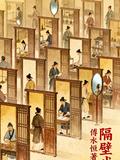 Next Door Drama
5Reads—Score—Shelves
Next Door Drama
5Reads—Score—Shelves
 The Sword Comes
48.7kReads5.8Score1.3kShelves
The Sword Comes
48.7kReads5.8Score1.3kShelves
 The First Madman of the Ming Dynasty
7.2kReads9.1Score686Shelves
The First Madman of the Ming Dynasty
7.2kReads9.1Score686Shelves
 Falling in Love on Xie Tie Street
6Reads—Score—Shelves
Falling in Love on Xie Tie Street
6Reads—Score—Shelves
 My Dongguan Dream: Sister Mei
229.2kReads8.5Score6.4kShelves
My Dongguan Dream: Sister Mei
229.2kReads8.5Score6.4kShelves
 Two Souls in One: Magic in the Left Hand and Taoism in the Right Hand
798Reads5.8Score171Shelves
Two Souls in One: Magic in the Left Hand and Taoism in the Right Hand
798Reads5.8Score171Shelves
 The Campus Beauty's Diploma Was Torn? the Infatuated Officer Fights to Death
992Reads8.2Score116Shelves
The Campus Beauty's Diploma Was Torn? the Infatuated Officer Fights to Death
992Reads8.2Score116Shelves
 Blue-Spotted Phoenix Girl Photos in the River
50Reads8.8Score—Shelves
Blue-Spotted Phoenix Girl Photos in the River
50Reads8.8Score—Shelves
 Sumeru Precepts: Rebirth in Sixty Years of Cultivation, Beauty, and Conspiracy for the World
15.8kReads7.3Score2kShelves
Sumeru Precepts: Rebirth in Sixty Years of Cultivation, Beauty, and Conspiracy for the World
15.8kReads7.3Score2kShelves
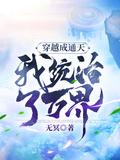 I, Shinhwa Tongtian, Join the Chat Group
5.9kReads8.1Score302Shelves
I, Shinhwa Tongtian, Join the Chat Group
5.9kReads8.1Score302Shelves
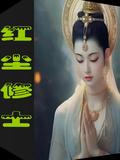 Mortal Monk
6.6kReads8.5Score711Shelves
Mortal Monk
6.6kReads8.5Score711Shelves
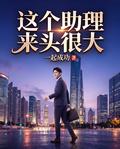 This Assistant Has a Great Background
12.4kReads9.2Score1.3kShelves
This Assistant Has a Great Background
12.4kReads9.2Score1.3kShelves
Potato's Omnipotent Answer to the Magic Stick Theory 382Reads8.5Score—Shelves
 It Makes Sense to Transform into a Glutton and Eat One Planet Per Mouthful, Right?
3.9kReads8.4Score404Shelves
It Makes Sense to Transform into a Glutton and Eat One Planet Per Mouthful, Right?
3.9kReads8.4Score404Shelves
 There Is a Fat Man Named Chao Gou in the World of Immortality
275Reads5.8Score—Shelves
There Is a Fat Man Named Chao Gou in the World of Immortality
275Reads5.8Score—Shelves
 After Failing the Exam, He Became a Corpse Chaser and Was Exposed by Tuanzi
1.7kReads8.3Score107Shelves
After Failing the Exam, He Became a Corpse Chaser and Was Exposed by Tuanzi
1.7kReads8.3Score107Shelves
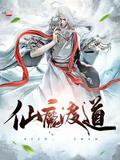 The Dark Night Without Stiffness
10Reads—Score—Shelves
The Dark Night Without Stiffness
10Reads—Score—Shelves
 Harvesting the World Since 2008
29.7kReads8.9Score2kShelves
Harvesting the World Since 2008
29.7kReads8.9Score2kShelves
 Immortal Demon Emperor Ye Xiye
1Reads—Score—Shelves
Immortal Demon Emperor Ye Xiye
1Reads—Score—Shelves
 On, the Self-Cultivation of Raking Ears
414Reads—Score—Shelves
On, the Self-Cultivation of Raking Ears
414Reads—Score—Shelves
 The Video Is Accessible to Thousands of Dynasties, and the Opening Clip Is an Emperor Through the Ages!
13.3kReads9.0Score905Shelves
The Video Is Accessible to Thousands of Dynasties, and the Opening Clip Is an Emperor Through the Ages!
13.3kReads9.0Score905Shelves
 Chu Liuxiang, the Handsome Thief
229Reads—Score—Shelves
Chu Liuxiang, the Handsome Thief
229Reads—Score—Shelves
 How a Badass Is Made by Xie Wendong 2
4.3kReads—Score265Shelves
How a Badass Is Made by Xie Wendong 2
4.3kReads—Score265Shelves
 Wandering Stock God
174Reads—Score—Shelves
Wandering Stock God
174Reads—Score—Shelves
 I Was About to Succeed in Catching an Adulterer, but My Wife Changed Her Shape
4.9kReads9.8Score114Shelves
I Was About to Succeed in Catching an Adulterer, but My Wife Changed Her Shape
4.9kReads9.8Score114Shelves
 Disdain the Sharingan? Direct Divine Power Teaches You How to Be a Good Person
17.3kReads9.1Score1.9kShelves
Disdain the Sharingan? Direct Divine Power Teaches You How to Be a Good Person
17.3kReads9.1Score1.9kShelves
 Kidnapped by Morality? Don't Panic, Kidnap It with Your Backhand
20.5kReads9.4Score2.3kShelves
Kidnapped by Morality? Don't Panic, Kidnap It with Your Backhand
20.5kReads9.4Score2.3kShelves
 Doomsday Survival: Me! Start by Synthesizing an Aircraft Carrier!
66Reads6.4Score—Shelves
Doomsday Survival: Me! Start by Synthesizing an Aircraft Carrier!
66Reads6.4Score—Shelves
 In the Book, the Heroine's Character Completely Collapsed
31.4kReads9.1Score2.3kShelves
In the Book, the Heroine's Character Completely Collapsed
31.4kReads9.1Score2.3kShelves
 Create a Dragon Soul and I Become a Legendary Dragon Thorn
593Reads5.8Score113Shelves
Create a Dragon Soul and I Become a Legendary Dragon Thorn
593Reads5.8Score113Shelves
 I Can Bring Everything in My Dreams into Reality
11.1kReads8.3Score1kShelves
I Can Bring Everything in My Dreams into Reality
11.1kReads8.3Score1kShelves
 Fantasy, I Can Have Infinite Enlightenment
72.9kReads9.1Score9.5kShelves
Fantasy, I Can Have Infinite Enlightenment
72.9kReads9.1Score9.5kShelves
 This Brave Man Became a Demon Because of His Careful Choice
8.9kReads8.8Score950Shelves
This Brave Man Became a Demon Because of His Careful Choice
8.9kReads8.8Score950Shelves
 Ocean Survival: Infinite Upgrade Evolution
17.2kReads7.7Score1.4kShelves
Ocean Survival: Infinite Upgrade Evolution
17.2kReads7.7Score1.4kShelves
 The Villain Breaks Off the Engagement, and the Beautiful CEO Cries and Begs to Get Back Together
40.7kReads9.3Score3.3kShelves
The Villain Breaks Off the Engagement, and the Beautiful CEO Cries and Begs to Get Back Together
40.7kReads9.3Score3.3kShelves
 Rebirth 80: I Picked up 4 Good Sons-In-Law
309Reads5.8Score—Shelves
Rebirth 80: I Picked up 4 Good Sons-In-Law
309Reads5.8Score—Shelves
 Girl, You Have Finally Grown Up! Marry Me
2.3kReads—Score313Shelves
Girl, You Have Finally Grown Up! Marry Me
2.3kReads—Score313Shelves
 Welcome to the Nightmare Game (2 Volumes)
33Reads9.5Score—Shelves
Welcome to the Nightmare Game (2 Volumes)
33Reads9.5Score—Shelves
 Rebirth of the Superpower Crazy Wife
22.7kReads9.3Score2.8kShelves
Rebirth of the Superpower Crazy Wife
22.7kReads9.3Score2.8kShelves
 The Abandoned Daughter Is Frivolous: the Poisonous Concubine Is Ruthless and Arrogant
28.5kReads9.5Score5.2kShelves
The Abandoned Daughter Is Frivolous: the Poisonous Concubine Is Ruthless and Arrogant
28.5kReads9.5Score5.2kShelves
 The Program Crew Went into the Mountains and the Mecha I Built Was Exposed
1.8kReads6.0Score153Shelves
The Program Crew Went into the Mountains and the Mecha I Built Was Exposed
1.8kReads6.0Score153Shelves
 All the People Become Beasts: Evolution Starts from the Willow Tree
6.3kReads8.3Score615Shelves
All the People Become Beasts: Evolution Starts from the Willow Tree
6.3kReads8.3Score615Shelves
 The Strange Life of a Courier
62Reads5.8Score—Shelves
The Strange Life of a Courier
62Reads5.8Score—Shelves
 People Are Robbing Tombs: Scraping Three Feet of the Ground to Numb the Rice Dumplings
7.1kReads8.7Score524Shelves
People Are Robbing Tombs: Scraping Three Feet of the Ground to Numb the Rice Dumplings
7.1kReads8.7Score524Shelves
 AI Robot Sequence
4Reads5.8Score—Shelves
AI Robot Sequence
4Reads5.8Score—Shelves
 Personal Occupation Fills in the Corpses, the Police Are Numb
16.4kReads7.6Score1.9kShelves
Personal Occupation Fills in the Corpses, the Police Are Numb
16.4kReads7.6Score1.9kShelves
 After Thousands of Years of Sweeping Away the Underworld, the Bodies of Immortals and Demons Were Born.
20.3kReads8.6Score40.8kShelves
After Thousands of Years of Sweeping Away the Underworld, the Bodies of Immortals and Demons Were Born.
20.3kReads8.6Score40.8kShelves
 Start in the Great Emperor Realm and Build the Ancient Divine Sect
30.2kReads8.4Score1.9kShelves
Start in the Great Emperor Realm and Build the Ancient Divine Sect
30.2kReads8.4Score1.9kShelves