Great book! A period drama born in the 1980s, campus love, urban emotions, two female protagonists, a sweet and sadistic novel, similar to a light novel, easy to read, and the plot is relatively fast. It is a history of emotional growth spanning 20 years. It explores the innocence and regret of youthful crush, the bitterness and sweetness of love, and the plainness and true meaning of marriage. Hope you all like it.
Tang Xiaoyu, a special soldier, is reborn. He fought for his country in his previous life and owed Qingmei. His beloved died on the battlefield to save him, and he regrets it for the rest of his life. He returned in this life with advanced memories, became rich and powerful, and protected the country passionately. However, between the two lives of deep love, he was caught in a dilemma. In this life, can he live up to his family and his country?
Why do you need to read Funny Moral Anthology? ——Four postures to stay awake in an absurd world 1. When dreams become pay channels: How far are we from "Black Mirror"? Open the 95th episode of "Anthology of Funny Meanings" "Dreams Available on Demand" and you will laugh but then stop laughing. Li Pingfan spent 19.9 Yuan to buy a dream of "promotion and salary increase", but was interrupted at the critical moment by an advertising man in yellow: "Are you hungry? You can also order takeout in your dream!" - Is this scene absurd? But please think about it before you fell asleep last night: Did you watch short videos for half an hour? Have you seen targeted ads on social media? Do you put your phone next to your pillow in a daze and let the algorithm continue to invade the last line of defense of your consciousness? The most cruel thing about this book is that it exaggerates the life we have become accustomed to using a science fiction magnifying glass, and then asks you: "Look, this is the future you are heading towards." The "Dream Workshop" built by the author Fu Shuiheng (the name itself is like a philosophical puzzle), isn't it the various APPs in our reality? They promise to make you better, more successful, and happier, but they always cost you something—your attention, your data, your privacy, or, as the story goes, the purity of your dreams. Why do you recommend this series? Because it's not a prediction, it's a diagnosis. It pointed to the apps on our phones that "improve sleep," "monitor dreams," and "brainwave sleep aids" and said: Be careful, the utopia promised by technology may have the face of advertisers. What will you gain after reading it? A precious alertness. Next time you see "Customize your dreams" in the APP store, you will think of Li Pingfan, and then ask yourself: Do I really need to optimize my dreams? Or are those chaotic, unorganized dreams that belong to oneself the proof of being human? 2. How many milliliters of love, how many kilograms of friendship: When emotions are put on an electronic scale. If Episode 95 made you wary, then Episode 96 "Emotion Can Be Quantified" will directly shock your outlook. In this story, the "Constant Technology" founded by Fu Shuiheng (this time the name of the character is also the author's name, this nesting is very philosophical) can accurately measure all emotions: love concentration (mg/ml), friendship density (g/cubic centimeter), and job burnout index (1-10 points). Emotions can be stored, loaned, traded, and invested. The emotional bank is in full swing and the emotional exchange is bustling with people. Then, the system crashed. Not because of technical faults, but because human nature cannot stand such "optimization". When a father mortgages his "father's love for his daughter" to start a business and is ultimately unable to redeem it; when a young girl borrows "the feeling of being loved" to maintain a relationship and eventually loses all positive emotions; when the entire society discovers that once emotion becomes a number, it is no longer an emotion - the fable becomes a warning. The sharpness of this book is that it exposes the biggest illusion of our time - "data can solve everything". We measure sleep scores, social activity, work efficiency, mood swings... We turn our lives into Excel spreadsheets, but we are increasingly confused: Why is the data getting better, but our happiness is not increasing at the same time? The tragedy of Fu Shuiheng (character) is that he believes in his formula too much and forgets that the formula cannot calculate a hug before death, cannot quantify the mother's smile in memory, and cannot analyze the meaning of the choked sobs on the phone from his friend late at night. Reading this chapter, you will learn to ask again: When you say, "There is something wrong with our relationship," are you looking for a formula to fix it, or are you willing to sit down and face the chaos, awkwardness, silence, and uncertainty that cannot be quantified? You will understand that some things are precious precisely because they refuse to be measured. 3. Emotional Bankruptcy: When Humanity Meets Financial Harvest If the first two episodes are warnings, then "Emotional Bankruptcy" is a disaster simulation. In this story, an emotion quantification system has evolved from a personal tool to a financial behemoth. Emotions are securitized, repeatedly pledged, and traded on the black market. The rich buy the warm memories of the poor, and the indifferent inject the loving experiences of others—until the entire system collapses from over-leverage and 37 million people lose their stored emotional assets. The most absurd and true scene is: during bankruptcy and liquidation, people discovered that the "emotional reserve" of Emotional Bank was only 7% of the book value. The rest of the sentiment was either repeatedly pledged, illegally transferred, or "evaporated" in the price collapse. Isn't this the emotional version of the subprime mortgage crisis? Package unstable things into financial products and use complex mathematical models to cover up essential risks. When the bubble bursts, the most vulnerable groups will suffer the most painful losses. Only this time, what is lost is not houses and savings, but people's memories, love and identity. The profoundness of the author Fu Shuiheng (this time referring to the author) is that he saw the danger of financial logic fully invading life. When everything can be capitalized—your attention is an asset, your social connections are an asset, your emotional experience is an asset—then "people" become temporary containers for these assets. Once the asset depreciates or is transferred, the container is empty. Reading this story, you will gain immunity to all temptations to "financialize" the softest parts of your humanity. You'll start cherishing those moments that have no ROI, cannot be pledged, and cannot be securitized: afternoons spent doing nothing, delicious food that cannot be photographed, late-night conversations that cannot be liked on social media. 4. Why is it a "funny meaning"? ——The wisdom of living with a smile. The title of this book is brilliant: "Anthology of Funny Meanings". It does not call itself a "philosophical allegory" or "social criticism", but a "funny allegory". This gesture itself contains a kind of survival wisdom: in the face of an absurd world, you can cry or get angry, but perhaps the most powerful resistance is to see through its absurdity and then laugh out loud. Four stories, four kinds of smiles: 1. Wry smile: When dreams are full of advertisements, we realize with a wry smile that the tentacles of capitalism are really pervasive. 2. Sneer: When love is priced, we sneer and see through that efficiency-oriented thinking has eroded the last bastion of humanity. 3. Smile: When the emotional bank goes bankrupt, we learn with a smile that any attempt to reduce complex human experience to a digital model will eventually collapse. 4. Smiling with relief: At the end of the story, when people learn to feel immeasurable emotions again, we laugh with relief—fortunately, human nature has the ability to repair itself. The brilliance of the author Fu Shuiheng (as a creator) lies in the fact that he does not preach, sensationalize, or pose as a prophet. He just pushes the logic of reality to the extreme, and then lets the characters collide, struggle, and awaken in it. Readers complete their thinking in laughter and see reality in absurdity. 5. Why do you want to read? ——A self-help manual for the soul in the digital age. If you meet any of the following conditions, this book is written for you: · Anxious optimization maniac: You measure sleep, record diet, monitor efficiency, and try to turn your life into an optimizable system, but you are getting more and more tired. · Prisoner of Data: Your value is defined by social media likes, productivity ratings, and credit scores, and you start to wonder who you are beyond the numbers. · Emotionally confused: You swipe through dating apps and look for formulas from emotional bloggers, but you increasingly don't know how to truly love and be loved. · People who are both dependent on and afraid of technology: You can't live without your mobile phone, but you feel controlled by algorithms; you crave technological convenience, but are afraid of losing your humanity. "Anthology of Funny Morals" won't give you the answers, but it will give you a mirror that reflects the collective symptoms of our time. More importantly, through the failure of Fu Shuiheng (character), Li Ming's awakening, Zhang Ming's resistance, and the reconstruction of ordinary people, it shows another possibility: we can choose a life that is not completely quantified. 6. Gains after reading: Four revelations that will make you live more like a human being 1. Rediscover the value of "uselessness": Those moments that do not generate data, do not bring growth, and cannot be optimized - daze, chatting, and purposeless walks - may be the key to nourishing the soul. 2. Establish an emotional "not for sale" list: Tell yourself clearly: some of my memories, some relationships, and some feelings will never be sold, pledged, or securitized. They are the building blocks of personality. 3. Cultivate a sense of proportion in the digital age: Technology is a tool, not a master. Learn to completely disconnect at certain times, certain spaces, and certain relationships, and return to immeasurable experience. 4. Embrace the "imperfections" of human nature: The collapse of the emotional quantification system proves that the chaos, contradiction, and unpredictability of human emotions are not defects, but characteristics. It is these "imperfections" that give us creativity, empathy, and the possibility of change. 7. Final words: Recognize yourself in a funny mirror. "Anthology of Funny Meanings" is a funny mirror. It is twisted, exaggerated, and absurd, but because of this, it allows us to see truths that are ignored in the normal mirror. Fu Shuiheng (the author) accomplished an important thing with this series: he turned our hidden worries about technology, doubts about data, and fear of alienation of human nature into stories that can be read, discussed, and disseminated. These stories are like seeds, planted in the hearts of readers, and will sprout at some point - maybe when you are anxious again because of low sleep score, maybe when you consider using the APP to "optimize" your relationship, maybe when you subconsciously measure your own value by the number of likes. You will suddenly think of Li Pingfan's advertising dream and the bankruptcy of the emotional bank, and then stop and ask yourself: "Do I really want to go down this road?" This is the greatest value of this book: it does not change the world, but it gives you an opportunity to change yourself. In an age where everything is quantifiable, it reminds you that the most precious parts of you are precisely those things that refuse to be quantified. Just turn it over. You will laugh, you will think, and then, perhaps, you will live more like a person - not a string of data, a user portrait, or an optimizable system. After all, when dreams are available on demand, what we really need may be to learn to have our own, chaotic, and free dreams again.
Relaxing, funny and tearful: Lu Ge is reborn as a young master of a small family who is about to be trampled to death by the son of destiny. As a villain, he has low cultivation, and is faced with the betrayal of his child bride and the massacre of his family. Let's see how he comes back from adversity and steps up his own path to immortality! ! ! ! ! …
This book is a long one, with a rich story and a classic. It was a book that attracted me as soon as I opened it. It took me two weeks to read it and I didn't skip a chapter.
The first book of Doomsday All Heavens, Heroes of the Ancient Dragon, Yitian, Tianlong, Tang Dynasty, Fengyun, Yangshen, Royal Family of the Great Zhou Dynasty, Zhetian, Journey to the West, Fengshen! The second and third books are about the martial arts heavens and the strong men in the starry sky!
The son-in-law is humiliated, his wife and daughter are bullied, the God of War returns and kills people with his hands, the powerful god of war crushes all dissatisfied###Tomato Novel
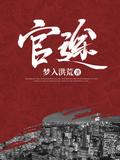 Official Career
39kReads9.1Score4.5kShelves
Official Career
39kReads9.1Score4.5kShelves
 Kunlun Xuanbing: Bureau 749 Polar Files
—Reads8.4Score—Shelves
Kunlun Xuanbing: Bureau 749 Polar Files
—Reads8.4Score—Shelves
 Rebirth, a Life Filled with Beauties You Can't Even Imagine
32.4kReads8.1Score2.1kShelves
Rebirth, a Life Filled with Beauties You Can't Even Imagine
32.4kReads8.1Score2.1kShelves
 The Talkative Woman
—Reads8.5Score—Shelves
The Talkative Woman
—Reads8.5Score—Shelves
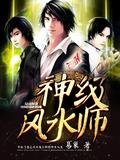 Divine Feng Shui Master
8.5kReads8.1Score759Shelves
Divine Feng Shui Master
8.5kReads8.1Score759Shelves
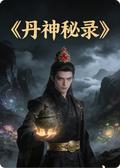 Dan Mystery Record
—Reads8.6Score—Shelves
Dan Mystery Record
—Reads8.6Score—Shelves
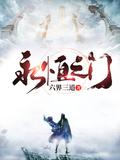 Gate of Eternity
71.3kReads9.2Score7.2kShelves
Gate of Eternity
71.3kReads9.2Score7.2kShelves
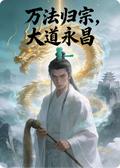 All Dharma Returns to the Ancestral Line, and the Road to Eternal Prosperity
2Reads8.5Score—Shelves
All Dharma Returns to the Ancestral Line, and the Road to Eternal Prosperity
2Reads8.5Score—Shelves
 The Only Alchemist of Hehuan Sect, the Sect Leader Also Asked Me To
3.9kReads9.0Score451Shelves
The Only Alchemist of Hehuan Sect, the Sect Leader Also Asked Me To
3.9kReads9.0Score451Shelves
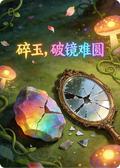 Broken Jade, Broken Mirror Cannot Be Rounded
5Reads8.4Score—Shelves
Broken Jade, Broken Mirror Cannot Be Rounded
5Reads8.4Score—Shelves
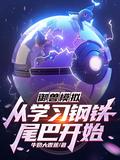 Beast Control Simulation: Start by Learning Steel Tail
8.2kReads8.9Score692Shelves
Beast Control Simulation: Start by Learning Steel Tail
8.2kReads8.9Score692Shelves
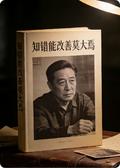 Knowing Your Mistakes Can Make a Lot of Improvements
—Reads8.5Score—Shelves
Knowing Your Mistakes Can Make a Lot of Improvements
—Reads8.5Score—Shelves
 Collecting Ancient Books Restoration Museum
1Reads8.6Score—Shelves
Collecting Ancient Books Restoration Museum
1Reads8.6Score—Shelves
 Eight Meters Apart: We Are Imperfect
4Reads5.8Score—Shelves
Eight Meters Apart: We Are Imperfect
4Reads5.8Score—Shelves
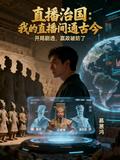 Governing the Country Through Live Broadcast: My Live Broadcast Room Connects Ancient and Modern Times
7Reads5.8Score—Shelves
Governing the Country Through Live Broadcast: My Live Broadcast Room Connects Ancient and Modern Times
7Reads5.8Score—Shelves
 Bloody Dawn: Bronze Talisman
5Reads5.8Score—Shelves
Bloody Dawn: Bronze Talisman
5Reads5.8Score—Shelves
 Ultimate God of War: Kneel Down at the Beginning, the Whole World Panics
10Reads5.8Score—Shelves
Ultimate God of War: Kneel Down at the Beginning, the Whole World Panics
10Reads5.8Score—Shelves
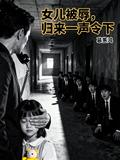 My Daughter Was Humiliated and Came Back with an Order
19Reads5.8Score—Shelves
My Daughter Was Humiliated and Came Back with an Order
19Reads5.8Score—Shelves
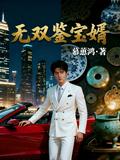 Unparalleled Appreciation of Treasured Son-In-Law
5Reads5.8Score—Shelves
Unparalleled Appreciation of Treasured Son-In-Law
5Reads5.8Score—Shelves
 Fallen Leaves Return to Their Roots: Codename Guzhou
5Reads5.8Score—Shelves
Fallen Leaves Return to Their Roots: Codename Guzhou
5Reads5.8Score—Shelves
 I Was Summoned by the Money Saving System to Be a Rich Woman in Another World
1kReads5.8Score—Shelves
I Was Summoned by the Money Saving System to Be a Rich Woman in Another World
1kReads5.8Score—Shelves
 National Heart and Business Soul
32Reads8.3Score—Shelves
National Heart and Business Soul
32Reads8.3Score—Shelves
 Anthology of Funny Meanings
3Reads—Score—Shelves
Anthology of Funny Meanings
3Reads—Score—Shelves
 Lu Bu Is Reborn in Modern Times
592Reads7.8Score—Shelves
Lu Bu Is Reborn in Modern Times
592Reads7.8Score—Shelves
 Not Good! I Became the Villain
46Reads5.8Score—Shelves
Not Good! I Became the Villain
46Reads5.8Score—Shelves
 This Beauty Has a Mysterious Light
5Reads8.4Score—Shelves
This Beauty Has a Mysterious Light
5Reads8.4Score—Shelves
 Rebirth of Emerald Life
9Reads8.4Score—Shelves
Rebirth of Emerald Life
9Reads8.4Score—Shelves
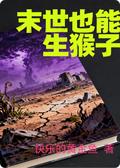 Monkeys Can Also Be Born in the Last Days
10Reads8.6Score—Shelves
Monkeys Can Also Be Born in the Last Days
10Reads8.6Score—Shelves
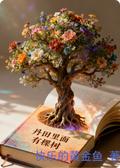 There Is a Tree in Dantian
28Reads8.6Score—Shelves
There Is a Tree in Dantian
28Reads8.6Score—Shelves
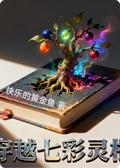 Traveling Through Colorful Spiritual Roots
24Reads8.6Score—Shelves
Traveling Through Colorful Spiritual Roots
24Reads8.6Score—Shelves
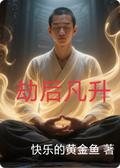 Mortality After the Tribulation
298Reads8.6Score—Shelves
Mortality After the Tribulation
298Reads8.6Score—Shelves
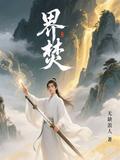 Burning the World
27Reads8.3Score—Shelves
Burning the World
27Reads8.3Score—Shelves
 The Immortal Emperor Who Understands the Fireworks Best in the World
6Reads8.6Score—Shelves
The Immortal Emperor Who Understands the Fireworks Best in the World
6Reads8.6Score—Shelves
 My Husband Pretended to Be Infertile and Took Away My Family Property, I Fought Back
1.4kReads8.7Score—Shelves
My Husband Pretended to Be Infertile and Took Away My Family Property, I Fought Back
1.4kReads8.7Score—Shelves
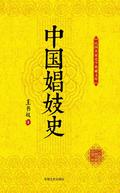 History of Prostitutes in China (Collection of Famous Historians in the Republic of China)
1.5kReads8.7Score243Shelves
History of Prostitutes in China (Collection of Famous Historians in the Republic of China)
1.5kReads8.7Score243Shelves
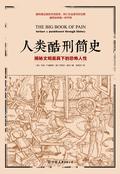 A Brief History of Human Torture
18.4kReads9.6Score2.5kShelves
A Brief History of Human Torture
18.4kReads9.6Score2.5kShelves
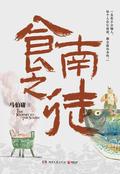 Southern Eaters
5.5kReads9.6Score1.4kShelves
Southern Eaters
5.5kReads9.6Score1.4kShelves
 Doomsday Blade Abyss
14.6kReads7.9Score1.4kShelves
Doomsday Blade Abyss
14.6kReads7.9Score1.4kShelves
 The End of Martial Arts
5.2kReads6.3Score335Shelves
The End of Martial Arts
5.2kReads6.3Score335Shelves
 Prisoner of God's Domain!
1.6MReads9.0Score149.5kShelves
Prisoner of God's Domain!
1.6MReads9.0Score149.5kShelves
 Back to 90, Starting as a Political and Legal Son-In-Law
1kReads8.2Score—Shelves
Back to 90, Starting as a Political and Legal Son-In-Law
1kReads8.2Score—Shelves
 I Was a God in Western Fantasy, and I Was Surrounded by Traitors
4Reads5.8Score—Shelves
I Was a God in Western Fantasy, and I Was Surrounded by Traitors
4Reads5.8Score—Shelves
 Dawei: My Father Is Also a Time Traveler
2Reads—Score—Shelves
Dawei: My Father Is Also a Time Traveler
2Reads—Score—Shelves
 The Paranoid Boss Pampered Me to the Sky After He Was Reborn
202Reads5.8Score—Shelves
The Paranoid Boss Pampered Me to the Sky After He Was Reborn
202Reads5.8Score—Shelves
 Ten Realms: I Am Mediocre
14.4kReads9.1Score1.1kShelves
Ten Realms: I Am Mediocre
14.4kReads9.1Score1.1kShelves
 The End of the World: from Heavy Trucks to Castles in the Sky
89kReads7.6Score13.5kShelves
The End of the World: from Heavy Trucks to Castles in the Sky
89kReads7.6Score13.5kShelves
 Abaddon
9.9kReads8.8Score1.1kShelves
Abaddon
9.9kReads8.8Score1.1kShelves
 My Lolita Is Too Possessive
169.2kReads8.5Score23.1kShelves
My Lolita Is Too Possessive
169.2kReads8.5Score23.1kShelves
 One Person, One Donkey and One Dog Go to Cultivate Immortality
30.8kReads9.2Score3.6kShelves
One Person, One Donkey and One Dog Go to Cultivate Immortality
30.8kReads9.2Score3.6kShelves
 Shameless Fairy
111.9kReads9.0Score9.3kShelves
Shameless Fairy
111.9kReads9.0Score9.3kShelves