A Courtyard House Must Be of High Quality.
- Views
- 7.3M
- Books
- 361
- Recommendations
- 411
- Updated
- 2d ago
, I have also watched the TV series and many novels, and I am trying to find a protagonist who is not so violent, but who is peaceful and principled. It feels like every character has their share of evil and good. There is no need to rely on the consequences. The plot combines the era.
In this list
483 books · page 8 of 10
-
349
四
The Cook's Promotion Story in Siheyuan I'm the General1.2M Wordsongoing 97.6kReads7.7Score6.9kShelves
Reader note
The latest Siheyuan, 45,000 words, a variety of movies and TV shows, full of fun, laughter and fun, quite lively. There are good people and bad people here, good things and bad things here, how much right and wrong there is here, how much right and wrong there is here. [Blessed soon][Grass has been planted][Bookshelf plus one][Blessed soon][Blessed soon]
-
350
四
 He Yuzhu in Siheyuan: a Dream Changes His Life
Design Uncle287k Wordscompleted
7.2kReads6.9Score150Shelves
He Yuzhu in Siheyuan: a Dream Changes His Life
Design Uncle287k Wordscompleted
7.2kReads6.9Score150Shelves
Reader note
Absolutely exquisite Siheyuan novel, plain period novel, with IQ online throughout.
-
350
穿
 Time Travel 1960: Little Policeman in the Siheyuan
Sweet Potato and Sweet Potato Balls752k Wordsongoing
100kReads7.7Score9.9kShelves
Time Travel 1960: Little Policeman in the Siheyuan
Sweet Potato and Sweet Potato Balls752k Wordsongoing
100kReads7.7Score9.9kShelves
Reader note
The latest Siheyuan, 45,000 words, a variety of movies and TV shows, full of fun, laughter and fun, quite lively. There are good people and bad people here, good things and bad things here, how much right and wrong there is here, how much right and wrong there is here. [Blessed soon][Grass has been planted][Bookshelf plus one][Blessed soon][Blessed soon]
-
351
四
Siheyuan: People Are Divided into Younger Generations, and the Ancestors of the Courtyard Are Older. It's Still Xiao Chen786k Wordsongoing 136.6kReads7.0Score16.4kShelves
Reader note
The latest Siheyuan, 45,000 words, a variety of movies and TV shows, full of fun, laughter and fun, quite lively. There are good people and bad people here, good things and bad things here, how much right and wrong there is here, how much right and wrong there is here. [Blessed soon][Grass has been planted][Bookshelf plus one][Blessed soon][Blessed soon]
-
351
四
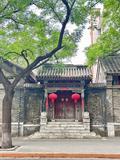 Siheyuan, This Silly Pillar Is Different
Design Uncle917k Wordsongoing
3.7kReads7.7Score134Shelves
Siheyuan, This Silly Pillar Is Different
Design Uncle917k Wordsongoing
3.7kReads7.7Score134Shelves
Reader note
Absolutely exquisite Siheyuan novel, plain period novel, with IQ online throughout.
-
352
穿
 Traveling Through the 1960S to Start My Path to Immortality
The Shadow Shakes the Sky593k Wordscompleted
12.6kReads7.9Score612Shelves
Traveling Through the 1960S to Start My Path to Immortality
The Shadow Shakes the Sky593k Wordscompleted
12.6kReads7.9Score612Shelves
Reader note
I recommend a new book, Head of the Procurement Section at the Beginning. It is different from the traditional playing house in a courtyard. The protagonist of this book practices cultivation, is strong, has space, supplies, a wife, and can make money. If you are interested, please recommend it! !
-
352
四
Siheyuan: Time Traveled to Become a Baby and Contracted Qin Huairu Meowing Fairy556k Wordsongoing 65.1kReads6.4Score6.2kShelves
Reader note
The latest Siheyuan, 45,000 words, a variety of movies and TV shows, full of fun, laughter and fun, quite lively. There are good people and bad people here, good things and bad things here, how much right and wrong there is here, how much right and wrong there is here. [Blessed soon][Grass has been planted][Bookshelf plus one][Blessed soon][Blessed soon]
-
353
四
Siheyuan: I Work as a Chef at Tai Fung House Extra Five and a Half Years Old658k Wordsongoing 32.8kReads6.0Score2.3kShelves
Reader note
The latest Siheyuan, 45,000 words, a variety of movies and TV shows, full of fun, laughter and fun, quite lively. There are good people and bad people here, good things and bad things here, how much right and wrong there is here, how much right and wrong there is here. [Blessed soon][Grass has been planted][Bookshelf plus one][Blessed soon][Blessed soon]
-
354
四
Siheyuan: Capture All the Birds at the Beginning Food Stamps for Sweets725k Wordsongoing 49.8kReads6.8Score1.4kShelves
Reader note
The latest Siheyuan, 45,000 words, a variety of movies and TV shows, full of fun, laughter and fun, quite lively. There are good people and bad people here, good things and bad things here, how much right and wrong there is here, how much right and wrong there is here. [Blessed soon][Grass has been planted][Bookshelf plus one][Blessed soon][Blessed soon]
-
355
四
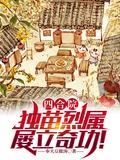 Siheyuan: the Only Miao Is a Martyr, and Has Repeatedly Made Extraordinary Achievements!
Fengtian Tofu Soup2.4M Wordscompleted
39.4kReads6.8Score3.4kShelves
Siheyuan: the Only Miao Is a Martyr, and Has Repeatedly Made Extraordinary Achievements!
Fengtian Tofu Soup2.4M Wordscompleted
39.4kReads6.8Score3.4kShelves
Reader note
It can't be any more excellent, it has a score of 5.3.
-
356
四
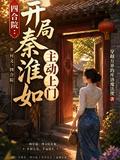 Siheyuan: Qin Huairu Came to the Door at the Beginning
The Magician Kuro Who Travels Across All Realms396k Wordsongoing
10kReads—Score883Shelves
Siheyuan: Qin Huairu Came to the Door at the Beginning
The Magician Kuro Who Travels Across All Realms396k Wordsongoing
10kReads—Score883Shelves
Reader note
I recommend this.
-
357
四
 Siheyuan: a Different Story
Good People Love to Dream749k Wordscompleted
812Reads7.2Score—Shelves
Siheyuan: a Different Story
Good People Love to Dream749k Wordscompleted
812Reads7.2Score—Shelves
Reader note
I think these three books are okay. At least after reading them, I can only say that I made a fortune.
-
357
四
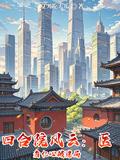 The Situation in the Courtyard: the Benevolence of Doctors Breaks the Mystery
Eat Melon in Summer514k Wordscompleted
719Reads5.4Score—Shelves
The Situation in the Courtyard: the Benevolence of Doctors Breaks the Mystery
Eat Melon in Summer514k Wordscompleted
719Reads5.4Score—Shelves
Reader note
A must, a good book from Siheyuan, a new book, a doctor from Siheyuan, independent across hospitals, with a great background.
-
358
四
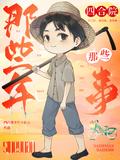 Siheyuan, Those Years, Those Things
Aotuman Specializes in Fighting Little Fairies370k Wordscompleted
2.6kReads8.0Score110Shelves
Siheyuan, Those Years, Those Things
Aotuman Specializes in Fighting Little Fairies370k Wordscompleted
2.6kReads8.0Score110Shelves
Reader note
I think these three books are okay. At least after reading them, I can only say that I made a fortune.
-
359
四
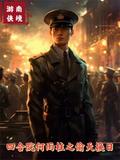 Sihe*********
ongoing
—Reads5.8Score—Shelves
Sihe*********
ongoing
—Reads5.8Score—Shelves
Reader note
You don't have to turn against the wind, but you must face the sun. This book is worth reading! [Laugh][laugh][laugh][laugh]
-
360
四
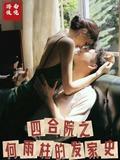 The Family History of He Yuzhu in the Siheyuan
Southern Ranger1.1M Wordscompleted
1.3kReads6.2Score—Shelves
The Family History of He Yuzhu in the Siheyuan
Southern Ranger1.1M Wordscompleted
1.3kReads6.2Score—Shelves
Reader note
You don't have to turn against the wind, but you must face the sun. This book is worth reading! [Laugh][laugh][laugh][laugh]
-
361
四
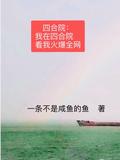 Siheyuan: I'm Watching in Siheyuan and I'm Popular All over the Internet
A Fish That Is Not Salted Fish689k Wordscompleted
2kReads7.5Score—Shelves
Siheyuan: I'm Watching in Siheyuan and I'm Popular All over the Internet
A Fish That Is Not Salted Fish689k Wordscompleted
2kReads7.5Score—Shelves
Reader note
Time travel! Not to be Aquaman! Meet the first person! Change! Develop? Training? Mother-in-law, it's time to go home for dinner!
-
363
四
 Shura in the Siheyuan
Falling Leaves Know Autumn Zmy13400k Wordscompleted
7.6kReads8.9Score343Shelves
Shura in the Siheyuan
Falling Leaves Know Autumn Zmy13400k Wordscompleted
7.6kReads8.9Score343Shelves
Reader note
1. When I was inspecting a construction vehicle that had just stopped, I heard a loud "boom" and a huge boulder rolled down the mountain. When he became conscious again, he was being born. Yes, that's right, he was being born, and he was reincarnated. But what about the underworld and Meng Po soup? Cutting corners? A 40-year-old young man. In his previous life, he had no car, no house, and no wife. He graduated from Imperial University, but now he is a newborn baby. He is 0 years old... 2. After traveling to this life, Qin Huairu is a must for him to upgrade. Is this system too perverted...
-
364
四
 Siheyuan: the Carefree Life of a Projectionist
123 Water Water Water203k Wordscompleted
1.6kReads8.5Score102Shelves
Siheyuan: the Carefree Life of a Projectionist
123 Water Water Water203k Wordscompleted
1.6kReads8.5Score102Shelves
Reader note
"Siheyuan: The Random Life of a Projectionist" is unique among the Siheyuan genre with its imaginative setting and light-hearted plot. When the modern charterer Cao Meng accidentally swallowed the Chaos Bead and traveled to the Forty-Nine City in 1951, he became the apprentice of the projectionist Xu Fugui. A wonderful journey that combined cultivation, farming and the cool writing of the era began. The author cleverly combines the fantasy setting of Chaos Pearl with the era background of the courtyard house. It not only has the characteristics of the era of projectionist work, but also has the fun of cultivating farming in the inner world, allowing readers to feel the style of the era while experiencing the wanton life of a time traveler. Time Travel Beginning: The Chaos Bead Opens Goldfinger's Life Cao Meng's time travel start is full of drama - the modern charterer suffocated to death by swallowing the Chaos Bead out of curiosity, but accidentally time traveled to an orphan with the same name in 1951. The original body was weak and sick, and was tortured in various ways by his master Xu Fugui, but the arrival of Cao Meng completely changed everything. The setting of Chaos Orb can be called the "top configuration" in Goldfinger: - Inner world space: a desolate world of 500,000 square kilometers, with a spiritual lake in the center, which can quickly grow crops. Time flows extremely fast, and the crop growth cycle can be completed in a few hours. - Spiritual water power: The water of Spirit Lake can cure diseases and strengthen the body. After drinking it, Cao Meng not only cured his original congenital heart disease, but also increased his life span to 150 years and his physical fitness reached the limit of human beings. - Law constraints: People who enter the inner world will be restrained by laws and cannot reveal the secrets of the space, providing Cao Meng with absolute safety guarantee. This setting gave Cao Meng an advantage far beyond his time in the early stages of time travel, which not only solved the problem of survival, but also laid the foundation for the subsequent "willful life". When he easily grows corn in the spiritual water and uses the spiritual water to heal his body, readers can intuitively feel the refreshing feeling brought by the golden finger. Character group portrait: the living beings in the courtyard from the perspective of the projectionist. The novel depicts a vivid group portrait of the times through Cao Meng's perspective: - Xu Fugui: a typical egoist who wants his son to inherit his father's legacy and makes things difficult for his apprentice Cao Meng. However, he did not expect that Cao Meng would be a blessing in disguise and become an existence that he could not afford to offend. - Widow Liu (Liu Zhaodi): A beautiful woman with ill-fated fate, she was isolated due to the rumors of "Kefu", but she became connected with Cao Meng through an accident. Her kindness, tenacity and desire for love complement Cao Meng's strength. - Captain: Representative of grassroots cadres. He attaches great importance to the team of projectionists. He is pragmatic and is Cao Meng's important contact in the countryside. - Xu Damao: (appears later) Xu Fugui's son inherited his father's calculations and formed a competitive relationship with Cao Meng. He is an important role in promoting the plot. The emotional line between Cao Meng and Liu Zhaodi is a highlight. From the initial stay and care to the later spiritual water healing and inner world binding, the relationship between the two seemed particularly sincere in the context of the times. When Cao Meng used spiritual water to improve Liu Zhaodi's life and take her into the inner world, it not only satisfied the readers' expectations of a "hero saving a beauty", but also demonstrated the time traveler's pursuit of love in a special era. Highlights of the plot: The work of a projectionist and farming in the inner world go hand in hand. The novel cleverly combines the work of a projectionist with farming in the inner world, forming two wonderful story lines: - Projectionist line: It shows the daily work of a projectionist in the 1950s, going to the countryside to show movies, interacting with villagers, dealing with grassroots relationships, etc. Cao Meng uses modern knowledge to improve projection technology and competes with Xu Fugui in a battle of wits and courage. It has the characteristics of the times and is full of refreshing elements. - Inner World Farming Line: Cao Meng uses spiritual water and rapid growth characteristics to plant crops, cultivate fruits, and even plan to breed livestock on a large scale in the inner world. This "farming flow" setting satisfies readers' expectations for material accumulation and provides a material foundation for Cao Meng to improve his life and make connections. The magical effects of spiritual water are throughout the text: curing diseases, strengthening the body, accelerating crop growth, and even becoming a "life-saving tool" at critical moments. When Cao Meng uses spiritual water to grow high-yield corn and improve Liu Zhaodi's life, readers can feel a sense of accomplishment of "defying nature and changing fate." Sublimation of the theme: Living "arbitrarily" in special times. The word "arbitrarily" in the title of the book is the core theme. With the help of the Chaos Bead, Cao Meng lived a unique life in the 1950s when supplies were scarce: - Breaking the constraints: getting rid of the limitations of his original physical weakness, no longer being oppressed by Xu Fugui, and winning respect with his strength. - Pursuit of happiness: Bravely pursue Liu Zhaodi, break the "Kefu" rumor, and prove the power of love with actions. - Control your destiny: Use the resources of the inner world to not only improve your own life, but also help others, living with freedom and dignity in special times. Through Cao Meng's experience, the novel conveys a positive attitude towards life: even if you are in trouble, you must rely on wisdom and courage to change your destiny. When Cao Meng watched the crops harvest in the spiritual world and lived a good life with Liu Zhaodi, he showed a "willful" way of living that transcended the times. Relaxed tone: the collision of fantasy and era humor. Different from the depressive traditional courtyard themes, this book focuses on a relaxed and humorous style. The collision between Cao Meng's modern thinking and the historical background produced many jokes: - Language contrast: Cao Meng's occasional modern vocabulary and inner complaints about Xu Fugui's calculations made readers laugh. - Magical uses of golden fingers: using spiritual water to grow corn and being clever during the screening work, which is both refreshing and humorous. - Emotional interaction: The ambiguous pull between Cao Meng and Liu Zhaodi and Xu Fugui's self-defeating scheme all add a relaxed atmosphere to the plot. The author's restoration of the details of the era is also very good: from the food such as Wo Wotou and Erhe noodles to the scenes such as the projector and the commune brigade, there is a strong flavor of the times. When Cao Meng used modern knowledge to improve projection technology, this combination of ancient and modern settings gave the story a sense of history without losing interest. In general, "Siheyuan: The Random Life of a Projectionist" relies on its unique chaos bead setting, vivid character portraits, and two-line parallel plot to create a relaxing and refreshing time travel novel. Cao Meng's journey to the courtyard is not only a history of struggle using golden fingers to counterattack, but also a "willful" life of pursuing love and freedom in a special era. If you want to feel the cheating life of a time traveler while reading, and experience the wonderful fusion of era style and fantasy settings, this book is definitely worth reading.
-
365
四
 Siheyuan: My Supermarket Space
Baiwangsan563k Wordscompleted
6.3kReads8.5Score199Shelves
Siheyuan: My Supermarket Space
Baiwangsan563k Wordscompleted
6.3kReads8.5Score199Shelves
Reader note
"Siheyuan: The Random Life of a Projectionist" is unique among the Siheyuan genre with its imaginative setting and light-hearted plot. When the modern charterer Cao Meng accidentally swallowed the Chaos Bead and traveled to the Forty-Nine City in 1951, he became the apprentice of the projectionist Xu Fugui. A wonderful journey that combined cultivation, farming and the cool writing of the era began. The author cleverly combines the fantasy setting of Chaos Pearl with the era background of the courtyard house. It not only has the characteristics of the era of projectionist work, but also has the fun of cultivating farming in the inner world, allowing readers to feel the style of the era while experiencing the wanton life of a time traveler. Time Travel Beginning: The Chaos Bead Opens Goldfinger's Life Cao Meng's time travel start is full of drama - the modern charterer suffocated to death by swallowing the Chaos Bead out of curiosity, but accidentally time traveled to an orphan with the same name in 1951. The original body was weak and sick, and was tortured in various ways by his master Xu Fugui, but the arrival of Cao Meng completely changed everything. The setting of Chaos Orb can be called the "top configuration" in Goldfinger: - Inner world space: a desolate world of 500,000 square kilometers, with a spiritual lake in the center, which can quickly grow crops. Time flows extremely fast, and the crop growth cycle can be completed in a few hours. - Spiritual water power: The water of Spirit Lake can cure diseases and strengthen the body. After drinking it, Cao Meng not only cured his original congenital heart disease, but also increased his life span to 150 years and his physical fitness reached the limit of human beings. - Law constraints: People who enter the inner world will be restrained by laws and cannot reveal the secrets of the space, providing Cao Meng with absolute safety guarantee. This setting gave Cao Meng an advantage far beyond his time in the early stages of time travel, which not only solved the problem of survival, but also laid the foundation for the subsequent "willful life". When he easily grows corn in the spiritual water and uses the spiritual water to heal his body, readers can intuitively feel the refreshing feeling brought by the golden finger. Character group portrait: the living beings in the courtyard from the perspective of the projectionist. The novel depicts a vivid group portrait of the times through Cao Meng's perspective: - Xu Fugui: a typical egoist who wants his son to inherit his father's legacy and makes things difficult for his apprentice Cao Meng. However, he did not expect that Cao Meng would be a blessing in disguise and become an existence that he could not afford to offend. - Widow Liu (Liu Zhaodi): A beautiful woman with ill-fated fate, she was isolated due to the rumors of "Kefu", but she became connected with Cao Meng through an accident. Her kindness, tenacity and desire for love complement Cao Meng's strength. - Captain: Representative of grassroots cadres. He attaches great importance to the team of projectionists. He is pragmatic and is Cao Meng's important contact in the countryside. - Xu Damao: (appears later) Xu Fugui's son inherited his father's calculations and formed a competitive relationship with Cao Meng. He is an important role in promoting the plot. The emotional line between Cao Meng and Liu Zhaodi is a highlight. From the initial stay and care to the later spiritual water healing and inner world binding, the relationship between the two seemed particularly sincere in the context of the times. When Cao Meng used spiritual water to improve Liu Zhaodi's life and take her into the inner world, it not only satisfied the readers' expectations of a "hero saving a beauty", but also demonstrated the time traveler's pursuit of love in a special era. Highlights of the plot: The work of a projectionist and farming in the inner world go hand in hand. The novel cleverly combines the work of a projectionist with farming in the inner world, forming two wonderful story lines: - Projectionist line: It shows the daily work of a projectionist in the 1950s, going to the countryside to show movies, interacting with villagers, dealing with grassroots relationships, etc. Cao Meng uses modern knowledge to improve projection technology and competes with Xu Fugui in a battle of wits and courage. It has the characteristics of the times and is full of refreshing elements. - Inner World Farming Line: Cao Meng uses spiritual water and rapid growth characteristics to plant crops, cultivate fruits, and even plan to breed livestock on a large scale in the inner world. This "farming flow" setting satisfies readers' expectations for material accumulation and provides a material foundation for Cao Meng to improve his life and make connections. The magical effects of spiritual water are throughout the text: curing diseases, strengthening the body, accelerating crop growth, and even becoming a "life-saving tool" at critical moments. When Cao Meng uses spiritual water to grow high-yield corn and improve Liu Zhaodi's life, readers can feel a sense of accomplishment of "defying nature and changing fate." Sublimation of the theme: Living "arbitrarily" in special times. The word "arbitrarily" in the title of the book is the core theme. With the help of the Chaos Bead, Cao Meng lived a unique life in the 1950s when supplies were scarce: - Breaking the constraints: getting rid of the limitations of his original physical weakness, no longer being oppressed by Xu Fugui, and winning respect with his strength. - Pursuit of happiness: Bravely pursue Liu Zhaodi, break the "Kefu" rumor, and prove the power of love with actions. - Control your destiny: Use the resources of the inner world to not only improve your own life, but also help others, living with freedom and dignity in special times. Through Cao Meng's experience, the novel conveys a positive attitude towards life: even if you are in trouble, you must rely on wisdom and courage to change your destiny. When Cao Meng watched the crops harvest in the spiritual world and lived a good life with Liu Zhaodi, he showed a "willful" way of living that transcended the times. Relaxed tone: the collision of fantasy and era humor. Different from the depressive traditional courtyard themes, this book focuses on a relaxed and humorous style. The collision between Cao Meng's modern thinking and the historical background produced many jokes: - Language contrast: Cao Meng's occasional modern vocabulary and inner complaints about Xu Fugui's calculations made readers laugh. - Magical uses of golden fingers: using spiritual water to grow corn and being clever during the screening work, which is both refreshing and humorous. - Emotional interaction: The ambiguous pull between Cao Meng and Liu Zhaodi and Xu Fugui's self-defeating scheme all add a relaxed atmosphere to the plot. The author's restoration of the details of the era is also very good: from the food such as Wo Wotou and Erhe noodles to the scenes such as the projector and the commune brigade, there is a strong flavor of the times. When Cao Meng used modern knowledge to improve projection technology, this combination of ancient and modern settings gave the story a sense of history without losing interest. In general, "Siheyuan: The Random Life of a Projectionist" relies on its unique chaos bead setting, vivid character portraits, and two-line parallel plot to create a relaxing and refreshing time travel novel. Cao Meng's journey to the courtyard is not only a history of struggle using golden fingers to counterattack, but also a "willful" life of pursuing love and freedom in a special era. If you want to feel the cheating life of a time traveler while reading, and experience the wonderful fusion of era style and fantasy settings, this book is definitely worth reading.
-
366
四
 The Legacy of the Siheyuan Celestial Master Is Clear and Grudges Are Clear
Surprised the Crowd401k Wordscompleted
8.9kReads8.4Score387Shelves
The Legacy of the Siheyuan Celestial Master Is Clear and Grudges Are Clear
Surprised the Crowd401k Wordscompleted
8.9kReads8.4Score387Shelves
Reader note
"Siheyuan: The Random Life of a Projectionist" is unique among the Siheyuan genre with its imaginative setting and light-hearted plot. When the modern charterer Cao Meng accidentally swallowed the Chaos Bead and traveled to the Forty-Nine City in 1951, he became the apprentice of the projectionist Xu Fugui. A wonderful journey that combined cultivation, farming and the cool writing of the era began. The author cleverly combines the fantasy setting of Chaos Pearl with the era background of the courtyard house. It not only has the characteristics of the era of projectionist work, but also has the fun of cultivating farming in the inner world, allowing readers to feel the style of the era while experiencing the wanton life of a time traveler. Time Travel Beginning: The Chaos Bead Opens Goldfinger's Life Cao Meng's time travel start is full of drama - the modern charterer suffocated to death by swallowing the Chaos Bead out of curiosity, but accidentally time traveled to an orphan with the same name in 1951. The original body was weak and sick, and was tortured in various ways by his master Xu Fugui, but the arrival of Cao Meng completely changed everything. The setting of Chaos Orb can be called the "top configuration" in Goldfinger: - Inner world space: a desolate world of 500,000 square kilometers, with a spiritual lake in the center, which can quickly grow crops. Time flows extremely fast, and the crop growth cycle can be completed in a few hours. - Spiritual water power: The water of Spirit Lake can cure diseases and strengthen the body. After drinking it, Cao Meng not only cured his original congenital heart disease, but also increased his life span to 150 years and his physical fitness reached the limit of human beings. - Law constraints: People who enter the inner world will be restrained by laws and cannot reveal the secrets of the space, providing Cao Meng with absolute safety guarantee. This setting gave Cao Meng an advantage far beyond his time in the early stages of time travel, which not only solved the problem of survival, but also laid the foundation for the subsequent "willful life". When he easily grows corn in the spiritual water and uses the spiritual water to heal his body, readers can intuitively feel the refreshing feeling brought by the golden finger. Character group portrait: the living beings in the courtyard from the perspective of the projectionist. The novel depicts a vivid group portrait of the times through Cao Meng's perspective: - Xu Fugui: a typical egoist who wants his son to inherit his father's legacy and makes things difficult for his apprentice Cao Meng. However, he did not expect that Cao Meng would be a blessing in disguise and become an existence that he could not afford to offend. - Widow Liu (Liu Zhaodi): A beautiful woman with ill-fated fate, she was isolated due to the rumors of "Kefu", but she became connected with Cao Meng through an accident. Her kindness, tenacity and desire for love complement Cao Meng's strength. - Captain: Representative of grassroots cadres. He attaches great importance to the team of projectionists. He is pragmatic and is Cao Meng's important contact in the countryside. - Xu Damao: (appears later) Xu Fugui's son inherited his father's calculations and formed a competitive relationship with Cao Meng. He is an important role in promoting the plot. The emotional line between Cao Meng and Liu Zhaodi is a highlight. From the initial stay and care to the later spiritual water healing and inner world binding, the relationship between the two seemed particularly sincere in the context of the times. When Cao Meng used spiritual water to improve Liu Zhaodi's life and take her into the inner world, it not only satisfied the readers' expectations of a "hero saving a beauty", but also demonstrated the time traveler's pursuit of love in a special era. Highlights of the plot: The work of a projectionist and farming in the inner world go hand in hand. The novel cleverly combines the work of a projectionist with farming in the inner world, forming two wonderful story lines: - Projectionist line: It shows the daily work of a projectionist in the 1950s, going to the countryside to show movies, interacting with villagers, dealing with grassroots relationships, etc. Cao Meng uses modern knowledge to improve projection technology and competes with Xu Fugui in a battle of wits and courage. It has the characteristics of the times and is full of refreshing elements. - Inner World Farming Line: Cao Meng uses spiritual water and rapid growth characteristics to plant crops, cultivate fruits, and even plan to breed livestock on a large scale in the inner world. This "farming flow" setting satisfies readers' expectations for material accumulation and provides a material foundation for Cao Meng to improve his life and make connections. The magical effects of spiritual water are throughout the text: curing diseases, strengthening the body, accelerating crop growth, and even becoming a "life-saving tool" at critical moments. When Cao Meng uses spiritual water to grow high-yield corn and improve Liu Zhaodi's life, readers can feel a sense of accomplishment of "defying nature and changing fate." Sublimation of the theme: Living "arbitrarily" in special times. The word "arbitrarily" in the title of the book is the core theme. With the help of the Chaos Bead, Cao Meng lived a unique life in the 1950s when supplies were scarce: - Breaking the constraints: getting rid of the limitations of his original physical weakness, no longer being oppressed by Xu Fugui, and winning respect with his strength. - Pursuit of happiness: Bravely pursue Liu Zhaodi, break the "Kefu" rumor, and prove the power of love with actions. - Control your destiny: Use the resources of the inner world to not only improve your own life, but also help others, living with freedom and dignity in special times. Through Cao Meng's experience, the novel conveys a positive attitude towards life: even if you are in trouble, you must rely on wisdom and courage to change your destiny. When Cao Meng watched the crops harvest in the spiritual world and lived a good life with Liu Zhaodi, he showed a "willful" way of living that transcended the times. Relaxed tone: the collision of fantasy and era humor. Different from the depressive traditional courtyard themes, this book focuses on a relaxed and humorous style. The collision between Cao Meng's modern thinking and the historical background produced many jokes: - Language contrast: Cao Meng's occasional modern vocabulary and inner complaints about Xu Fugui's calculations made readers laugh. - Magical uses of golden fingers: using spiritual water to grow corn and being clever during the screening work, which is both refreshing and humorous. - Emotional interaction: The ambiguous pull between Cao Meng and Liu Zhaodi and Xu Fugui's self-defeating scheme all add a relaxed atmosphere to the plot. The author's restoration of the details of the era is also very good: from the food such as Wo Wotou and Erhe noodles to the scenes such as the projector and the commune brigade, there is a strong flavor of the times. When Cao Meng used modern knowledge to improve projection technology, this combination of ancient and modern settings gave the story a sense of history without losing interest. In general, "Siheyuan: The Random Life of a Projectionist" relies on its unique chaos bead setting, vivid character portraits, and two-line parallel plot to create a relaxing and refreshing time travel novel. Cao Meng's journey to the courtyard is not only a history of struggle using golden fingers to counterattack, but also a "willful" life of pursuing love and freedom in a special era. If you want to feel the cheating life of a time traveler while reading, and experience the wonderful fusion of era style and fantasy settings, this book is definitely worth reading.
-
367
四
 Siheyuan: After Picking up Qin Jingru, the Whole Hospital Cried with Envy
Take a Look at Meow1.1M Wordscompleted
14.2kReads8.4Score713Shelves
Siheyuan: After Picking up Qin Jingru, the Whole Hospital Cried with Envy
Take a Look at Meow1.1M Wordscompleted
14.2kReads8.4Score713Shelves
Reader note
"Siheyuan: The Random Life of a Projectionist" is unique among the Siheyuan genre with its imaginative setting and light-hearted plot. When the modern charterer Cao Meng accidentally swallowed the Chaos Bead and traveled to the Forty-Nine City in 1951, he became the apprentice of the projectionist Xu Fugui. A wonderful journey that combined cultivation, farming and the cool writing of the era began. The author cleverly combines the fantasy setting of Chaos Pearl with the era background of the courtyard house. It not only has the characteristics of the era of projectionist work, but also has the fun of cultivating farming in the inner world, allowing readers to feel the style of the era while experiencing the wanton life of a time traveler. Time Travel Beginning: The Chaos Bead Opens Goldfinger's Life Cao Meng's time travel start is full of drama - the modern charterer suffocated to death by swallowing the Chaos Bead out of curiosity, but accidentally time traveled to an orphan with the same name in 1951. The original body was weak and sick, and was tortured in various ways by his master Xu Fugui, but the arrival of Cao Meng completely changed everything. The setting of Chaos Orb can be called the "top configuration" in Goldfinger: - Inner world space: a desolate world of 500,000 square kilometers, with a spiritual lake in the center, which can quickly grow crops. Time flows extremely fast, and the crop growth cycle can be completed in a few hours. - Spiritual water power: The water of Spirit Lake can cure diseases and strengthen the body. After drinking it, Cao Meng not only cured his original congenital heart disease, but also increased his life span to 150 years and his physical fitness reached the limit of human beings. - Law constraints: People who enter the inner world will be restrained by laws and cannot reveal the secrets of the space, providing Cao Meng with absolute safety guarantee. This setting gave Cao Meng an advantage far beyond his time in the early stages of time travel, which not only solved the problem of survival, but also laid the foundation for the subsequent "willful life". When he easily grows corn in the spiritual water and uses the spiritual water to heal his body, readers can intuitively feel the refreshing feeling brought by the golden finger. Character group portrait: the living beings in the courtyard from the perspective of the projectionist. The novel depicts a vivid group portrait of the times through Cao Meng's perspective: - Xu Fugui: a typical egoist who wants his son to inherit his father's legacy and makes things difficult for his apprentice Cao Meng. However, he did not expect that Cao Meng would be a blessing in disguise and become an existence that he could not afford to offend. - Widow Liu (Liu Zhaodi): A beautiful woman with ill-fated fate, she was isolated due to the rumors of "Kefu", but she became connected with Cao Meng through an accident. Her kindness, tenacity and desire for love complement Cao Meng's strength. - Captain: Representative of grassroots cadres. He attaches great importance to the team of projectionists. He is pragmatic and is Cao Meng's important contact in the countryside. - Xu Damao: (appears later) Xu Fugui's son inherited his father's calculations and formed a competitive relationship with Cao Meng. He is an important role in promoting the plot. The emotional line between Cao Meng and Liu Zhaodi is a highlight. From the initial stay and care to the later spiritual water healing and inner world binding, the relationship between the two seemed particularly sincere in the context of the times. When Cao Meng used spiritual water to improve Liu Zhaodi's life and take her into the inner world, it not only satisfied the readers' expectations of a "hero saving a beauty", but also demonstrated the time traveler's pursuit of love in a special era. Highlights of the plot: The work of a projectionist and farming in the inner world go hand in hand. The novel cleverly combines the work of a projectionist with farming in the inner world, forming two wonderful story lines: - Projectionist line: It shows the daily work of a projectionist in the 1950s, going to the countryside to show movies, interacting with villagers, dealing with grassroots relationships, etc. Cao Meng uses modern knowledge to improve projection technology and competes with Xu Fugui in a battle of wits and courage. It has the characteristics of the times and is full of refreshing elements. - Inner World Farming Line: Cao Meng uses spiritual water and rapid growth characteristics to plant crops, cultivate fruits, and even plan to breed livestock on a large scale in the inner world. This "farming flow" setting satisfies readers' expectations for material accumulation and provides a material foundation for Cao Meng to improve his life and make connections. The magical effects of spiritual water are throughout the text: curing diseases, strengthening the body, accelerating crop growth, and even becoming a "life-saving tool" at critical moments. When Cao Meng uses spiritual water to grow high-yield corn and improve Liu Zhaodi's life, readers can feel a sense of accomplishment of "defying nature and changing fate." Sublimation of the theme: Living "arbitrarily" in special times. The word "arbitrarily" in the title of the book is the core theme. With the help of the Chaos Bead, Cao Meng lived a unique life in the 1950s when supplies were scarce: - Breaking the constraints: getting rid of the limitations of his original physical weakness, no longer being oppressed by Xu Fugui, and winning respect with his strength. - Pursuit of happiness: Bravely pursue Liu Zhaodi, break the "Kefu" rumor, and prove the power of love with actions. - Control your destiny: Use the resources of the inner world to not only improve your own life, but also help others, living with freedom and dignity in special times. Through Cao Meng's experience, the novel conveys a positive attitude towards life: even if you are in trouble, you must rely on wisdom and courage to change your destiny. When Cao Meng watched the crops harvest in the spiritual world and lived a good life with Liu Zhaodi, he showed a "willful" way of living that transcended the times. Relaxed tone: the collision of fantasy and era humor. Different from the depressive traditional courtyard themes, this book focuses on a relaxed and humorous style. The collision between Cao Meng's modern thinking and the historical background produced many jokes: - Language contrast: Cao Meng's occasional modern vocabulary and inner complaints about Xu Fugui's calculations made readers laugh. - Magical uses of golden fingers: using spiritual water to grow corn and being clever during the screening work, which is both refreshing and humorous. - Emotional interaction: The ambiguous pull between Cao Meng and Liu Zhaodi and Xu Fugui's self-defeating scheme all add a relaxed atmosphere to the plot. The author's restoration of the details of the era is also very good: from the food such as Wo Wotou and Erhe noodles to the scenes such as the projector and the commune brigade, there is a strong flavor of the times. When Cao Meng used modern knowledge to improve projection technology, this combination of ancient and modern settings gave the story a sense of history without losing interest. In general, "Siheyuan: The Random Life of a Projectionist" relies on its unique chaos bead setting, vivid character portraits, and two-line parallel plot to create a relaxing and refreshing time travel novel. Cao Meng's journey to the courtyard is not only a history of struggle using golden fingers to counterattack, but also a "willful" life of pursuing love and freedom in a special era. If you want to feel the cheating life of a time traveler while reading, and experience the wonderful fusion of era style and fantasy settings, this book is definitely worth reading.
-
368
四
 There Is No Corner in the Courtyard That Cannot Be Dug Down
Raging Dream388k Wordscompleted
2.1kReads8.5Score109Shelves
There Is No Corner in the Courtyard That Cannot Be Dug Down
Raging Dream388k Wordscompleted
2.1kReads8.5Score109Shelves
Reader note
"Siheyuan: The Random Life of a Projectionist" is unique among the Siheyuan genre with its imaginative setting and light-hearted plot. When the modern charterer Cao Meng accidentally swallowed the Chaos Bead and traveled to the Forty-Nine City in 1951, he became the apprentice of the projectionist Xu Fugui. A wonderful journey that combined cultivation, farming and the cool writing of the era began. The author cleverly combines the fantasy setting of Chaos Pearl with the era background of the courtyard house. It not only has the characteristics of the era of projectionist work, but also has the fun of cultivating farming in the inner world, allowing readers to feel the style of the era while experiencing the wanton life of a time traveler. Time Travel Beginning: The Chaos Bead Opens Goldfinger's Life Cao Meng's time travel start is full of drama - the modern charterer suffocated to death by swallowing the Chaos Bead out of curiosity, but accidentally time traveled to an orphan with the same name in 1951. The original body was weak and sick, and was tortured in various ways by his master Xu Fugui, but the arrival of Cao Meng completely changed everything. The setting of Chaos Orb can be called the "top configuration" in Goldfinger: - Inner world space: a desolate world of 500,000 square kilometers, with a spiritual lake in the center, which can quickly grow crops. Time flows extremely fast, and the crop growth cycle can be completed in a few hours. - Spiritual water power: The water of Spirit Lake can cure diseases and strengthen the body. After drinking it, Cao Meng not only cured his original congenital heart disease, but also increased his life span to 150 years and his physical fitness reached the limit of human beings. - Law constraints: People who enter the inner world will be restrained by laws and cannot reveal the secrets of the space, providing Cao Meng with absolute safety guarantee. This setting gave Cao Meng an advantage far beyond his time in the early stages of time travel, which not only solved the problem of survival, but also laid the foundation for the subsequent "willful life". When he easily grows corn in the spiritual water and uses the spiritual water to heal his body, readers can intuitively feel the refreshing feeling brought by the golden finger. Character group portrait: the living beings in the courtyard from the perspective of the projectionist. The novel depicts a vivid group portrait of the times through Cao Meng's perspective: - Xu Fugui: a typical egoist who wants his son to inherit his father's legacy and makes things difficult for his apprentice Cao Meng. However, he did not expect that Cao Meng would be a blessing in disguise and become an existence that he could not afford to offend. - Widow Liu (Liu Zhaodi): A beautiful woman with ill-fated fate, she was isolated due to the rumors of "Kefu", but she became connected with Cao Meng through an accident. Her kindness, tenacity and desire for love complement Cao Meng's strength. - Captain: Representative of grassroots cadres. He attaches great importance to the team of projectionists. He is pragmatic and is Cao Meng's important contact in the countryside. - Xu Damao: (appears later) Xu Fugui's son inherited his father's calculations and formed a competitive relationship with Cao Meng. He is an important role in promoting the plot. The emotional line between Cao Meng and Liu Zhaodi is a highlight. From the initial stay and care to the later spiritual water healing and inner world binding, the relationship between the two seemed particularly sincere in the context of the times. When Cao Meng used spiritual water to improve Liu Zhaodi's life and take her into the inner world, it not only satisfied the readers' expectations of a "hero saving a beauty", but also demonstrated the time traveler's pursuit of love in a special era. Highlights of the plot: The work of a projectionist and farming in the inner world go hand in hand. The novel cleverly combines the work of a projectionist with farming in the inner world, forming two wonderful story lines: - Projectionist line: It shows the daily work of a projectionist in the 1950s, going to the countryside to show movies, interacting with villagers, dealing with grassroots relationships, etc. Cao Meng uses modern knowledge to improve projection technology and competes with Xu Fugui in a battle of wits and courage. It has the characteristics of the times and is full of refreshing elements. - Inner World Farming Line: Cao Meng uses spiritual water and rapid growth characteristics to plant crops, cultivate fruits, and even plan to breed livestock on a large scale in the inner world. This "farming flow" setting satisfies readers' expectations for material accumulation and provides a material foundation for Cao Meng to improve his life and make connections. The magical effects of spiritual water are throughout the text: curing diseases, strengthening the body, accelerating crop growth, and even becoming a "life-saving tool" at critical moments. When Cao Meng uses spiritual water to grow high-yield corn and improve Liu Zhaodi's life, readers can feel a sense of accomplishment of "defying nature and changing fate." Sublimation of the theme: Living "arbitrarily" in special times. The word "arbitrarily" in the title of the book is the core theme. With the help of the Chaos Bead, Cao Meng lived a unique life in the 1950s when supplies were scarce: - Breaking the constraints: getting rid of the limitations of his original physical weakness, no longer being oppressed by Xu Fugui, and winning respect with his strength. - Pursuit of happiness: Bravely pursue Liu Zhaodi, break the "Kefu" rumor, and prove the power of love with actions. - Control your destiny: Use the resources of the inner world to not only improve your own life, but also help others, living with freedom and dignity in special times. Through Cao Meng's experience, the novel conveys a positive attitude towards life: even if you are in trouble, you must rely on wisdom and courage to change your destiny. When Cao Meng watched the crops harvest in the spiritual world and lived a good life with Liu Zhaodi, he showed a "willful" way of living that transcended the times. Relaxed tone: the collision of fantasy and era humor. Different from the depressive traditional courtyard themes, this book focuses on a relaxed and humorous style. The collision between Cao Meng's modern thinking and the historical background produced many jokes: - Language contrast: Cao Meng's occasional modern vocabulary and inner complaints about Xu Fugui's calculations made readers laugh. - Magical uses of golden fingers: using spiritual water to grow corn and being clever during the screening work, which is both refreshing and humorous. - Emotional interaction: The ambiguous pull between Cao Meng and Liu Zhaodi and Xu Fugui's self-defeating scheme all add a relaxed atmosphere to the plot. The author's restoration of the details of the era is also very good: from the food such as Wo Wotou and Erhe noodles to the scenes such as the projector and the commune brigade, there is a strong flavor of the times. When Cao Meng used modern knowledge to improve projection technology, this combination of ancient and modern settings gave the story a sense of history without losing interest. In general, "Siheyuan: The Random Life of a Projectionist" relies on its unique chaos bead setting, vivid character portraits, and two-line parallel plot to create a relaxing and refreshing time travel novel. Cao Meng's journey to the courtyard is not only a history of struggle using golden fingers to counterattack, but also a "willful" life of pursuing love and freedom in a special era. If you want to feel the cheating life of a time traveler while reading, and experience the wonderful fusion of era style and fantasy settings, this book is definitely worth reading.
-
369
四
 Siheyuan: the Soul Passes Through the Silly Pillar and Marries Ran Qiuye at the Beginning
The Scattered People in Yunxiao1.3M Wordscompleted
11.3kReads8.4Score594Shelves
Siheyuan: the Soul Passes Through the Silly Pillar and Marries Ran Qiuye at the Beginning
The Scattered People in Yunxiao1.3M Wordscompleted
11.3kReads8.4Score594Shelves
Reader note
"Siheyuan: The Random Life of a Projectionist" is unique among the Siheyuan genre with its imaginative setting and light-hearted plot. When the modern charterer Cao Meng accidentally swallowed the Chaos Bead and traveled to the Forty-Nine City in 1951, he became the apprentice of the projectionist Xu Fugui. A wonderful journey that combined cultivation, farming and the cool writing of the era began. The author cleverly combines the fantasy setting of Chaos Pearl with the era background of the courtyard house. It not only has the characteristics of the era of projectionist work, but also has the fun of cultivating farming in the inner world, allowing readers to feel the style of the era while experiencing the wanton life of a time traveler. Time Travel Beginning: The Chaos Bead Opens Goldfinger's Life Cao Meng's time travel start is full of drama - the modern charterer suffocated to death by swallowing the Chaos Bead out of curiosity, but accidentally time traveled to an orphan with the same name in 1951. The original body was weak and sick, and was tortured in various ways by his master Xu Fugui, but the arrival of Cao Meng completely changed everything. The setting of Chaos Orb can be called the "top configuration" in Goldfinger: - Inner world space: a desolate world of 500,000 square kilometers, with a spiritual lake in the center, which can quickly grow crops. Time flows extremely fast, and the crop growth cycle can be completed in a few hours. - Spiritual water power: The water of Spirit Lake can cure diseases and strengthen the body. After drinking it, Cao Meng not only cured his original congenital heart disease, but also increased his life span to 150 years and his physical fitness reached the limit of human beings. - Law constraints: People who enter the inner world will be restrained by laws and cannot reveal the secrets of the space, providing Cao Meng with absolute safety guarantee. This setting gave Cao Meng an advantage far beyond his time in the early stages of time travel, which not only solved the problem of survival, but also laid the foundation for the subsequent "willful life". When he easily grows corn in the spiritual water and uses the spiritual water to heal his body, readers can intuitively feel the refreshing feeling brought by the golden finger. Character group portrait: the living beings in the courtyard from the perspective of the projectionist. The novel depicts a vivid group portrait of the times through Cao Meng's perspective: - Xu Fugui: a typical egoist who wants his son to inherit his father's legacy and makes things difficult for his apprentice Cao Meng. However, he did not expect that Cao Meng would be a blessing in disguise and become an existence that he could not afford to offend. - Widow Liu (Liu Zhaodi): A beautiful woman with ill-fated fate, she was isolated due to the rumors of "Kefu", but she became connected with Cao Meng through an accident. Her kindness, tenacity and desire for love complement Cao Meng's strength. - Captain: Representative of grassroots cadres. He attaches great importance to the team of projectionists. He is pragmatic and is Cao Meng's important contact in the countryside. - Xu Damao: (appears later) Xu Fugui's son inherited his father's calculations and formed a competitive relationship with Cao Meng. He is an important role in promoting the plot. The emotional line between Cao Meng and Liu Zhaodi is a highlight. From the initial stay and care to the later spiritual water healing and inner world binding, the relationship between the two seemed particularly sincere in the context of the times. When Cao Meng used spiritual water to improve Liu Zhaodi's life and take her into the inner world, it not only satisfied the readers' expectations of a "hero saving a beauty", but also demonstrated the time traveler's pursuit of love in a special era. Highlights of the plot: The work of a projectionist and farming in the inner world go hand in hand. The novel cleverly combines the work of a projectionist with farming in the inner world, forming two wonderful story lines: - Projectionist line: It shows the daily work of a projectionist in the 1950s, going to the countryside to show movies, interacting with villagers, dealing with grassroots relationships, etc. Cao Meng uses modern knowledge to improve projection technology and competes with Xu Fugui in a battle of wits and courage. It has the characteristics of the times and is full of refreshing elements. - Inner World Farming Line: Cao Meng uses spiritual water and rapid growth characteristics to plant crops, cultivate fruits, and even plan to breed livestock on a large scale in the inner world. This "farming flow" setting satisfies readers' expectations for material accumulation and provides a material foundation for Cao Meng to improve his life and make connections. The magical effects of spiritual water are throughout the text: curing diseases, strengthening the body, accelerating crop growth, and even becoming a "life-saving tool" at critical moments. When Cao Meng uses spiritual water to grow high-yield corn and improve Liu Zhaodi's life, readers can feel a sense of accomplishment of "defying nature and changing fate." Sublimation of the theme: Living "arbitrarily" in special times. The word "arbitrarily" in the title of the book is the core theme. With the help of the Chaos Bead, Cao Meng lived a unique life in the 1950s when supplies were scarce: - Breaking the constraints: getting rid of the limitations of his original physical weakness, no longer being oppressed by Xu Fugui, and winning respect with his strength. - Pursuit of happiness: Bravely pursue Liu Zhaodi, break the "Kefu" rumor, and prove the power of love with actions. - Control your destiny: Use the resources of the inner world to not only improve your own life, but also help others, living with freedom and dignity in special times. Through Cao Meng's experience, the novel conveys a positive attitude towards life: even if you are in trouble, you must rely on wisdom and courage to change your destiny. When Cao Meng watched the crops harvest in the spiritual world and lived a good life with Liu Zhaodi, he showed a "willful" way of living that transcended the times. Relaxed tone: the collision of fantasy and era humor. Different from the depressive traditional courtyard themes, this book focuses on a relaxed and humorous style. The collision between Cao Meng's modern thinking and the historical background produced many jokes: - Language contrast: Cao Meng's occasional modern vocabulary and inner complaints about Xu Fugui's calculations made readers laugh. - Magical uses of golden fingers: using spiritual water to grow corn and being clever during the screening work, which is both refreshing and humorous. - Emotional interaction: The ambiguous pull between Cao Meng and Liu Zhaodi and Xu Fugui's self-defeating scheme all add a relaxed atmosphere to the plot. The author's restoration of the details of the era is also very good: from the food such as Wo Wotou and Erhe noodles to the scenes such as the projector and the commune brigade, there is a strong flavor of the times. When Cao Meng used modern knowledge to improve projection technology, this combination of ancient and modern settings gave the story a sense of history without losing interest. In general, "Siheyuan: The Random Life of a Projectionist" relies on its unique chaos bead setting, vivid character portraits, and two-line parallel plot to create a relaxing and refreshing time travel novel. Cao Meng's journey to the courtyard is not only a history of struggle using golden fingers to counterattack, but also a "willful" life of pursuing love and freedom in a special era. If you want to feel the cheating life of a time traveler while reading, and experience the wonderful fusion of era style and fantasy settings, this book is definitely worth reading.
-
370
四
 Siheyuan: Outstanding Young Man Li Changsheng
Don't Eat Even a Morsel of Fat671k Wordscompleted
17.4kReads8.2Score571Shelves
Siheyuan: Outstanding Young Man Li Changsheng
Don't Eat Even a Morsel of Fat671k Wordscompleted
17.4kReads8.2Score571Shelves
Reader note
"Siheyuan: The Random Life of a Projectionist" is unique among the Siheyuan genre with its imaginative setting and light-hearted plot. When the modern charterer Cao Meng accidentally swallowed the Chaos Bead and traveled to the Forty-Nine City in 1951, he became the apprentice of the projectionist Xu Fugui. A wonderful journey that combined cultivation, farming and the cool writing of the era began. The author cleverly combines the fantasy setting of Chaos Pearl with the era background of the courtyard house. It not only has the characteristics of the era of projectionist work, but also has the fun of cultivating farming in the inner world, allowing readers to feel the style of the era while experiencing the wanton life of a time traveler. Time Travel Beginning: The Chaos Bead Opens Goldfinger's Life Cao Meng's time travel start is full of drama - the modern charterer suffocated to death by swallowing the Chaos Bead out of curiosity, but accidentally time traveled to an orphan with the same name in 1951. The original body was weak and sick, and was tortured in various ways by his master Xu Fugui, but the arrival of Cao Meng completely changed everything. The setting of Chaos Orb can be called the "top configuration" in Goldfinger: - Inner world space: a desolate world of 500,000 square kilometers, with a spiritual lake in the center, which can quickly grow crops. Time flows extremely fast, and the crop growth cycle can be completed in a few hours. - Spiritual water power: The water of Spirit Lake can cure diseases and strengthen the body. After drinking it, Cao Meng not only cured his original congenital heart disease, but also increased his life span to 150 years and his physical fitness reached the limit of human beings. - Law constraints: People who enter the inner world will be restrained by laws and cannot reveal the secrets of the space, providing Cao Meng with absolute safety guarantee. This setting gave Cao Meng an advantage far beyond his time in the early stages of time travel, which not only solved the problem of survival, but also laid the foundation for the subsequent "willful life". When he easily grows corn in the spiritual water and uses the spiritual water to heal his body, readers can intuitively feel the refreshing feeling brought by the golden finger. Character group portrait: the living beings in the courtyard from the perspective of the projectionist. The novel depicts a vivid group portrait of the times through Cao Meng's perspective: - Xu Fugui: a typical egoist who wants his son to inherit his father's legacy and makes things difficult for his apprentice Cao Meng. However, he did not expect that Cao Meng would be a blessing in disguise and become an existence that he could not afford to offend. - Widow Liu (Liu Zhaodi): A beautiful woman with ill-fated fate, she was isolated due to the rumors of "Kefu", but she became connected with Cao Meng through an accident. Her kindness, tenacity and desire for love complement Cao Meng's strength. - Captain: Representative of grassroots cadres. He attaches great importance to the team of projectionists. He is pragmatic and is Cao Meng's important contact in the countryside. - Xu Damao: (appears later) Xu Fugui's son inherited his father's calculations and formed a competitive relationship with Cao Meng. He is an important role in promoting the plot. The emotional line between Cao Meng and Liu Zhaodi is a highlight. From the initial stay and care to the later spiritual water healing and inner world binding, the relationship between the two seemed particularly sincere in the context of the times. When Cao Meng used spiritual water to improve Liu Zhaodi's life and take her into the inner world, it not only satisfied the readers' expectations of a "hero saving a beauty", but also demonstrated the time traveler's pursuit of love in a special era. Highlights of the plot: The work of a projectionist and farming in the inner world go hand in hand. The novel cleverly combines the work of a projectionist with farming in the inner world, forming two wonderful story lines: - Projectionist line: It shows the daily work of a projectionist in the 1950s, going to the countryside to show movies, interacting with villagers, dealing with grassroots relationships, etc. Cao Meng uses modern knowledge to improve projection technology and competes with Xu Fugui in a battle of wits and courage. It has the characteristics of the times and is full of refreshing elements. - Inner World Farming Line: Cao Meng uses spiritual water and rapid growth characteristics to plant crops, cultivate fruits, and even plan to breed livestock on a large scale in the inner world. This "farming flow" setting satisfies readers' expectations for material accumulation and provides a material foundation for Cao Meng to improve his life and make connections. The magical effects of spiritual water are throughout the text: curing diseases, strengthening the body, accelerating crop growth, and even becoming a "life-saving tool" at critical moments. When Cao Meng uses spiritual water to grow high-yield corn and improve Liu Zhaodi's life, readers can feel a sense of accomplishment of "defying nature and changing fate." Sublimation of the theme: Living "arbitrarily" in special times. The word "arbitrarily" in the title of the book is the core theme. With the help of the Chaos Bead, Cao Meng lived a unique life in the 1950s when supplies were scarce: - Breaking the constraints: getting rid of the limitations of his original physical weakness, no longer being oppressed by Xu Fugui, and winning respect with his strength. - Pursuit of happiness: Bravely pursue Liu Zhaodi, break the "Kefu" rumor, and prove the power of love with actions. - Control your destiny: Use the resources of the inner world to not only improve your own life, but also help others, living with freedom and dignity in special times. Through Cao Meng's experience, the novel conveys a positive attitude towards life: even if you are in trouble, you must rely on wisdom and courage to change your destiny. When Cao Meng watched the crops harvest in the spiritual world and lived a good life with Liu Zhaodi, he showed a "willful" way of living that transcended the times. Relaxed tone: the collision of fantasy and era humor. Different from the depressive traditional courtyard themes, this book focuses on a relaxed and humorous style. The collision between Cao Meng's modern thinking and the historical background produced many jokes: - Language contrast: Cao Meng's occasional modern vocabulary and inner complaints about Xu Fugui's calculations made readers laugh. - Magical uses of golden fingers: using spiritual water to grow corn and being clever during the screening work, which is both refreshing and humorous. - Emotional interaction: The ambiguous pull between Cao Meng and Liu Zhaodi and Xu Fugui's self-defeating scheme all add a relaxed atmosphere to the plot. The author's restoration of the details of the era is also very good: from the food such as Wo Wotou and Erhe noodles to the scenes such as the projector and the commune brigade, there is a strong flavor of the times. When Cao Meng used modern knowledge to improve projection technology, this combination of ancient and modern settings gave the story a sense of history without losing interest. In general, "Siheyuan: The Random Life of a Projectionist" relies on its unique chaos bead setting, vivid character portraits, and two-line parallel plot to create a relaxing and refreshing time travel novel. Cao Meng's journey to the courtyard is not only a history of struggle using golden fingers to counterattack, but also a "willful" life of pursuing love and freedom in a special era. If you want to feel the cheating life of a time traveler while reading, and experience the wonderful fusion of era style and fantasy settings, this book is definitely worth reading.
-
371
四
 Siheyuan Struggled in Hard Times
The Breeze Is Coming Slowly233k Wordscompleted
3kReads8.1Score104Shelves
Siheyuan Struggled in Hard Times
The Breeze Is Coming Slowly233k Wordscompleted
3kReads8.1Score104Shelves
Reader note
"Siheyuan: The Random Life of a Projectionist" is unique among the Siheyuan genre with its imaginative setting and light-hearted plot. When the modern charterer Cao Meng accidentally swallowed the Chaos Bead and traveled to the Forty-Nine City in 1951, he became the apprentice of the projectionist Xu Fugui. A wonderful journey that combined cultivation, farming and the cool writing of the era began. The author cleverly combines the fantasy setting of Chaos Pearl with the era background of the courtyard house. It not only has the characteristics of the era of projectionist work, but also has the fun of cultivating farming in the inner world, allowing readers to feel the style of the era while experiencing the wanton life of a time traveler. Time Travel Beginning: The Chaos Bead Opens Goldfinger's Life Cao Meng's time travel start is full of drama - the modern charterer suffocated to death by swallowing the Chaos Bead out of curiosity, but accidentally time traveled to an orphan with the same name in 1951. The original body was weak and sick, and was tortured in various ways by his master Xu Fugui, but the arrival of Cao Meng completely changed everything. The setting of Chaos Orb can be called the "top configuration" in Goldfinger: - Inner world space: a desolate world of 500,000 square kilometers, with a spiritual lake in the center, which can quickly grow crops. Time flows extremely fast, and the crop growth cycle can be completed in a few hours. - Spiritual water power: The water of Spirit Lake can cure diseases and strengthen the body. After drinking it, Cao Meng not only cured his original congenital heart disease, but also increased his life span to 150 years and his physical fitness reached the limit of human beings. - Law constraints: People who enter the inner world will be restrained by laws and cannot reveal the secrets of the space, providing Cao Meng with absolute safety guarantee. This setting gave Cao Meng an advantage far beyond his time in the early stages of time travel, which not only solved the problem of survival, but also laid the foundation for the subsequent "willful life". When he easily grows corn in the spiritual water and uses the spiritual water to heal his body, readers can intuitively feel the refreshing feeling brought by the golden finger. Character group portrait: the living beings in the courtyard from the perspective of the projectionist. The novel depicts a vivid group portrait of the times through Cao Meng's perspective: - Xu Fugui: a typical egoist who wants his son to inherit his father's legacy and makes things difficult for his apprentice Cao Meng. However, he did not expect that Cao Meng would be a blessing in disguise and become an existence that he could not afford to offend. - Widow Liu (Liu Zhaodi): A beautiful woman with ill-fated fate, she was isolated due to the rumors of "Kefu", but she became connected with Cao Meng through an accident. Her kindness, tenacity and desire for love complement Cao Meng's strength. - Captain: Representative of grassroots cadres. He attaches great importance to the team of projectionists. He is pragmatic and is Cao Meng's important contact in the countryside. - Xu Damao: (appears later) Xu Fugui's son inherited his father's calculations and formed a competitive relationship with Cao Meng. He is an important role in promoting the plot. The emotional line between Cao Meng and Liu Zhaodi is a highlight. From the initial stay and care to the later spiritual water healing and inner world binding, the relationship between the two seemed particularly sincere in the context of the times. When Cao Meng used spiritual water to improve Liu Zhaodi's life and take her into the inner world, it not only satisfied the readers' expectations of a "hero saving a beauty", but also demonstrated the time traveler's pursuit of love in a special era. Highlights of the plot: The work of a projectionist and farming in the inner world go hand in hand. The novel cleverly combines the work of a projectionist with farming in the inner world, forming two wonderful story lines: - Projectionist line: It shows the daily work of a projectionist in the 1950s, going to the countryside to show movies, interacting with villagers, dealing with grassroots relationships, etc. Cao Meng uses modern knowledge to improve projection technology and competes with Xu Fugui in a battle of wits and courage. It has the characteristics of the times and is full of refreshing elements. - Inner World Farming Line: Cao Meng uses spiritual water and rapid growth characteristics to plant crops, cultivate fruits, and even plan to breed livestock on a large scale in the inner world. This "farming flow" setting satisfies readers' expectations for material accumulation and provides a material foundation for Cao Meng to improve his life and make connections. The magical effects of spiritual water are throughout the text: curing diseases, strengthening the body, accelerating crop growth, and even becoming a "life-saving tool" at critical moments. When Cao Meng uses spiritual water to grow high-yield corn and improve Liu Zhaodi's life, readers can feel a sense of accomplishment of "defying nature and changing fate." Sublimation of the theme: Living "arbitrarily" in special times. The word "arbitrarily" in the title of the book is the core theme. With the help of the Chaos Bead, Cao Meng lived a unique life in the 1950s when supplies were scarce: - Breaking the constraints: getting rid of the limitations of his original physical weakness, no longer being oppressed by Xu Fugui, and winning respect with his strength. - Pursuit of happiness: Bravely pursue Liu Zhaodi, break the "Kefu" rumor, and prove the power of love with actions. - Control your destiny: Use the resources of the inner world to not only improve your own life, but also help others, living with freedom and dignity in special times. Through Cao Meng's experience, the novel conveys a positive attitude towards life: even if you are in trouble, you must rely on wisdom and courage to change your destiny. When Cao Meng watched the crops harvest in the spiritual world and lived a good life with Liu Zhaodi, he showed a "willful" way of living that transcended the times. Relaxed tone: the collision of fantasy and era humor. Different from the depressive traditional courtyard themes, this book focuses on a relaxed and humorous style. The collision between Cao Meng's modern thinking and the historical background produced many jokes: - Language contrast: Cao Meng's occasional modern vocabulary and inner complaints about Xu Fugui's calculations made readers laugh. - Magical uses of golden fingers: using spiritual water to grow corn and being clever during the screening work, which is both refreshing and humorous. - Emotional interaction: The ambiguous pull between Cao Meng and Liu Zhaodi and Xu Fugui's self-defeating scheme all add a relaxed atmosphere to the plot. The author's restoration of the details of the era is also very good: from the food such as Wo Wotou and Erhe noodles to the scenes such as the projector and the commune brigade, there is a strong flavor of the times. When Cao Meng used modern knowledge to improve projection technology, this combination of ancient and modern settings gave the story a sense of history without losing interest. In general, "Siheyuan: The Random Life of a Projectionist" relies on its unique chaos bead setting, vivid character portraits, and two-line parallel plot to create a relaxing and refreshing time travel novel. Cao Meng's journey to the courtyard is not only a history of struggle using golden fingers to counterattack, but also a "willful" life of pursuing love and freedom in a special era. If you want to feel the cheating life of a time traveler while reading, and experience the wonderful fusion of era style and fantasy settings, this book is definitely worth reading.
-
372
四
 Siheyuan: a Song of Loyalty to the Country Shocked the Whole Factory
Wang Laoman339k Wordscompleted
2.2kReads8.3Score106Shelves
Siheyuan: a Song of Loyalty to the Country Shocked the Whole Factory
Wang Laoman339k Wordscompleted
2.2kReads8.3Score106Shelves
Reader note
"Siheyuan: The Random Life of a Projectionist" is unique among the Siheyuan genre with its imaginative setting and light-hearted plot. When the modern charterer Cao Meng accidentally swallowed the Chaos Bead and traveled to the Forty-Nine City in 1951, he became the apprentice of the projectionist Xu Fugui. A wonderful journey that combined cultivation, farming and the cool writing of the era began. The author cleverly combines the fantasy setting of Chaos Pearl with the era background of the courtyard house. It not only has the characteristics of the era of projectionist work, but also has the fun of cultivating farming in the inner world, allowing readers to feel the style of the era while experiencing the wanton life of a time traveler. Time Travel Beginning: The Chaos Bead Opens Goldfinger's Life Cao Meng's time travel start is full of drama - the modern charterer suffocated to death by swallowing the Chaos Bead out of curiosity, but accidentally time traveled to an orphan with the same name in 1951. The original body was weak and sick, and was tortured in various ways by his master Xu Fugui, but the arrival of Cao Meng completely changed everything. The setting of Chaos Orb can be called the "top configuration" in Goldfinger: - Inner world space: a desolate world of 500,000 square kilometers, with a spiritual lake in the center, which can quickly grow crops. Time flows extremely fast, and the crop growth cycle can be completed in a few hours. - Spiritual water power: The water of Spirit Lake can cure diseases and strengthen the body. After drinking it, Cao Meng not only cured his original congenital heart disease, but also increased his life span to 150 years and his physical fitness reached the limit of human beings. - Law constraints: People who enter the inner world will be restrained by laws and cannot reveal the secrets of the space, providing Cao Meng with absolute safety guarantee. This setting gave Cao Meng an advantage far beyond his time in the early stages of time travel, which not only solved the problem of survival, but also laid the foundation for the subsequent "willful life". When he easily grows corn in the spiritual water and uses the spiritual water to heal his body, readers can intuitively feel the refreshing feeling brought by the golden finger. Character group portrait: the living beings in the courtyard from the perspective of the projectionist. The novel depicts a vivid group portrait of the times through Cao Meng's perspective: - Xu Fugui: a typical egoist who wants his son to inherit his father's legacy and makes things difficult for his apprentice Cao Meng. However, he did not expect that Cao Meng would be a blessing in disguise and become an existence that he could not afford to offend. - Widow Liu (Liu Zhaodi): A beautiful woman with ill-fated fate, she was isolated due to the rumors of "Kefu", but she became connected with Cao Meng through an accident. Her kindness, tenacity and desire for love complement Cao Meng's strength. - Captain: Representative of grassroots cadres. He attaches great importance to the team of projectionists. He is pragmatic and is Cao Meng's important contact in the countryside. - Xu Damao: (appears later) Xu Fugui's son inherited his father's calculations and formed a competitive relationship with Cao Meng. He is an important role in promoting the plot. The emotional line between Cao Meng and Liu Zhaodi is a highlight. From the initial stay and care to the later spiritual water healing and inner world binding, the relationship between the two seemed particularly sincere in the context of the times. When Cao Meng used spiritual water to improve Liu Zhaodi's life and take her into the inner world, it not only satisfied the readers' expectations of a "hero saving a beauty", but also demonstrated the time traveler's pursuit of love in a special era. Highlights of the plot: The work of a projectionist and farming in the inner world go hand in hand. The novel cleverly combines the work of a projectionist with farming in the inner world, forming two wonderful story lines: - Projectionist line: It shows the daily work of a projectionist in the 1950s, going to the countryside to show movies, interacting with villagers, dealing with grassroots relationships, etc. Cao Meng uses modern knowledge to improve projection technology and competes with Xu Fugui in a battle of wits and courage. It has the characteristics of the times and is full of refreshing elements. - Inner World Farming Line: Cao Meng uses spiritual water and rapid growth characteristics to plant crops, cultivate fruits, and even plan to breed livestock on a large scale in the inner world. This "farming flow" setting satisfies readers' expectations for material accumulation and provides a material foundation for Cao Meng to improve his life and make connections. The magical effects of spiritual water are throughout the text: curing diseases, strengthening the body, accelerating crop growth, and even becoming a "life-saving tool" at critical moments. When Cao Meng uses spiritual water to grow high-yield corn and improve Liu Zhaodi's life, readers can feel a sense of accomplishment of "defying nature and changing fate." Sublimation of the theme: Living "arbitrarily" in special times. The word "arbitrarily" in the title of the book is the core theme. With the help of the Chaos Bead, Cao Meng lived a unique life in the 1950s when supplies were scarce: - Breaking the constraints: getting rid of the limitations of his original physical weakness, no longer being oppressed by Xu Fugui, and winning respect with his strength. - Pursuit of happiness: Bravely pursue Liu Zhaodi, break the "Kefu" rumor, and prove the power of love with actions. - Control your destiny: Use the resources of the inner world to not only improve your own life, but also help others, living with freedom and dignity in special times. Through Cao Meng's experience, the novel conveys a positive attitude towards life: even if you are in trouble, you must rely on wisdom and courage to change your destiny. When Cao Meng watched the crops harvest in the spiritual world and lived a good life with Liu Zhaodi, he showed a "willful" way of living that transcended the times. Relaxed tone: the collision of fantasy and era humor. Different from the depressive traditional courtyard themes, this book focuses on a relaxed and humorous style. The collision between Cao Meng's modern thinking and the historical background produced many jokes: - Language contrast: Cao Meng's occasional modern vocabulary and inner complaints about Xu Fugui's calculations made readers laugh. - Magical uses of golden fingers: using spiritual water to grow corn and being clever during the screening work, which is both refreshing and humorous. - Emotional interaction: The ambiguous pull between Cao Meng and Liu Zhaodi and Xu Fugui's self-defeating scheme all add a relaxed atmosphere to the plot. The author's restoration of the details of the era is also very good: from the food such as Wo Wotou and Erhe noodles to the scenes such as the projector and the commune brigade, there is a strong flavor of the times. When Cao Meng used modern knowledge to improve projection technology, this combination of ancient and modern settings gave the story a sense of history without losing interest. In general, "Siheyuan: The Random Life of a Projectionist" relies on its unique chaos bead setting, vivid character portraits, and two-line parallel plot to create a relaxing and refreshing time travel novel. Cao Meng's journey to the courtyard is not only a history of struggle using golden fingers to counterattack, but also a "willful" life of pursuing love and freedom in a special era. If you want to feel the cheating life of a time traveler while reading, and experience the wonderful fusion of era style and fantasy settings, this book is definitely worth reading.
-
373
四
 Qin Huairu in the Siheyuan Is Loved to the Heavens by Me
Heifer Internet376k Wordscompleted
2.4kReads8.2Score101Shelves
Qin Huairu in the Siheyuan Is Loved to the Heavens by Me
Heifer Internet376k Wordscompleted
2.4kReads8.2Score101Shelves
Reader note
"Siheyuan: The Random Life of a Projectionist" is unique among the Siheyuan genre with its imaginative setting and light-hearted plot. When the modern charterer Cao Meng accidentally swallowed the Chaos Bead and traveled to the Forty-Nine City in 1951, he became the apprentice of the projectionist Xu Fugui. A wonderful journey that combined cultivation, farming and the cool writing of the era began. The author cleverly combines the fantasy setting of Chaos Pearl with the era background of the courtyard house. It not only has the characteristics of the era of projectionist work, but also has the fun of cultivating farming in the inner world, allowing readers to feel the style of the era while experiencing the wanton life of a time traveler. Time Travel Beginning: The Chaos Bead Opens Goldfinger's Life Cao Meng's time travel start is full of drama - the modern charterer suffocated to death by swallowing the Chaos Bead out of curiosity, but accidentally time traveled to an orphan with the same name in 1951. The original body was weak and sick, and was tortured in various ways by his master Xu Fugui, but the arrival of Cao Meng completely changed everything. The setting of Chaos Orb can be called the "top configuration" in Goldfinger: - Inner world space: a desolate world of 500,000 square kilometers, with a spiritual lake in the center, which can quickly grow crops. Time flows extremely fast, and the crop growth cycle can be completed in a few hours. - Spiritual water power: The water of Spirit Lake can cure diseases and strengthen the body. After drinking it, Cao Meng not only cured his original congenital heart disease, but also increased his life span to 150 years and his physical fitness reached the limit of human beings. - Law constraints: People who enter the inner world will be restrained by laws and cannot reveal the secrets of the space, providing Cao Meng with absolute safety guarantee. This setting gave Cao Meng an advantage far beyond his time in the early stages of time travel, which not only solved the problem of survival, but also laid the foundation for the subsequent "willful life". When he easily grows corn in the spiritual water and uses the spiritual water to heal his body, readers can intuitively feel the refreshing feeling brought by the golden finger. Character group portrait: the living beings in the courtyard from the perspective of the projectionist. The novel depicts a vivid group portrait of the times through Cao Meng's perspective: - Xu Fugui: a typical egoist who wants his son to inherit his father's legacy and makes things difficult for his apprentice Cao Meng. However, he did not expect that Cao Meng would be a blessing in disguise and become an existence that he could not afford to offend. - Widow Liu (Liu Zhaodi): A beautiful woman with ill-fated fate, she was isolated due to the rumors of "Kefu", but she became connected with Cao Meng through an accident. Her kindness, tenacity and desire for love complement Cao Meng's strength. - Captain: Representative of grassroots cadres. He attaches great importance to the team of projectionists. He is pragmatic and is Cao Meng's important contact in the countryside. - Xu Damao: (appears later) Xu Fugui's son inherited his father's calculations and formed a competitive relationship with Cao Meng. He is an important role in promoting the plot. The emotional line between Cao Meng and Liu Zhaodi is a highlight. From the initial stay and care to the later spiritual water healing and inner world binding, the relationship between the two seemed particularly sincere in the context of the times. When Cao Meng used spiritual water to improve Liu Zhaodi's life and take her into the inner world, it not only satisfied the readers' expectations of a "hero saving a beauty", but also demonstrated the time traveler's pursuit of love in a special era. Highlights of the plot: The work of a projectionist and farming in the inner world go hand in hand. The novel cleverly combines the work of a projectionist with farming in the inner world, forming two wonderful story lines: - Projectionist line: It shows the daily work of a projectionist in the 1950s, going to the countryside to show movies, interacting with villagers, dealing with grassroots relationships, etc. Cao Meng uses modern knowledge to improve projection technology and competes with Xu Fugui in a battle of wits and courage. It has the characteristics of the times and is full of refreshing elements. - Inner World Farming Line: Cao Meng uses spiritual water and rapid growth characteristics to plant crops, cultivate fruits, and even plan to breed livestock on a large scale in the inner world. This "farming flow" setting satisfies readers' expectations for material accumulation and provides a material foundation for Cao Meng to improve his life and make connections. The magical effects of spiritual water are throughout the text: curing diseases, strengthening the body, accelerating crop growth, and even becoming a "life-saving tool" at critical moments. When Cao Meng uses spiritual water to grow high-yield corn and improve Liu Zhaodi's life, readers can feel a sense of accomplishment of "defying nature and changing fate." Sublimation of the theme: Living "arbitrarily" in special times. The word "arbitrarily" in the title of the book is the core theme. With the help of the Chaos Bead, Cao Meng lived a unique life in the 1950s when supplies were scarce: - Breaking the constraints: getting rid of the limitations of his original physical weakness, no longer being oppressed by Xu Fugui, and winning respect with his strength. - Pursuit of happiness: Bravely pursue Liu Zhaodi, break the "Kefu" rumor, and prove the power of love with actions. - Control your destiny: Use the resources of the inner world to not only improve your own life, but also help others, living with freedom and dignity in special times. Through Cao Meng's experience, the novel conveys a positive attitude towards life: even if you are in trouble, you must rely on wisdom and courage to change your destiny. When Cao Meng watched the crops harvest in the spiritual world and lived a good life with Liu Zhaodi, he showed a "willful" way of living that transcended the times. Relaxed tone: the collision of fantasy and era humor. Different from the depressive traditional courtyard themes, this book focuses on a relaxed and humorous style. The collision between Cao Meng's modern thinking and the historical background produced many jokes: - Language contrast: Cao Meng's occasional modern vocabulary and inner complaints about Xu Fugui's calculations made readers laugh. - Magical uses of golden fingers: using spiritual water to grow corn and being clever during the screening work, which is both refreshing and humorous. - Emotional interaction: The ambiguous pull between Cao Meng and Liu Zhaodi and Xu Fugui's self-defeating scheme all add a relaxed atmosphere to the plot. The author's restoration of the details of the era is also very good: from the food such as Wo Wotou and Erhe noodles to the scenes such as the projector and the commune brigade, there is a strong flavor of the times. When Cao Meng used modern knowledge to improve projection technology, this combination of ancient and modern settings gave the story a sense of history without losing interest. In general, "Siheyuan: The Random Life of a Projectionist" relies on its unique chaos bead setting, vivid character portraits, and two-line parallel plot to create a relaxing and refreshing time travel novel. Cao Meng's journey to the courtyard is not only a history of struggle using golden fingers to counterattack, but also a "willful" life of pursuing love and freedom in a special era. If you want to feel the cheating life of a time traveler while reading, and experience the wonderful fusion of era style and fantasy settings, this book is definitely worth reading.
-
374
四
 Siheyuan My Simple Life in Xikuoyuan
Thieves Like Shore320k Wordscompleted
8.2kReads8.2Score225Shelves
Siheyuan My Simple Life in Xikuoyuan
Thieves Like Shore320k Wordscompleted
8.2kReads8.2Score225Shelves
Reader note
"Siheyuan: The Random Life of a Projectionist" is unique among the Siheyuan genre with its imaginative setting and light-hearted plot. When the modern charterer Cao Meng accidentally swallowed the Chaos Bead and traveled to the Forty-Nine City in 1951, he became the apprentice of the projectionist Xu Fugui. A wonderful journey that combined cultivation, farming and the cool writing of the era began. The author cleverly combines the fantasy setting of Chaos Pearl with the era background of the courtyard house. It not only has the characteristics of the era of projectionist work, but also has the fun of cultivating farming in the inner world, allowing readers to feel the style of the era while experiencing the wanton life of a time traveler. Time Travel Beginning: The Chaos Bead Opens Goldfinger's Life Cao Meng's time travel start is full of drama - the modern charterer suffocated to death by swallowing the Chaos Bead out of curiosity, but accidentally time traveled to an orphan with the same name in 1951. The original body was weak and sick, and was tortured in various ways by his master Xu Fugui, but the arrival of Cao Meng completely changed everything. The setting of Chaos Orb can be called the "top configuration" in Goldfinger: - Inner world space: a desolate world of 500,000 square kilometers, with a spiritual lake in the center, which can quickly grow crops. Time flows extremely fast, and the crop growth cycle can be completed in a few hours. - Spiritual water power: The water of Spirit Lake can cure diseases and strengthen the body. After drinking it, Cao Meng not only cured his original congenital heart disease, but also increased his life span to 150 years and his physical fitness reached the limit of human beings. - Law constraints: People who enter the inner world will be restrained by laws and cannot reveal the secrets of the space, providing Cao Meng with absolute safety guarantee. This setting gave Cao Meng an advantage far beyond his time in the early stages of time travel, which not only solved the problem of survival, but also laid the foundation for the subsequent "willful life". When he easily grows corn in the spiritual water and uses the spiritual water to heal his body, readers can intuitively feel the refreshing feeling brought by the golden finger. Character group portrait: the living beings in the courtyard from the perspective of the projectionist. The novel depicts a vivid group portrait of the times through Cao Meng's perspective: - Xu Fugui: a typical egoist who wants his son to inherit his father's legacy and makes things difficult for his apprentice Cao Meng. However, he did not expect that Cao Meng would be a blessing in disguise and become an existence that he could not afford to offend. - Widow Liu (Liu Zhaodi): A beautiful woman with ill-fated fate, she was isolated due to the rumors of "Kefu", but she became connected with Cao Meng through an accident. Her kindness, tenacity and desire for love complement Cao Meng's strength. - Captain: Representative of grassroots cadres. He attaches great importance to the team of projectionists. He is pragmatic and is Cao Meng's important contact in the countryside. - Xu Damao: (appears later) Xu Fugui's son inherited his father's calculations and formed a competitive relationship with Cao Meng. He is an important role in promoting the plot. The emotional line between Cao Meng and Liu Zhaodi is a highlight. From the initial stay and care to the later spiritual water healing and inner world binding, the relationship between the two seemed particularly sincere in the context of the times. When Cao Meng used spiritual water to improve Liu Zhaodi's life and take her into the inner world, it not only satisfied the readers' expectations of a "hero saving a beauty", but also demonstrated the time traveler's pursuit of love in a special era. Highlights of the plot: The work of a projectionist and farming in the inner world go hand in hand. The novel cleverly combines the work of a projectionist with farming in the inner world, forming two wonderful story lines: - Projectionist line: It shows the daily work of a projectionist in the 1950s, going to the countryside to show movies, interacting with villagers, dealing with grassroots relationships, etc. Cao Meng uses modern knowledge to improve projection technology and competes with Xu Fugui in a battle of wits and courage. It has the characteristics of the times and is full of refreshing elements. - Inner World Farming Line: Cao Meng uses spiritual water and rapid growth characteristics to plant crops, cultivate fruits, and even plan to breed livestock on a large scale in the inner world. This "farming flow" setting satisfies readers' expectations for material accumulation and provides a material foundation for Cao Meng to improve his life and make connections. The magical effects of spiritual water are throughout the text: curing diseases, strengthening the body, accelerating crop growth, and even becoming a "life-saving tool" at critical moments. When Cao Meng uses spiritual water to grow high-yield corn and improve Liu Zhaodi's life, readers can feel a sense of accomplishment of "defying nature and changing fate." Sublimation of the theme: Living "arbitrarily" in special times. The word "arbitrarily" in the title of the book is the core theme. With the help of the Chaos Bead, Cao Meng lived a unique life in the 1950s when supplies were scarce: - Breaking the constraints: getting rid of the limitations of his original physical weakness, no longer being oppressed by Xu Fugui, and winning respect with his strength. - Pursuit of happiness: Bravely pursue Liu Zhaodi, break the "Kefu" rumor, and prove the power of love with actions. - Control your destiny: Use the resources of the inner world to not only improve your own life, but also help others, living with freedom and dignity in special times. Through Cao Meng's experience, the novel conveys a positive attitude towards life: even if you are in trouble, you must rely on wisdom and courage to change your destiny. When Cao Meng watched the crops harvest in the spiritual world and lived a good life with Liu Zhaodi, he showed a "willful" way of living that transcended the times. Relaxed tone: the collision of fantasy and era humor. Different from the depressive traditional courtyard themes, this book focuses on a relaxed and humorous style. The collision between Cao Meng's modern thinking and the historical background produced many jokes: - Language contrast: Cao Meng's occasional modern vocabulary and inner complaints about Xu Fugui's calculations made readers laugh. - Magical uses of golden fingers: using spiritual water to grow corn and being clever during the screening work, which is both refreshing and humorous. - Emotional interaction: The ambiguous pull between Cao Meng and Liu Zhaodi and Xu Fugui's self-defeating scheme all add a relaxed atmosphere to the plot. The author's restoration of the details of the era is also very good: from the food such as Wo Wotou and Erhe noodles to the scenes such as the projector and the commune brigade, there is a strong flavor of the times. When Cao Meng used modern knowledge to improve projection technology, this combination of ancient and modern settings gave the story a sense of history without losing interest. In general, "Siheyuan: The Random Life of a Projectionist" relies on its unique chaos bead setting, vivid character portraits, and two-line parallel plot to create a relaxing and refreshing time travel novel. Cao Meng's journey to the courtyard is not only a history of struggle using golden fingers to counterattack, but also a "willful" life of pursuing love and freedom in a special era. If you want to feel the cheating life of a time traveler while reading, and experience the wonderful fusion of era style and fantasy settings, this book is definitely worth reading.
-
375
四
 Siheyuan: I, Silly Zhu, Start with Divine Medical Skills
Fahai Understands Love766k Wordscompleted
2.9kReads8.4Score139Shelves
Siheyuan: I, Silly Zhu, Start with Divine Medical Skills
Fahai Understands Love766k Wordscompleted
2.9kReads8.4Score139Shelves
Reader note
"Siheyuan: The Random Life of a Projectionist" is unique among the Siheyuan genre with its imaginative setting and light-hearted plot. When the modern charterer Cao Meng accidentally swallowed the Chaos Bead and traveled to the Forty-Nine City in 1951, he became the apprentice of the projectionist Xu Fugui. A wonderful journey that combined cultivation, farming and the cool writing of the era began. The author cleverly combines the fantasy setting of Chaos Pearl with the era background of the courtyard house. It not only has the characteristics of the era of projectionist work, but also has the fun of cultivating farming in the inner world, allowing readers to feel the style of the era while experiencing the wanton life of a time traveler. Time Travel Beginning: The Chaos Bead Opens Goldfinger's Life Cao Meng's time travel start is full of drama - the modern charterer suffocated to death by swallowing the Chaos Bead out of curiosity, but accidentally time traveled to an orphan with the same name in 1951. The original body was weak and sick, and was tortured in various ways by his master Xu Fugui, but the arrival of Cao Meng completely changed everything. The setting of Chaos Orb can be called the "top configuration" in Goldfinger: - Inner world space: a desolate world of 500,000 square kilometers, with a spiritual lake in the center, which can quickly grow crops. Time flows extremely fast, and the crop growth cycle can be completed in a few hours. - Spiritual water power: The water of Spirit Lake can cure diseases and strengthen the body. After drinking it, Cao Meng not only cured his original congenital heart disease, but also increased his life span to 150 years and his physical fitness reached the limit of human beings. - Law constraints: People who enter the inner world will be restrained by laws and cannot reveal the secrets of the space, providing Cao Meng with absolute safety guarantee. This setting gave Cao Meng an advantage far beyond his time in the early stages of time travel, which not only solved the problem of survival, but also laid the foundation for the subsequent "willful life". When he easily grows corn in the spiritual water and uses the spiritual water to heal his body, readers can intuitively feel the refreshing feeling brought by the golden finger. Character group portrait: the living beings in the courtyard from the perspective of the projectionist. The novel depicts a vivid group portrait of the times through Cao Meng's perspective: - Xu Fugui: a typical egoist who wants his son to inherit his father's legacy and makes things difficult for his apprentice Cao Meng. However, he did not expect that Cao Meng would be a blessing in disguise and become an existence that he could not afford to offend. - Widow Liu (Liu Zhaodi): A beautiful woman with ill-fated fate, she was isolated due to the rumors of "Kefu", but she became connected with Cao Meng through an accident. Her kindness, tenacity and desire for love complement Cao Meng's strength. - Captain: Representative of grassroots cadres. He attaches great importance to the team of projectionists. He is pragmatic and is Cao Meng's important contact in the countryside. - Xu Damao: (appears later) Xu Fugui's son inherited his father's calculations and formed a competitive relationship with Cao Meng. He is an important role in promoting the plot. The emotional line between Cao Meng and Liu Zhaodi is a highlight. From the initial stay and care to the later spiritual water healing and inner world binding, the relationship between the two seemed particularly sincere in the context of the times. When Cao Meng used spiritual water to improve Liu Zhaodi's life and take her into the inner world, it not only satisfied the readers' expectations of a "hero saving a beauty", but also demonstrated the time traveler's pursuit of love in a special era. Highlights of the plot: The work of a projectionist and farming in the inner world go hand in hand. The novel cleverly combines the work of a projectionist with farming in the inner world, forming two wonderful story lines: - Projectionist line: It shows the daily work of a projectionist in the 1950s, going to the countryside to show movies, interacting with villagers, dealing with grassroots relationships, etc. Cao Meng uses modern knowledge to improve projection technology and competes with Xu Fugui in a battle of wits and courage. It has the characteristics of the times and is full of refreshing elements. - Inner World Farming Line: Cao Meng uses spiritual water and rapid growth characteristics to plant crops, cultivate fruits, and even plan to breed livestock on a large scale in the inner world. This "farming flow" setting satisfies readers' expectations for material accumulation and provides a material foundation for Cao Meng to improve his life and make connections. The magical effects of spiritual water are throughout the text: curing diseases, strengthening the body, accelerating crop growth, and even becoming a "life-saving tool" at critical moments. When Cao Meng uses spiritual water to grow high-yield corn and improve Liu Zhaodi's life, readers can feel a sense of accomplishment of "defying nature and changing fate." Sublimation of the theme: Living "arbitrarily" in special times. The word "arbitrarily" in the title of the book is the core theme. With the help of the Chaos Bead, Cao Meng lived a unique life in the 1950s when supplies were scarce: - Breaking the constraints: getting rid of the limitations of his original physical weakness, no longer being oppressed by Xu Fugui, and winning respect with his strength. - Pursuit of happiness: Bravely pursue Liu Zhaodi, break the "Kefu" rumor, and prove the power of love with actions. - Control your destiny: Use the resources of the inner world to not only improve your own life, but also help others, living with freedom and dignity in special times. Through Cao Meng's experience, the novel conveys a positive attitude towards life: even if you are in trouble, you must rely on wisdom and courage to change your destiny. When Cao Meng watched the crops harvest in the spiritual world and lived a good life with Liu Zhaodi, he showed a "willful" way of living that transcended the times. Relaxed tone: the collision of fantasy and era humor. Different from the depressive traditional courtyard themes, this book focuses on a relaxed and humorous style. The collision between Cao Meng's modern thinking and the historical background produced many jokes: - Language contrast: Cao Meng's occasional modern vocabulary and inner complaints about Xu Fugui's calculations made readers laugh. - Magical uses of golden fingers: using spiritual water to grow corn and being clever during the screening work, which is both refreshing and humorous. - Emotional interaction: The ambiguous pull between Cao Meng and Liu Zhaodi and Xu Fugui's self-defeating scheme all add a relaxed atmosphere to the plot. The author's restoration of the details of the era is also very good: from the food such as Wo Wotou and Erhe noodles to the scenes such as the projector and the commune brigade, there is a strong flavor of the times. When Cao Meng used modern knowledge to improve projection technology, this combination of ancient and modern settings gave the story a sense of history without losing interest. In general, "Siheyuan: The Random Life of a Projectionist" relies on its unique chaos bead setting, vivid character portraits, and two-line parallel plot to create a relaxing and refreshing time travel novel. Cao Meng's journey to the courtyard is not only a history of struggle using golden fingers to counterattack, but also a "willful" life of pursuing love and freedom in a special era. If you want to feel the cheating life of a time traveler while reading, and experience the wonderful fusion of era style and fantasy settings, this book is definitely worth reading.
-
376
四
 Lao He Who Has Many Children and Many Blessings in the Siheyuan
Nine Peanuts616k Wordscompleted
6.9kReads8.2Score267Shelves
Lao He Who Has Many Children and Many Blessings in the Siheyuan
Nine Peanuts616k Wordscompleted
6.9kReads8.2Score267Shelves
Reader note
"Siheyuan: The Random Life of a Projectionist" is unique among the Siheyuan genre with its imaginative setting and light-hearted plot. When the modern charterer Cao Meng accidentally swallowed the Chaos Bead and traveled to the Forty-Nine City in 1951, he became the apprentice of the projectionist Xu Fugui. A wonderful journey that combined cultivation, farming and the cool writing of the era began. The author cleverly combines the fantasy setting of Chaos Pearl with the era background of the courtyard house. It not only has the characteristics of the era of projectionist work, but also has the fun of cultivating farming in the inner world, allowing readers to feel the style of the era while experiencing the wanton life of a time traveler. Time Travel Beginning: The Chaos Bead Opens Goldfinger's Life Cao Meng's time travel start is full of drama - the modern charterer suffocated to death by swallowing the Chaos Bead out of curiosity, but accidentally time traveled to an orphan with the same name in 1951. The original body was weak and sick, and was tortured in various ways by his master Xu Fugui, but the arrival of Cao Meng completely changed everything. The setting of Chaos Orb can be called the "top configuration" in Goldfinger: - Inner world space: a desolate world of 500,000 square kilometers, with a spiritual lake in the center, which can quickly grow crops. Time flows extremely fast, and the crop growth cycle can be completed in a few hours. - Spiritual water power: The water of Spirit Lake can cure diseases and strengthen the body. After drinking it, Cao Meng not only cured his original congenital heart disease, but also increased his life span to 150 years and his physical fitness reached the limit of human beings. - Law constraints: People who enter the inner world will be restrained by laws and cannot reveal the secrets of the space, providing Cao Meng with absolute safety guarantee. This setting gave Cao Meng an advantage far beyond his time in the early stages of time travel, which not only solved the problem of survival, but also laid the foundation for the subsequent "willful life". When he easily grows corn in the spiritual water and uses the spiritual water to heal his body, readers can intuitively feel the refreshing feeling brought by the golden finger. Character group portrait: the living beings in the courtyard from the perspective of the projectionist. The novel depicts a vivid group portrait of the times through Cao Meng's perspective: - Xu Fugui: a typical egoist who wants his son to inherit his father's legacy and makes things difficult for his apprentice Cao Meng. However, he did not expect that Cao Meng would be a blessing in disguise and become an existence that he could not afford to offend. - Widow Liu (Liu Zhaodi): A beautiful woman with ill-fated fate, she was isolated due to the rumors of "Kefu", but she became connected with Cao Meng through an accident. Her kindness, tenacity and desire for love complement Cao Meng's strength. - Captain: Representative of grassroots cadres. He attaches great importance to the team of projectionists. He is pragmatic and is Cao Meng's important contact in the countryside. - Xu Damao: (appears later) Xu Fugui's son inherited his father's calculations and formed a competitive relationship with Cao Meng. He is an important role in promoting the plot. The emotional line between Cao Meng and Liu Zhaodi is a highlight. From the initial stay and care to the later spiritual water healing and inner world binding, the relationship between the two seemed particularly sincere in the context of the times. When Cao Meng used spiritual water to improve Liu Zhaodi's life and take her into the inner world, it not only satisfied the readers' expectations of a "hero saving a beauty", but also demonstrated the time traveler's pursuit of love in a special era. Highlights of the plot: The work of a projectionist and farming in the inner world go hand in hand. The novel cleverly combines the work of a projectionist with farming in the inner world, forming two wonderful story lines: - Projectionist line: It shows the daily work of a projectionist in the 1950s, going to the countryside to show movies, interacting with villagers, dealing with grassroots relationships, etc. Cao Meng uses modern knowledge to improve projection technology and competes with Xu Fugui in a battle of wits and courage. It has the characteristics of the times and is full of refreshing elements. - Inner World Farming Line: Cao Meng uses spiritual water and rapid growth characteristics to plant crops, cultivate fruits, and even plan to breed livestock on a large scale in the inner world. This "farming flow" setting satisfies readers' expectations for material accumulation and provides a material foundation for Cao Meng to improve his life and make connections. The magical effects of spiritual water are throughout the text: curing diseases, strengthening the body, accelerating crop growth, and even becoming a "life-saving tool" at critical moments. When Cao Meng uses spiritual water to grow high-yield corn and improve Liu Zhaodi's life, readers can feel a sense of accomplishment of "defying nature and changing fate." Sublimation of the theme: Living "arbitrarily" in special times. The word "arbitrarily" in the title of the book is the core theme. With the help of the Chaos Bead, Cao Meng lived a unique life in the 1950s when supplies were scarce: - Breaking the constraints: getting rid of the limitations of his original physical weakness, no longer being oppressed by Xu Fugui, and winning respect with his strength. - Pursuit of happiness: Bravely pursue Liu Zhaodi, break the "Kefu" rumor, and prove the power of love with actions. - Control your destiny: Use the resources of the inner world to not only improve your own life, but also help others, living with freedom and dignity in special times. Through Cao Meng's experience, the novel conveys a positive attitude towards life: even if you are in trouble, you must rely on wisdom and courage to change your destiny. When Cao Meng watched the crops harvest in the spiritual world and lived a good life with Liu Zhaodi, he showed a "willful" way of living that transcended the times. Relaxed tone: the collision of fantasy and era humor. Different from the depressive traditional courtyard themes, this book focuses on a relaxed and humorous style. The collision between Cao Meng's modern thinking and the historical background produced many jokes: - Language contrast: Cao Meng's occasional modern vocabulary and inner complaints about Xu Fugui's calculations made readers laugh. - Magical uses of golden fingers: using spiritual water to grow corn and being clever during the screening work, which is both refreshing and humorous. - Emotional interaction: The ambiguous pull between Cao Meng and Liu Zhaodi and Xu Fugui's self-defeating scheme all add a relaxed atmosphere to the plot. The author's restoration of the details of the era is also very good: from the food such as Wo Wotou and Erhe noodles to the scenes such as the projector and the commune brigade, there is a strong flavor of the times. When Cao Meng used modern knowledge to improve projection technology, this combination of ancient and modern settings gave the story a sense of history without losing interest. In general, "Siheyuan: The Random Life of a Projectionist" relies on its unique chaos bead setting, vivid character portraits, and two-line parallel plot to create a relaxing and refreshing time travel novel. Cao Meng's journey to the courtyard is not only a history of struggle using golden fingers to counterattack, but also a "willful" life of pursuing love and freedom in a special era. If you want to feel the cheating life of a time traveler while reading, and experience the wonderful fusion of era style and fantasy settings, this book is definitely worth reading.
-
377
四
 He Yuzhu, Reborn in the Courtyard, No Longer Licks the Widow
Laoshan Ginsengzf614k Wordscompleted
1.8kReads5.3Score—Shelves
He Yuzhu, Reborn in the Courtyard, No Longer Licks the Widow
Laoshan Ginsengzf614k Wordscompleted
1.8kReads5.3Score—Shelves
Reader note
IQ is online, daily life is dull, not so much intrigue. No system, bystander, live your own life, stay away from the pension group.
-
378
四
 Siheyuan: Those Things Shown in Xu Damao's Village
Laoshan Ginsengzf1.1M Wordscompleted
2kReads5.4Score—Shelves
Siheyuan: Those Things Shown in Xu Damao's Village
Laoshan Ginsengzf1.1M Wordscompleted
2kReads5.4Score—Shelves
Reader note
IQ is online, daily life is dull, not so much intrigue. No system, bystander, live your own life, stay away from the pension group.
-
379
四
 Siheyuan: I Am Uncle Yuyu
Boiled Clams776k Wordsongoing
6.8kReads7.3Score198Shelves
Siheyuan: I Am Uncle Yuyu
Boiled Clams776k Wordsongoing
6.8kReads7.3Score198Shelves
-
380
正
 True Love Fills the Courtyard
Boiled Clams150k Wordscompleted
1.1kReads6.5Score—Shelves
True Love Fills the Courtyard
Boiled Clams150k Wordscompleted
1.1kReads6.5Score—Shelves
-
381
四
 The Good Man Cao Yi of Siheyuan
Boiled Clams249k Wordscompleted
909Reads6.8Score—Shelves
The Good Man Cao Yi of Siheyuan
Boiled Clams249k Wordscompleted
909Reads6.8Score—Shelves
-
385
开
Starting Quadrangle: Fishing in the Heavens, Invincible in All Realms One Sword Brings Immortality673k Wordsongoing 26.1kReads6.7Score2.1kShelves
Reader note
A journey through all the worlds, invincible writing, the beginning is cut off from Qin Huairu, no violence, no demonization, multiple female protagonists, relaxed and leisurely
-
388
抗
 Anti-Japanese War Siheyuan: Ancestors, Kill Me!
Zuo XiaotubaiUrban394k Wordsongoing
194Reads7.2Score—Shelves
Anti-Japanese War Siheyuan: Ancestors, Kill Me!
Zuo XiaotubaiUrban394k Wordsongoing
194Reads7.2Score—Shelves
Reader note
These Siheyuan books are very interesting and of good quality. If you like them, just feel free to read them.
-
389
四
Siheyuan: Let Me Show My Cards, Silly Zhu Is My Nephew The Scattered People in Yunxiao891k Wordsongoing 33.6kReads6.9Score2.7kShelves
Reader note
These Siheyuan books are very interesting and of good quality. If you like them, just feel free to read them.
-
390
四
Siheyuan: so Soft Qin Huairu Takes Her Home Beautiful Angel1.2M Wordsongoing 60.6kReads8.8Score5.2kShelves
Reader note
These Siheyuan books are very interesting and of good quality. If you like them, just feel free to read them.
-
391
四
Courtyard: My Brother-In-Law Is the Director of the Public Security Bureau Qijie741k Wordsongoing 7.4kReads5.4Score494Shelves
Reader note
These Siheyuan books are very interesting and of good quality. If you like them, just feel free to read them.
-
392
四
 Siheyuan: with the System in Hand, Counterattack Depends on Performance
I Love to Eat Watermelon in Summer1.2M Wordscompleted
9kReads7.8Score669Shelves
Siheyuan: with the System in Hand, Counterattack Depends on Performance
I Love to Eat Watermelon in Summer1.2M Wordscompleted
9kReads7.8Score669Shelves
Reader note
It is an exquisite courtyard house. If you like courtyard houses, you can take a look. It is very creative.
-
393
四
 Siheyuan: from Steel Rolling Mill to Pig Factory
Two Hundred Pound Cat2.3M Wordscompleted
8.3kReads7.2Score926Shelves
Siheyuan: from Steel Rolling Mill to Pig Factory
Two Hundred Pound Cat2.3M Wordscompleted
8.3kReads7.2Score926Shelves
Reader note
It is an exquisite courtyard house. If you like courtyard houses, you can take a look. It is very creative.
-
394
四
 Siheyuan: Revenge of the Two Fools
Winter Morning Sunshine1.1M Wordscompleted
17.2kReads8.3Score883Shelves
Siheyuan: Revenge of the Two Fools
Winter Morning Sunshine1.1M Wordscompleted
17.2kReads8.3Score883Shelves
Reader note
Very good courtyard house
-
395
四
 Siheyuan: Let Yi Zhonghai Donate to Me at the Beginning
Ah Dou Ah Ah Ah1.4M Wordscompleted
44.4kReads8.6Score1.8kShelves
Siheyuan: Let Yi Zhonghai Donate to Me at the Beginning
Ah Dou Ah Ah Ah1.4M Wordscompleted
44.4kReads8.6Score1.8kShelves
Reader note
Very good courtyard house
-
396
从
 The Legendary Life from Buyer to the World's Richest Man
Fourth Master of Southern BeggarUrban1.8M Wordscompleted
12.2kReads8.1Score882Shelves
The Legendary Life from Buyer to the World's Richest Man
Fourth Master of Southern BeggarUrban1.8M Wordscompleted
12.2kReads8.1Score882Shelves
Reader note
This is not a humanistic Siheyuan. I traveled to the 60-year famine period. I am not afraid. I have space. I can stimulate animals and plants, fish and hunt. I lead two villages to start new farming. From then on, agriculture will learn from Shuanghe. Black market grain for antiques. Wild boar meat exchange job indicators, hunting in Changbai Mountain
-
397
四
 Qin Huairu and Yu Li Are Both My Tenants in the Courtyard House
Laugh, Laugh, Don't Say Anything345k Wordscompleted
1.8kReads6.0Score129Shelves
Qin Huairu and Yu Li Are Both My Tenants in the Courtyard House
Laugh, Laugh, Don't Say Anything345k Wordscompleted
1.8kReads6.0Score129Shelves
-
398
四
 Qin Huairu of the Siheyuan, Please Respect Yourself
Laugh, Laugh, Don't Say Anything545k Wordscompleted
2.2kReads5.9Score138Shelves
Qin Huairu of the Siheyuan, Please Respect Yourself
Laugh, Laugh, Don't Say Anything545k Wordscompleted
2.2kReads5.9Score138Shelves
-
399
四
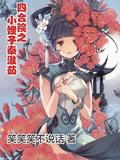 Sister-In-Law Qin Huairu of Siheyuan
Laugh, Laugh, Don't Say Anything714k Wordscompleted
3.6kReads5.8Score169Shelves
Sister-In-Law Qin Huairu of Siheyuan
Laugh, Laugh, Don't Say Anything714k Wordscompleted
3.6kReads5.8Score169Shelves
-
401
四
 Siheyuan: Live According to Your Own Will
A Fish Who Loves to Read and Dream1.3M Wordsongoing
53.9kReads7.8Score3kShelves
Siheyuan: Live According to Your Own Will
A Fish Who Loves to Read and Dream1.3M Wordsongoing
53.9kReads7.8Score3kShelves
Reader note
Not bad, look at it