, I have also watched the TV series and many novels, and I am trying to find a protagonist who is not so violent, but who is peaceful and principled. It feels like every character has their share of evil and good. There is no need to rely on the consequences. The plot combines the era.
"Siheyuan: The Random Life of a Projectionist" is unique among the Siheyuan genre with its imaginative setting and light-hearted plot. When the modern charterer Cao Meng accidentally swallowed the Chaos Bead and traveled to the Forty-Nine City in 1951, he became the apprentice of the projectionist Xu Fugui. A wonderful journey that combined cultivation, farming and the cool writing of the era began. The author cleverly combines the fantasy setting of Chaos Pearl with the era background of the courtyard house. It not only has the characteristics of the era of projectionist work, but also has the fun of cultivating farming in the inner world, allowing readers to feel the style of the era while experiencing the wanton life of a time traveler. Time Travel Beginning: The Chaos Bead Opens Goldfinger's Life Cao Meng's time travel start is full of drama - the modern charterer suffocated to death by swallowing the Chaos Bead out of curiosity, but accidentally time traveled to an orphan with the same name in 1951. The original body was weak and sick, and was tortured in various ways by his master Xu Fugui, but the arrival of Cao Meng completely changed everything. The setting of Chaos Orb can be called the "top configuration" in Goldfinger: - Inner world space: a desolate world of 500,000 square kilometers, with a spiritual lake in the center, which can quickly grow crops. Time flows extremely fast, and the crop growth cycle can be completed in a few hours. - Spiritual water power: The water of Spirit Lake can cure diseases and strengthen the body. After drinking it, Cao Meng not only cured his original congenital heart disease, but also increased his life span to 150 years and his physical fitness reached the limit of human beings. - Law constraints: People who enter the inner world will be restrained by laws and cannot reveal the secrets of the space, providing Cao Meng with absolute safety guarantee. This setting gave Cao Meng an advantage far beyond his time in the early stages of time travel, which not only solved the problem of survival, but also laid the foundation for the subsequent "willful life". When he easily grows corn in the spiritual water and uses the spiritual water to heal his body, readers can intuitively feel the refreshing feeling brought by the golden finger. Character group portrait: the living beings in the courtyard from the perspective of the projectionist. The novel depicts a vivid group portrait of the times through Cao Meng's perspective: - Xu Fugui: a typical egoist who wants his son to inherit his father's legacy and makes things difficult for his apprentice Cao Meng. However, he did not expect that Cao Meng would be a blessing in disguise and become someone he could not afford to mess with. - Widow Liu (Liu Zhaodi): A beautiful woman with ill-fated fate, she was isolated due to the rumors of "Kefu", but she became connected with Cao Meng through an accident. Her kindness, tenacity and desire for love complement Cao Meng's strength. - Captain: Representative of grassroots cadres. He attaches great importance to the team of projectionists. He is pragmatic and is Cao Meng's important contact in the countryside. - Xu Damao: (appears later) Xu Fugui's son inherited his father's calculations and formed a competitive relationship with Cao Meng. He is an important role in promoting the plot. The emotional line between Cao Meng and Liu Zhaodi is a highlight. From the initial stay and care to the later spiritual water healing and inner world binding, the relationship between the two seemed particularly sincere in the context of the times. When Cao Meng used spiritual water to improve Liu Zhaodi's life and take her into the inner world, it not only satisfied the readers' expectations for a "hero saving a beauty", but also demonstrated the time traveler's pursuit of love in a special era. Highlights of the plot: The work of a projectionist and farming in the inner world run parallel. The novel cleverly combines the work of a projectionist with farming in the inner world, forming two wonderful story lines: - Projectionist line: shows the daily work of a projectionist in the 1950s, going to the countryside to show movies, interacting with villagers, dealing with grassroots relationships, etc. Cao Meng uses modern knowledge to improve projection technology and competes with Xu Fugui in a battle of wits and courage. It has the characteristics of the times and is full of refreshing elements. - Inner World Farming Line: Cao Meng uses spiritual water and rapid growth characteristics to plant crops, cultivate fruits, and even plan to breed livestock on a large scale in the inner world. This "farming flow" setting satisfies readers' expectations for material accumulation and provides a material foundation for Cao Meng to improve his life and make connections. The magical effects of spiritual water are throughout the text: curing diseases, strengthening the body, accelerating crop growth, and even becoming a "life-saving tool" at critical moments. When Cao Meng uses spiritual water to grow high-yield corn and improve Liu Zhaodi's life, readers can feel a sense of accomplishment of "defying nature and changing fate." Sublimation of the theme: living "arbitrarily" in special times. The word "arbitrarily" in the title of the book is the core theme. With the help of the Chaos Bead, Cao Meng lived a unique life in the 1950s when supplies were scarce: - Breaking the constraints: getting rid of the limitations of his original physical weakness, no longer being oppressed by Xu Fugui, and winning respect with his strength. - Pursuit of happiness: Bravely pursue Liu Zhaodi, break the "Kefu" rumor, and prove the power of love with actions. - Control your destiny: Use the resources of the inner world to not only improve your own life, but also help others, living with freedom and dignity in special times. Through Cao Meng's experience, the novel conveys a positive attitude towards life: even if you are in trouble, you must rely on wisdom and courage to change your destiny. When Cao Meng watched the crops harvest in the spiritual world and lived a good life with Liu Zhaodi, he showed a "willful" way of living that transcended the times. Relaxed tone: The collision of fantasy and era humor. Different from the depressive traditional courtyard themes, this book focuses on a relaxed and humorous style. The collision between Cao Meng's modern thinking and the historical background produced many jokes: - Language contrast: Cao Meng's occasional modern vocabulary and inner complaints about Xu Fugui's calculations made readers laugh. - Magical uses of golden fingers: using spiritual water to grow corn and being clever during the screening work, which is both refreshing and humorous. - Emotional interaction: The ambiguous pull between Cao Meng and Liu Zhaodi and Xu Fugui's self-defeating scheme all add a relaxed atmosphere to the plot. The author's restoration of the details of the era is also very good: from foods such as wowotou and erhe noodles to scenes such as projectors and commune brigade, they all have a strong flavor of the times. When Cao Meng used modern knowledge to improve projection technology, this combination of ancient and modern settings gave the story a sense of history without losing interest. In general, "Siheyuan: The Random Life of a Projectionist" relies on its unique chaos bead setting, vivid character portraits, and two-line parallel plot to create a relaxing and refreshing time travel novel. Cao Meng's journey to the courtyard is not only a history of struggle using golden fingers to counterattack, but also a "willful" life of pursuing love and freedom in a special era. If you want to feel the cheating life of a time traveler while reading, and experience the wonderful fusion of era style and fantasy settings, this book is definitely worth reading.
"Siheyuan: The Random Life of a Projectionist" is unique among the Siheyuan genre with its imaginative setting and light-hearted plot. When the modern charterer Cao Meng accidentally swallowed the Chaos Bead and traveled to the Forty-Nine City in 1951, he became the apprentice of the projectionist Xu Fugui. A wonderful journey that combined cultivation, farming and the cool writing of the era began. The author cleverly combines the fantasy setting of Chaos Pearl with the era background of the courtyard house. It not only has the characteristics of the era of projectionist work, but also has the fun of cultivating farming in the inner world, allowing readers to feel the style of the era while experiencing the wanton life of a time traveler. Time Travel Beginning: The Chaos Bead Opens Goldfinger's Life Cao Meng's time travel start is full of drama - the modern charterer suffocated to death by swallowing the Chaos Bead out of curiosity, but accidentally time traveled to an orphan with the same name in 1951. The original body was weak and sick, and was tortured in various ways by his master Xu Fugui, but the arrival of Cao Meng completely changed everything. The setting of Chaos Orb can be called the "top configuration" in Goldfinger: - Inner world space: a desolate world of 500,000 square kilometers, with a spiritual lake in the center, which can quickly grow crops. Time flows extremely fast, and the crop growth cycle can be completed in a few hours. - Spiritual water power: The water of Spirit Lake can cure diseases and strengthen the body. After drinking it, Cao Meng not only cured his original congenital heart disease, but also increased his life span to 150 years and his physical fitness reached the limit of human beings. - Law constraints: People who enter the inner world will be restrained by laws and cannot reveal the secrets of the space, providing Cao Meng with absolute safety guarantee. This setting gave Cao Meng an advantage far beyond his time in the early stages of time travel, which not only solved the problem of survival, but also laid the foundation for the subsequent "willful life". When he easily grows corn in the spiritual water and uses the spiritual water to heal his body, readers can intuitively feel the refreshing feeling brought by the golden finger. Character group portrait: the living beings in the courtyard from the perspective of the projectionist. The novel depicts a vivid group portrait of the times through Cao Meng's perspective: - Xu Fugui: a typical egoist who wants his son to inherit his father's legacy and makes things difficult for his apprentice Cao Meng. However, he did not expect that Cao Meng would be a blessing in disguise and become someone he could not afford to mess with. - Widow Liu (Liu Zhaodi): A beautiful woman with ill-fated fate, she was isolated due to the rumors of "Kefu", but she became connected with Cao Meng through an accident. Her kindness, tenacity and desire for love complement Cao Meng's strength. - Captain: Representative of grassroots cadres. He attaches great importance to the team of projectionists. He is pragmatic and is Cao Meng's important contact in the countryside. - Xu Damao: (appears later) Xu Fugui's son inherited his father's calculations and formed a competitive relationship with Cao Meng. He is an important role in promoting the plot. The emotional line between Cao Meng and Liu Zhaodi is a highlight. From the initial stay and care to the later spiritual water healing and inner world binding, the relationship between the two seemed particularly sincere in the context of the times. When Cao Meng used spiritual water to improve Liu Zhaodi's life and take her into the inner world, it not only satisfied the readers' expectations for a "hero saving a beauty", but also demonstrated the time traveler's pursuit of love in a special era. Highlights of the plot: The work of a projectionist and farming in the inner world run parallel. The novel cleverly combines the work of a projectionist with farming in the inner world, forming two wonderful story lines: - Projectionist line: shows the daily work of a projectionist in the 1950s, going to the countryside to show movies, interacting with villagers, dealing with grassroots relationships, etc. Cao Meng uses modern knowledge to improve projection technology and competes with Xu Fugui in a battle of wits and courage. It has the characteristics of the times and is full of refreshing elements. - Inner World Farming Line: Cao Meng uses spiritual water and rapid growth characteristics to plant crops, cultivate fruits, and even plan to breed livestock on a large scale in the inner world. This "farming flow" setting satisfies readers' expectations for material accumulation and provides a material foundation for Cao Meng to improve his life and make connections. The magical effects of spiritual water are throughout the text: curing diseases, strengthening the body, accelerating crop growth, and even becoming a "life-saving tool" at critical moments. When Cao Meng uses spiritual water to grow high-yield corn and improve Liu Zhaodi's life, readers can feel a sense of accomplishment of "defying nature and changing fate." Sublimation of the theme: living "arbitrarily" in special times. The word "arbitrarily" in the title of the book is the core theme. With the help of the Chaos Bead, Cao Meng lived a unique life in the 1950s when supplies were scarce: - Breaking the constraints: getting rid of the limitations of his original physical weakness, no longer being oppressed by Xu Fugui, and winning respect with his strength. - Pursuit of happiness: Bravely pursue Liu Zhaodi, break the "Kefu" rumor, and prove the power of love with actions. - Control your destiny: Use the resources of the inner world to not only improve your own life, but also help others, living with freedom and dignity in special times. Through Cao Meng's experience, the novel conveys a positive attitude towards life: even if you are in trouble, you must rely on wisdom and courage to change your destiny. When Cao Meng watched the crops harvest in the spiritual world and lived a good life with Liu Zhaodi, he showed a "willful" way of living that transcended the times. Relaxed tone: the collision of fantasy and era humor. Different from the depressive traditional courtyard themes, this book focuses on a relaxed and humorous style. The collision between Cao Meng's modern thinking and the historical background produced many jokes: - Language contrast: Cao Meng's occasional modern vocabulary and inner complaints about Xu Fugui's calculations made readers laugh. - Magical uses of golden fingers: using spiritual water to grow corn and being clever during the screening work, which is both refreshing and humorous. - Emotional interaction: The ambiguous pull between Cao Meng and Liu Zhaodi and Xu Fugui's self-defeating scheme all add a relaxed atmosphere to the plot. The author's restoration of the details of the era is also very good: from foods such as wowotou and erhe noodles to scenes such as projectors and commune brigade, they all have a strong flavor of the times. When Cao Meng used modern knowledge to improve projection technology, this combination of ancient and modern settings gave the story a sense of history without losing interest. In general, "Siheyuan: The Random Life of a Projectionist" relies on its unique chaos bead setting, vivid character portraits, and two-line parallel plot to create a relaxing and refreshing time travel novel. Cao Meng's journey to the courtyard is not only a history of struggle using golden fingers to counterattack, but also a "willful" life of pursuing love and freedom in a special era. If you want to feel the cheating life of a time traveler while reading, and experience the wonderful fusion of era style and fantasy settings, this book is definitely worth reading.
I recommend twenty books that I have read, which are not too violent [send heart][send heart][send heart][send heart][send heart][send heart][send heart][send heart]
In the first book, Li Laifu took the spirit of space and traveled to No. 88 Nanluogu Lane 🍂. He used the space to grow corn food and fruits [eating melons] to help his grandparents in the countryside survive the famine [laughing]. He went into the mountains to hunt wild boars and went to Peking University to exchange for a bicycle [laughing]. He changed jobs in the railway section and used the space to hunt and exchange things with the railway. In the second book, the soul of the system travels through the courtyard of No. 93 Nanluoguxiang. At the beginning, the system is discovered by Tiandao and wants to be untied [laughs]. The protagonist does not agree with the system and is directly obliterated by Tiandao [laughter]. The protagonist relies on the legacy left by the system to improve his abilities, fishing and hunting, and slowly improves his family's life.
The cool articles about Siheyuan of the era are coming! The protagonist travels to a compound, and refuses to compromise when his house is robbed by evil neighbors. He activates the ten-fold reward system, and earns excess profits from any hard work, and lives a life that is envied by others in the compound.
🔥🔥🔥The first volume is being steadily updated. The protagonist Wang Xiaobao fakes a corpse in the hospital. Because he is afraid of death, he starts to lie down and win in life. The second and third volumes have been completed. I hope everyone will enjoy it.
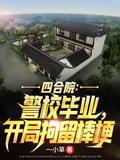 Siheyuan: Graduated from the Police Academy, Detained at the Beginning of the Game
1.5kReads7.0Score—Shelves
Siheyuan: Graduated from the Police Academy, Detained at the Beginning of the Game
1.5kReads7.0Score—Shelves
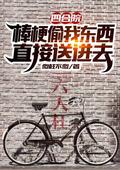 Siheyuan: Bangge Stole My Things and Sent Them Directly Inside
4kReads7.1Score251Shelves
Siheyuan: Bangge Stole My Things and Sent Them Directly Inside
4kReads7.1Score251Shelves
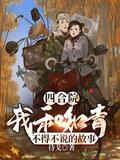 Siheyuan: the Story That the Educated Youth and I Have to Tell
602Reads6.7Score—Shelves
Siheyuan: the Story That the Educated Youth and I Have to Tell
602Reads6.7Score—Shelves
 Indifferent Life in the Courtyard
8.8kReads7.9Score348Shelves
Indifferent Life in the Courtyard
8.8kReads7.9Score348Shelves
 The 1950S: a Prosperous Life
37.1kReads8.2Score1.4kShelves
The 1950S: a Prosperous Life
37.1kReads8.2Score1.4kShelves
 Living in the Siheyuan: Flying with Silly Pillars
13.4kReads8.3Score548Shelves
Living in the Siheyuan: Flying with Silly Pillars
13.4kReads8.3Score548Shelves
 Siheyuan: Go to the Countryside at the Beginning
11.8kReads8.4Score361Shelves
Siheyuan: Go to the Countryside at the Beginning
11.8kReads8.4Score361Shelves
 Siheyuan: a Good Life Earned
31.5kReads7.3Score1.6kShelves
Siheyuan: a Good Life Earned
31.5kReads7.3Score1.6kShelves
 Siheyuan: Serving the People
237Reads5.5Score—Shelves
Siheyuan: Serving the People
237Reads5.5Score—Shelves
 Siheyuan Took Her Sister to Escape from Siheyuan
2kReads5.8Score140Shelves
Siheyuan Took Her Sister to Escape from Siheyuan
2kReads5.8Score140Shelves
 Siheyuan: the Eldest Father Has a Son
11.5kReads8.3Score391Shelves
Siheyuan: the Eldest Father Has a Son
11.5kReads8.3Score391Shelves
 I Just Woke up and My Uncle Wants to Buy Me a Bicycle.
24.6kReads8.4Score1.3kShelves
I Just Woke up and My Uncle Wants to Buy Me a Bicycle.
24.6kReads8.4Score1.3kShelves
 I Will Give Yi Zhonghai His Final Care in the Siheyuan
1.2kReads5.7Score—Shelves
I Will Give Yi Zhonghai His Final Care in the Siheyuan
1.2kReads5.7Score—Shelves
 1960S: Traveling Through Nanluoguxiang,
342.4kReads9.4Score31.9kShelves
1960S: Traveling Through Nanluoguxiang,
342.4kReads9.4Score31.9kShelves
 Siheyuan I Am He Yuzhu
32.9kReads8.9Score809Shelves
Siheyuan I Am He Yuzhu
32.9kReads8.9Score809Shelves
 Siheyuan: Overthrow Li Huaide, I Will Be the Director
10.6kReads8.4Score350Shelves
Siheyuan: Overthrow Li Huaide, I Will Be the Director
10.6kReads8.4Score350Shelves
 Rebirth 59 Nanluogu Alley: Small Daily Life
85.5kReads8.2Score4.1kShelves
Rebirth 59 Nanluogu Alley: Small Daily Life
85.5kReads8.2Score4.1kShelves
 Siheyuan: God Rewards Hard Work, Making Life Better
34.3kReads8.5Score1kShelves
Siheyuan: God Rewards Hard Work, Making Life Better
34.3kReads8.5Score1kShelves
 Siheyuan of Silly Pillars
17.1kReads8.8Score793Shelves
Siheyuan of Silly Pillars
17.1kReads8.8Score793Shelves
 Siheyuan: Cut Off the Hu? ? No, I Eat It All at Once
143Reads5.8Score—Shelves
Siheyuan: Cut Off the Hu? ? No, I Eat It All at Once
143Reads5.8Score—Shelves
 Siheyuan: Starting from the Little Bastard Kang Jiu
9.2kReads8.7Score410Shelves
Siheyuan: Starting from the Little Bastard Kang Jiu
9.2kReads8.7Score410Shelves
 Starting from the Courtyard, Subverting the World
190Reads5.8Score—Shelves
Starting from the Courtyard, Subverting the World
190Reads5.8Score—Shelves
 Siheyuan: My System Can Turn Waste into Treasure
22.5kReads8.7Score1.4kShelves
Siheyuan: My System Can Turn Waste into Treasure
22.5kReads8.7Score1.4kShelves
 Siheyuan: Transformed into Yi Zhonghai's Biological Son
25.8kReads8.1Score1.7kShelves
Siheyuan: Transformed into Yi Zhonghai's Biological Son
25.8kReads8.1Score1.7kShelves
 Siheyuan: Be a Well-Educated Gangster
182.6kReads8.4Score8kShelves
Siheyuan: Be a Well-Educated Gangster
182.6kReads8.4Score8kShelves
 Siheyuan: Take Advantage of Everyone at the Beginning
12kReads8.6Score752Shelves
Siheyuan: Take Advantage of Everyone at the Beginning
12kReads8.6Score752Shelves
 Siheyuan: the Materials Returned Ten Times Are Too Many to Use Up
218.8kReads8.3Score21.6kShelves
Siheyuan: the Materials Returned Ten Times Are Too Many to Use Up
218.8kReads8.3Score21.6kShelves
 Siheyuan: How Can I Survive If My Father Joins Chiang Kai-Shek and Becomes a Rich Peasant?
22kReads7.4Score1kShelves
Siheyuan: How Can I Survive If My Father Joins Chiang Kai-Shek and Becomes a Rich Peasant?
22kReads7.4Score1kShelves
 Siheyuan: After Time Travel, I Married My Daughter-In-Law, Her Grandmother.
39.5kReads7.4Score1.7kShelves
Siheyuan: After Time Travel, I Married My Daughter-In-Law, Her Grandmother.
39.5kReads7.4Score1.7kShelves
 Siheyuan: Technical Department Is a Dangerous Job
37kReads7.4Score1.5kShelves
Siheyuan: Technical Department Is a Dangerous Job
37kReads7.4Score1.5kShelves
 Siheyuan: the Third Uncle Is My Biological Father
31.3kReads9.2Score1.3kShelves
Siheyuan: the Third Uncle Is My Biological Father
31.3kReads9.2Score1.3kShelves
 Era 1959 Stupid Root
131Reads—Score—Shelves
Era 1959 Stupid Root
131Reads—Score—Shelves
 Siheyuan: Back in 1954, Luckily I Had the System
18.6kReads8.4Score1.1kShelves
Siheyuan: Back in 1954, Luckily I Had the System
18.6kReads8.4Score1.1kShelves
 Siheyuan: Send the Beasts Back to the West with Your Own Hands
10.4kReads7.4Score417Shelves
Siheyuan: Send the Beasts Back to the West with Your Own Hands
10.4kReads7.4Score417Shelves
 There Are Three Travelers in This Courtyard
17.6kReads7.9Score656Shelves
There Are Three Travelers in This Courtyard
17.6kReads7.9Score656Shelves
 Siheyuan: I Use National Law to Suppress All Dissent
33.7kReads8.7Score1.6kShelves
Siheyuan: I Use National Law to Suppress All Dissent
33.7kReads8.7Score1.6kShelves
 Siheyuan: Starting Life with My Sister
41.7kReads8.3Score1.8kShelves
Siheyuan: Starting Life with My Sister
41.7kReads8.3Score1.8kShelves
 Siheyuan: the Chic Life of a Third-Level Cook
59.9kReads7.6Score3.5kShelves
Siheyuan: the Chic Life of a Third-Level Cook
59.9kReads7.6Score3.5kShelves
 What Should the Elderly Care Group Do If the Stupid Pillar of the Courtyard Wakes Up?
20.1kReads7.7Score872Shelves
What Should the Elderly Care Group Do If the Stupid Pillar of the Courtyard Wakes Up?
20.1kReads7.7Score872Shelves
 Siheyuan: Enjoy Life in the Red Era
20kReads7.9Score740Shelves
Siheyuan: Enjoy Life in the Red Era
20kReads7.9Score740Shelves
 Siheyuan: I Will Lead Everyone to Fight the Landlords
—Reads5.8Score—Shelves
Siheyuan: I Will Lead Everyone to Fight the Landlords
—Reads5.8Score—Shelves
 Siheyuan: Send-Off Son Xu Damao Is Happy to Be a Father
1Reads8.4Score—Shelves
Siheyuan: Send-Off Son Xu Damao Is Happy to Be a Father
1Reads8.4Score—Shelves
 Siheyuan, My Skills Are Automatically Upgraded
—Reads5.8Score—Shelves
Siheyuan, My Skills Are Automatically Upgraded
—Reads5.8Score—Shelves
 Siheyuan: Rebirth 52 Years Ago, Escape from Forty-Nine Cities
25.5kReads6.9Score1.7kShelves
Siheyuan: Rebirth 52 Years Ago, Escape from Forty-Nine Cities
25.5kReads6.9Score1.7kShelves
 When the Return of the Siheyuan Begins
14kReads8.4Score606Shelves
When the Return of the Siheyuan Begins
14kReads8.4Score606Shelves
 Siheyuan: Liu Guangtian's Forbearance
6.1kReads6.5Score172Shelves
Siheyuan: Liu Guangtian's Forbearance
6.1kReads6.5Score172Shelves
 Why Is Time Travel a Period Drama?
28.2kReads8.2Score1.2kShelves
Why Is Time Travel a Period Drama?
28.2kReads8.2Score1.2kShelves
 Siheyuan: Refuse to Fight Internally and Turn Against Each Other Directly If Something Happens
1.2kReads5.2Score—Shelves
Siheyuan: Refuse to Fight Internally and Turn Against Each Other Directly If Something Happens
1.2kReads5.2Score—Shelves
 Siheyuan: Miracle Resurrection at the Beginning
10.1kReads7.0Score390Shelves
Siheyuan: Miracle Resurrection at the Beginning
10.1kReads7.0Score390Shelves
 Siheyuan: the Perfect Ending I Want
9.8kReads7.3Score367Shelves
Siheyuan: the Perfect Ending I Want
9.8kReads7.3Score367Shelves