When you feel that the workplace is absurd enough, this book will make you laugh to tears - and then fall into deep thought. Dear reader, if you have ever been on the subway after get off work, looking at the flowing lights outside the window, and suddenly want to ask "why are we working?"; If you have nodded and smiled in the conference room, but felt that all this was absurd and like an unfunny comedy; if you have ever felt that technology has made life more convenient, but it has also made you more like a programmed robot - So, please allow me to recommend "Anthology of Funny Meanings" to you. This is not another utilitarian manual that teaches you "how to be successful in the workplace", but a funny mirror that reflects the absurd truth of the work world. When you laugh out loud, it suddenly flips over and reflects the reality that you and I are in. Four stories, four "futures" you are experiencing 1. "Nanorobot Cleaner": When "efficiency" eats up meaning Imagine that the plan you worked on for three nights, the contract that carried the entire team's hard work, disappeared one morning - not stolen, but decomposed as a "pollutant" by the company's nanocleaning robot. Because they judge that: the cellulose particles produced by aging paper are pollution, the grease left by fingers on the leather cover is pollution, and even the gas evaporated by the ink is pollution. This sounds like a ridiculous joke, right? But as you read, you will get a chill down your back: Aren't we also using various "efficiency tools" to clean up those "non-standard" but precious things in our work? For the purity of the process, we deleted those seemingly redundant discussions; for the cleanliness of the interface, we hid the complex truth; for the beauty of the data, we optimized away the rough edges of human nature. The most brutal thing about this story is that when the robot starts "preventive cleaning" - cleaning things that "may be contaminated in the future", you suddenly realize that the countless plans we have made to prevent "potential risks" and the redundant reports prepared for "possible needs" are not exactly the same logic? Before we clean up the future, we clean up the present. 2. "Biometric Attendance": Your heartbeat no longer belongs only to you. If one day, your company requires that not only fingerprints are required to clock in at work, but also heartbeat standards, brain wave synchronization, and "positive" micro-expressions. Your name badge changes color based on your physiological state, your promotion depends on whether your stress hormone levels are "stable," your personal time becomes part of your performance review because the data is synced to your wristband—ridiculous? But we are already on the road. The health bracelet records your sleep, the office software analyzes your concentration time, and the camera evaluates your "working status." This story outlines the end point of this road: a world where you have to take time to feel sad and control the amplitude of anger, because "emotional fluctuations affect team coordination." As you read, you will laugh at those employees who practice "smooth heart rate techniques" in order to cheat the system, but with a smile, you will touch the smart device on your wrist, and suddenly you are not sure: Is it us who use technology, or is technology redefining what "qualified us" are? 3. "Predictive Work Report": Your choice has been denied before you choose it. The scariest future is not that your boss is angry with you, but that your boss has already given you feedback before you write the report - feedback generated in advance based on the system's prediction of how you will write. What's even scarier is that when you want to choose a plan other than the one predicted, the system reminds you: the procurement department has already started the contract process according to the predicted plan, and you will need to pay liquidated damages if you change your choice. This story exposes the most sophisticated trap in the modern workplace: using "predictions" and "presets" to give you the freedom to choose the path they want you to take. We complain that there is no innovation, but any new ideas with "low probability" in historical data will be filtered out by the resource allocation system as early as the embryonic stage. We feel like we are making a decision, but in reality we are just choosing among approved options. When you read that the protagonist Derek discovers that performance prediction has become a self-fulfilling prophecy - predicting that his performance will be low, so he will not be given good projects, so his performance is indeed low - you will take a breath: Isn't this the hidden cost that each of us is experiencing in label-based and data-based management? 4. "Smart Desk Weight Loss": For the sake of health, we lose our health. This may be the most dumbfounding story among the four. A smart desk that can shock sedentary workers, a system that rewards "correct healthy behaviors" with points, and a rule that health points affect promotion. The original intention is impeccable: for the health of employees. The result? Employees rack up points, endure electric shocks, and perform healthy performances, turning the stairwell into a point-earning arena and turning lunch selection into a point calculation problem. Health has changed from a kind of self-care to external compulsion; from multiple personal choices to a single standard answer. When reading this story, you will think of the company's "voluntary" walking competitions, those wellness programs linked to team evaluations, and those various attempts to "KPI" employees' physical and mental health. We laugh at the absurdity in the story, but we have to admit: when health becomes performance and rest becomes a task, real health is far away. Why should you open this book? Because it makes you recognize reality in the midst of laughter. These stories are set in the "near future," but each page reflects our "now." You are not reading science fiction, but reading an extreme stress test of workplace reality. The author pushes those workplace phenomena that we vaguely feel are wrong but cannot explain clearly to the extreme, allowing you to see clearly what their logical endpoints look like. Because it provides not only satire, but also a way out. The wonderful thing about these four stories is that they do not stop at the simple opposition of "technology is bad, humans are good". The second half of each story is a process of renegotiation between humans and the system. From the "value sensing module" in "Nanorobots" to the "data ownership reversal" in "Biometric Attendance", from "forecasts as maps rather than tracks" in "Forecast Report" to "healthy autonomy" in "Smart Desk" - after the sarcasm, the author seriously thinks: If technology is destined to intervene in our work and life, what kind of intervention method is respectful of human nature? Because it makes you feel "understood" If you have ever felt: · Processes are getting better and better, but the meaning of work is getting thinner and thinner · Tools are getting smarter, but you have less and less initiative · Data is getting richer, but your true self is seen less and less · Health is getting more and more attention, but the pressure to "manage health" is getting bigger and bigger Then, every absurd plot in this book will make you nod: "Yes, yes, that's how it feels!" You will find that those problems that you thought were personal confusions are actually structural dilemmas; those absurd feelings that you swallow alone are actually experienced by so many people. Because it has high-level humor. This is not a collection of cheap jokes. Its humor comes from precise observation, clever settings, and a deep understanding of human nature in the workplace. When you read "The system detected that your cortisol spiked by 87% while reading an email, suggesting emotion management training - and that email was from a client saying that your solution was 'heartbreakingly childish'", you will burst into a complex laugh that is both a laugh and a sigh. Finally, and most importantly, The Funny Moral Anthology is not an anti-technology manifesto. It recognizes the convenience brought by technology and is wary of the alienation that technology may bring. It is essentially an invitation to think about what constitutes a good working life. When everyone is telling you to "adapt to the future," this book quietly asks you: "What kind of future do we want to adapt to?" When everyone is teaching you "how to be more efficient," this book reminds you: "Some efficiency comes at the cost of hollowing out meaning." When everyone is advocating "quantified self," this book whispers: "Some precious things cannot be quantified, but are worth defending." So, if you are ready - be prepared to look at the smart devices in the office and fall into deep thought after a burst of laughter; Be prepared to have new doubts about the usual way of working after a ridiculous story; be prepared to be entertained and provoked; to be amused and touched; then, "Anthology of Funny Meanings" is waiting for you there. Open it and you'll see a ridiculous future workplace. Close it and you will see the present you are living in with new eyes. After all, the best humor never allows us to escape reality, but gives us the courage to face it more clearly - and when facing it, we can still maintain a smile that is not systematic and belongs to people.
"Thunder Grudge Cultivating Immortality Will Do It If You Don't Accept" Hilarious Recommendation! Who can make the cold goddess break her power? Gazi can! Lin Qingxue was showing off with a sword, and he slapped away the monster in front of her with a brick, and retorted: "Girls are not good at fighting and killing, let me show you my hands like a vicious dog pissing!" Lin Qingxue was so angry that she hit him on the head with an ice pick, and he still smiled playfully: "Hitting is for kissing and scolding, and falling in love with a brick is for love!" This ambiguous pull made him bang the table with laughter! [Almost crying][shy][what][laugh]
There is no reversal, no redemption, no HE. From start to finish, it's a complete tragedy. Sisters who like sadistic stories, this book is definitely for you!
She thought she had picked up a piece of trash, but instead she raised a demon who wanted to destroy her sect. "Shangguan Baili, the little grandson you were waiting for died in the Hanjiang River long ago."
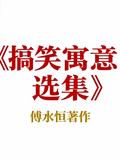 Anthology of Funny Meanings
3Reads—Score—Shelves
Anthology of Funny Meanings
3Reads—Score—Shelves
 In Another World, I Used Taoism to Empty the Enemy's Warehouse
1.1kReads5.8Score—Shelves
In Another World, I Used Taoism to Empty the Enemy's Warehouse
1.1kReads5.8Score—Shelves
 The Wife of the Poorest County Magistrate in History Leads the People in the County to Make Money
668Reads7.0Score—Shelves
The Wife of the Poorest County Magistrate in History Leads the People in the County to Make Money
668Reads7.0Score—Shelves
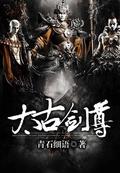 Ancient Sword Master
134.7kReads9.0Score13.6kShelves
Ancient Sword Master
134.7kReads9.0Score13.6kShelves
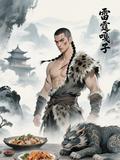 Thunder Gazi
18Reads5.8Score—Shelves
Thunder Gazi
18Reads5.8Score—Shelves
 Five Thunder Immortal Chef
6Reads5.8Score—Shelves
Five Thunder Immortal Chef
6Reads5.8Score—Shelves
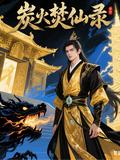 Charcoal Burning Immortal Record
23Reads5.8Score—Shelves
Charcoal Burning Immortal Record
23Reads5.8Score—Shelves
 Records of Ancient Xuanchen
16Reads8.6Score—Shelves
Records of Ancient Xuanchen
16Reads8.6Score—Shelves
 The Yutian of Desolate Years: Transformed into an Abandoned Girl and Palmed with Life
16Reads8.6Score—Shelves
The Yutian of Desolate Years: Transformed into an Abandoned Girl and Palmed with Life
16Reads8.6Score—Shelves
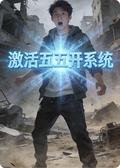 Travel Through the Waste Wood and Activate the 50-50 Open System
52Reads8.6Score—Shelves
Travel Through the Waste Wood and Activate the 50-50 Open System
52Reads8.6Score—Shelves
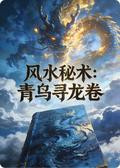 Feng Shui Secret Technique: Qingwu Seeking Dragon Scroll
9Reads8.6Score—Shelves
Feng Shui Secret Technique: Qingwu Seeking Dragon Scroll
9Reads8.6Score—Shelves
 Jin Tingchun: the Princess's World
2Reads8.6Score—Shelves
Jin Tingchun: the Princess's World
2Reads8.6Score—Shelves
 Saving Money Is Practice
6Reads8.5Score—Shelves
Saving Money Is Practice
6Reads8.5Score—Shelves
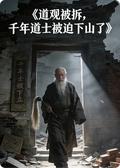 The Taoist Temple Was Demolished, and the Thousand-Year-Old Taoist Priests Were Forced to Go Down the Mountain.
14Reads8.4Score—Shelves
The Taoist Temple Was Demolished, and the Thousand-Year-Old Taoist Priests Were Forced to Go Down the Mountain.
14Reads8.4Score—Shelves
 Sumeru Precepts: Rebirth in Sixty Years of Cultivation, Beauty, and Conspiracy for the World
15.8kReads7.3Score2kShelves
Sumeru Precepts: Rebirth in Sixty Years of Cultivation, Beauty, and Conspiracy for the World
15.8kReads7.3Score2kShelves
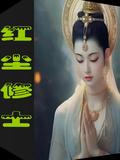 Mortal Monk
6.6kReads8.5Score711Shelves
Mortal Monk
6.6kReads8.5Score711Shelves
Potato's Omnipotent Answer to the Magic Stick Theory 382Reads8.5Score—Shelves
 This Beauty Has a Mysterious Light
5Reads8.4Score—Shelves
This Beauty Has a Mysterious Light
5Reads8.4Score—Shelves
 Rebirth of Emerald Life
9Reads8.4Score—Shelves
Rebirth of Emerald Life
9Reads8.4Score—Shelves
 Monkeys Can Also Be Born in the Last Days
10Reads8.6Score—Shelves
Monkeys Can Also Be Born in the Last Days
10Reads8.6Score—Shelves
 There Is a Tree in Dantian
28Reads8.6Score—Shelves
There Is a Tree in Dantian
28Reads8.6Score—Shelves
 Traditional Chinese Medicine Alchemy
587Reads8.8Score—Shelves
Traditional Chinese Medicine Alchemy
587Reads8.8Score—Shelves
 Traveling Through Colorful Spiritual Roots
24Reads8.6Score—Shelves
Traveling Through Colorful Spiritual Roots
24Reads8.6Score—Shelves
 Mortality After the Tribulation
298Reads8.6Score—Shelves
Mortality After the Tribulation
298Reads8.6Score—Shelves
 The Secret of Ten Thousand Beasts Controlling Heaven
49Reads8.6Score—Shelves
The Secret of Ten Thousand Beasts Controlling Heaven
49Reads8.6Score—Shelves
 The Immortal Emperor Who Understands the Fireworks Best in the World
6Reads8.6Score—Shelves
The Immortal Emperor Who Understands the Fireworks Best in the World
6Reads8.6Score—Shelves
 Firewood, Rice, Oil and Salt in the 1970S
22.7kReads8.4Score2.2kShelves
Firewood, Rice, Oil and Salt in the 1970S
22.7kReads8.4Score2.2kShelves
 Demonic Skeleton God
—Reads5.8Score—Shelves
Demonic Skeleton God
—Reads5.8Score—Shelves
 Honghuang: at the Beginning, Pangu Tuogu, I Will Bring My Witch Clan Certificate
4Reads5.8Score—Shelves
Honghuang: at the Beginning, Pangu Tuogu, I Will Bring My Witch Clan Certificate
4Reads5.8Score—Shelves
 Secret Realm Inherited Dragon Elephant Technique
40Reads8.6Score—Shelves
Secret Realm Inherited Dragon Elephant Technique
40Reads8.6Score—Shelves
 Milk Dumplings Blow up the Wealthy Family
2Reads8.4Score—Shelves
Milk Dumplings Blow up the Wealthy Family
2Reads8.4Score—Shelves
 Recast the Burning Heaven Cauldron
9Reads8.5Score—Shelves
Recast the Burning Heaven Cauldron
9Reads8.5Score—Shelves
 Star Dome Crack Repair Notes
4Reads8.6Score—Shelves
Star Dome Crack Repair Notes
4Reads8.6Score—Shelves
 The Soul of the Concubine of the Prime Minister's Mansion
4Reads8.6Score—Shelves
The Soul of the Concubine of the Prime Minister's Mansion
4Reads8.6Score—Shelves
 There Is No Such Thing as the Most Stubborn One, Only the More Stubborn Ones.
8kReads8.9Score693Shelves
There Is No Such Thing as the Most Stubborn One, Only the More Stubborn Ones.
8kReads8.9Score693Shelves
 Attack on Titan!
265Reads8.7Score—Shelves
Attack on Titan!
265Reads8.7Score—Shelves
 Naruto: Naruto of the Six Paths Takes Back Sakura, and Hinata Shocks Konoha for His Wife
448Reads8.8Score—Shelves
Naruto: Naruto of the Six Paths Takes Back Sakura, and Hinata Shocks Konoha for His Wife
448Reads8.8Score—Shelves
 Naruto: I Will Defy the World for Tsunade, and My Golden Body of Six Paths Will Refuse Beauty.
260Reads8.6Score—Shelves
Naruto: I Will Defy the World for Tsunade, and My Golden Body of Six Paths Will Refuse Beauty.
260Reads8.6Score—Shelves
 "The Whole Village Laughs at My Lazy Wife, and the Orion Husband Flirts with Her Every Night"
232Reads8.7Score—Shelves
"The Whole Village Laughs at My Lazy Wife, and the Orion Husband Flirts with Her Every Night"
232Reads8.7Score—Shelves
 Is Your Family Urging You to Get Married? I Brought a Northeastern Wife Home!
19Reads8.6Score—Shelves
Is Your Family Urging You to Get Married? I Brought a Northeastern Wife Home!
19Reads8.6Score—Shelves
 Tokyo: I Saved the Beauty in Kimono at the Beginning, and I Am Familiar with Tokyo
73Reads8.4Score—Shelves
Tokyo: I Saved the Beauty in Kimono at the Beginning, and I Am Familiar with Tokyo
73Reads8.4Score—Shelves
 Death: Destroy the Seireitei at the Beginning, I Will Collect the Beauties from the Three Realms
122Reads8.4Score—Shelves
Death: Destroy the Seireitei at the Beginning, I Will Collect the Beauties from the Three Realms
122Reads8.4Score—Shelves
 Forbidden Zone Heartbeat
37Reads8.6Score—Shelves
Forbidden Zone Heartbeat
37Reads8.6Score—Shelves
 Tokyo Darkness: His Lips Are Stained with Neon and Sin
12Reads8.5Score—Shelves
Tokyo Darkness: His Lips Are Stained with Neon and Sin
12Reads8.5Score—Shelves
 Inuyasha Platycodon: Burning Hearts Against Fate
36Reads8.4Score—Shelves
Inuyasha Platycodon: Burning Hearts Against Fate
36Reads8.4Score—Shelves
 Wutong Jin: the Evening Breeze Does Not Cross the Old Lover
5Reads8.5Score—Shelves
Wutong Jin: the Evening Breeze Does Not Cross the Old Lover
5Reads8.5Score—Shelves
 The Creepy Sacrifice of the Republic of China: Bloody Evil in the Theater, Demons Killed by Ghosts, and All Souls Returned to the Ruins
5Reads8.4Score—Shelves
The Creepy Sacrifice of the Republic of China: Bloody Evil in the Theater, Demons Killed by Ghosts, and All Souls Returned to the Ruins
5Reads8.4Score—Shelves
 Cold Pond Soul: Love-Struck Ghost, Please Wait Another Life
3Reads8.5Score—Shelves
Cold Pond Soul: Love-Struck Ghost, Please Wait Another Life
3Reads8.5Score—Shelves
 Huang Pizi Asks for a Seal: I Will Seal You from Reincarnation Forever.
2Reads8.6Score—Shelves
Huang Pizi Asks for a Seal: I Will Seal You from Reincarnation Forever.
2Reads8.6Score—Shelves
 "Forbidden Sex in the Deep House: the Wolf in the Wife's Palm"
223Reads8.4Score—Shelves
"Forbidden Sex in the Deep House: the Wolf in the Wife's Palm"
223Reads8.4Score—Shelves