"While others are writing about "proclaiming emperor", he is writing about "establishing people" - a northern epic that reconstructs China with potatoes and laws." If you open this work and expect to see the protagonist fighting for three years and proclaiming himself emperor for three years, please close the page. But if you are willing to witness a revolution that does not wash away the palace gates with blood, but completely reshapes the world; if you believe that the true kingship does not lie in burning books and harassing Confucian scholars, but in opening women's colleges, abolishing slave registration, and setting up orphanages; then, please enter this world where the sun hangs in the sky - there are no cool writing routines here, only how a potato can influence the national destiny for three hundred years. With amazing writing power, the author transforms the darkest moment after the Anshi Rebellion into an experimental field for the reconstruction of civilization. Li Qingtian did not rely on the system to defy heaven, but used the peace he had gained in exchange for the lives of four thousand soldiers to fulfill a promise: "Under my rule, the old will not be left homeless, and the young will not be left without food." So we see: Others write about war, but he writes about collecting the souls after the war: the corpses of the Yan army were burned to prevent plague, and the bones of the common people were wrapped in brocade and buried together in the "Anmin Tomb"; others wrote about power and strategy, but he wrote about establishing trust in the system: detailed public trials, dissemination of the "Edict of Loyal Ministers", and shaking up the scholarly community with "the commoner Yang family"; Others write about farming, but he writes about the recovery of people's hearts: children burying seeds beside graves, Hu Shang shouting "Peace in the north is better than Chang'an", old farmers kneeling with earth in front of them and saying "the spirit of the earth is not dead". The most shocking thing was not that the Red Flame Dragon Cavalry defeated the enemy, but that the 50,000-strong army circled the field ridge without stepping on a single spring wheat seedling. The character creation is even more unforgettable: Guo Ziyi is loyal but not stupid, and would rather borrow soldiers from the north than let He enter the pass; Pugu is gracious and sad but refuses to rebel, raising troops to clear the emperor's side but refusing to surrender to the north; Yang Mi writes in the name of "the common people of the world", and an edict can be written faster than a knife; Daizong abdicated on his deathbed, not because of coercion, but because he could not bear to shed another drop of blood in Chang'an. This book also hides a grand vision: from the Yingzhou Rebellion to the Anshi War, from Longyou and Tubo to the eastward expansion of food, the author reveals that the decline of the Tang Dynasty was not due to one thief, but because the entire system lost the ability to "make the people dare to believe in tomorrow." Li Qingtian's new policy was a response to this: opening women's colleges, abolishing slave registration, imposing potato taxes, setting up Changping free warehouses... Each policy directly targeted the root causes of the old world. Fantasy elements? The Buddha lotus in the left eye, the demon pattern in the right eye, the light sword hiding the devil's whisper - but these have never taken over the spotlight. They are just mirrors that reflect human nature: the greatest devil is never in the abyss, but in the human heart's despair for order. Finally, when Li Qingtian ascended the throne, he did not sit on the dragon throne. Instead, he stood under the jade steps and announced the five new policies. But the devil asked for a blood sacrifice, so he pushed open the palace door - outside the door was not a mountain of corpses and a sea of blood, but the lights of the Wenhua Academy, the music of the night market, and the fresh green of the potato fields. "This is my blood sacrifice - to sacrifice the death of the old world in order for all people to live in peace." This is not a cool article, this is a tragic epic about mortals remaking China. It tells us: The real destiny does not lie in the prophecies of Tui Meibi, but in the moment when children dare to bury the seeds beside the grave; the real Great Wall does not lie in the bricks and stones, but in the people's aspiration that "the northern border is the Great Wall". If you long for a work that has the coldness of "Zi Zhi Tong Jian" and the warmth of "The people are tired, but they can be well-off" in the Book of Songs; if you believe that the turning point in history often begins with a bowl of hot porridge, a new seedling, and the sentence "The north is here, the people have no worries" - then, please open this book. Because here, the gods and demons will eventually exit, but the human heart will never die!
The daily life of the Tang Dynasty is the double door, the group dotes on the little princess, and the daily life of the eldest grandson, Queen Changle, Princess Changle
The delivery boy's soul traveled through the Tang Dynasty and turned a group of princes, princesses, and second-generation officials into his workers. It's funny but not brainless or systematic.
Based on the tragic historical facts of the lonely defense of the Western Protectorate in Anxi in the Tang Dynasty, and with the modern soul traveling against the heavens and changing fate as the soul, we cleverly weave a magnificent picture of surviving in a desperate situation and breaking through in a dead situation. The protagonist Guo Xin is not a reckless man. He has a deep understanding of human nature and politics. He uses the "marriage order" to take root in people's hearts, uses the "war camp division" to accumulate strength, and uses thunderous means to eliminate internal troubles. Every step is precise and ruthless. He has a vision that transcends the times and is deeply rooted in the cruel reality of the ancient Western Regions. The writing is calm and cold, the killings on the battlefield are suffocating, the undercurrent of the court game is turbulent, and the plight of the soldiers and civilians in Anxi is deeply portrayed. This is not only the history of one person's struggle, but also a tragic epic about loyalty, survival and the survival of civilization. The suspense is advanced layer by layer, making people unable to put it down.
This is a cool story about traveling through the Tang Dynasty, in which the protagonist unexpectedly takes in the daughter of Emperor Sui Yang's concubine.
Most of the others are not rigorous, either using the Golden Finger system or something like that. The protagonist is also very bright, and the ancients wrote it as if it were mentally retarded. I have only found one that is very special. He is a double-traveling double-protagonist. The historical characters are also very profound and can make people feel like their ancestors. Zong's wisdom is flesh and blood, mixed with a lot of historical science, and is consistent with history. It reproduces the wonderful lives of heroes, princes and generals in history. It is worth a read. I like Shuangwen's detour. There is no wisdom here, no wisdom, no wisdom!
 Sign in to Zhenguan of the Tang Dynasty
—Reads5.8Score—Shelves
Sign in to Zhenguan of the Tang Dynasty
—Reads5.8Score—Shelves
 Following the Bloody Tang Dynasty, the Chess Game Comes to an End
3Reads5.8Score—Shelves
Following the Bloody Tang Dynasty, the Chess Game Comes to an End
3Reads5.8Score—Shelves
 Opening a Convenience Store in the Tang Dynasty Is so Sweet!
56Reads5.8Score—Shelves
Opening a Convenience Store in the Tang Dynasty Is so Sweet!
56Reads5.8Score—Shelves
 Datang: I Was Dug Out by Princess Changle
2.1kReads5.8Score103Shelves
Datang: I Was Dug Out by Princess Changle
2.1kReads5.8Score103Shelves
 Tang Dynasty: a Happy Beginning for the Prince Consort
652Reads7.3Score—Shelves
Tang Dynasty: a Happy Beginning for the Prince Consort
652Reads7.3Score—Shelves
 Li Yunlong Becomes Lu Bu, Fierce, Fierce, Cunning and Slippery
182Reads7.1Score—Shelves
Li Yunlong Becomes Lu Bu, Fierce, Fierce, Cunning and Slippery
182Reads7.1Score—Shelves
 Datang: Princess Changle Began to Worship Me as Her Teacher
1.1kReads7.9Score111Shelves
Datang: Princess Changle Began to Worship Me as Her Teacher
1.1kReads7.9Score111Shelves
 Sui and Tang Dynasties: Cutting Off Hu and Changing Fortune, Starting from Erxianzhuang
4.2kReads7.0Score314Shelves
Sui and Tang Dynasties: Cutting Off Hu and Changing Fortune, Starting from Erxianzhuang
4.2kReads7.0Score314Shelves
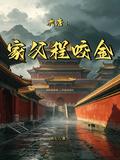 Tang Dynasty: My Father Cheng Yaojin
9.9kReads7.6Score735Shelves
Tang Dynasty: My Father Cheng Yaojin
9.9kReads7.6Score735Shelves
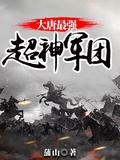 The Most Powerful Super God Army in the Tang Dynasty
102Reads5.8Score—Shelves
The Most Powerful Super God Army in the Tang Dynasty
102Reads5.8Score—Shelves
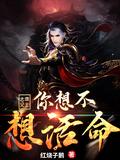 Datang: Father, Do You Want to Live?
31Reads8.4Score—Shelves
Datang: Father, Do You Want to Live?
31Reads8.4Score—Shelves
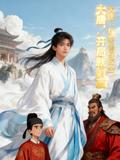 Datang: My Father Is Cheng Yaojin, and He Won in the Beginning
1Reads5.8Score—Shelves
Datang: My Father Is Cheng Yaojin, and He Won in the Beginning
1Reads5.8Score—Shelves
 Datang: the Father-Son Relationship Was Severed with Li Er at the Beginning
1.5kReads6.9Score106Shelves
Datang: the Father-Son Relationship Was Severed with Li Er at the Beginning
1.5kReads6.9Score106Shelves
 The Power of Overlord at the Beginning, I Went Crazy in Datang
45Reads5.8Score—Shelves
The Power of Overlord at the Beginning, I Went Crazy in Datang
45Reads5.8Score—Shelves
 Sui and Tang Dynasties: the Li Family Regrets Their Marriage, Then I Will Help the Sui Dynasty
30.3kReads8.1Score2.9kShelves
Sui and Tang Dynasties: the Li Family Regrets Their Marriage, Then I Will Help the Sui Dynasty
30.3kReads8.1Score2.9kShelves
 Datang: Li Er Cried in Anger at the Beginning
8Reads5.8Score—Shelves
Datang: Li Er Cried in Anger at the Beginning
8Reads5.8Score—Shelves
 Tang Dynasty: the Six-Year-Old Prince Pulled Out Li Er's Beard at the Beginning
2.5kReads8.6Score235Shelves
Tang Dynasty: the Six-Year-Old Prince Pulled Out Li Er's Beard at the Beginning
2.5kReads8.6Score235Shelves
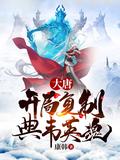 Datang: Copy Wei Yinghun at the Beginning
342Reads6.9Score—Shelves
Datang: Copy Wei Yinghun at the Beginning
342Reads6.9Score—Shelves
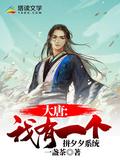 Datang: I Have a Pinxixi System
361Reads6.4Score—Shelves
Datang: I Have a Pinxixi System
361Reads6.4Score—Shelves
 The Invincible Little Bear of the Tang Dynasty
10Reads—Score—Shelves
The Invincible Little Bear of the Tang Dynasty
10Reads—Score—Shelves
 Traveling to the Tang Dynasty, I Hoarded Trillions of Materials
15Reads5.8Score—Shelves
Traveling to the Tang Dynasty, I Hoarded Trillions of Materials
15Reads5.8Score—Shelves
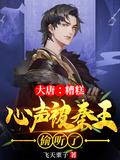 Datang: Oops, King Qin Overheard His Voice
—Reads7.6Score—Shelves
Datang: Oops, King Qin Overheard His Voice
—Reads7.6Score—Shelves
 Datang: Bring the Little Princess Back to Modern Times!
380Reads8.7Score—Shelves
Datang: Bring the Little Princess Back to Modern Times!
380Reads8.7Score—Shelves
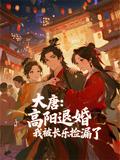 Datang: Gao Yang Broke Off the Engagement and I Was Picked up by Changle
194Reads5.5Score—Shelves
Datang: Gao Yang Broke Off the Engagement and I Was Picked up by Changle
194Reads5.5Score—Shelves
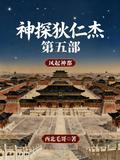 Detective Di Renjie Part 5: the Wind Rises in the City of Gods
2.4kReads8.8Score173Shelves
Detective Di Renjie Part 5: the Wind Rises in the City of Gods
2.4kReads8.8Score173Shelves
 Datang: a Fiefdom at the Beginning Shocked Li Laoer
470Reads—Score—Shelves
Datang: a Fiefdom at the Beginning Shocked Li Laoer
470Reads—Score—Shelves
 Tang Dynasty Storyteller
—Reads5.8Score—Shelves
Tang Dynasty Storyteller
—Reads5.8Score—Shelves
 Datang Was Sold and Li Chun Yuan Started Taking Out Food
1.5kReads8.6Score109Shelves
Datang Was Sold and Li Chun Yuan Started Taking Out Food
1.5kReads8.6Score109Shelves
 Tang Banner in the Western Regions: Anxi Will Never Fall
22.2kReads6.9Score2.1kShelves
Tang Banner in the Western Regions: Anxi Will Never Fall
22.2kReads6.9Score2.1kShelves
 I Just Want to Protect the Tang Dynasty for Hundreds of Years
149Reads6.3Score—Shelves
I Just Want to Protect the Tang Dynasty for Hundreds of Years
149Reads6.3Score—Shelves
 The First Counselor of the Eastern Han Dynasty
1Reads—Score—Shelves
The First Counselor of the Eastern Han Dynasty
1Reads—Score—Shelves
 The Prodigal Son of Daliang: the Emperor Asked Me to Be His Consort
1.5kReads8.6Score102Shelves
The Prodigal Son of Daliang: the Emperor Asked Me to Be His Consort
1.5kReads8.6Score102Shelves
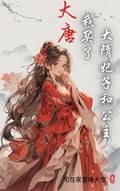 Datang: I Bought the Concubines and Princesses of the Sui Dynasty
63.7kReads8.6Score8.8kShelves
Datang: I Bought the Concubines and Princesses of the Sui Dynasty
63.7kReads8.6Score8.8kShelves
 The Legend of the Emperor of the Tang Dynasty
5Reads—Score—Shelves
The Legend of the Emperor of the Tang Dynasty
5Reads—Score—Shelves
 In the Ming Dynasty, I, Zhu Wenzheng, Am the Eldest Grandson of the Eldest Son.
1.3kReads7.3Score104Shelves
In the Ming Dynasty, I, Zhu Wenzheng, Am the Eldest Grandson of the Eldest Son.
1.3kReads7.3Score104Shelves
 My Uncle Is Zhu Yuanzhang During the Ming Dynasty
28.2kReads8.8Score1.5kShelves
My Uncle Is Zhu Yuanzhang During the Ming Dynasty
28.2kReads8.8Score1.5kShelves
 The Imperfectly Leisurely Life of the Second Generation of Emperor Tang
6.6kReads8.6Score403Shelves
The Imperfectly Leisurely Life of the Second Generation of Emperor Tang
6.6kReads8.6Score403Shelves
 Datang: What to Do If the Start Is Too Strong
4Reads5.8Score—Shelves
Datang: What to Do If the Start Is Too Strong
4Reads5.8Score—Shelves
 Datang: I Will Create Tiandao Tower at the Beginning
—Reads7.0Score—Shelves
Datang: I Will Create Tiandao Tower at the Beginning
—Reads7.0Score—Shelves
 Jiangdu Mutiny, I Fled and Picked up Empress Xiao
7.2kReads7.9Score612Shelves
Jiangdu Mutiny, I Fled and Picked up Empress Xiao
7.2kReads7.9Score612Shelves
 Great Qin Wanchao: the Gold List Exposed My Identity
2.5kReads8.2Score176Shelves
Great Qin Wanchao: the Gold List Exposed My Identity
2.5kReads8.2Score176Shelves
 He and the Golden Flower Grow Old Together
2Reads—Score—Shelves
He and the Golden Flower Grow Old Together
2Reads—Score—Shelves
 Datang: Li Chengqian! Please Call Me Prince!
7.7kReads7.7Score469Shelves
Datang: Li Chengqian! Please Call Me Prince!
7.7kReads7.7Score469Shelves
 Datang: Range Is Truth
43Reads—Score—Shelves
Datang: Range Is Truth
43Reads—Score—Shelves
 The Most Awesome Son-In-Law in the Tang Dynasty
4.4kReads8.2Score251Shelves
The Most Awesome Son-In-Law in the Tang Dynasty
4.4kReads8.2Score251Shelves
 Datang: Marry Li Xiuning at the Beginning
1.7kReads8.2Score122Shelves
Datang: Marry Li Xiuning at the Beginning
1.7kReads8.2Score122Shelves
 Datang: Refuse to Be the Consort at the Beginning
1.2kReads7.2Score—Shelves
Datang: Refuse to Be the Consort at the Beginning
1.2kReads7.2Score—Shelves
 Datang: Win Princess Changle at the Beginning
12.4kReads8.4Score677Shelves
Datang: Win Princess Changle at the Beginning
12.4kReads8.4Score677Shelves
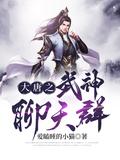 The God of War of the Tang Dynasty Chat Group
530Reads7.9Score—Shelves
The God of War of the Tang Dynasty Chat Group
530Reads7.9Score—Shelves
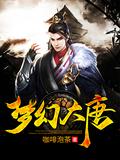 Fantasy Datang
5Reads5.8Score—Shelves
Fantasy Datang
5Reads5.8Score—Shelves