Are There Any Scientific and Technological Writers Who Have Taken over the Development of Their Parents' Factories?
- Views
- 15.2M
- Books
- 295
- Recommendations
- 256
- Updated
- 13d ago
Rich second generation
In this list
294 books · page 1 of 6
-
1
工
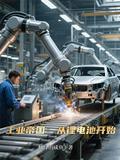 Industrial Empire: Starting from Lithium Batteries
The Salted Fish That Turned over 3Urban1.6M Wordsongoing
81.2kReads7.6Score5.5kShelves
Industrial Empire: Starting from Lithium Batteries
The Salted Fish That Turned over 3Urban1.6M Wordsongoing
81.2kReads7.6Score5.5kShelves
Reader note
Definitely 2 books. They are pretty good. I am a 10-year old bookworm. They are considered as food and grass. The 2 books are unsystematic. The first one inherits the family business and develops into an industry. It is not the popular Internet start-up! The second one is about coal mines, which is just so-so. When there are no books to read, he can still read it.
-
2
重
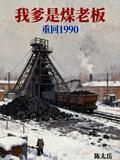 Back to 1990: My Father Is a Coal Boss
Chen TaiyueUrban1.9M Wordsongoing
40.5kReads7.5Score3.9kShelves
Back to 1990: My Father Is a Coal Boss
Chen TaiyueUrban1.9M Wordsongoing
40.5kReads7.5Score3.9kShelves
Reader note
Definitely 2 books. They are pretty good. I am a 10-year old bookworm. They are considered as food and grass. The 2 books are unsystematic. The first one inherits the family business and develops into an industry. It is not the popular Internet start-up! The second one is about coal mines, which is just so-so. When there are no books to read, he can still read it.
-
3
倒
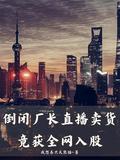 The Director of a Closed Factory Sold Goods Live on Live Broadcast, and the Whole Network Actually Bought Shares
I Want to Raise a Giant PandaUrban1.2M Wordscompleted
9.8kReads9.0Score469Shelves
The Director of a Closed Factory Sold Goods Live on Live Broadcast, and the Whole Network Actually Bought Shares
I Want to Raise a Giant PandaUrban1.2M Wordscompleted
9.8kReads9.0Score469Shelves
Reader note
At the beginning, he took over an electrical appliance factory that was about to close down, and sold sockets with modified appearance through live broadcast. Later, he took the Xiaomi Lei general route, smart home, chips, mobile phones, and cars.
-
4
重
Rebirth 07, I Climbed to the Top of Forbes from Huaqiangbei Yin YangjunUrban2.2M Wordsongoing 182.7kReads8.4Score12.9kShelves
Reader note
The author also has novels with more than one million words. It's also the same type.
-
5
直
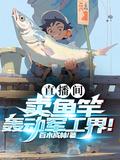 Selling Fishing Rods in the Live Broadcast Room Caused a Sensation in the Military Industry!
A Hundred Trees Form a Forest.Urban3.0M Wordscompleted
7.2kReads8.1Score755Shelves
Selling Fishing Rods in the Live Broadcast Room Caused a Sensation in the Military Industry!
A Hundred Trees Form a Forest.Urban3.0M Wordscompleted
7.2kReads8.1Score755Shelves
Reader note
This one is crazy equal to the previous one. The protagonist takes over the nearly bankrupt fishing gear factory left by his parents. When he was worried about having no money to develop new products, he was bound by the black technology system. After that, various high-tech technologies emerged one after another, causing a sensation in the military.
-
6
开
 On the Verge of Bankruptcy at the Beginning, I Used Technology to Counterattack the World
Feng YuzhuUrban1.8M Wordscompleted
14.3kReads8.4Score1.3kShelves
On the Verge of Bankruptcy at the Beginning, I Used Technology to Counterattack the World
Feng YuzhuUrban1.8M Wordscompleted
14.3kReads8.4Score1.3kShelves
Reader note
I just read it. The protagonist Chen Fan travels to a parallel world, takes over his father's gas tank factory, makes a fortune selling gas tanks in the Middle East, and begins to purchase technology from the system to develop technology. The novel is okay, and friends who are book-hungry can read it to pass the time.
-
7
重
 Rebirth 1989: from Small Factory to Military Industry Giant
Thousand Seas GuanyinUrban3.3M Wordscompleted
83.2kReads9.1Score8.5kShelves
Rebirth 1989: from Small Factory to Military Industry Giant
Thousand Seas GuanyinUrban3.3M Wordscompleted
83.2kReads9.1Score8.5kShelves
Reader note
🍅The top chip expert was reborn as a second-generation factory in 1989. He inherited a small factory in his family and started from VCD to become bigger and stronger in home appliances, Internet, mobile phones, etc., Monopolizing the Internet and setting China's own standards. The branch line is that my uncle works as a dealer in Dawalixi, dealing in big black fish, etc., And also goes to northern Myanmar to do some things [eat melon]. A very classic cool article about the science and technology industry. Recommended index: 4-4.5 ⭐
-
8
我
 I Can't Hide My S-Class Status as Blue Star's Number One Villain.
It's XiaoqingUrban2.9M Wordscompleted
37.7kReads9.3Score4.3kShelves
I Can't Hide My S-Class Status as Blue Star's Number One Villain.
It's XiaoqingUrban2.9M Wordscompleted
37.7kReads9.3Score4.3kShelves
Reader note
Do you want to take over the arsenal? The first book is finished, and the sequel to the second book is newly opened. The second part takes over from the first part, Dad's Arsenal. Military weapons, fighter jets, aircraft carriers, submarines and Apaches, these are the real speed bumps for men! If you don't care about life and death, do it if you don't accept it! Katyusha on the left, Bobosha on the right! Put on the sea soul and get on the plane, landing in Los Angeles tonight! After drinking this bottle of vodka, the White House will be your home tomorrow!
-
9
骂
 Call Me a Softie? I Am the Number One Arms Dealer in Blue Star.
It's XiaoqingUrban501k Wordscompleted
1.7kReads7.5Score123Shelves
Call Me a Softie? I Am the Number One Arms Dealer in Blue Star.
It's XiaoqingUrban501k Wordscompleted
1.7kReads7.5Score123Shelves
Reader note
Do you want to take over the arsenal? The first book is finished, and the sequel to the second book is newly opened. The second part takes over from the first part, Dad's Arsenal. Military weapons, fighter jets, aircraft carriers, submarines and Apaches, these are the real speed bumps for men! If you don't care about life and death, do it if you don't accept it! Katyusha on the left, Bobosha on the right! Put on the sea soul and get on the plane, landing in Los Angeles tonight! After drinking this bottle of vodka, the White House will be your home tomorrow!
-
10
山
 Counterfeit Phone? I Released a Full-Screen Mobile Phone Backhand!
Yin YangjunUrban3.2M Wordscompleted
69.8kReads8.9Score5.6kShelves
Counterfeit Phone? I Released a Full-Screen Mobile Phone Backhand!
Yin YangjunUrban3.2M Wordscompleted
69.8kReads8.9Score5.6kShelves
Reader note
The first two books, from a small copycat factory to the world's No. 1 [Smile][smile][smile]
-
11
接
 After Taking over a State-Owned Enterprise, Its Market Value Exceeded That of China National Petroleum Corporation in Three Years!
Young People Don't Know ModerationUrban1.2M Wordscompleted
17.7kReads8.5Score805Shelves
After Taking over a State-Owned Enterprise, Its Market Value Exceeded That of China National Petroleum Corporation in Three Years!
Young People Don't Know ModerationUrban1.2M Wordscompleted
17.7kReads8.5Score805Shelves
Reader note
The first two books, from a small copycat factory to the world's No. 1 [Smile][smile][smile]
-
12
再
 With Further Sanctions, Drug Lords Will All Turn into Machine Lords
Jianghai YuxianUrban946k Wordscompleted
4.5kReads6.9Score191Shelves
With Further Sanctions, Drug Lords Will All Turn into Machine Lords
Jianghai YuxianUrban946k Wordscompleted
4.5kReads6.9Score191Shelves
Reader note
The first two books, from a small copycat factory to the world's No. 1 [Smile][smile][smile]
-
13
世
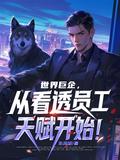 The World's Giant Companies Start by Seeing Through the Talents of Their Employees!
Dongfeng HuUrban2.7M Wordscompleted
103.9kReads9.1Score8.8kShelves
The World's Giant Companies Start by Seeing Through the Talents of Their Employees!
Dongfeng HuUrban2.7M Wordscompleted
103.9kReads9.1Score8.8kShelves
Reader note
The first two books, from a small copycat factory to the world's No. 1 [Smile][smile][smile]
-
14
我
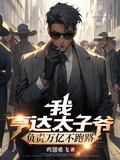 I, Prince Hengda, Am Responsible for Not Running Away with One Trillion Yuan.
Chicken Wings Are Hard to FlyUrban612k Wordscompleted
9.2kReads8.0Score348Shelves
I, Prince Hengda, Am Responsible for Not Running Away with One Trillion Yuan.
Chicken Wings Are Hard to FlyUrban612k Wordscompleted
9.2kReads8.0Score348Shelves
Reader note
The first two books, from a small copycat factory to the world's No. 1 [Smile][smile][smile]
-
15
如
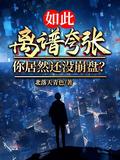 It's so Outrageous and Exaggerated, yet You Haven't Collapsed Yet?
Northern Sky BlueUrban1.4M Wordscompleted
37.8kReads8.8Score2.9kShelves
It's so Outrageous and Exaggerated, yet You Haven't Collapsed Yet?
Northern Sky BlueUrban1.4M Wordscompleted
37.8kReads8.8Score2.9kShelves
Reader note
The first two books, from a small copycat factory to the world's No. 1 [Smile][smile][smile]
-
16
国
 The Light of Domestic Products: Buyers Cry at the Show
Coke Every DayUrban2.2M Wordscompleted
10.8kReads8.1Score889Shelves
The Light of Domestic Products: Buyers Cry at the Show
Coke Every DayUrban2.2M Wordscompleted
10.8kReads8.1Score889Shelves
Reader note
The first two books, from a small copycat factory to the world's No. 1 [Smile][smile][smile]
-
17
员
 The Number of Employees Exceeds That of State-Owned Enterprises, but You Say I Have Not Contributed?
Be AngryUrban1.3M Wordscompleted
16.9kReads8.2Score803Shelves
The Number of Employees Exceeds That of State-Owned Enterprises, but You Say I Have Not Contributed?
Be AngryUrban1.3M Wordscompleted
16.9kReads8.2Score803Shelves
Reader note
The first two books, from a small copycat factory to the world's No. 1 [Smile][smile][smile]
-
18
游
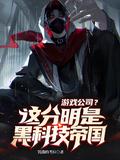 Game Company? This Is Clearly a Black Technology Empire!
Hungry KoalaUrban2.1M Wordscompleted
26.5kReads7.8Score1.8kShelves
Game Company? This Is Clearly a Black Technology Empire!
Hungry KoalaUrban2.1M Wordscompleted
26.5kReads7.8Score1.8kShelves
Reader note
The first two books, from a small copycat factory to the world's No. 1 [Smile][smile][smile]
-
19
造
 When Making Mobile Phones, I Am Used to Backstabbing My Friends.
Summer Is Not CoolUrban599k Wordscompleted
3.7kReads7.1Score146Shelves
When Making Mobile Phones, I Am Used to Backstabbing My Friends.
Summer Is Not CoolUrban599k Wordscompleted
3.7kReads7.1Score146Shelves
Reader note
The first two books, from a small copycat factory to the world's No. 1 [Smile][smile][smile]
-
20
军
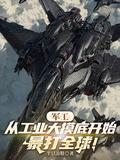 Military Industry: Starting from the Industrial Base to Conquer the World
Half SandalUrban4.0M Wordsongoing
120.3kReads8.0Score7.2kShelves
Military Industry: Starting from the Industrial Base to Conquer the World
Half SandalUrban4.0M Wordsongoing
120.3kReads8.0Score7.2kShelves
Reader note
In this book, the protagonist's parents died and he took over a state-owned steel plant that was about to close down. This book fits my style, because most of the books are about discussions.
-
21
黑
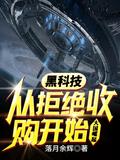 Black Technology: the Rise of Great Powers Begins with the Rejection of Acquisitions
Afterglow of the Setting MoonSci-Fi & Apocalypse1.0M Wordscompleted
7.9kReads8.7Score557Shelves
Black Technology: the Rise of Great Powers Begins with the Rejection of Acquisitions
Afterglow of the Setting MoonSci-Fi & Apocalypse1.0M Wordscompleted
7.9kReads8.7Score557Shelves
Reader note
This one totally meets your requirements! Take over your father's factory at the beginning, and then upgrade your technology! The setting is different from some books, so don't take it too seriously! !
-
22
开
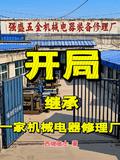 Start by Inheriting a Mechanical and Electrical Repair Shop
Xipo LaymanUrban349k Wordscompleted
485Reads6.0Score—Shelves
Start by Inheriting a Mechanical and Electrical Repair Shop
Xipo LaymanUrban349k Wordscompleted
485Reads6.0Score—Shelves
Reader note
"Inheriting a Machinery and Electrical Repair Shop at the Beginning" has a very realistic beginning: the protagonist Gao Tianqi has just lost his father in time travel, and is forced to take over the old machinery factory left by his father - a large factory on the outside, but a small OEM workshop on the inside, with no technology, no brand, and no profit. More than 300 workers make a living by relying on OEMs, with only 80,000 in cash left on the account, and there are also hidden bad debt mines to guarantee their escape. He originally wanted to refuse the inheritance and go to a major Internet company, but his office chair suddenly exploded. He accidentally activated the Skunk Super Factory system, directly unlocking the world's top manufacturing technology, and embarked on the road of counterattack in the factory. The most eye-catching thing is that the system is not contrary to nature, the protagonist is not exaggerated, and the entire process follows an industrial route. The system does not give money directly, but provides a full set of technical libraries, design drawings, and production plans, ranging from children's watches to military technology. However, points must be earned based on user praise before redemption, forcing the protagonist to make products, build reputation, and market. This kind of "technology in hand, hard work to get started" setting is much more advanced than brainless cool writing, and it looks particularly practical. The protagonist has clear ideas and takes steps step by step, which can be called an entrepreneurial textbook. He did not engage in high-end black technology right from the start, but started with phone watches for the elderly - aiming at the blank market where rural elderly people have difficulty in contacting each other, cutting off fancy functions, and retaining call, SOS, big buttons, and loudspeakers. The cost was reduced to 19.9, And the price was 39.9, Accurately hitting the blank area of price. Faced with doubts from old employees, insufficient funds, and no sales channels, he remained calm and unhurried: selling houses to raise funds, stabilizing military morale, setting up an e-commerce department, and launching live broadcasts to bring goods. Every step was convincing. The factory portraits in the book are particularly warm and full of fireworks. Niu Daqing, the office director, is outspoken and loyal in protecting the factory; Ma Xiulan, the financial officer, is attentive and helpful in everything; and the veteran employees in the workshop have solid skills and are hard-working. From being unfavorable to the young factory director at the beginning, to being moved by his determination and fully cooperating, they described the atmosphere of "one family in the old factory" in a particularly moving way. There was no infighting or betrayal, and everyone was working on their career. It was comfortable and healing to watch. The plot has a steady rhythm, sufficient details, and a sense of industry. From meetings to unify ideas, modify drawings, order accessories, control costs, build production lines, make trademarks, and launch live broadcasts, every step truly restores the manufacturing entrepreneurial process, without suspension or reduction of intelligence. There is no sudden wealth, no overnight success, but a product to gain reputation, an assembly line to gain a foothold, and a live broadcast to achieve a good start. This feeling of slowly rising is more fulfilling than taking off in an instant. The title of the book may seem ordinary, but the content is very profound. It tells not only the story of opening a factory to make money, but also the story of the transformation of traditional manufacturing: from OEM to independent research and development; from earning hard money to building a brand and making domestic products; from being led by the market to using technology to define products. The protagonist proves with actions that the manufacturing industry is not without a future, but that it needs to find the right path, use the right people, and make the right products. After reading this book, I feel passionate and sympathetic.
-
23
摆
 They Set up a Stall to Sell Lunch Boxes, and the Highway Was Blocked Like Crazy
There Is a Cat Named HuangdouUrban300k Wordscompleted
2.2kReads8.3Score134Shelves
They Set up a Stall to Sell Lunch Boxes, and the Highway Was Blocked Like Crazy
There Is a Cat Named HuangdouUrban300k Wordscompleted
2.2kReads8.3Score134Shelves
Reader note
"Inheriting a Machinery and Electrical Repair Shop at the Beginning" has a very realistic beginning: the protagonist Gao Tianqi has just lost his father in time travel, and is forced to take over the old machinery factory left by his father - a large factory on the outside, but a small OEM workshop on the inside, with no technology, no brand, and no profit. More than 300 workers make a living by relying on OEMs, with only 80,000 in cash left on the account, and there are also hidden bad debt mines to guarantee their escape. He originally wanted to refuse the inheritance and go to a major Internet company, but his office chair suddenly exploded. He accidentally activated the Skunk Super Factory system, directly unlocking the world's top manufacturing technology, and embarked on the road of counterattack in the factory. The most eye-catching thing is that the system is not contrary to nature, the protagonist is not exaggerated, and the entire process follows an industrial route. The system does not give money directly, but provides a full set of technical libraries, design drawings, and production plans, ranging from children's watches to military technology. However, points must be earned based on user praise before redemption, forcing the protagonist to make products, build reputation, and market. This kind of "technology in hand, hard work to get started" setting is much more advanced than brainless cool writing, and it looks particularly practical. The protagonist has clear ideas and takes steps step by step, which can be called an entrepreneurial textbook. He did not engage in high-end black technology right from the start, but started with phone watches for the elderly - aiming at the blank market where rural elderly people have difficulty in contacting each other, cutting off fancy functions, and retaining call, SOS, big buttons, and loudspeakers. The cost was reduced to 19.9, And the price was 39.9, Accurately hitting the blank area of price. Faced with doubts from old employees, insufficient funds, and no sales channels, he remained calm and unhurried: selling houses to raise funds, stabilizing military morale, setting up an e-commerce department, and launching live broadcasts to bring goods. Every step was convincing. The factory portraits in the book are particularly warm and full of fireworks. Niu Daqing, the office director, is outspoken and loyal in protecting the factory; Ma Xiulan, the financial officer, is attentive and helpful in everything; and the veteran employees in the workshop have solid skills and are hard-working. From being unfavorable to the young factory director at the beginning, to being moved by his determination and fully cooperating, they described the atmosphere of "one family in the old factory" in a particularly moving way. There was no infighting or betrayal, and everyone was working on their career. It was comfortable and healing to watch. The plot has a steady rhythm, sufficient details, and a sense of industry. From meetings to unify ideas, modify drawings, order accessories, control costs, build production lines, make trademarks, and launch live broadcasts, every step truly restores the manufacturing entrepreneurial process, without suspension or reduction of intelligence. There is no sudden wealth, no overnight success, but a product to gain reputation, an assembly line to gain a foothold, and a live broadcast to achieve a good start. This feeling of slowly rising is more fulfilling than taking off in an instant. The title of the book may seem ordinary, but the content is very profound. It tells not only the story of opening a factory to make money, but also the story of the transformation of traditional manufacturing: from OEM to independent research and development; from earning hard money to building a brand and making domestic products; from being led by the market to using technology to define products. The protagonist proves with actions that the manufacturing industry is not without a future, but that it needs to find the right path, use the right people, and make the right products. After reading this book, I feel passionate and sympathetic.
-
24
本
 I Wanted to Be a Ruthless Boss, but I Became the Conscience of the Industry
Origin of MarchUrban886k Wordscompleted
2.9kReads6.7Score139Shelves
I Wanted to Be a Ruthless Boss, but I Became the Conscience of the Industry
Origin of MarchUrban886k Wordscompleted
2.9kReads6.7Score139Shelves
Reader note
"Inheriting a Machinery and Electrical Repair Shop at the Beginning" has a very realistic beginning: the protagonist Gao Tianqi has just lost his father in time travel, and is forced to take over the old machinery factory left by his father - a large factory on the outside, but a small OEM workshop on the inside, with no technology, no brand, and no profit. More than 300 workers make a living by relying on OEMs, with only 80,000 in cash left on the account, and there are also hidden bad debt mines to guarantee their escape. He originally wanted to refuse the inheritance and go to a major Internet company, but his office chair suddenly exploded. He accidentally activated the Skunk Super Factory system, directly unlocking the world's top manufacturing technology, and embarked on the road of counterattack in the factory. The most eye-catching thing is that the system is not contrary to nature, the protagonist is not exaggerated, and the entire process follows an industrial route. The system does not give money directly, but provides a full set of technical libraries, design drawings, and production plans, ranging from children's watches to military technology. However, points must be earned based on user praise before redemption, forcing the protagonist to make products, build reputation, and market. This kind of "technology in hand, hard work to get started" setting is much more advanced than brainless cool writing, and it looks particularly practical. The protagonist has clear ideas and takes steps step by step, which can be called an entrepreneurial textbook. He did not engage in high-end black technology right from the start, but started with phone watches for the elderly - aiming at the blank market where rural elderly people have difficulty in contacting each other, cutting off fancy functions, and retaining call, SOS, big buttons, and loudspeakers. The cost was reduced to 19.9, And the price was 39.9, Accurately hitting the blank area of price. Faced with doubts from old employees, insufficient funds, and no sales channels, he remained calm and unhurried: selling houses to raise funds, stabilizing military morale, setting up an e-commerce department, and launching live broadcasts to bring goods. Every step was convincing. The factory portraits in the book are particularly warm and full of fireworks. Niu Daqing, the office director, is outspoken and loyal in protecting the factory; Ma Xiulan, the financial officer, is attentive and helpful in everything; and the veteran employees in the workshop have solid skills and are hard-working. From being unfavorable to the young factory director at the beginning, to being moved by his determination and fully cooperating, they described the atmosphere of "one family in the old factory" in a particularly moving way. There was no infighting or betrayal, and everyone was working on their career. It was comfortable and healing to watch. The plot has a steady rhythm, sufficient details, and a sense of industry. From meetings to unify ideas, modify drawings, order accessories, control costs, build production lines, make trademarks, and launch live broadcasts, every step truly restores the manufacturing entrepreneurial process, without suspension or reduction of intelligence. There is no sudden wealth, no overnight success, but a product to gain reputation, an assembly line to gain a foothold, and a live broadcast to achieve a good start. This feeling of slowly rising is more fulfilling than taking off in an instant. The title of the book may seem ordinary, but the content is very profound. It tells not only the story of opening a factory to make money, but also the story of the transformation of traditional manufacturing: from OEM to independent research and development; from earning hard money to building a brand and making domestic products; from being led by the market to using technology to define products. The protagonist proves with actions that the manufacturing industry is not without a future, but that it needs to find the right path, use the right people, and make the right products. After reading this book, I feel passionate and sympathetic.
-
25
濒
 On the Verge of Bankruptcy, Multi-Purpose Tanks Are Being Sold Live!
Sweet WordsSci-Fi & Apocalypse655k Wordscompleted
2kReads8.8Score208Shelves
On the Verge of Bankruptcy, Multi-Purpose Tanks Are Being Sold Live!
Sweet WordsSci-Fi & Apocalypse655k Wordscompleted
2kReads8.8Score208Shelves
Reader note
"Inheriting a Machinery and Electrical Repair Shop at the Beginning" has a very realistic beginning: the protagonist Gao Tianqi has just lost his father in time travel, and is forced to take over the old machinery factory left by his father - a large factory on the outside, but a small OEM workshop on the inside, with no technology, no brand, and no profit. More than 300 workers make a living by relying on OEMs, with only 80,000 in cash left on the account, and there are also hidden bad debt mines to guarantee their escape. He originally wanted to refuse the inheritance and go to a major Internet company, but his office chair suddenly exploded. He accidentally activated the Skunk Super Factory system, directly unlocking the world's top manufacturing technology, and embarked on the road of counterattack in the factory. The most eye-catching thing is that the system is not contrary to nature, the protagonist is not exaggerated, and the entire process follows an industrial route. The system does not give money directly, but provides a full set of technical libraries, design drawings, and production plans, ranging from children's watches to military technology. However, points must be earned based on user praise before redemption, forcing the protagonist to make products, build reputation, and market. This kind of "technology in hand, hard work to get started" setting is much more advanced than brainless cool writing, and it looks particularly practical. The protagonist has clear ideas and takes steps step by step, which can be called an entrepreneurial textbook. He did not engage in high-end black technology right from the start, but started with phone watches for the elderly - aiming at the blank market where rural elderly people have difficulty in contacting each other, cutting off fancy functions, and retaining call, SOS, big buttons, and loudspeakers. The cost was reduced to 19.9, And the price was 39.9, Accurately hitting the blank area of price. Faced with doubts from old employees, insufficient funds, and no sales channels, he remained calm and unhurried: selling houses to raise funds, stabilizing military morale, setting up an e-commerce department, and launching live broadcasts to bring goods. Every step was convincing. The factory portraits in the book are particularly warm and full of fireworks. Niu Daqing, the office director, is outspoken and loyal in protecting the factory; Ma Xiulan, the financial officer, is attentive and helpful in everything; and the veteran employees in the workshop have solid skills and are hard-working. From being unfavorable to the young factory director at the beginning, to being moved by his determination and fully cooperating, they described the atmosphere of "one family in the old factory" in a particularly moving way. There was no infighting or betrayal, and everyone was working on their career. It was comfortable and healing to watch. The plot has a steady rhythm, sufficient details, and a sense of industry. From meetings to unify ideas, modify drawings, order accessories, control costs, build production lines, make trademarks, and launch live broadcasts, every step truly restores the manufacturing entrepreneurial process, without suspension or reduction of intelligence. There is no sudden wealth, no overnight success, but a product to gain reputation, an assembly line to gain a foothold, and a live broadcast to achieve a good start. This feeling of slowly rising is more fulfilling than taking off in an instant. The title of the book may seem ordinary, but the content is very profound. It tells not only the story of opening a factory to make money, but also the story of the transformation of traditional manufacturing: from OEM to independent research and development; from earning hard money to building a brand and making domestic products; from being led by the market to using technology to define products. The protagonist proves with actions that the manufacturing industry is not without a future, but that it needs to find the right path, use the right people, and make the right products. After reading this book, I feel passionate and sympathetic.
-
26
全
 The Whole World Is Shocked! You Call This a Small Desert Island
Fish NightUrban646k Wordscompleted
3.7kReads8.6Score228Shelves
The Whole World Is Shocked! You Call This a Small Desert Island
Fish NightUrban646k Wordscompleted
3.7kReads8.6Score228Shelves
Reader note
"Inheriting a Machinery and Electrical Repair Shop at the Beginning" has a very realistic beginning: the protagonist Gao Tianqi has just lost his father in time travel, and is forced to take over the old machinery factory left by his father - a large factory on the outside, but a small OEM workshop on the inside, with no technology, no brand, and no profit. More than 300 workers make a living by relying on OEMs, with only 80,000 in cash left on the account, and there are also hidden bad debt mines to guarantee their escape. He originally wanted to refuse the inheritance and go to a major Internet company, but his office chair suddenly exploded. He accidentally activated the Skunk Super Factory system, directly unlocking the world's top manufacturing technology, and embarked on the road of counterattack in the factory. The most eye-catching thing is that the system is not contrary to nature, the protagonist is not exaggerated, and the entire process follows an industrial route. The system does not give money directly, but provides a full set of technical libraries, design drawings, and production plans, ranging from children's watches to military technology. However, points must be earned based on user praise before redemption, forcing the protagonist to make products, build reputation, and market. This kind of "technology in hand, hard work to get started" setting is much more advanced than brainless cool writing, and it looks particularly practical. The protagonist has clear ideas and takes steps step by step, which can be called an entrepreneurial textbook. He did not engage in high-end black technology right from the start, but started with phone watches for the elderly - aiming at the blank market where rural elderly people have difficulty in contacting each other, cutting off fancy functions, and retaining call, SOS, big buttons, and loudspeakers. The cost was reduced to 19.9, And the price was 39.9, Accurately hitting the blank area of price. Faced with doubts from old employees, insufficient funds, and no sales channels, he remained calm and unhurried: selling houses to raise funds, stabilizing military morale, setting up an e-commerce department, and launching live broadcasts to bring goods. Every step was convincing. The factory portraits in the book are particularly warm and full of fireworks. Niu Daqing, the office director, is outspoken and loyal in protecting the factory; Ma Xiulan, the financial officer, is attentive and helpful in everything; and the veteran employees in the workshop have solid skills and are hard-working. From being unfavorable to the young factory director at the beginning, to being moved by his determination and fully cooperating, they described the atmosphere of "one family in the old factory" in a particularly moving way. There was no infighting or betrayal, and everyone was working on their career. It was comfortable and healing to watch. The plot has a steady rhythm, sufficient details, and a sense of industry. From meetings to unify ideas, modify drawings, order accessories, control costs, build production lines, make trademarks, and launch live broadcasts, every step truly restores the manufacturing entrepreneurial process, without suspension or reduction of intelligence. There is no sudden wealth, no overnight success, but a product to gain reputation, an assembly line to gain a foothold, and a live broadcast to achieve a good start. This feeling of slowly rising is more fulfilling than taking off in an instant. The title of the book may seem ordinary, but the content is very profound. It tells not only the story of opening a factory to make money, but also the story of the transformation of traditional manufacturing: from OEM to independent research and development; from earning hard money to building a brand and making domestic products; from being led by the market to using technology to define products. The protagonist proves with actions that the manufacturing industry is not without a future, but that it needs to find the right path, use the right people, and make the right products. After reading this book, I feel passionate and sympathetic.
-
27
让
 You Are Asked to Work and You Become a Scumbag in the Factory?
Waste CraneUrban1.3M Wordscompleted
86.4kReads8.7Score7.7kShelves
You Are Asked to Work and You Become a Scumbag in the Factory?
Waste CraneUrban1.3M Wordscompleted
86.4kReads8.7Score7.7kShelves
Reader note
"Inheriting a Machinery and Electrical Repair Shop at the Beginning" has a very realistic beginning: the protagonist Gao Tianqi has just lost his father in time travel, and is forced to take over the old machinery factory left by his father - a large factory on the outside, but a small OEM workshop on the inside, with no technology, no brand, and no profit. More than 300 workers make a living by relying on OEMs, with only 80,000 in cash left on the account, and there are also hidden bad debt mines to guarantee their escape. He originally wanted to refuse the inheritance and go to a major Internet company, but his office chair suddenly exploded. He accidentally activated the Skunk Super Factory system, directly unlocking the world's top manufacturing technology, and embarked on the road of counterattack in the factory. The most eye-catching thing is that the system is not contrary to nature, the protagonist is not exaggerated, and the entire process follows an industrial route. The system does not give money directly, but provides a full set of technical libraries, design drawings, and production plans, ranging from children's watches to military technology. However, points must be earned based on user praise before redemption, forcing the protagonist to make products, build reputation, and market. This kind of "technology in hand, hard work to get started" setting is much more advanced than brainless cool writing, and it looks particularly practical. The protagonist has clear ideas and takes steps step by step, which can be called an entrepreneurial textbook. He did not engage in high-end black technology right from the start, but started with phone watches for the elderly - aiming at the blank market where rural elderly people have difficulty in contacting each other, cutting off fancy functions, and retaining call, SOS, big buttons, and loudspeakers. The cost was reduced to 19.9, And the price was 39.9, Accurately hitting the blank area of price. Faced with doubts from old employees, insufficient funds, and no sales channels, he remained calm and unhurried: selling houses to raise funds, stabilizing military morale, setting up an e-commerce department, and launching live broadcasts to bring goods. Every step was convincing. The factory portraits in the book are particularly warm and full of fireworks. Niu Daqing, the office director, is outspoken and loyal in protecting the factory; Ma Xiulan, the financial officer, is attentive and helpful in everything; and the veteran employees in the workshop have solid skills and are hard-working. From being unfavorable to the young factory director at the beginning, to being moved by his determination and fully cooperating, they described the atmosphere of "one family in the old factory" in a particularly moving way. There was no infighting or betrayal, and everyone was working on their career. It was comfortable and healing to watch. The plot has a steady rhythm, sufficient details, and a sense of industry. From meetings to unify ideas, modify drawings, order accessories, control costs, build production lines, make trademarks, and launch live broadcasts, every step truly restores the manufacturing entrepreneurial process, without suspension or reduction of intelligence. There is no sudden wealth, no overnight success, but a product to gain reputation, an assembly line to gain a foothold, and a live broadcast to achieve a good start. This feeling of slowly rising is more fulfilling than taking off in an instant. The title of the book may seem ordinary, but the content is very profound. It tells not only the story of opening a factory to make money, but also the story of the transformation of traditional manufacturing: from OEM to independent research and development; from earning hard money to building a brand and making domestic products; from being led by the market to using technology to define products. The protagonist proves with actions that the manufacturing industry is not without a future, but that it needs to find the right path, use the right people, and make the right products. After reading this book, I feel passionate and sympathetic.
-
28
黑
 Black Technology: the Rise of Great Powers Starts with Chips
Lei Loves FishUrban520k Wordscompleted
2.2kReads8.8Score127Shelves
Black Technology: the Rise of Great Powers Starts with Chips
Lei Loves FishUrban520k Wordscompleted
2.2kReads8.8Score127Shelves
Reader note
"Inheriting a Machinery and Electrical Repair Shop at the Beginning" has a very realistic beginning: the protagonist Gao Tianqi has just lost his father in time travel, and is forced to take over the old machinery factory left by his father - a large factory on the outside, but a small OEM workshop on the inside, with no technology, no brand, and no profit. More than 300 workers make a living by relying on OEMs, with only 80,000 in cash left on the account, and there are also hidden bad debt mines to guarantee their escape. He originally wanted to refuse the inheritance and go to a major Internet company, but his office chair suddenly exploded. He accidentally activated the Skunk Super Factory system, directly unlocking the world's top manufacturing technology, and embarked on the road of counterattack in the factory. The most eye-catching thing is that the system is not contrary to nature, the protagonist is not exaggerated, and the entire process follows an industrial route. The system does not give money directly, but provides a full set of technical libraries, design drawings, and production plans, ranging from children's watches to military technology. However, points must be earned based on user praise before redemption, forcing the protagonist to make products, build reputation, and market. This kind of "technology in hand, hard work to get started" setting is much more advanced than brainless cool writing, and it looks particularly practical. The protagonist has clear ideas and takes steps step by step, which can be called an entrepreneurial textbook. He did not engage in high-end black technology right from the start, but started with phone watches for the elderly - aiming at the blank market where rural elderly people have difficulty in contacting each other, cutting off fancy functions, and retaining call, SOS, big buttons, and loudspeakers. The cost was reduced to 19.9, And the price was 39.9, Accurately hitting the blank area of price. Faced with doubts from old employees, insufficient funds, and no sales channels, he remained calm and unhurried: selling houses to raise funds, stabilizing military morale, setting up an e-commerce department, and launching live broadcasts to bring goods. Every step was convincing. The factory portraits in the book are particularly warm and full of fireworks. Niu Daqing, the office director, is outspoken and loyal in protecting the factory; Ma Xiulan, the financial officer, is attentive and helpful in everything; and the veteran employees in the workshop have solid skills and are hard-working. From being unfavorable to the young factory director at the beginning, to being moved by his determination and fully cooperating, they described the atmosphere of "one family in the old factory" in a particularly moving way. There was no infighting or betrayal, and everyone was working on their career. It was comfortable and healing to watch. The plot has a steady rhythm, sufficient details, and a sense of industry. From meetings to unify ideas, modify drawings, order accessories, control costs, build production lines, make trademarks, and launch live broadcasts, every step truly restores the manufacturing entrepreneurial process, without suspension or reduction of intelligence. There is no sudden wealth, no overnight success, but a product to gain reputation, an assembly line to gain a foothold, and a live broadcast to achieve a good start. This feeling of slowly rising is more fulfilling than taking off in an instant. The title of the book may seem ordinary, but the content is very profound. It tells not only the story of opening a factory to make money, but also the story of the transformation of traditional manufacturing: from OEM to independent research and development; from earning hard money to building a brand and making domestic products; from being led by the market to using technology to define products. The protagonist proves with actions that the manufacturing industry is not without a future, but that it needs to find the right path, use the right people, and make the right products. After reading this book, I feel passionate and sympathetic.
-
29
盖
 Come to Me If You Want to Build a House, I Have a System
RenrenrrUrban1.0M Wordscompleted
3.2kReads6.5Score144Shelves
Come to Me If You Want to Build a House, I Have a System
RenrenrrUrban1.0M Wordscompleted
3.2kReads6.5Score144Shelves
Reader note
"Inheriting a Machinery and Electrical Repair Shop at the Beginning" has a very realistic beginning: the protagonist Gao Tianqi has just lost his father in time travel, and is forced to take over the old machinery factory left by his father - a large factory on the outside, but a small OEM workshop on the inside, with no technology, no brand, and no profit. More than 300 workers make a living by relying on OEMs, with only 80,000 in cash left on the account, and there are also hidden bad debt mines to guarantee their escape. He originally wanted to refuse the inheritance and go to a major Internet company, but his office chair suddenly exploded. He accidentally activated the Skunk Super Factory system, directly unlocking the world's top manufacturing technology, and embarked on the road of counterattack in the factory. The most eye-catching thing is that the system is not contrary to nature, the protagonist is not exaggerated, and the entire process follows an industrial route. The system does not give money directly, but provides a full set of technical libraries, design drawings, and production plans, ranging from children's watches to military technology. However, points must be earned based on user praise before redemption, forcing the protagonist to make products, build reputation, and market. This kind of "technology in hand, hard work to get started" setting is much more advanced than brainless cool writing, and it looks particularly practical. The protagonist has clear ideas and takes steps step by step, which can be called an entrepreneurial textbook. He did not engage in high-end black technology right from the start, but started with phone watches for the elderly - aiming at the blank market where rural elderly people have difficulty in contacting each other, cutting off fancy functions, and retaining call, SOS, big buttons, and loudspeakers. The cost was reduced to 19.9, And the price was 39.9, Accurately hitting the blank area of price. Faced with doubts from old employees, insufficient funds, and no sales channels, he remained calm and unhurried: selling houses to raise funds, stabilizing military morale, setting up an e-commerce department, and launching live broadcasts to bring goods. Every step was convincing. The factory portraits in the book are particularly warm and full of fireworks. Niu Daqing, the office director, is outspoken and loyal in protecting the factory; Ma Xiulan, the financial officer, is attentive and helpful in everything; and the veteran employees in the workshop have solid skills and are hard-working. From being unfavorable to the young factory director at the beginning, to being moved by his determination and fully cooperating, they described the atmosphere of "one family in the old factory" in a particularly moving way. There was no infighting or betrayal, and everyone was working on their career. It was comfortable and healing to watch. The plot has a steady rhythm, sufficient details, and a sense of industry. From meetings to unify ideas, modify drawings, order accessories, control costs, build production lines, make trademarks, and launch live broadcasts, every step truly restores the manufacturing entrepreneurial process, without suspension or reduction of intelligence. There is no sudden wealth, no overnight success, but a product to gain reputation, an assembly line to gain a foothold, and a live broadcast to achieve a good start. This feeling of slowly rising is more fulfilling than taking off in an instant. The title of the book may seem ordinary, but the content is very profound. It tells not only the story of opening a factory to make money, but also the story of the transformation of traditional manufacturing: from OEM to independent research and development; from earning hard money to building a brand and making domestic products; from being led by the market to using technology to define products. The protagonist proves with actions that the manufacturing industry is not without a future, but that it needs to find the right path, use the right people, and make the right products. After reading this book, I feel passionate and sympathetic.
-
30
让
 Let You Open a Technical School and You Will Become the World's Largest Arms Dealer
A Small TableUrban565k Wordscompleted
1kReads8.6Score—Shelves
Let You Open a Technical School and You Will Become the World's Largest Arms Dealer
A Small TableUrban565k Wordscompleted
1kReads8.6Score—Shelves
Reader note
"Inheriting a Machinery and Electrical Repair Shop at the Beginning" has a very realistic beginning: the protagonist Gao Tianqi has just lost his father in time travel, and is forced to take over the old machinery factory left by his father - a large factory on the outside, but a small OEM workshop on the inside, with no technology, no brand, and no profit. More than 300 workers make a living by relying on OEMs, with only 80,000 in cash left on the account, and there are also hidden bad debt mines to guarantee their escape. He originally wanted to refuse the inheritance and go to a major Internet company, but his office chair suddenly exploded. He accidentally activated the Skunk Super Factory system, directly unlocking the world's top manufacturing technology, and embarked on the road of counterattack in the factory. The most eye-catching thing is that the system is not contrary to nature, the protagonist is not exaggerated, and the entire process follows an industrial route. The system does not give money directly, but provides a full set of technical libraries, design drawings, and production plans, ranging from children's watches to military technology. However, points must be earned based on user praise before redemption, forcing the protagonist to make products, build reputation, and market. This kind of "technology in hand, hard work to get started" setting is much more advanced than brainless cool writing, and it looks particularly practical. The protagonist has clear ideas and takes steps step by step, which can be called an entrepreneurial textbook. He did not engage in high-end black technology right from the start, but started with phone watches for the elderly - aiming at the blank market where rural elderly people have difficulty in contacting each other, cutting off fancy functions, and retaining call, SOS, big buttons, and loudspeakers. The cost was reduced to 19.9, And the price was 39.9, Accurately hitting the blank area of price. Faced with doubts from old employees, insufficient funds, and no sales channels, he remained calm and unhurried: selling houses to raise funds, stabilizing military morale, setting up an e-commerce department, and launching live broadcasts to bring goods. Every step was convincing. The factory portraits in the book are particularly warm and full of fireworks. Niu Daqing, the office director, is outspoken and loyal in protecting the factory; Ma Xiulan, the financial officer, is attentive and helpful in everything; and the veteran employees in the workshop have solid skills and are hard-working. From being unfavorable to the young factory director at the beginning, to being moved by his determination and fully cooperating, they described the atmosphere of "one family in the old factory" in a particularly moving way. There was no infighting or betrayal, and everyone was working on their career. It was comfortable and healing to watch. The plot has a steady rhythm, sufficient details, and a sense of industry. From meetings to unify ideas, modify drawings, order accessories, control costs, build production lines, make trademarks, and launch live broadcasts, every step truly restores the manufacturing entrepreneurial process, without suspension or reduction of intelligence. There is no sudden wealth, no overnight success, but a product to gain reputation, an assembly line to gain a foothold, and a live broadcast to achieve a good start. This feeling of slowly rising is more fulfilling than taking off in an instant. The title of the book may seem ordinary, but the content is very profound. It tells not only the story of opening a factory to make money, but also the story of the transformation of traditional manufacturing: from OEM to independent research and development; from earning hard money to building a brand and making domestic products; from being led by the market to using technology to define products. The protagonist proves with actions that the manufacturing industry is not without a future, but that it needs to find the right path, use the right people, and make the right products. After reading this book, I feel passionate and sympathetic.
-
31
重
 Rebirth 08, Beanbao Became My Plug-In
No Money and WillfulUrban2.3M Wordsongoing
203.1kReads8.3Score23.5kShelves
Rebirth 08, Beanbao Became My Plug-In
No Money and WillfulUrban2.3M Wordsongoing
203.1kReads8.3Score23.5kShelves
Reader note
"Inheriting a Machinery and Electrical Repair Shop at the Beginning" has a very realistic beginning: the protagonist Gao Tianqi has just lost his father in time travel, and is forced to take over the old machinery factory left by his father - a large factory on the outside, but a small OEM workshop on the inside, with no technology, no brand, and no profit. More than 300 workers make a living by relying on OEMs, with only 80,000 in cash left on the account, and there are also hidden bad debt mines to guarantee their escape. He originally wanted to refuse the inheritance and go to a major Internet company, but his office chair suddenly exploded. He accidentally activated the Skunk Super Factory system, directly unlocking the world's top manufacturing technology, and embarked on the road of counterattack in the factory. The most eye-catching thing is that the system is not contrary to nature, the protagonist is not exaggerated, and the entire process follows an industrial route. The system does not give money directly, but provides a full set of technical libraries, design drawings, and production plans, ranging from children's watches to military technology. However, points must be earned based on user praise before redemption, forcing the protagonist to make products, build reputation, and market. This kind of "technology in hand, hard work to get started" setting is much more advanced than brainless cool writing, and it looks particularly practical. The protagonist has clear ideas and takes steps step by step, which can be called an entrepreneurial textbook. He did not engage in high-end black technology right from the start, but started with phone watches for the elderly - aiming at the blank market where rural elderly people have difficulty in contacting each other, cutting off fancy functions, and retaining call, SOS, big buttons, and loudspeakers. The cost was reduced to 19.9, And the price was 39.9, Accurately hitting the blank area of price. Faced with doubts from old employees, insufficient funds, and no sales channels, he remained calm and unhurried: selling houses to raise funds, stabilizing military morale, setting up an e-commerce department, and launching live broadcasts to bring goods. Every step was convincing. The factory portraits in the book are particularly warm and full of fireworks. Niu Daqing, the office director, is outspoken and loyal in protecting the factory; Ma Xiulan, the financial officer, is attentive and helpful in everything; and the veteran employees in the workshop have solid skills and are hard-working. From being unfavorable to the young factory director at the beginning, to being moved by his determination and fully cooperating, they described the atmosphere of "one family in the old factory" in a particularly moving way. There was no infighting or betrayal, and everyone was working on their career. It was comfortable and healing to watch. The plot has a steady rhythm, sufficient details, and a sense of industry. From meetings to unify ideas, modify drawings, order accessories, control costs, build production lines, make trademarks, and launch live broadcasts, every step truly restores the manufacturing entrepreneurial process, without suspension or reduction of intelligence. There is no sudden wealth, no overnight success, but a product to gain reputation, an assembly line to gain a foothold, and a live broadcast to achieve a good start. This feeling of slowly rising is more fulfilling than taking off in an instant. The title of the book may seem ordinary, but the content is very profound. It tells not only the story of opening a factory to make money, but also the story of the transformation of traditional manufacturing: from OEM to independent research and development; from earning hard money to building a brand and making domestic products; from being led by the market to using technology to define products. The protagonist proves with actions that the manufacturing industry is not without a future, but that it needs to find the right path, use the right people, and make the right products. After reading this book, I feel passionate and sympathetic.
-
32
我
 I Dominate the World by Exchanging Black Technology
Northwest Green Bean YamiUrban1.0M Wordscompleted
24kReads8.2Score1.2kShelves
I Dominate the World by Exchanging Black Technology
Northwest Green Bean YamiUrban1.0M Wordscompleted
24kReads8.2Score1.2kShelves
Reader note
"Inheriting a Machinery and Electrical Repair Shop at the Beginning" has a very realistic beginning: the protagonist Gao Tianqi has just lost his father in time travel, and is forced to take over the old machinery factory left by his father - a large factory on the outside, but a small OEM workshop on the inside, with no technology, no brand, and no profit. More than 300 workers make a living by relying on OEMs, with only 80,000 in cash left on the account, and there are also hidden bad debt mines to guarantee their escape. He originally wanted to refuse the inheritance and go to a major Internet company, but his office chair suddenly exploded. He accidentally activated the Skunk Super Factory system, directly unlocking the world's top manufacturing technology, and embarked on the road of counterattack in the factory. The most eye-catching thing is that the system is not contrary to nature, the protagonist is not exaggerated, and the entire process follows an industrial route. The system does not give money directly, but provides a full set of technical libraries, design drawings, and production plans, ranging from children's watches to military technology. However, points must be earned based on user praise before redemption, forcing the protagonist to make products, build reputation, and market. This kind of "technology in hand, hard work to get started" setting is much more advanced than brainless cool writing, and it looks particularly practical. The protagonist has clear ideas and takes steps step by step, which can be called an entrepreneurial textbook. He did not engage in high-end black technology right from the start, but started with phone watches for the elderly - aiming at the blank market where rural elderly people have difficulty in contacting each other, cutting off fancy functions, and retaining call, SOS, big buttons, and loudspeakers. The cost was reduced to 19.9, And the price was 39.9, Accurately hitting the blank area of price. Faced with doubts from old employees, insufficient funds, and no sales channels, he remained calm and unhurried: selling houses to raise funds, stabilizing military morale, setting up an e-commerce department, and launching live broadcasts to bring goods. Every step was convincing. The factory portraits in the book are particularly warm and full of fireworks. Niu Daqing, the office director, is outspoken and loyal in protecting the factory; Ma Xiulan, the financial officer, is attentive and helpful in everything; and the veteran employees in the workshop have solid skills and are hard-working. From being unfavorable to the young factory director at the beginning, to being moved by his determination and fully cooperating, they described the atmosphere of "one family in the old factory" in a particularly moving way. There was no infighting or betrayal, and everyone was working on their career. It was comfortable and healing to watch. The plot has a steady rhythm, sufficient details, and a sense of industry. From meetings to unify ideas, modify drawings, order accessories, control costs, build production lines, make trademarks, and launch live broadcasts, every step truly restores the manufacturing entrepreneurial process, without suspension or reduction of intelligence. There is no sudden wealth, no overnight success, but a product to gain reputation, an assembly line to gain a foothold, and a live broadcast to achieve a good start. This feeling of slowly rising is more fulfilling than taking off in an instant. The title of the book may seem ordinary, but the content is very profound. It tells not only the story of opening a factory to make money, but also the story of the transformation of traditional manufacturing: from OEM to independent research and development; from earning hard money to building a brand and making domestic products; from being led by the market to using technology to define products. The protagonist proves with actions that the manufacturing industry is not without a future, but that it needs to find the right path, use the right people, and make the right products. After reading this book, I feel passionate and sympathetic.
-
33
让
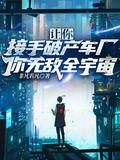 Let You Take over the Bankrupt Car Factory and You Will Be Invincible in the Universe
ExtraordinaryUrban1.5M Wordscompleted
6.6kReads8.4Score408Shelves
Let You Take over the Bankrupt Car Factory and You Will Be Invincible in the Universe
ExtraordinaryUrban1.5M Wordscompleted
6.6kReads8.4Score408Shelves
Reader note
"Inheriting a Machinery and Electrical Repair Shop at the Beginning" has a very realistic beginning: the protagonist Gao Tianqi has just lost his father in time travel, and is forced to take over the old machinery factory left by his father - a large factory on the outside, but a small OEM workshop on the inside, with no technology, no brand, and no profit. More than 300 workers make a living by relying on OEMs, with only 80,000 in cash left on the account, and there are also hidden bad debt mines to guarantee their escape. He originally wanted to refuse the inheritance and go to a major Internet company, but his office chair suddenly exploded. He accidentally activated the Skunk Super Factory system, directly unlocking the world's top manufacturing technology, and embarked on the road of counterattack in the factory. The most eye-catching thing is that the system is not contrary to nature, the protagonist is not exaggerated, and the entire process follows an industrial route. The system does not give money directly, but provides a full set of technical libraries, design drawings, and production plans, ranging from children's watches to military technology. However, points must be earned based on user praise before redemption, forcing the protagonist to make products, build reputation, and market. This kind of "technology in hand, hard work to get started" setting is much more advanced than brainless cool writing, and it looks particularly practical. The protagonist has clear ideas and takes steps step by step, which can be called an entrepreneurial textbook. He did not engage in high-end black technology right from the start, but started with phone watches for the elderly - aiming at the blank market where rural elderly people have difficulty in contacting each other, cutting off fancy functions, and retaining call, SOS, big buttons, and loudspeakers. The cost was reduced to 19.9, And the price was 39.9, Accurately hitting the blank area of price. Faced with doubts from old employees, insufficient funds, and no sales channels, he remained calm and unhurried: selling houses to raise funds, stabilizing military morale, setting up an e-commerce department, and launching live broadcasts to bring goods. Every step was convincing. The factory portraits in the book are particularly warm and full of fireworks. Niu Daqing, the office director, is outspoken and loyal in protecting the factory; Ma Xiulan, the financial officer, is attentive and helpful in everything; and the veteran employees in the workshop have solid skills and are hard-working. From being unfavorable to the young factory director at the beginning, to being moved by his determination and fully cooperating, they described the atmosphere of "one family in the old factory" in a particularly moving way. There was no infighting or betrayal, and everyone was working on their career. It was comfortable and healing to watch. The plot has a steady rhythm, sufficient details, and a sense of industry. From meetings to unify ideas, modify drawings, order accessories, control costs, build production lines, make trademarks, and launch live broadcasts, every step truly restores the manufacturing entrepreneurial process, without suspension or reduction of intelligence. There is no sudden wealth, no overnight success, but a product to gain reputation, an assembly line to gain a foothold, and a live broadcast to achieve a good start. This feeling of slowly rising is more fulfilling than taking off in an instant. The title of the book may seem ordinary, but the content is very profound. It tells not only the story of opening a factory to make money, but also the story of the transformation of traditional manufacturing: from OEM to independent research and development; from earning hard money to building a brand and making domestic products; from being led by the market to using technology to define products. The protagonist proves with actions that the manufacturing industry is not without a future, but that it needs to find the right path, use the right people, and make the right products. After reading this book, I feel passionate and sympathetic.
-
34
最
 The Poorest Car Company, the Whole Network Begged Me Not to Go Bankrupt
There Are Many Widows in Small TownsUrban485k Wordscompleted
16.1kReads8.1Score842Shelves
The Poorest Car Company, the Whole Network Begged Me Not to Go Bankrupt
There Are Many Widows in Small TownsUrban485k Wordscompleted
16.1kReads8.1Score842Shelves
Reader note
"Inheriting a Machinery and Electrical Repair Shop at the Beginning" has a very realistic beginning: the protagonist Gao Tianqi has just lost his father in time travel, and is forced to take over the old machinery factory left by his father - a large factory on the outside, but a small OEM workshop on the inside, with no technology, no brand, and no profit. More than 300 workers make a living by relying on OEMs, with only 80,000 in cash left on the account, and there are also hidden bad debt mines to guarantee their escape. He originally wanted to refuse the inheritance and go to a major Internet company, but his office chair suddenly exploded. He accidentally activated the Skunk Super Factory system, directly unlocking the world's top manufacturing technology, and embarked on the road of counterattack in the factory. The most eye-catching thing is that the system is not contrary to nature, the protagonist is not exaggerated, and the entire process follows an industrial route. The system does not give money directly, but provides a full set of technical libraries, design drawings, and production plans, ranging from children's watches to military technology. However, points must be earned based on user praise before redemption, forcing the protagonist to make products, build reputation, and market. This kind of "technology in hand, hard work to get started" setting is much more advanced than brainless cool writing, and it looks particularly practical. The protagonist has clear ideas and takes steps step by step, which can be called an entrepreneurial textbook. He did not engage in high-end black technology right from the start, but started with phone watches for the elderly - aiming at the blank market where rural elderly people have difficulty in contacting each other, cutting off fancy functions, and retaining call, SOS, big buttons, and loudspeakers. The cost was reduced to 19.9, And the price was 39.9, Accurately hitting the blank area of price. Faced with doubts from old employees, insufficient funds, and no sales channels, he remained calm and unhurried: selling houses to raise funds, stabilizing military morale, setting up an e-commerce department, and launching live broadcasts to bring goods. Every step was convincing. The factory portraits in the book are particularly warm and full of fireworks. Niu Daqing, the office director, is outspoken and loyal in protecting the factory; Ma Xiulan, the financial officer, is attentive and helpful in everything; and the veteran employees in the workshop have solid skills and are hard-working. From being unfavorable to the young factory director at the beginning, to being moved by his determination and fully cooperating, they described the atmosphere of "one family in the old factory" in a particularly moving way. There was no infighting or betrayal, and everyone was working on their career. It was comfortable and healing to watch. The plot has a steady rhythm, sufficient details, and a sense of industry. From meetings to unify ideas, modify drawings, order accessories, control costs, build production lines, make trademarks, and launch live broadcasts, every step truly restores the manufacturing entrepreneurial process, without suspension or reduction of intelligence. There is no sudden wealth, no overnight success, but a product to gain reputation, an assembly line to gain a foothold, and a live broadcast to achieve a good start. This feeling of slowly rising is more fulfilling than taking off in an instant. The title of the book may seem ordinary, but the content is very profound. It tells not only the story of opening a factory to make money, but also the story of the transformation of traditional manufacturing: from OEM to independent research and development; from earning hard money to building a brand and making domestic products; from being led by the market to using technology to define products. The protagonist proves with actions that the manufacturing industry is not without a future, but that it needs to find the right path, use the right people, and make the right products. After reading this book, I feel passionate and sympathetic.
-
35
让
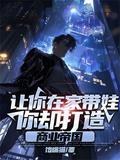 Let You Take Care of Your Children at Home, but You Build a Business Empire
Greedy CatUrban562k Wordscompleted
3.8kReads8.5Score310Shelves
Let You Take Care of Your Children at Home, but You Build a Business Empire
Greedy CatUrban562k Wordscompleted
3.8kReads8.5Score310Shelves
Reader note
"Inheriting a Machinery and Electrical Repair Shop at the Beginning" has a very realistic beginning: the protagonist Gao Tianqi has just lost his father in time travel, and is forced to take over the old machinery factory left by his father - a large factory on the outside, but a small OEM workshop on the inside, with no technology, no brand, and no profit. More than 300 workers make a living by relying on OEMs, with only 80,000 in cash left on the account, and there are also hidden bad debt mines to guarantee their escape. He originally wanted to refuse the inheritance and go to a major Internet company, but his office chair suddenly exploded. He accidentally activated the Skunk Super Factory system, directly unlocking the world's top manufacturing technology, and embarked on the road of counterattack in the factory. The most eye-catching thing is that the system is not contrary to nature, the protagonist is not exaggerated, and the entire process follows an industrial route. The system does not give money directly, but provides a full set of technical libraries, design drawings, and production plans, ranging from children's watches to military technology. However, points must be earned based on user praise before redemption, forcing the protagonist to make products, build reputation, and market. This kind of "technology in hand, hard work to get started" setting is much more advanced than brainless cool writing, and it looks particularly practical. The protagonist has clear ideas and takes steps step by step, which can be called an entrepreneurial textbook. He did not engage in high-end black technology right from the start, but started with phone watches for the elderly - aiming at the blank market where rural elderly people have difficulty in contacting each other, cutting off fancy functions, and retaining call, SOS, big buttons, and loudspeakers. The cost was reduced to 19.9, And the price was 39.9, Accurately hitting the blank area of price. Faced with doubts from old employees, insufficient funds, and no sales channels, he remained calm and unhurried: selling houses to raise funds, stabilizing military morale, setting up an e-commerce department, and launching live broadcasts to bring goods. Every step was convincing. The factory portraits in the book are particularly warm and full of fireworks. Niu Daqing, the office director, is outspoken and loyal in protecting the factory; Ma Xiulan, the financial officer, is attentive and helpful in everything; and the veteran employees in the workshop have solid skills and are hard-working. From being unfavorable to the young factory director at the beginning, to being moved by his determination and fully cooperating, they described the atmosphere of "one family in the old factory" in a particularly moving way. There was no infighting or betrayal, and everyone was working on their career. It was comfortable and healing to watch. The plot has a steady rhythm, sufficient details, and a sense of industry. From meetings to unify ideas, modify drawings, order accessories, control costs, build production lines, make trademarks, and launch live broadcasts, every step truly restores the manufacturing entrepreneurial process, without suspension or reduction of intelligence. There is no sudden wealth, no overnight success, but a product to gain reputation, an assembly line to gain a foothold, and a live broadcast to achieve a good start. This feeling of slowly rising is more fulfilling than taking off in an instant. The title of the book may seem ordinary, but the content is very profound. It tells not only the story of opening a factory to make money, but also the story of the transformation of traditional manufacturing: from OEM to independent research and development; from earning hard money to building a brand and making domestic products; from being led by the market to using technology to define products. The protagonist proves with actions that the manufacturing industry is not without a future, but that it needs to find the right path, use the right people, and make the right products. After reading this book, I feel passionate and sympathetic.
-
36
每
 The Harvest Is Different Every Day, I Am Good at Making Money in Every City
Memories of OctoberUrban663k Wordscompleted
6.3kReads8.1Score336Shelves
The Harvest Is Different Every Day, I Am Good at Making Money in Every City
Memories of OctoberUrban663k Wordscompleted
6.3kReads8.1Score336Shelves
Reader note
"Inheriting a Machinery and Electrical Repair Shop at the Beginning" has a very realistic beginning: the protagonist Gao Tianqi has just lost his father in time travel, and is forced to take over the old machinery factory left by his father - a large factory on the outside, but a small OEM workshop on the inside, with no technology, no brand, and no profit. More than 300 workers make a living by relying on OEMs, with only 80,000 in cash left on the account, and there are also hidden bad debt mines to guarantee their escape. He originally wanted to refuse the inheritance and go to a major Internet company, but his office chair suddenly exploded. He accidentally activated the Skunk Super Factory system, directly unlocking the world's top manufacturing technology, and embarked on the road of counterattack in the factory. The most eye-catching thing is that the system is not contrary to nature, the protagonist is not exaggerated, and the entire process follows an industrial route. The system does not give money directly, but provides a full set of technical libraries, design drawings, and production plans, ranging from children's watches to military technology. However, points must be earned based on user praise before redemption, forcing the protagonist to make products, build reputation, and market. This kind of "technology in hand, hard work to get started" setting is much more advanced than brainless cool writing, and it looks particularly practical. The protagonist has clear ideas and takes steps step by step, which can be called an entrepreneurial textbook. He did not engage in high-end black technology right from the start, but started with phone watches for the elderly - aiming at the blank market where rural elderly people have difficulty in contacting each other, cutting off fancy functions, and retaining call, SOS, big buttons, and loudspeakers. The cost was reduced to 19.9, And the price was 39.9, Accurately hitting the blank area of price. Faced with doubts from old employees, insufficient funds, and no sales channels, he remained calm and unhurried: selling houses to raise funds, stabilizing military morale, setting up an e-commerce department, and launching live broadcasts to bring goods. Every step was convincing. The factory portraits in the book are particularly warm and full of fireworks. Niu Daqing, the office director, is outspoken and loyal in protecting the factory; Ma Xiulan, the financial officer, is attentive and helpful in everything; and the veteran employees in the workshop have solid skills and are hard-working. From being unfavorable to the young factory director at the beginning, to being moved by his determination and fully cooperating, they described the atmosphere of "one family in the old factory" in a particularly moving way. There was no infighting or betrayal, and everyone was working on their career. It was comfortable and healing to watch. The plot has a steady rhythm, sufficient details, and a sense of industry. From meetings to unify ideas, modify drawings, order accessories, control costs, build production lines, make trademarks, and launch live broadcasts, every step truly restores the manufacturing entrepreneurial process, without suspension or reduction of intelligence. There is no sudden wealth, no overnight success, but a product to gain reputation, an assembly line to gain a foothold, and a live broadcast to achieve a good start. This feeling of slowly rising is more fulfilling than taking off in an instant. The title of the book may seem ordinary, but the content is very profound. It tells not only the story of opening a factory to make money, but also the story of the transformation of traditional manufacturing: from OEM to independent research and development; from earning hard money to building a brand and making domestic products; from being led by the market to using technology to define products. The protagonist proves with actions that the manufacturing industry is not without a future, but that it needs to find the right path, use the right people, and make the right products. After reading this book, I feel passionate and sympathetic.
-
37
专
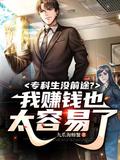 College Students Have No Future? It's Too Easy for Me to Make Money
Nine-Clawed Sea CrabUrban825k Wordscompleted
11.7kReads8.4Score579Shelves
College Students Have No Future? It's Too Easy for Me to Make Money
Nine-Clawed Sea CrabUrban825k Wordscompleted
11.7kReads8.4Score579Shelves
Reader note
"Inheriting a Machinery and Electrical Repair Shop at the Beginning" has a very realistic beginning: the protagonist Gao Tianqi has just lost his father in time travel, and is forced to take over the old machinery factory left by his father - a large factory on the outside, but a small OEM workshop on the inside, with no technology, no brand, and no profit. More than 300 workers make a living by relying on OEMs, with only 80,000 in cash left on the account, and there are also hidden bad debt mines to guarantee their escape. He originally wanted to refuse the inheritance and go to a major Internet company, but his office chair suddenly exploded. He accidentally activated the Skunk Super Factory system, directly unlocking the world's top manufacturing technology, and embarked on the road of counterattack in the factory. The most eye-catching thing is that the system is not contrary to nature, the protagonist is not exaggerated, and the entire process follows an industrial route. The system does not give money directly, but provides a full set of technical libraries, design drawings, and production plans, ranging from children's watches to military technology. However, points must be earned based on user praise before redemption, forcing the protagonist to make products, build reputation, and market. This kind of "technology in hand, hard work to get started" setting is much more advanced than brainless cool writing, and it looks particularly practical. The protagonist has clear ideas and takes steps step by step, which can be called an entrepreneurial textbook. He did not engage in high-end black technology right from the start, but started with phone watches for the elderly - aiming at the blank market where rural elderly people have difficulty in contacting each other, cutting off fancy functions, and retaining call, SOS, big buttons, and loudspeakers. The cost was reduced to 19.9, And the price was 39.9, Accurately hitting the blank area of price. Faced with doubts from old employees, insufficient funds, and no sales channels, he remained calm and unhurried: selling houses to raise funds, stabilizing military morale, setting up an e-commerce department, and launching live broadcasts to bring goods. Every step was convincing. The factory portraits in the book are particularly warm and full of fireworks. Niu Daqing, the office director, is outspoken and loyal in protecting the factory; Ma Xiulan, the financial officer, is attentive and helpful in everything; and the veteran employees in the workshop have solid skills and are hard-working. From being unfavorable to the young factory director at the beginning, to being moved by his determination and fully cooperating, they described the atmosphere of "one family in the old factory" in a particularly moving way. There was no infighting or betrayal, and everyone was working on their career. It was comfortable and healing to watch. The plot has a steady rhythm, sufficient details, and a sense of industry. From meetings to unify ideas, modify drawings, order accessories, control costs, build production lines, make trademarks, and launch live broadcasts, every step truly restores the manufacturing entrepreneurial process, without suspension or reduction of intelligence. There is no sudden wealth, no overnight success, but a product to gain reputation, an assembly line to gain a foothold, and a live broadcast to achieve a good start. This feeling of slowly rising is more fulfilling than taking off in an instant. The title of the book may seem ordinary, but the content is very profound. It tells not only the story of opening a factory to make money, but also the story of the transformation of traditional manufacturing: from OEM to independent research and development; from earning hard money to building a brand and making domestic products; from being led by the market to using technology to define products. The protagonist proves with actions that the manufacturing industry is not without a future, but that it needs to find the right path, use the right people, and make the right products. After reading this book, I feel passionate and sympathetic.
-
38
科
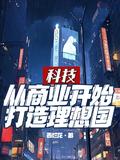 Technology: Building an Utopia Starting from Business
Western Burnt FlowersUrban1.0M Wordscompleted
7.3kReads7.6Score398Shelves
Technology: Building an Utopia Starting from Business
Western Burnt FlowersUrban1.0M Wordscompleted
7.3kReads7.6Score398Shelves
Reader note
"Inheriting a Machinery and Electrical Repair Shop at the Beginning" has a very realistic beginning: the protagonist Gao Tianqi has just lost his father in time travel, and is forced to take over the old machinery factory left by his father - a large factory on the outside, but a small OEM workshop on the inside, with no technology, no brand, and no profit. More than 300 workers make a living by relying on OEMs, with only 80,000 in cash left on the account, and there are also hidden bad debt mines to guarantee their escape. He originally wanted to refuse the inheritance and go to a major Internet company, but his office chair suddenly exploded. He accidentally activated the Skunk Super Factory system, directly unlocking the world's top manufacturing technology, and embarked on the road of counterattack in the factory. The most eye-catching thing is that the system is not contrary to nature, the protagonist is not exaggerated, and the entire process follows an industrial route. The system does not give money directly, but provides a full set of technical libraries, design drawings, and production plans, ranging from children's watches to military technology. However, points must be earned based on user praise before redemption, forcing the protagonist to make products, build reputation, and market. This kind of "technology in hand, hard work to get started" setting is much more advanced than brainless cool writing, and it looks particularly practical. The protagonist has clear ideas and takes steps step by step, which can be called an entrepreneurial textbook. He did not engage in high-end black technology right from the start, but started with phone watches for the elderly - aiming at the blank market where rural elderly people have difficulty in contacting each other, cutting off fancy functions, and retaining call, SOS, big buttons, and loudspeakers. The cost was reduced to 19.9, And the price was 39.9, Accurately hitting the blank area of price. Faced with doubts from old employees, insufficient funds, and no sales channels, he remained calm and unhurried: selling houses to raise funds, stabilizing military morale, setting up an e-commerce department, and launching live broadcasts to bring goods. Every step was convincing. The factory portraits in the book are particularly warm and full of fireworks. Niu Daqing, the office director, is outspoken and loyal in protecting the factory; Ma Xiulan, the financial officer, is attentive and helpful in everything; and the veteran employees in the workshop have solid skills and are hard-working. From being unfavorable to the young factory director at the beginning, to being moved by his determination and fully cooperating, they described the atmosphere of "one family in the old factory" in a particularly moving way. There was no infighting or betrayal, and everyone was working on their career. It was comfortable and healing to watch. The plot has a steady rhythm, sufficient details, and a sense of industry. From meetings to unify ideas, modify drawings, order accessories, control costs, build production lines, make trademarks, and launch live broadcasts, every step truly restores the manufacturing entrepreneurial process, without suspension or reduction of intelligence. There is no sudden wealth, no overnight success, but a product to gain reputation, an assembly line to gain a foothold, and a live broadcast to achieve a good start. This feeling of slowly rising is more fulfilling than taking off in an instant. The title of the book may seem ordinary, but the content is very profound. It tells not only the story of opening a factory to make money, but also the story of the transformation of traditional manufacturing: from OEM to independent research and development; from earning hard money to building a brand and making domestic products; from being led by the market to using technology to define products. The protagonist proves with actions that the manufacturing industry is not without a future, but that it needs to find the right path, use the right people, and make the right products. After reading this book, I feel passionate and sympathetic.
-
39
煤
 Gas*************
Qingfeng Is Also LiterateUrban1.1M Wordsongoing
28Reads5.8Score—Shelves
Gas*************
Qingfeng Is Also LiterateUrban1.1M Wordsongoing
28Reads5.8Score—Shelves
Reader note
The company is about to go bankrupt, and the awakening system has obtained various high-tech technologies to defeat one party.
-
40
破
 On the Verge of Bankruptcy, Developing a Miracle Drug Turns Things Around
Stinky Bao Pipicompleted
—Reads—Score—Shelves
On the Verge of Bankruptcy, Developing a Miracle Drug Turns Things Around
Stinky Bao Pipicompleted
—Reads—Score—Shelves
Reader note
The company is about to go bankrupt, and the awakening system has obtained various high-tech technologies to defeat one party.
-
41
军
 The No. 1 Young Man in the Arms Industry
Stir-Fried Pork with Cucumbercompleted
—Reads5.7Score—Shelves
The No. 1 Young Man in the Arms Industry
Stir-Fried Pork with Cucumbercompleted
—Reads5.7Score—Shelves
Reader note
The company is about to go bankrupt, and the awakening system has obtained various high-tech technologies to defeat one party.
-
42
继
 Inheriting Jiangnan Leather Factory Made the Whole Network Cry
A Small TableUrban323k Wordscompleted
765Reads7.1Score—Shelves
Inheriting Jiangnan Leather Factory Made the Whole Network Cry
A Small TableUrban323k Wordscompleted
765Reads7.1Score—Shelves
Reader note
The company is about to go bankrupt, and the awakening system has obtained various high-tech technologies to defeat one party.
-
43
我
 When I Sell Toys, the Wealthy People in the Middle East Like It Very Much.
Ceiling of My HouseUrban525k Wordscompleted
532Reads6.5Score—Shelves
When I Sell Toys, the Wealthy People in the Middle East Like It Very Much.
Ceiling of My HouseUrban525k Wordscompleted
532Reads6.5Score—Shelves
Reader note
The company is about to go bankrupt, and the awakening system has obtained various high-tech technologies to defeat one party.
-
44
我
 I Am a Student, Building a Top Business Empire
No. 0 Xiaopu StreetUrban1.3M Wordscompleted
25.7kReads9.1Score1.7kShelves
I Am a Student, Building a Top Business Empire
No. 0 Xiaopu StreetUrban1.3M Wordscompleted
25.7kReads9.1Score1.7kShelves
Reader note
Good looking, take over the water plant and build your own business empire
-
45
重
 Rebirth of the King of the Great Era
Twelve CrazyUrban6.4M Wordsongoing
84.5kReads9.2Score7.7kShelves
Rebirth of the King of the Great Era
Twelve CrazyUrban6.4M Wordsongoing
84.5kReads9.2Score7.7kShelves
Reader note
🔥🔥Science and Technology Flow+Great Chinese Literature🔥🔥Book Introduction: From his rebirth in 2035 to 1989, Xu Huasheng used advanced technological knowledge to start from VCD and develop into home appliances, mobile phones, chips and other industries. Finally, he established his own technological empire and helped China reach the top of the world🔥🔥
-
46
重
 Reborn Sixty Years Ago, in This Life I Am Only for My Wife and Children
Big EyeUrban4.9M Wordscompleted
85.2kReads9.1Score10.7kShelves
Reborn Sixty Years Ago, in This Life I Am Only for My Wife and Children
Big EyeUrban4.9M Wordscompleted
85.2kReads9.1Score10.7kShelves
Reader note
🔥🔥Science and Technology Flow+Great Chinese Literature🔥🔥Book Introduction: From his rebirth in 2035 to 1989, Xu Huasheng used advanced technological knowledge to start from VCD and develop into home appliances, mobile phones, chips and other industries. Finally, he established his own technological empire and helped China reach the top of the world🔥🔥
-
47
首
 The Richest Man Started Out as a Second-Rate Son Marrying a Beautiful Wife
TinghoushanUrban6.6M Wordscompleted
12.3kReads8.3Score1.4kShelves
The Richest Man Started Out as a Second-Rate Son Marrying a Beautiful Wife
TinghoushanUrban6.6M Wordscompleted
12.3kReads8.3Score1.4kShelves
Reader note
🔥🔥Science and Technology Flow+Great Chinese Literature🔥🔥Book Introduction: From his rebirth in 2035 to 1989, Xu Huasheng used advanced technological knowledge to start from VCD and develop into home appliances, mobile phones, chips and other industries. Finally, he established his own technological empire and helped China reach the top of the world🔥🔥
-
48
从
 Starting from Rebirth 90: Shorting U. S. Oil Stocks
BincolaUrban3.8M Wordscompleted
38.9kReads8.7Score3.6kShelves
Starting from Rebirth 90: Shorting U. S. Oil Stocks
BincolaUrban3.8M Wordscompleted
38.9kReads8.7Score3.6kShelves
Reader note
🔥🔥Science and Technology Flow+Great Chinese Literature🔥🔥Book Introduction: From his rebirth in 2035 to 1989, Xu Huasheng used advanced technological knowledge to start from VCD and develop into home appliances, mobile phones, chips and other industries. Finally, he established his own technological empire and helped China reach the top of the world🔥🔥
-
49
重
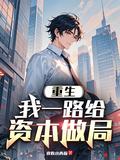 Rebirth: I Will Help Capital Along the Way
Like Small WatermelonUrban3.8M Wordsongoing
20kReads8.4Score1.7kShelves
Rebirth: I Will Help Capital Along the Way
Like Small WatermelonUrban3.8M Wordsongoing
20kReads8.4Score1.7kShelves
Reader note
🔥🔥Science and Technology Flow+Great Chinese Literature🔥🔥Book Introduction: From his rebirth in 2035 to 1989, Xu Huasheng used advanced technological knowledge to start from VCD and develop into home appliances, mobile phones, chips and other industries. Finally, he established his own technological empire and helped China reach the top of the world🔥🔥
-
50
公
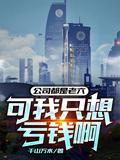 The Company Is Full of Old Guys: but I Just Want to Lose Money
Thousands of Mountains and RiversUrban4.4M Wordscompleted
34.7kReads8.8Score3.3kShelves
The Company Is Full of Old Guys: but I Just Want to Lose Money
Thousands of Mountains and RiversUrban4.4M Wordscompleted
34.7kReads8.8Score3.3kShelves
Reader note
🔥🔥Science and Technology Flow+Great Chinese Literature🔥🔥Book Introduction: From his rebirth in 2035 to 1989, Xu Huasheng used advanced technological knowledge to start from VCD and develop into home appliances, mobile phones, chips and other industries. Finally, he established his own technological empire and helped China reach the top of the world🔥🔥