🍅There are many good books in Tomato. These books are really good to read. The more you go to the back, the more exciting they become. It's eye-catching. It's so amazing! My aunt laughed throughout the whole process!
🫧Jiang Jin has only fallen in love with one person at first sight in his two lives. He has never had it once, and his love was passionate and sincere. 🌈Rong Yueqing is reborn. This time she should no longer be cowardly and let Rong's family arrange her life. The secret love in her previous life should not be fruitless. 🔥 Mr. Jiang from the capital has always lived a dignified and careless life. He is famous for being unkind and unjust, with a cold and hard heart. 🌧️Later, everyone in the capital knew that Master Jin had Bai Yueguang who was at the forefront of his heart. Master Jin's love for Bai Yueguang had always been flamboyant and domineering.
💥As a bookworm of more than ten years, I highly recommend these two books! These two books are simply the best, really amazing! It's really incredible, it's really amazing, it's really in line with what I want. The male protagonist in the first book is really smart. He calmly handles the thrills again and again, and uncovers all kinds of shady stories. Wow, I read them both. These two novels are 10 points in my heart.
If you like watching Fengshen, watch it. If you don't like it, please go away.
Don't use prehistoric methods! Don't use prehistoric methods! Don't use prehistoric methods!
Also, don't go out of your way to give a one-point rating, thank you.
Become Qin Shihuang once! ? Experience the hardships of childhood as one emperor through the ages, the murderous tactics as an adult, and the grudges and grudges that wipe out the six kingdoms? This book is the only one on the entire Internet that tells the story of Qin Shihuang/the official history of the Qin Dynasty in the first person. It is a non-time-travel imaginary text and has a strong sense of immersion! When searching for "Qin Shihuang" or "Great Qin" on the Tomato Novel website, "I am Qin Shi Huang, Great Qin Ten Thousand Years" is at the top! Welcome to read comments and update! ##Qin#Tomato novel[love]
① It looks good, but the biggest failure is that it is not finished! It's brain-burning, very, very brain-burning. You have to use your brain to read it. It's beyond the height of a tomato... A high-quality suspense novel. ② I have brushed it 3 times, it looks so good. He was six years old at that time and could not understand what "travel" was, nor did he know what a "parallel world" was. He thought he was still dreaming, but he didn't expect that the dream would last for twelve years.
Shu always gives lz a duck. This article is both strong and clean, not bloody, anti-routine, good writing style, novel subject matter, and various foreshadowings and reversals. It is really beautiful.
"She Is Like the Deep Sea" - a reunion that begins with revenge, an ultimate reversal about substitutes, misunderstandings and love as deep as the sea. When ten years of hatred collided with ten years of silent guardianship, when the hunter thought he was in control of the situation, little did he know that he had stepped step by step into the seemingly calm but powerful... Deep sea that could swallow up everything in the past.
Recommended reading of "The Ups and Downs of the Zhumen": In the corridor of history, we can see our own ups and downs and choices. If you are looking for a book that can make you still hear your own heartbeat after closing the book late at night; if you are eager to salvage the wisdom of life that has been forgotten by the times but is still hot in the river of words - then, please open "The Ups and Downs of the Zhumen". This is not just a novel. It is a bronze mirror that has been polished extremely clear by time and is hung in the corridor of history. When you get closer, the first thing that appears in the mirror are the faces of three generations of the Lin family - Lin Qingxuan's vicissitudes, Lin Niansang's poise, Lin Mingde's confusion, Master Liaochen's clarity - but if you look closely, the struggle between the brows, the glimmer in the eyes, and the perseverance at the corners of the mouth are so similar to you and me. It writes history, but it exposes the illusion of history. In the chapter "Ink and Tears", historian Lin Mingde faces more than just piles of old papers. Ink is cold and must record the iron-clad facts; tears are hot and carries the temperature of flesh and blood. When he wrote "The Yellow River burst its banks, killing 23,000 people", the tip of his pen trembled - it was not just a number, it was the cessation of 23,000 heartbeats, and the destruction of 23,000 families. This book cruelly tells us: All the "history" we talk about so lightly was once the living "life" of some people. Today, each of us is writing our own "little history" and participating in the "big history" of our times. What is the "ink" we use? For whom are the "tears" left shed? It writes about official career, but dismantles the myth of success. Lin Qingxuan went from being a scholar from a poor family to being a minister of the Ministry of Industry, and then returning to the countryside to live in seclusion. He climbed high peaks and fell down deep valleys. Do you think this is another cliché story about the ups and downs of officialdom? Wrong. The sharpest stroke in the book is: when Lin Qingxuan was sitting on the bank of his hometown river in his later years, watching the boats coming and going, he suddenly smiled - that smile was not open-minded, but full of understanding. He found that what he cherished most in his life was not the official seal or the royal seal, but the remaining warmth of the ten cakes his mother baked when he left home, and the white frost on his temples when his wife Asang waited for him in the snow. In this era where everyone is anxious about "going ashore" and is crazy about "involution", "The Ups and Downs of All Living Beings" asks softly: Is the "other shore" you are desperately rowing towards, really the place where your soul wants to live? It writes choices but refuses simple judgment. The most fascinating tension in the book lies in the reflection of the aunt and nephew Lin Niansang and Master Liao Chen. One is in the court hall, the morning bells are exciting, and he responds to the times with his participation in the world; the other is in the nunnery, the evening chimes are cold, and he settles his heart with the detachment of transcendence. The author does not belittle either party, but rather lets you see that the sound of bells and chimes are originally different echoes of the same rhythm of life. After reading this, you will let go of your obsession with either/or - it turns out that what matters is not which path you choose, but whether you hear the truest harmony in your heart on the path you choose. It writes about value, but subverts the worldly balance. "Jade and Gravel" is the most philosophically edgy chapter in the book. The jade seal given by the emperor, the jade pendant heirloomed from the family, and the gravel on the river beach were placed together for hundreds of years. In the end, the jade was broken into the soil, but the gravel was polished by the running water into a warm luster. This is not fate, but a metaphor: throughout our lives, are we chasing the "jade" (wealth, status, fame) defined by others, or are we protecting our own inner "gravel" (authenticity, conscience, love)? This book is like a silent wise man, pushing these three things in front of you, silently, just waiting for you to stretch your hand into them. But the most profound power of "The Ups and Downs of the Zhumen" is that it writes the truth about "inheritance". In the three generations of the Lin family, the officials were no more than ministers, the wealth was no more than well-off, and the reputation was no more than one party. But they left one thing behind - a consciousness of knowing when to say "no" in the face of temptation, a kindness that still illuminates others in desperate situations, and a pride that values family reputation more than personal life. This kind of inheritance is more difficult to dissipate than the wealth of a family, and it is longer than the inscriptions on bells and tripods. It directly touches on the hidden pain of our times: when we desperately accumulate school district housing, savings, and connections for our children, have we forgotten the more important "spiritual legacy"? A family without character and heritage, no matter how rich it is, is nothing more than a castle built on quicksand. After reading this book, you will experience four profound "confrontations": · Confronting history and seeing the warm blood in the cold records; · Confronting the officialdom and seeing through the loneliness and price behind the glitz; · Confronting the family and understanding that the true meaning of inheritance is far beyond material things; · Finally, confronting yourself and asking why you live and how to continue. This is not just the story of the Lin family. This is the spiritual history of every modern person who is trekking between reality and ideals, wandering between temptation and bottom line, and balancing between personal and family. The thoughts in the book about "ink and tears", "bells and chimes", "boats and shores", and "jades and gravels" are like exquisite keys, handed into your hands, and it is up to you to decide whether to open those equally heavy doors in your life. When you open it, you may burst into tears for the scene of Lin Qingxuan holding a piece of gravel in the darkness of the mine - because that everlasting glimmer of light in the darkness has also flickered in your life, but it was temporarily obscured by the busy life. Close it, you may go to the window and look at the lights of the city or the starry sky in the countryside. For the first time, you can hear the bells and chimes in your heart so clearly. For the first time, you know with such certainty: No matter how noisy the outside world is, you can choose to be a piece of gravel that has been washed away and never changes its true color, quietly emitting your own weak but eternal light in the river of time. "The Ups and Downs of All Living Beings" - a book of life worth keeping beside your pillow and reading frequently. It does not provide answers, only a mirror; it does not give comfort, only strength. Between the lines, I meet the ancients, and even the real you who may have been waiting to be known by me for a long time.
 Xi Huazhi
44.9kReads5.8Score7.5kShelves
Xi Huazhi
44.9kReads5.8Score7.5kShelves
 Spring Feast
55.8kReads5.8Score9.2kShelves
Spring Feast
55.8kReads5.8Score9.2kShelves
 System: the Savage Crown Princess Just Wants to Herd Sheep
50.9kReads9.6Score6.4kShelves
System: the Savage Crown Princess Just Wants to Herd Sheep
50.9kReads9.6Score6.4kShelves
 The Callous and Yandere Boss Is the Clingy Little Boy in My Arms at Night
4.3kReads9.0Score643Shelves
The Callous and Yandere Boss Is the Clingy Little Boy in My Arms at Night
4.3kReads9.0Score643Shelves
 If Bai Yueguang Is Not Invincible, He Must Be a Group Favorite
276Reads5.9Score—Shelves
If Bai Yueguang Is Not Invincible, He Must Be a Group Favorite
276Reads5.9Score—Shelves
 Butterfly Spy Network
17.9kReads9.3Score1.9kShelves
Butterfly Spy Network
17.9kReads9.3Score1.9kShelves
 70 Space: Time Travel Daughter and Reborn Mother
56.9kReads8.9Score4.6kShelves
70 Space: Time Travel Daughter and Reborn Mother
56.9kReads8.9Score4.6kShelves
 Real Life Record
552.3kReads9.6Score102kShelves
Real Life Record
552.3kReads9.6Score102kShelves
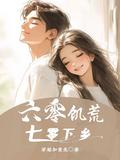 Famine in the 1960S and Going to the Countryside in the 1970S
16.9kReads8.9Score1.4kShelves
Famine in the 1960S and Going to the Countryside in the 1970S
16.9kReads8.9Score1.4kShelves
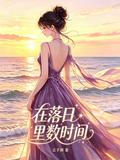 Counting the Hours at Sunset
88Reads7.6Score—Shelves
Counting the Hours at Sunset
88Reads7.6Score—Shelves
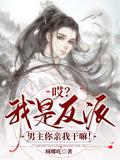 Through the Book: the Beautiful Villain Is Forced to Have Sex with the Darkened Male Protagonist
15.6kReads9.6Score2.8kShelves
Through the Book: the Beautiful Villain Is Forced to Have Sex with the Darkened Male Protagonist
15.6kReads9.6Score2.8kShelves
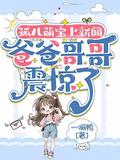 After Naibao Became Famous, His Father and Brother Cried Regretfully
9.6kReads9.2Score1.5kShelves
After Naibao Became Famous, His Father and Brother Cried Regretfully
9.6kReads9.2Score1.5kShelves
 Has the Male Lead Gone Dark Today?
3.9kReads9.4Score646Shelves
Has the Male Lead Gone Dark Today?
3.9kReads9.4Score646Shelves
 Go Crazy and Rectify the Entertainment Industry. It's Very Peaceful and Safe.
48.9kReads9.5Score7.4kShelves
Go Crazy and Rectify the Entertainment Industry. It's Very Peaceful and Safe.
48.9kReads9.5Score7.4kShelves
 Even If You Are a Fake Daughter, You Still Have to Be Brave and Show Off.
163.8kReads9.6Score20.3kShelves
Even If You Are a Fake Daughter, You Still Have to Be Brave and Show Off.
163.8kReads9.6Score20.3kShelves
 After Dressing up as a Fake Young Master, I Was Targeted by the Real Young Master
3kReads8.9Score471Shelves
After Dressing up as a Fake Young Master, I Was Targeted by the Real Young Master
3kReads8.9Score471Shelves
 Zaizai, Caicai, Laolao Mother!
20.7kReads9.0Score3kShelves
Zaizai, Caicai, Laolao Mother!
20.7kReads9.0Score3kShelves
 Ridiculous, Whose Alpha Eats Small Cakes?
52.8kReads9.7Score7.9kShelves
Ridiculous, Whose Alpha Eats Small Cakes?
52.8kReads9.7Score7.9kShelves
 After the Senior Brother Escaped, the Junior Brothers All Went Crazy
2kReads9.4Score322Shelves
After the Senior Brother Escaped, the Junior Brothers All Went Crazy
2kReads9.4Score322Shelves
 After Dressing up as a Villain, the Senior Brother Was Taken Advantage of by His Junior Brother.
2.9kReads9.3Score546Shelves
After Dressing up as a Villain, the Senior Brother Was Taken Advantage of by His Junior Brother.
2.9kReads9.3Score546Shelves
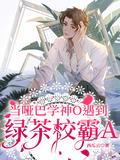 When the Mute Academic God O Meets the Green Tea School Bully A
5.4kReads9.5Score847Shelves
When the Mute Academic God O Meets the Green Tea School Bully A
5.4kReads9.5Score847Shelves
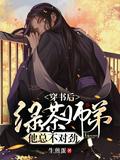 Chuan Shu: Is the Villain Junior Brother Bullied Today?
3.5kReads9.5Score606Shelves
Chuan Shu: Is the Villain Junior Brother Bullied Today?
3.5kReads9.5Score606Shelves
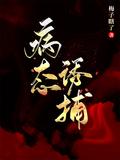 Sick Trap
34.8kReads9.5Score5.7kShelves
Sick Trap
34.8kReads9.5Score5.7kShelves
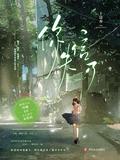 You Broke Your Promise
69.2kReads9.5Score12.9kShelves
You Broke Your Promise
69.2kReads9.5Score12.9kShelves
 The President Can't Control the Young Lady Anymore
76kReads9.5Score11.7kShelves
The President Can't Control the Young Lady Anymore
76kReads9.5Score11.7kShelves
 Mr. Jin Is Very Bad, and Mr. Bai Yueguang Is Pampered.
7.6kReads9.4Score836Shelves
Mr. Jin Is Very Bad, and Mr. Bai Yueguang Is Pampered.
7.6kReads9.4Score836Shelves
 After Mei Qiang Was Reborn Tragically, She Was Pestered to Tears by the Sick Mr. Rong
6.8kReads9.0Score732Shelves
After Mei Qiang Was Reborn Tragically, She Was Pestered to Tears by the Sick Mr. Rong
6.8kReads9.0Score732Shelves
 Rose over Thorns
6.4kReads9.1Score620Shelves
Rose over Thorns
6.4kReads9.1Score620Shelves
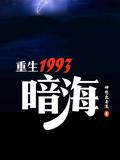 Nuhai Zhenyuan
202.7kReads9.6Score25.2kShelves
Nuhai Zhenyuan
202.7kReads9.6Score25.2kShelves
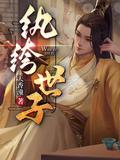 Dandy Prince
158.4kReads9.1Score16.1kShelves
Dandy Prince
158.4kReads9.1Score16.1kShelves
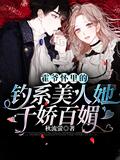 Paranoid Mr. Huo's Little Flirt Is Acting Coquettishly Again
4kReads9.2Score476Shelves
Paranoid Mr. Huo's Little Flirt Is Acting Coquettishly Again
4kReads9.2Score476Shelves
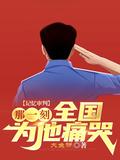 Memory Trial: at That Moment, the Whole Country Cried for Him
7.6kReads9.2Score870Shelves
Memory Trial: at That Moment, the Whole Country Cried for Him
7.6kReads9.2Score870Shelves
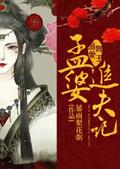 The King of Hell Dotes On: the Story of Po Meng Chasing Her Husband
503Reads8.6Score129Shelves
The King of Hell Dotes On: the Story of Po Meng Chasing Her Husband
503Reads8.6Score129Shelves
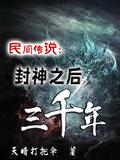 Folklore: Three Thousand Years After Becoming a God
747Reads7.1Score102Shelves
Folklore: Three Thousand Years After Becoming a God
747Reads7.1Score102Shelves
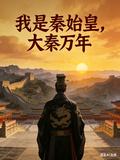 I Am the First Emperor of Qin, and I Have Lived in the Qin Dynasty for Ten Thousand Years.
194Reads5.8Score—Shelves
I Am the First Emperor of Qin, and I Have Lived in the Qin Dynasty for Ten Thousand Years.
194Reads5.8Score—Shelves
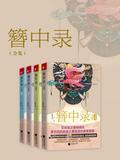 Hairpin Record
18.5kReads9.7Score3.3kShelves
Hairpin Record
18.5kReads9.7Score3.3kShelves
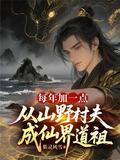 Add a Little Bit Every Year to Transform Yourself from a Mountain Villager into a Taoist Ancestor in the Immortal World
909.5kReads9.7Score119.4kShelves
Add a Little Bit Every Year to Transform Yourself from a Mountain Villager into a Taoist Ancestor in the Immortal World
909.5kReads9.7Score119.4kShelves
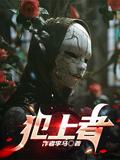 Offender
264.2kReads9.4Score31.9kShelves
Offender
264.2kReads9.4Score31.9kShelves
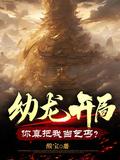 Young Dragon Starts, Do You Really Think of Me as a Beggar?
97.7kReads9.2Score10kShelves
Young Dragon Starts, Do You Really Think of Me as a Beggar?
97.7kReads9.2Score10kShelves
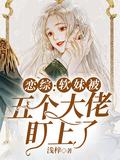 After Being Reborn in the Romance Drama, I Became the Favorite of the National Group
5.4kReads9.3Score726Shelves
After Being Reborn in the Romance Drama, I Became the Favorite of the National Group
5.4kReads9.3Score726Shelves
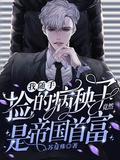 The Sick Rice Seedling I Randomly Picked up Turned Out to Be the Richest Man in the Empire
18.4kReads9.4Score1.9kShelves
The Sick Rice Seedling I Randomly Picked up Turned Out to Be the Richest Man in the Empire
18.4kReads9.4Score1.9kShelves
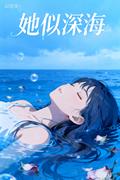 She Is Like the Deep Sea
11Reads5.8Score—Shelves
She Is Like the Deep Sea
11Reads5.8Score—Shelves
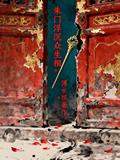 The Ups and Downs of Zhumen
5Reads—Score—Shelves
The Ups and Downs of Zhumen
5Reads—Score—Shelves
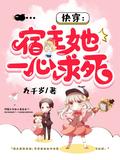 Quick Travel: the Host Wants to Die
16.6kReads9.5Score1.7kShelves
Quick Travel: the Host Wants to Die
16.6kReads9.5Score1.7kShelves
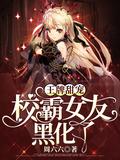 Ace Sweetheart: the Girlfriend of the School Bully Has Turned Evil
116Reads9.1Score—Shelves
Ace Sweetheart: the Girlfriend of the School Bully Has Turned Evil
116Reads9.1Score—Shelves
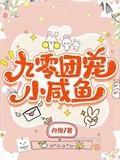 Traveling Through the 1990S, a Cute Three-Year-Old Boy Hopes His Father Will Become a Dragon
2.8kReads9.2Score253Shelves
Traveling Through the 1990S, a Cute Three-Year-Old Boy Hopes His Father Will Become a Dragon
2.8kReads9.2Score253Shelves
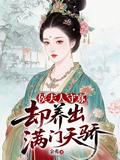 Mrs. Hou Is a Widow, but She Has Raised a Family of Geniuses
70.8kReads9.4Score11kShelves
Mrs. Hou Is a Widow, but She Has Raised a Family of Geniuses
70.8kReads9.4Score11kShelves
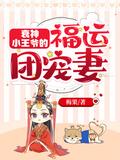 The Lucky Little Prince's Doting Wife
3.3kReads9.1Score467Shelves
The Lucky Little Prince's Doting Wife
3.3kReads9.1Score467Shelves
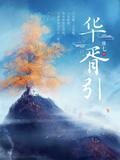 Hua Xuyin
2.3kReads9.5Score758Shelves
Hua Xuyin
2.3kReads9.5Score758Shelves
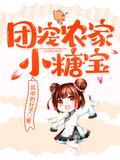 Group Pet Farmer's Little Sugar Baby
193.6kReads9.2Score18.4kShelves
Group Pet Farmer's Little Sugar Baby
193.6kReads9.2Score18.4kShelves