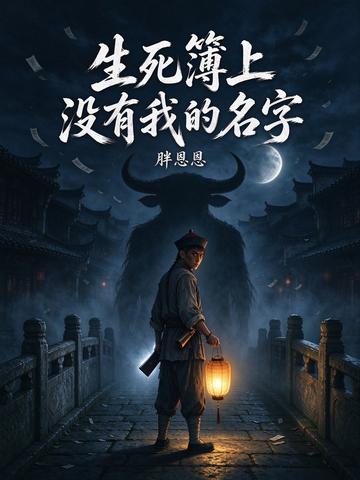
Chen Geng, a night watchman, has his soul hooked away in the third watch of the night.
Only after reaching the Hall of the King of Hell does he learn that the soul-taker's mistake was real, and so was his death. But the Book of Life and Death has been turned upside down, and there's no name "Chen Geng" in it at all.
The muddleheaded underworld official is afraid of being punished, so he makes a deal with Chen Geng: he'll send him back to the living world, and in return Chen Geng must solve a long-standing case for the Underworld within seven days. If he fails, the official can come back and take him at any time.
From then on, Taiping Town has a night watchman carrying an official warrant from the Underworld. Whatever object he touches can tell him the last thing it experienced: a doorstep remembers who left money there at night, a mooring rope remembers who cried in the hold, and a charred page from an old ledger remembers the name erased thirty years ago.
A riverbank where someone calls out names at midnight, red envelopes left at a doorway for three nights running, clothes that mustn't be collected after dark, taboos passed down by the elders: every one of them is a case for him to solve.
Gradually, he discovers that the disappearance of his name was no mistake. The hand that wrote it down and the hand that erased it belong to the same person. That hand is older even than the Judge of the Underworld.
The old clapper his grandfather left behind, the ferry crossing where his parents vanished, the files the City God refuses to discuss: clue by clue, they all point to the great case from thirty years ago.
Chen Geng carries his lantern into the night: the night watch must go on, and so must the case.