Ancient court intrigue / iron-fisted state-building / traditional historical fantasy
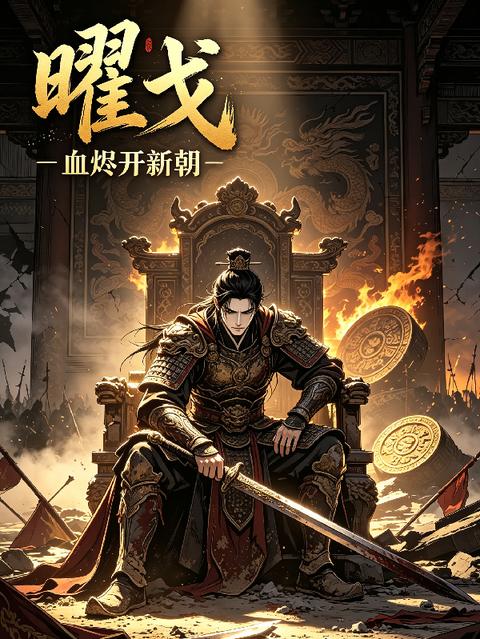
In the final years of the Great Xie, the ruler is benighted and his ministers corrupt. Helyu Chongyue, Grand General and Pillar of State, is falsely accused of treason and his entire family is executed. Only the heir, Helyu Zhirui, and his little sister, Zhaoning, survive. The old general risks his life to save Zhaoning and bring her to Zhirui. On the night the siblings reunite, Zhirui kneels and swears: "Until I avenge this, I am no man."
General of the Dragon Cavalry Qifu Hengshuo is beheaded in the street for pleading on behalf of the Helyu family. In a pool of blood, he grips Zhirui's hand and leaves him with one final request: "My sister... don't let her be sold into a brothel."
Zhirui roars at the sky: "Why must a subject accept death when the ruler demands it? I'll change that rule!"
He gathers the remnants of the frontier army beneath the banner of "Clearing the Court of Traitors" and drives his iron cavalry straight for the imperial capital. But the Great Xie is like a centipede that can die and still twitch. He suffers defeat after defeat and comes close to death again and again, yet someone always steps in to take the blade for him, because he refuses to kneel, and so thousands are willing to die for him.
At last, the foolish ruler's head falls, and the ancestral temple of the Great Xie burns itself to the ground. Helyu Zhirui ascends the throne and names his new state the Great Yao.
He establishes new laws: the court will provide for the families of those killed in battle; officials can be sentenced only after a joint hearing by the Three Judicial Offices; and meritorious soldiers can be made marquises regardless of their background. He posthumously honors Qifu Hengshuo as Duke Zhongwu and brings his sister into the palace, conferring on her the title of Princess of a Commandery. His own sister Zhaoning is made a Grand Princess and personally chooses a worthy husband.
History records: The Great Xie fell because its ruler showed no care for his subjects. The Great Yao rose because one man refused to kneel again.