This novel avoids overpowered, unrealistic elements and focuses on the practical principles of modern development.
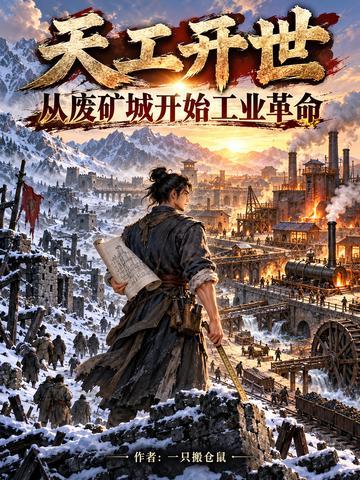
Chen, a senior structural engineer, woke up as a refugee in the borderlands of Great Yan.
Behind him were hungry elderly people and children. Before him lay an abandoned mining town, collapsed mine shafts, and blizzards that could kill at any moment. His only support was an apprentice-level AI distilled from a massive model.
Its abilities were limited, but it was free.
Chen decided not to be picky.
While others transmigrated to compete for the world, he first checked the roof's load-bearing capacity. While others recruited troops and bought horses, he took stock of the grain, repaired irrigation canals, and built housing. When the local authorities tried to bully people with land deeds and official seals, he spread out the accounts and demanded to know who each grain of rice and each acre of land truly belonged to.
From coke, steel, glass, and cement to machine tools, boilers, electricity, and modern industry; from a few hundred homeless refugees to a new city with schools, hospitals, factories, and a system of governance.
At first, Chen only wanted the people around him to survive.
But when the first steam engine began to turn, he realized he was driving more than just a city forward.
This is the story of an engineer and a group of ordinary people who use blueprints, standards, machines, and institutions to personally usher the old world into a new era.
And the destination of industrial civilization is not the unification of the world.
It lies among the stars.