When a bank tightens the terms for renewing a loan, factories often cut orders soon afterward. A hint of turbulence in the foreign exchange market can send the prices of imported fuel, medicine, and food soaring. Pension funds overseas may place cross-border bets in pursuit of higher returns, but the people who ultimately bear the risk are often ordinary families who have never once traded foreign currency.
The full weight of a financial crisis lands squarely on ordinary people’s jobs and incomes.
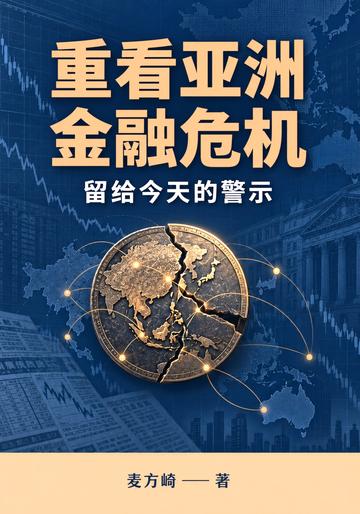
From the Mexican peso crisis and the Asian financial crisis to Russia’s government bond default and Hong Kong’s financial defense, several economies scattered across the globe plunged into trouble within just four years.
Today, cross-border capital is no longer moved solely by traditional banks. ETFs, hedge funds, private credit, and even stablecoins have joined the fray. Those old risks never disappeared. They have simply gone undercover in newer accounts, with more fashionable technology and faster trading speeds, quietly lying in wait.