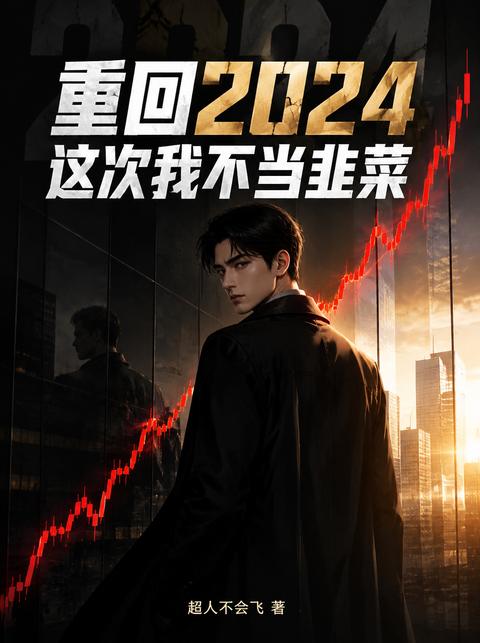
In 2026, Jiang Chao, a failed retail investor buried in debt, died in his rented apartment.
When he opened his eyes again, he was back on September 23, 2024, the eve of the rally that began on 9/24.
This time, he remembered the market's movements in the first half of the journey, and why he had lost in his previous life: selling his car, borrowing money, going all in, and staking his last chance to turn his life around on a single stock. But just as he prepared to bet on the market using his memories, a familiar voice came from a livestream: the "stock god" who treated retail investors like prey had also been reborn.
From the 9/24 rally to monster stocks, from the AI market theme to cross-market turmoil, Jiang Chao makes money all the way, and loses things along the way too: his wife's trust, his brothers' loyalty, and ordinary people's illusions about "turning their lives around." Every profit comes with a debt to repay.
What is he really trying to escape: the next crash, or the person he was in his previous life, who lived like a chive waiting to be harvested?
Hindsight can save an account, but not human nature.

There's a common problem with rebirth-themed finance novels: you've been reborn with a godlike perspective, yet you still want to show off your lousy technical skills. What skills could you possibly have if you were just a novice investor in your past life?
The author put a lot of effort into the article; its structure and details are essentially a replica of events since September 2024, including key events and top-performing stocks, making it very relatable.
Now I finally understand why so few people watch it. It's tedious and lacks substance, full of nonsense, technically poor, and devoid of any engaging moments. Especially the conversation with that Engineer Cao, I'm speechless. Just cut it off.