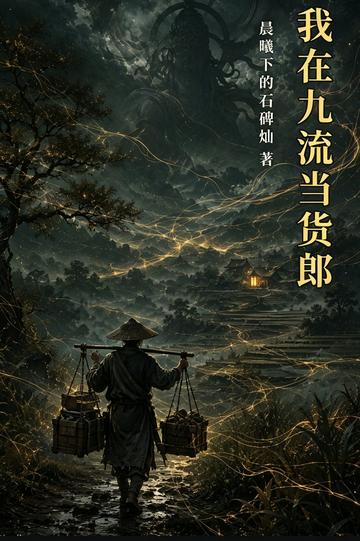
Lu Gui transmigrates. When he opens his eyes, he is lying in a pile of corpses at a sacrificial site, with the identity of a peddler at the very bottom of this cultivation world.
There are no spirit roots here, and no battle aura.
Every living being is a signal receiver station. The more people there are, the more congested the signal becomes, and the harder cultivation gets.
The Upper Nine Trades monopolize the frequencies and have held noble status for generations. The Lower Nine Trades are treated as expendable, their lives worth less than grass.
Others memorize the Daoist canon by rote as if it were arcane lore. He takes it apart like technical documentation:
He reads three layers into the same scripture, while others see only one.
Others think the decline of spiritual energy in this golden age is part of the Heavenly Dao's cycle. He sees congestion in the communication channels.
Others think the imperial court collects taxes to govern the country. He sees a monopoly on the frequencies.
Starting with a carrying pole and a ledger:
He collects junk, identifies counterfeits, sells information, and shakes up the whole game.
Years later, when the lords of the Upper Nine Trades open the imperial register, they discover in horror that
the little peddler whose file reads
Catch up to Chapter 46 and come to Amway! "I am a Ninth-rate Salesman" is really a breath of fresh air in fantasy. There is no system, no mindless crushing. The protagonist Lu Gui is a low-level salesman. With a ledger and a burden, he relies on resourceful games to stir up all the forces. The world view is very novel, spiritual practice grabs the channel frequency band, and the ninth level monopolizes resources.