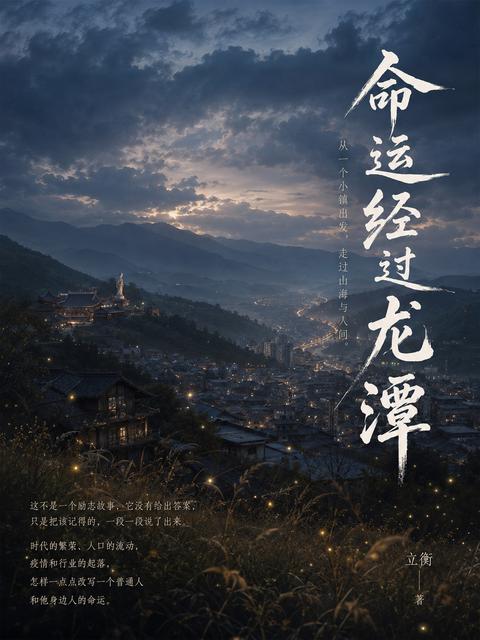
Longtan is a small town in Youyang, Chongqing. Many people in this book have never left it in their entire lives. Old Ming had no wife and no children. The year my family built our house, he helped watch the construction site. When it was his turn to keep night watch, I slept with him in the unfinished house, where we could see the stars overhead. He gave me half a roasted sweet potato and told me stories about weasels becoming spirits until I fell asleep. Many years later, my father told me over the phone that Old Ming was gone.
Master Lu lived in the mountains, fishing, growing vegetables, and raising bees. Later, the river turned black. The fish he caught were bent out of shape, their bellies swollen. He had no money to move away, so he stayed there, fishing and growing vegetables. My deskmate in ninth grade got married before she was old enough. The banquet was set up beside the road. The first dish was wedding candy mixed with sunflower seeds and peanuts, and lots of people reached out to grab some. When people got up to leave, some packed food to take home. Those who did were the poorer ones.
There was also a child on the other side of the mountain who had to walk six hours to school every day. My walk home from school took fifteen minutes. Later, I kept going farther afield: Nanchang, Hangzhou, Kyoto, Mumbai, and twenty-eight counties in Yunnan, before finally settling in Shenzhen. The farther I went, the more I realized there were people like this everywhere. A sixty-seven-year-old landlady in the Japanese countryside said all the young people had left and she was the second-youngest person in the village. The stench in Mumbai's slums was almost exactly like the one in Longtan's old food market. The times had passed over these people again and again. No one had ever asked them a single question.
I made up none of these stories.

[Stunned]
This is amazing! It's so delicate, heartwarming, and healing. That's the power of words—it's so vivid and immersive!
I'm a friend of the author, this is so true...